

Cleansing Brushes & Cleaning Brushes | Walmart

























About Cleansing Brushes & Cleaning Brushes | Walmart - Walmart.com
Cleaning brushes help you tackle stuck-on messes across tile, grout, dishes, and hard surfaces. You can compare bristle type, handle design, use case, and power style to match each cleaning job.
How to choose cleaning brushes for each surface
When you compare cleaning brushes, you should start with the surface you plan to scrub. You’ll want bristles that loosen residue without leaving marks on finishes you want to keep looking clean.
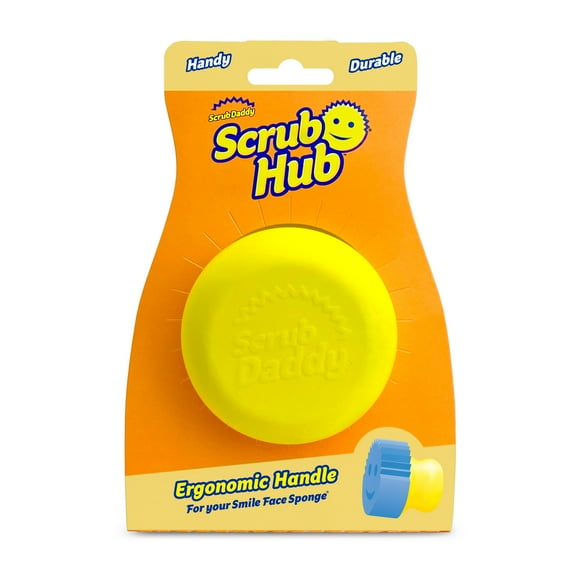
Soft and silicone bristles can suit lighter messes, delicate finishes, and quick daily wipe-downs. Stiff bristles can give you firm scrubbing action when your sink, tub, or patio needs extra pressure.
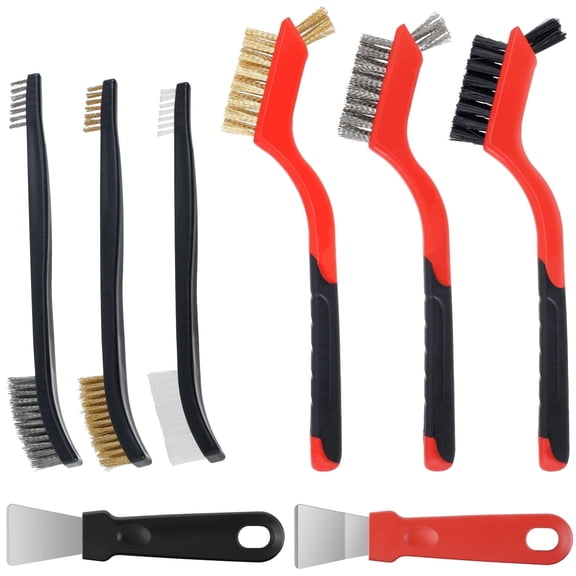
Nylon bristles are a common middle ground when you want reach, flex, and reliable everyday use. Wire styles can suit specific heavy-duty tasks, so you should check surface compatibility before choosing them.
You can narrow your options quickly when you match brush details to the task. Consider these practical decision points before you pick your next household cleaning brushes.
- You can use soft or silicone bristles when your surfaces need a gentle touch.
- You can choose stiff or nylon bristles when your tile lines or pans need firm scrubbing action.
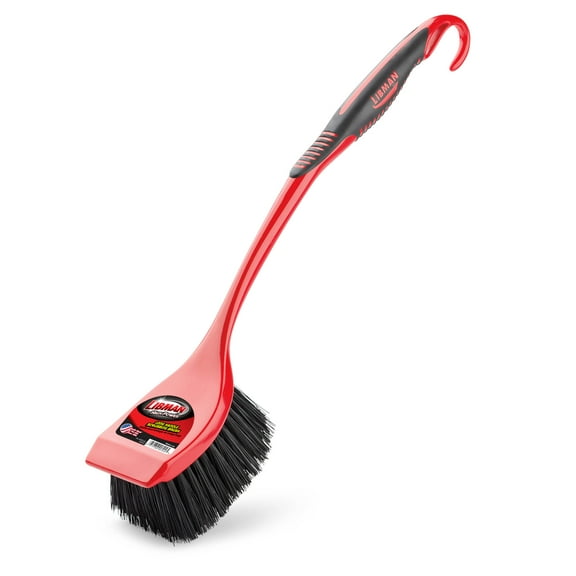
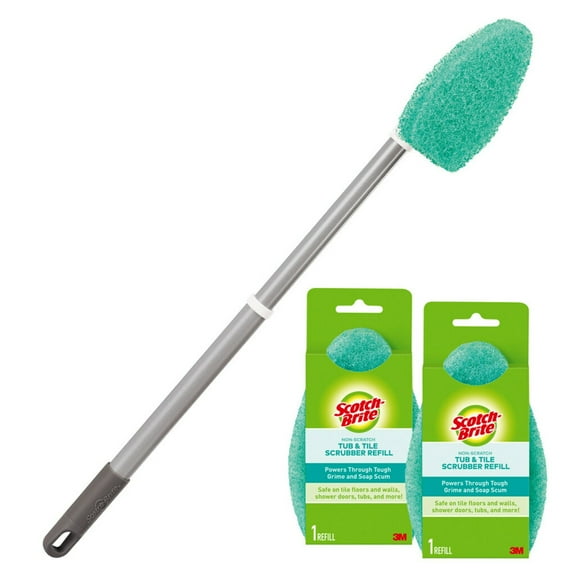
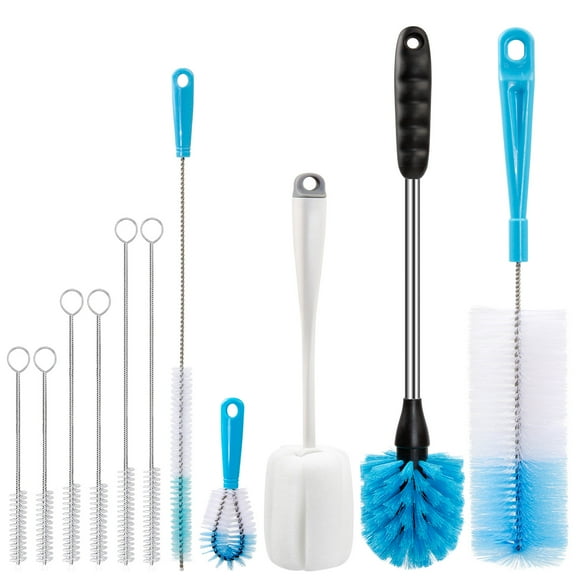
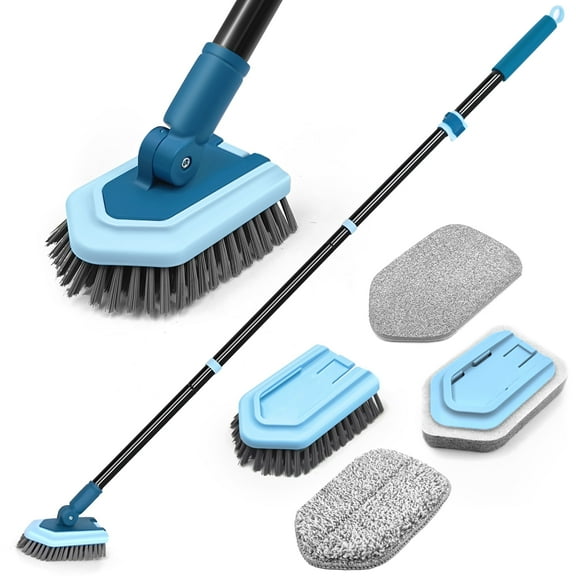
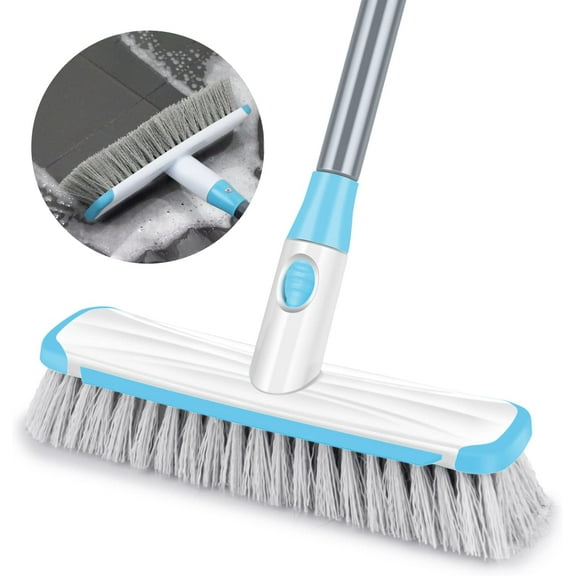
- You can pick a long handle when you need reach inside tubs, showers, and deep bottles.
- You can choose an ergonomic grip when you want steady control during longer cleaning sessions.
- You can compare manual scrubbing and electric spin styles based on your routine and preferred effort level.
Choosing household cleaning brushes by bristle and handle
Your bristle choice affects how much force you apply and how the brush moves across a surface. You should compare stiffness with surface sensitivity, especially when you’re cleaning tile, glass, coated cookware, or fixtures.
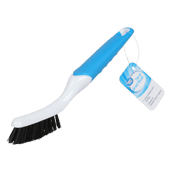
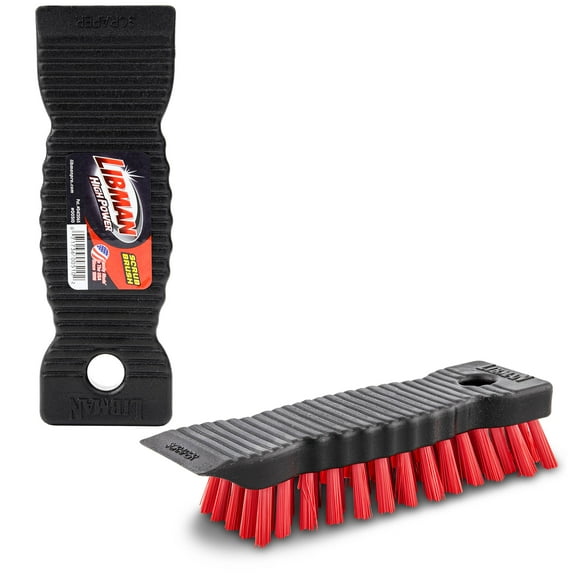
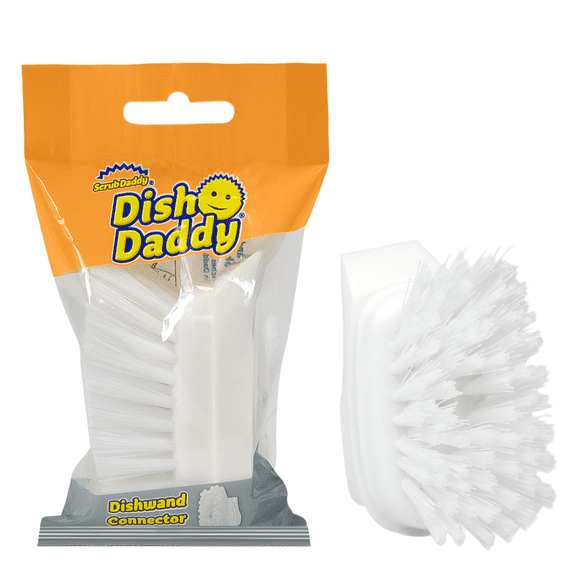
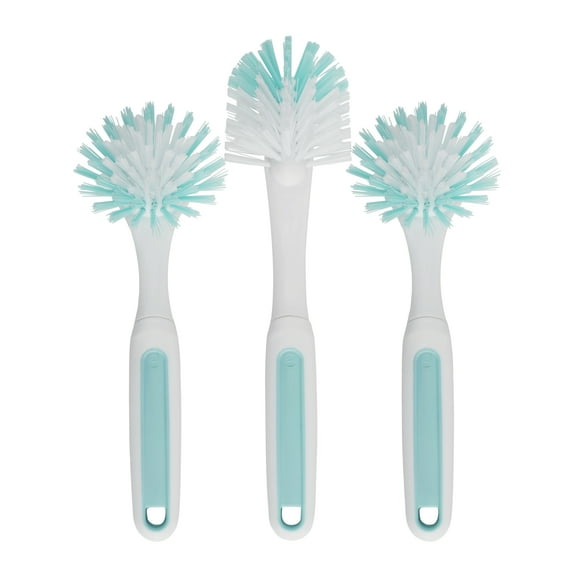
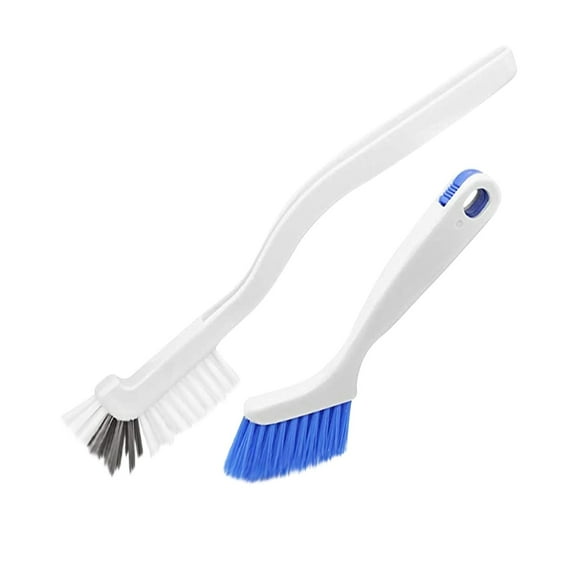
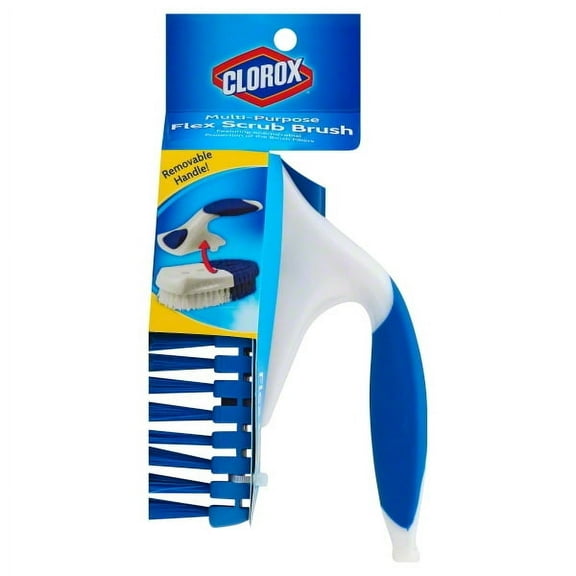
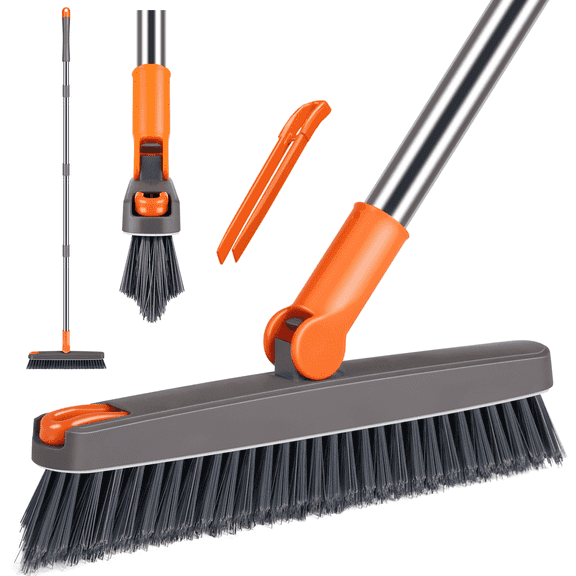
If you need a grout cleaning brush, you may prefer narrow, firm bristles that reach into lines and corners. If you’re cleaning dishes or bottles, you may prefer softer heads that move around curves and rims.
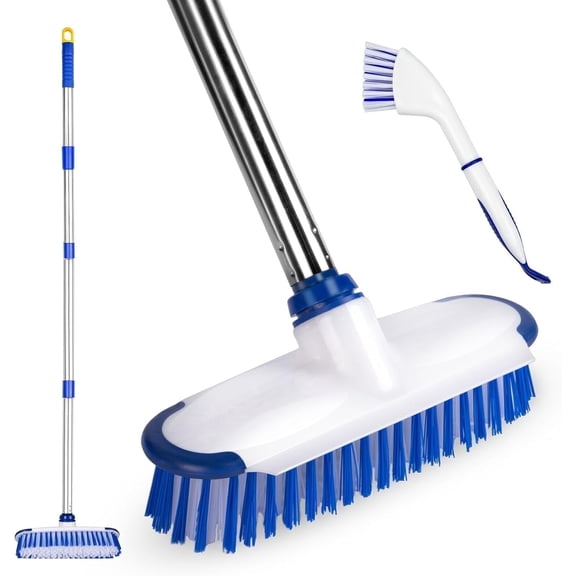
Your handle choice also changes how easily you reach tight spots, floor edges, and taller containers. A short handle can give you compact control, while an extendable handle can help you cover more area.
An ergonomic grip can help you hold steady during repeated strokes on soap scum or baked-on residue. A long handle can help you clean shower walls, tubs, and deep sinks with less stretching.
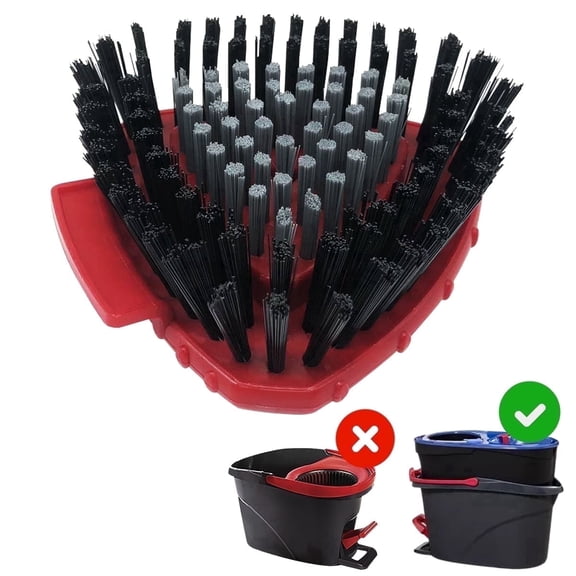
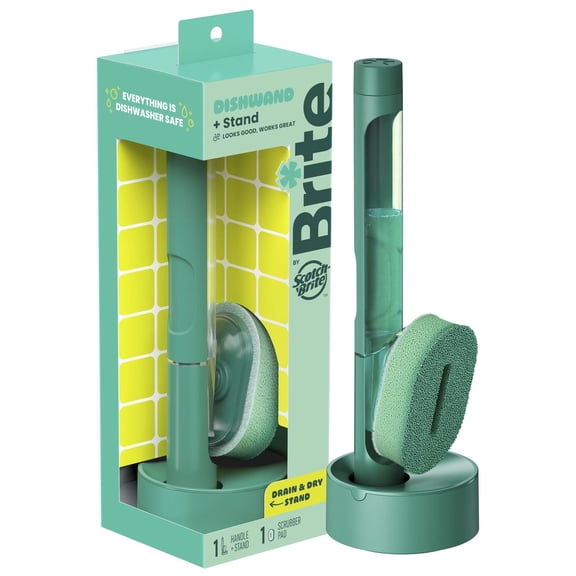
You may also want to check whether brush heads are replaceable when you clean often. You can also look for dishwasher safe pieces when you want easy cleanup after each use.
Scrub brushes for cleaning bathrooms, kitchens, and grout
You’ll get more from scrub brushes for cleaning when you match shape and bristle style to the room. Bathroom cleaning brushes often need to reach around faucets, tile edges, shower tracks, and textured tub floors.
For bathroom tasks, you may want slim heads for grout lines and rounded heads for corners. You can use firmer bristles on tile joints, while softer options may suit fixtures and finished surfaces.
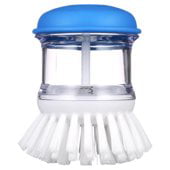
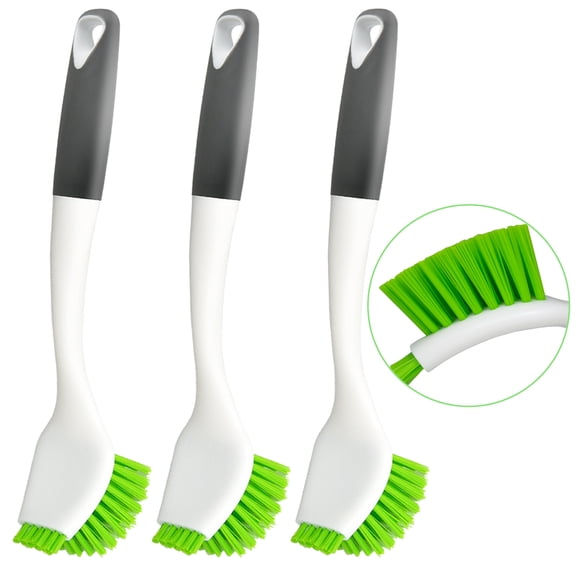
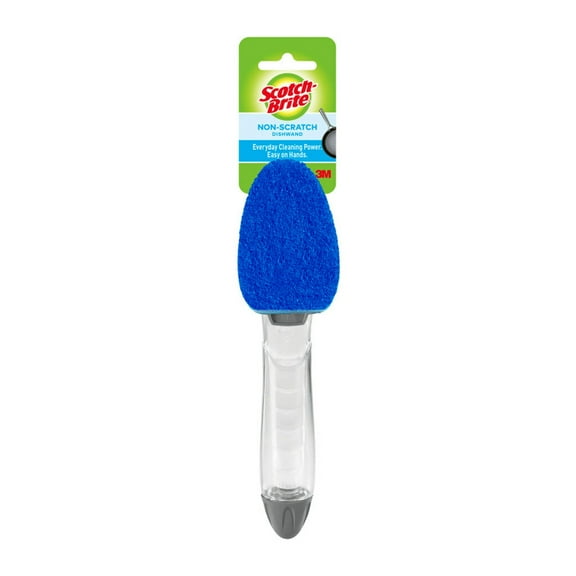
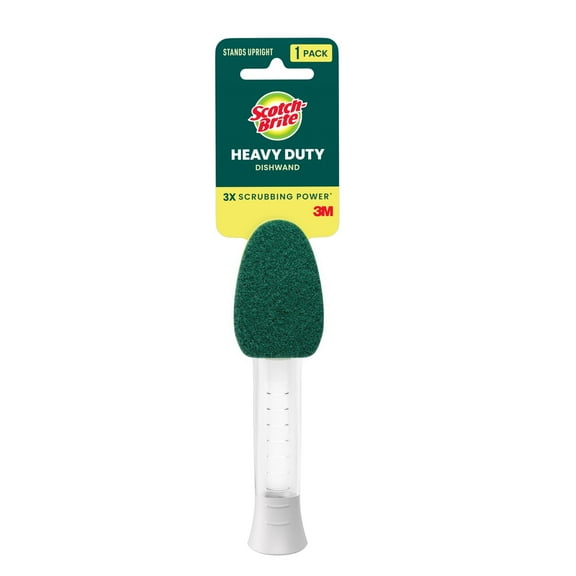
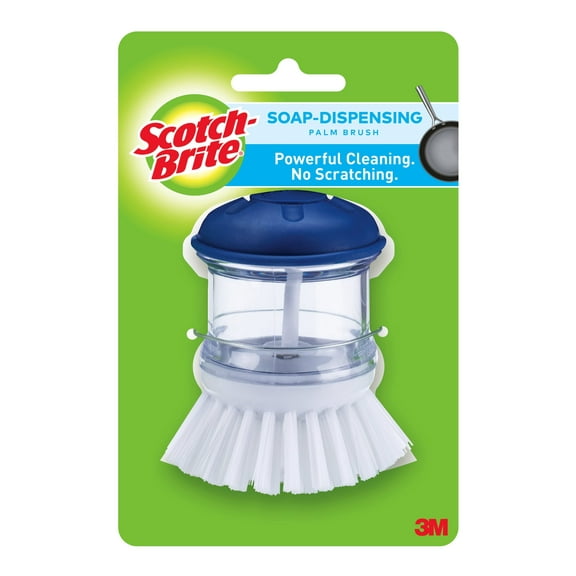
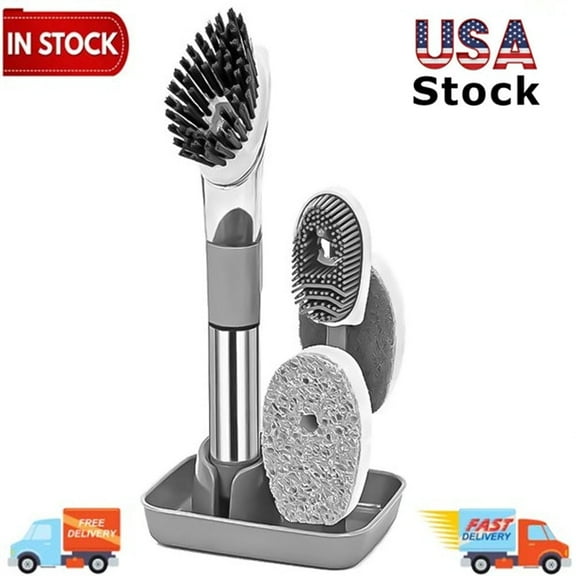
Kitchen scrub brushes often focus on grease, dried food, sink buildup, and stovetop residue. You may prefer compact heads for pans and dishes, or longer designs for bottles and pitchers.
If you clean grout often, a dedicated grout cleaning brush can help you target narrow channels with more control. You can also use detail brushes around backsplash seams, sink rims, and appliance edges.
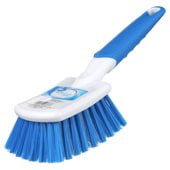
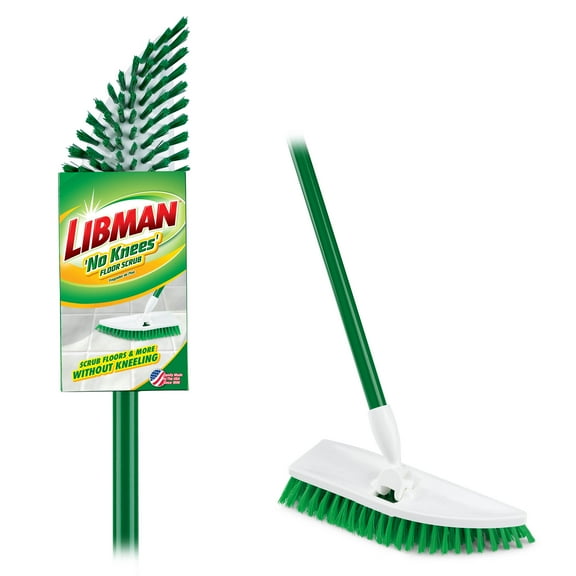
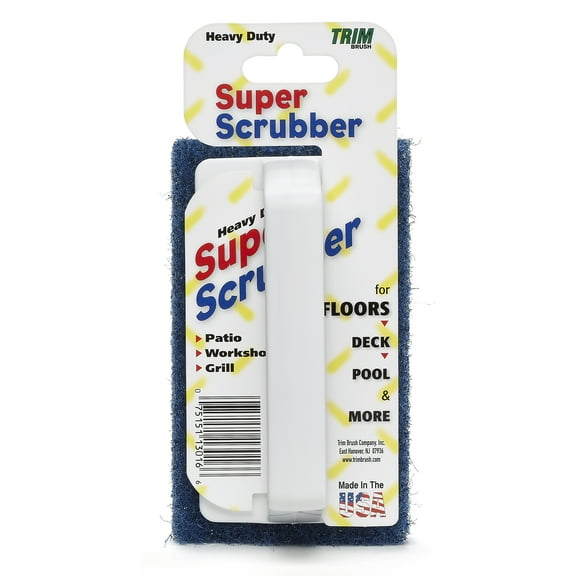
Outdoor and utility spaces may call for larger brush heads and sturdy handles for repeated strokes. You can use those styles on entry mats, trash cans, garage sinks, and other hard household surfaces.
Comparing manual and power cleaning brushes
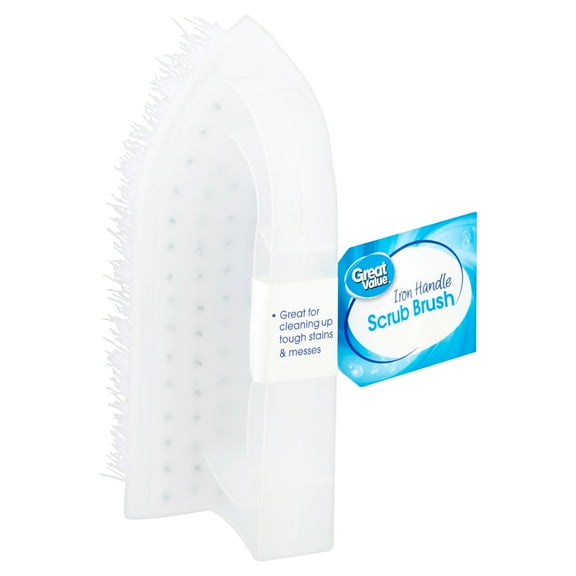
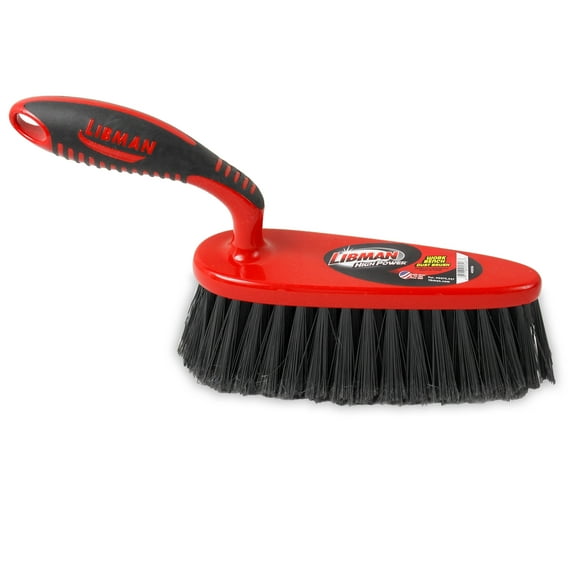
You can choose manual scrubbing tools when you want direct pressure and quick grab-and-go use. You may like them for spot cleaning, dish duty, and fast touch-ups around sinks or showers.
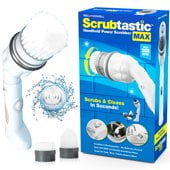
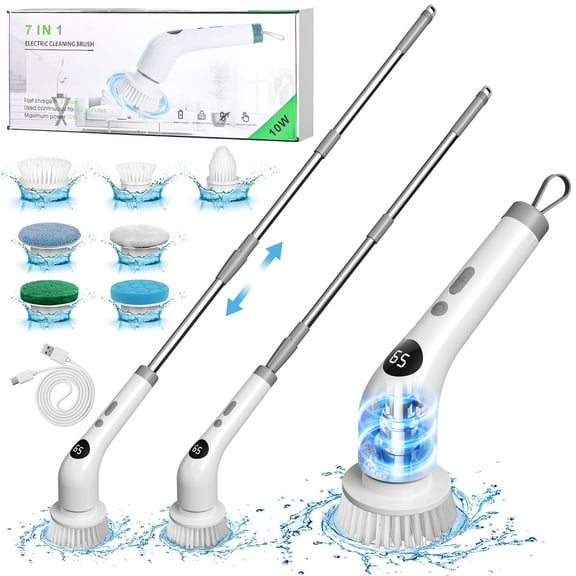
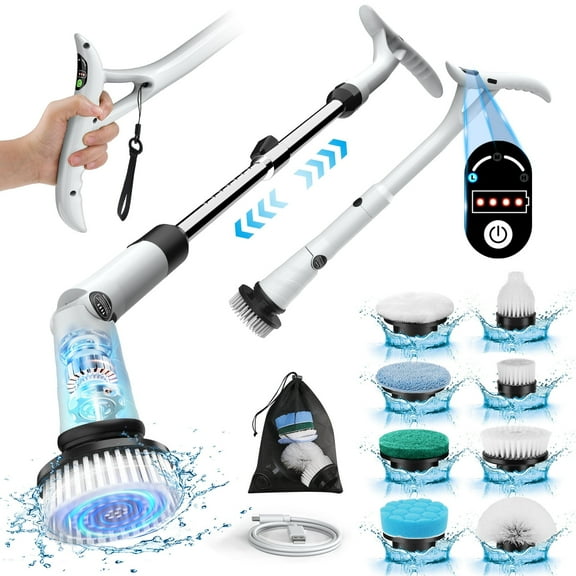
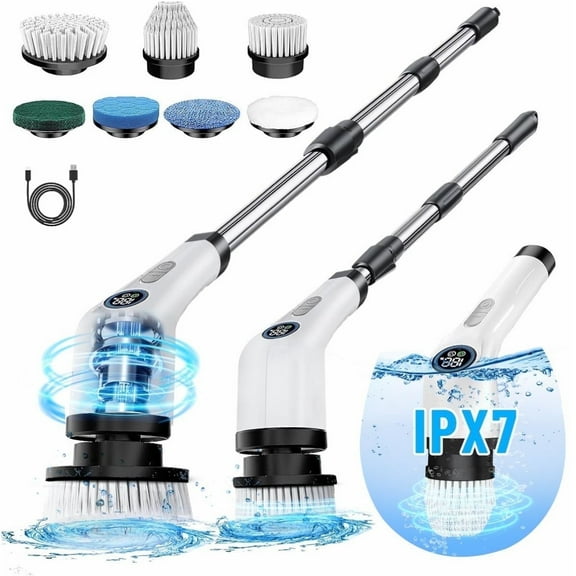
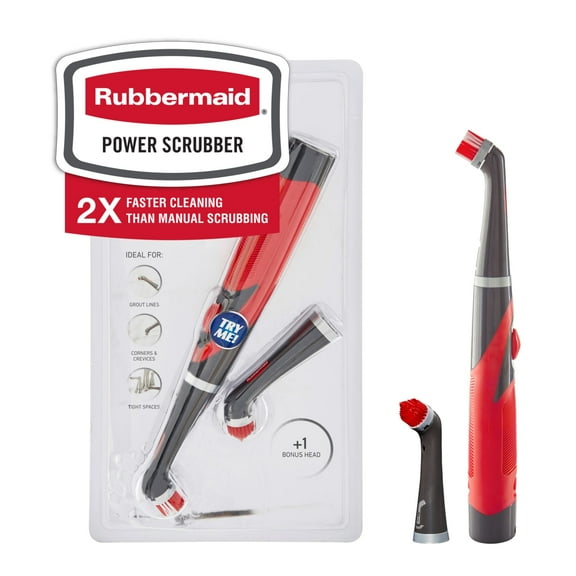
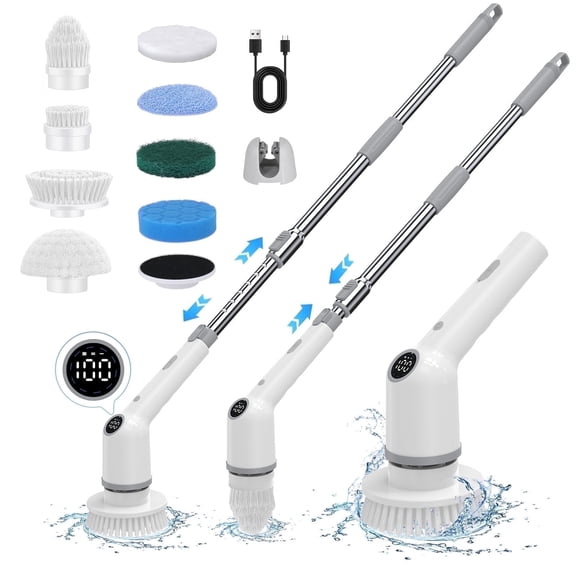
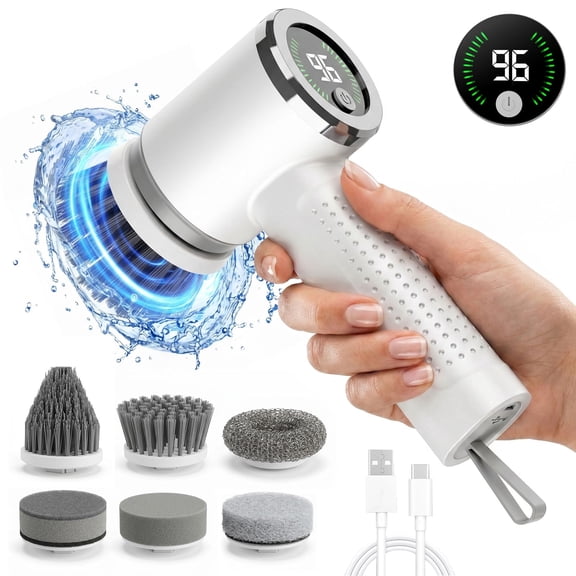
Power cleaning brushes can help you cover larger areas with repeated motion from an electric spin head. You may consider them for tubs, tile walls, grout sections, or textured surfaces that need longer sessions.
When you compare manual and electric spin options, you should think about your usual messes and storage space. You can keep a compact manual brush nearby, or use a powered tool for larger cleanup routines.
You should also consider head shape, battery or charging format, and replacement availability. Those details can affect how easily you maintain your brush and keep it ready for the next task.
What to look for before you choose cleaning brushes
You can make an informed pick when you compare surfaces, reach, grip, and cleaning frequency together. You should measure bottle openings, note grout width, and check whether corners or curves need a smaller head.
If your routine includes dishes, bottles, tile, and sinks, you may want a mix of brush types. That approach can give you the right tool for kitchen scrub brushes, bathroom cleaning brushes, and detail work.
You’ll feel more confident when your brush matches the material, handle length, and scrubbing style you actually use. The right cleaning brushes can help you keep each room looking tidy with less guesswork.