

Clay Bar Lubricants for Exterior Car Detailing














About Clay Bar Lubricants for Exterior Car Detailing - Walmart.com
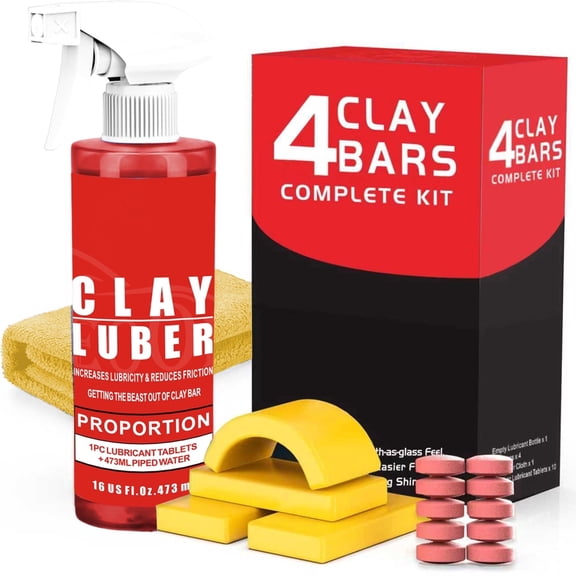
Clay bar lubricant helps you glide clay across paint with smooth control. You can compare spray, concentrate, and quick detailer options to match your detailing routine.
If you want clean paint without drag, you need enough slickness between your clay and finish. You can use this guide to choose the right formula, dilution ratio, and surface compatibility.
Choosing the right clay bar lubricant
When you compare clay bar lubricant options, you should start with formulation type. You can pick a spray, a liquid concentrate, or a quick detailer based on how you detail.
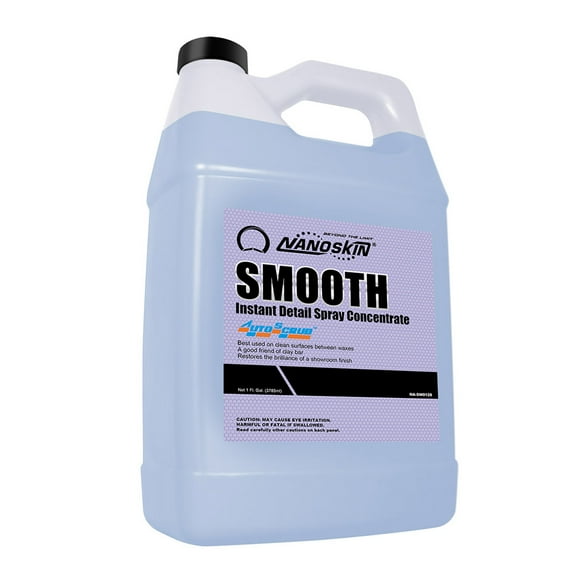
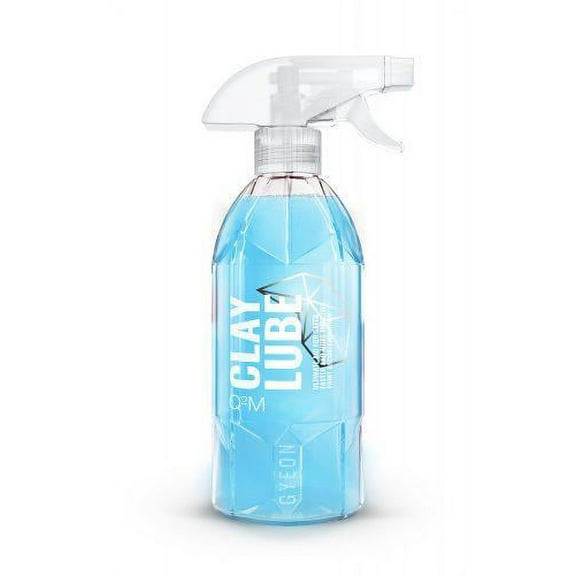
A spray format gives you simple coverage and fast setup for single-vehicle jobs. A liquid concentrate gives your garage more refill flexibility when you detail often.
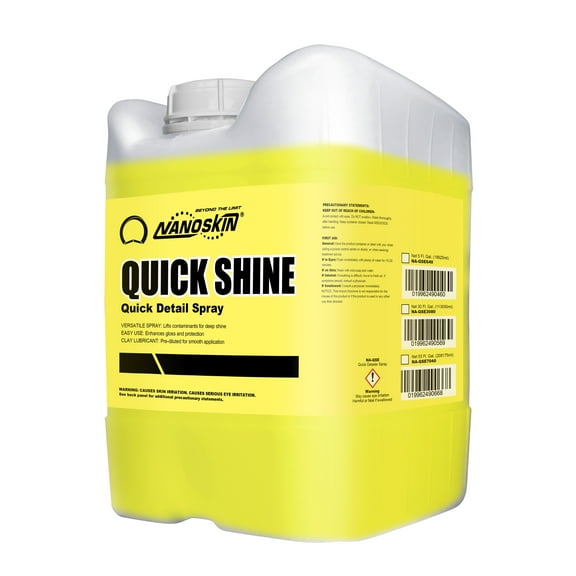
If you prefer one bottle for light touch-ups and claying, you may consider a quick detailer. You should still check whether your product is intended for clay use.
- You get smoother clay movement when your lubricant keeps a wet, slick film on paint.
- You can reduce drag during passes when you choose a formula made for claying.
- You may streamline your routine when a quick detailer also fits your wash-day touch-ups.
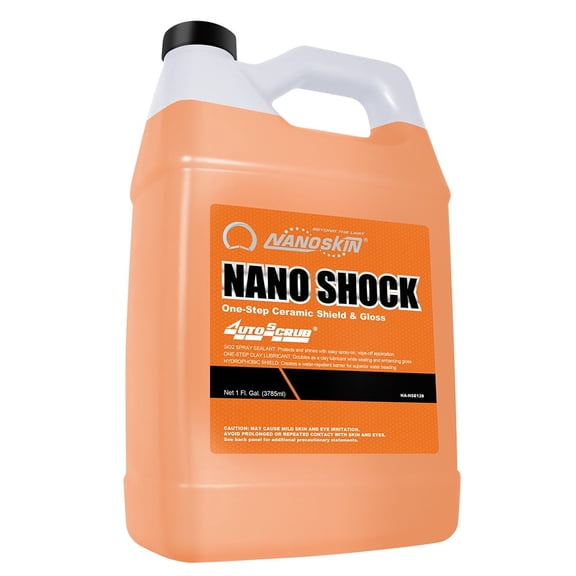
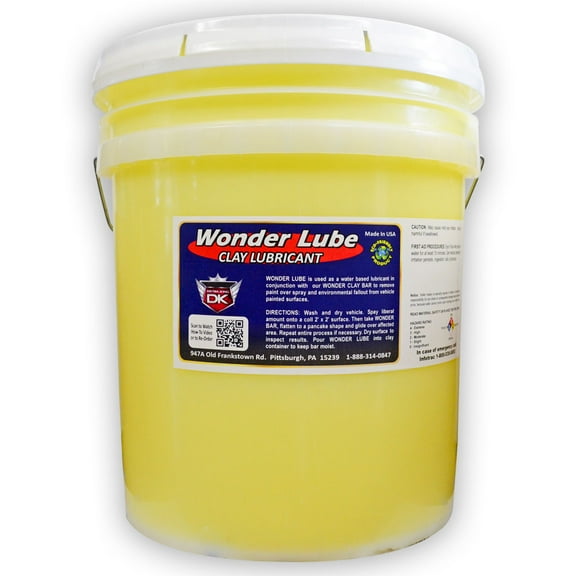
- You can match bottle size to your schedule with 16 oz, 32 oz, or 1 gallon options.
How to compare clay bar lube formulas
You should check whether your clay bar lube is ready to use or needs dilution. A ready-to-use bottle works well when you want simple prep and consistent slickness.
If you buy concentrate 1:10, you mix one part product with 10 parts water. If you choose concentrate 1:20, you stretch each bottle further for larger detailing sessions.
You should measure dilution carefully because the mix changes how slick the surface feels. If you under-mix, you may notice less glide during each pass.
You can also compare scent choices if you detail in enclosed spaces. You may prefer cherry, bubblegum, clean scent, or unscented options for a more comfortable session.
What to look for in surface compatibility
You should confirm that your lubricant is intended for automotive finishes before you start. You can look for language that supports clear coat safe use and non-abrasive application.
If you maintain ceramic-coated panels, you should check whether the formula is pH-neutral. You can use that detail as a practical sign of a gentle, coating-friendly wash bay product.
You may also want coverage for glass and chrome when you decontaminate more than painted panels. You should verify matte finish compatibility before use because matte surfaces need the right product guidance.
When you use the right clay bar spray lubricant, your clay should move without sticking or grabbing. You can protect your clay from breaking down early by pairing it with a compatible lube.
Using clay bar liquid and quick detailer options
You can use clay bar liquid during full exterior prep before polishing or wax application. You may also keep a quick detailer nearby for light dust removal between deeper detailing sessions.
If you wonder whether one product can do both jobs, you should read the label purpose closely. Some quick detailer formulas work as clay lube, while others focus on gloss and light cleanup.
You should choose a dedicated clay lube spray when you want a clear claying step. You can get more predictable glide on contaminated paint, glass, and chrome with that focused formula.
For spot work, you may like a 16 oz bottle that fits a detailing caddy. For regular weekend maintenance, you might prefer 32 oz or 1 gallon refill sizes.
How clay bar lubricant fits your detailing routine
You can use clay bar lubricant after washing when paint still holds bonded grime. You should work in small sections so your surface stays wet from the first pass to the last.
If you detail a daily driver, you may want a ready-to-use spray for quick setup. If you maintain several vehicles, you may prefer concentrate for repeat mixing and larger coverage.
You can also pair your claying step with microfiber towels, car wash soap, and clay bars. You should keep those supplies close so your workflow stays clean and consistent.
When you choose the right clay bar lubricant, you get smoother passes, easier wipe-downs, and a cleaner surface before protection. You can finish your paint prep with the slickness and control your detailing process needs.