

Pipe Clamps & Fixtures for Woodworking & Plumbing





















About Pipe Clamps & Fixtures for Woodworking & Plumbing - Walmart.com
Pipe clamps help you secure long boards, pipe runs, and glued panels with steady pressure. You can compare sizes, clamp types, and materials for woodworking, plumbing, and shop tasks.
If you're choosing this category, you likely need reach that standard bar clamps can't provide. You can build a custom clamping span by pairing clamp heads with compatible pipe lengths.
How to choose pipe clamps for your projects
When you need reach and stability, pipe clamps let you use the pipe length that fits your setup. You can use them for edge gluing, repairs, and assembly work.
For many projects, you may want a clamp that stays upright while you position boards or fittings. H-style feet help you keep the clamp balanced on your bench during glue-ups.
As you compare options, you can focus on control, quick setup, and pipe fit. These points help you narrow the right style for your work.
- You can create long clamping spans by pairing clamp heads with compatible pipe lengths.
- You can get steady setups for panel glue-ups when you choose H-style pipe clamps with stable feet.
- You can adjust pressure quickly with quick release designs during repeated assembly tasks.
- You can match your clamp to your pipe diameter by checking 1/2 inch, 3/4 inch, or 1 inch compatibility.
- You can choose cast iron pipe clamps or steel bodies when you want a sturdy shop-ready build.
Choosing the right size and compatibility
Size is one of your first decisions because clamp heads fit specific pipe diameters. You should check whether your setup uses 1/2 inch, 3/4 inch, or 1 inch pipe.
If you want a common workshop option, 3/4 pipe clamps give you a solid mix of reach and rigidity. You may prefer 1/2 inch options when your assemblies are lighter.
Before you choose, you should also check whether your clamp works with threaded or threadless pipe. Threaded collar styles lock onto threaded pipe, while threadless designs may use a spring-disc clutch.
That clutch style matters when you want quick positioning without spinning the head across long pipe lengths. You can get quick setup when you move between different board widths often.
What to look for in woodworking pipe clamps
For woodworking pipe clamps, you should compare stability, pressure control, and jaw movement. These details affect how smoothly you handle panel glue-ups, tabletops, and cabinet parts.
H-style pipe clamps give you a broad stance that helps keep your work elevated above the bench. You can line up boards easily when the clamp stays upright.
Sliding jaw designs let you reposition the moving head along the pipe for different widths. You can save time resetting your clamping layout between assemblies.
Quick release styles are useful when you open and close clamps throughout a project. You can move from dry fitting to final glue-up with fewer steps.
If clamping force is part of your decision, you should think about even pressure and stable holding power. You want enough force to keep joints aligned during gluing.
Comparing materials and heavy duty pipe clamps
Material affects how your clamp feels in daily use and how it handles repeated tightening. You can compare cast iron, steel, and heavy-duty plastic components across many setups.
Cast iron pipe clamps are common when you want a solid body with a traditional shop feel. You may look at them for bench work and frequent woodworking use.
Steel parts can appeal when you want a strong metal pipe clamps setup for repeated adjustments. You should check the handle, clutch, and jaw areas for the build style you prefer.
Heavy duty pipe clamps often focus on sturdy frames, dependable threads, and secure clutch action. You may want those traits when you clamp larger panels or heavier assemblies.
Heavy-duty plastic parts may appear on select handles or pads rather than the full clamp body. You can use those details to compare grip feel and surface contact.
Matching clamp type and fixture style to your task
Clamp type changes how you work, so you should match the mechanism to your routine. You can compare H-style, sliding jaw, quick release, and threadless options by workflow.
If you build furniture or cutting boards, bar pipe clamps and pipe-style clamp heads can help you span wide glue-ups. You can enjoy long reach when panels need even pressure across the width.
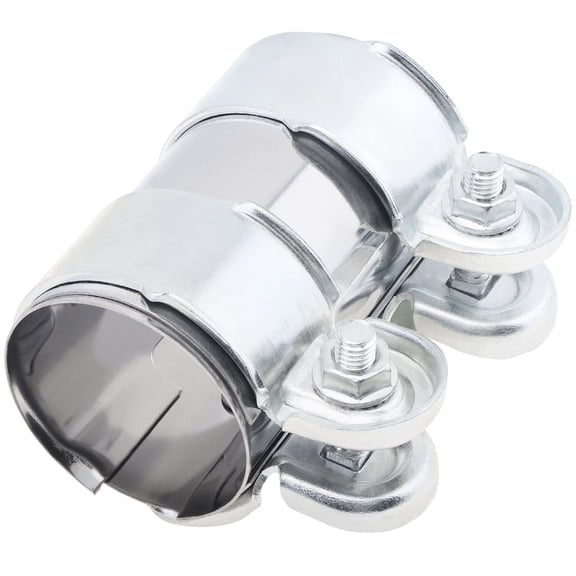
If you handle plumbing layouts, you may focus first on pipe fit and secure holding during positioning. You should verify whether the clamp style suits the pipe format in your setup.
For metalworking or industrial gluing, you may want a clamp that adjusts quickly between parts. You can keep production moving when the release and repositioning steps feel simple.
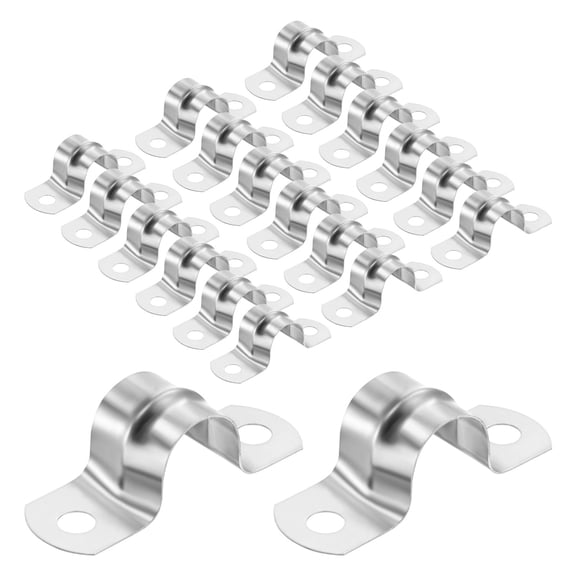
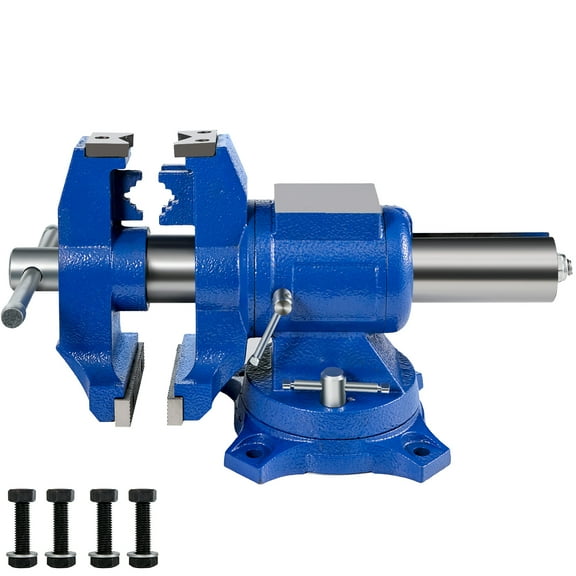
Bench vise clamp and strap clamp styles can also appear when your work needs a different holding method. You should compare fixture style with your bench setup and material shape.
Using pipe clamps in woodworking, plumbing, and shop setups
You can use pipe clamps for edge gluing, face-frame assembly, and holding long stock during shop work. You can get added flexibility when your clamp length follows the pipe you install.
In woodworking, you may pair several clamps under a panel to keep boards aligned during glue cure. You can choose H-style feet when you want the setup to stay upright.
In plumbing tasks, you might need temporary holding while you align connected sections or fittings. You should confirm the clamp's pipe compatibility before building your setup.
For mixed DIY work, quick release models help when your project changes size from step to step. You can reset quickly without slowing your workflow.
When you compare these details carefully, you can choose pipe clamps that fit your pipe size and work style. You can achieve steady setups and smoother assembly from the first turn.