

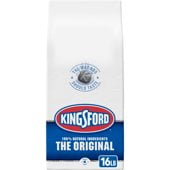

Charcoal Chimneys in Charcoal Grill Tools & Accessories
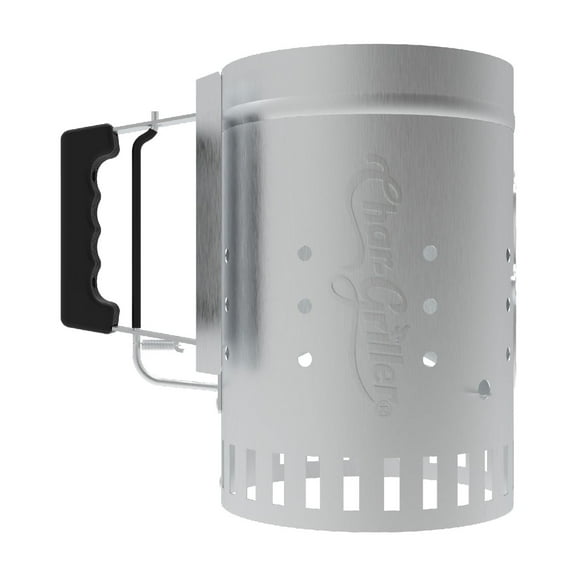

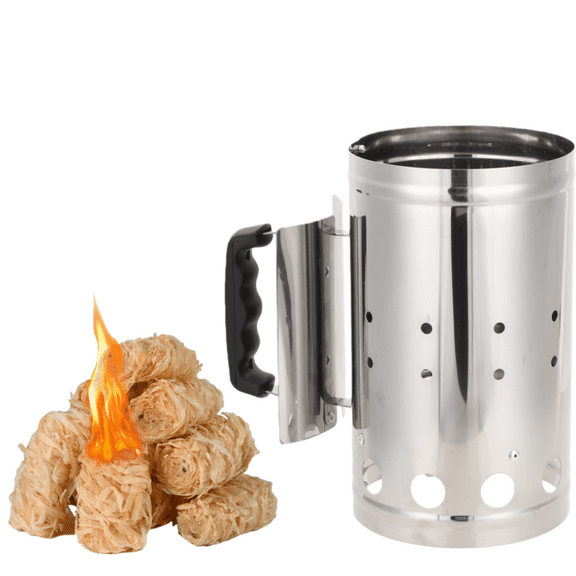


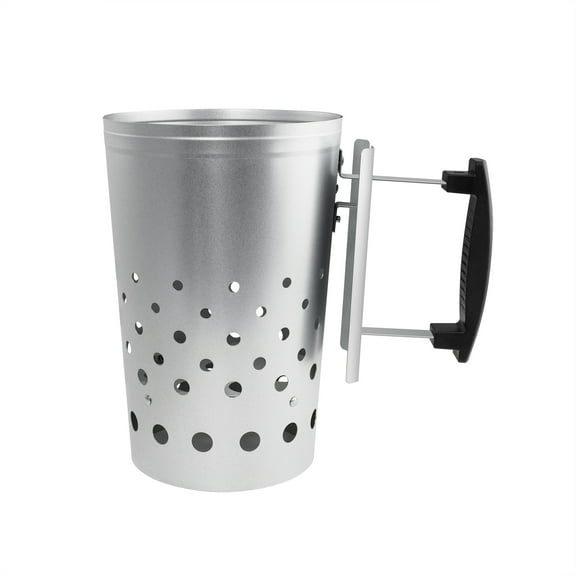








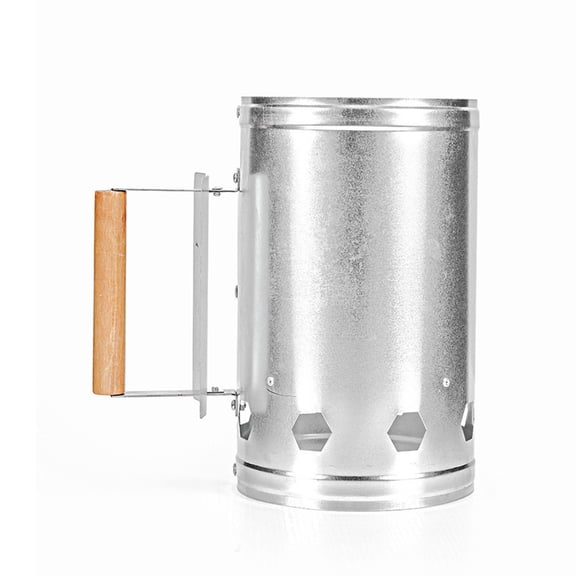
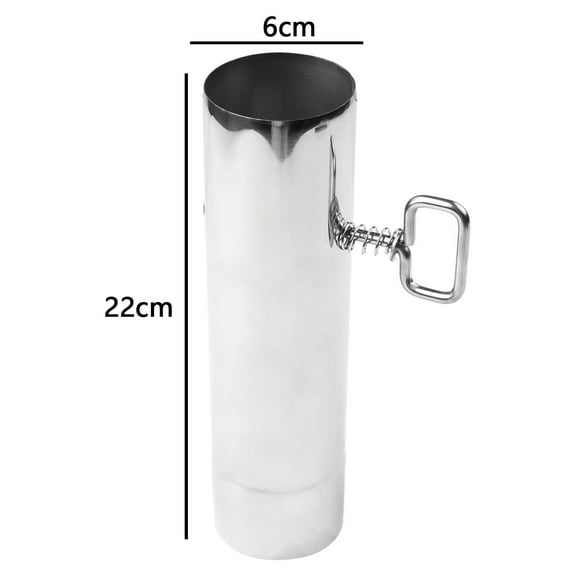


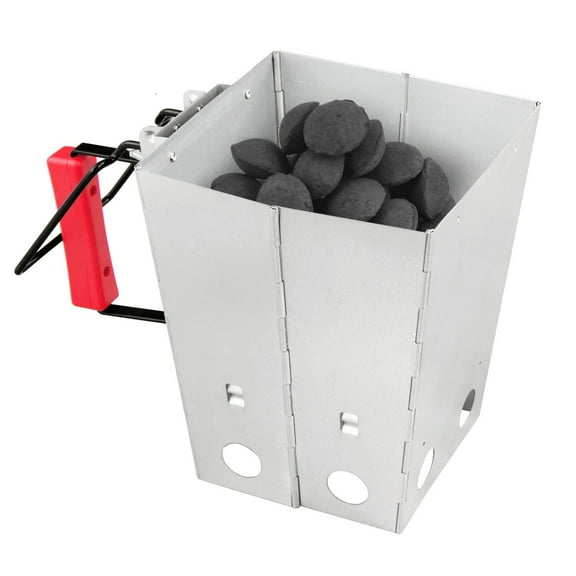
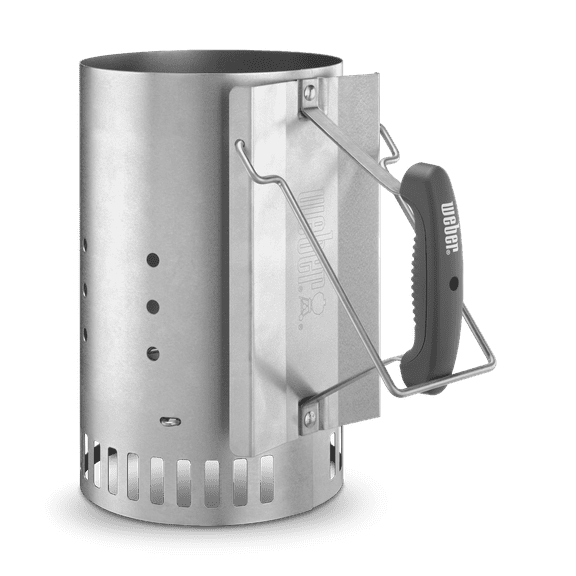
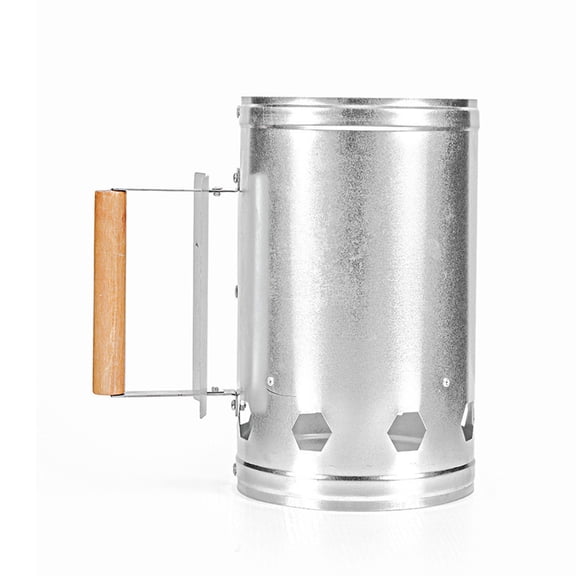


About Charcoal Chimneys in Charcoal Grill Tools & Accessories - Walmart.com
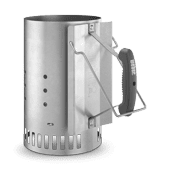
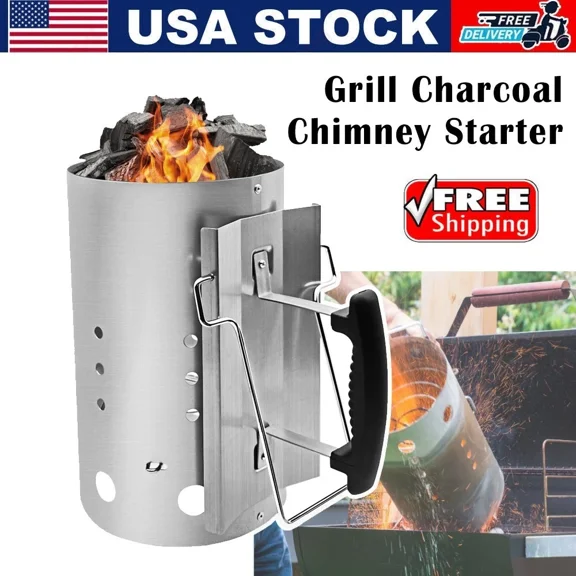
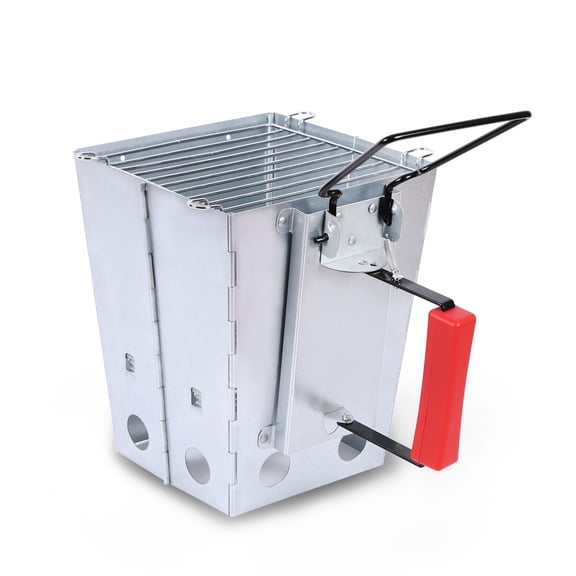
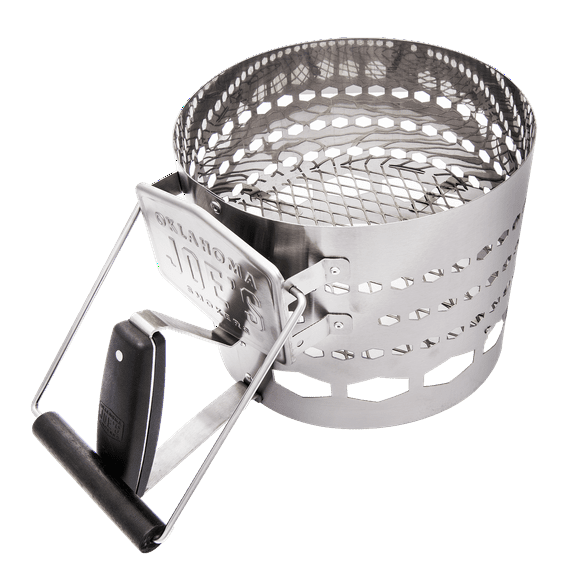
Charcoal chimneys help you light briquettes or lump charcoal with steady airflow and less prep at the grill. You can compare capacity, material, handle design, and release style to match your cookout routine.
Choosing the right charcoal chimneys for your grill
When you choose charcoal chimneys, you’ll want a size that matches your grill surface and your usual charcoal load. You can use compact models for small kettles and quick weeknight cooks.
If you cook for a crowd, you may prefer standard or extra-large capacity for longer burns and wider cooking zones. You’ll spend less time refilling when your chimney holds enough fuel for the job.
Material also matters when you compare repeated high-heat use and outdoor storage between cooks. You can look at aluminized steel, stainless steel, and galvanized steel as common category options.
- You can use compact capacity for smaller grills, shorter cooks, and lighter charcoal loads.
- You may prefer standard capacity when you want everyday versatility for burgers, chicken, or vegetables.
- You’ll appreciate extra-large capacity when you need more coals for ribs, larger grates, or two-zone grilling.
- You can compare aluminized steel for dependable heat handling and stainless steel for a polished, durable build.
- You should check handle style and heat shields when you want steadier grip and more separation from the chimney body.
What to look for in a charcoal chimney starter
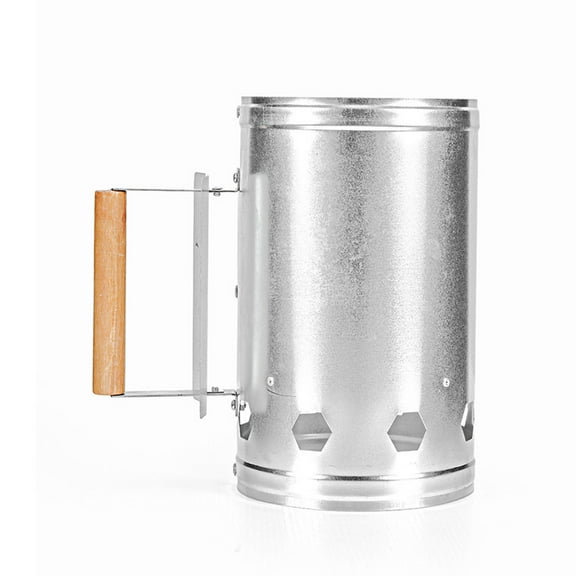
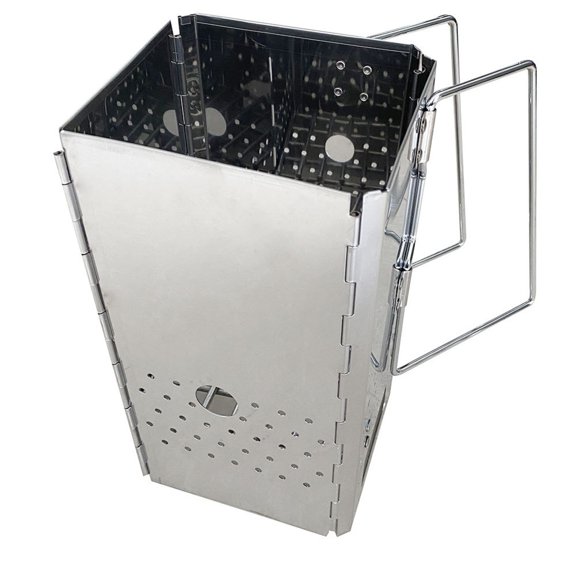
When you compare a charcoal chimney starter, you should start with airflow and vent placement. You’ll notice that well-placed vents help charcoal catch evenly and heat up with less guesswork.
Aluminized steel is a common choice when you want a practical balance of durability and heat performance. Stainless steel can suit frequent grilling when you want a sturdy finish and long-term outdoor use.
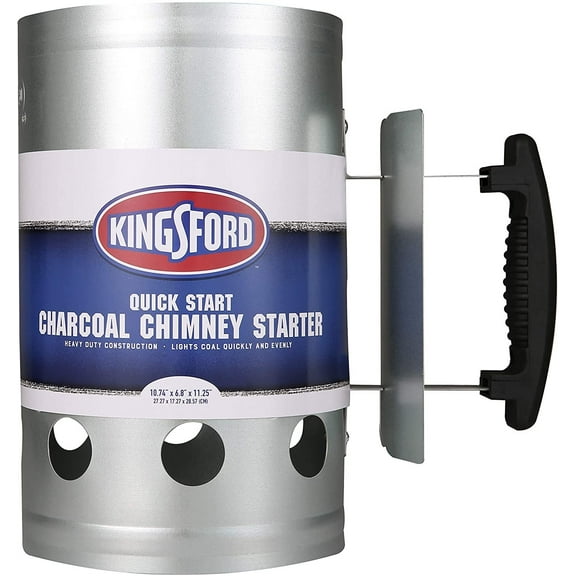
You can also review handle materials before you settle on a bbq chimney starter for regular weekend cooking. Thermoplastic handles can feel secure in hand, while wooden handles can offer a classic grip.
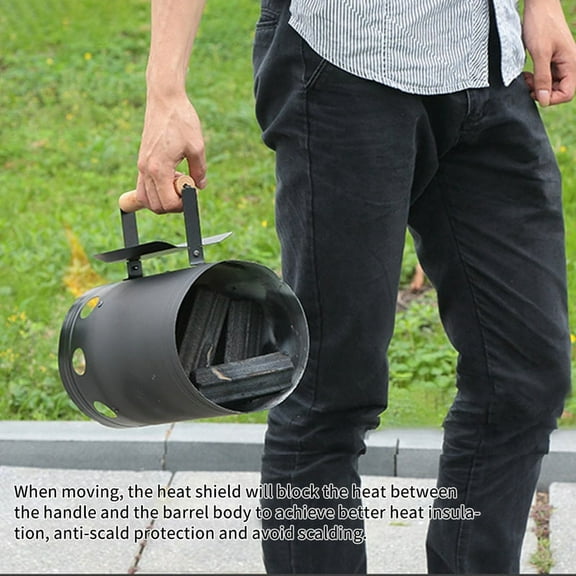
Heat shield handles add another layer between your hand and the hot chamber during lighting and pouring. You should also compare handle placement, because a balanced grip can make a full chimney easier to control.
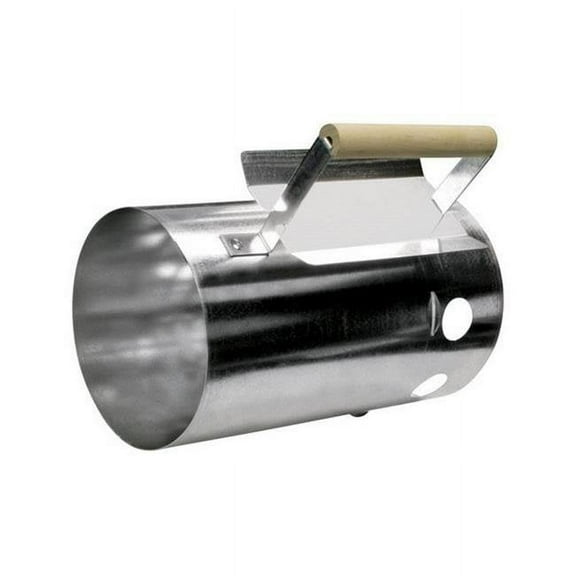
Release style changes how you move lit charcoal into your grill or smoker. You can choose a traditional pour design for familiar use, or a bottom-release option for more direct coal placement.
A rapid release charcoal chimney can help you place hot coals where you want them inside a basket or firebox. You’ll find that this style can support zone cooking when you want concentrated heat.
Comparing materials, capacity, and handle protection
You should compare material choices based on how often you grill and where you store your gear. Aluminized steel can work well for regular backyard use, especially when you want a proven charcoal grill starter style.
Stainless steel may appeal to you when you want a durable body that stands up to repeated heating cycles. Galvanized steel appears in the category too, so you should review construction details and intended use carefully.
Capacity affects ignition speed and cook planning because the amount of charcoal changes your preheat routine. You can light a smaller batch for quick searing, or a larger batch for longer sessions.
Handle protection deserves close attention when you carry a full chimney from table to grill grate. You should look for a thermoplastic handle, wooden handle, or heat shield handle that fits your grip.
If you like direct control, a helper handle can make lifting and pouring feel steadier. You’ll also want to check whether the body shape supports balanced movement when the chimney is full.
How to match a bbq chimney starter to your cooking plans
You can match a bbq chimney starter to weeknight dinners by choosing compact capacity and a simple traditional pour design. That setup can suit smaller grills, faster prep, and shorter cooking windows.
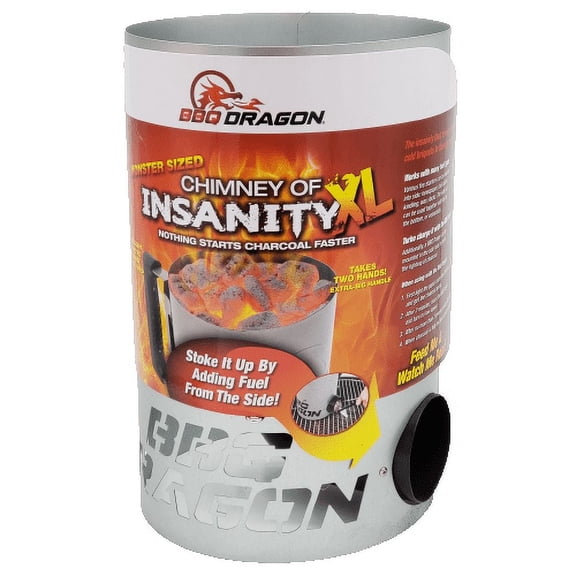
For weekend cookouts, you may want standard capacity with a heat shield handle and strong airflow vents. You’ll get a charcoal load that supports burgers, skewers, and mixed grilling across the grate.
If you cook low-and-slow barbecue, extra-large capacity can help you build a larger coal base before adding more fuel. You can also use a bottom-release style when you want targeted placement in baskets.
You might prefer a charcoal chimney starter with aluminized steel when you grill often through the season. Stainless steel may fit your setup when you keep tools outside and want a durable construction.
When you pair your chimney with lump charcoal, you can create a hot fire for searing steaks or crisping vegetables. If you use briquettes, you’ll get a steady bed of coals for longer, even cooking.
You can round out your setup with related grilling essentials like charcoal grills, grill tools, and lump charcoal. Those pairings help you build a smoother prep routine from ignition through serving.
With the right charcoal chimneys, you can light charcoal more evenly, place coals with more control, and get your grill ready with less fuss. You’ll cook with a setup that matches your grill size, fuel style, and handle preference.