

Chainsaw Motor Oil & Chain Lubricants | Walmart










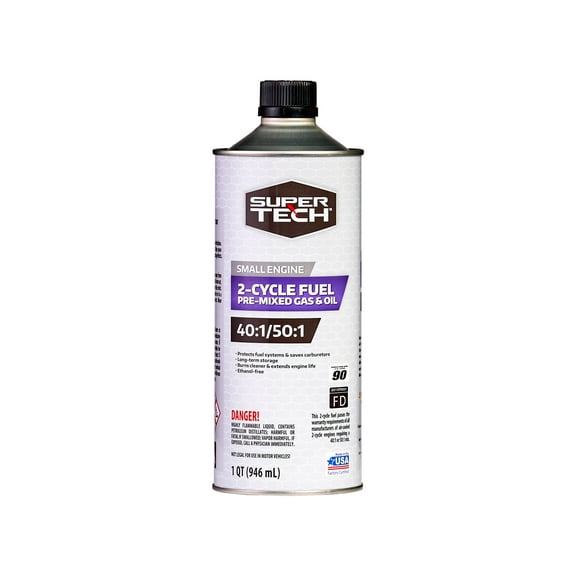




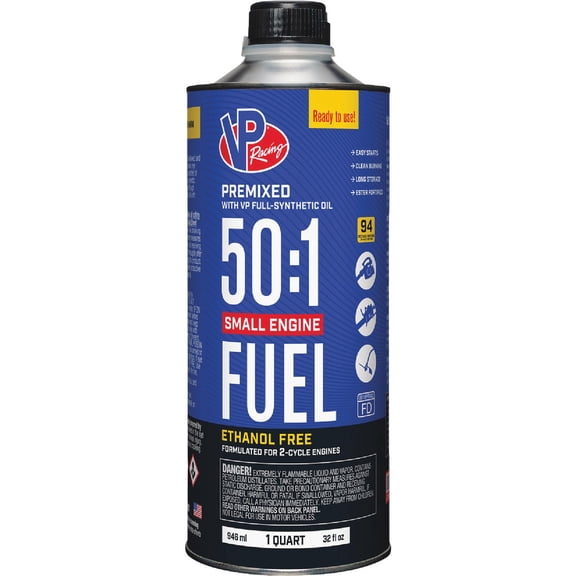
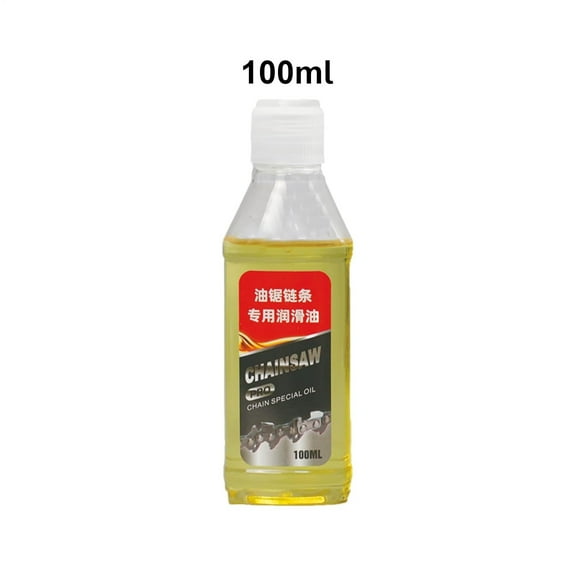








About Chainsaw Motor Oil & Chain Lubricants | Walmart - Walmart.com
Chainsaw oil helps you match bar lubrication, engine mix needs, and seasonal flow for cleaner cutting. You can compare bar and chain oil, viscosity, and package sizes in one place.
How to choose chainsaw oil
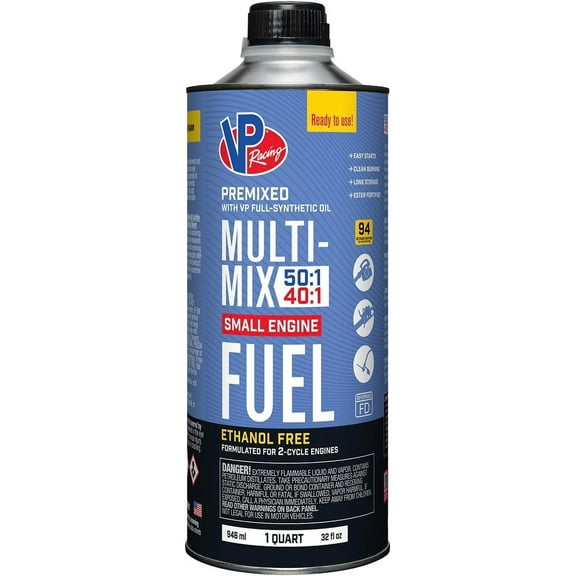
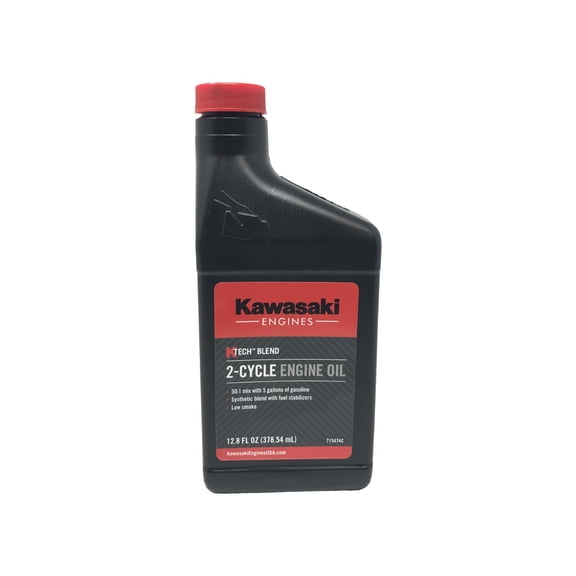
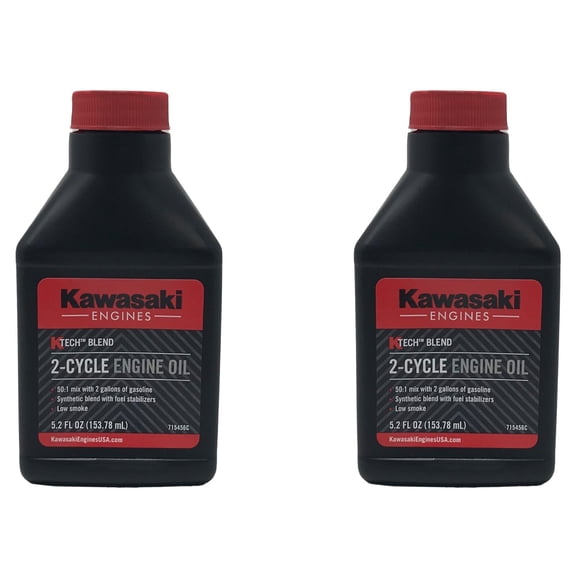
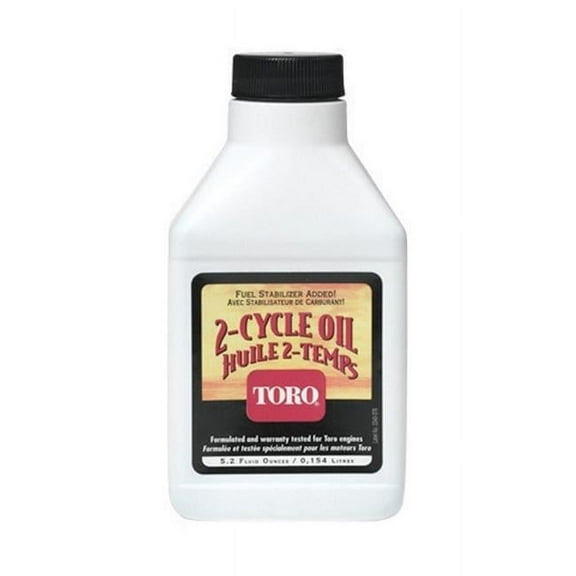
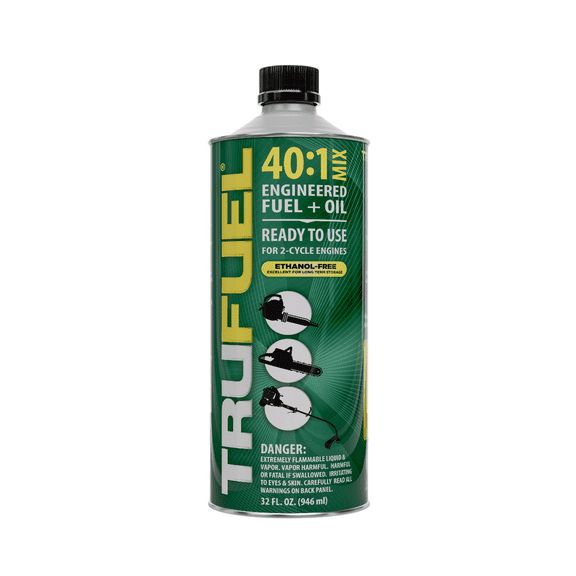
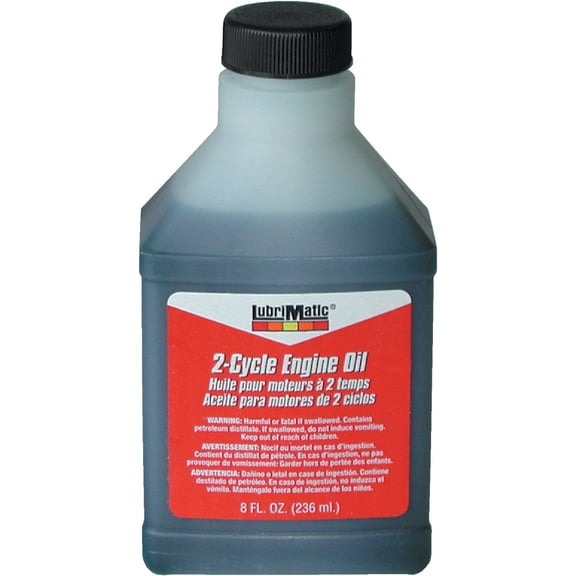
When you shop for chainsaw oil, you should separate bar lubrication from engine fuel mix needs. You use bar and chain oil on the cutting system, while you use 2 cycle engine oil in the fuel mixture.
That difference matters because your saw depends on steady lubrication where the chain meets the guide bar. You’ll notice the right formula helps your chain move smoothly and keeps your cuts consistent.
You can also narrow options by season, base fluid, and container size. If you cut often, those choices can shape how easily your oil pours, clings, and lasts between refills.
Choosing the right bar and chain oil
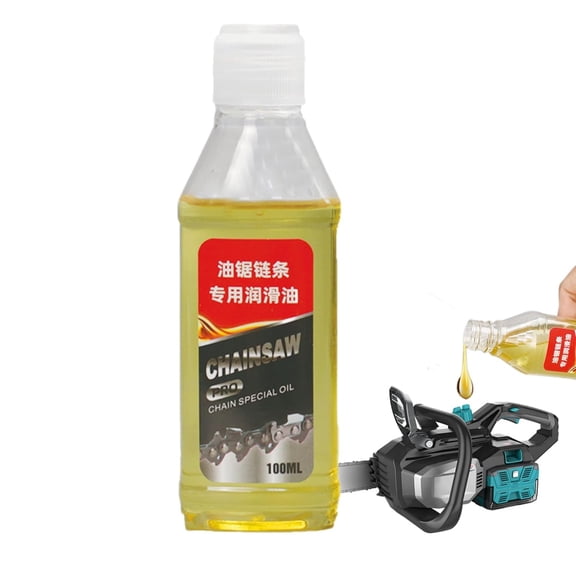
You should look for bar and chain oil when you need lubrication for the guide bar, chain, and sprocket area. You shouldn’t swap in 2 cycle engine oil here because that oil serves a different job.
Chainsaw bar and chain oil clings to fast-moving parts during cutting. You’ll get steadier coverage on the chain path, especially when you’re cutting hardwood, limbs, or storm debris.
- You can reduce mess by choosing an oil that clings well during long cutting sessions.
- You can match seasonal formulas to cold mornings, hot afternoons, or changing weather.
- You can pick larger containers when your property work or firewood cutting uses more oil.
- You can compare petroleum-based, synthetic, and biodegradable options for different work areas.
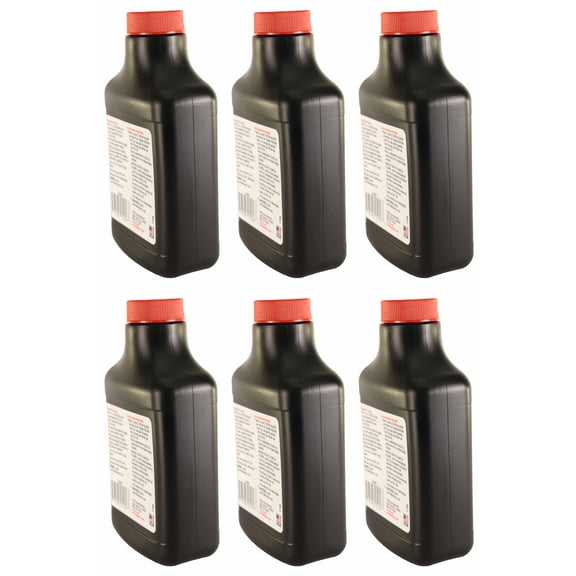
If you’re maintaining a homeowner saw, you may prefer a one quart bottle for easier storage. If you’re cutting regularly, you may prefer a one gallon container or multi-pack for fewer replacements.
What to look for in oil type and compatibility
You’ll want to check whether your saw needs bar and chain oil, 2 cycle engine oil, or both. Many chainsaws use both fluids, but you place them in separate reservoirs or systems.
For the cutting assembly, you’ll usually choose a chainsaw lubricant labeled for bar and chain use. For the engine, you’ll check the owner guide for the correct 2-cycle oil ratio and fuel mix instructions.
You can also compare universal fitment language on the label when you use different saw brands or models. That helps you choose formulas designed for common chainsaw systems across many equipment types.
Viscosity index is another useful term to compare when you’re choosing a formula. You can think of it as how your oil flows and clings in changing temperatures.
Comparing seasonality and viscosity
You should consider seasonality if you cut wood in both freezing weather and summer heat. Winter formula chainsaw lubricant usually pours more easily in cold conditions, while summer formula stays thicker in higher heat.
If you want one bottle for changing conditions, you can look at all-season options. Those formulas can give you a balanced flow for occasional use across spring, fall, and mixed temperatures.
Cold-weather cutting creates a different demand than warm-weather trimming around your yard. You may want a winter formula if you cut firewood outdoors and need easier cold-weather oil flow.
Hot-weather work can call for a thicker formula that resists thinning during long sessions. You’ll appreciate that extra cling when you’re bucking logs or clearing several branches at once.
Comparing base fluid and package size
You can compare petroleum-based, synthetic, and biodegradable options based on where and how you cut. Petroleum-based formulas are common for routine use, while synthetic options may suit varied temperatures and steady flow.
If you cut near gardens, backyards, or managed land, you may look for biodegradable bar and chain oil. That option can fit jobs where you want a formula chosen for outdoor work areas.
Package size also affects how you work through the season. You might choose one quart for light trimming, one gallon for regular firewood cutting, or multi-packs for repeated equipment care.
If you maintain several saws or work through large wood piles, gallon chainsaw oil can reduce refill interruptions. You’ll also spend less time replacing small bottles during heavier projects.
Matching chainsaw oil to real jobs
You can use these decision points to match products to the way you actually cut. A small homeowner saw for occasional limb cleanup may need a simple quart of bar and chain oil.
If you heat with wood, you may need chainsaw oil in larger sizes for frequent cutting days. You can pair that with the correct 2 cycle engine oil when your saw uses a fuel mix engine.
For winter storm cleanup, you may prefer a winter formula that flows more easily in low temperatures. For summer property maintenance, you may prefer a thicker option that holds up during hotter weather.
If you work across mixed locations, you may want all-season coverage and universal compatibility language. That combination can make refills simpler when you use different saw models through the year.
You can also compare biodegradable choices for backyard use and standard formulas for larger wood processing jobs. That makes it easier to align your oil choice with your cutting environment and routine.
With the right chainsaw oil, you can match lubrication, viscosity, and container size to your equipment and workload. You’ll cut with more consistency and spend less time second-guessing your maintenance routine.