


Find auto parts that fit
Let’s search for parts that fit your vehicle.Chain Master Links in Motorcycle Chains


















About Chain Master Links in Motorcycle Chains - Walmart.com
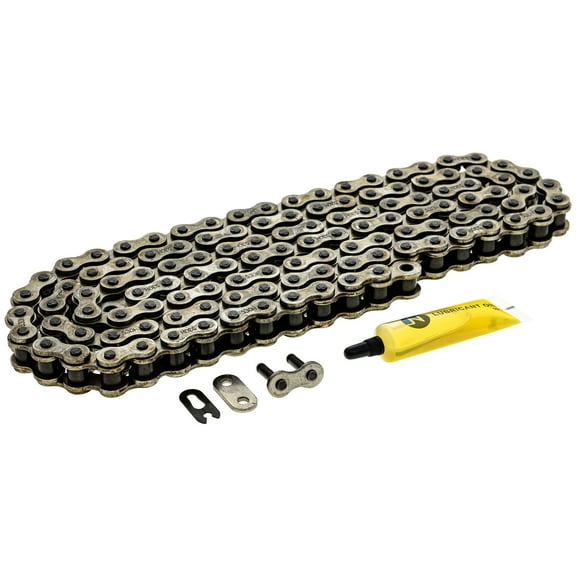
Chain master links help you complete a motorcycle chain connection when you need the exact size, seal type, and connecting style for your bike. You can compare pitch, pin fit, and installation method here, so your replacement aligns with your current drivetrain setup.
How to choose chain master links for your bike
When you shop chain master links, you should start with your chain size and pitch. You’ll usually see common sizes like 520, 525, 530, and 428 on your current chain or owner materials.
A motorcycle chain master link needs to match that size exactly for proper fit. You should also check pin diameter and width, because those measurements affect how your link joins the rest of your chain.
If your current setup uses sealed rollers, you should match that design before you choose a replacement. You may need an o-ring chain master link, an X-ring option, or a non-sealed style that mirrors your chain.
Key benefits you can compare before you choose
You can narrow your options faster when you know which details matter first. Your bike’s chain size, seal type, and connecting method usually decide compatibility before finish or color.
- You can match 520, 525, 530, or 428 sizing to your existing chain pitch.
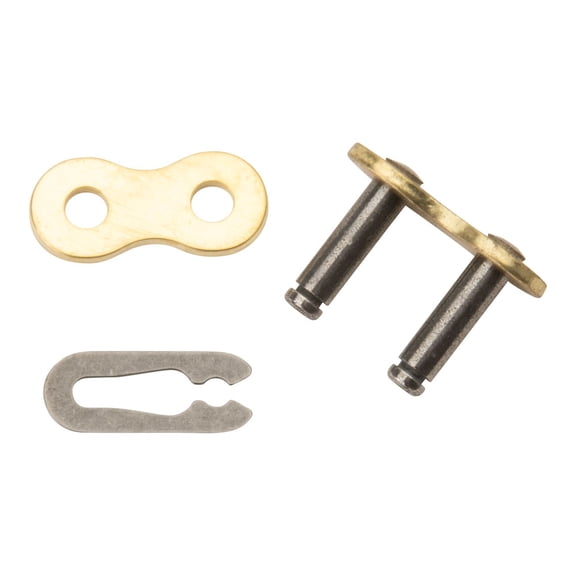
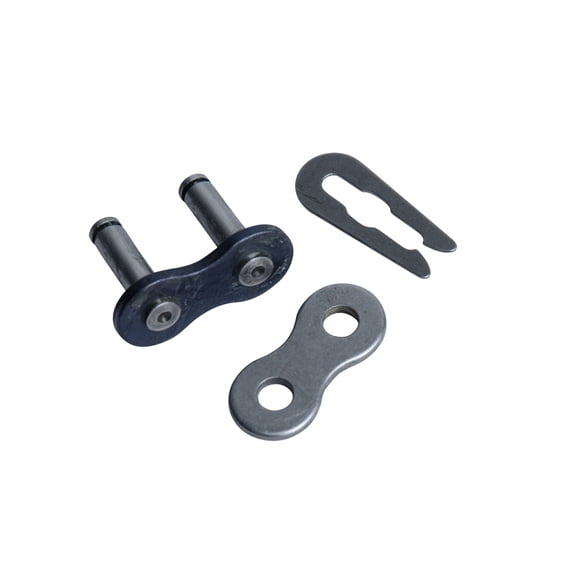
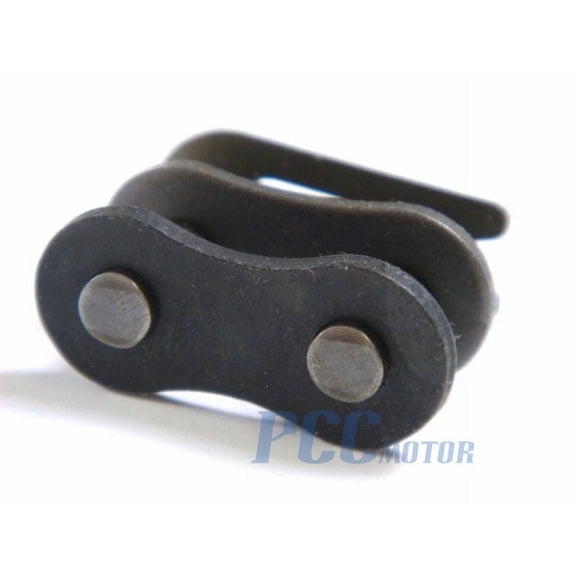
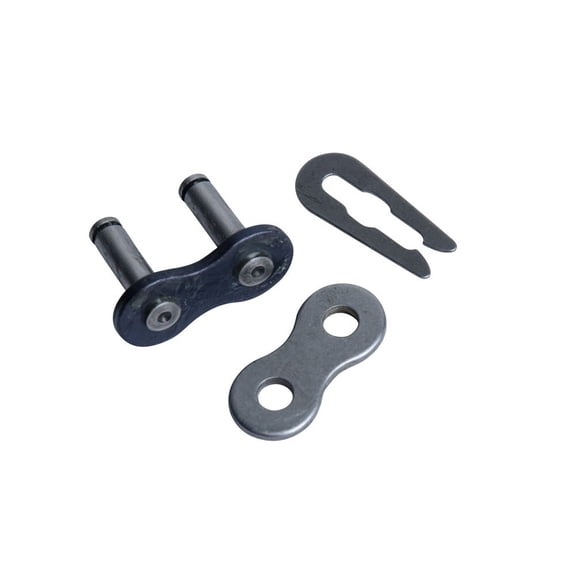
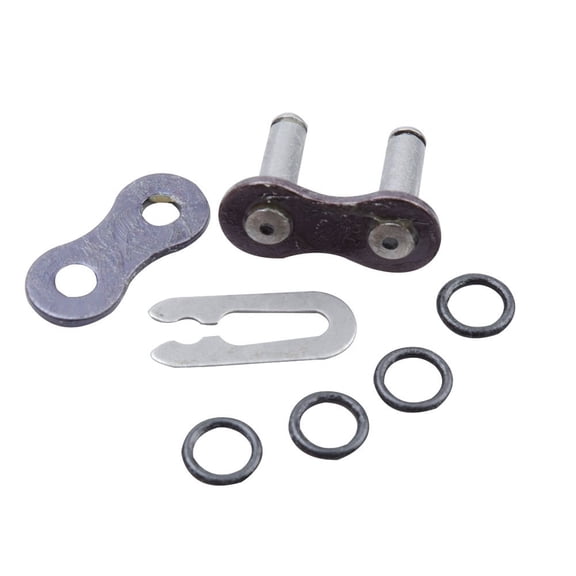
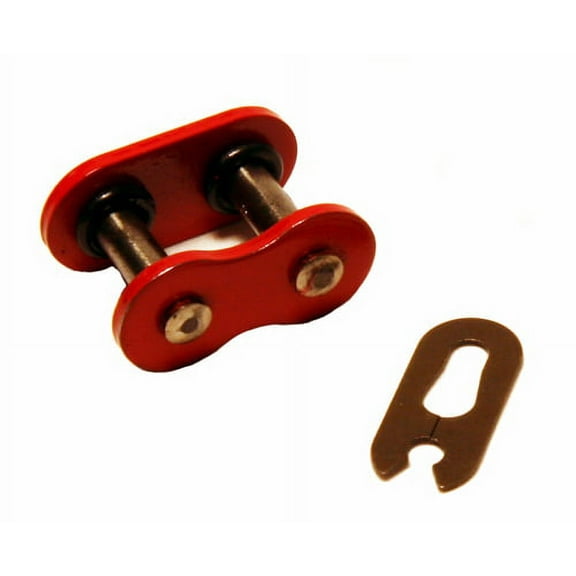
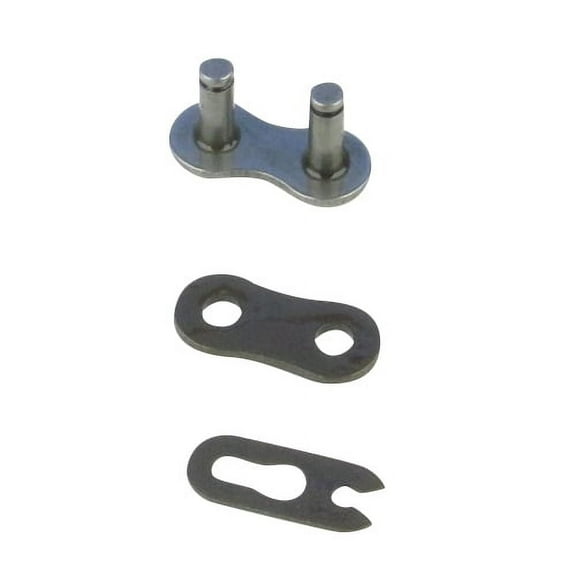
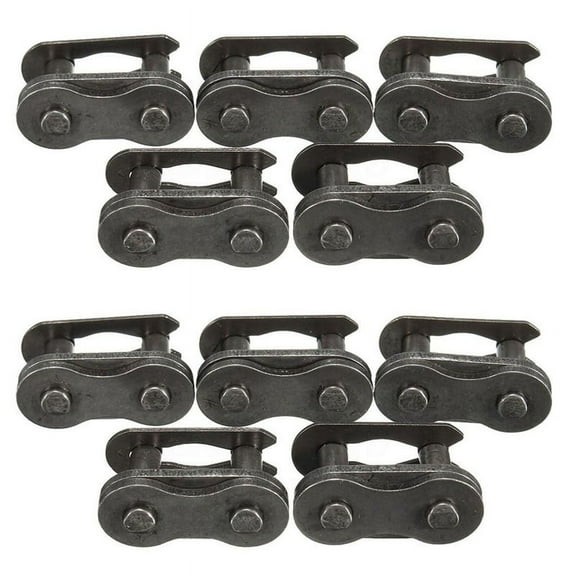
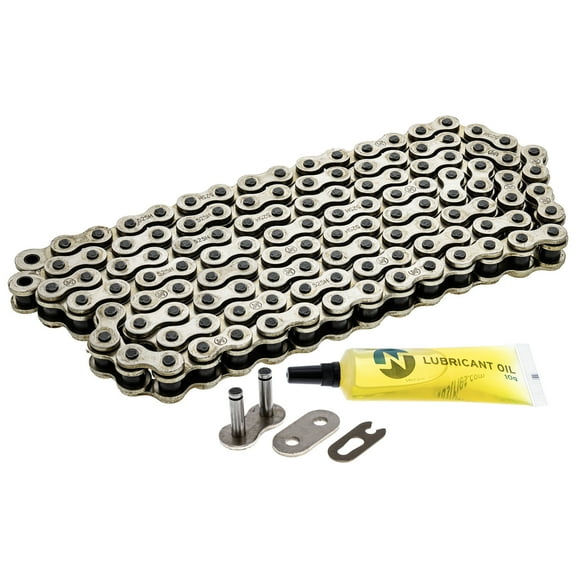
- You can choose a clip on chain master link when you want a simpler installation process.
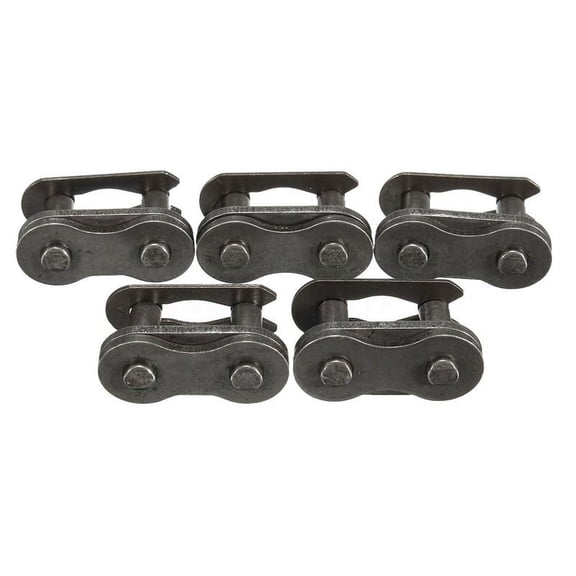
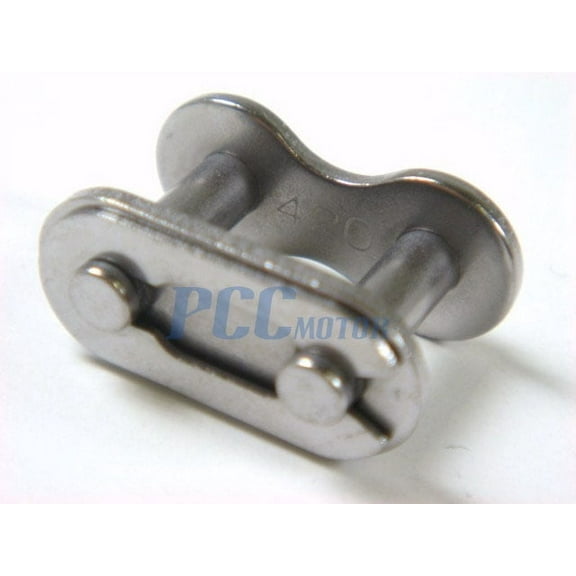
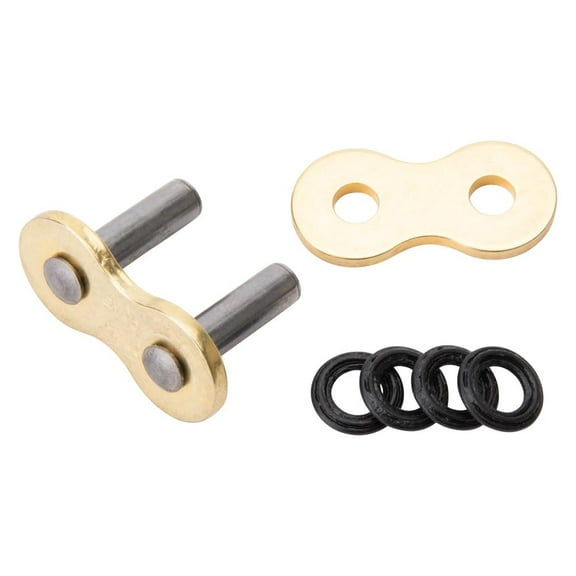
- You can choose a rivet style master link when your setup calls for a more fixed connection.
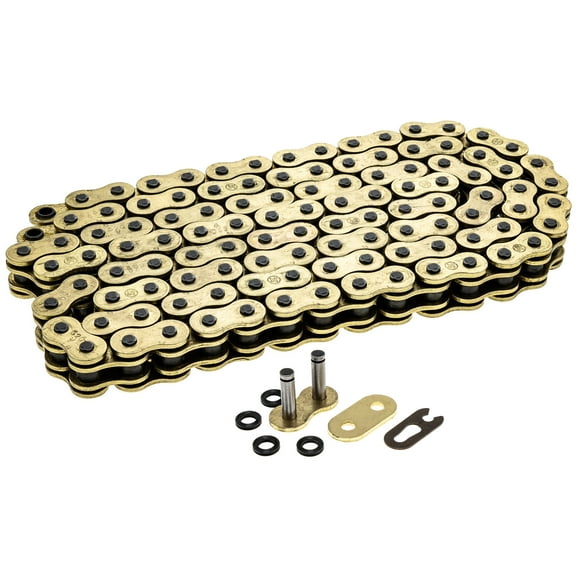
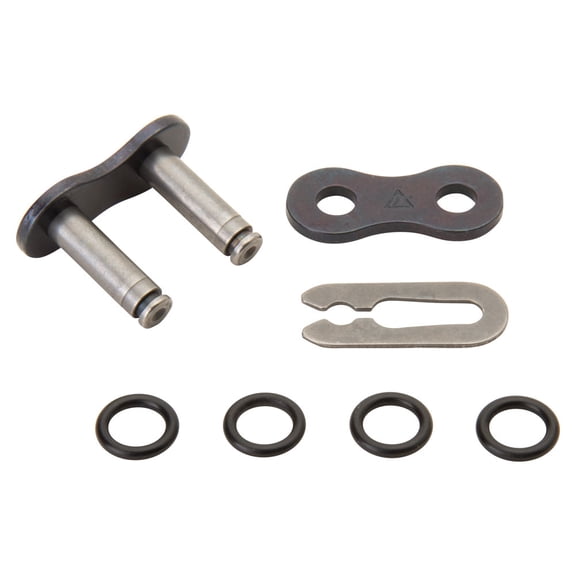
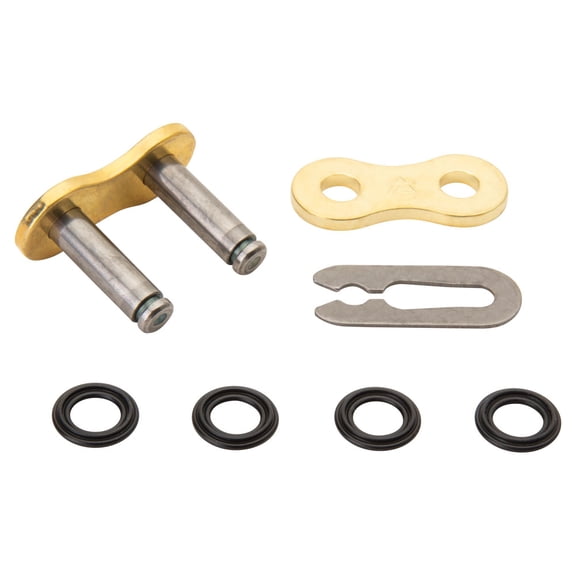
- You can match O-ring, X-ring, or non-O-ring construction to your current chain design.
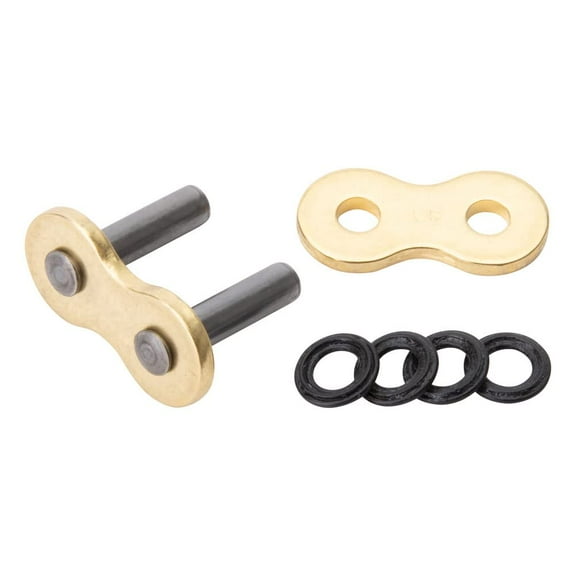
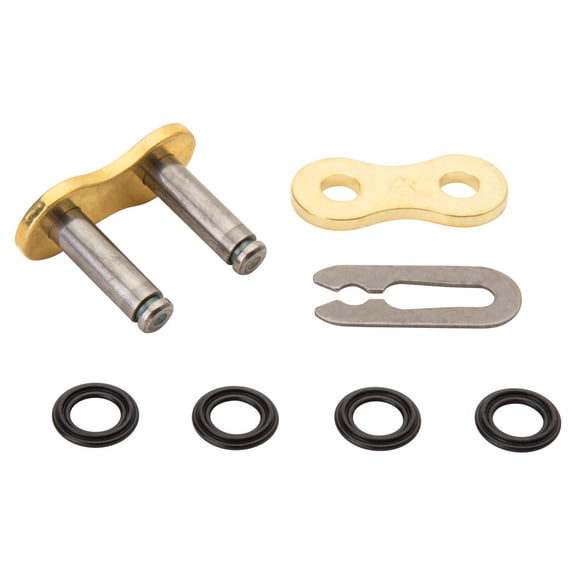
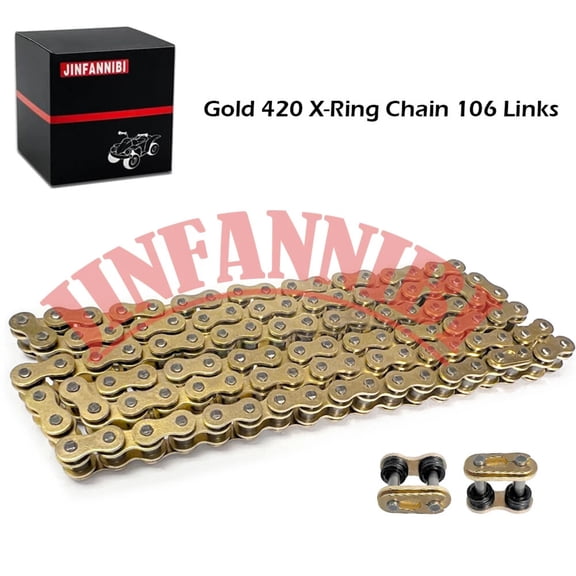
- You can compare steel, nickel, or gold-tone finishes to fit your chain’s appearance and hardware style.
That approach helps you avoid guesswork when you replace a worn or missing connector. You’ll also have an easier time comparing parts for commuting bikes, sport machines, and off-road setups.
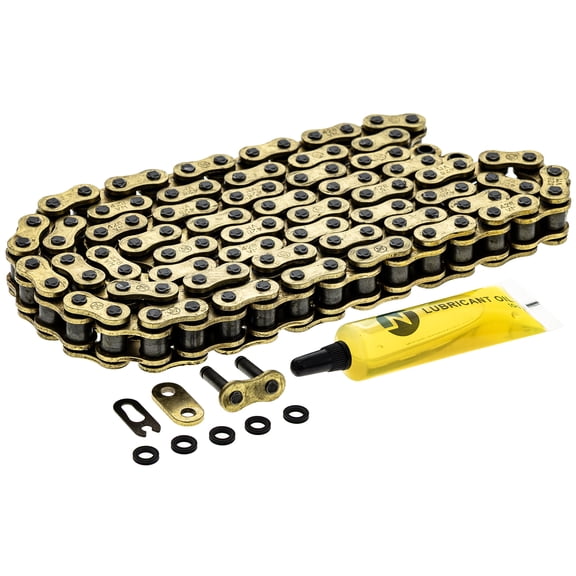
Finish can matter when you want your replacement to blend with nearby chain components. You may prefer gold-tone chain master link options for a coordinated look, or steel and nickel for a straightforward match.
Choosing the right 520 master link and other sizes
You should treat chain size as your first decision, because the wrong pitch won’t connect correctly. A 520 master link fits only a 520 chain, while a 525 chain master link fits only a 525 chain.
The same rule applies if your bike uses 530 or 428 sizing. You should compare the number stamped on your chain, your sprocket setup, or your manual before you order.
Pin diameter also matters when you’re checking fit across similar-looking links. You should look for measurements that align with your chain series, because width and pin size can vary.
If you ride with an upgraded chain kit, you should confirm whether a past owner changed the original size. You may find that your current chain differs from factory specifications, especially on older bikes.
Comparing clip on chain master link and rivet styles
You’ll usually choose between a clip on chain master link and a rivet-on design. That decision affects installation steps, tool needs, and how fixed your final connection feels.
A clip-on style can work well when you want easier service access and straightforward installation. You’ll commonly see it on smaller bikes, trail machines, or setups where frequent chain removal matters.
A rivet style master link uses flared pin ends after installation with the proper chain tool. You may prefer that style for higher-output motorcycles or for setups where you want a fixed connection.
You should always match the connecting style to your chain’s approved design and your installation tools. You’ll get a cleaner fit when your link style matches the chain series from the start.
Matching o-ring chain master link options to your chain type
You should match your master link to the same sealing style used by your existing chain. O-ring chain master links feature round sealing rings, while X-ring designs use a different seal shape.
You should not swap seal types blindly, because your side plate spacing and chain design need to stay consistent. You’ll want the replacement link to mirror the chain construction already on your bike.
If your bike runs a non-O-ring chain, you should choose a compatible non-sealed link. You’ll keep your connection consistent when your seal design matches throughout the chain.
This step matters for street bikes, dirt bikes, and dual-sport setups with different chain constructions. You can avoid compatibility issues when you confirm the chain family before comparing finishes or hardware details.
Using material and finish as your final filter
You can use material and finish as your last filter after you confirm compatibility. Steel links give your bike a classic hardware look, while nickel and gold-tone finishes can coordinate with visible chain components.
You should think of finish as a fit-and-appearance choice, not a shortcut for sizing. Your chain size, seal type, and connection method still matter first when you choose a motorcycle chain master link.
With the right measurements and matching design, you can complete your chain connection with confidence. You’ll get a part that aligns with your drivetrain setup, your installation method, and your bike’s existing chain series.