

Ceramic Table Lamps















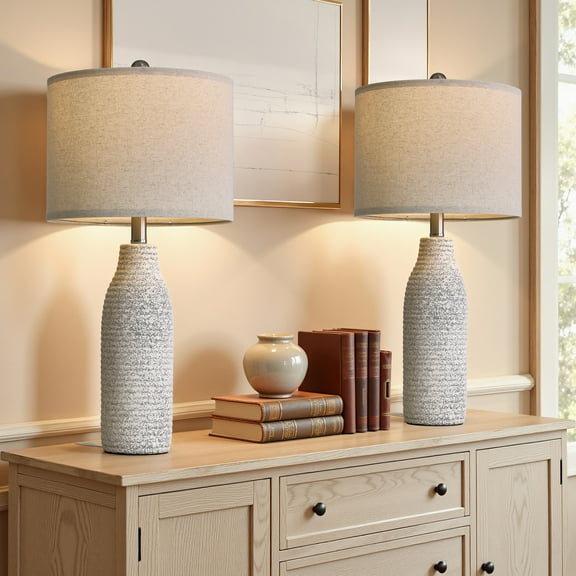
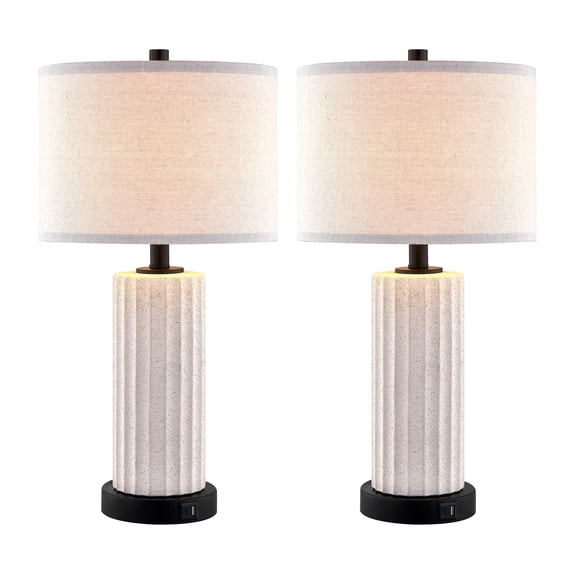
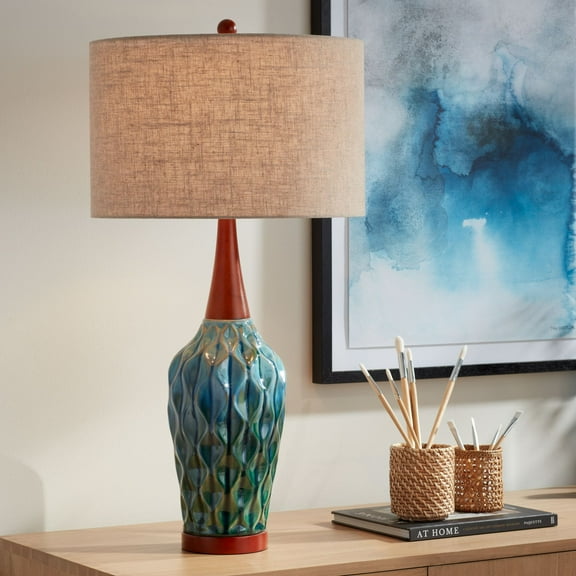
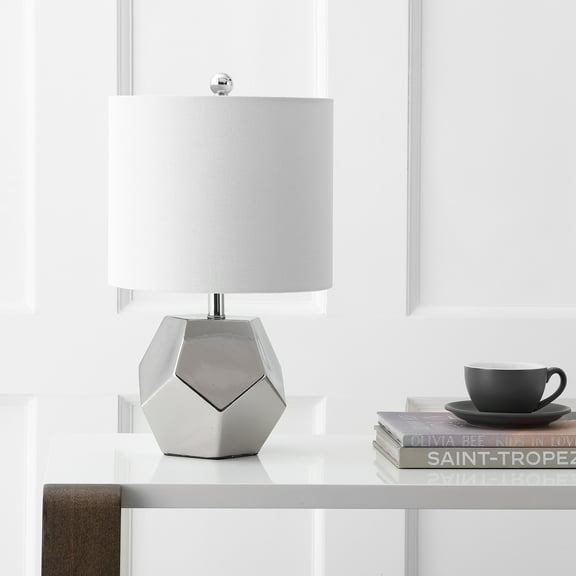




About Ceramic Table Lamps - Walmart.com
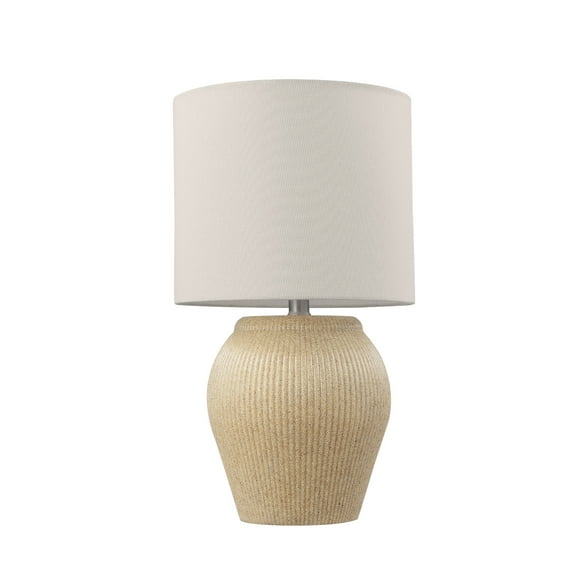
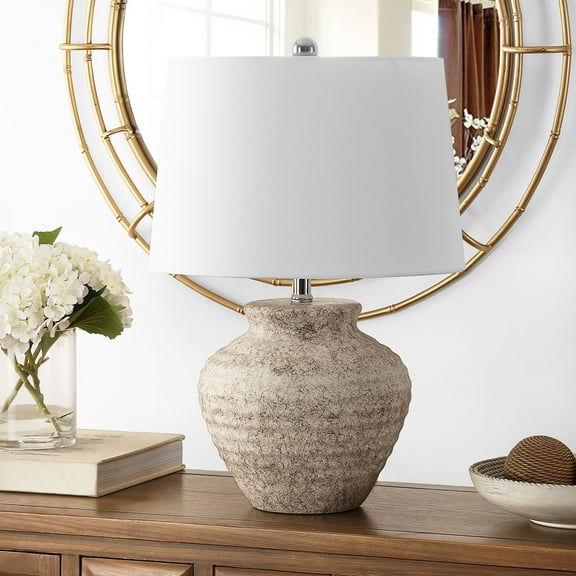
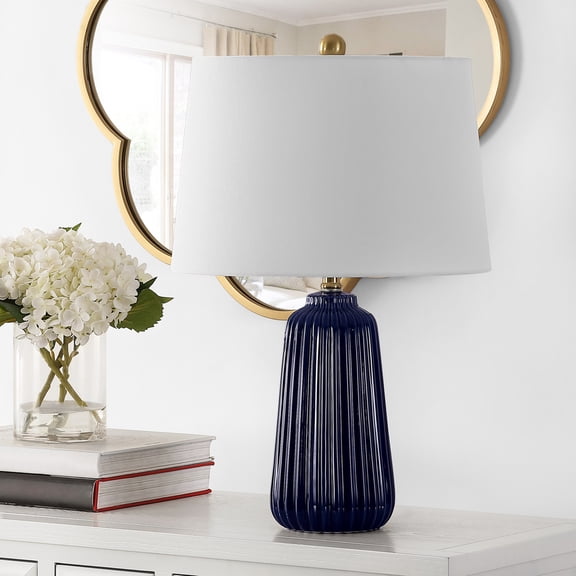
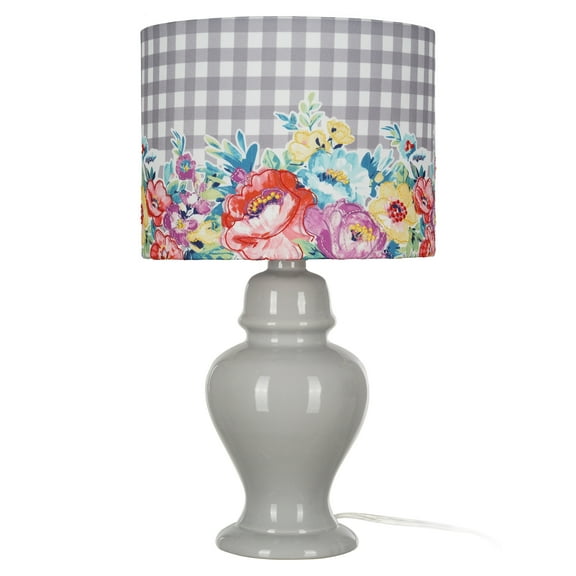
Ceramic table lamps help you add grounded style and soft lighting to bedrooms, living rooms, and entry tables. You can compare glaze, texture, height, and shade pairing to choose a lamp that fits your room with intention.
How to choose ceramic table lamps for your space
You should start with scale, because lamp height changes how your room feels and functions. You can measure your table height first, then compare lamp height so the shade sits comfortably beside your seating or bed.
When you place a lamp on a nightstand, you’ll usually want the bulb area near your seated eye level. You can use that simple check to narrow small ceramic table lamps for compact surfaces or taller options for larger dressers.
You’ll also want to compare base width before you choose a shape you love. Your lamp should leave enough table space for books, remotes, drinks, or your alarm clock.
Key benefits you’ll notice from ceramic bedside lamps
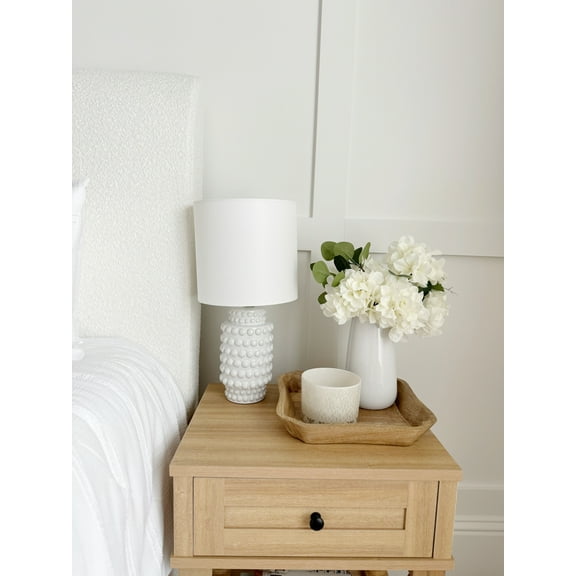
You can use ceramic bedside lamps to bring color, texture, and a more finished look to your bedroom. You’ll notice ceramic bases often feel visually substantial, which helps anchor lighter bedding and softer textiles.
In living rooms, you can use ceramic lamps to soften corners and add layered light beside sofas or accent chairs. You’ll get decorative impact during the day, then comfortable ambient light after sunset.
You may also appreciate how many ceramic designs work across changing decor styles. You can pair one lamp with modern lines, coastal accents, rustic woods, or traditional furniture without losing that collected look.
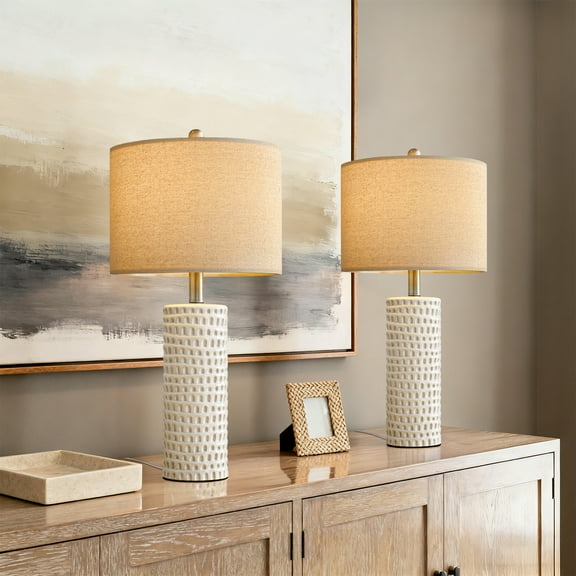
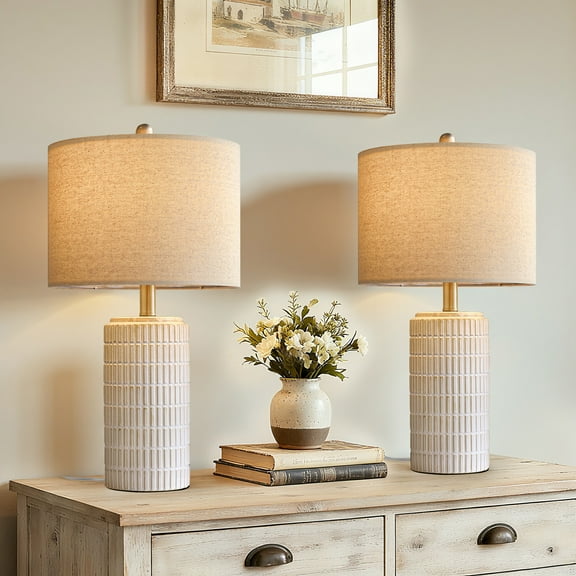
- You can add visual texture through ribbed, distressed, smooth, or raised ceramic bases.
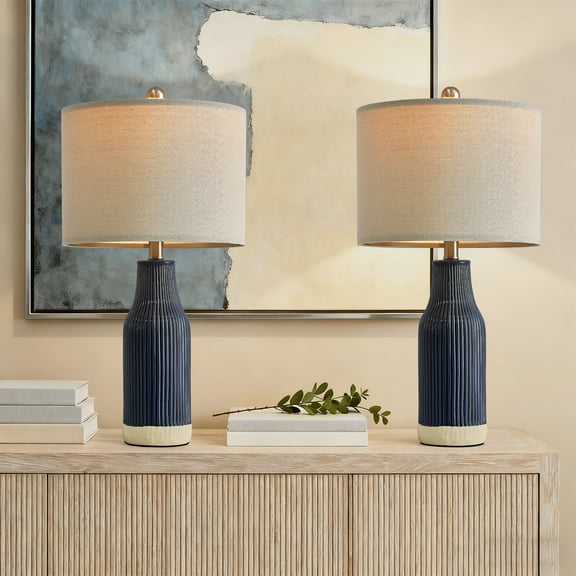
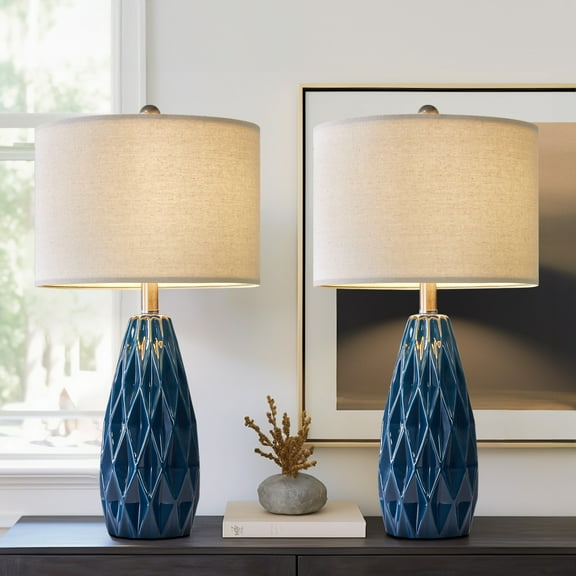
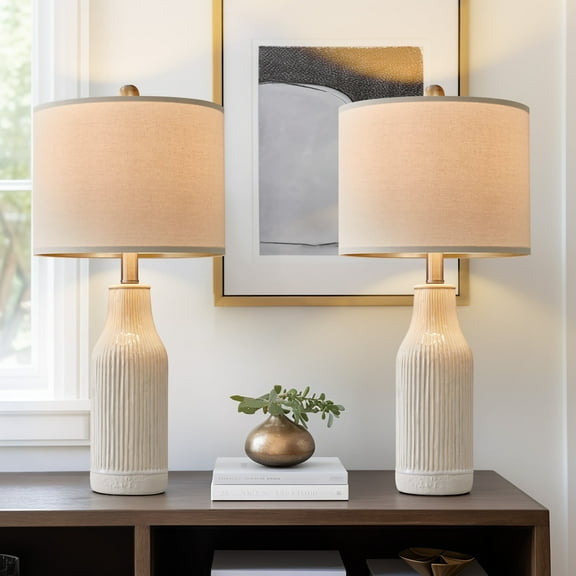
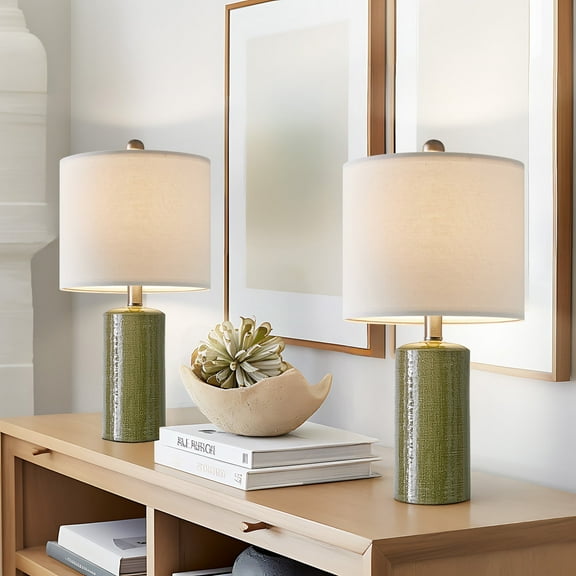
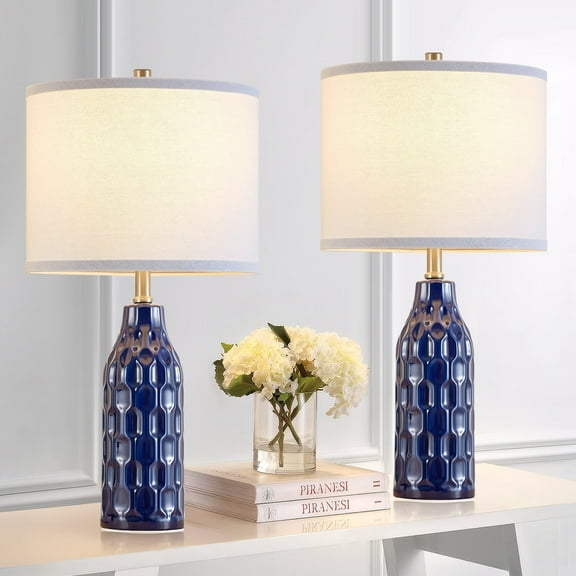
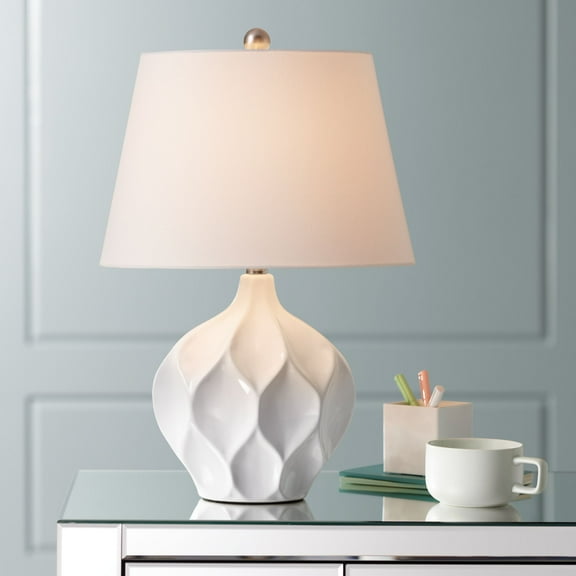
- You can coordinate white ceramic table lamps with neutral rooms or blue ceramic table lamps with coastal palettes.
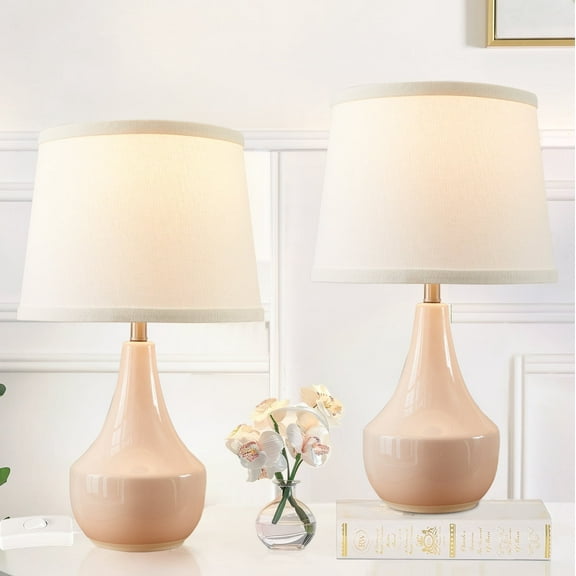
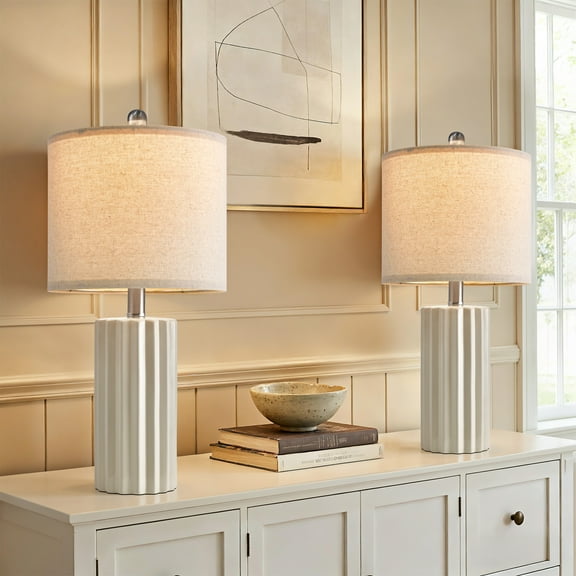
- You can choose a ceramic table lamps set of 2 when you want balanced symmetry on matching nightstands.
- You can use glazed finishes to introduce matte or glossy contrast beside wood, metal, or upholstered furniture.
Choosing color, finish, and texture
You should compare color and finish against the surfaces already in your room. White ceramic table lamps can brighten darker furniture, while blue ceramic table lamps can echo art, rugs, or patterned bedding.
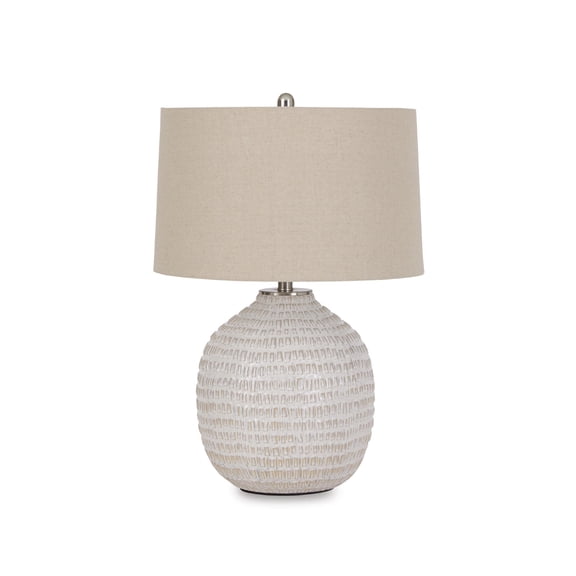
If your room already has many smooth materials, you may want textured ceramic table lamps for more depth. You can look for ribbed, distressed, or hand-crafted looks when you want the base to stand out.
A glossy finish can reflect more light and feel polished on sleek tables. A matte finish can read softer and quieter, especially when you’re styling relaxed bedrooms or casual living spaces.
Comparing style, shade pairing, and modern ceramic lamps
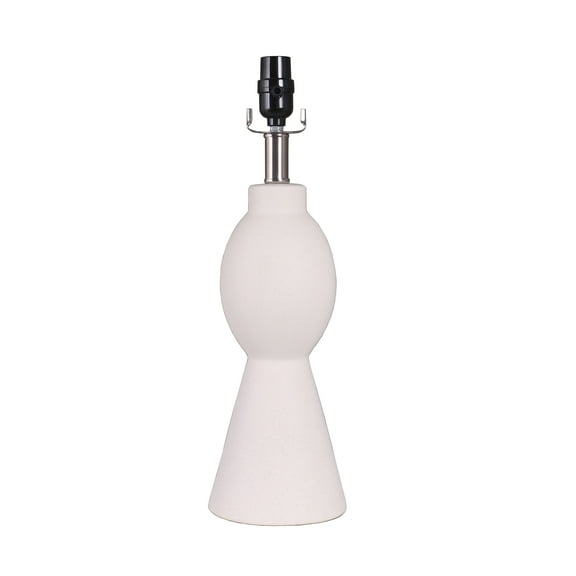
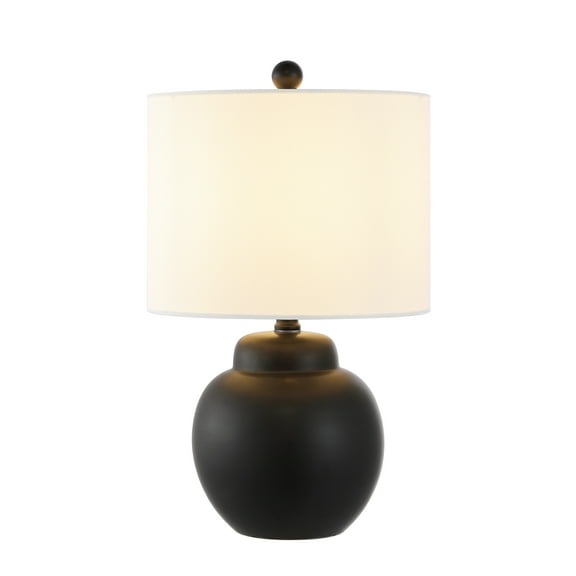
You can narrow your choice faster when you match the base shape to your furniture style. Modern ceramic lamps often feature cleaner silhouettes, while traditional shapes may look fuller, curved, or ginger jar inspired.
You should also check whether the shade shape supports the look you want and the light you need. Drum shades can feel streamlined, while tapered shades can feel classic and slightly softer.
Shade material matters too, because you’ll notice it changes how light spreads through the room. Lighter fabric shades can diffuse light gently, while darker or denser shades can direct more light downward.
If you want bedroom lighting for reading and winding down, you may prefer a shade that softens glare. If you want accent lighting on a console, you may focus more on shape, finish, and silhouette.
Picking the right size and set configuration
You can use small ceramic table lamps when you’re furnishing narrow nightstands, bookshelves, or apartment side tables. Larger bases can feel more proportional on wide end tables, buffets, or deeper console tables.
A ceramic table lamps set of 2 can make your room feel balanced when you have matching furniture. You can place paired lamps on both sides of a bed or sofa for a coordinated layout.
If your room mixes furniture heights, you may prefer single lamps instead of matching pairs. You can then tailor each lamp to its table, sightline, and surrounding decor.
What to look for in sockets and bulb compatibility
You should check socket details before you choose a lamp for everyday use. You can confirm wattage limits, bulb base type, and whether your lamp supports LED bulbs for convenient long-term lighting.
If you use smart home routines, you may want lamps that work with compatible smart bulbs. You can then control brightness or timing through your preferred setup, as long as bulb size fits the shade and harp.
You’ll also want to consider how bulb warmth affects ceramic glaze and room mood. Softer warm bulbs can flatter earthy terracotta or matte finishes, while cooler light can sharpen crisp white surfaces.
Where ceramic table lamps work throughout your home
You can use ceramic bedside lamps to frame your bed and make nightstands feel complete. You can also place them in guest rooms, where matching lamps help the room feel thoughtful and pulled together.
In living rooms, you can use ceramic bases to break up wood, leather, and metal with a softer material story. You’ll find that textured finishes add dimension even when the lamp is switched off.
You may place one on an entry console when you want a welcoming glow near the door. You can also style one on a home office credenza to balance task lighting with decorative character.
When you compare height, texture, color, and bulb compatibility, you can choose ceramic table lamps with more confidence. You’ll end up with lighting that fits your furniture, supports your routines, and finishes the room beautifully.