

Cow Wallpaper in Wallpaper by Animal













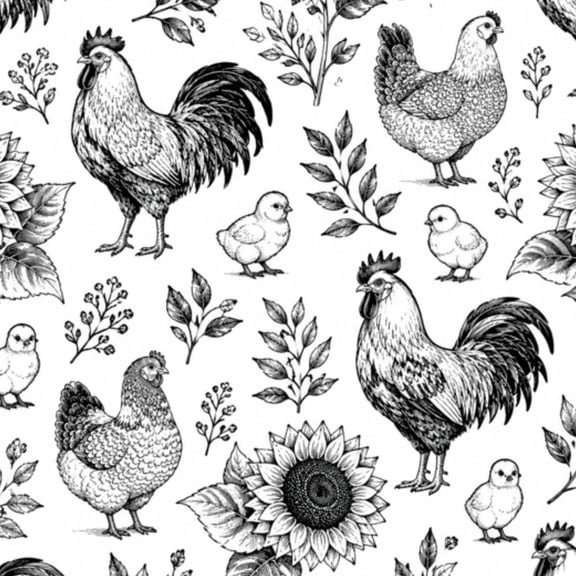


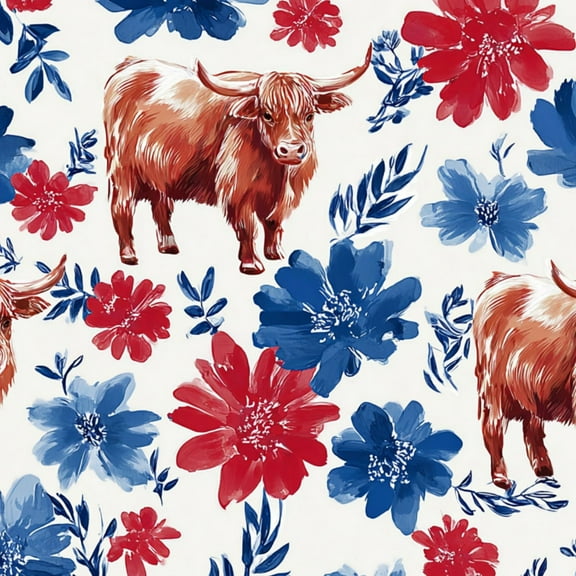


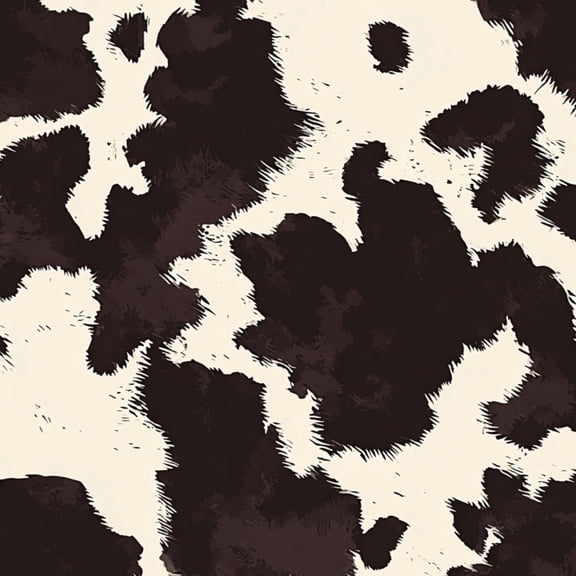

















About Cow Wallpaper in Wallpaper by Animal - Walmart.com
You can transform a plain wall with cow wallpaper that brings farmhouse character, playful pattern, or rustic charm into your space. You’ll find options that suit renters, homeowners, and anyone planning an accent wall with easy-to-match animal-inspired decor.
When you shop this category, you can compare application styles, cow artwork, and color palettes without guessing what fits your room. You’ll also want to consider roll coverage, pattern scale, and moisture-friendly materials before you choose your wallpaper.
How to choose cow wallpaper for your space
You can narrow cow wallpaper choices by starting with the room, wall size, and decorating style you already have. Your kitchen nook may need a smaller print, while your nursery or entryway may suit a larger repeating pattern.
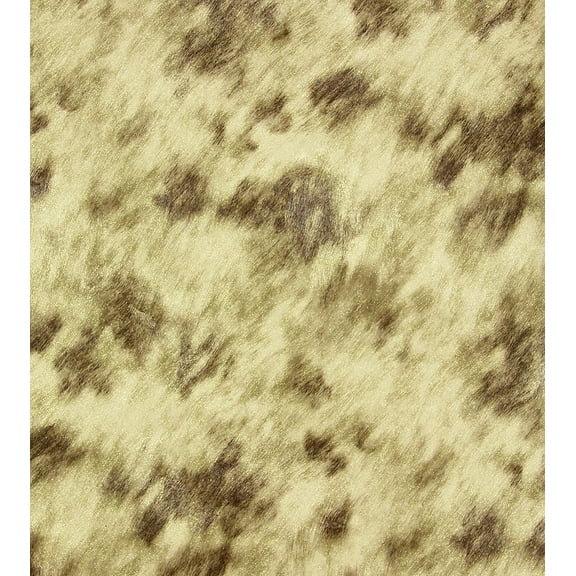
If you want a softer look, you can compare neutral, brown and white, or vintage-inspired prints. If your room needs contrast, you may prefer black and white cow wallpaper with bold spots or graphic linework.
- You can use rustic cow wallpaper to support barn-inspired, wood-tone, or country decor themes.
- You can choose modern farmhouse prints when your room mixes clean lines with warm, casual textures.
- You can pick cartoon cows for playrooms or nurseries where your walls need a lighter, more playful look.
- You can select realistic or vintage art styles when your room calls for a more detailed decorative finish.
You may also want to match the cow type to your decor direction. Your options can include highland cow wallpaper for shaggy texture, dairy cow prints for classic spots, or longhorn designs for western character.
Choosing the right application type
You should compare application type first if easy setup matters in your home. Your choice between peel and stick, prepasted, and non-pasted wallpaper affects placement, repositioning, and removal.
If you want renter-friendly updates, you may prefer peel and stick cow wallpaper for simpler placement and easier adjustments. You can often reposition panels during installation, which helps when your pattern needs cleaner alignment.
If you like a traditional wallcovering approach, you can consider prepasted styles that activate with water during setup. You may also choose non-pasted options when your project calls for separate adhesive and a more custom installation method.
You’ll also want to check the material before decorating bathrooms, laundry rooms, or powder rooms. If your space handles more moisture, you should compare vinyl and paper constructions, because your surface needs a finish suited to damp conditions.
What to look for in design style and pattern scale
You should measure your wall and think about viewing distance before choosing print size. Your room can feel busier with large cow faces on a small wall, while tiny repeats may disappear on a wide accent area.
If your space is compact, you may prefer smaller motifs and lighter backgrounds that keep the wall open-looking. If your room has tall ceilings, you can use larger repeats that give your wall stronger visual presence.
You can also compare realistic artwork with stylized prints based on nearby furniture and wall decor. Your rustic shelves, metal accents, or wood tables may pair naturally with farmhouse cow wallpaper or weathered vintage looks.
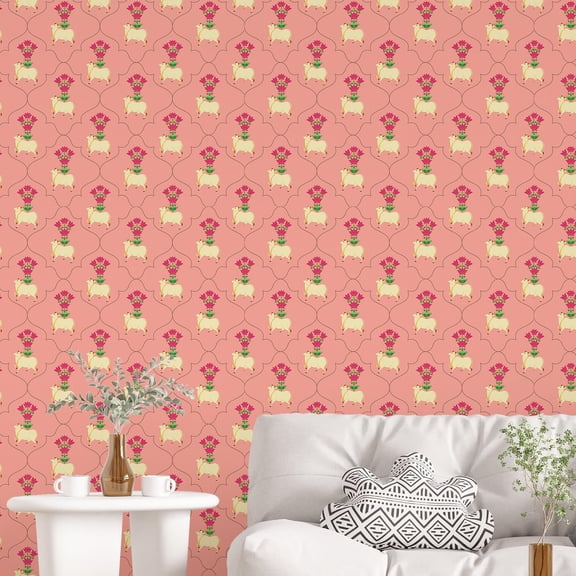
For playful spaces, you can use pink accents, cartoon cows, or softer linework that feels lighter and more decorative. Your black and white cow wallpaper can work well in modern rooms where you want a crisp, graphic pattern.
Comparing highland cow wallpaper and other cow themes
You may want highland cow wallpaper when your room needs texture-rich artwork and a cozy countryside feel. Your walls can take on a warm focal point with shaggy hair details and earthy brown tones.
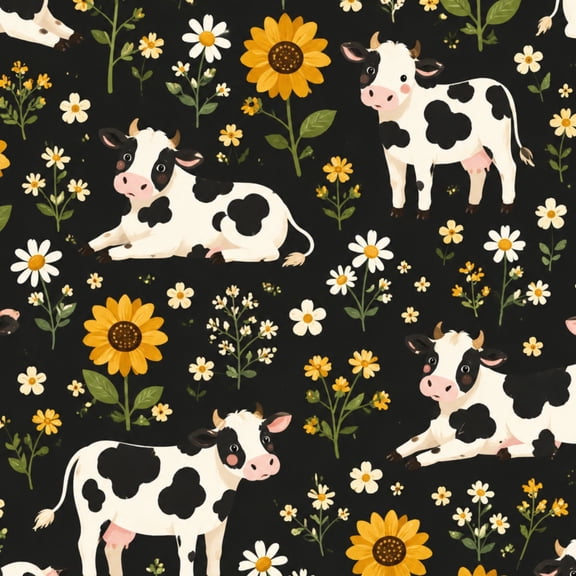
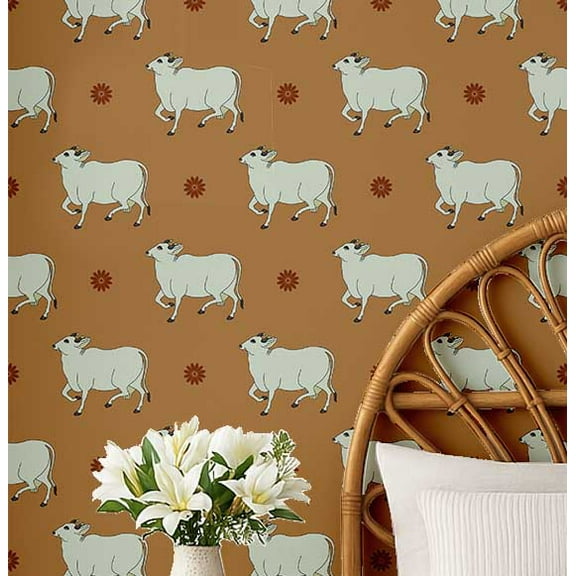
If you prefer a classic farm look, you can choose dairy cow prints with familiar black and white markings. Your room may feel cleaner and more graphic with simple spots, repeated silhouettes, or illustrated herd patterns.
You can also look at longhorn-themed designs when your style leans western or ranch-inspired. Your entryway, den, or accent wall may benefit from horn shapes and open-range imagery that feels distinctive.
How to calculate rolls and coverage
You should measure your wall height and width before choosing rolls for your project. Your total square footage gives you a starting point, but you’ll also need to account for pattern repeat and drop match.
If your wallpaper has a larger repeat, you may need extra material so your pattern lines up across panels. You can avoid mismatched cows or uneven spacing by checking roll coverage details before installation.
You should also think about windows, doors, and whether you’re covering one wall or a full room. Your project may need fewer rolls for a simple accent wall and more rolls for wrapped corners or multiple surfaces.
Where cow print wallpaper works well
You can use cow print wallpaper in nurseries, kitchens, mudrooms, bedrooms, and reading corners that need a strong theme. Your space can feel more finished when the print connects with framed art, woven baskets, or wood furniture.
For a farmhouse breakfast area, you can pair brown and white prints with natural textures and simple table linens. In a nursery, you may prefer softer cartoon or neutral designs that keep your walls playful without overwhelming the room.
You can also use cow wallpaper for a single feature wall when you want character without covering every surface. Your powder room, home office, or entry can gain personality through one patterned wall and coordinated decor accents.
You’ll feel more confident choosing cow wallpaper when you compare application type, pattern scale, and room conditions before decorating. Your finished space can look polished, personal, and theme-driven with a print that fits your wall and your style.