


Find auto parts that fit
Let’s search for parts that fit your vehicle.Remotes & Key Fobs in Car Anti-Theft Devices





![[Smart Choice Store] Genuine OEM FOB Smart Key (4+3 Button) 95440CV011 w/ Parking Assist for Kia EV6 2024](https://i5.walmartimages.com/seo/Smart-Choice-Store-Genuine-OEM-FOB-Smart-Key-4-3-Button-95440CV011-w-Parking-Assist-for-Kia-EV6-2024_25fe3742-f92d-4254-9c48-68c9d3e27bb3.7fae5caaac63675b623b9128cb7f2901.jpeg?odnHeight=576&odnWidth=576&odnBg=FFFFFF)
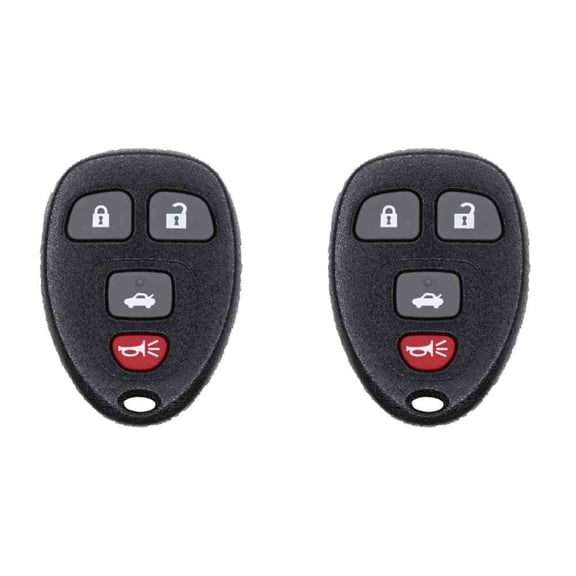
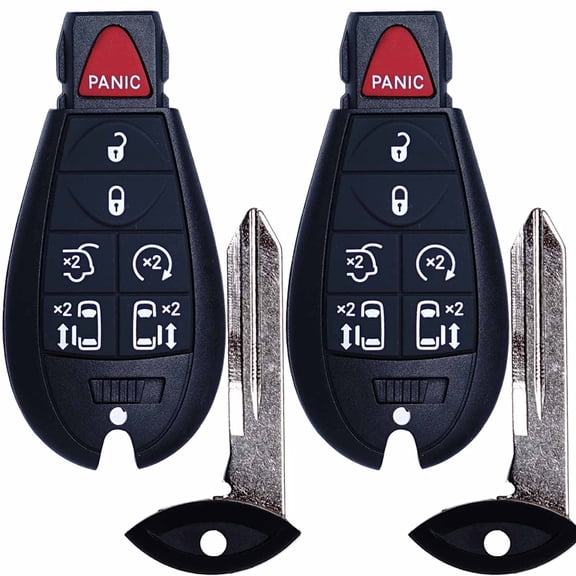


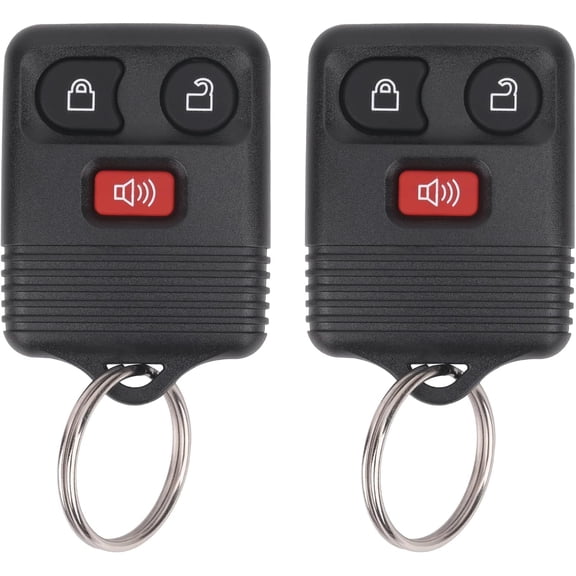
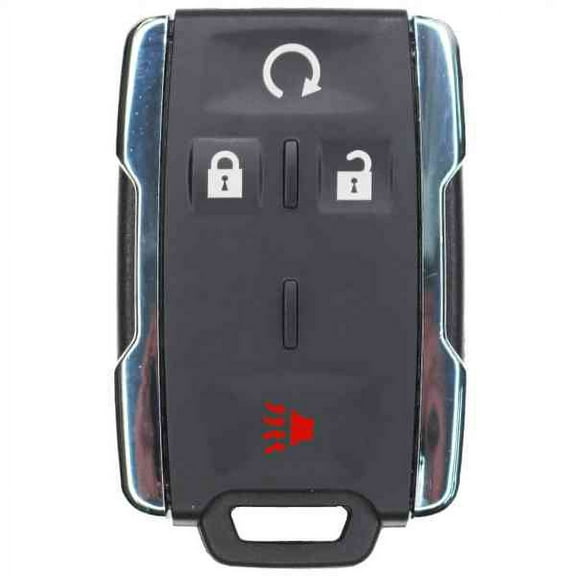






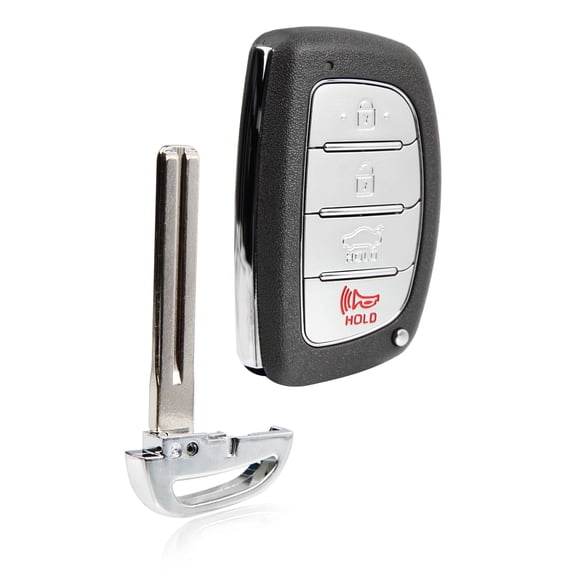
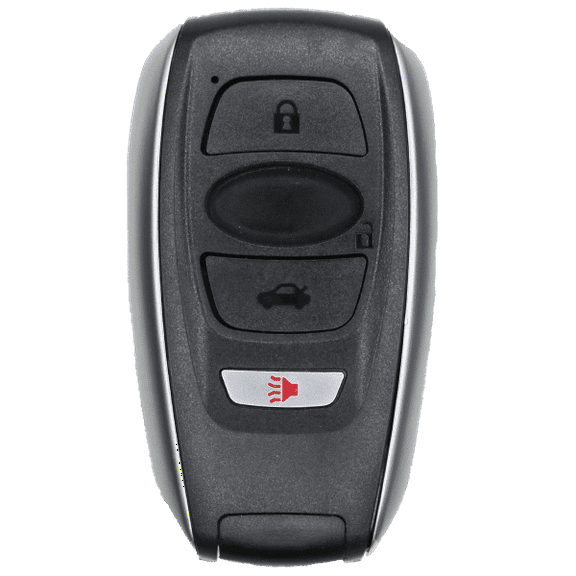
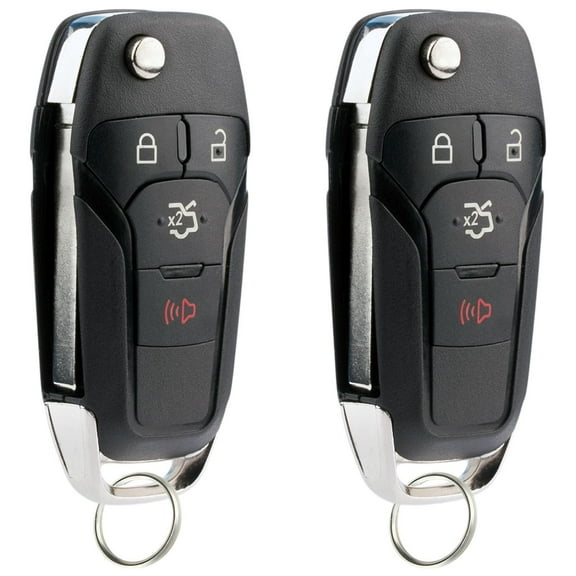
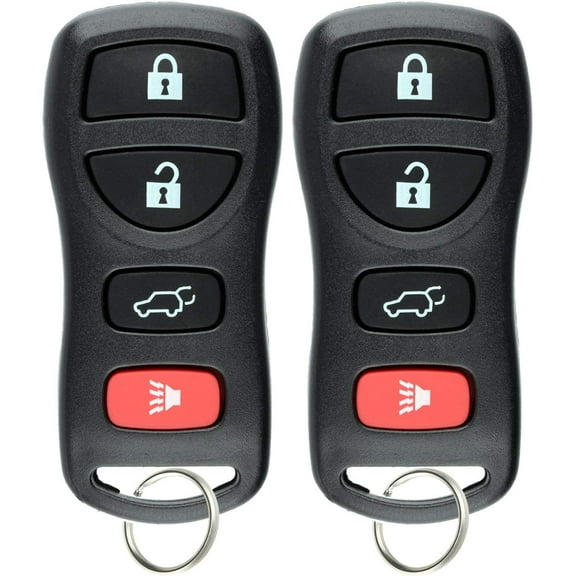

About Remotes & Key Fobs in Car Anti-Theft Devices - Walmart.com
You can compare remotes and key fobs efficiently when you focus on vehicle fit, button layout, and programming needs. You can also narrow choices easily when you match FCC ID details, frequency, and part numbers before you order.
How to choose remotes and key fobs for your vehicle
Start with your year, make, and model, because your vehicle compatibility decides whether a remote can pair correctly. You should also compare your current remote’s FCC ID and part number for a close match.
Next, check whether your vehicle uses keyless entry, a smart key, or a transponder design. You may want the same technology type, because push-to-start systems and blade keys use different setups.
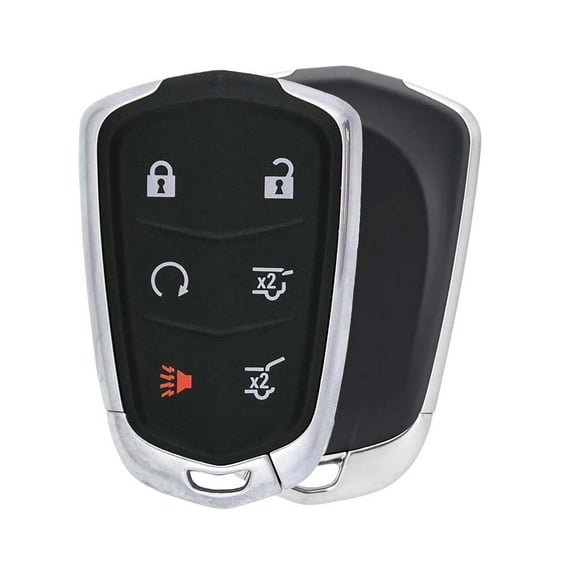
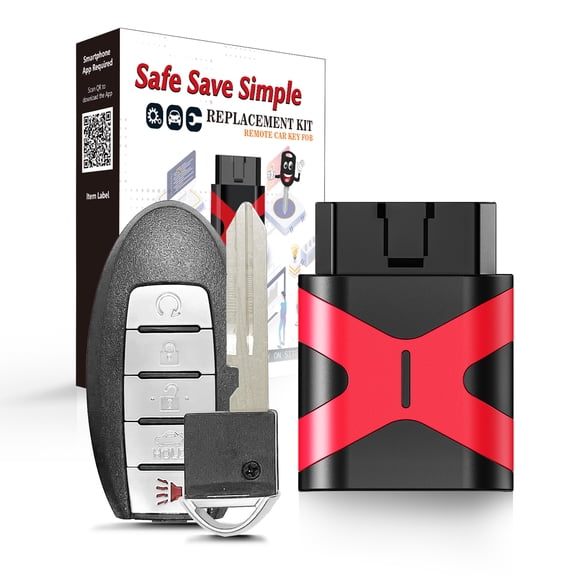
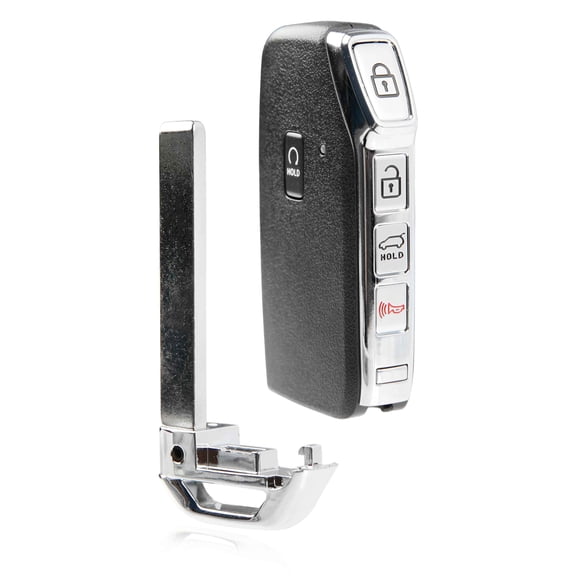
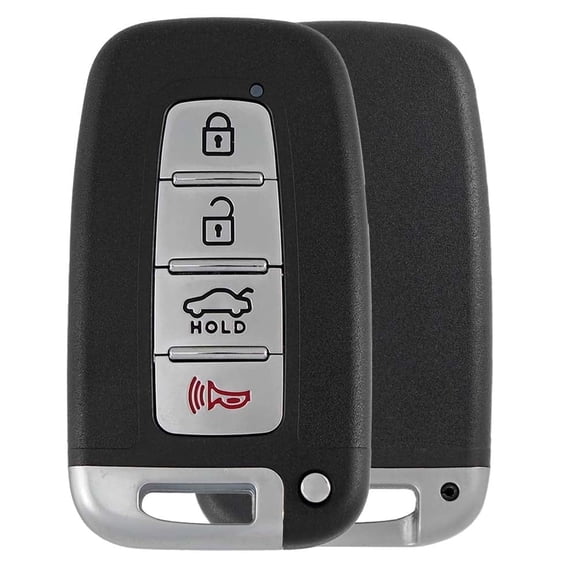
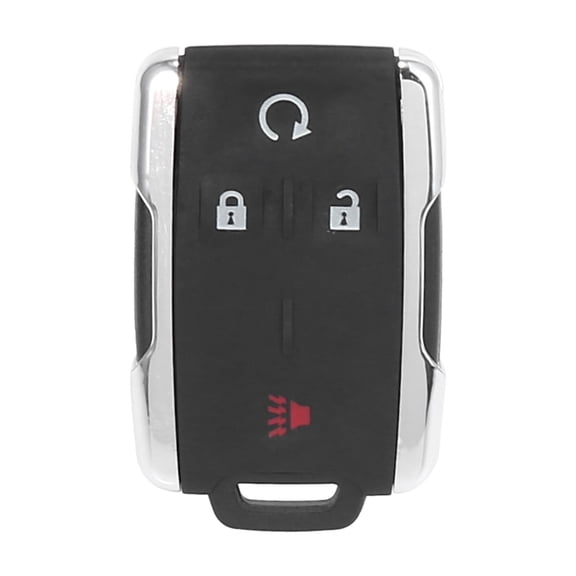
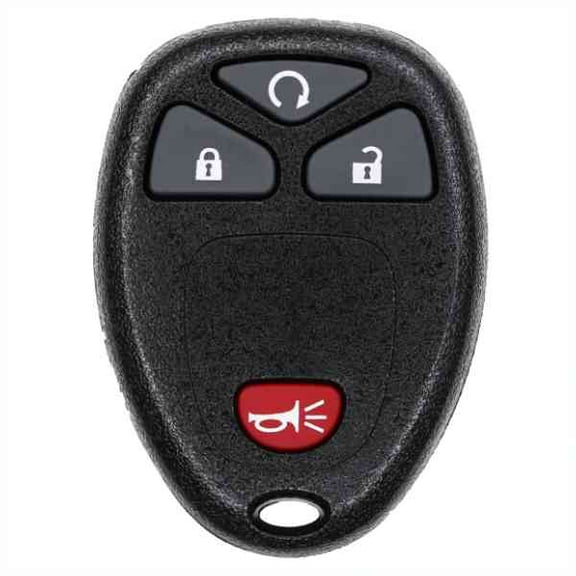
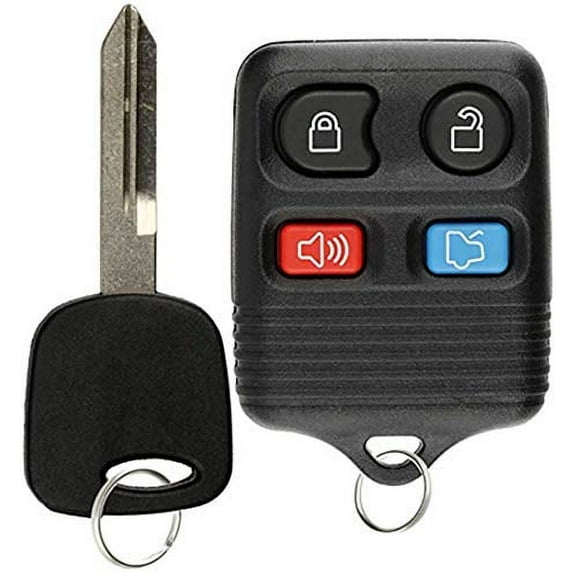
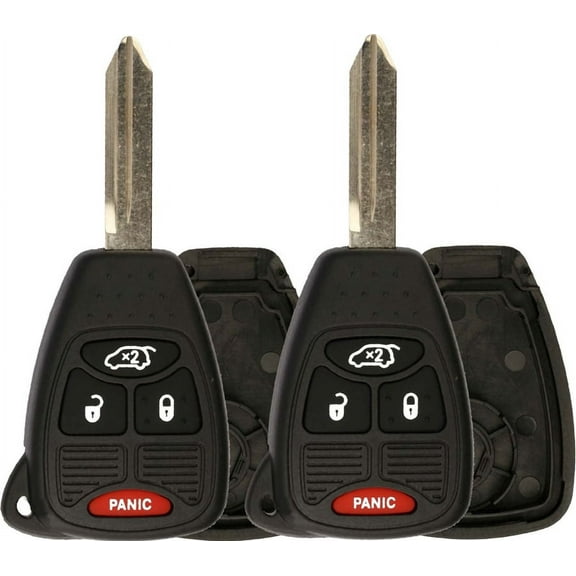
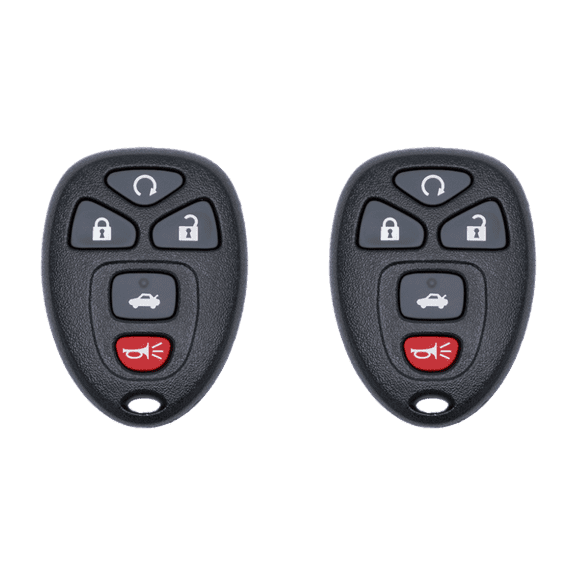
Button configuration matters just as much as fitment when you need everyday functions to match. You should compare three-button, four-button, or five-button layouts, plus trunk release, panic, and remote start options.
What to look for in a car key fob replacement
When you need a car key fob replacement, you can usually get a seamless match by copying your existing remote exactly. You should check the casing shape, blade style, and button icons before you choose.
Vehicle brands can vary widely, so you should confirm fitment details for Ford, Chevrolet, Toyota, Honda, or Dodge carefully. You can avoid guesswork when you compare listing details with your original remote.
- You can match lock, unlock, trunk, panic, and remote start functions to your daily driving routine.
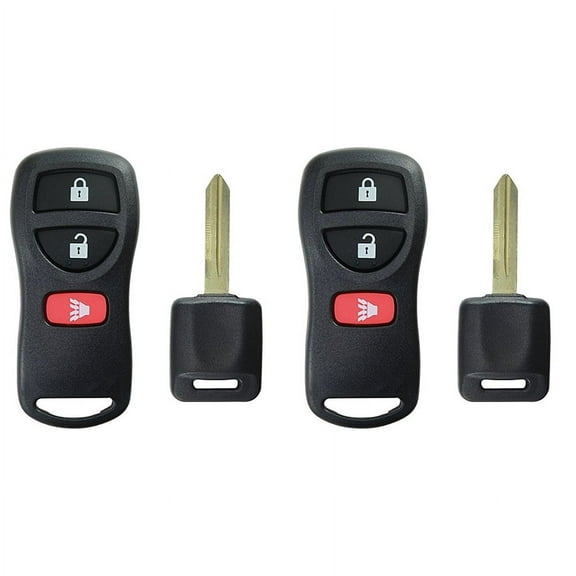
- You can compare uncut blade, flip key, or smart emergency key formats based on your current setup.
- You can narrow options by checking FCC ID, frequency, and part number before moving to programming.
- You can choose a replacement style that fits your ignition, push-button start system, or backup key needs.
Battery life and casing strength also shape your experience after setup. You may appreciate a sturdy shell and dependable battery contact when your remote travels in pockets, bags, and cup holders.
Choosing the right keyless entry remote and technology
A keyless entry remote should match both your vehicle’s signal type and your current convenience features. You should compare 315MHz and 433MHz options carefully, because frequency mismatch can stop pairing.
Smart key and transponder designs serve different vehicle systems, so you should identify which one your vehicle uses first. You may see that push-to-start models need smart key compatibility, not a basic remote shell.
Key blade type is another practical checkpoint when your replacement includes a physical backup key. You can choose from uncut blade, flip key, or smart emergency key formats based on your original design.
Car remotes with the right technology help you keep entry and ignition functions aligned with your vehicle. You can make a precise choice when you compare signal type, emergency key format, and button functions together.
Understanding key fob programming requirements
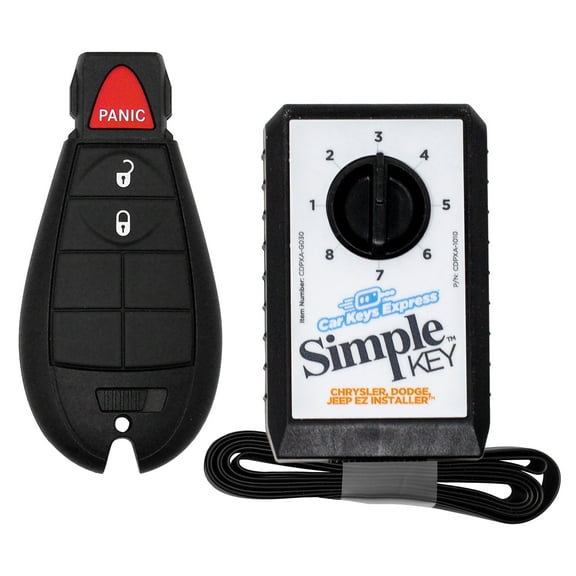
Key fob programming can vary by vehicle, so you should review the programming requirement before you decide. You may find self-programmable options, while other vehicles need a locksmith or dealership visit.
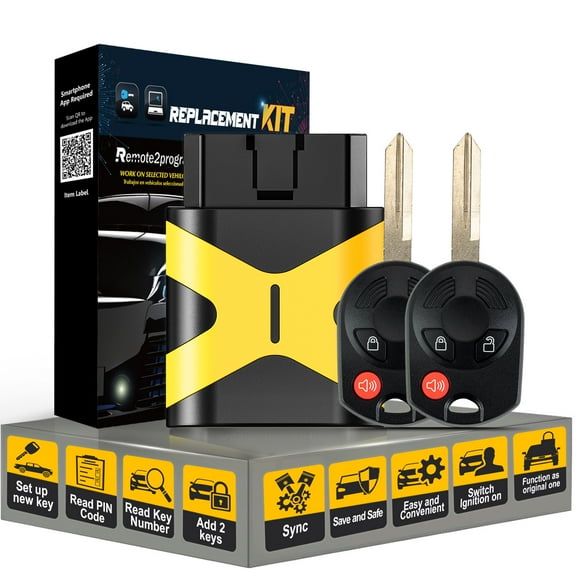
Self-programmable options can work well when your vehicle supports onboard pairing steps and clear instructions. You should read those steps first, because timing and sequence can matter during setup.
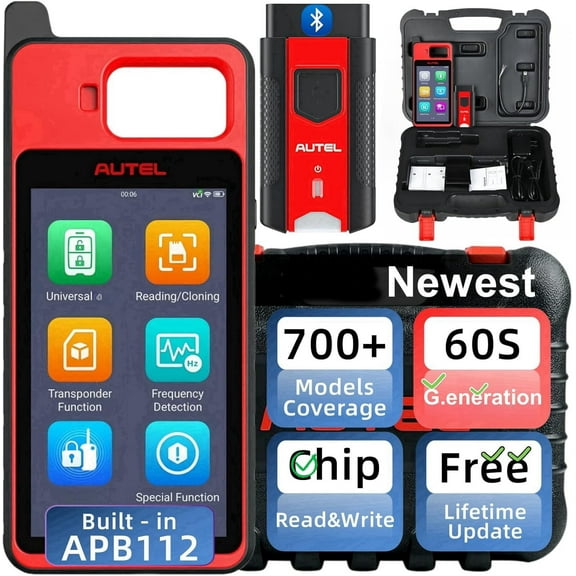
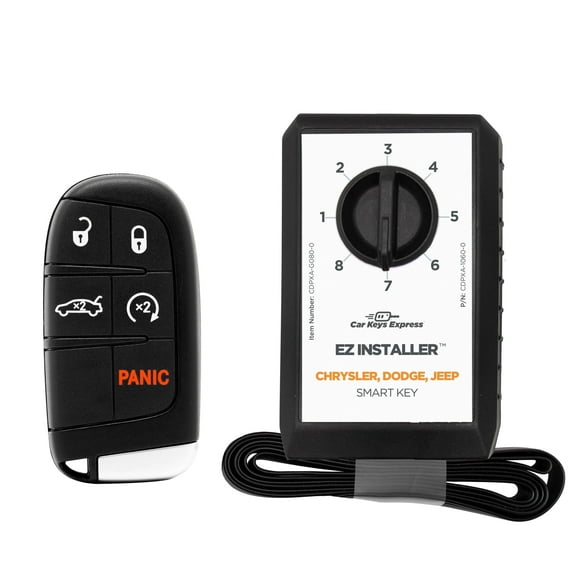
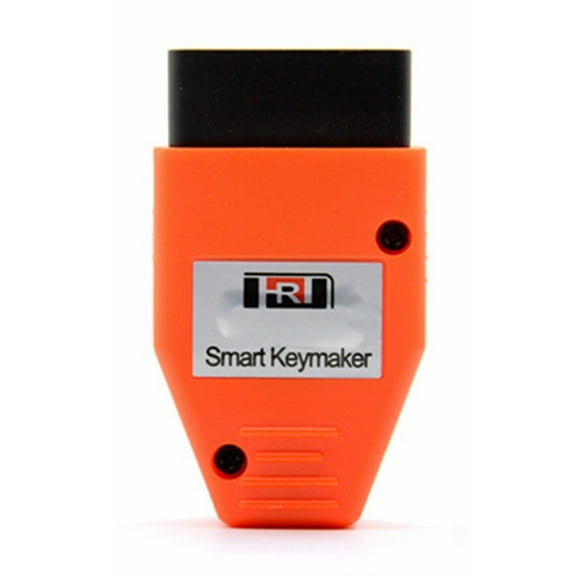
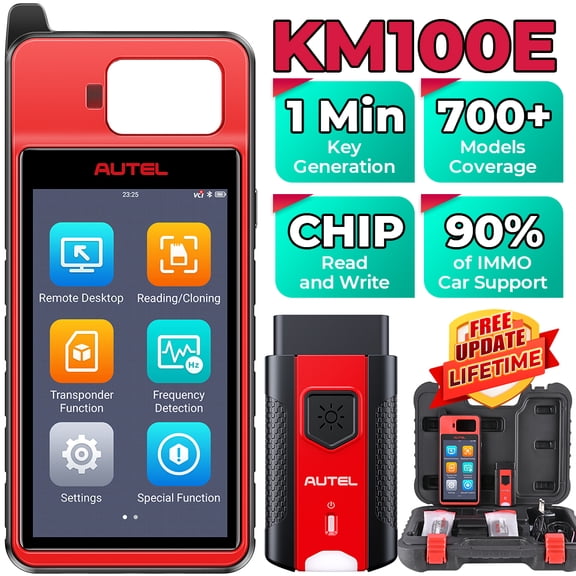
Some vehicles require diagnostic tools for pairing, especially when security systems and transponder chips are involved. You should expect locksmith required or dealership required notes when onboard programming isn’t available.
You can make this process easier by matching FCC ID, frequency, and part number before starting any setup. You can reduce compatibility confusion when your replacement details mirror your current remote closely.
Matching attribute combinations to real driving needs
If you drive a commuter vehicle with basic locks, you may prefer a three-button keyless entry remote. You can keep daily use simple when lock, unlock, and trunk access match your existing setup.
If your vehicle includes remote start or panic functions, you should look for four-button or five-button layouts. You can keep your routine familiar when every button sits where you expect it.
For push-to-start vehicles, you may need a smart key with an emergency key tucked inside. You should confirm both the smart system and emergency blade style before moving forward.
If you’re replacing a worn shell or broken blade housing, you can focus on casing shape and key blade type. You still need to compare fitment details, because similar shells can differ internally.
When you want a spare for another driver, you should check whether your vehicle allows self-programming for additional remotes. You can plan confidently when you know if a locksmith or dealer step is part of the process.
You can choose accurately when you treat compatibility, button layout, and programming as connected decisions. Your replacement remote can feel familiar when those details match from the start.