



Camping Utensils for Outdoor Camp Kitchens












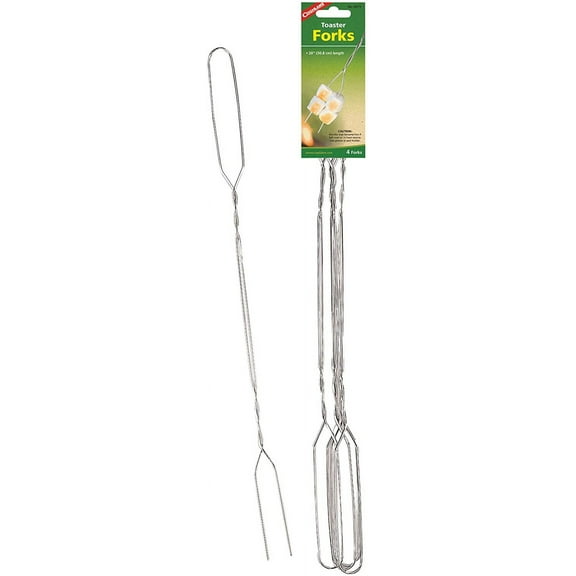
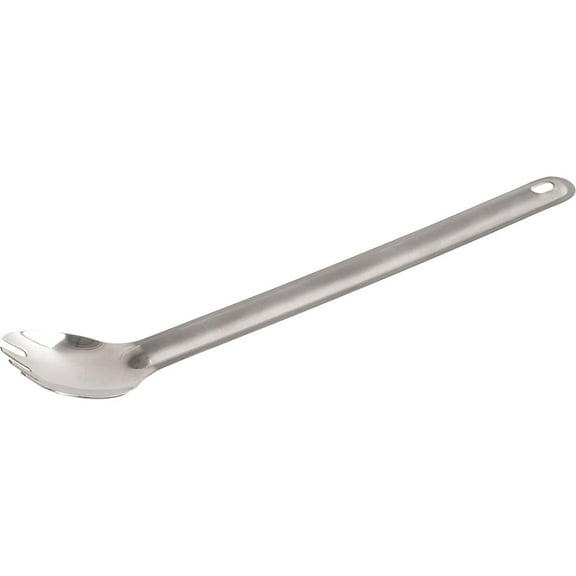
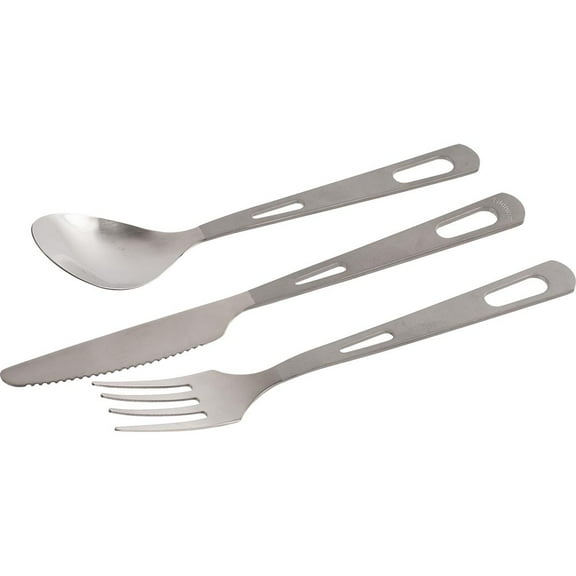

About Camping Utensils for Outdoor Camp Kitchens - Walmart.com
Camping utensils help you eat, cook, and pack smarter when every inch of space matters. You can compare materials, set sizes, and packable designs that fit quick overnights, family camps, and long backpacking trips.
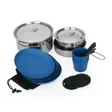
You’ll notice this category covers more than a basic fork and spoon. You can choose camping silverware, a camping mess kit, or backpacking utensils built for trail meals and campfire cooking.
How to choose camping utensils by material
Material is often your first big decision because you balance durability, weight, and cleanup every time you pack. You can compare stainless steel, titanium, plastic, and silicone based on how you camp.
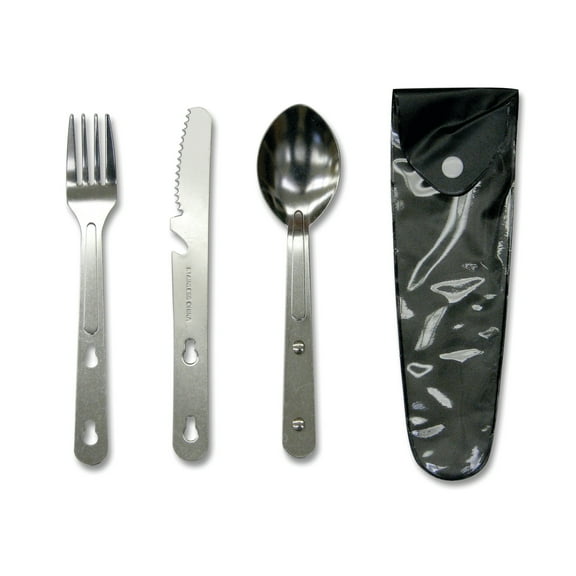
If you want a sturdy feel for repeated trips, you may prefer stainless steel for camp cooking and hearty meals. If you count ounces closely, you may choose titanium because your pack stays lighter.
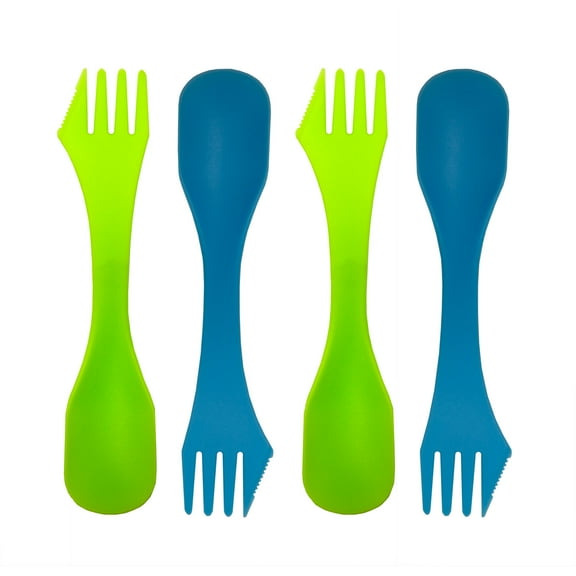
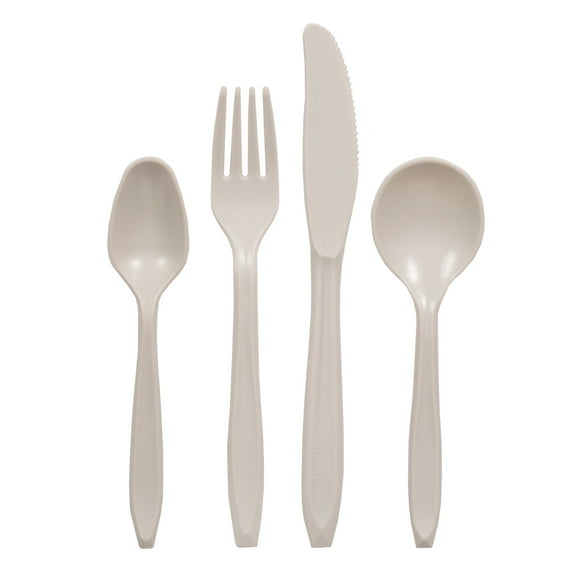
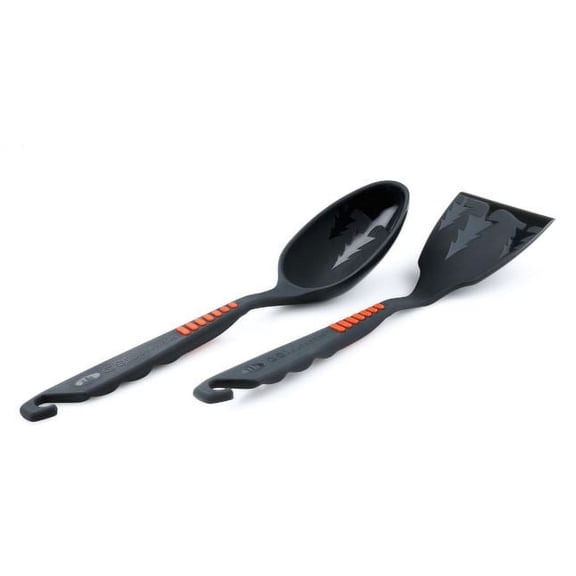
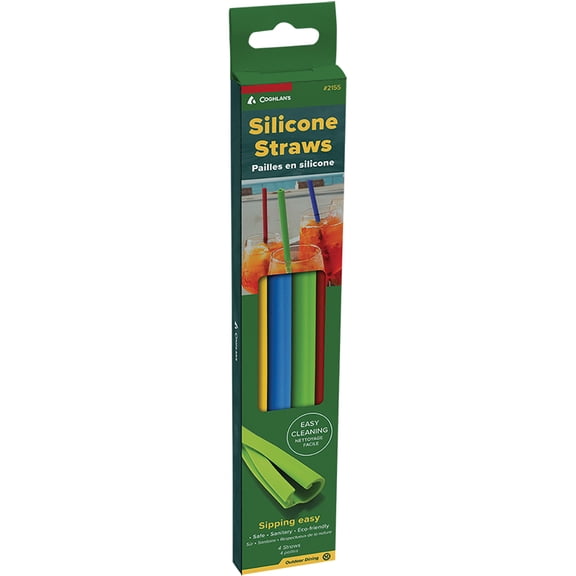
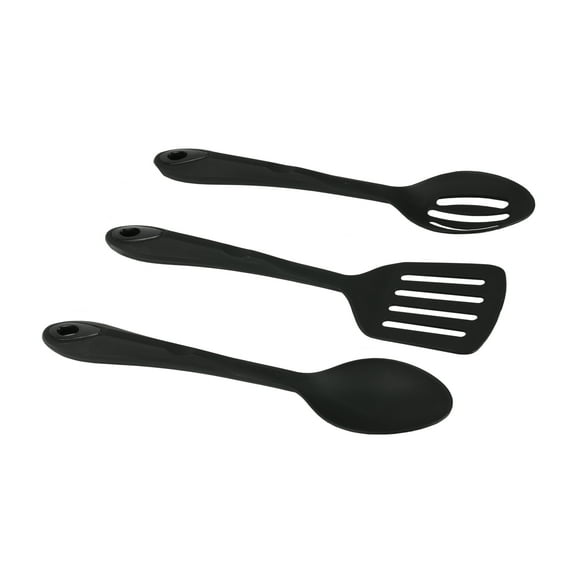
You might select plastic when you want a simple portable cutlery set for short trips or picnic-style meals. You can pick silicone pieces when you want flexible tools for scraping pots or stirring camp cookware.
- You can use stainless steel when you want durability for frequent campsite meals.
- You can choose titanium when your backpacking utensils need an ultralight carry.
- You can grab plastic for simple travel utensils on casual outings.
- You can add silicone tools when your camp kitchen needs flexible mixing and scraping.
Choosing the right camping mess kit set size
Set size changes how you prep and serve food at camp. You should consider whether you need an individual setup, a 2-person kit, or a family set.
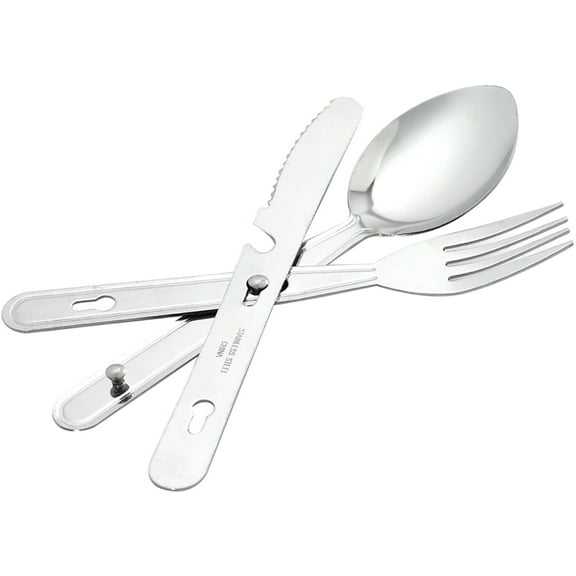
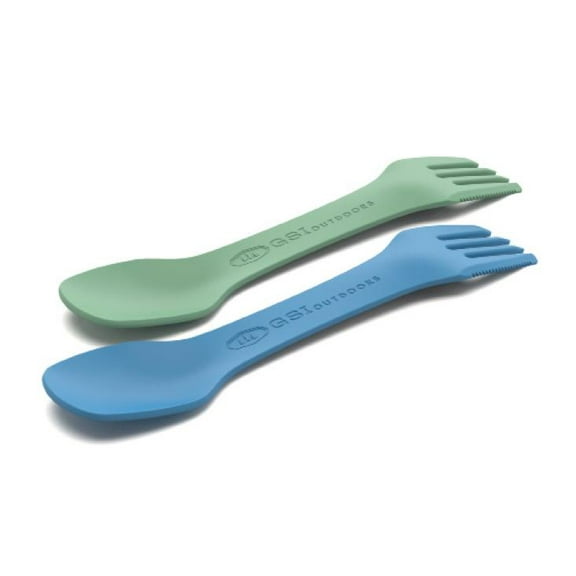
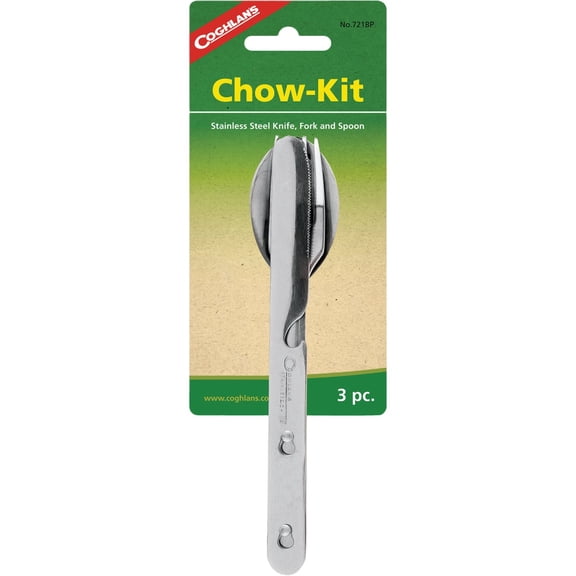
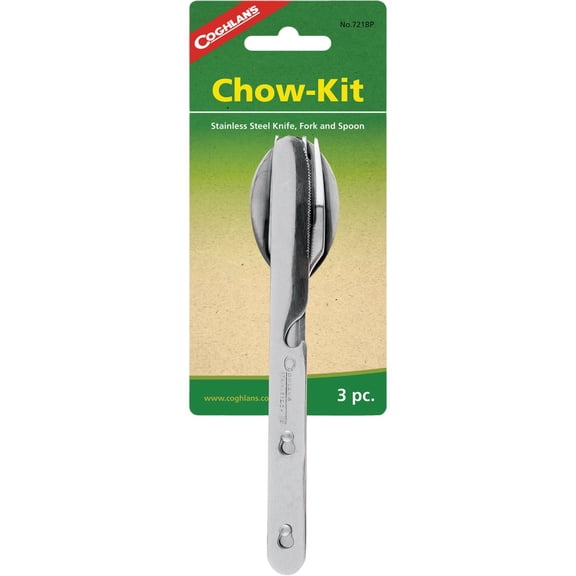
If you travel solo, you may only need a camping spork or a compact fork, knife, and spoon set. If you camp with a partner, you can keep meals simpler with matched pieces in one kit.
Family sets can help you organize shared cooking gear and serving pieces around the picnic table. You should check how many place settings you need before you pack for weekend meals.
You may want an individual set for day hikes, lunch breaks, or minimalist overnight trips. You can step up to larger kits when your menu includes multiple courses, shared dishes, or campfire breakfasts.
What to look for in backpacking utensils portability
Portability matters when your gear competes for room with food, fuel, and layers. You should compare folding, nesting, multi-tool, and case included designs before choosing backpacking utensils.
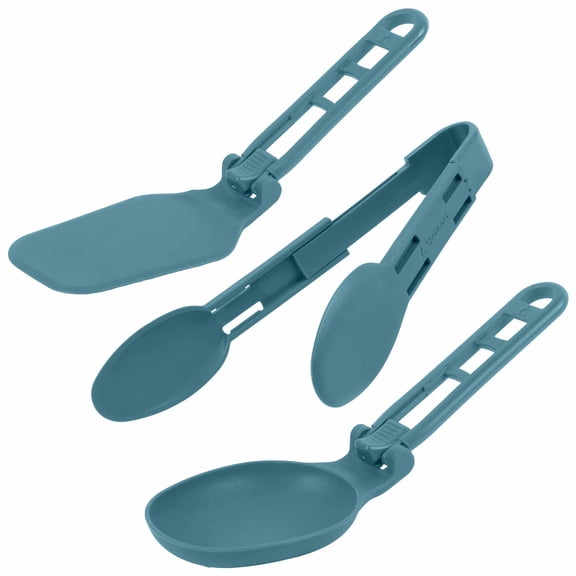
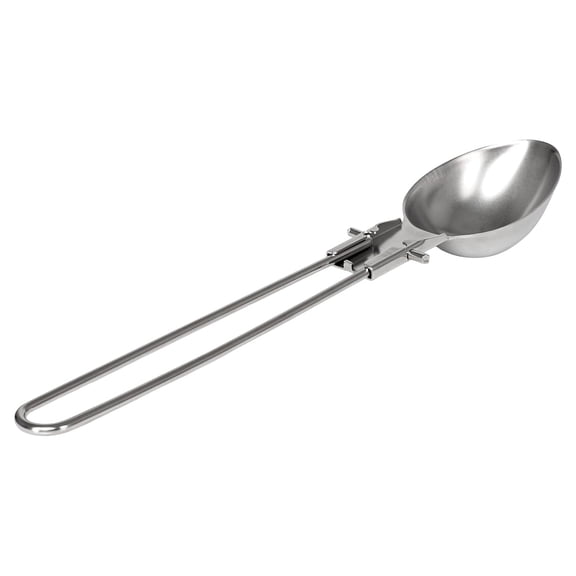
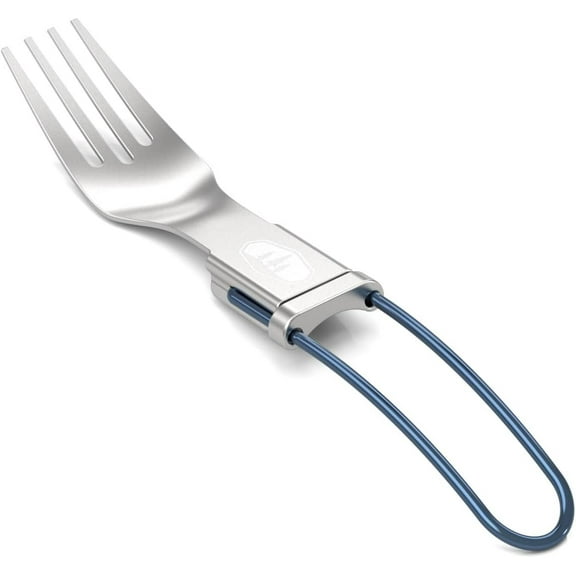
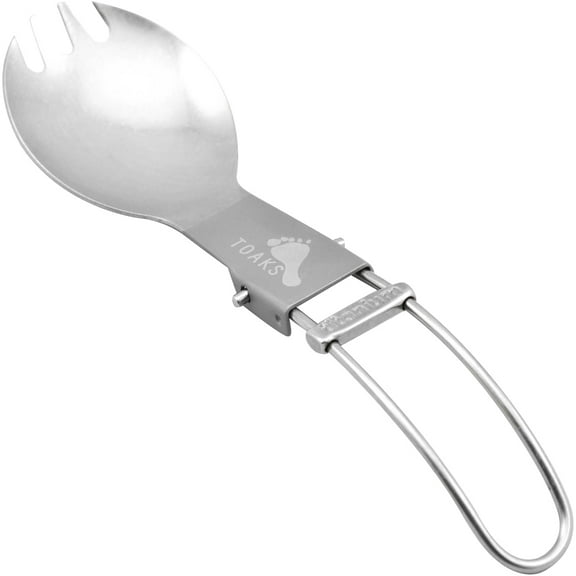
Folding utensils can shorten the packed length, which helps when your cook kit has limited space. Nesting sets can stack together neatly, so you keep your pieces organized between meals.
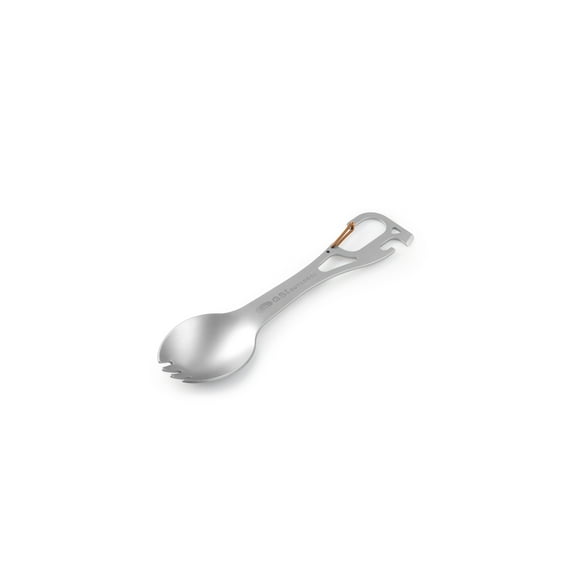
Multi-tool styles can combine several functions in one compact item for lighter packing. Case included options can help you separate clean utensils from the rest of your gear after breakfast or dinner.
You should also consider how fast each design is to unpack at camp. You may prefer a simple fixed shape if you want fewer moving parts during quick meal stops.
Comparing ultralight and standard lightweight options
Weight class can shape your whole packing strategy on the trail. You should compare ultralight and standard lightweight options based on trip length and how much cooking gear you already carry.
Ultralight pieces can make sense when you hike longer distances and count every ounce in your pack. Standard lightweight options can feel more familiar in hand while still keeping your load manageable.
You may notice that weight affects comfort beyond the hike itself. You can also feel the difference when you unpack, repack, and carry your camp kitchen from site to site.
If your meals are simple, a lighter camping spork may cover most of what you need. If your menu is more involved, you may want extra pieces that support prep, serving, and eating.
How camping silverware supports easier cleanup
Cleanup is easier when you choose shapes and surfaces that match your food routine. You should look for camping silverware that wipes clean easily and stores neatly after meals.
Smoother finishes can help you remove sauce, oatmeal, or soup residue with less effort at camp. Simpler designs can also reduce tight corners where food tends to collect.
You may prefer utensils that fit into your cookware or storage case after rinsing and drying. You can keep your camp kitchen more organized when each piece has a clear place.
If you cook one-pot meals, you may want compact tools that move from pot to plate without extra clutter. If you prep several dishes, you can use larger sets for cleaner task separation.
Matching camping utensils to real trip types
You can match your camping utensils to the kind of trip you actually take. You should think about trail distance, meal style, group size, and how much camp kitchen gear you already own.
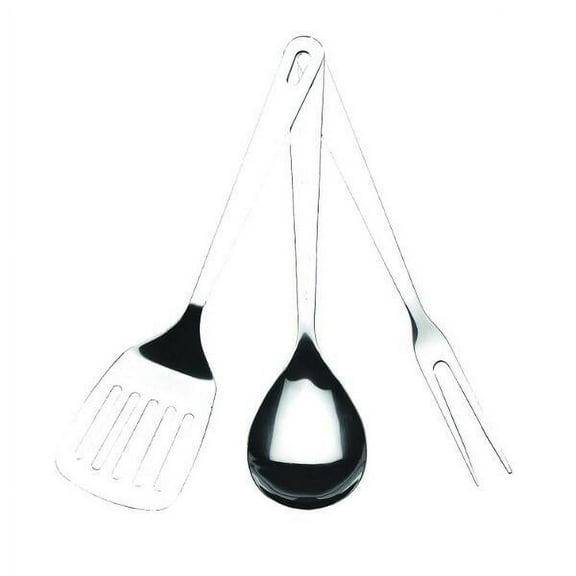
For backpacking weekends, you may want ultralight travel utensils with a folding handle or nested shape. For car camping, you can carry a fuller camping mess kit with separate eating and serving pieces.
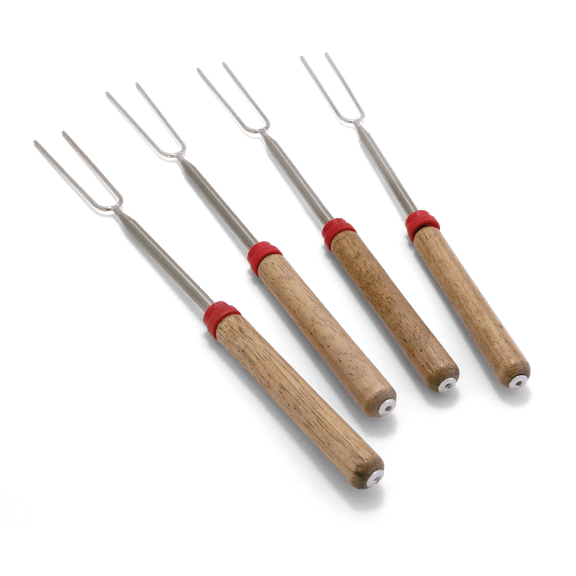
If you cook dehydrated meals, a camping spork or compact spoon may handle most of your routine. If you grill, sauté, or prep ingredients, you may need a broader portable cutlery set.
You might choose a 2-person kit for couples trips where shared cookware and matched pieces keep packing tidy. You can use family sets when several campers need organized utensils for repeated meals.
When you build your setup around your actual cooking habits, you avoid extra bulk and missing pieces. You can head into camp with utensils that fit your meals, your pack, and your cleanup routine.