

Clamps for Truck Bed Covers and Camper Shells - Walmart
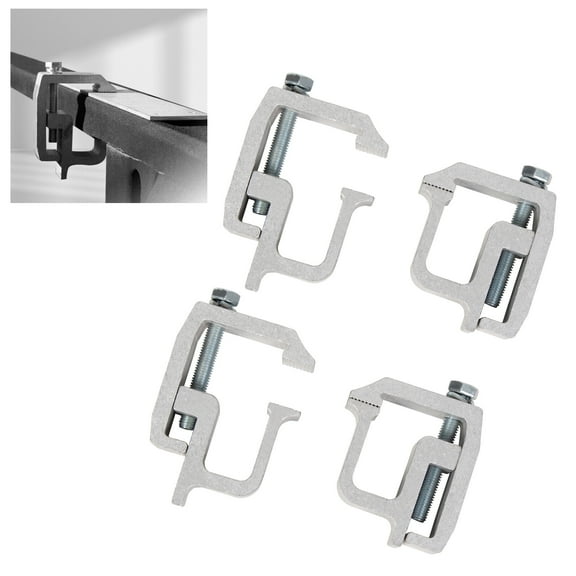

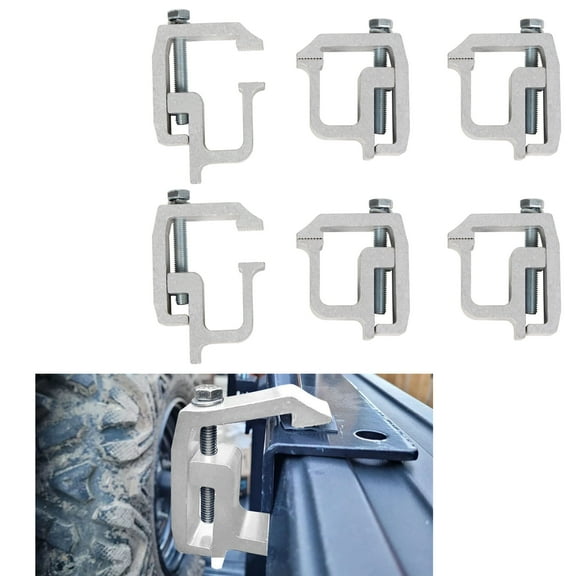
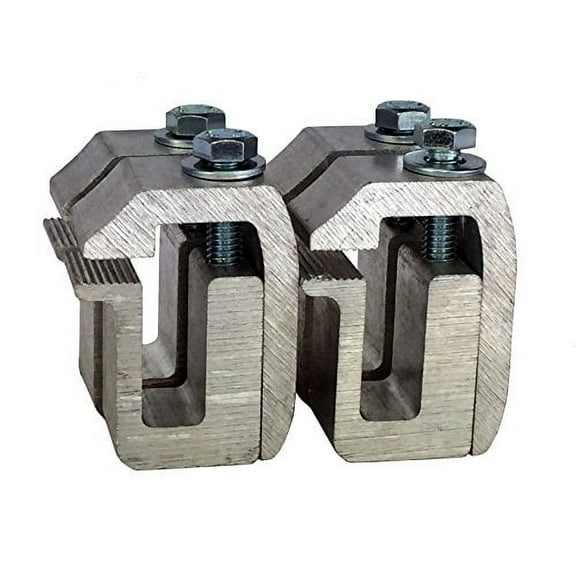
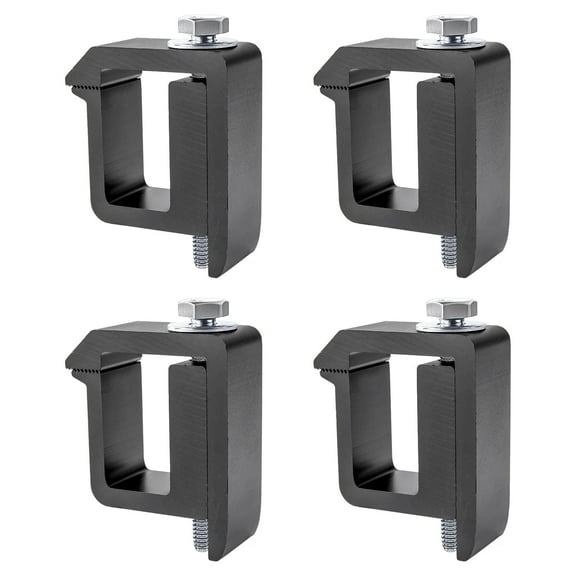
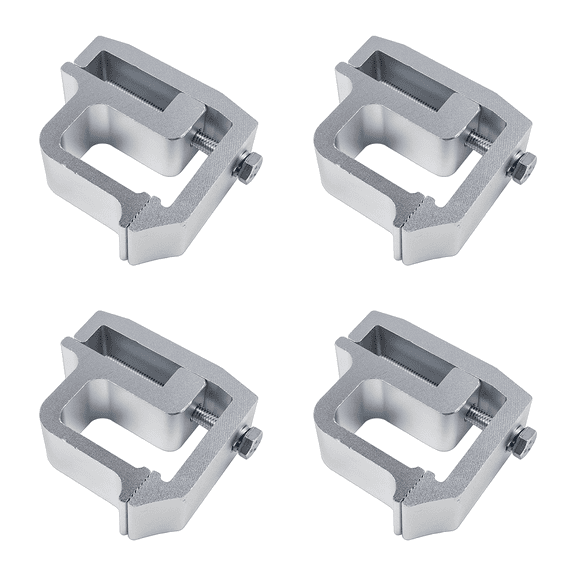
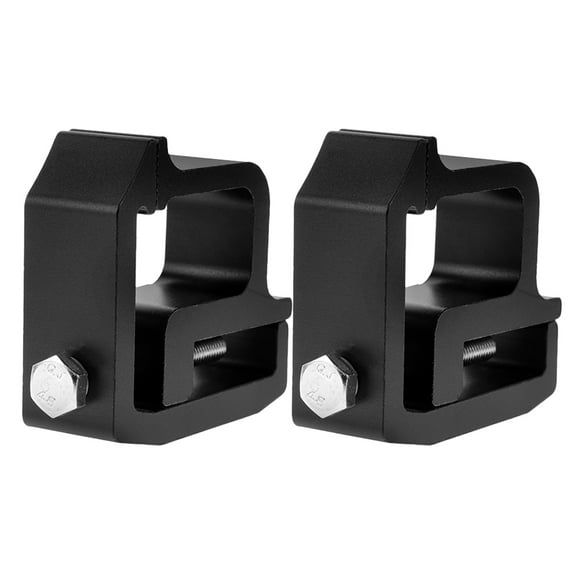


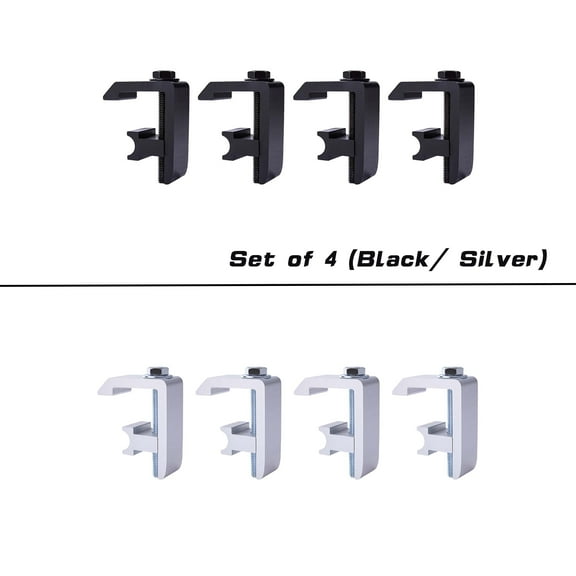


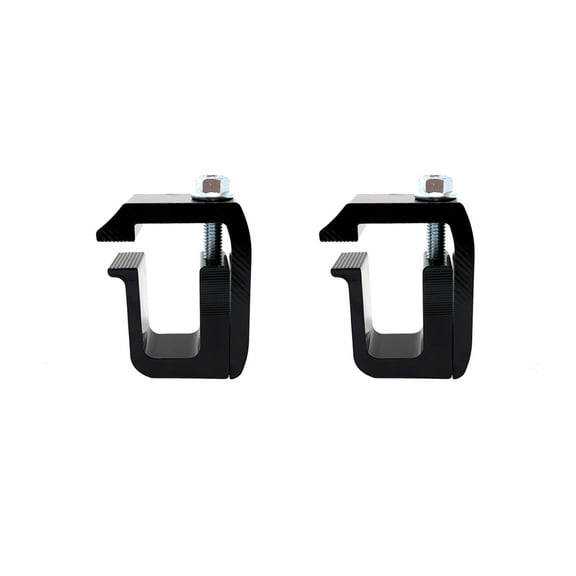


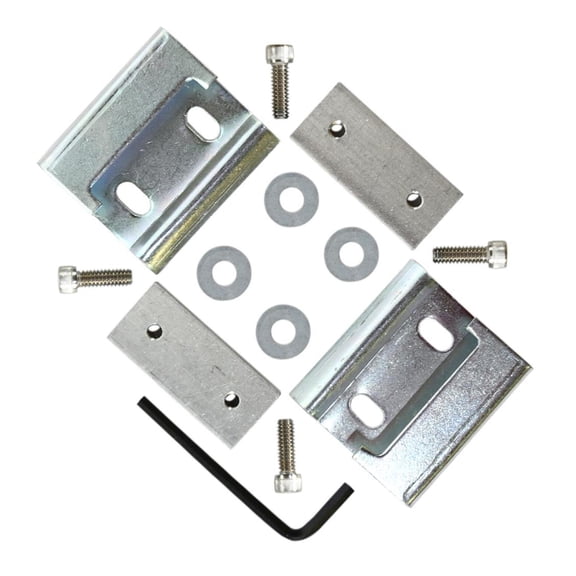


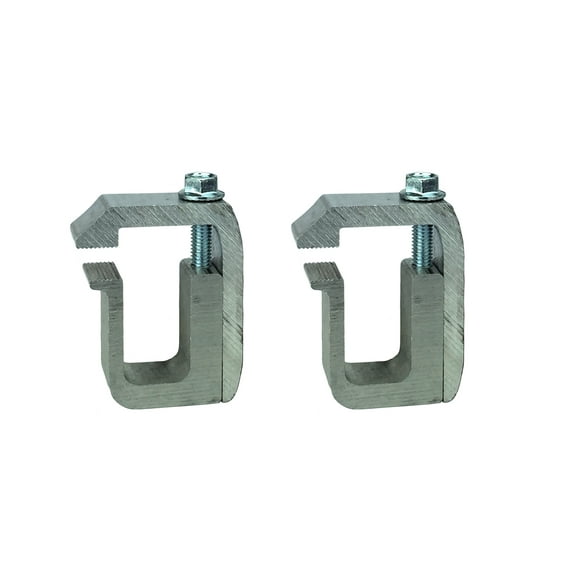

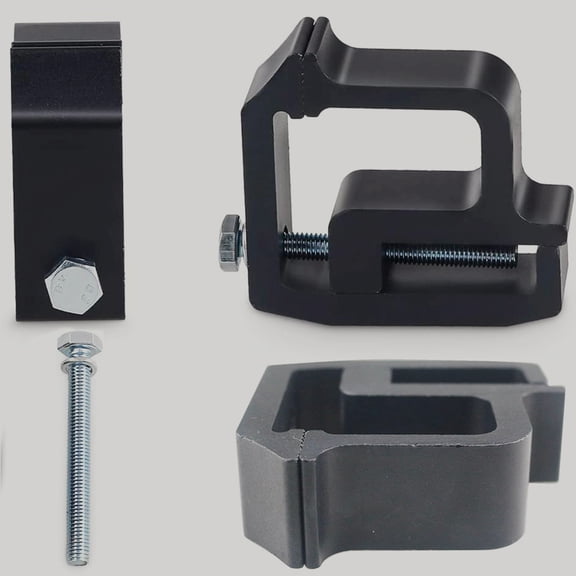

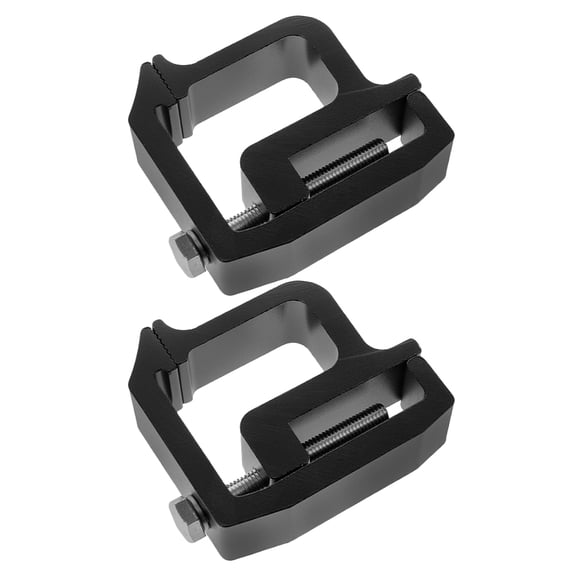



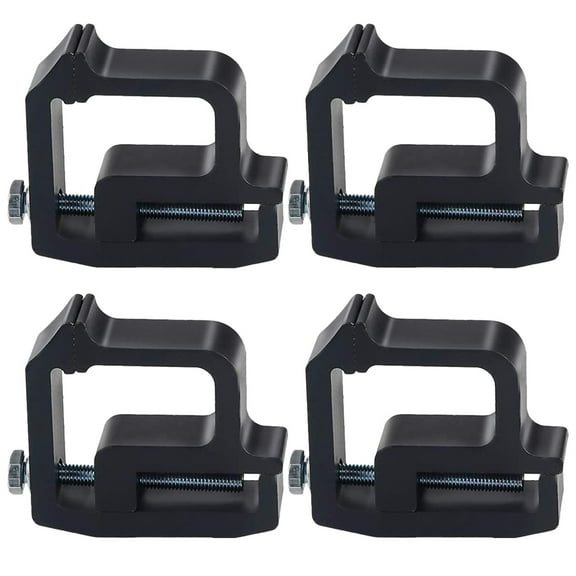
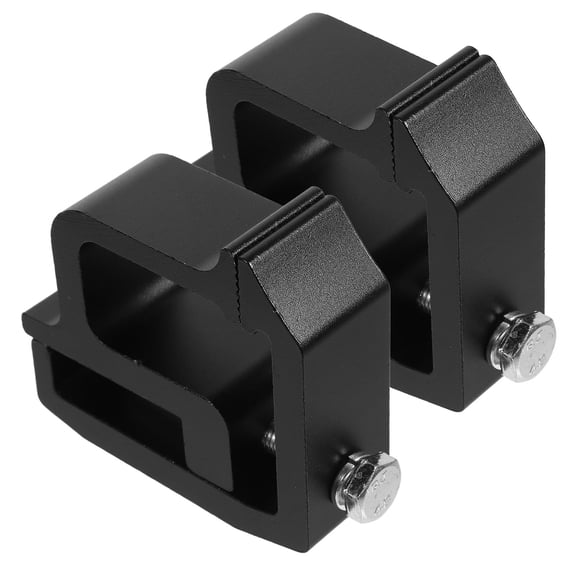
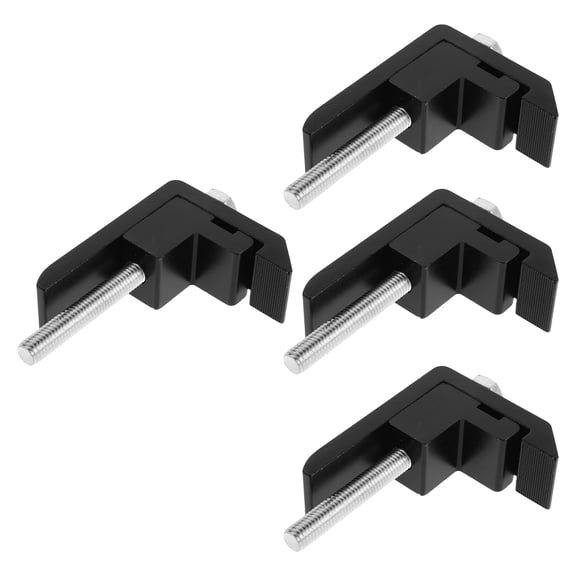
About Clamps for Truck Bed Covers and Camper Shells - Walmart - Walmart.com
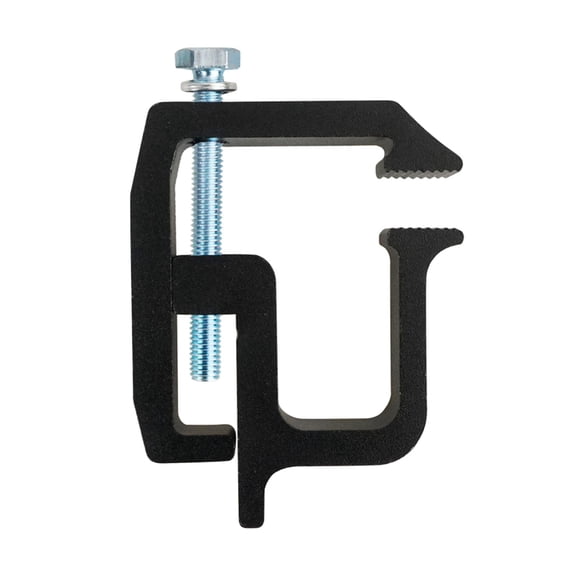
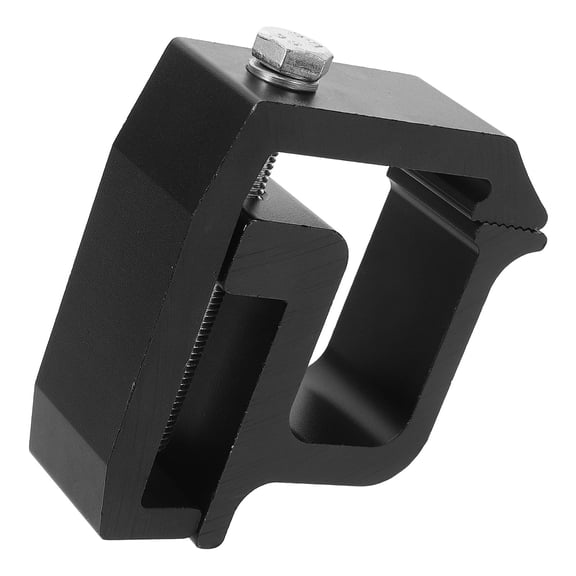
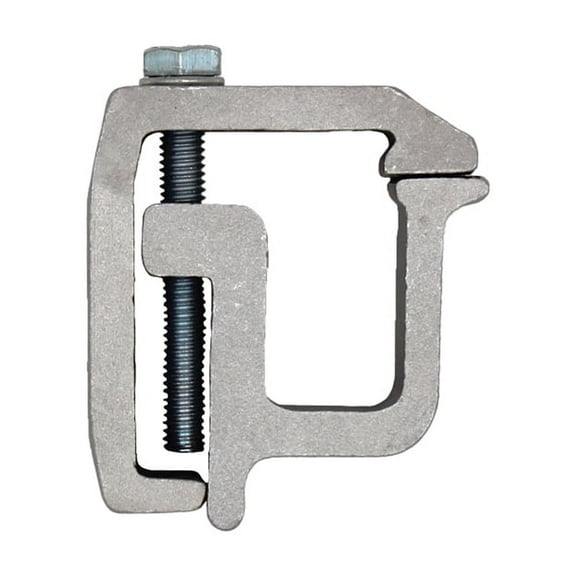
Clamps for truck bed cover setups help you secure a topper, canopy, or cap without drilling into your truck bed. You can compare fit, material, and pack size when you know how each clamp style matches your rails and shell lip.
If you’re replacing worn hardware or finishing a new install, you need camper shell clamps that match your truck’s bed rail thickness. You may also want the right lip depth fit, because a loose match can shift across rough pavement.
How to choose clamps for truck bed cover applications
You should start with application type, because camper shell, truck bed cover, topper, canopy, and truck cap setups don’t always use the same clamp shape. You can narrow choices when you match the clamp opening and jaw profile to your cover style.
Next, measure your shell lip depth and your bed rail thickness before you compare camper clamps. You can get a secure hold when your clamp grips both surfaces evenly instead of pinching at an angle.
You should also check whether you want a no-drill, bolt-on, or quick-release design. You can keep installation straightforward with no-drill options, while bolt-on and quick-release styles may suit repeat removal.
Key benefits of camper shell clamps
You get dependable mounting support when your hardware is designed for topper and canopy use instead of general-purpose fastening. You can keep your shell or cover seated evenly across the bed rails during regular driving.
With the right truck cap clamps, you can remove or reposition your setup without changing your truck bed with permanent holes. You may appreciate that flexibility when you switch between a camper shell, toolbox, or open-bed hauling.
- You can choose no-drill styles when you want a straightforward install on compatible bed rails.
- You can compare pack sizes to match short beds, standard beds, and longer truck setups.
- You can pick aluminum, structural steel, or heavy-duty alloy based on weather exposure and use frequency.
- You can use application-specific clamp shapes for camper tops, toppers, canopies, and bed covers.
You may also benefit from a tighter fit when you use the right number of clamps for your bed length. You can often start with four clamps, while some longer setups may call for six.
That pack-size choice matters because even spacing affects how your shell sits on the rails. You can place clamps near corners first, then space the rest evenly along the sides.
Comparing materials, installation styles, and topper clamps
You should compare material first if your truck stays outside or sees frequent use. You may find aluminum easier to handle, while structural steel or heavy-duty alloy may suit heavier topper setups.
Material choice also affects how your clamp feels during installation and retightening. You can look for finishes and construction details that support outdoor hardware use and repeated removal.
Installation style is another key decision when you compare camper top clamps and topper clamps. You can choose no-drill clamps for straightforward mounting, or pick bolt-on styles when you want a more fixed setup.
Quick-release options can make sense if you remove your shell often for seasonal hauling or garage storage. You should confirm that the release design still matches your lip depth and rail thickness.
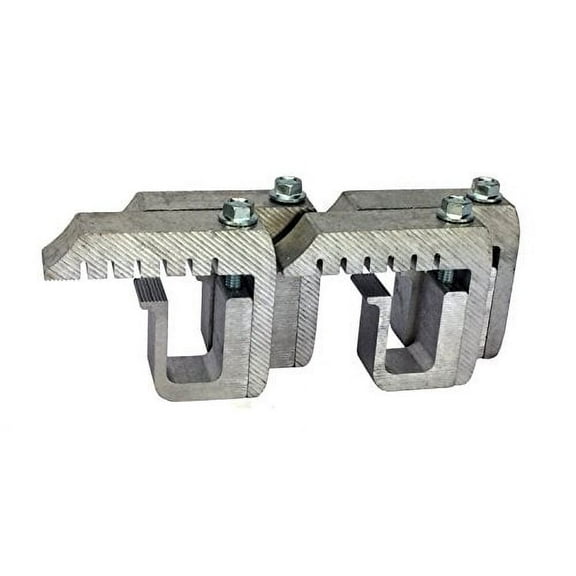
Pack size should align with bed length and shell design, not guesswork. You can use a four-pack for many standard installs, while six-pack and eight-pack options may fit larger applications.
Choosing fit for truck cap clamps and canopy clamps
You should treat lip depth and rail thickness as the first fit checks, because they’re decision-critical for secure mounting. You can measure both with a simple tape measure before comparing clamp dimensions.
If your bed rails are thicker, you need enough clamp opening to seat the hardware cleanly. You also want enough throat depth to grab the shell lip without forcing the clamp sideways.
For canopy clamps and truck topper clamps, you should compare jaw shape as well as opening size. You can get a steadier connection when the clamp face sits flat against both contact points.
You may also want to check whether your truck bed cover or shell uses side rails, overhangs, or trim pieces. You can avoid fit issues when you review those details before installation.
Using camper shell clamps for common truck setups
You might need camper shell clamps for a daily driver that carries tools during the week and gear on weekends. You can choose quick-release hardware if you remove the shell often and want easy changeovers.
For a dedicated work truck, you may prefer structural steel or heavy-duty alloy with a six-pack layout. You can get more mounting points for longer beds or heavier truck cap setups.
If you use a lightweight canopy on a midsize pickup, you may lean toward aluminum clamps and a no-drill install. You can keep the setup straightforward while still matching the rail thickness and lip depth.
You may also be replacing a damaged set on an existing topper. You can compare pack size, installation style, and material together so your replacement hardware matches your current mounting approach.
When you’re deciding where to buy truck topper clamps, you usually want clear fit details and easy comparison across application types. You can narrow choices when the listing shows material, pack count, and install method together.
With the right clamps for truck bed cover and camper shell setups, you can mount your hardware with solid fit guidance. You can feel confident when your clamp choice matches your bed rails, shell lip, and install style.