

Motorcycle Cameras & Bike Dash Cams | Walmart.com


























About Motorcycle Cameras & Bike Dash Cams | Walmart.com
Motorcycle cameras help you record every ride with clear footage, flexible mounting, and weather-ready designs for open-road use. You can compare hardwired dash setups, helmet-mounted styles, and dual recording options that match how you ride.
If you commute daily, tour on weekends, or switch between street and trail routes, you need details built for motorcycle use. You can compare mounting type, power source, resolution, and front-and-rear coverage before you choose.
How to choose motorcycle cameras
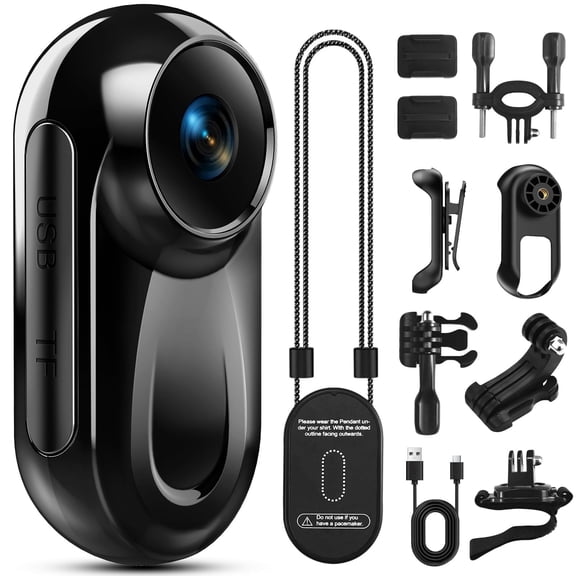
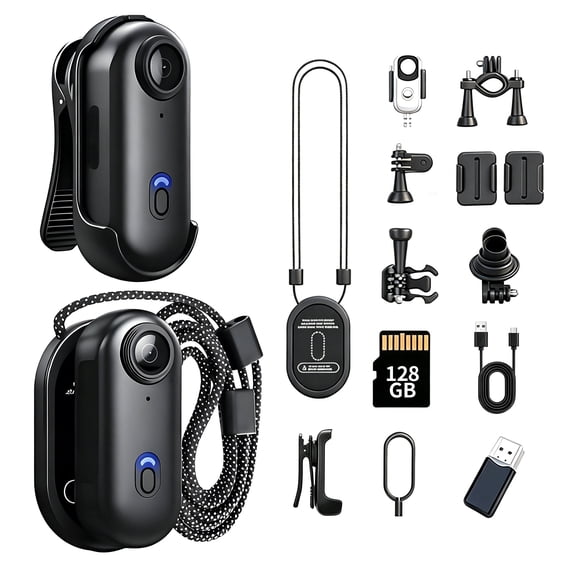
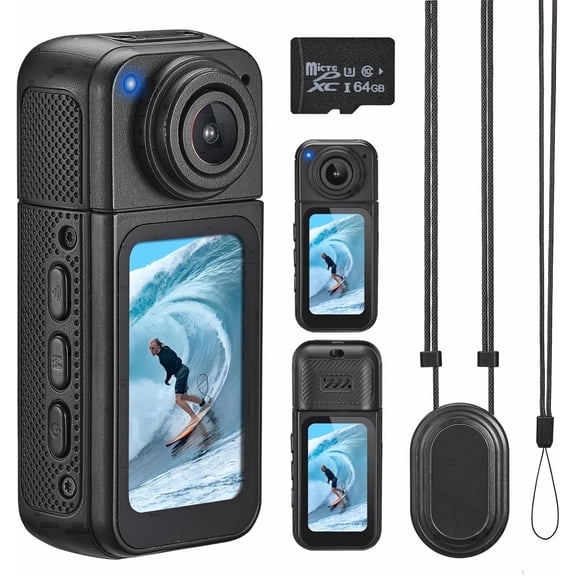
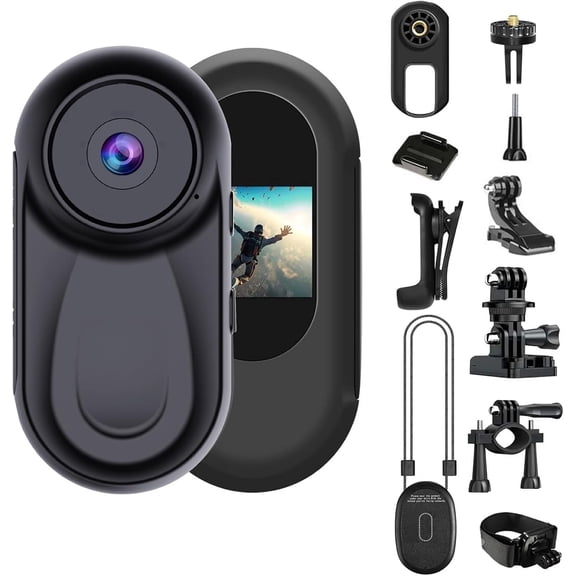
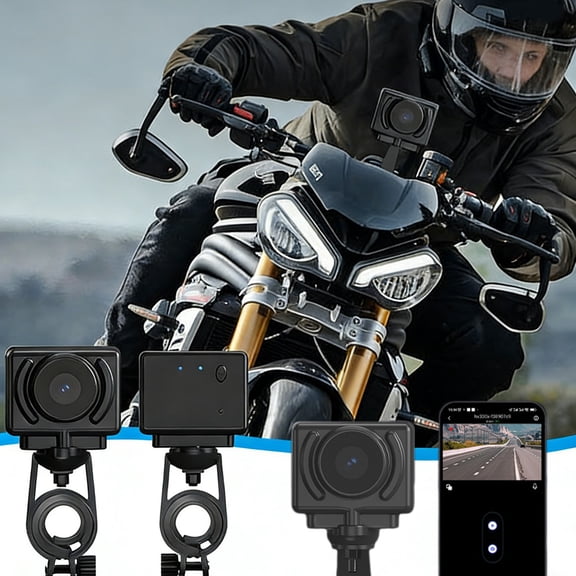
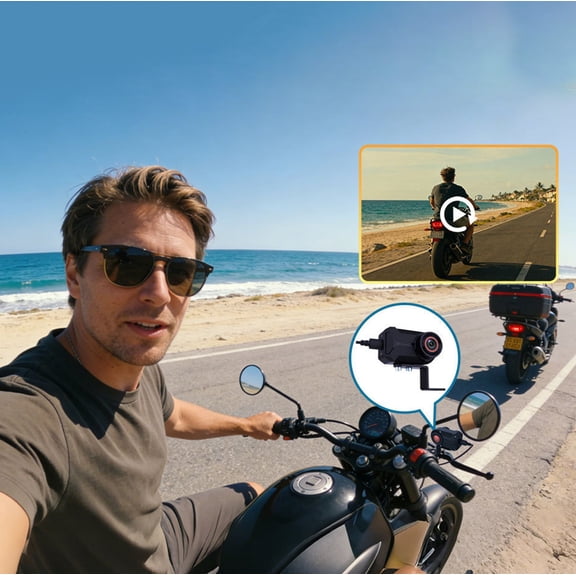
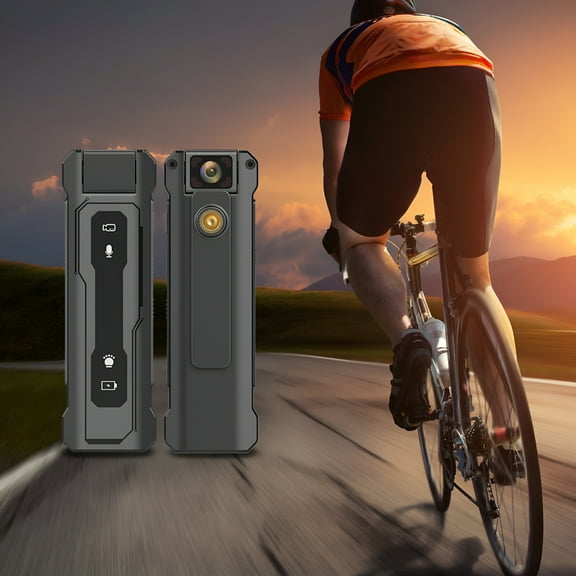
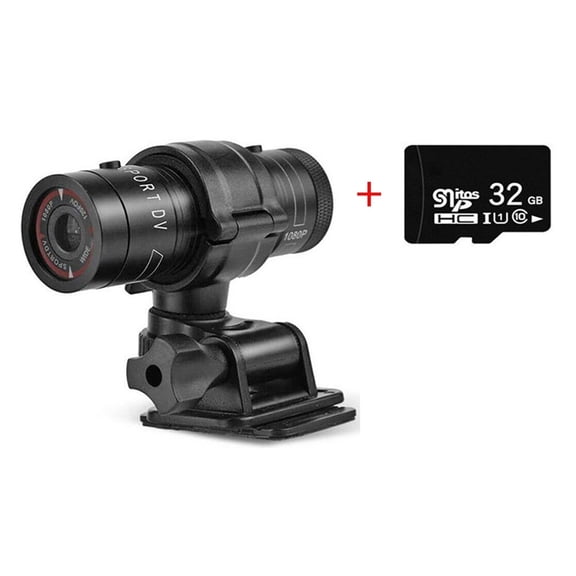
You should start with the camera style that fits your riding routine. You may prefer a motorcycle dash cam for fixed coverage, or a helmet camera for motorcycle use when you want a rider's-eye view.
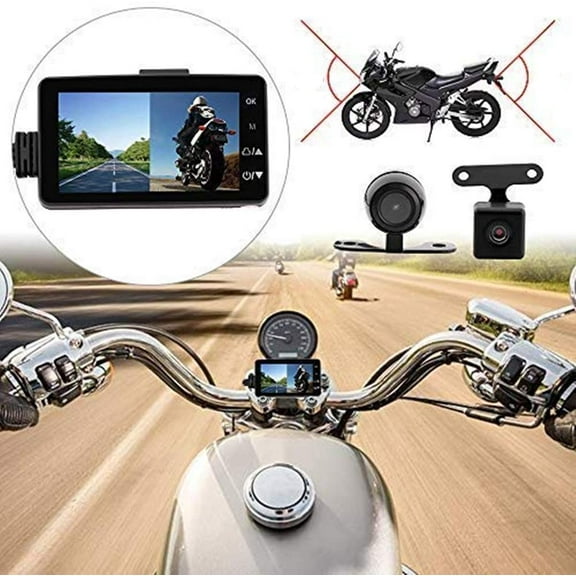
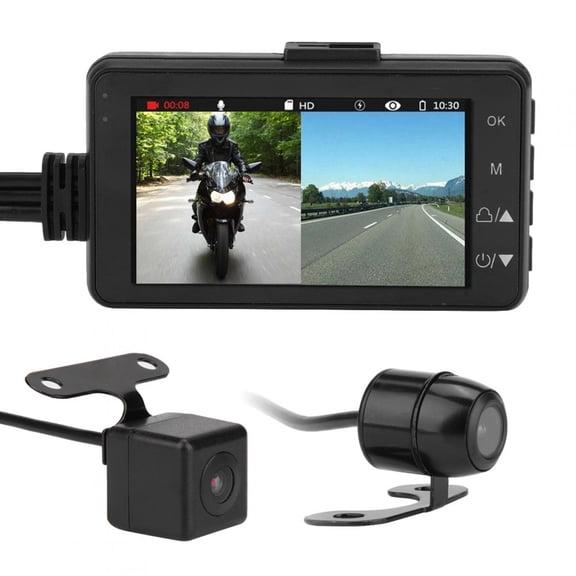
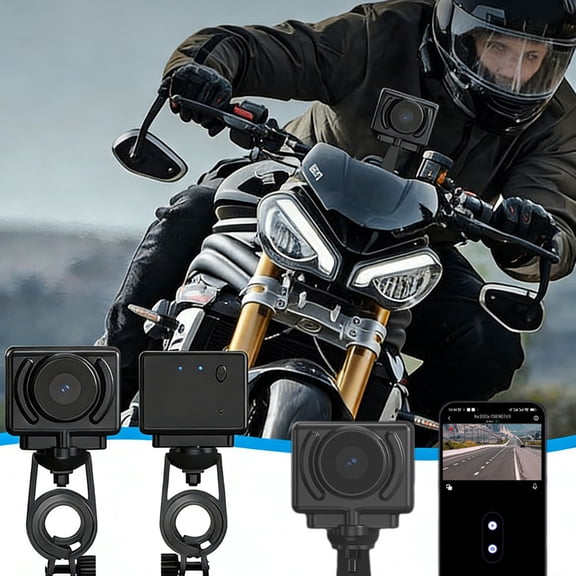
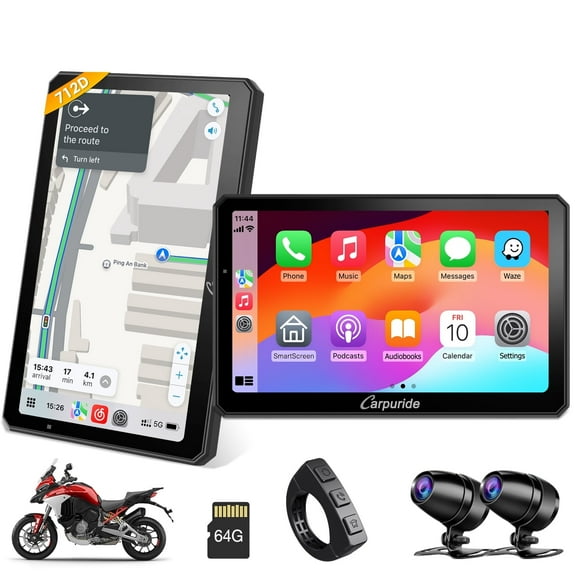
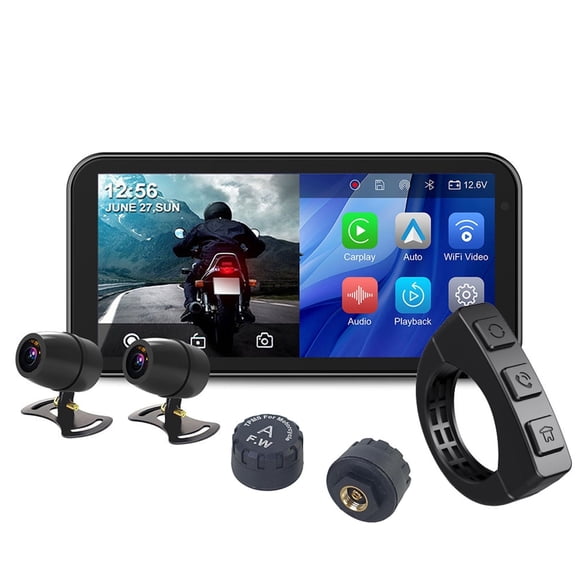
Another key choice is how much coverage you want during each trip. You can pick a single lens for a simpler setup, or choose a dual motorcycle camera for front and rear recording.
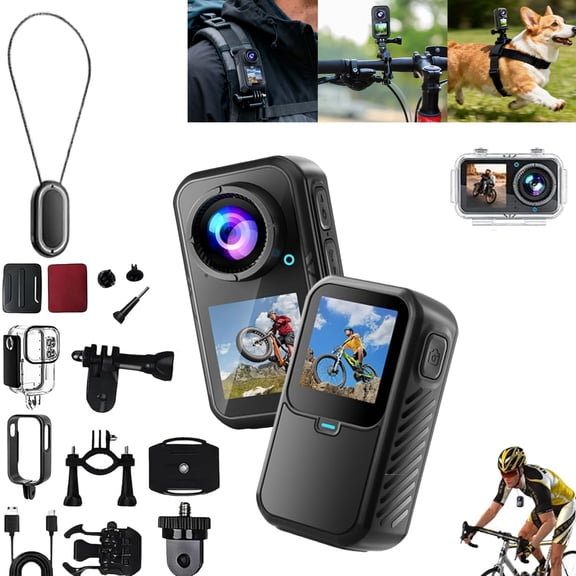
You can also think about where the camera sits on your bike or gear. You can compare helmet mount, handlebar mount, and dash mount options based on comfort and visibility.
- You can record the road ahead for commuting, touring, or trail-focused rides.
- You can choose front and rear coverage when you want a wider view of traffic around you.
- You can match the mount style to your helmet, bars, or fairing layout.
- You can compare battery-powered and hardwired designs based on ride length.
- You can look for weather-ready builds that fit rainy or dusty riding conditions.
Choosing resolution, storage, and recording features
You should compare HD, 1080p, and 4K based on how much detail you want in your footage. You can usually find that higher resolution helps you review road signs, lane position, and ride scenery clearly.
If you ride long distances, you should also check storage support and loop recording. You may appreciate loop recording because it automatically overwrites older clips when the memory card fills up.
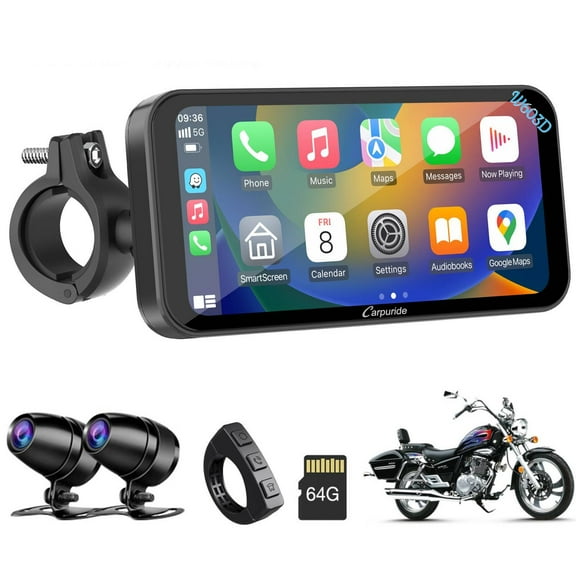
You may also want simple controls that fit your ride routine. You can look for clear buttons, app support, or straightforward file access when you review clips later.
Comparing motorcycle dash cam power and installation
You should compare hardwired 12V, rechargeable battery, and USB power before you decide. You may prefer hardwired 12V when you want a motorcycle dash cam setup that stays connected on longer rides.
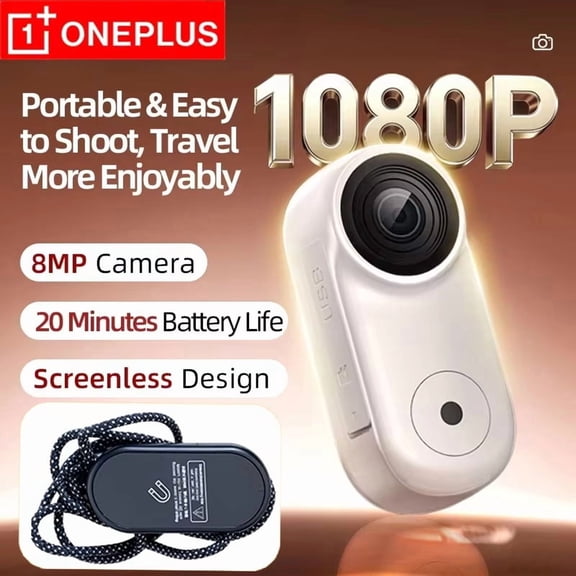
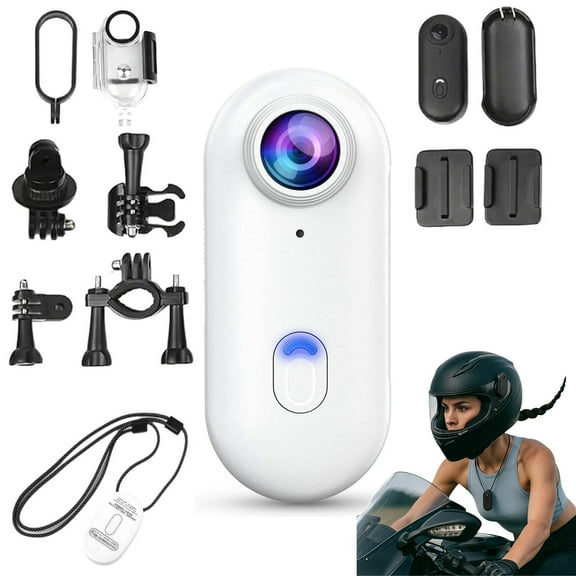
If you want simple portability, you may lean toward a rechargeable battery design. You can move it between bikes or helmets with a simple setup, which helps when you switch gear often.
You should also think about installation time before you choose. You may handle a simple mount and USB setup yourself, while hardwired routing may call for a clean, involved install.
For fixed bike setups, you should check cable length and camera placement. You can route front and rear lenses around fairings or frames for a tidy fit and a stable view.
What to look for in a waterproof motorcycle camera
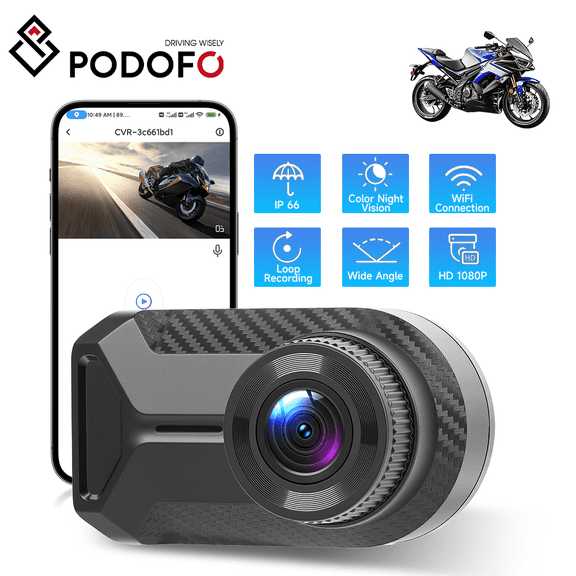
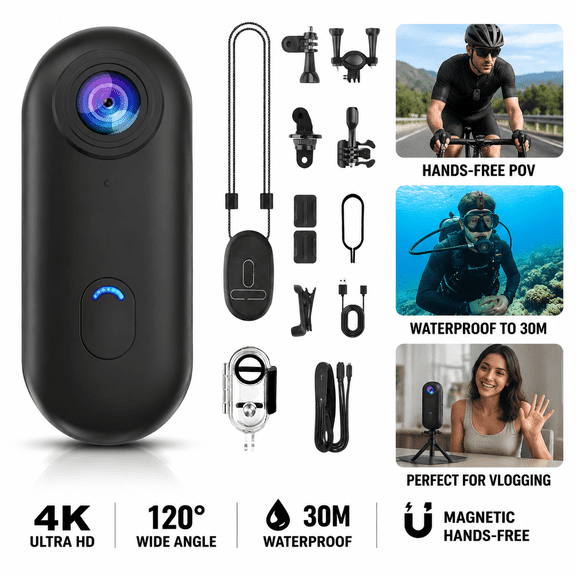
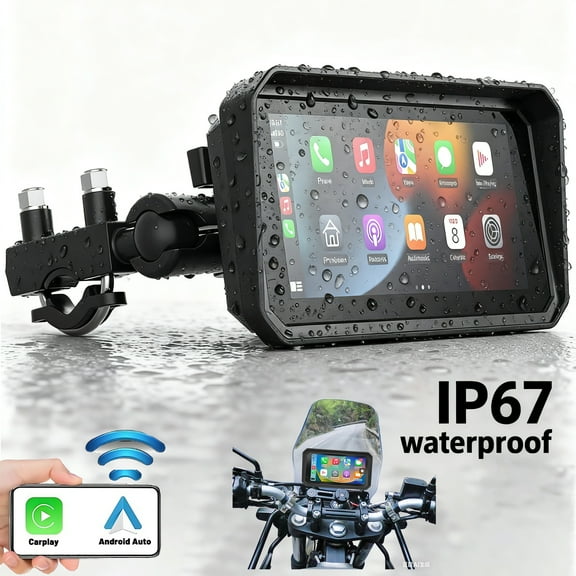
You should look for a waterproof motorcycle camera when your rides include rain, road spray, or dusty backroads. You can also look for a design that handles wind exposure and motorcycle vibration during regular use.
Durability matters because your bike creates added movement compared to an enclosed vehicle. You can look for sealed housings, secure mounts, and compact shapes that stay steady on rough pavement.
If you ride through changing weather, you should check the camera's weather rating. You can ride with confidence when your recording setup keeps going during wet commutes and mixed weekend conditions.
Matching camera setup to the way you ride
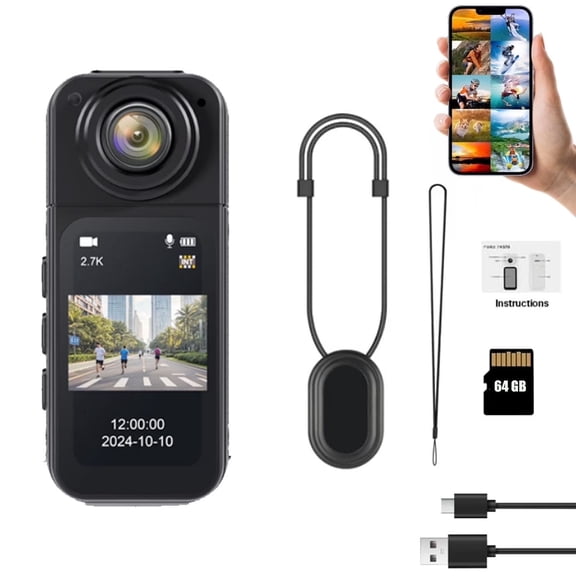
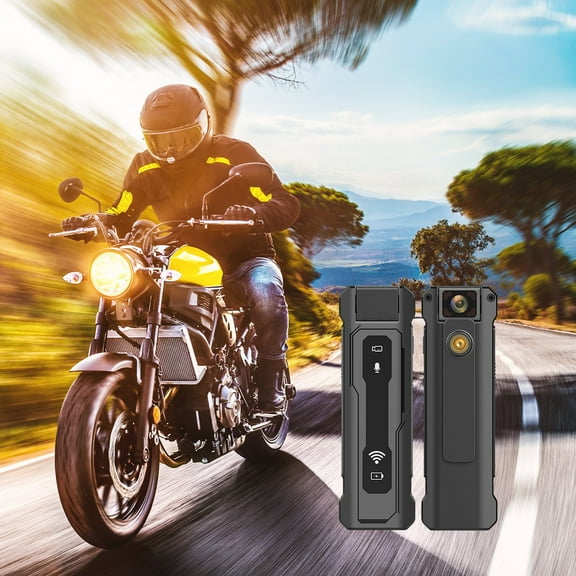
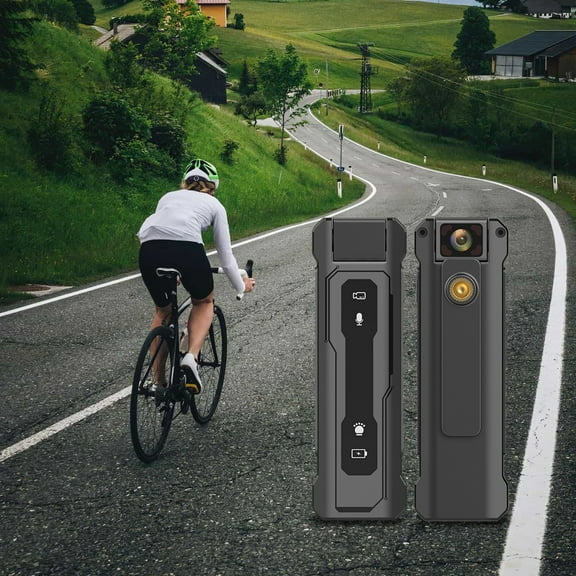
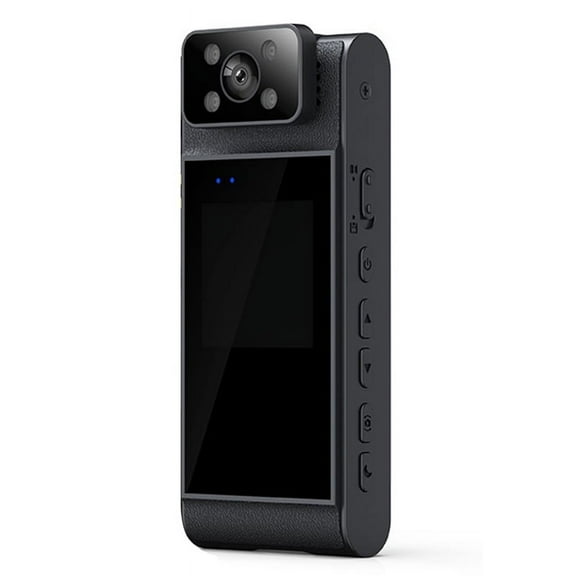
You may want a helmet camera for motorcycle trips when you like a first-person view. You can use that perspective for scenic routes, group rides, and flexible recording that moves with your head.
If you ride to work each day, you may prefer a fixed motorcycle dash cam with automatic recording. You get a set-it-and-ride format that starts with the bike and keeps your setup consistent.
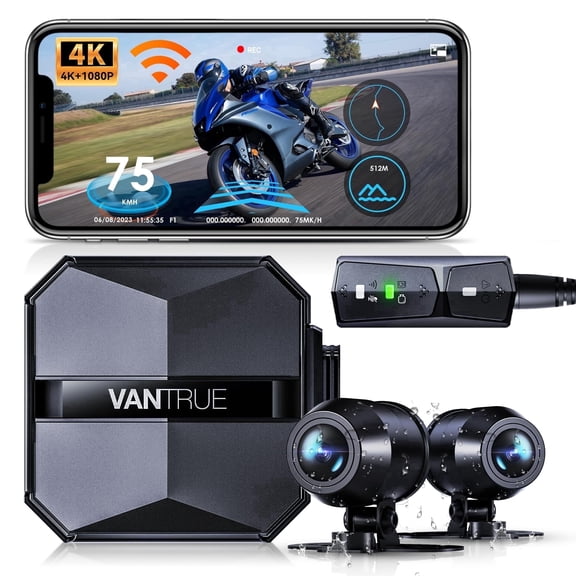
For touring or heavier traffic, you may want front and rear coverage from a dual motorcycle camera. You can capture what's happening ahead and behind without adding separate recording systems.
If you use more than one bike, you should consider mounting convenience and power needs together. You may find that battery-powered or USB-powered options make switching setups much simpler.
You can also compare camera placement based on the type of bike you ride. You may need different mounting angles on a sport bike, cruiser, scooter, or adventure model.
When you choose with your ride style in mind, you can end up with cleaner footage and reduced setup frustration. You can focus on recording the road in a way that fits your bike, your gear, and your routine.
Motorcycle cameras work optimally when you match coverage, mounting, and power to the way you actually ride. You can make a confident choice when you compare those details first, so your setup feels secure and your footage stays usable.