

Cake & Bundt Pans in Bakeware


















About Cake & Bundt Pans in Bakeware - Walmart.com
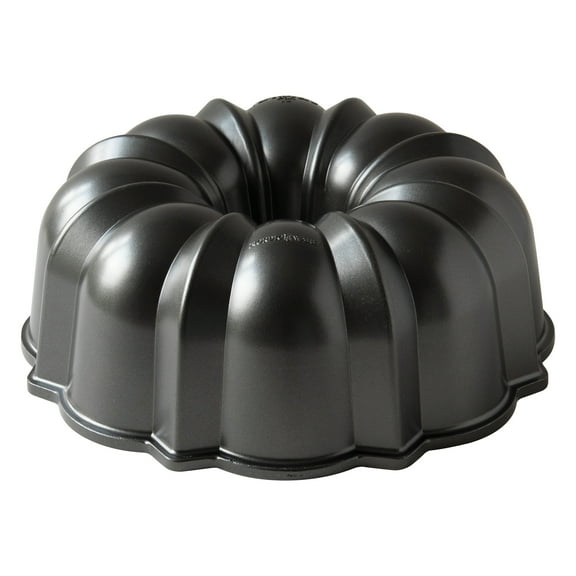
Bundt shape options help you bake cakes with defined ridges, even release, and polished presentation for holidays, birthdays, and everyday desserts. A well-chosen bundt cake pan supports consistent browning and cleaner detail around the center tube. That center design helps batter bake through the middle, which matters for dense pound cakes and rich coffee cakes.
Why bundt shape matters in a bundt cake pan
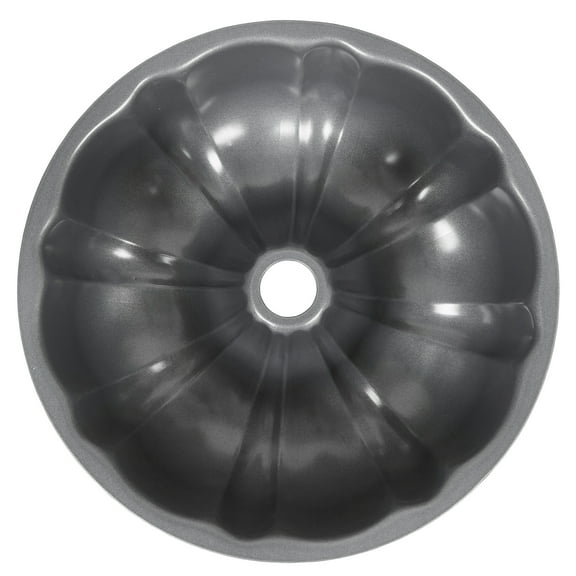
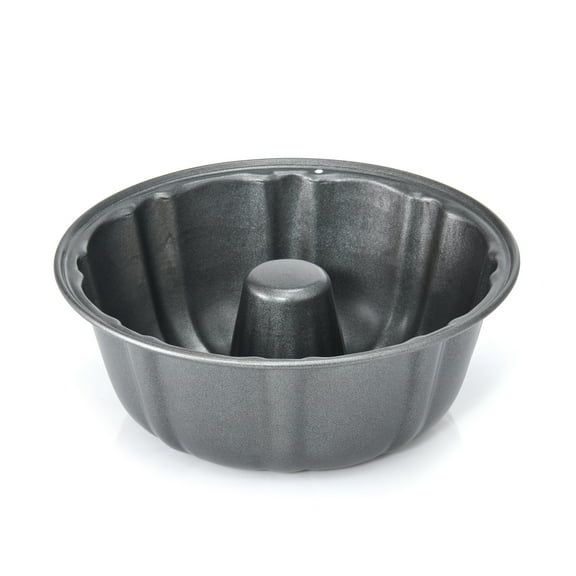
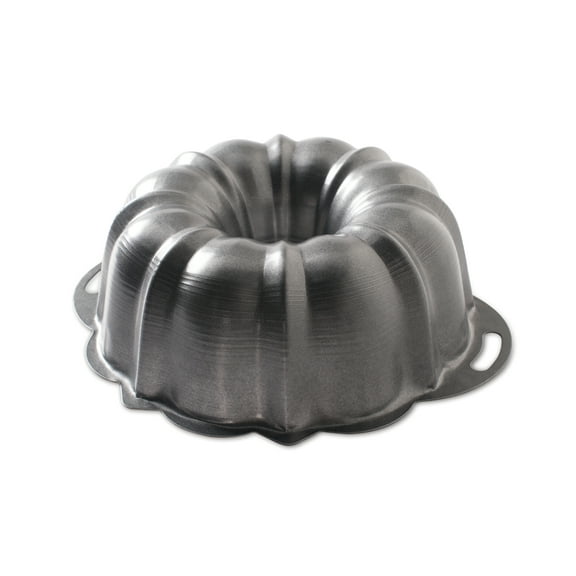
A bundt cake pan creates the fluted ring that gives this bakeware category its signature look. Deep grooves catch glazes beautifully and turn simple batters into table-ready cakes with less decorating. You get a pan that handles classic vanilla, chocolate, cinnamon swirl, and seasonal spice recipes with the same dramatic silhouette.
Shape affects the finished crumb as much as appearance. The hollow center exposes more batter to oven heat, helping larger cakes bake more evenly from edge to center. That design also makes slicing simple for brunch trays, parties, and dessert buffets. Distinct ridges hold powdered sugar, ganache, or citrus glaze in place for a finished look.
- Fluted sides create decorative cakes without extra piping tools.
- Center-tube construction supports even baking for thicker batters.
- Ring designs release neatly for cleaner edges and defined detail.
- Versatile forms work for pound cake, coffee cake, monkey bread, and gelatin molds.
Choosing a nonstick bundt cake pan
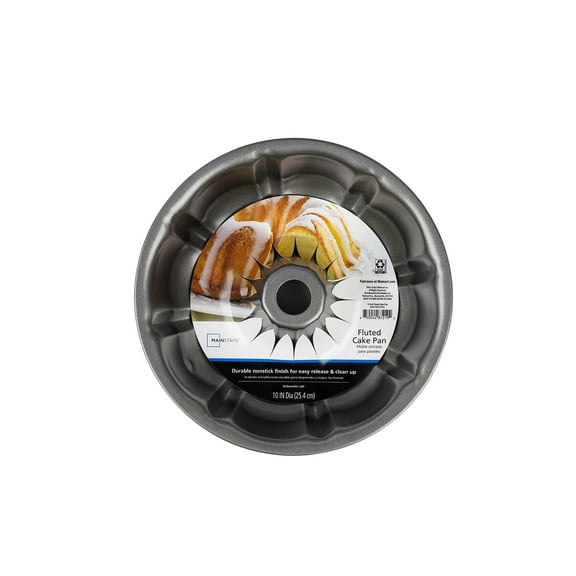
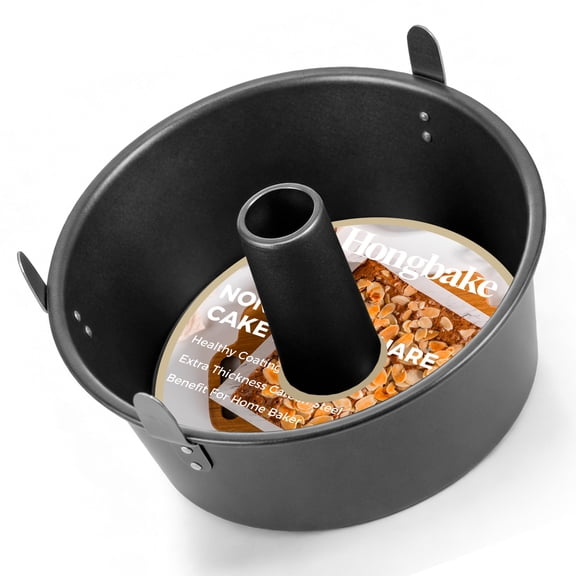
A nonstick bundt cake pan can make release easier when your recipe has detailed grooves and a narrow center tube. Smooth coatings help delicate edges come out with the pattern intact. That matters when youu're serving a cake plain or with a light dusting instead of heavy frosting.
Material and finish influence everyday use. Heavy-gauge metal pans tend to hold their shape well and promote steady browning across the ridges. Lighter pans can be easier to lift, while darker finishes may brown the crust faster. If you bake often, look for rolled rims and sturdy walls that feel balanced when filled.
Cleanup matters too. Intricate fluting can trap crumbs in tight corners, so a pan with a slick interior can simplify washing after sticky glazes. Some bakers also keep separate pans for savory breads and sweet cakes to preserve flavor clarity. If presentation is a priority, sharper grooves often create a more defined final ring.
Types of bundt pans and useful sizes
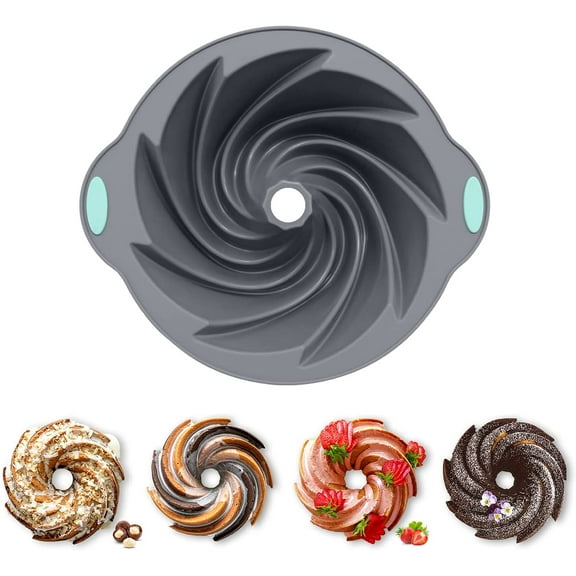
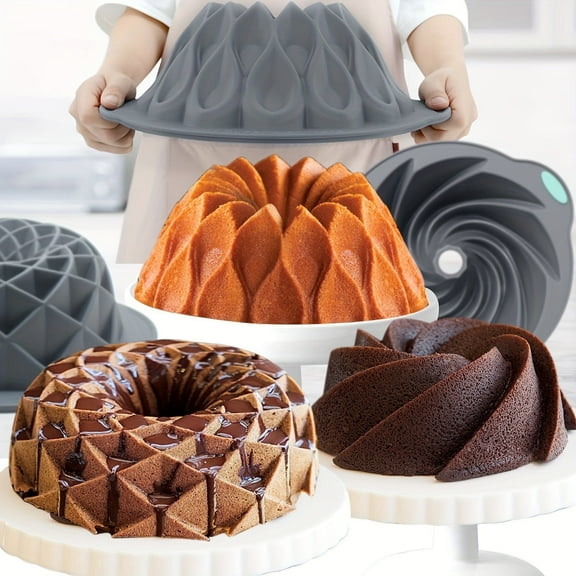
Types of bundt pans include classic fluted rings, swirled molds, braided patterns, and simple tube styles. Each style changes how the cake looks after unmolding. A classic pattern suits everyday baking, while more sculpted designs stand out on celebration tables.
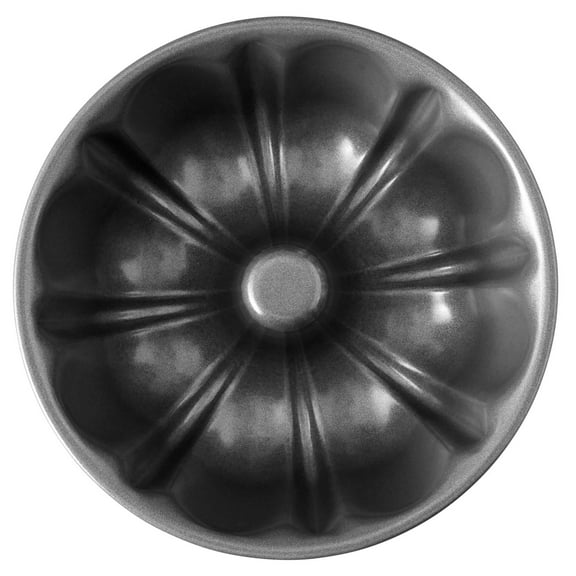
Size is just as important as pattern. A 6 inch bundt pan works well for small households, test bakes, and giftable cakes. Standard capacities fit many traditional recipes, while larger pans suit gatherings and layered dessert plans. Matching pan size to batter volume helps preserve the ridges and center opening.
Mini formats also serve a different purpose. Smaller molds let you make individual cakes for events, dessert assortments, or portioned treats. They also shorten cooling time and create more crust around each serving. When comparing types of bundt pans, think about recipe yield, serving size, and how detailed you want the final shape.
How to match the pan to your baking style
If you bake buttery pound cakes, choose a sturdy pan with deep fluting and a reliable interior finish. Dense batters benefit from defined channels that guide heat across the mold. For lighter sponge-style recipes, a simpler ring can support a smooth rise and easy release.
Entertaining needs can shape your choice too. A dramatic bundt shape works well for holiday tables because the cake looks finished with minimal decoration. Smaller pans suit housewarming gifts, weekend bakes, and dessert swaps. If pickup speed and broad selection matter, browsing online helps you compare sizes, finishes, and patterns in one place.
Think about what you serve with the cake as well. A tall pan can pair nicely with thick glazes, fruit toppings, or streusel. A shallower design may suit quick icings and lighter dustings. The right bakeware supports both the recipe and the presentation you want at the table.
What experienced bakers look for
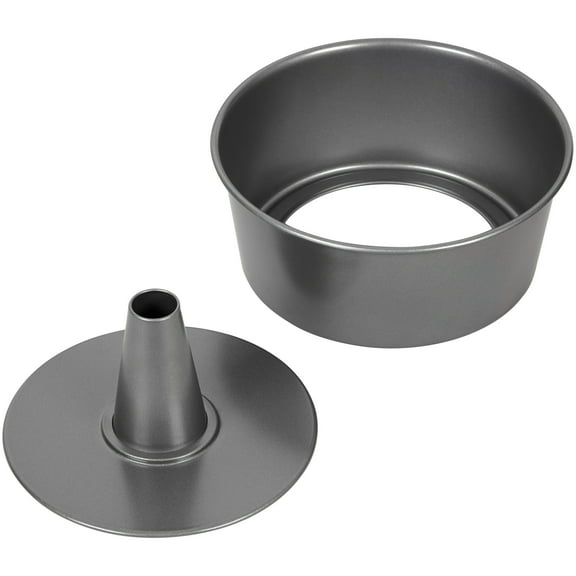
Experienced bakers often check the interior detail first. Crisp ridges help the finished cake show its pattern clearly after turning it out. They also compare wall thickness, edge construction, and how the center tube joins the base. Those details can affect stability when moving filled batter to the oven.
Pan depth matters for overflow control and visual impact. Deeper walls can contain richer batters and produce a taller ring. A balanced weight also helps when rotating or removing a hot pan. For frequent use, many bakers prefer designs that stack neatly with other baking tools and fit standard cooling racks.
Choosing the right pan can make your cakes look polished straight from the mold. With the right ridges, size, and finish, each bake lands with cleaner detail and more dependable results.