


Bumper Plate Sets & Olympic Weight Plates | Walmart














About Bumper Plate Sets & Olympic Weight Plates | Walmart - Walmart.com
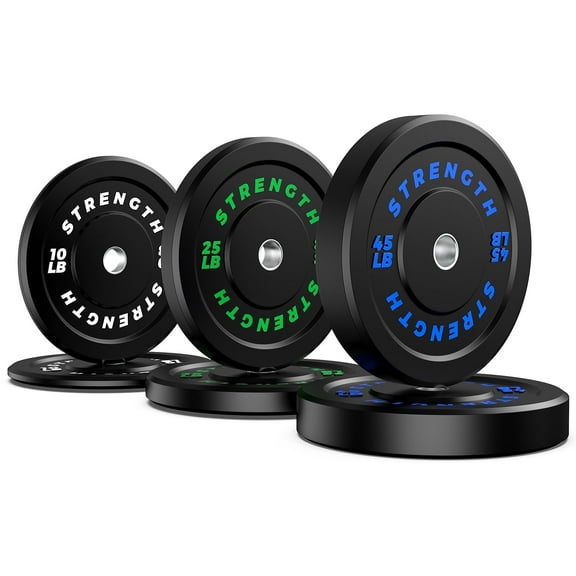
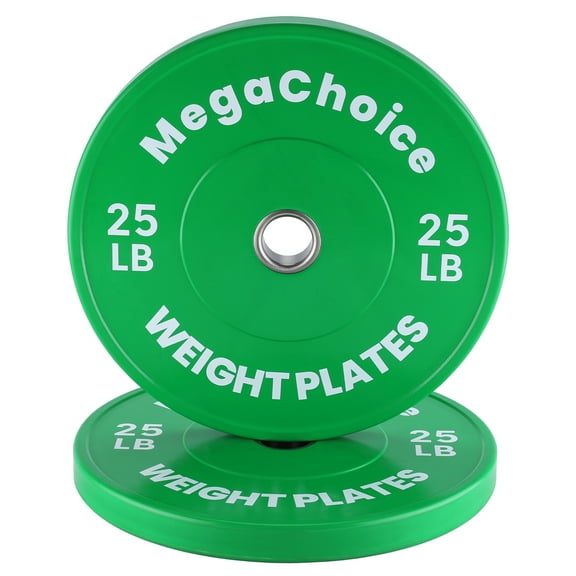
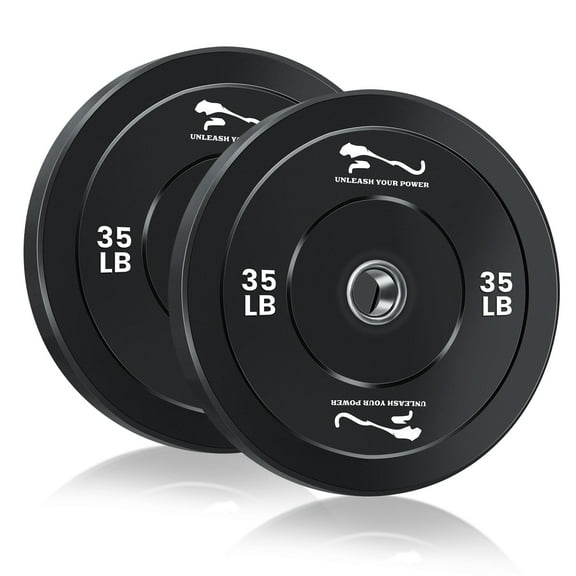
Bumper plate sets help you build a serious training setup with durable, bar-friendly weights. You can compare set size, plate material, and sleeve fit to match your gym space and lifting goals.
How to choose bumper plate sets
You should start with your training plan before you choose a weight plates set. You may prefer 100 lb bumper plates for technique work, or you may want a larger set for steady progression.
If you’re building a garage gym, you may want room to grow without replacing your first set. You can move from lighter sessions to heavier barbell work when your set covers multiple plate pairs.
You’ll also notice bumper plates suit repeated lifts, controlled drops, and mixed workouts. You can use them for deadlifts, cleans, presses, and squat sessions on the same barbell.
- You can protect training floors with rubber-coated construction made for barbell drops.
- You can get quiet contact compared to traditional iron plates during home workouts.
- You can build balanced loading on each side of your bar with matched plate pairs.
- You can choose set sizes that fit beginner technique work or heavier strength sessions.
Choosing weight, material, and compatibility
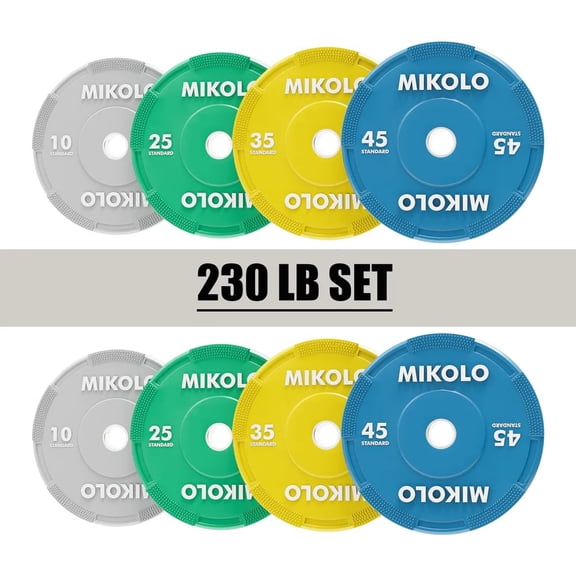
You should compare weight capacity first because set size changes how far your training can progress. You may choose 160 lb, 210 lb, 230 lb, or 370 lb sets when you want more loading options.
If you’re starting with form work, you may prefer a bumper plates set that keeps loads manageable. If you’re training often, you may want more total weight so your setup stays useful longer.
You should also compare plate material because it affects bounce, feel, and wear over time. You’ll often see virgin rubber, recycled crumb rubber, and urethane across bumper weights and full sets.
If you want a firmer feel and a cleaner finish, you may lean toward virgin rubber. If you want a softer feel with more rebound, you may consider recycled crumb rubber.
You may also compare urethane when you want a smooth outer layer and a refined look. You’ll want to check product details so the material matches your training style.
Compatibility is a key decision because your bar sleeve determines whether the plates fit correctly. You should check whether you need a 2-inch Olympic opening or a 1-inch standard opening.
If you use an Olympic barbell, you’ll usually need an olympic bumper plate set with a 2-inch collar opening. You should measure your bar before ordering so your plates slide on securely.
You may also compare insert material because it affects how the plate meets the sleeve. You’ll often find stainless steel or brass inserts in a barbell bumper plate set.
What to look for in plate thickness and bounce
You should check plate thickness if you plan to lift heavy on a standard-length barbell. Thinner plates let you load more weight on the sleeve, which matters during advanced strength work.
If you train with heavier deadlifts or squats, you may prefer plates that stay relatively slim. You can reach higher totals when your sleeve still has space after several pairs.
Bounce level also matters because it changes how the plates respond after contact. You may prefer lower bounce when you want more controlled landings during weightlifting and cross-training.
If your workouts include repeated drops, you should compare how materials affect rebound. You’ll often find crumb rubber plates bounce more, while denser options feel more controlled.
You can also look for a balanced design that supports steady loading and dependable bar contact. You’ll appreciate that detail when you repeat lifts and reset quickly between sets.
Matching a bumper plates set to your training space
You should match your set to where and how you train, not just the total pounds. You may want different features for a garage gym, commercial training space, or mixed-use workout room.
If you train at home, you may look for quiet contact and floor-friendly construction. You’ll likely appreciate bumper weights that help reduce harsh metal-on-floor impact during early or late sessions.
If you outfit a shared training area, you may focus on durability and consistent sleeve fit. You can keep plates moving smoothly between bars when collar openings and inserts stay uniform.
For weightlifting sessions, you may want low-bounce plates that settle quickly after the drop. For cross-training, you may want a versatile set that handles varied loads and fast transitions.
You may also compare a barbell bumper plate set by how complete the package feels for your routine. You’ll want enough pairs to cover warmups, working sets, and progressive overload.
If you’re choosing your first olympic bumper plate set, you should think beyond your first month. You can train longer without outgrowing your setup when your set size supports future increases.
Why these details matter for your next set
You’ll make an informed choice when you compare set weight, material, collar size, insert type, and plate thickness together. You can build a training setup that fits your barbell, your space, and your long-term strength goals.
When your bumper plate sets match your equipment and workout style, you’ll get smoother loading, steadier lifts, and more useful progression from every session.