


Bug Zappers for Effective Pest Control























About Bug Zappers for Effective Pest Control - Walmart.com
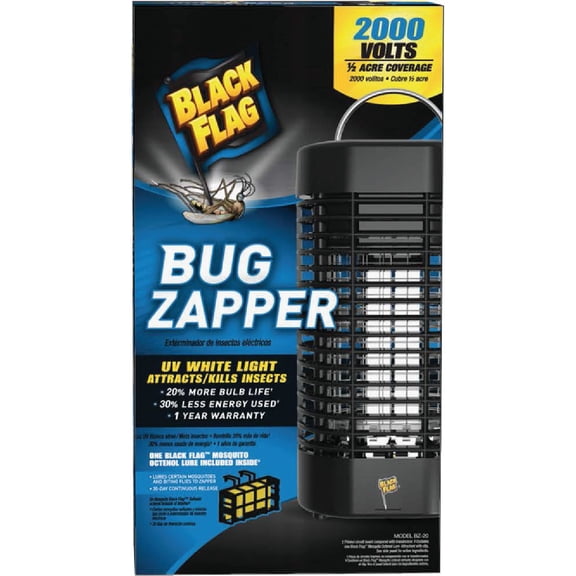
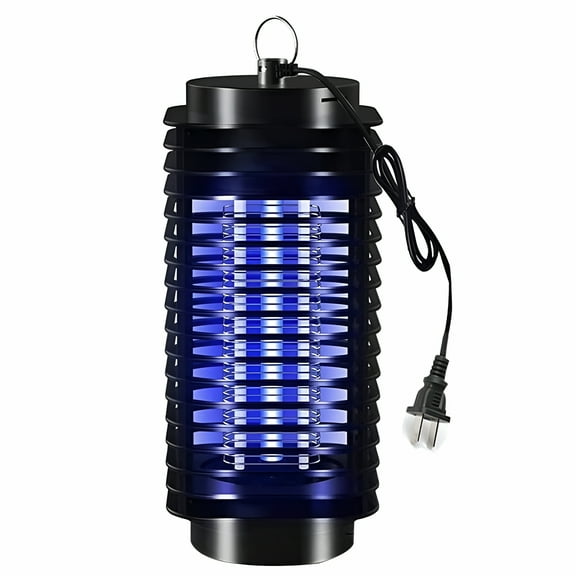
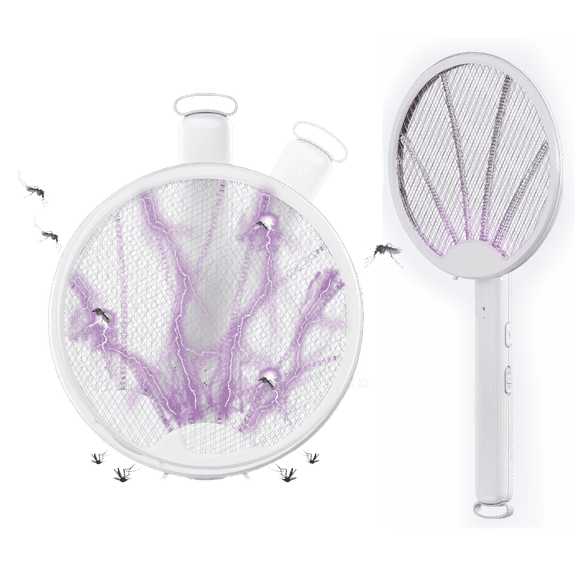
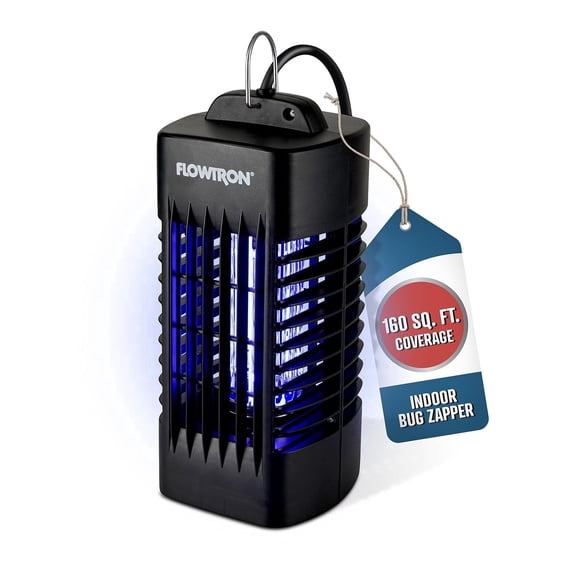
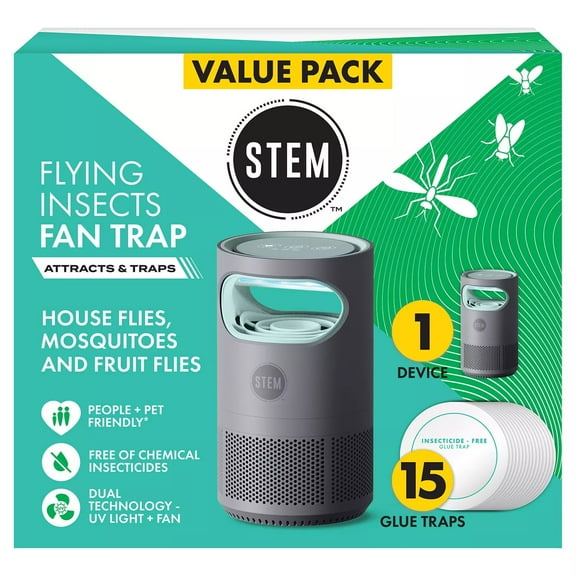
Bug zappers help you manage flying pests around patios, porches, campsites, and indoor spaces. You can compare coverage area, power source, placement style, and target insects to choose a setup that fits your space.
Whether your evenings happen on a deck or in a garage, you can narrow options with practical buying criteria. Your choice gets easier when you focus on acreage rating, grid voltage, and where you'll place the unit.
How to choose bug zappers for your space
Start with coverage area, because your yard size changes how a unit fits your setup. You’ll often see ratings like indoor or small room, one-half acre, one acre, or two acres.
Grid voltage also matters when you want stronger outdoor performance in open areas. You’ll usually need higher output for wider yards where the light draws insects across more space.
- You can match indoor or small-room models to kitchens, garages, or enclosed porches.
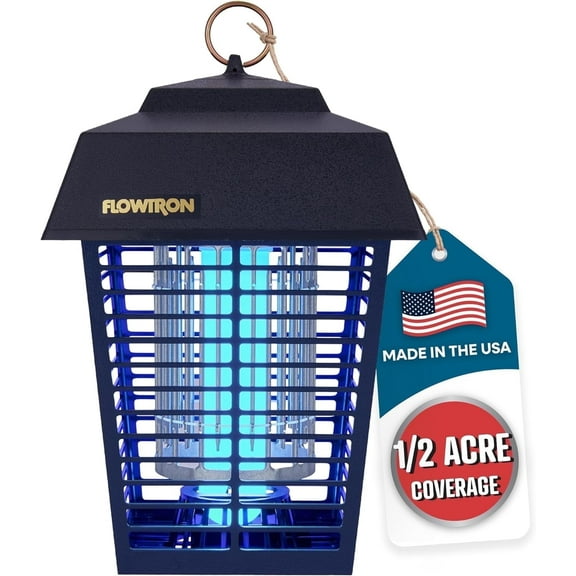
- You can use one-half acre coverage for compact patios, decks, and fenced seating areas.
- You can choose one acre or two acre coverage for larger lawns, pools, and backyard gathering spaces.
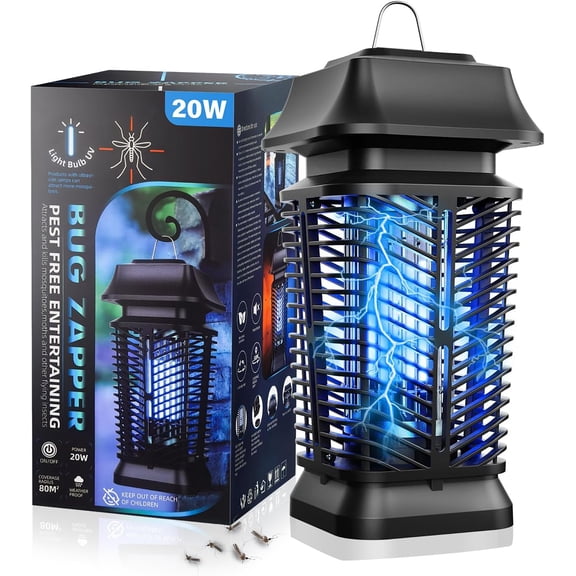
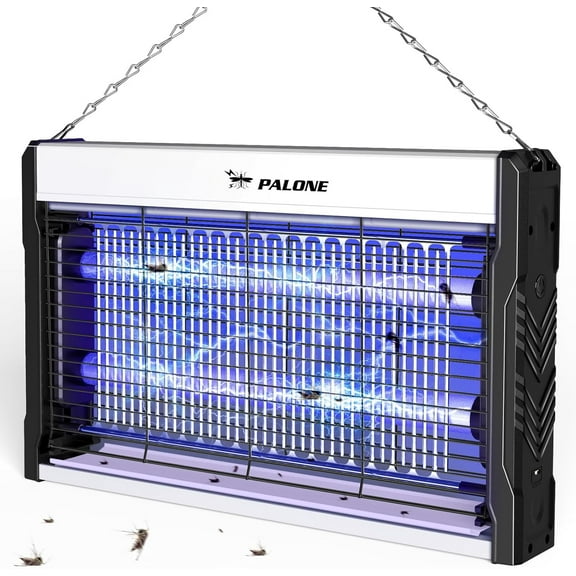
- You can compare hanging, freestanding, and wall-mounted styles for easier placement.
Placement can change how effectively your unit attracts flying pests away from activity zones. You’ll often get optimal results when you position units away from dining tables and main seating areas.
Choosing an electric insect killer by power source
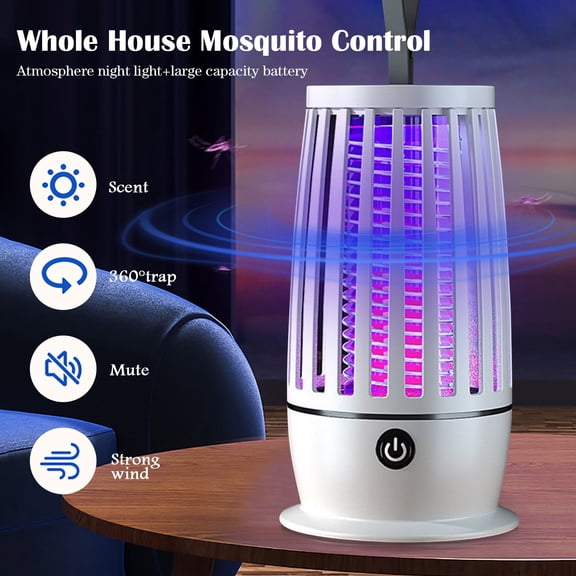
You can narrow your options quickly by deciding how you want your electric insect killer powered. You’ll usually choose between electric plug-in, solar powered, battery operated, and rechargeable designs.
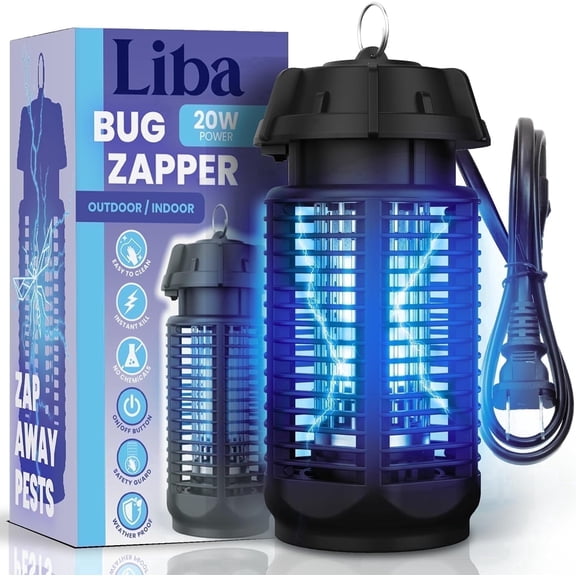
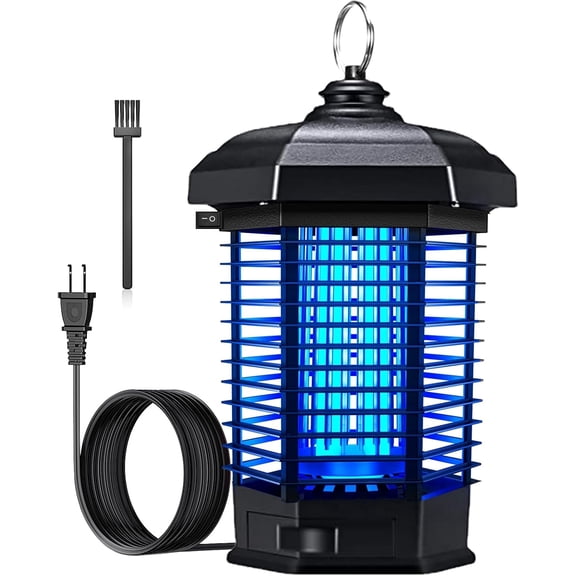
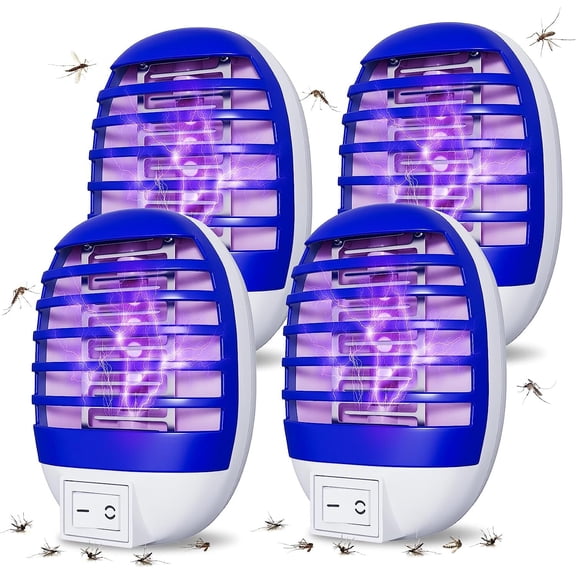
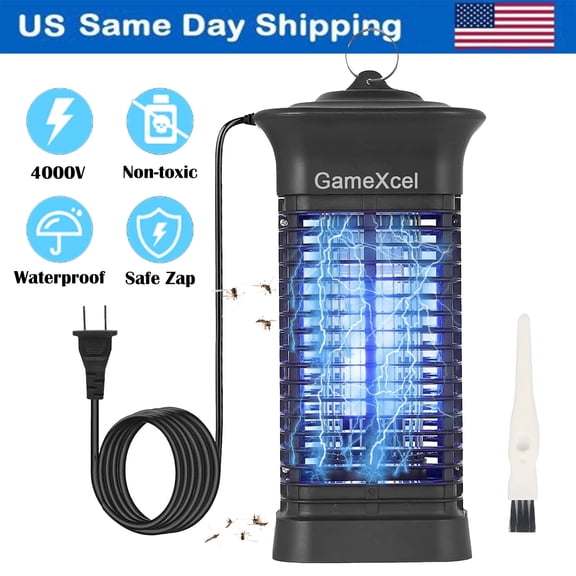
Electric plug-in models may suit you when you want steady output near outlets on covered patios or inside rooms. You’ll get simple setup for regular evening use in places with reliable power.
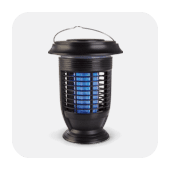
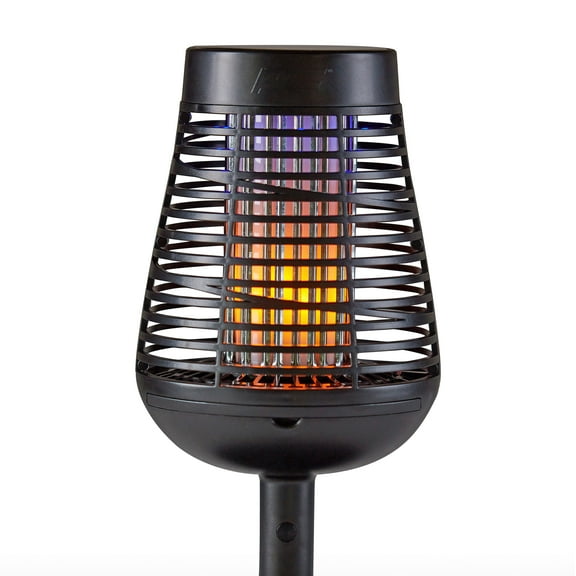
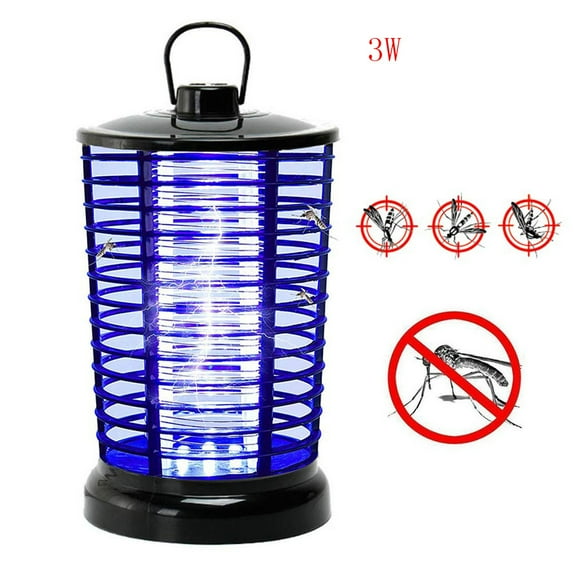
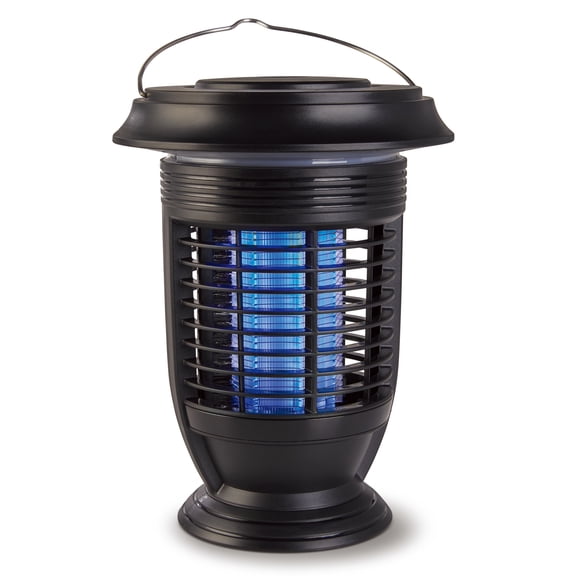
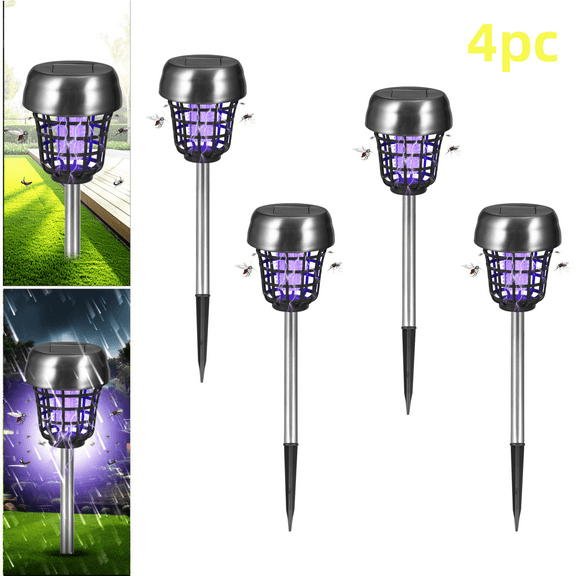
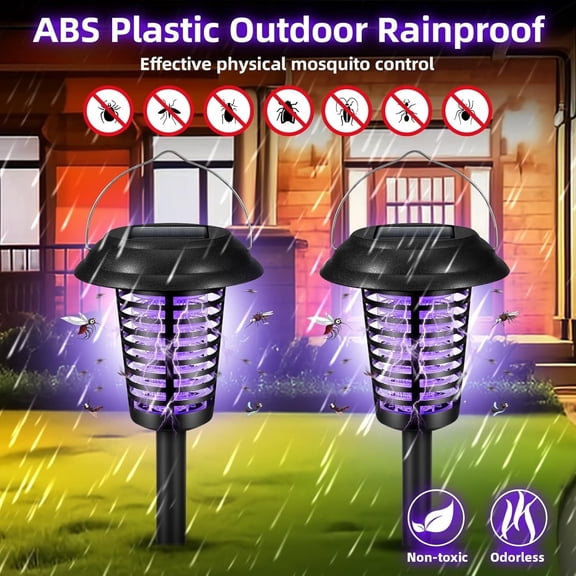
A solar bug zapper may fit your needs when you want flexible outdoor placement without a cord. You’ll want good sun exposure during the day for dependable nighttime operation.
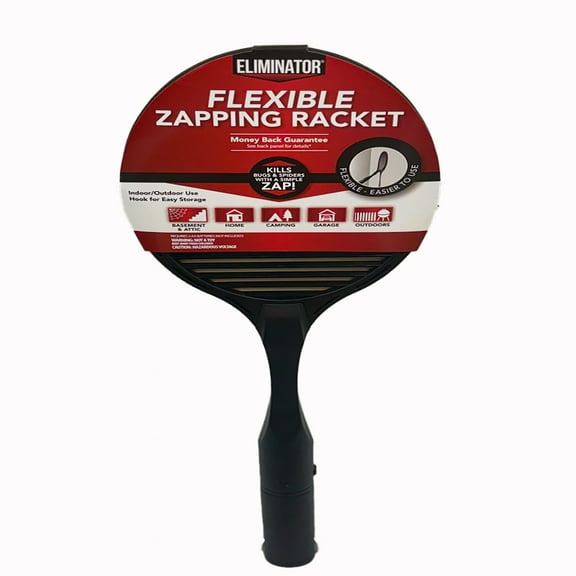
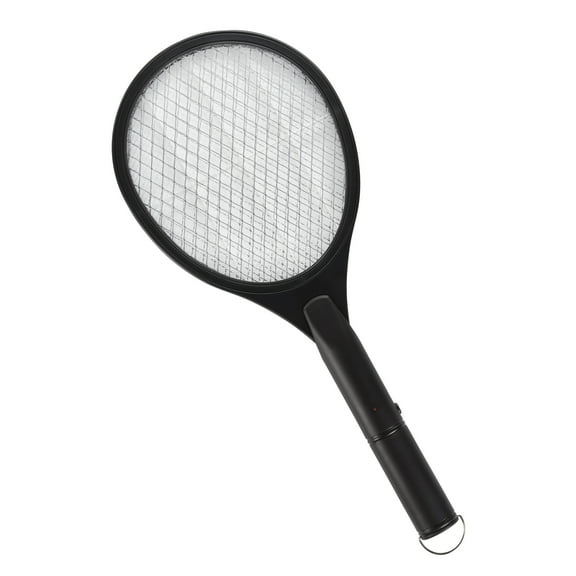
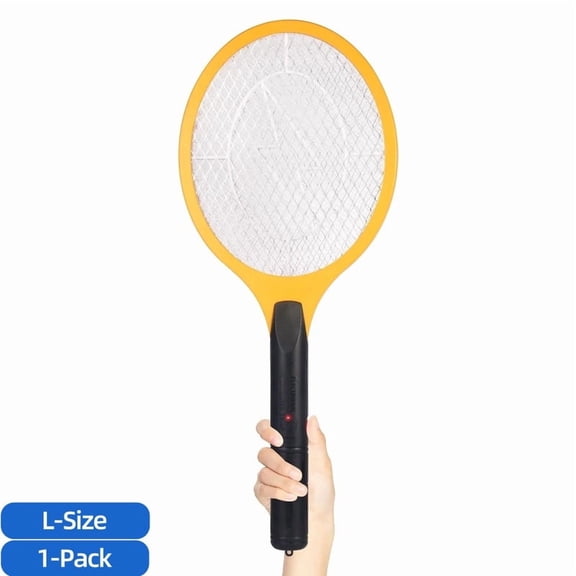
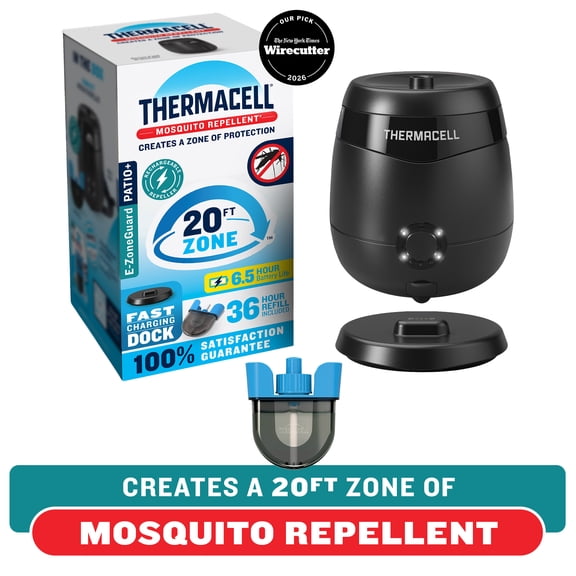
Battery operated or rechargeable designs can work well when you need portability for camping, sheds, or temporary seating areas. You’ll appreciate easier movement between spaces without planning around outlet access.
Comparing mosquito zapper and outdoor fly zapper needs
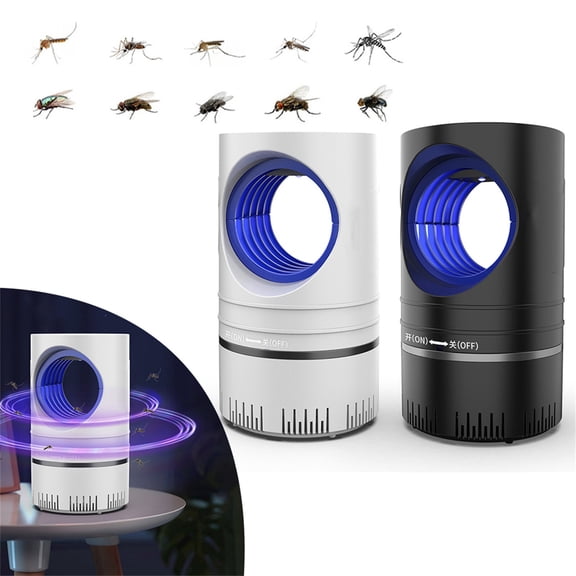
You should compare target pests before you choose a mosquito zapper or outdoor fly zapper. You’ll see that insect behavior affects which light pattern and placement make the most sense.
When mosquitoes are your main concern, you may look for UV wavelength details and evening-focused attraction. You’ll want features that suit yards, pathways, and outdoor seating after sunset.
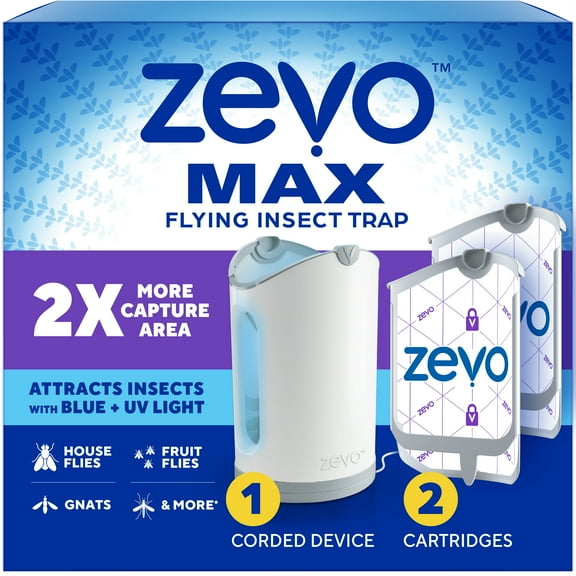
If flies and gnats are the bigger issue, you can focus on broader attraction coverage. You’ll often use those models around trash areas, garage doors, and outdoor cooking spaces.
Some shoppers also look for units that mention wasps among target insects. You’ll still want to check placement guidance so your coverage matches traffic around your home.
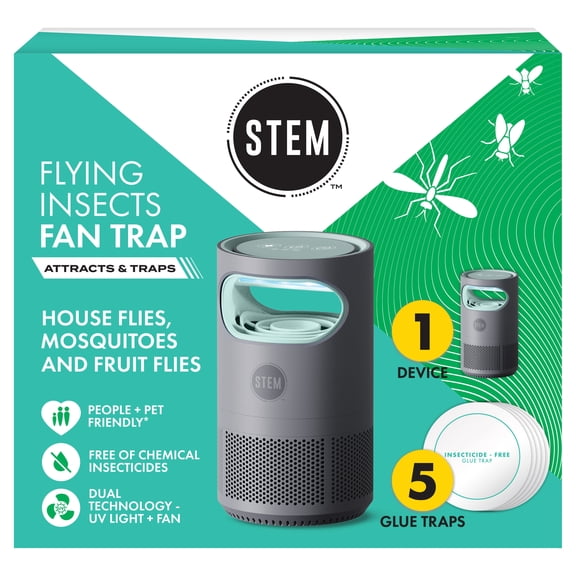
Choosing an indoor bug zapper with the right design
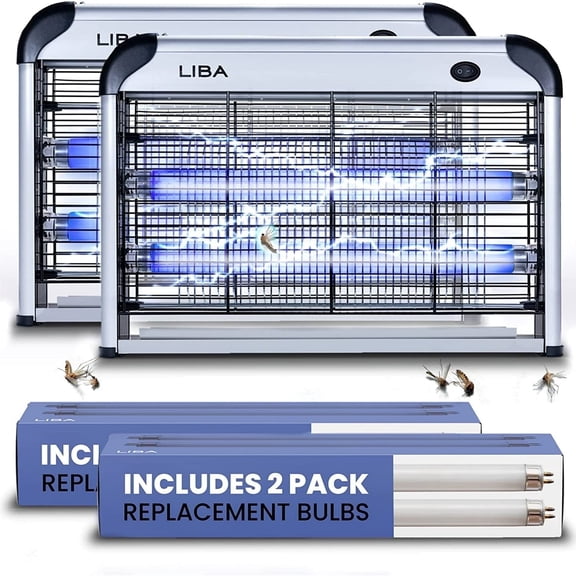
You should check the outer housing before choosing an indoor bug zapper for shared spaces. You’ll want a protective shell that helps reduce direct contact with the electric grid.
Placement type matters too, especially when your room layout limits where you can set a unit. You’ll find that hanging, freestanding, and wall-mounted designs support different traffic patterns.
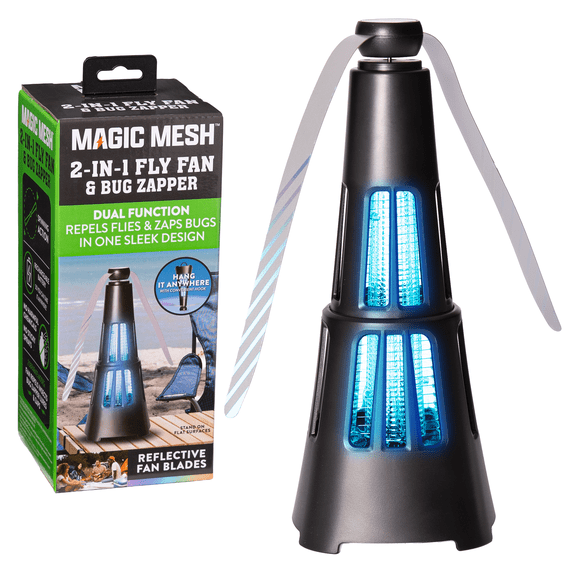
Hanging styles may suit you when you want coverage above head level on patios or porches. You’ll keep tabletops and floor areas clearer when overhead placement works for your space.
Freestanding units can make sense when you want to reposition coverage between rooms or outdoor zones. You’ll like that flexibility when insect activity shifts from the garage to the deck.
Wall-mounted designs may fit your space when you want a more fixed setup near doors or work areas. You’ll keep the unit in a consistent position for repeat use through the season.
Using bug zappers in real outdoor and indoor setups
You can match a one acre outdoor fly zapper to patios, pools, and backyard dining areas. You’ll get broader reach for open spaces where insects gather after sunset.
For a larger yard or several activity zones, you may use a two acre model. You’ll cover more ground when seating, grilling, and walkways spread across your property.
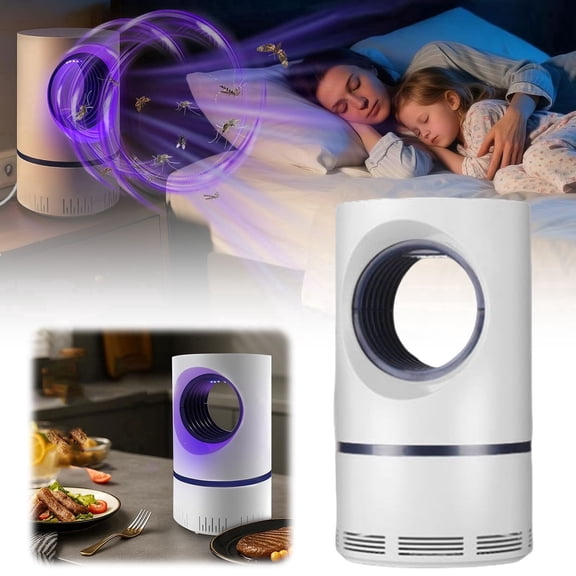
An indoor bug zapper can fit mudrooms, laundry areas, garages, or enclosed sunrooms. You’ll support cleaner-feeling spaces where doors open often and flying insects drift inside.
At campsites, cabins, or outdoor events, you might prefer a rechargeable unit with portable placement. You’ll have a practical option when power access is limited after dark.
Along garden edges, walkways, or fence lines, you can place a solar bug zapper with regular sun exposure. You’ll avoid cord routing while keeping light-based attraction in useful outdoor spots.
You should feel more confident when you compare acreage, grid output, power source, and placement together. Your bug zappers choice will match your space more closely and support more comfortable evenings.