

Dish Washing Brushes & Dish Brushes | Walmart



























About Dish Washing Brushes & Dish Brushes | Walmart - Walmart.com
Dish brushes help you handle plates, pans, and glasses with precise control in your sink routine. You can compare bristle materials, handle styles, and soap options to match your kitchen tasks.
You may want a brush that reaches deep cups, protects nonstick cookware, or scrubs baked-on residue. You’ll also find options made for cast iron, daily dishwashing, and steady kitchen cleanup.
How to choose dish brushes for your kitchen
You can choose dish brushes more confidently when you compare the main decisions before you buy. You should consider bristle stiffness, handle shape, soap delivery, and head replacement.
Some brushes give your dishes a gentler touch for glasses and coated pans. Others give your cookware firmer scrubbing for sheet pans, pots, and dried-on food.
- You can use softer silicone or flexible nylon when your dishes need a scratch-free touch.
- You can choose stiffer natural coconut coir or stainless steel when your cookware needs stronger scrubbing contact.
- You can pick a long handle when you want more reach inside bottles, pitchers, and tall containers.
- You can select a palm grip when your sink space feels tight and your hand wants close control.
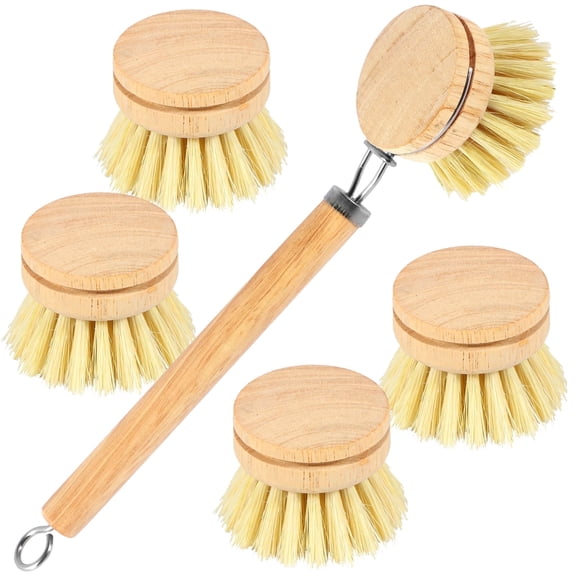
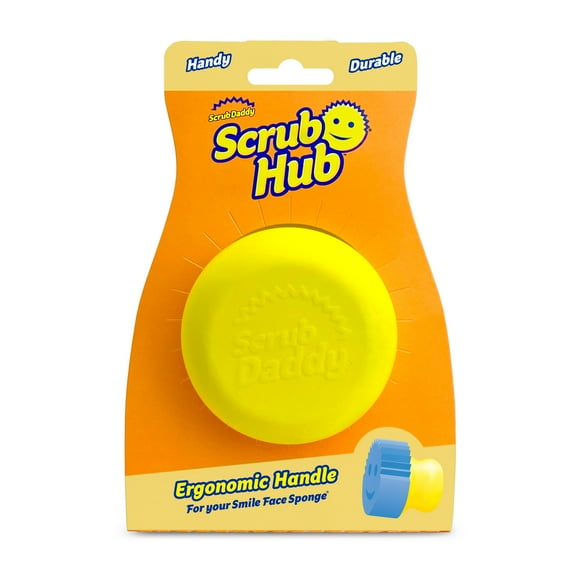
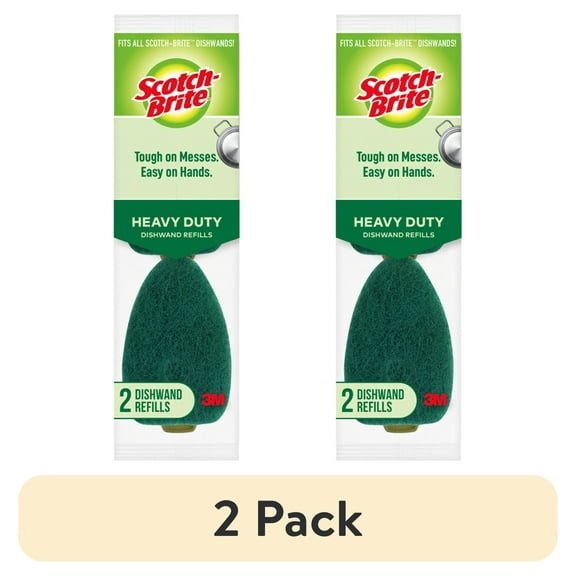
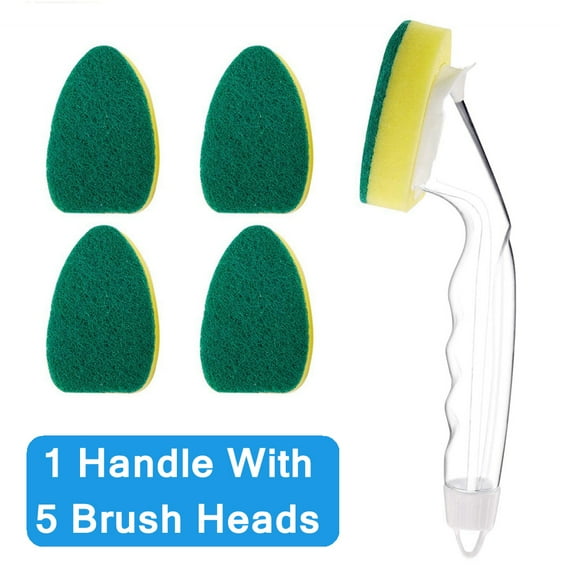
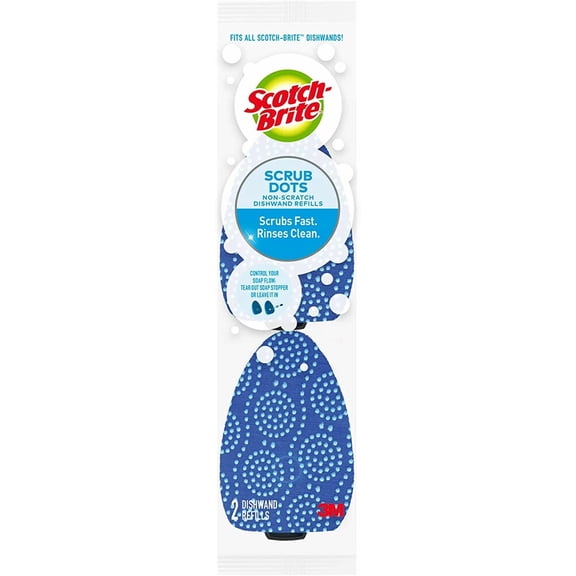
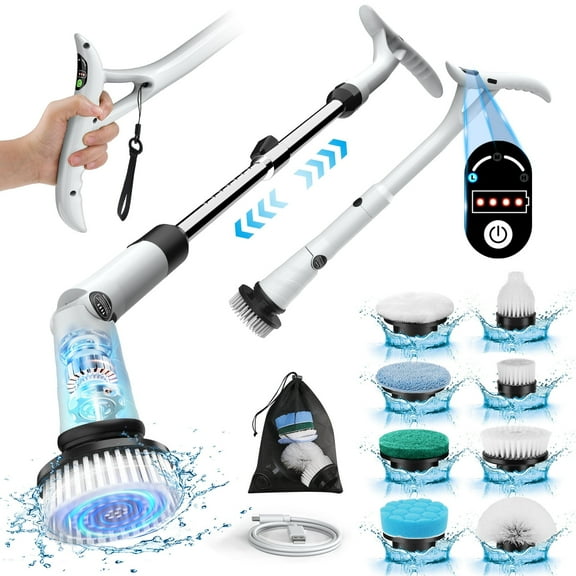
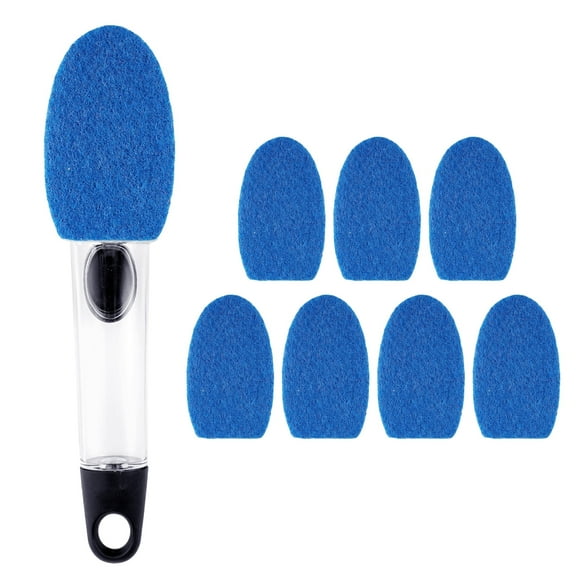
- You can try a replaceable brush head when you want to keep the handle and switch the scrubbing end.
You’ll also notice that brush heads come in shapes for corners, curved bowls, and flat pan surfaces. Your daily routine simplifies when the head matches the dishes in your cabinet.
Choosing bristle material and handle design
You should start with bristle material because it affects scrubbing strength and surface contact. Your nylon dish scrub brush can feel versatile for everyday plates, bowls, and cookware.
You may prefer a silicone dish brush when you want flexible bristles and quick rinsing. Your silicone option can work well for lighter residue on cups, bottles, and smooth surfaces.
You can look for natural coconut coir when your kitchen setup leans toward firmer texture and a classic brush feel. Your coir bristles can help with pots and pans that need more direct scrubbing.
You may consider stainless steel when your cookware needs concentrated scrubbing on stubborn residue. Your stainless steel option makes more sense for rugged cleaning tasks than delicate glassware.
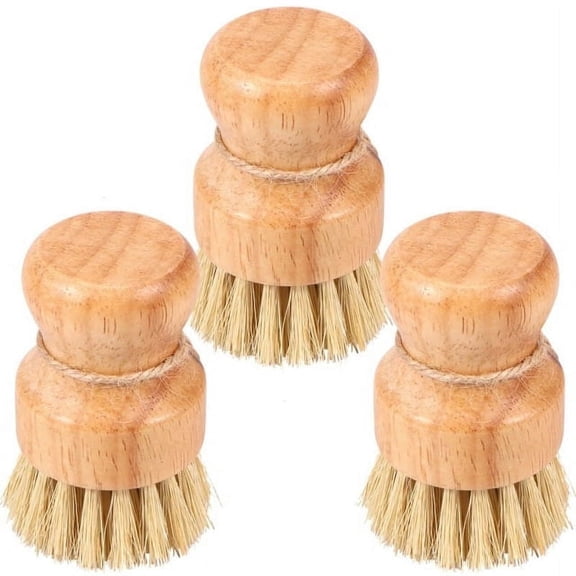
A bamboo dish brush gives your hand a different feel than molded plastic styles. Your bamboo handle can feel structured, while your ergonomic plastic handle may feel more contoured.
You’ll want to compare long handle and palm grip designs before you choose. Your long handle helps you reach tall drinkware, while your palm grip keeps control close.
Wet dishwashing can make grip details matter during repeated scrubbing. Your hand may prefer textured plastic, a curved neck, or a broad top that feels steady.
Comparing a soap dispensing dish brush with standard styles
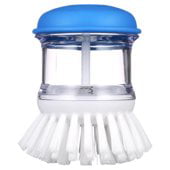
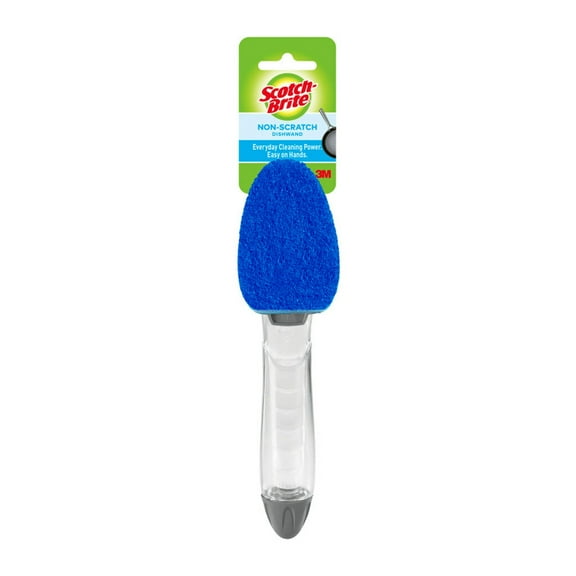
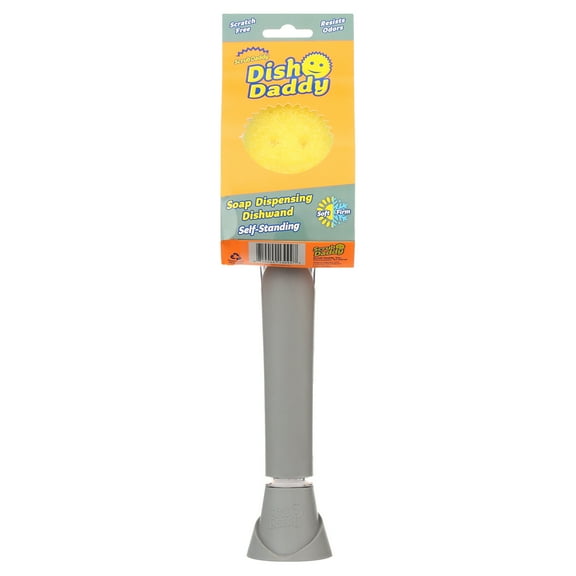
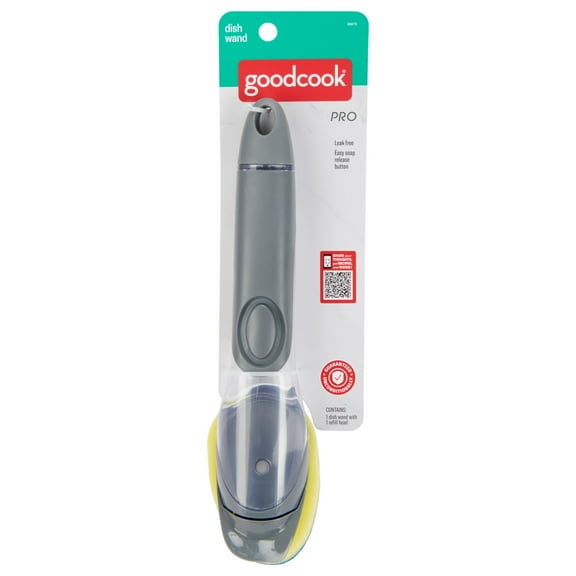
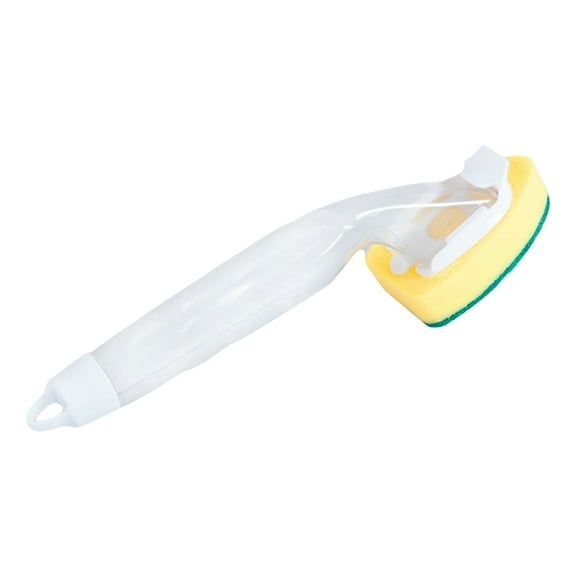
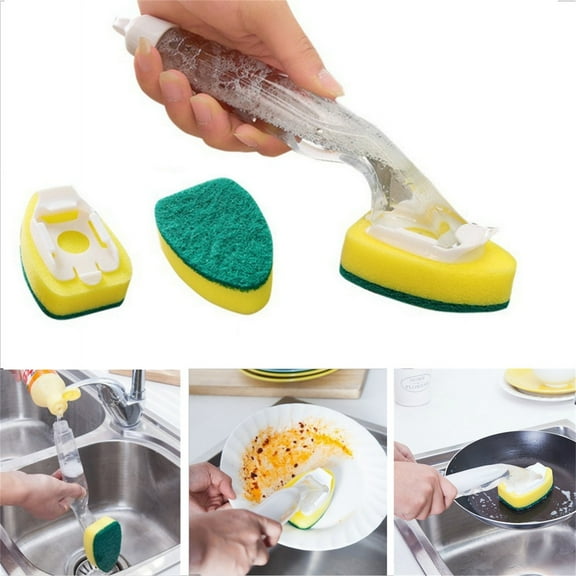
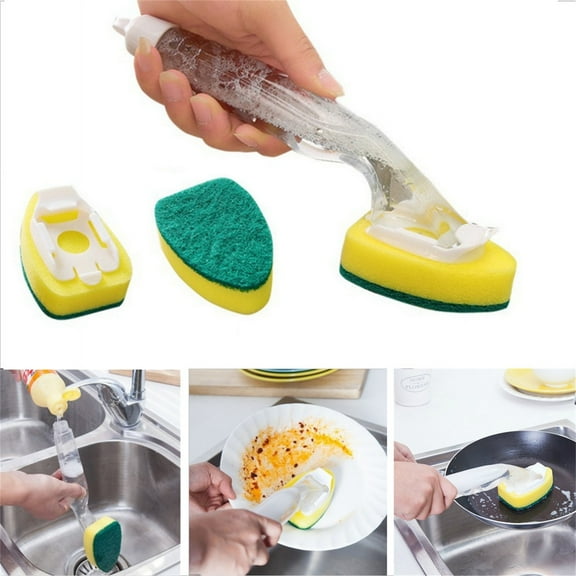
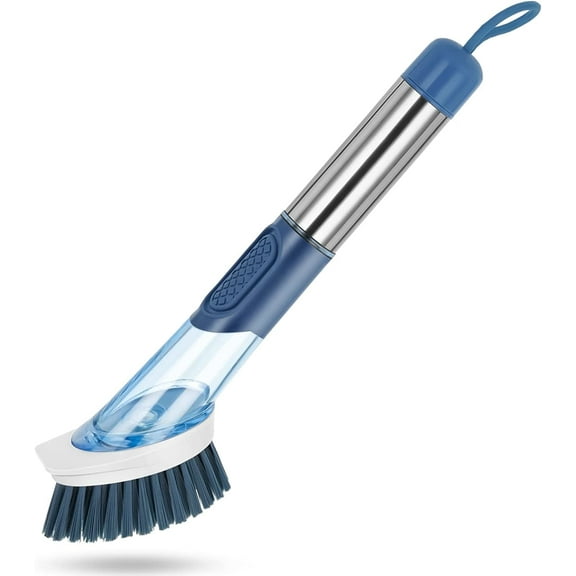
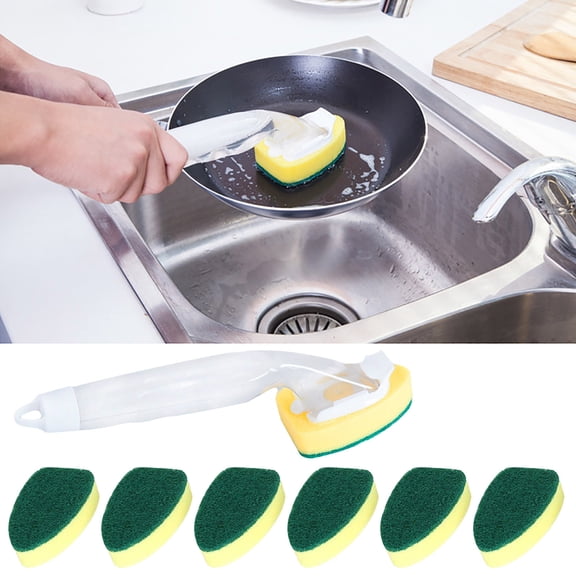
You may like a soap dispensing dish brush if you want fewer pauses during cleanup. Your built-in reservoir lets you release soap with a button or squeeze while you scrub.
That setup can feel convenient when you move through plates, bowls, and pans in one session. Your sink area may stay organized because you won’t reach for a separate soap bottle as often.
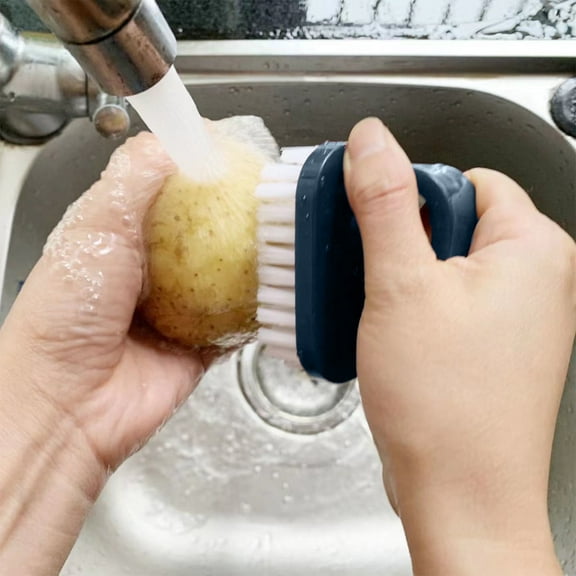
You might prefer a non-dispensing kitchen scrub brush if you want a simpler design. Your standard brush can pair with any dish soap and can feel straightforward to rinse.
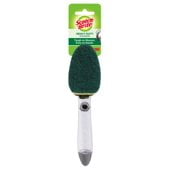
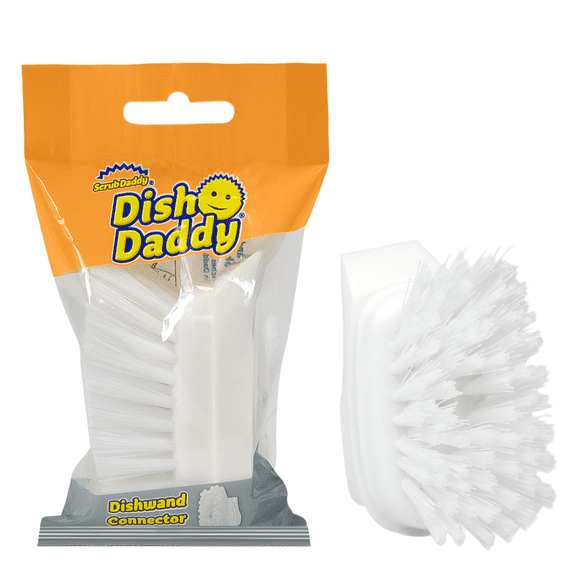
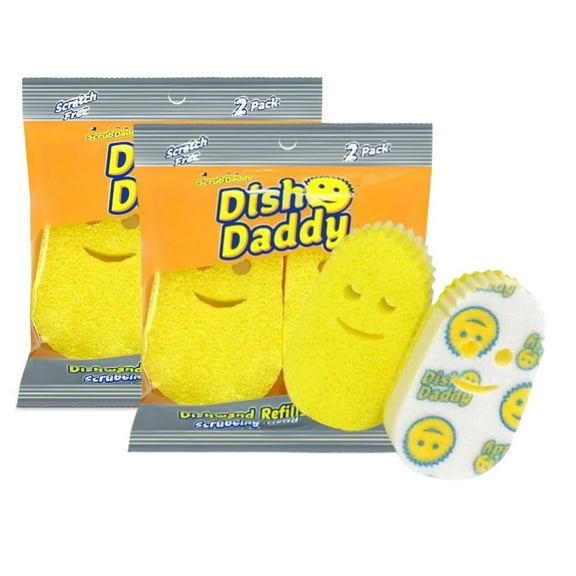
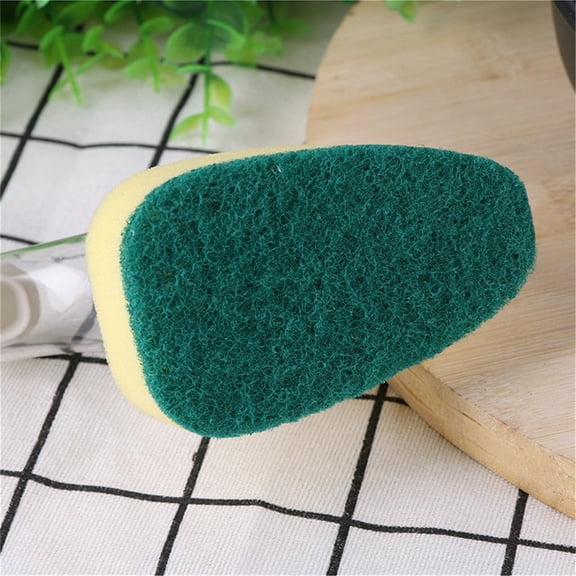
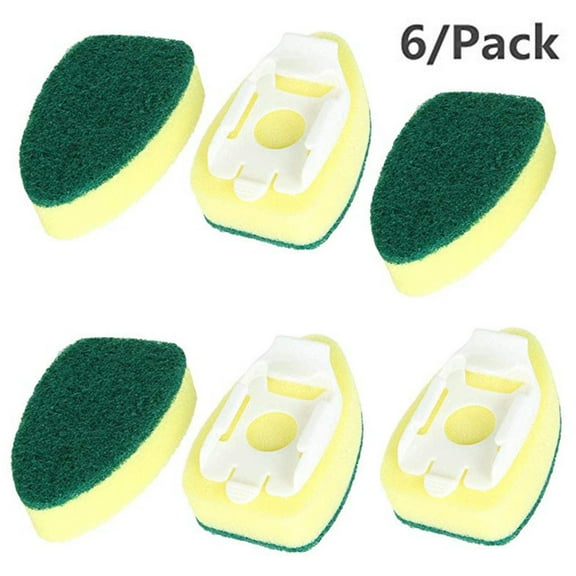
You should also compare head replacement options before you decide. Your replaceable brush head lets you keep the main handle while changing the scrubbing part.
Some shoppers prefer a single-piece brush for a fixed feel in the hand. Your choice depends on whether you prioritize refill convenience or a simpler all-in-one design.
Matching dish brushes to everyday use cases
You can achieve excellent results when you match your brush to the mess and surface. Your delicate glassware usually needs gentler bristles than your roasting pan or casserole dish.
For general dishwashing, you can choose a medium-stiff dish scrub brush for plates, utensils, and mixing bowls. Your everyday brush should feel balanced for quick loads and heavier dinner cleanup.
For heavy-duty pots and pans, you may want firmer bristles and a sturdy handle. Your pot and pan brush can help you target corners, rivets, and cooked-on residue.
When you clean nonstick cookware, you should consider softer contact first. Your brush choice should glide over coated surfaces with a scratch-free touch.
If you wash drinkware, jars, or narrow containers, you may want extra reach. Your longer handle helps you scrub deeper walls without forcing your hand into tight openings.
You can also look for a cast iron scrub brush when you clean seasoned skillets often. Your cast iron routine usually needs firm bristles and a compact shape for focused pressure.
You can keep a second brush for specialty cookware if your kitchen setup needs it. Your sink station may work better with one brush for daily dishes and another for heavier pans.
What to look for in dish brushes over time
You should check how easily the brush rinses after each use. Your cleanup feels straightforward when food particles release quickly from the bristles and handle joints.
You may also want a hanging loop, stand, or compact profile for storage. Your counter and sink edge can stay more organized when the brush has a clear resting spot.
Over time, you’ll notice that head shape and bristle density affect repeated use. Your preferred brush may be the one that keeps its shape through regular scrubbing and rinsing.
You can feel more confident choosing dish brushes when you compare material, grip, soap delivery, and use case together. Your kitchen routine can become highly efficient when the brush matches your cookware, your hand, and your sink habits.