

Brick Wall Panels & Faux Brick Paneling | Walmart






















About Brick Wall Panels & Faux Brick Paneling | Walmart - Walmart.com
Brick wall panels help you create a brick-inspired look without heavy masonry work. You can compare materials, textures, and installation types to match your room and surface.
If you're updating a backsplash, accent wall, or entryway, you can narrow choices faster with clear buying guidance. You may also prefer faux brick wall panels when you want lighter pieces and simpler handling.
How to choose brick wall panels
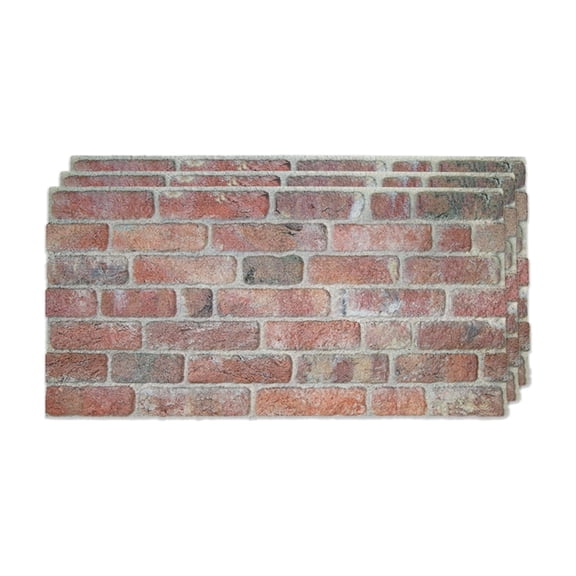
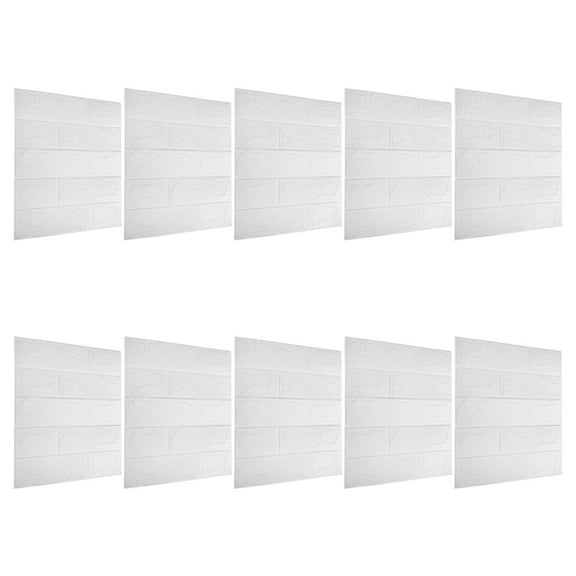
You should start with material because it shapes weight, rigidity, and cutting ease. You can often handle foam brick panels more easily, while PVC, plastic, and polyurethane can feel firmer.
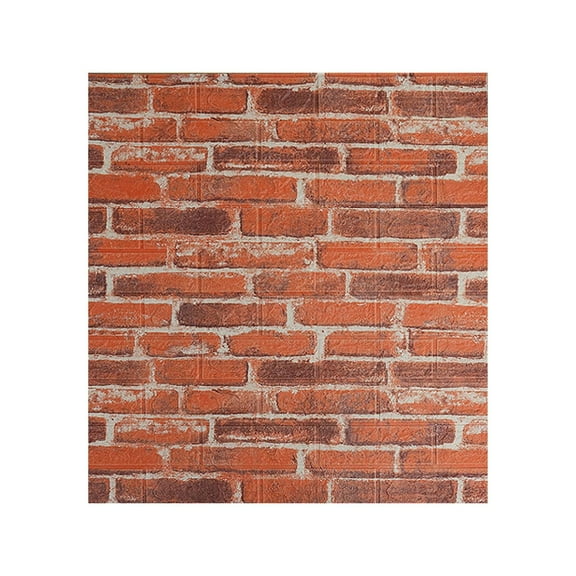
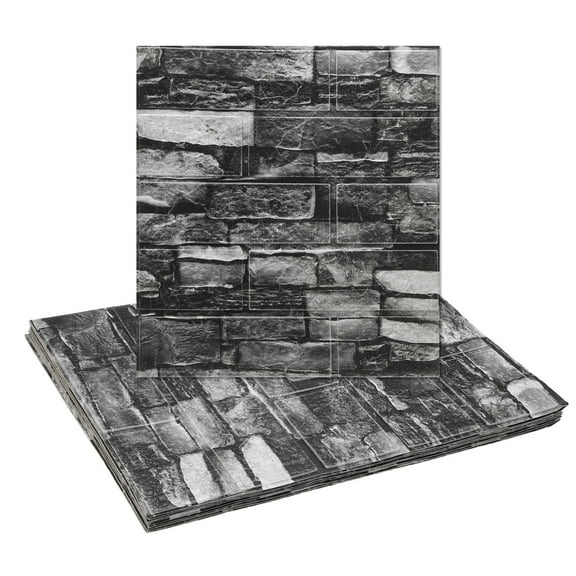
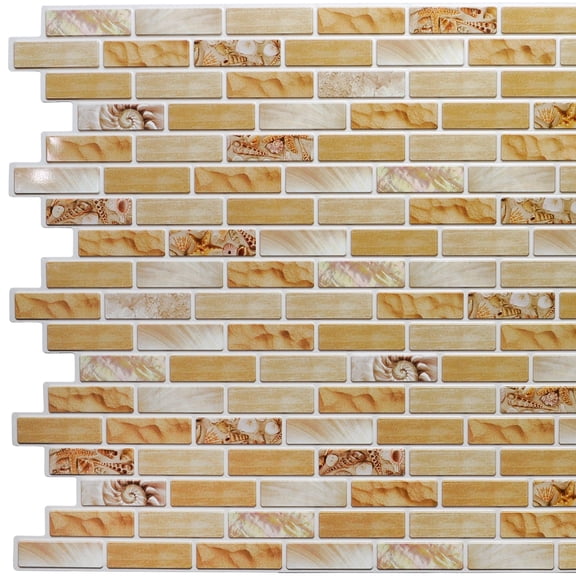
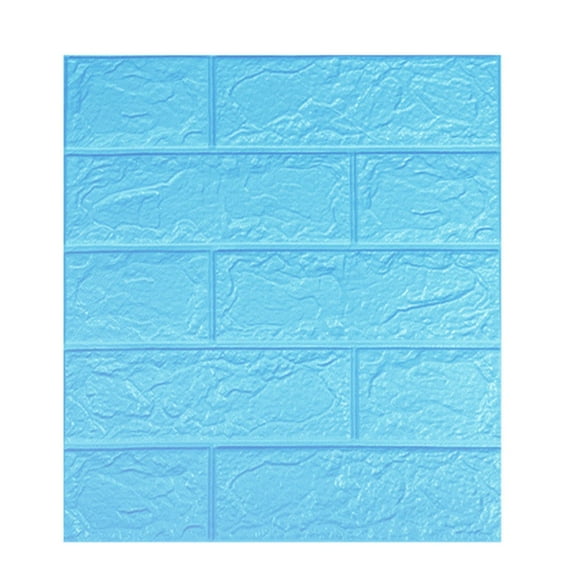
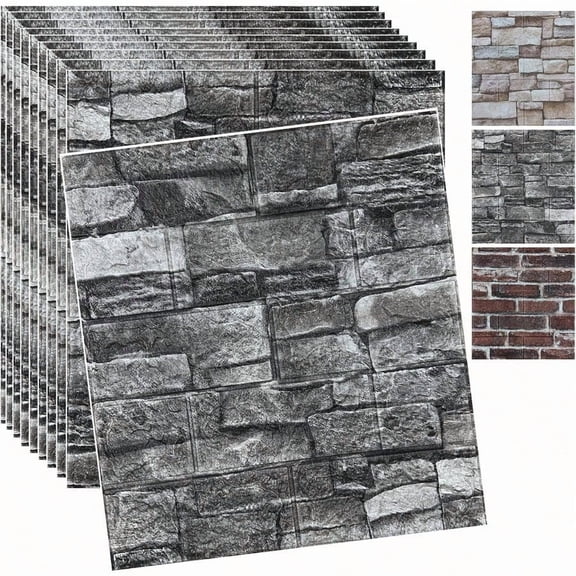
When you compare fake brick wall panels, you should also check the finish. You can choose textured brick wall panels for deeper shadow lines, or pick flat print panels for a smoother look.
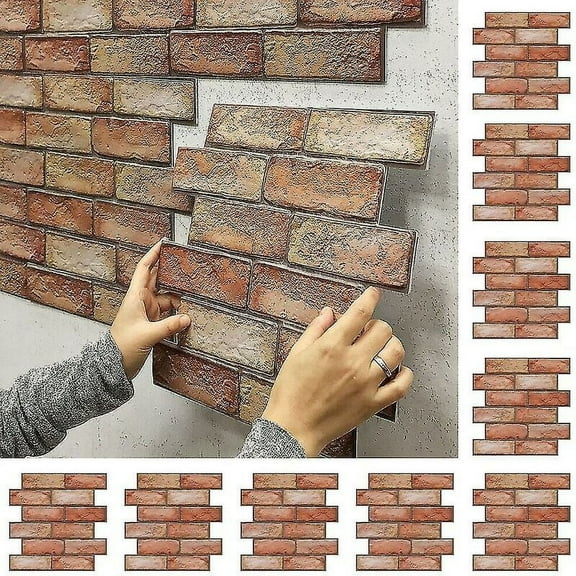
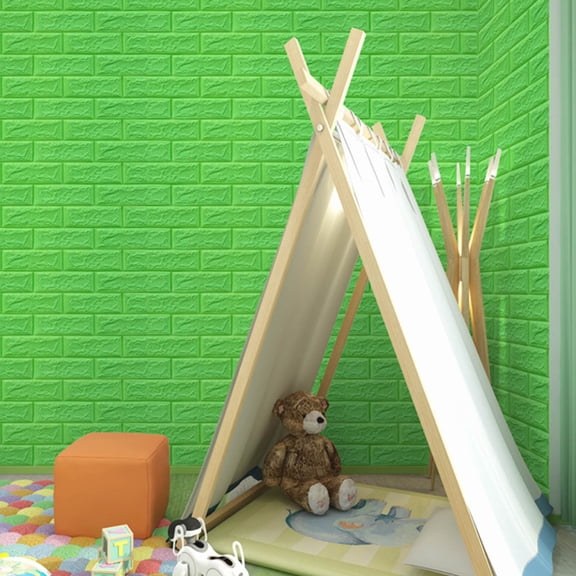
You should review installation type before you gather tools and plan prep time. You can choose peel and stick styles for quick updates, glue-up panels for fixed placement, or interlocking panels for smoother seams.
Key benefits of faux brick wall panels
You can change a plain wall without hauling brick or mixing mortar. You'll also notice that lighter panel options can be simpler to position, trim, and align.
Because you can cover broad areas with paneling sheets, you may finish an accent wall faster. You can also create a more consistent pattern across corners, niches, and focal areas.
- You can add brick character to living rooms, hallways, and bedrooms with less mess.
- You can compare lightweight and rigid materials based on your wall surface and installation method.
- You can choose embossed or three-dimensional finishes when your space needs more visual depth.
- You can use waterproof brick wall panels in rooms where splashes and steam matter.
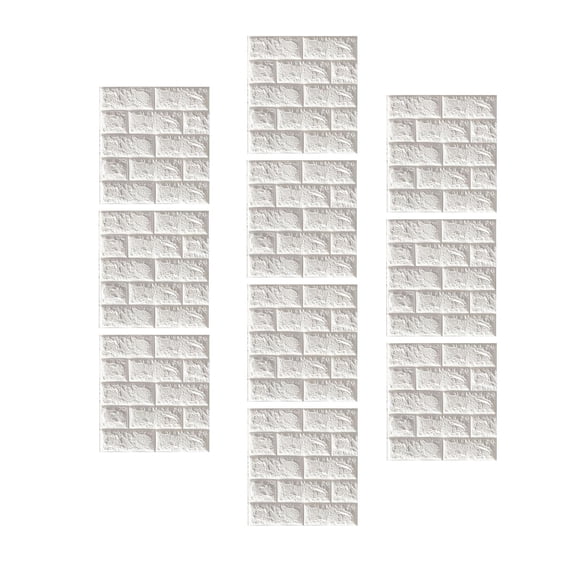
You may also appreciate how brick wall paneling sheets help you plan coverage by size. You can measure square footage, compare sheet dimensions, and estimate how many panels your wall needs.
If you want a cleaner update path, you can often cut panels around outlets, cabinets, and trim. You can also coordinate them with wallpaper, wall planks, or installation adhesives for a more complete project.
What to look for in materials, texture, and water resistance
You should compare foam, PVC, plastic, and polyurethane by balancing durability with installation ease. You may prefer lighter foam for easier handling, while PVC or plastic can suit more demanding surfaces.
For kitchens, bathrooms, or utility spaces, you should check whether a panel is waterproof or water-resistant. You can use waterproof brick wall panels where splashes are common, while standard panels may suit drier rooms.
If heat exposure matters, you should read product details for fire rating and placement guidance. You can use that information to compare options near fireplaces or cooking areas more carefully.
You should also look at backing style and edge design before you choose a panel. You can compare peel-and-stick backing for quick placement, or review glue-up and interlocking formats for different wall conditions.
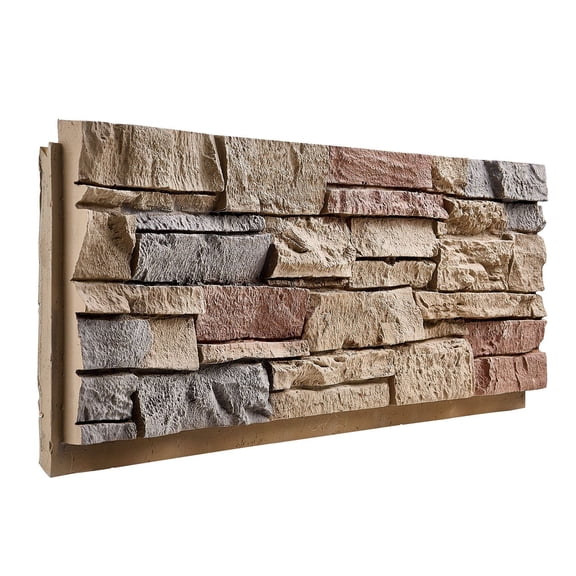
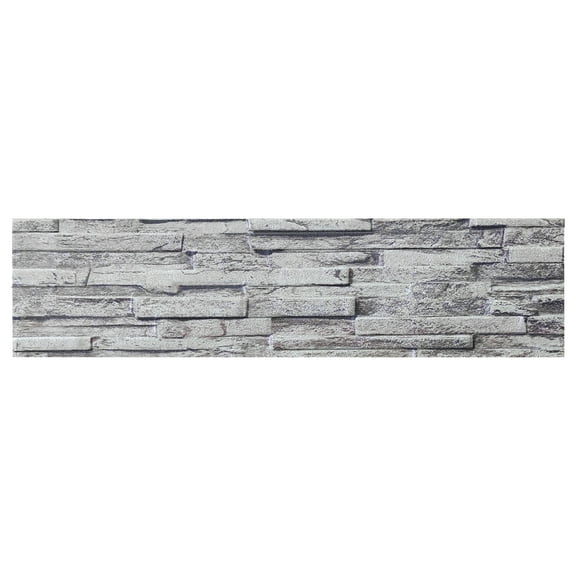
Texture changes the finished look more than many shoppers expect. You can choose textured brick wall panels or embossed styles for a carved look, while flat printed panels can keep surfaces visually quieter.
Panel dimensions matter when you want fewer seams and easier planning. You can compare brick sheets for wall coverage, then measure height and width to see how each sheet fits.
Choosing brick paneling for each room
You can use brick wall panels for kitchen areas when you want a backsplash-style look with simpler installation. You should focus on waterproof backing, wipeable surfaces, and cuts that fit around cabinets and outlets.
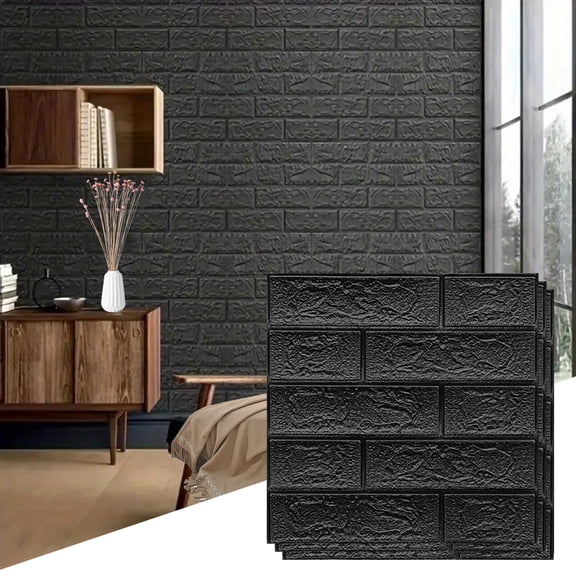
In a living room, you may want a focal wall behind a sofa, shelf, or media unit. You can choose textured brick wall panels there when you want more depth under natural or overhead light.
For bathrooms, you should compare waterproof and water-resistant options before you choose a finish. You can also check panel seams and edge coverage when your wall sees regular moisture.
If you're planning a fireplace surround or nearby feature wall, you should review fire rating and installation guidance first. You can then compare more rigid materials when placement calls for added structure.
Exterior projects need extra attention to weather exposure, fastening method, and surface compatibility. You should confirm the manufacturer intends the panel for exterior use before you plan an outdoor wall.
When you calculate coverage, you should measure each wall section and subtract windows, doors, and built-ins. You can then compare brick wall paneling sheets by size so your order matches your square footage.
You may also match material and installation type to your experience level. You can start with peel and stick panels for a quick room refresh, or choose interlocking panels for more defined alignment.
Choosing brick wall panels with confidence
You can narrow your options faster when you compare material, water resistance, texture, and installation in that order. Your finished wall can feel more intentional when the panel style fits your room and layout.
You don't need masonry tools to create a brick-inspired backdrop that looks coordinated across your space. You can get a cleaner result when your panel choice matches your moisture needs and desired texture.