

Brick & Masonry Paint in Specialty Paint



























About Brick & Masonry Paint in Specialty Paint - Walmart.com
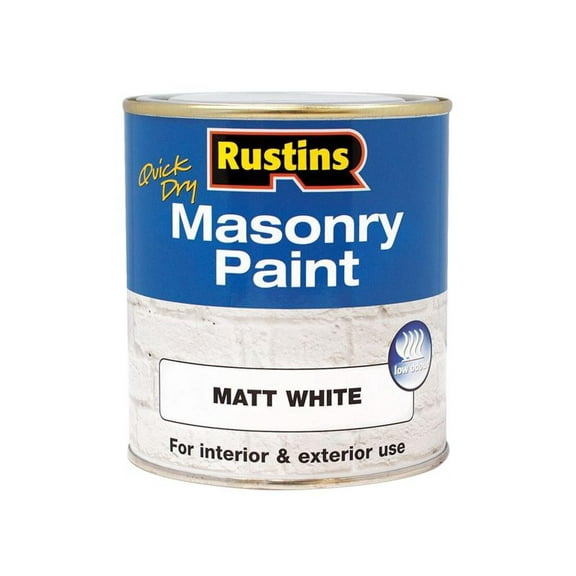
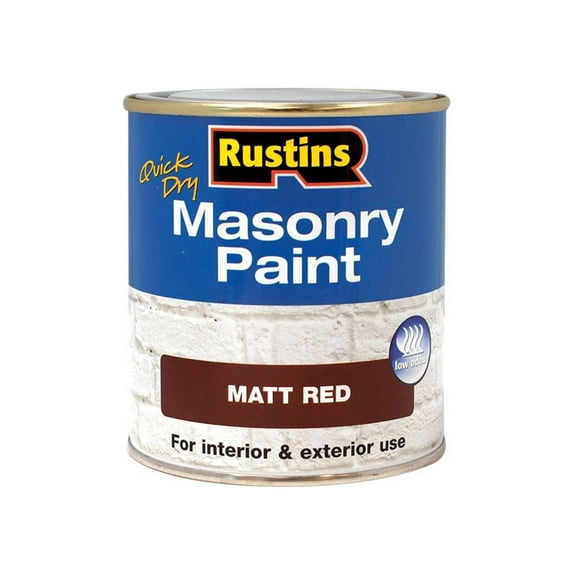
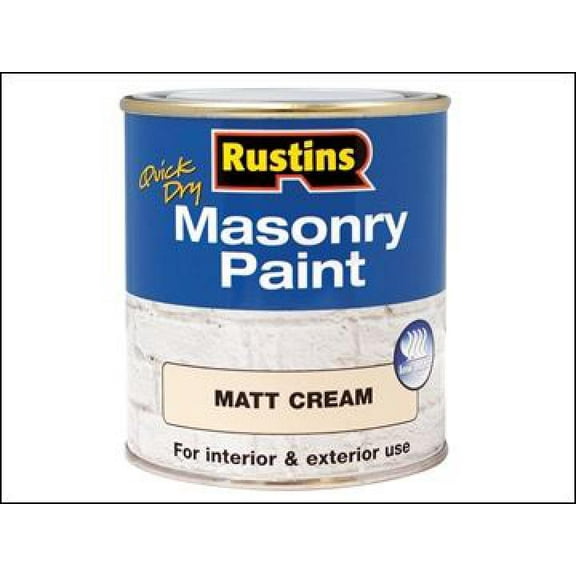
Masonry paint helps you cover brick, concrete, cinder block, and stucco with a finish made for porous outdoor surfaces. You'll get guidance that helps you compare surface fit, weather exposure, and application needs before you choose.
How to choose masonry paint for your surface
You'll want masonry paint that matches how your wall absorbs moisture and holds texture. Your surface type matters because brick, stone, stucco, and block don't take paint the same way.
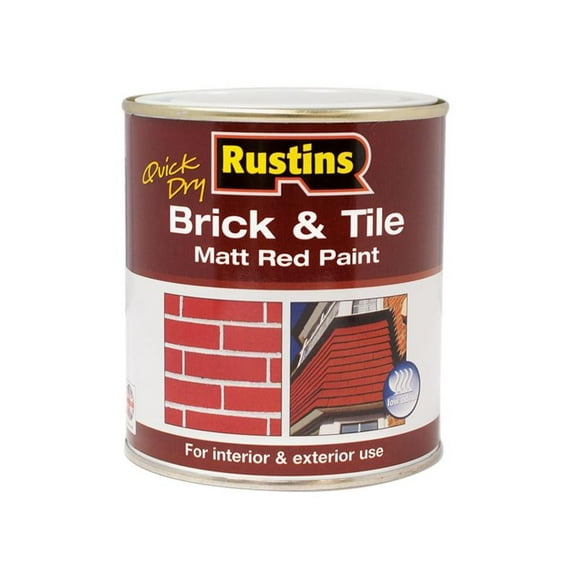
When you're planning brick paint outdoor projects, you'll want a coating that keeps color even across rough faces and deep mortar lines. You'll also want enough flexibility for seasonal expansion and contraction.
If you need paint for cinder block walls, you'll usually compare hide and fill across open pores. You'll notice smooth application matters because block surfaces can look patchy with the wrong formula.
For concrete and paint for concrete walls exterior projects, you'll want strong adhesion and dependable hide. You'll also want a finish that stands up well on foundations, exterior walls, and garden structures.
If you're choosing stone brick paint, you'll want to consider surface variation first. Your natural texture and color changes can affect how many coats you need for a more uniform look.
- You'll match the coating to brick, concrete, cinder block, stucco, or stone.
- You'll compare hide, adhesion, and flexibility for rough masonry surfaces.
- You'll check whether your project needs more coverage over porous areas.
- You'll narrow finishes based on outdoor exposure and visible texture.
What to look for in exterior acrylic masonry paint
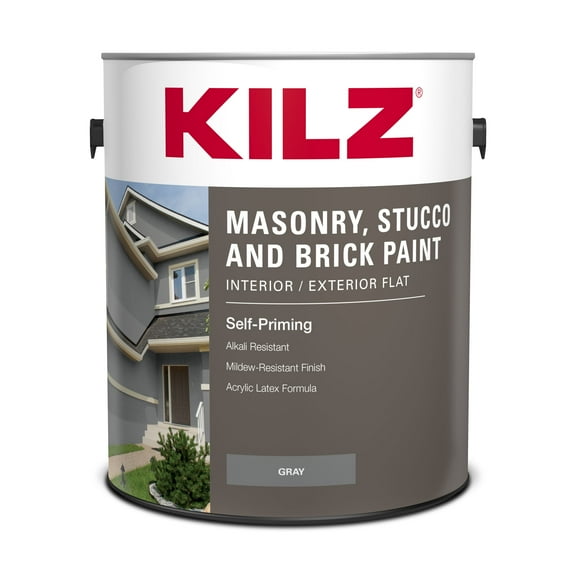
You'll often start with exterior acrylic masonry paint because it balances coverage, durability, and straightforward cleanup. You'll find it useful when your project includes vertical walls, facades, chimneys, or painted garden brick.
Acrylic formulas matter because you'll need breathability on many masonry surfaces. You'll want trapped moisture to move out more easily instead of sitting behind a dense film.
You'll also want elasticity when temperatures shift through the year. Your coating should move with masonry surfaces that expand and contract outdoors.
Coverage is another key decision point when you compare concrete brick paint options. You'll want to review square-foot estimates carefully because rough block and brick can use more paint than smoother walls.
Finish can shape the final look of your project. You'll usually compare flat, low-sheen, or satin options based on how much texture you want your wall to show.
You'll also want to measure prep needs before you paint. Your project may call for cleaning tools, masonry primer, rollers made for rough surfaces, or a paint sprayer for larger walls.
Choosing waterproof masonry paint for weather exposure
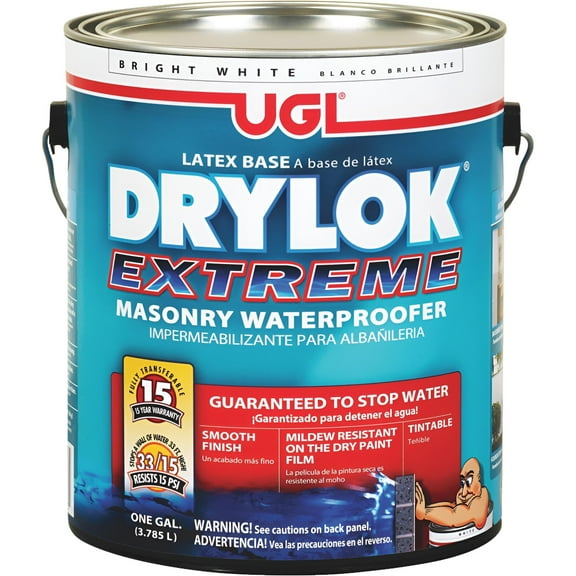
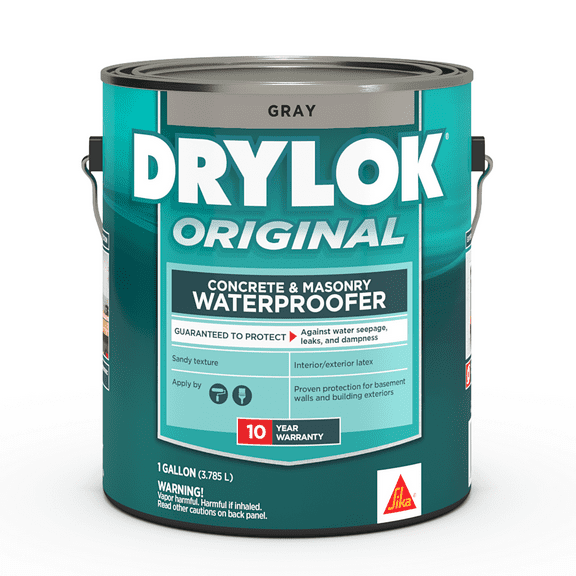
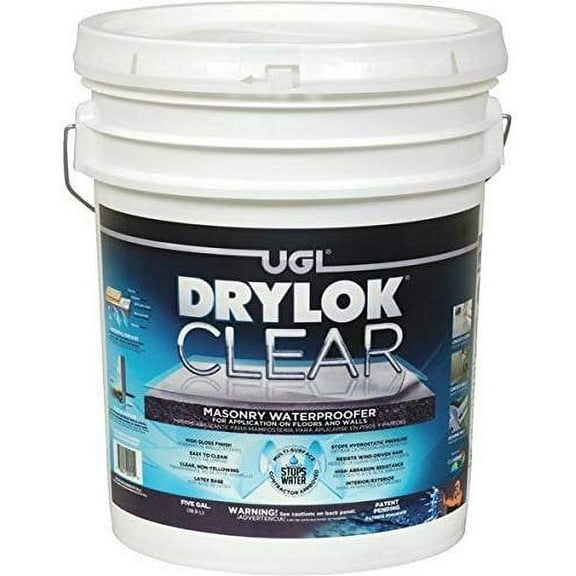
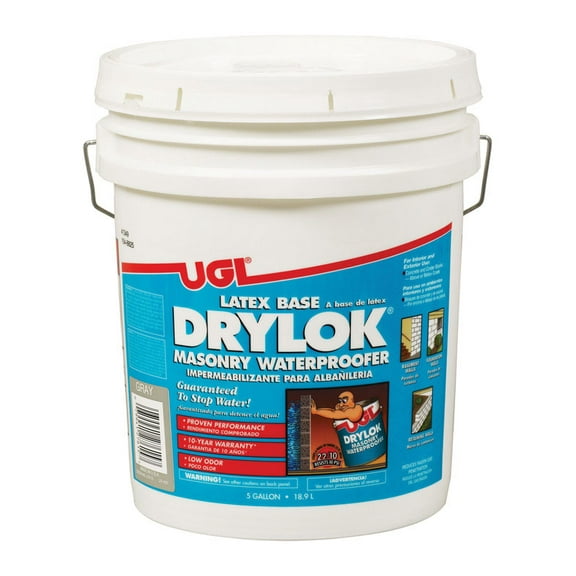
You'll often compare waterproof masonry paint when your exterior wall faces steady rain, splash zones, or repeated damp weather. You'll want added water resistance without giving up the breathable performance masonry often needs.
Water resistance can matter on retaining walls, foundation areas, and exposed garden brick. You'll also want to check whether your surface already has an older coating that affects adhesion.
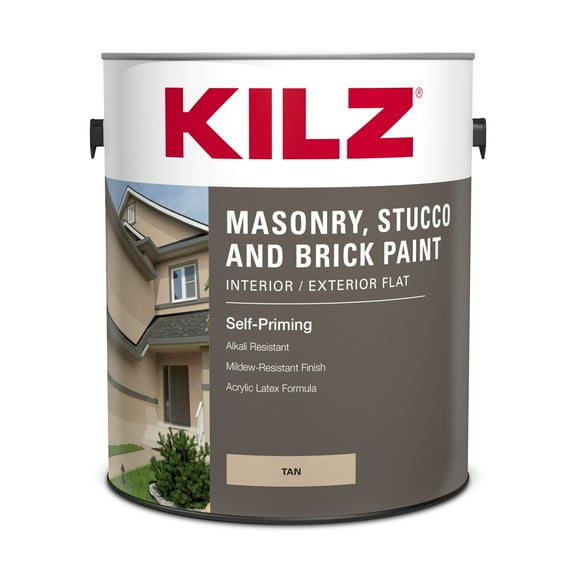
If you're painting stucco, you'll want to compare formulas that handle textured finishes evenly. Your roller nap and paint thickness can affect how well you reach recessed areas.
For cinder block and concrete, you'll want to look for strong edge coverage around joints and corners. You'll notice these spots can need extra attention during application.
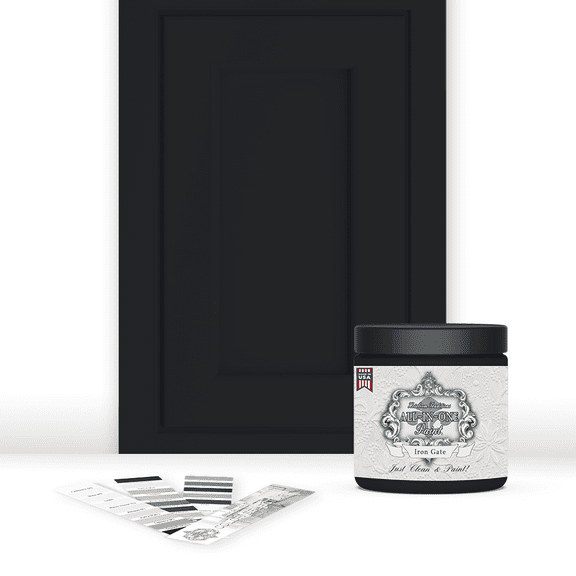
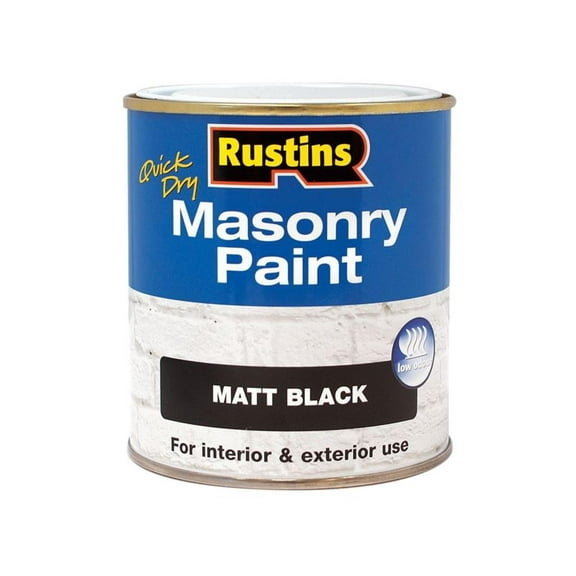
You should also compare color goals with maintenance expectations. Your darker shades, including black brick paint interior accents, can highlight texture and create contrast on fireplaces or feature walls.
When you repaint older masonry, you'll want to check whether your current finish is flaking, chalky, or uneven in color. Your prep work often shapes how smooth and even the next coat looks.
Matching masonry paint to real projects
You'll choose differently for a front exterior wall than for a backyard boundary wall. Your curb-facing brick may need even color coverage, while your garden project may focus on fast application.
For brick paint for garden planters, borders, or decorative walls, you'll often look for simple touch-up and broad color options. You'll also want a finish that keeps textured details visible.
If you're updating a garage wall or utility area, paint for cinder block walls can help you create a clean look. You'll usually want solid hide that reduces the busy look of porous block.
For outdoor stairs, lower facades, and painted concrete sections, you'll compare paint for concrete walls exterior by adhesion and weather fit. You'll want a formula suited to rough, mineral-based surfaces.
When you're refreshing stone details, stone brick paint can help unify mixed materials on columns, entry features, or landscape walls. You'll want to test color on a small section first because stone texture varies.
You can also coordinate your project with masonry primer, rollers for rough surfaces, paint sprayers, and painter's tape. You'll get a smoother process when your tools match your wall texture and project size.
Masonry paint gives you a practical way to refresh outdoor surfaces that need more than standard wall paint. You'll get a finish designed for porous materials, weather exposure, and the textured look that makes brick and block stand out.