

Brake Cleaners in Automotive Cleaners & Degreasers

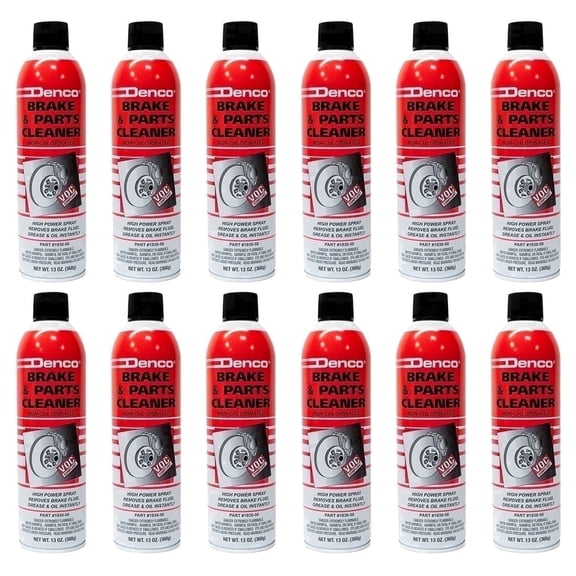


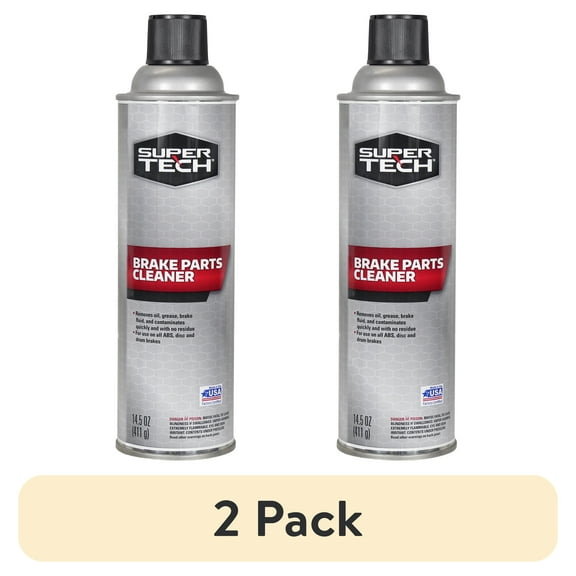


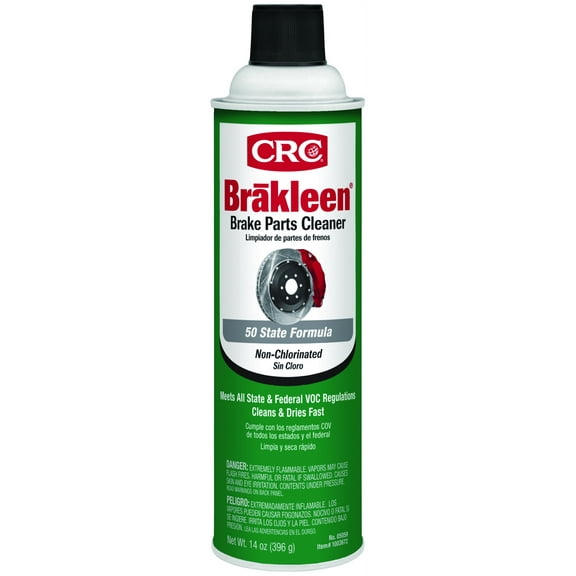

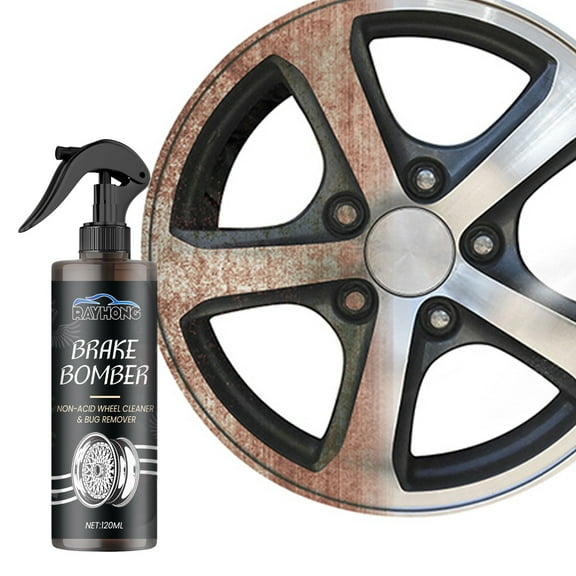














About Brake Cleaners in Automotive Cleaners & Degreasers - Walmart.com
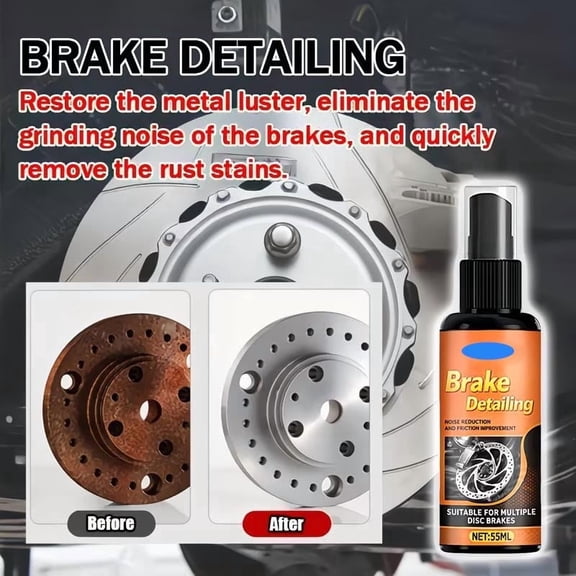
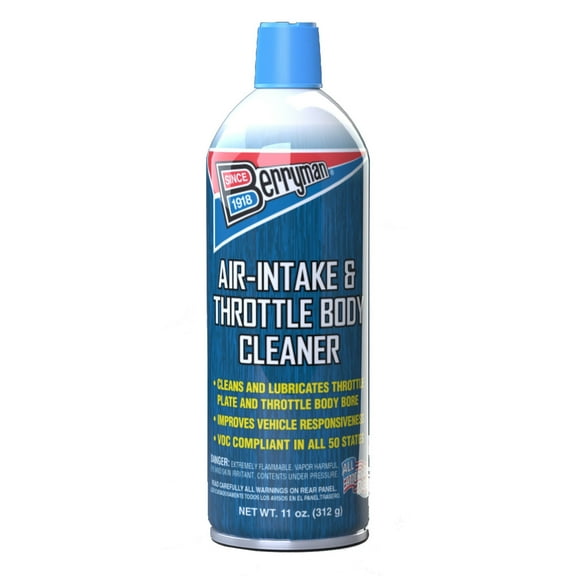
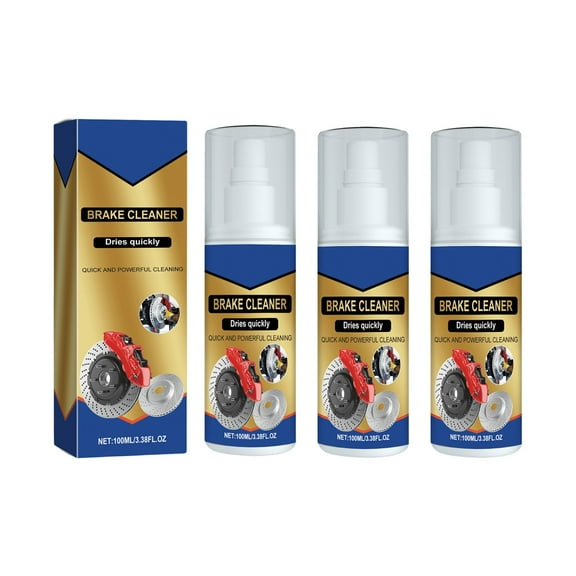
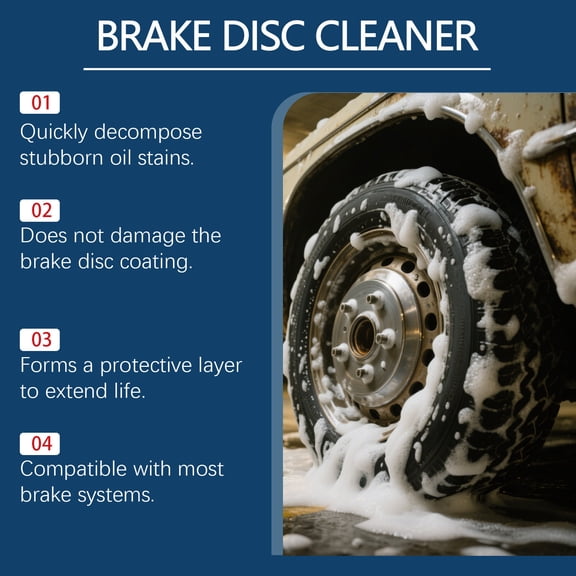
Brake cleaners help you remove grease, fluid, and road grime from rotors, calipers, drums, and clutch parts before reassembly. You can compare formulation, drying speed, and spray control to match your repair routine and local requirements.
If you service brake components at home or in a shop, you need guidance that fits real repair steps. You also need clear direction on VOC labels, surface compatibility, and residue-free performance.
How to choose brake cleaners by formulation
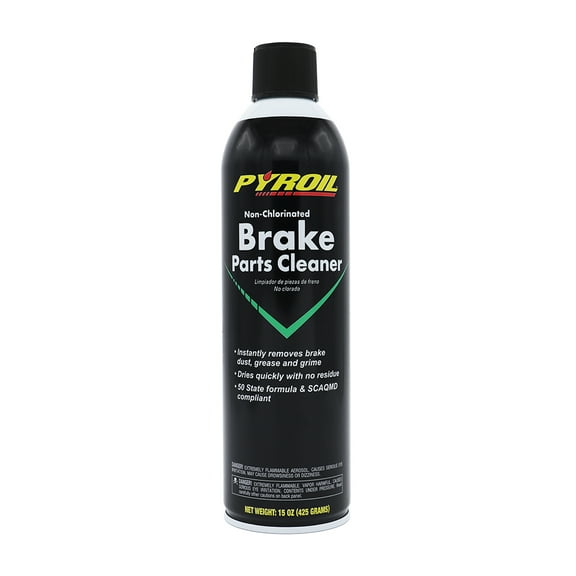
You should start with formulation because that choice affects compliance, flammability, and everyday use. You’ll usually compare chlorinated brake cleaner and non-chlorinated brake cleaner first.
If you want non-flammable chemistry for certain shop tasks, you may consider chlorinated options where allowed. If you need wider compliance coverage, you may prefer non-chlorinated formulas for many common jobs.
You should compare the label before you choose standard, low-VOC, or 50-state compliant options. You can use that guidance to narrow products that fit your location and maintenance setup.
- You can choose chlorinated formulas when non-flammable chemistry matters for your workflow.
- You can choose non-chlorinated formulas when you want broader compliance across many locations.
- You can compare low-VOC and 50-state compliant labels when regulations shape your options.
- You can match the formula to rotors, calipers, drums, or clutch parts for more targeted cleaning.
What to look for in brake parts cleaner
You should look for quick evaporation because lingering liquid can slow your brake service. You’ll want a brake parts cleaner that leaves metal surfaces ready for inspection and reassembly.
When you compare a fast drying brake cleaner with a standard formula, you’re comparing workflow and downtime. You can move from cleaning to installation with fewer pauses when evaporation is quicker.
You should also check whether the label indicates residue-free performance in normal use. You’ll notice that detail matters when you clean rotors and calipers before handling friction components.
Spray control matters when you’re reaching backing plates, hardware, and tight brackets. You can look for a spray brake cleaner with a focused stream or straw attachment.
Choosing drying speed and spray pattern
You can use drying speed as a practical filter when you handle larger brake jobs. You may want ultra-fast formulas for quick turnaround and standard formulas for general cleanup.
If you clean drums or clutch parts with deeper recesses, you may need stronger spray reach. You can target springs, corners, and housings more directly with a narrow stream.
You should compare can size and spray style with the task in front of you. You can get more control when the pattern fits broad surfaces or hard-to-reach contact points.
A brake degreaser with strong spray output can help you flush away grime from brackets and metal surfaces. You should still check whether painted surfaces, plastics, or rubber need extra care.
Checking surface compatibility before application
You should compare the cleaner with the surfaces around your brake assembly before spraying. You may want extra caution when painted parts, plastic clips, or rubber seals sit nearby.
If your work area includes exposed finish or trim, you should look for clear surface-use guidance. You can avoid cleanup setbacks by checking labels before spraying near surrounding components.
You’ll often use brake cleaners on metal parts like rotors, calipers, drums, and some clutch components. You should confirm compatibility when nearby materials vary across newer and older vehicles.
When you service mixed-material assemblies, you can use short bursts and targeted application. You can get cleaner results when overspray stays controlled around adjacent parts.
Matching brake cleaners to repair jobs
You can match formulation and drying speed to the repair you’re doing instead of guessing. You can make decisions with more clarity when you connect each option to a common maintenance task.
If you’re cleaning rotors before pad installation, you may want quick evaporation and low residue. You can prep the braking surface with less wait between cleaning and assembly.
When you’re working on calipers, you may want a focused spray and a straw attachment. You can reach tight edges and hardware without flooding the whole area.
If your project involves drums, you may prefer a spray pattern that reaches springs and contact points. You can have an easier time clearing dust and grime from deeper housings.
When you service clutch parts, you can compare standard and ultra-fast drying formulas by workflow. You’ll want a cleaner that supports a smooth teardown and reassembly process.
If compliance matters where you work, you should compare standard, low-VOC, and 50-state compliant options. You can narrow choices quickly before you compare can size or spray strength.
You’ll get a clear category fit when you choose brake cleaners by formulation, drying speed, compliance, and application area. You can keep your brake service precise with a cleaner matched to your exact parts.