



Baby Bottle Drying Rack & Baby Bottle Rack


































About Baby Bottle Drying Rack & Baby Bottle Rack - Walmart.com
Your baby bottle drying rack helps you keep bottles, nipples, collars, and pump parts organized after washing. You can compare footprint, drainage, and capacity to choose a setup that fits your counter and feeding routine.
How to choose a baby bottle drying rack
When you shop for a baby bottle drying rack, you should start with your kitchen space and daily bottle count. You can narrow your options quickly when you compare design style, material, capacity, and drainage.
A countertop bottle drying rack works well when you want bottles, collars, and nipples in one visible place. If your counter stays busy, you may prefer a compact bottle drying rack with a smaller base.
You may also want a rack that handles more than bottles alone. Many layouts help you dry pump parts, pacifiers, toddler cups, straws, and other feeding accessories.
Choosing the right design for your counter
You should measure the counter area where your rack will sit before you compare shapes. Once you know that space, you can decide whether a lawn style, vertical tree, flat tray, or covered cabinet fits.
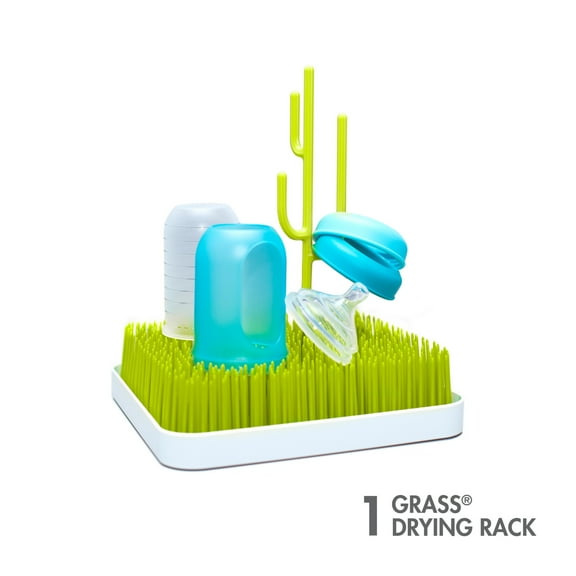
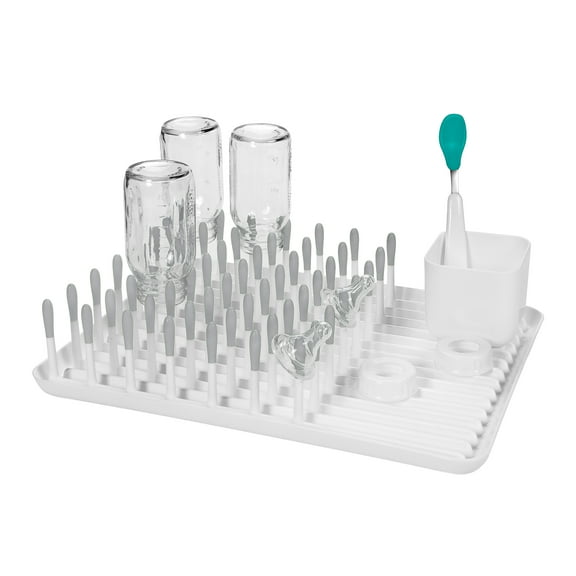
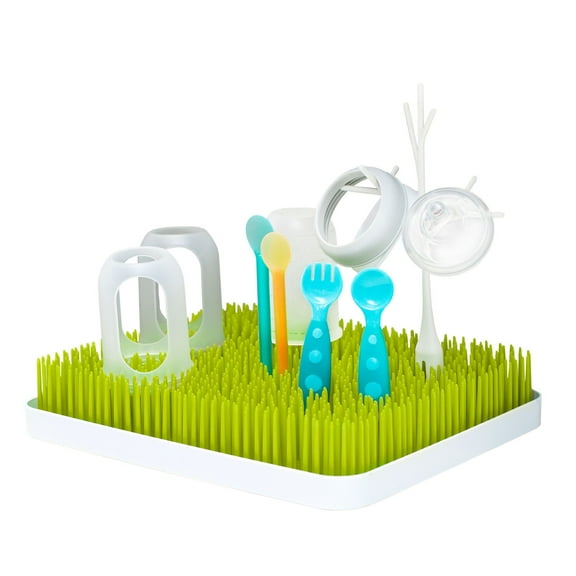
A lawn or grass style gives you flexible placement for mixed parts and uneven shapes. You can spread out valves, lids, and nipples without stacking pieces too closely together.
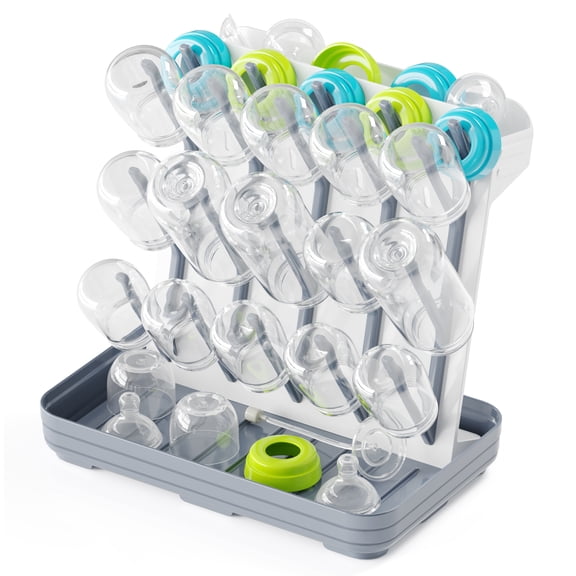
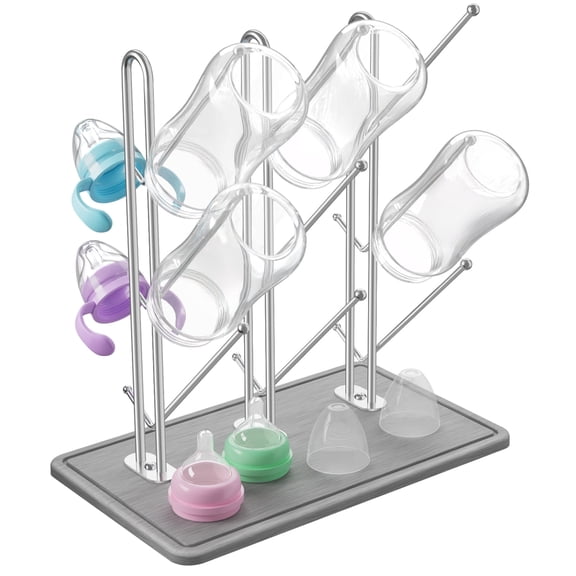
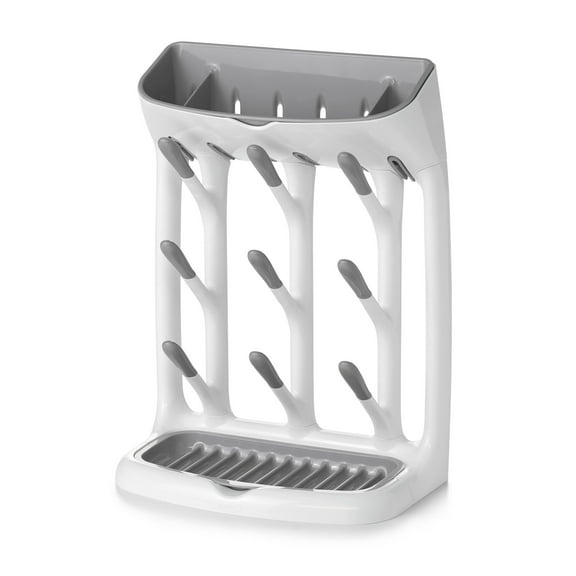
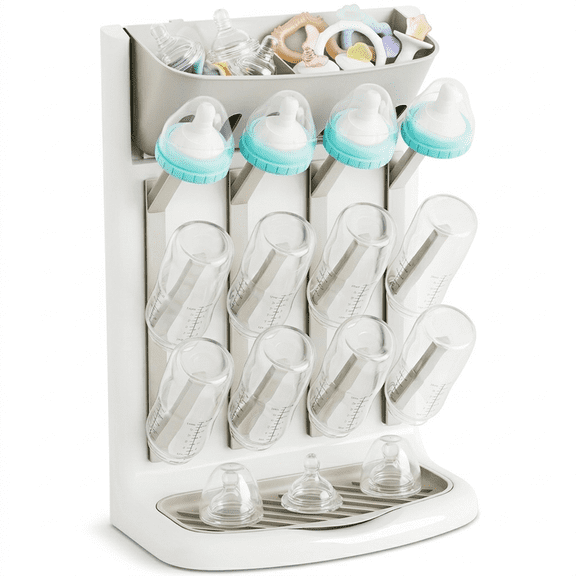
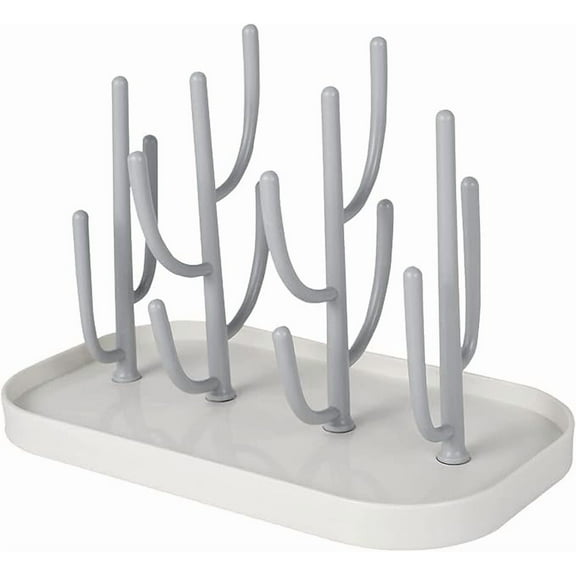
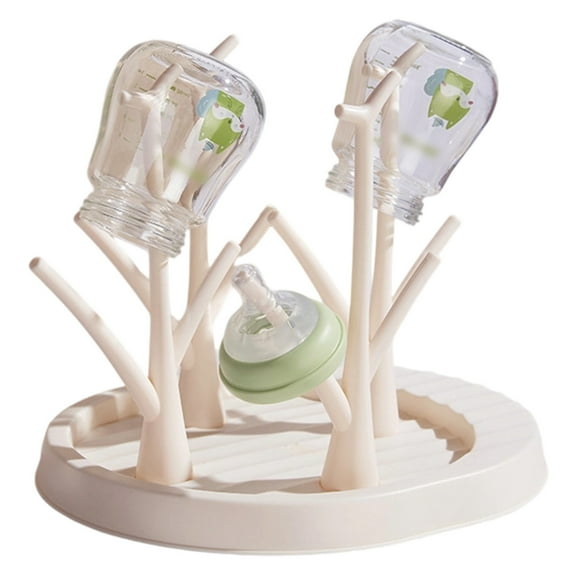
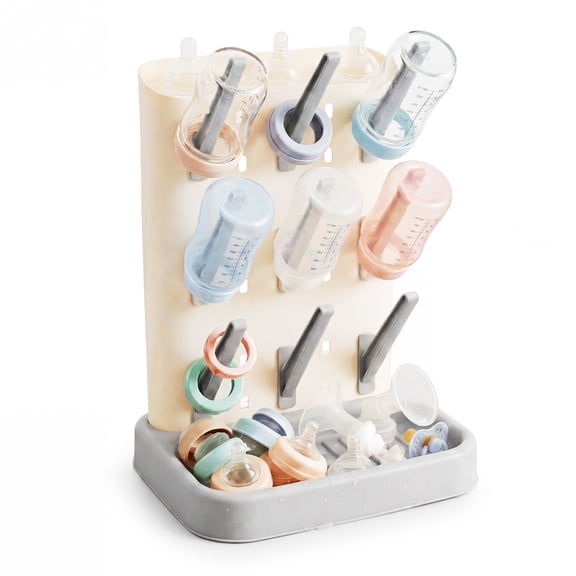
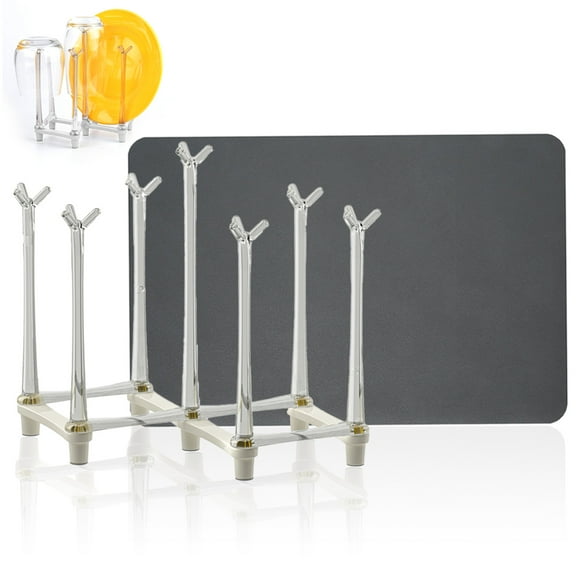
A vertical bottle drying rack uses upward pegs to hold bottles with a smaller footprint. If you need a space saving bottle drying rack, you can keep more pieces upright in less space.
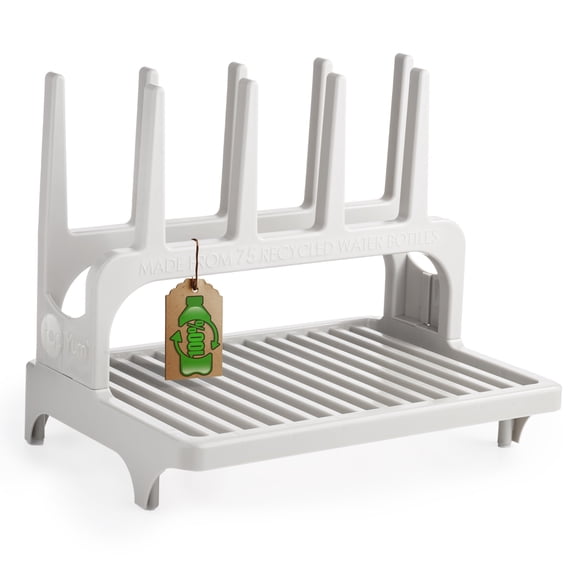
A flat tray design suits you when you want a lower profile and a clear view. You can place shorter items across the surface without reaching around taller posts.
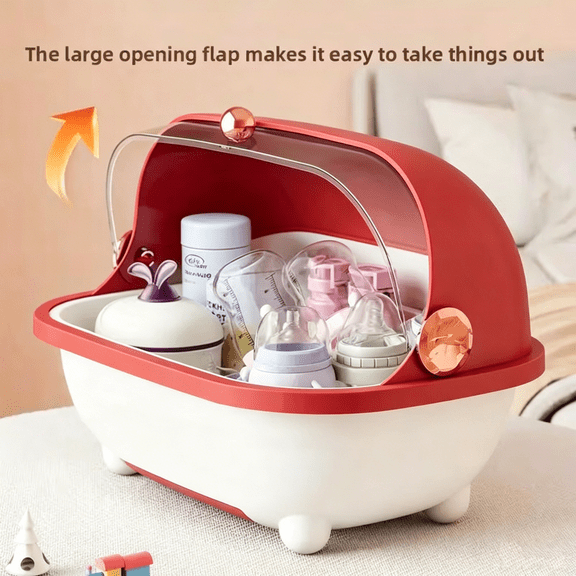
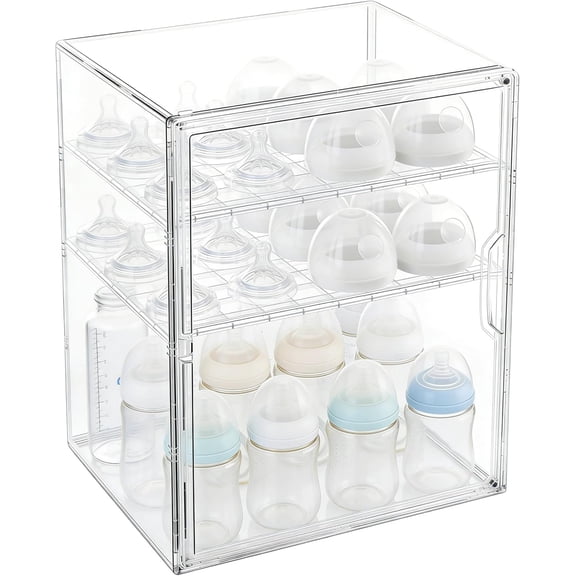
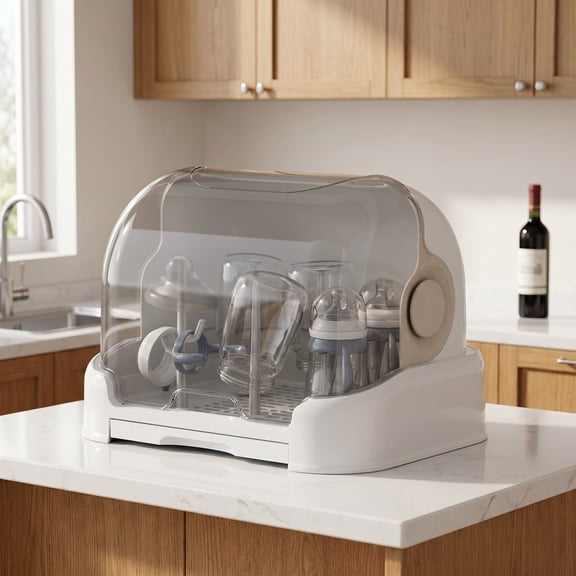
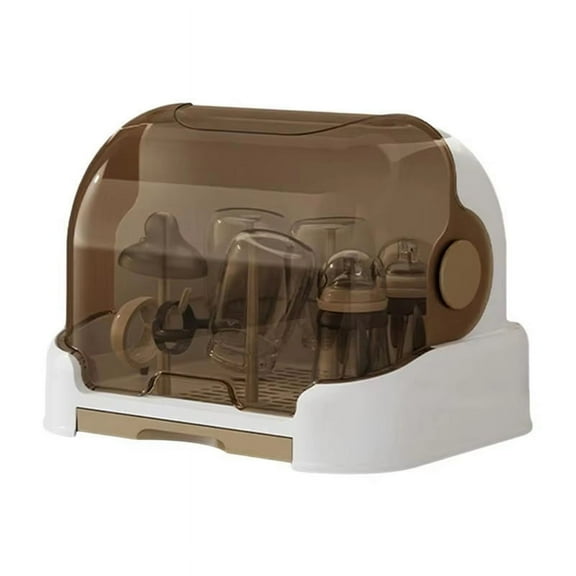
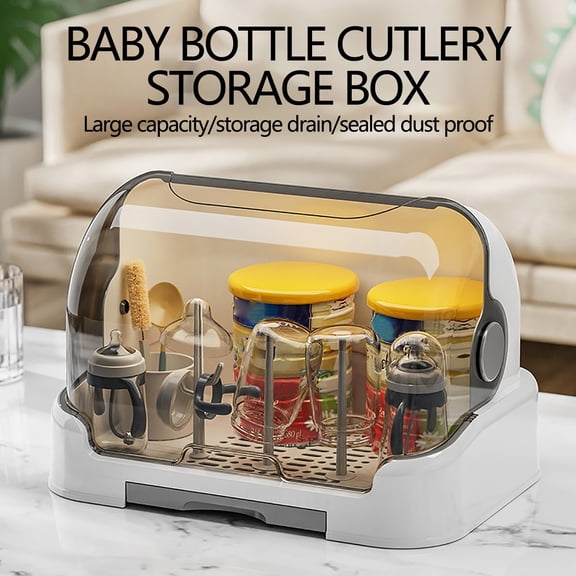
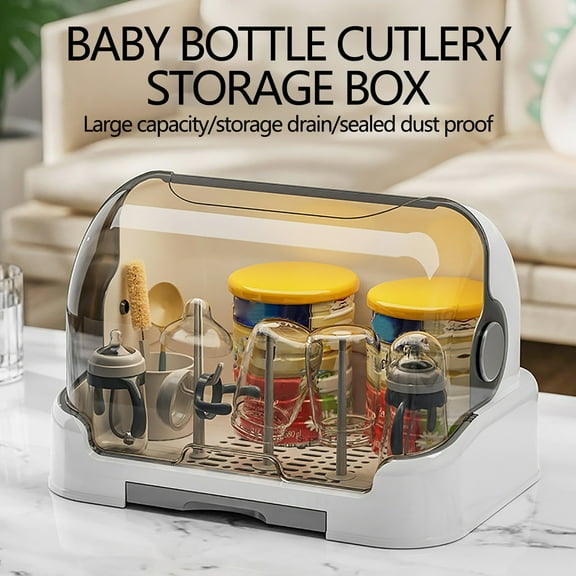
A covered cabinet style may fit your routine when you prefer a tidier countertop look. You can keep drying items grouped in one station with built-in ventilation openings.
Comparing materials and cleaning needs
You should check materials closely because they affect feel, cleanup, and daily handling. In this category, you may notice BPA-free plastic, stainless steel, and silicone baby bottle drying rack options.
BPA-free plastic often gives you lightweight handling and simple wipe-down care. If you wash bottles several times daily, you can move it easily between the sink and counter.
Silicone pieces can give you a softer surface for smaller accessories and removable mats. You can rinse them quickly, and you may find textured layouts that help separate little parts.
Stainless steel frames can suit you when you want a structured look and steady support. You can pair that frame style with trays or peg inserts that organize feeding gear.
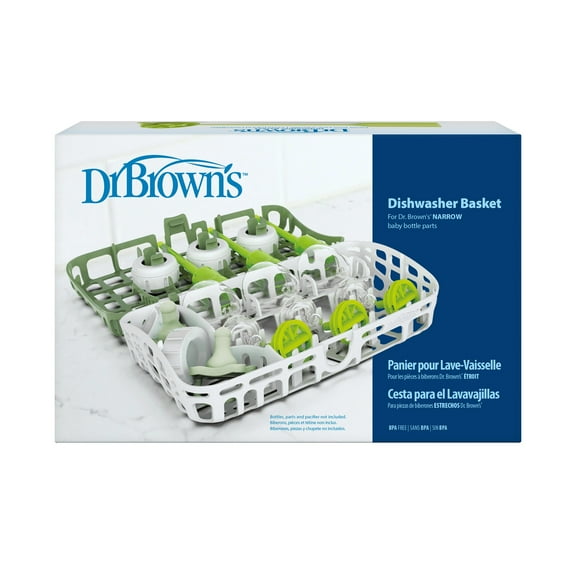
You should also check whether parts separate for dishwasher cleaning or need hand washing. When pegs, trays, and mats come apart easily, you can simplify cleanup without extra tools.
- You can choose lightweight plastic when easy daily handling matters.
- You can consider silicone inserts when you want flexible placement for small parts.
- You can look for removable pieces if dishwasher cleanup matters in your routine.
- You can compare open and covered designs based on your counter setup.
Checking capacity and drainage details
You should match rack size to your feeding routine instead of choosing by looks alone. When you estimate how many items dry after each wash, you can avoid an overcrowded setup.
A compact or travel size works for you when you wash a few bottles at a time. You can tuck it beside the sink or pack it for overnight stays.
Standard capacity racks usually fit six to eight bottles with room for smaller parts. You can keep your daily setup organized without taking over the whole countertop.
High-capacity designs can hold 12 or more bottles, plus collars, nipples, and pump components. If you batch wash feeding gear, you can keep everything in one drying area.
You should also compare peg spacing and tray width, not just stated bottle counts. With thoughtful spacing, you can fit wide bottles, short bottles, and toddler cups more comfortably.
Drainage matters because you want water moving away from drying items instead of collecting underneath. When airflow stays open between parts, you can support efficient drying and a cleaner countertop setup.
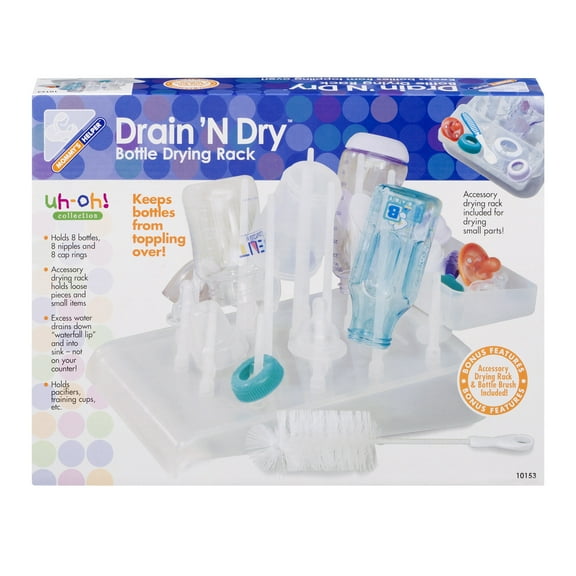
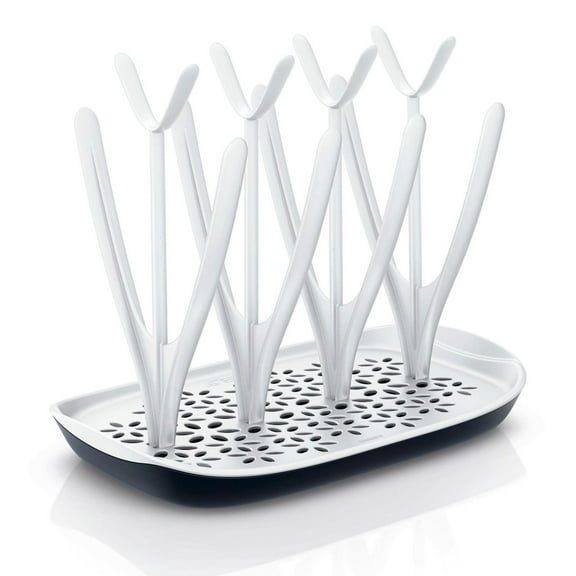
A bottle drying rack with tray can collect drips under elevated pegs or mats. You can remove the tray for quick emptying, wiping, and sink-side rinsing.
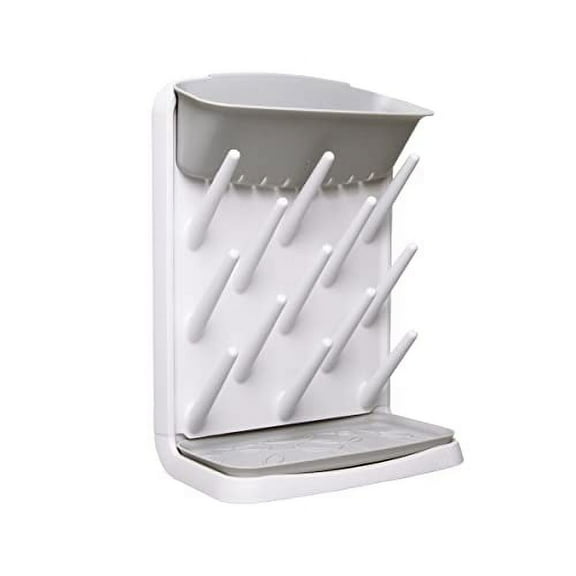
Self-draining pegboards guide water toward the sink area instead of letting it sit on the base. You can keep your counter dry when the layout channels moisture in one direction.
A reversible reservoir gives you more flexibility when your sink sits on either side. You can rotate the drain setup to match your counter arrangement with less guesswork.
Using your rack for everyday feeding gear
You may want one rack that supports several feeding stages, not only newborn bottles. Many designs help you dry pump shields, pacifiers, snack cup lids, straws, and toddler cups.
Tree-style pegs can help you separate bottle bodies from collars and nipples by level. During busy mornings or evenings, you can spot matching parts more easily.
Lawn and tray styles can work well for accessories that do not hang neatly. You can place valves, spoons, and cup tops flat without them slipping between taller posts.
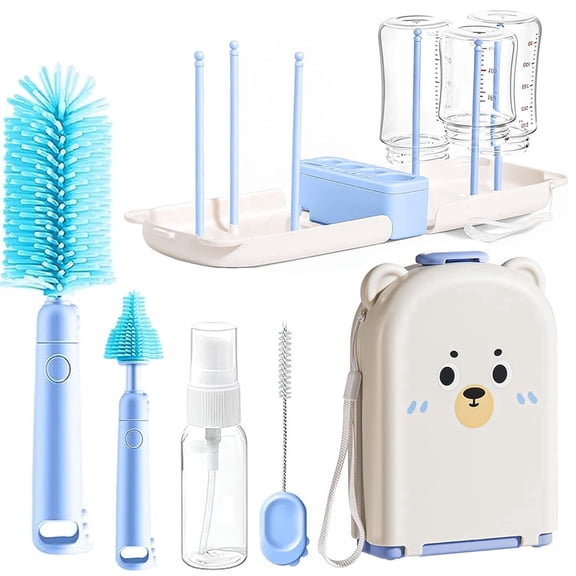
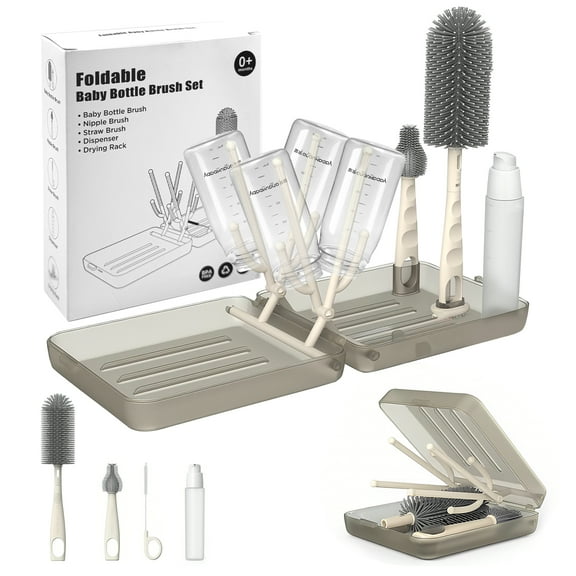
If you travel often, you should consider a compact bottle drying rack with folding parts. You can set up a familiar drying station in hotels, rentals, or family homes.
When you want a cleaner-looking counter, you can choose a covered design or a smaller countertop bottle drying rack. You can keep feeding items organized without spreading them across towels.
Cleaning and maintenance tips for daily use
You should clean your rack regularly so your setup stays neat and ready between washes. Simple shapes and removable components can help you simplify upkeep in a busy routine.
Some racks let you separate pegs, trays, and mats for more complete washing. You can reach corners more easily than you can with fixed one-piece designs.
You should check product details for dishwasher-safe parts if that matters to you. You can also compare smooth surfaces and textured ones when you want simpler hand cleaning.
Your choice comes down to space, capacity, drainage, and cleanup that fits your routine. You can feel confident choosing a rack that keeps bottles and small parts upright, organized, and ready for the next wash.