


Stone Landscape Edging in Landscape Edging




























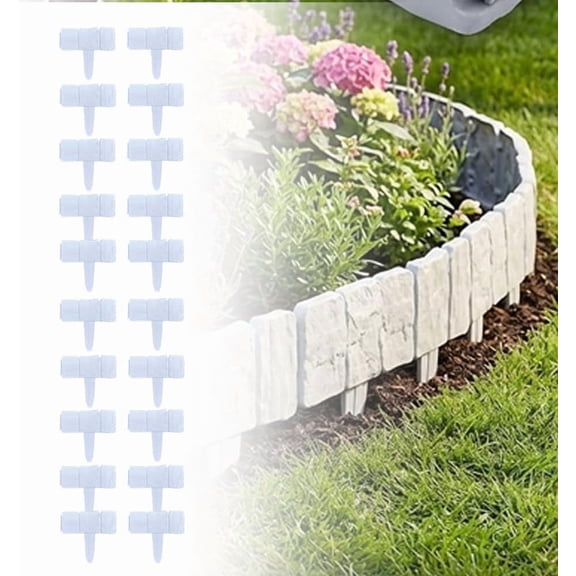


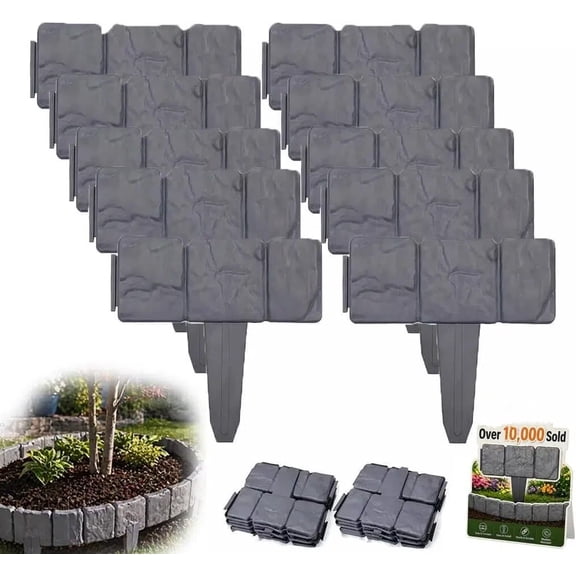


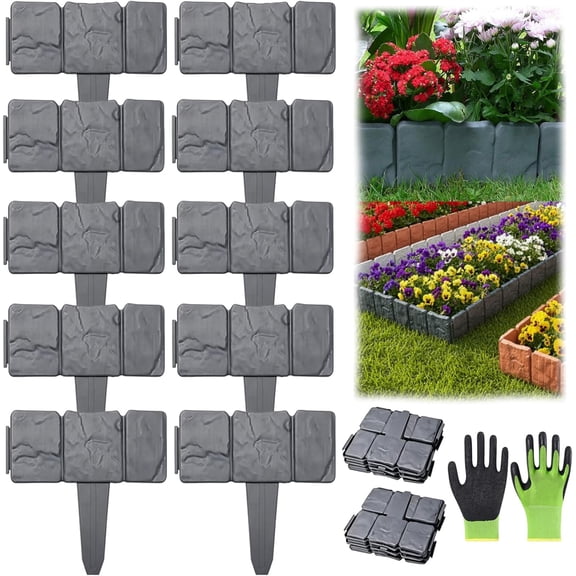


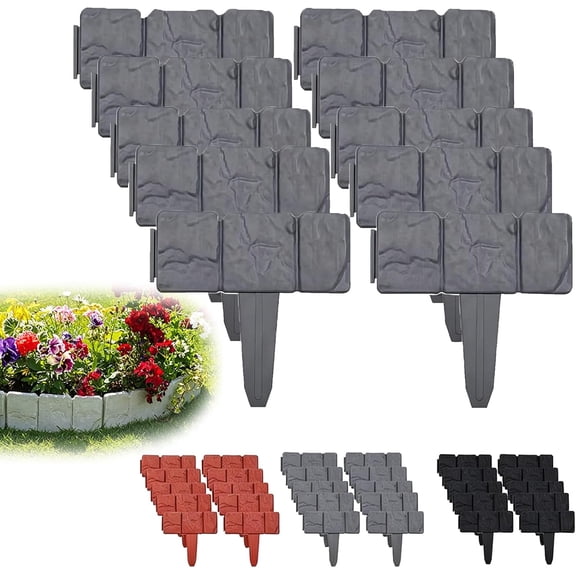


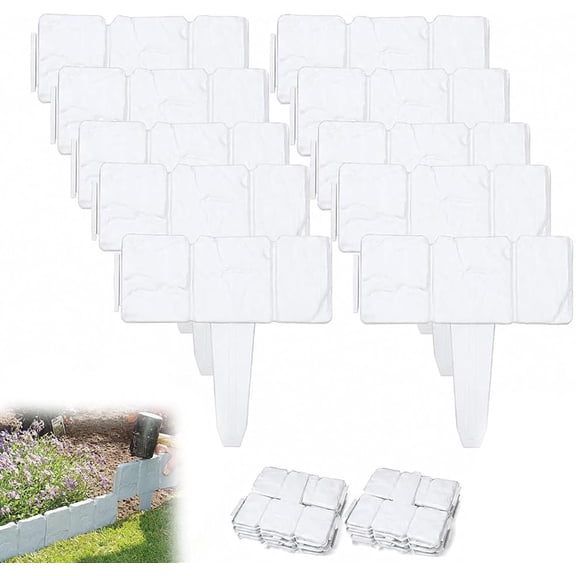


About Stone Landscape Edging in Landscape Edging - Walmart.com
With stone landscape edging, you can give your beds, paths, and tree rings a clean outline through every season. You can also compare natural stone, faux stone, and concrete looks to match your yard and installation plan.
Choosing the right stone landscape edging for your yard
When you choose edging, you’re deciding how your lawn meets mulch, gravel, or planting soil. You’ll notice the right border helps your spaces look tidy and keeps design lines easier to maintain.
Because this category includes several material and installation types, you can narrow options by how permanent you want the edge to feel. You can also compare height, depth, and finish before you commit to a layout.
- You can create crisp bed lines around flowers, shrubs, and walkways.
- You can help mulch stay where you place it during routine yard care.
- You can match your border to pavers, patios, and retaining features.
- You can choose simple installation styles for straight runs or curved beds.
How to compare material types and finishes
Natural stone gives you a classic, varied look, and you’ll often see unique texture from piece to piece. If you want an organic finish beside planting beds, you may prefer that irregular appearance.
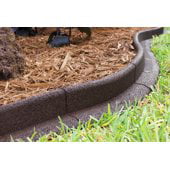
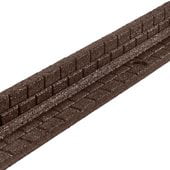
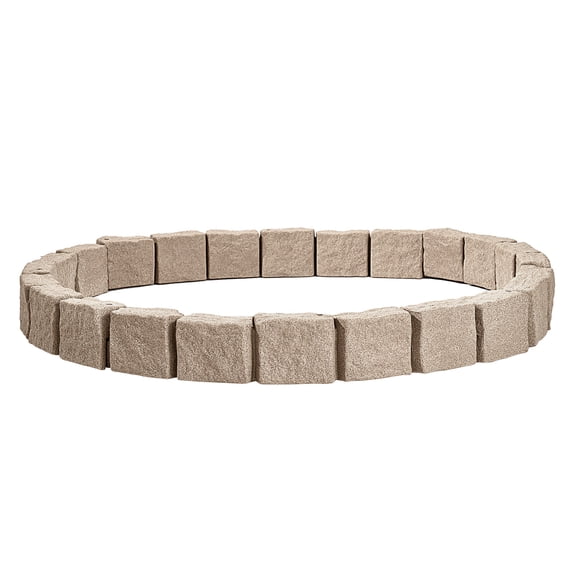
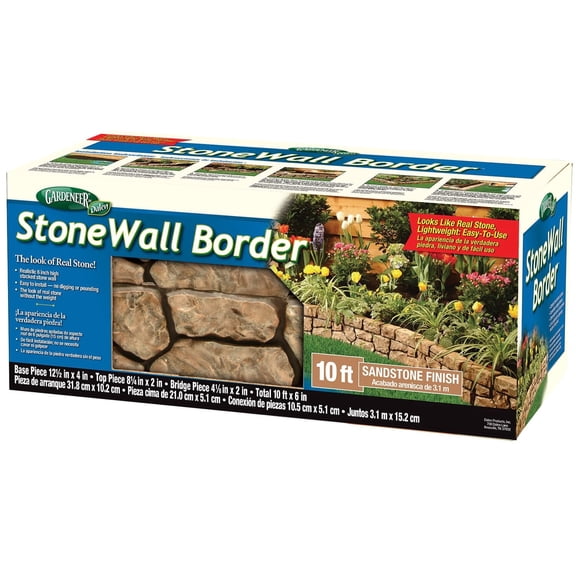
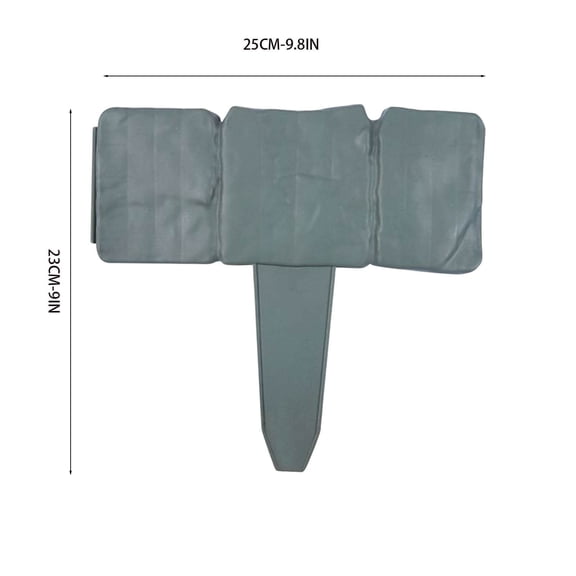
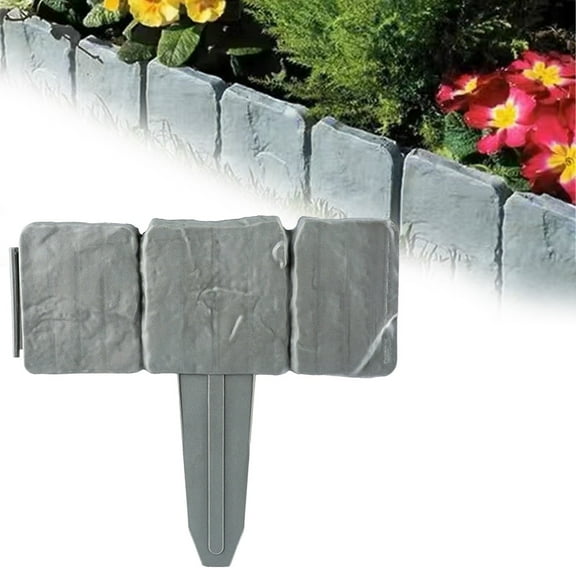
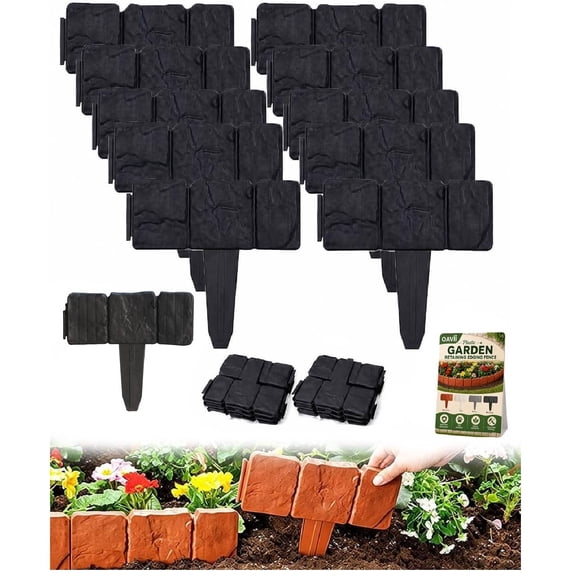
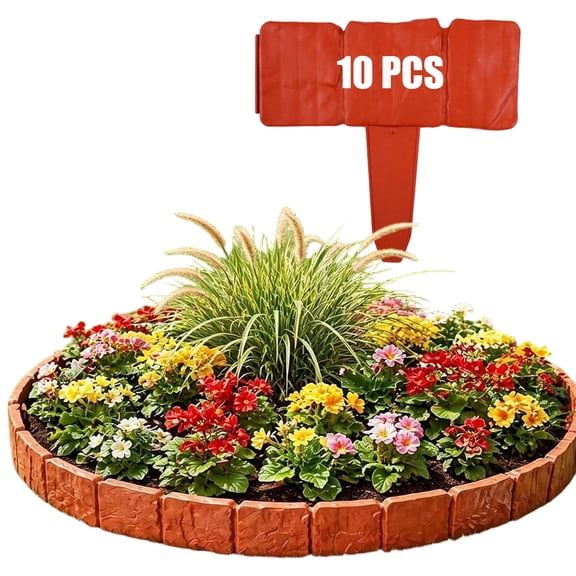
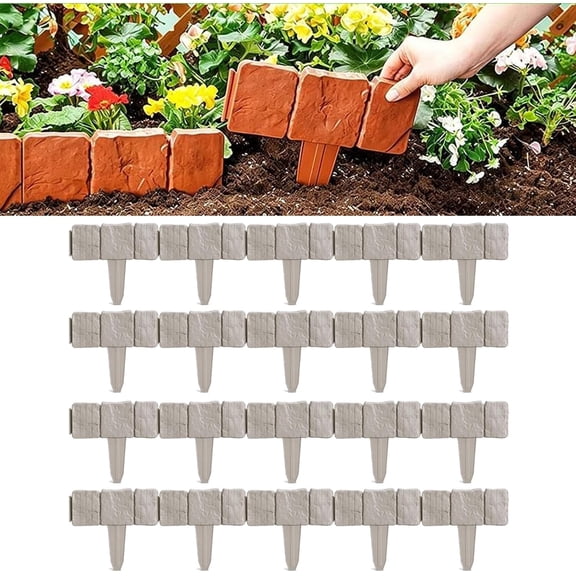
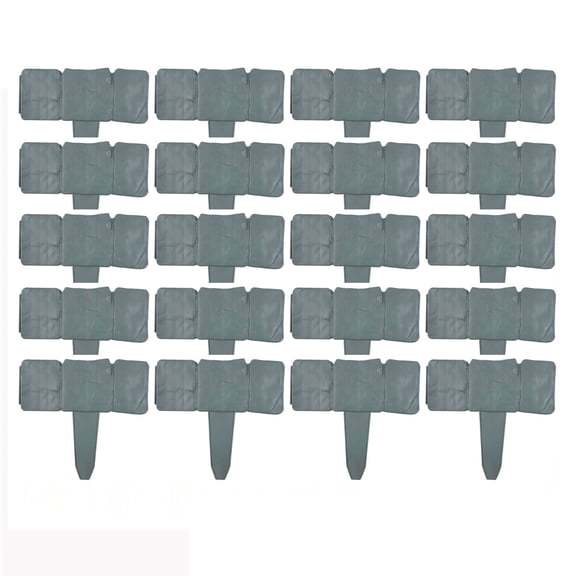
Faux stone edging gives you a stone-inspired look with lighter handling during setup. If you want a consistent profile for long borders, you may find that molded shape easier to align.
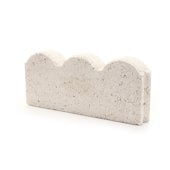
Concrete styles can give you a solid, uniform edge that works well near pavers and patios. If you want a more structured layout, you may like the cleaner lines concrete often provides.
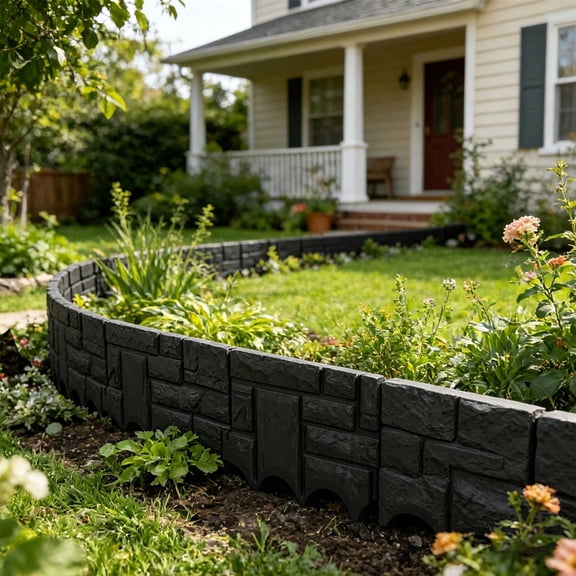
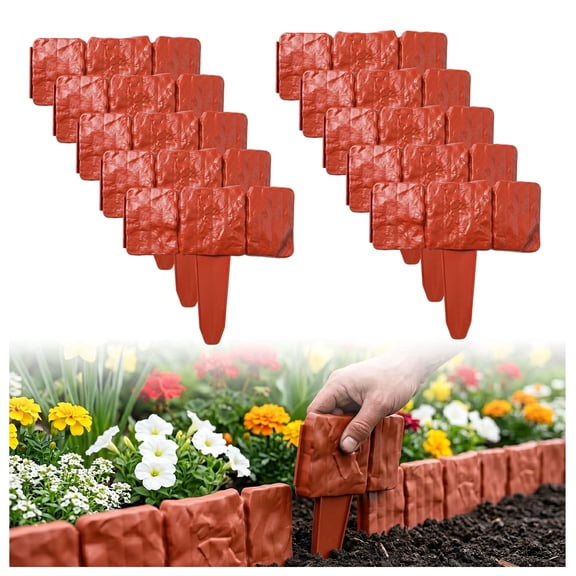
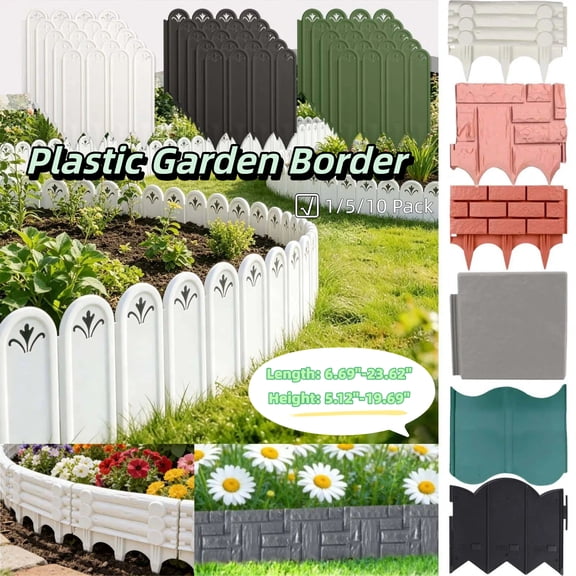
Slate and granite looks help you coordinate edging with darker hardscaping or modern garden plans. If your yard uses gray, charcoal, earth tones, or terracotta, you can compare finishes for a more connected design.
When you compare durability, look for UV resistance if your border gets strong sun most days. You should also check frost-shatter resistance if your edging stays outdoors through freezing weather.
Choosing installation type and border height
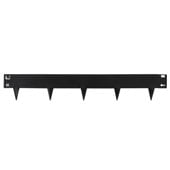
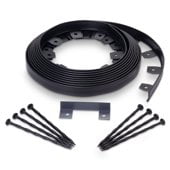
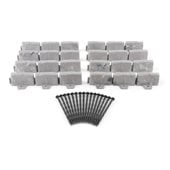
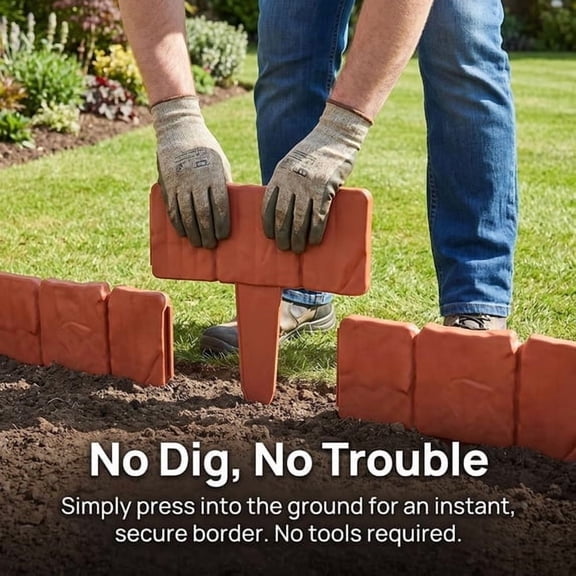
No-dig and hammer-in styles work well if you want a simpler project with fewer tools. You can usually outline curves quickly when you don’t need full trenching along the entire bed.
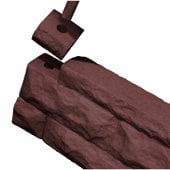
Interlocking pieces help you connect sections in a more guided pattern. If you want repeatable spacing on longer runs, you may prefer that built-in fit.
Stacked styles can give you a layered look with more visual weight along wide beds. You should measure your border path first, because thicker profiles can change how much space the edge occupies.
Height matters when you want your edging to define a space and help separate mulch from grass. A 4-inch profile can suit low, subtle borders, while a 6-inch option can create a stronger visual break.
Low-profile edging works well when you want the border to blend into the landscape instead of standing out. If you need more visible separation, you may want a taller stone garden border.
What to look for in a stone garden border
You should measure straight runs, corners, and curves before you compare pack sizes or individual pieces. That step helps you estimate how many sections your project may need for a finished perimeter.
If your bed holds mulch on a slope, you may want more depth or a more anchored style. If your border mainly defines a path edge, you may prefer a lower profile.
You can also compare texture and shape based on your surrounding surfaces. A cobblestone garden edging look can pair well with traditional walkways, while smoother lines can fit more modern spaces.
For a rock garden border, you may want tones that blend with gravel, decorative stone, or larger boulders. If your patio uses pavers, you can compare edging colors that echo those nearby materials.
How you might use stone edging around your home
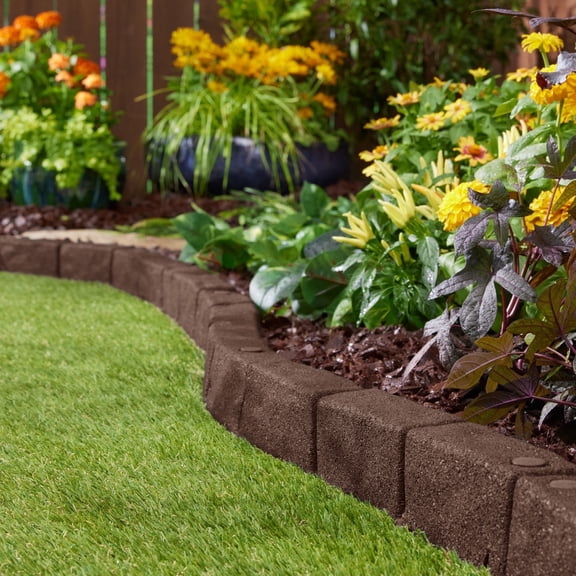
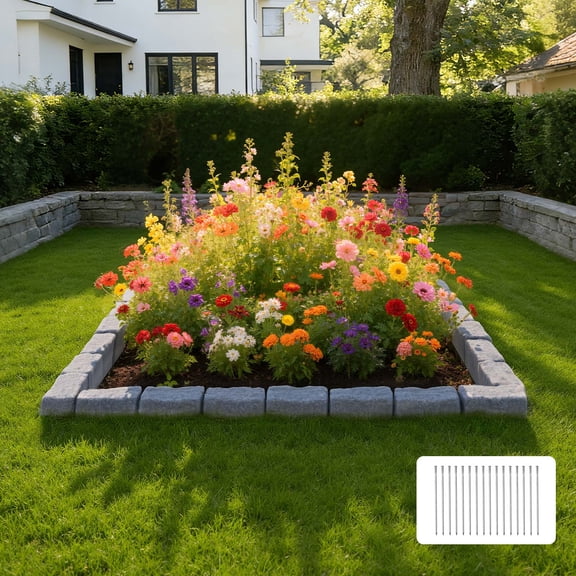
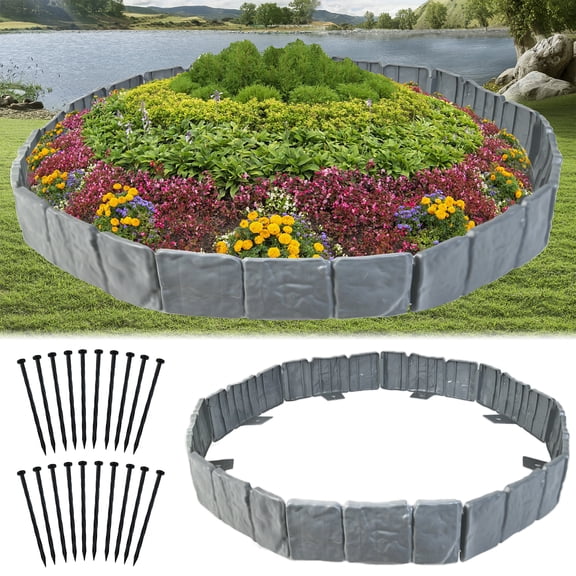
You can use edging around flower beds to separate blooms from turf and frame seasonal color. You can also outline shrubs and foundation plantings for a neater front-yard appearance.
Along pathways, you can create a clearer transition between gravel, stepping stones, and lawn. If your walkway curves, you may prefer pieces that adapt more easily to bends.
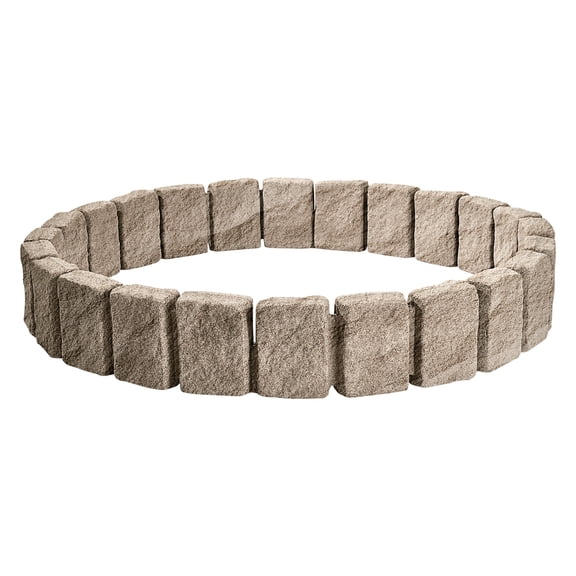
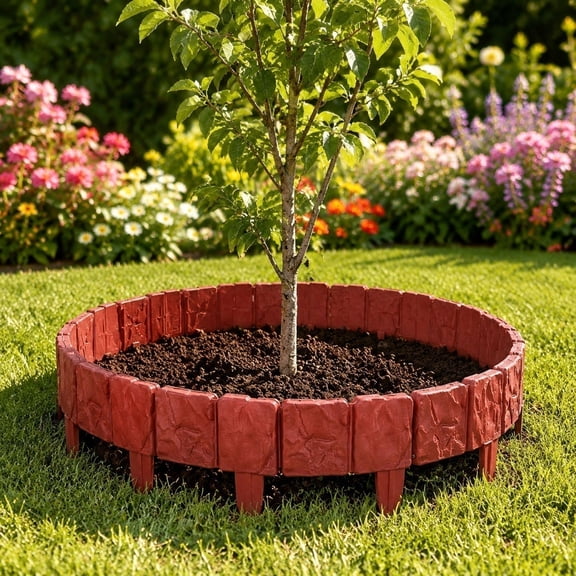
Around trees, you can shape a ring that visually anchors the trunk and defines mulch placement. If you’re refreshing older beds, faux stone edging can update the border without a heavy masonry look.
Near patios or garden pavers, you can build a coordinated edge that ties hardscaping together. You can also plan your project alongside mulch and soil or landscape fabric for a cleaner overall layout.
For larger yards, you may combine different profiles for front beds, side paths, and backyard planting zones. That approach lets you keep a consistent style while adjusting height and installation to each space.
Stone landscape edging installation questions
You may wonder whether every option needs trenching, and the answer depends on the installation style you choose. You can often place no-dig or hammer-in options with less ground prep than stacked layouts.
You may also ask how to pick between natural and molded looks for your project. If you want variation, natural stone may suit you, while faux stone edging can suit you if you want more uniform lines.
When you’re matching existing hardscaping, you should compare color, profile, and surface texture together. That simple check can help your edging feel intentional instead of separate from the rest of your yard.
With the right stone landscape edging, you can create clearer borders, easier-to-read garden zones, and a finished look that suits your yard’s layout. You can feel more confident choosing materials, heights, and installation styles that fit your project from the start.