

Shoe Storage & Organizers


























About Shoe Storage & Organizers - Walmart.com
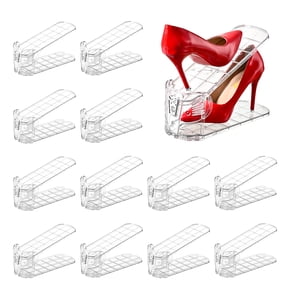
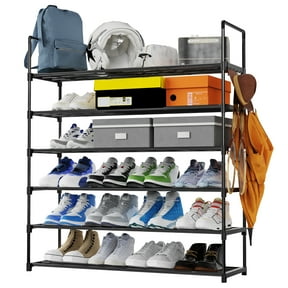
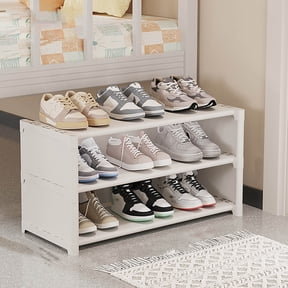
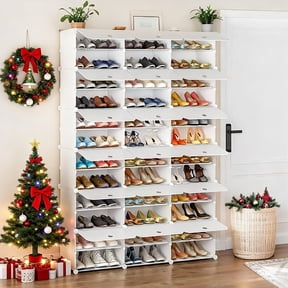
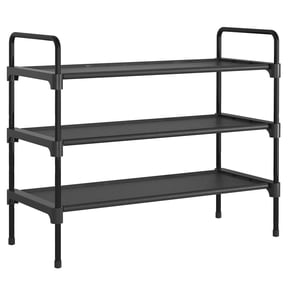
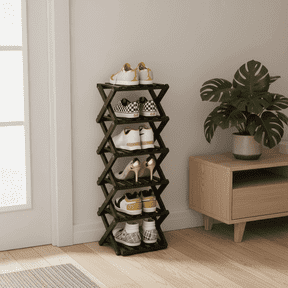
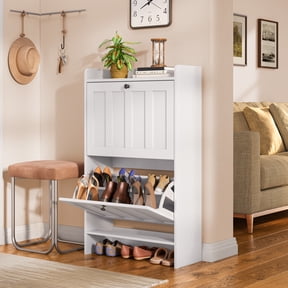
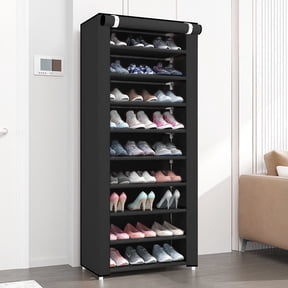
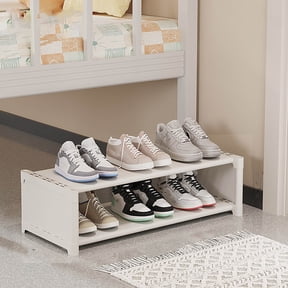
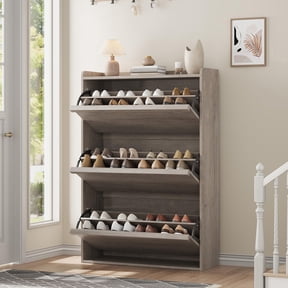
Shoe racks help you keep pairs visible, sorted, and easy to grab in busy spaces. You’ll notice options for entryways, closets, bedrooms, and over the door storage.
Choosing shoe racks by placement and daily routine
You should start with placement, because your room shape affects which design feels practical each day. You may prefer a closet shoe rack for tucked-away storage, or you may need entryway shoe storage in plain sight.
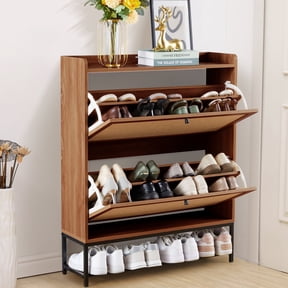
If you’re furnishing an entryway, you should consider a freestanding unit with a clean profile and open access. If you’re organizing a bedroom or closet, you may prefer stackable tiers that use vertical space.
For over the door storage, you should check door clearance and hanging depth before you choose. You’ll want pockets or slim shelves when your floor space feels limited. You can also use bedroom storage to keep everyday pairs off the floor.
How a shoe organizer supports everyday order
You can reduce floor piles when your shoes have a defined home after work, school, or weekend outings. You’ll also spend less time matching pairs when each shelf keeps styles separated.
- You can sort sneakers, flats, sandals, and boots by season or household member.
- You can keep often-used pairs near the door for quick morning routines.
- You can use vertical shelves to open up more visible floor area.
- You can separate indoor shoes from outdoor pairs with clear daily access.
You may also prefer a shoe storage rack that keeps muddy soles away from bedroom flooring. You’ll find that open tiers make it easy to spot missing shoes quickly.
When you share a hallway or closet, you can assign each shelf by person or shoe type. You’ll create a simple routine when everyone knows where pairs belong. You can also rotate seasonal shoes without mixing daily pairs.
Comparing capacity, footprint, and design types
You should match capacity to your collection instead of guessing from shelf count alone. You may need a small unit for under 10 pairs. You may choose a medium unit for 10 to 20 pairs or a large shoe rack for 20 or more.
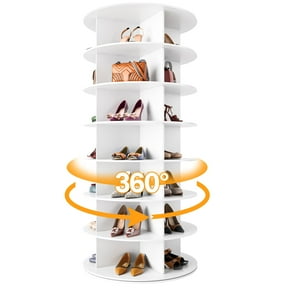
If you have limited floor space, you should compare footprint against height before you choose. You’ll often fit more pairs with narrow vertical designs than with wide low shelves.
You can choose freestanding racks when you want open access and flexible placement around your home. You may choose hanging styles or over the door formats when your floor area needs to stay open.
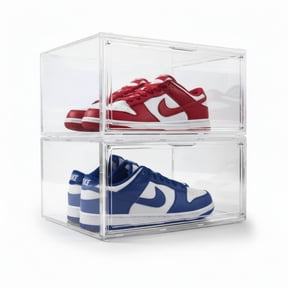
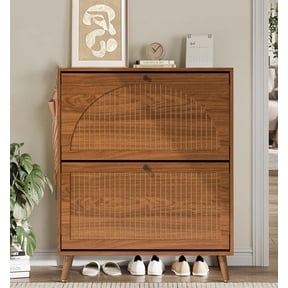
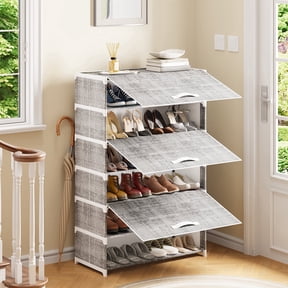
For family spaces, you should consider cabinet styles if you want shoes less visible from the room. You may prefer open shelving when you want quick drying and easy pair matching. You can also compare stackable frames when your collection keeps growing.
What to look for in shoe racks by material
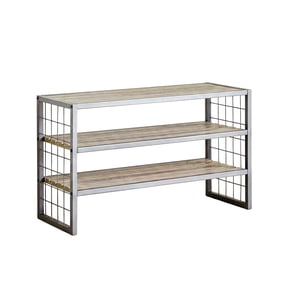
You should compare material based on where the rack will live and how often you’ll move it. You may like a wooden shoe rack when you want a warm look in bedrooms or entryways.
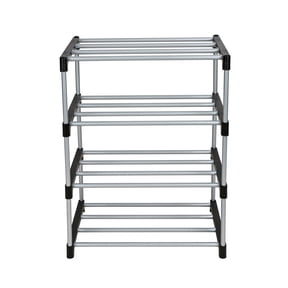
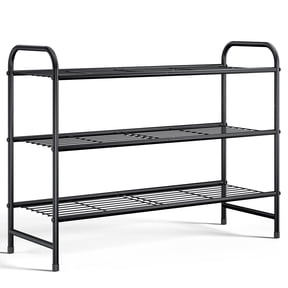
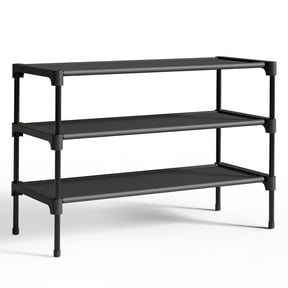
If you need a lightweight option, you may choose a metal shoe shelf that feels easy to reposition. You’ll often see metal frames paired with open tiers that keep the look simple.
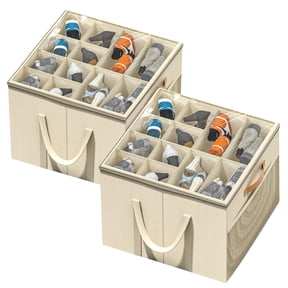
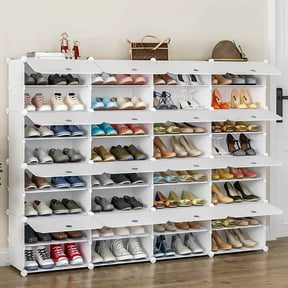
You can also find plastic and fabric options when you want flexible storage for closets or temporary setups. You should check shelf style, frame shape, and surface finish to match your room.
For busy households, you should think about how shoes sit on each level, especially bulkier pairs. You’ll want enough spacing between shelves for high-tops, wedges, or a seasonal boot organizer setup. You should also compare shelf depth if you store larger men’s shoes.
Checking assembly and everyday usability
You should review assembly details before you choose, especially if you want a quick setup. You may prefer tool-free designs for dorms, rentals, or frequent room changes.
If you don’t mind a few steps, you can choose styles that use hardware for a firm frame. You should also measure shelf width, rack depth, and clearance around doors or baseboards.
You can make daily use smooth by checking whether tiers are fixed, adjustable, or stackable. You’ll appreciate that flexibility when your collection changes between sandals, sneakers, and taller boots.
Matching a shoe storage rack to real rooms
You can place a compact shoe organizer by the front door when you rotate a few daily pairs. You may choose a medium freestanding rack when your household needs grab-and-go access. You can also use a cabinet design when you want a tidier look in shared spaces.
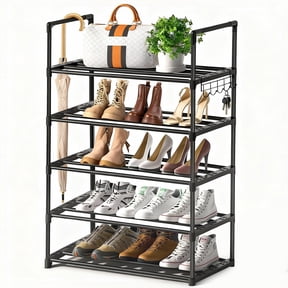
In a reach-in closet, you should consider stackable shelves that build upward without taking much width. You’ll keep dress shoes, workout pairs, and seasonal styles separated clearly.
For shared bedrooms, you may prefer a cabinet or fabric-covered option that looks tidy beside furniture. You can use a narrow vertical unit when corners or wall edges are your only open spots.
If your entry area includes boots, you should check shelf height before choosing a low-profile design. You’ll need extra clearance for rain boots, taller fashion styles, or winter footwear.
You can also use over the door storage when closets feel full and floor plans feel tight. You’ll gain extra shoe storage without adding another bulky piece to the room. You should choose shoe racks by balancing placement, capacity, material, and setup needs for a clean entryway, an organized closet, and quick access.