





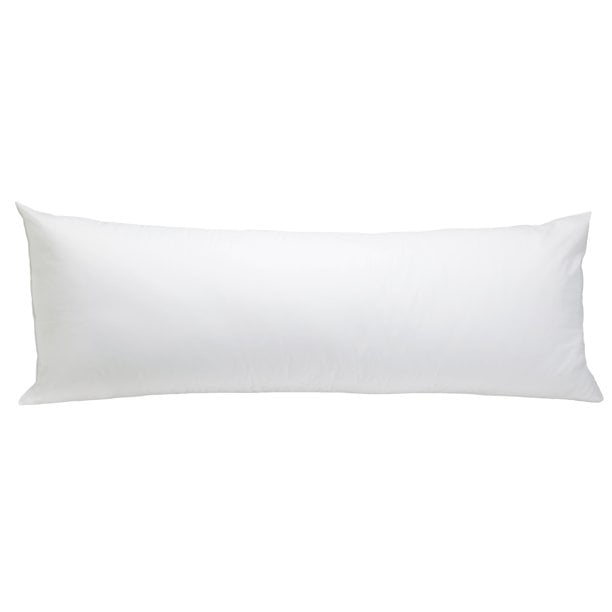
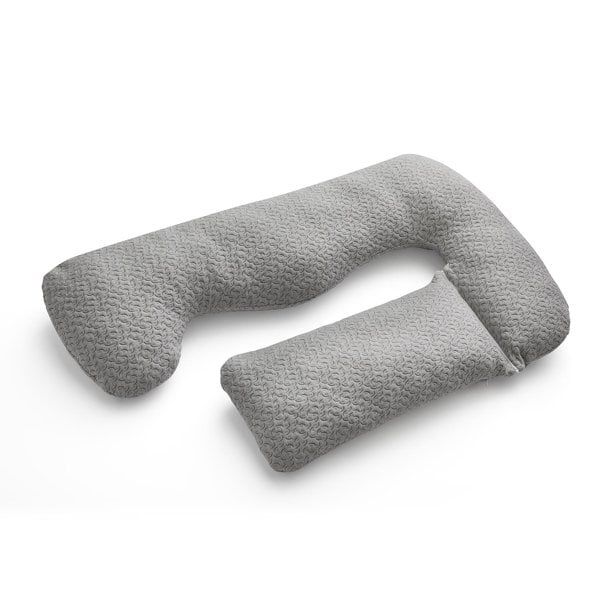
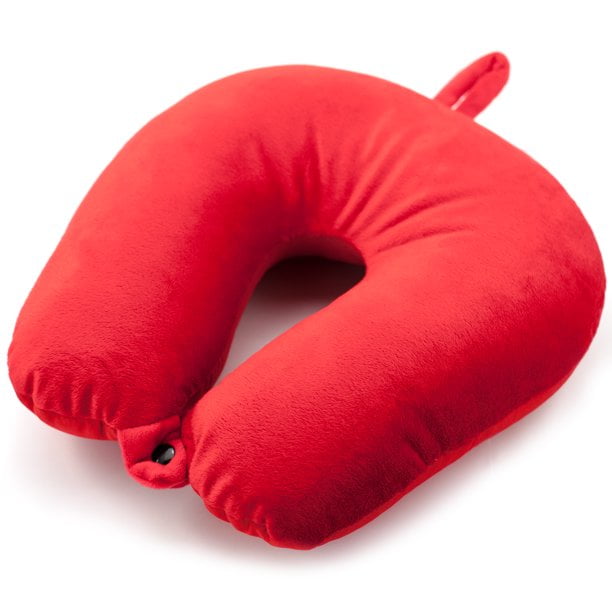


Body Pillows in Bed Pillows


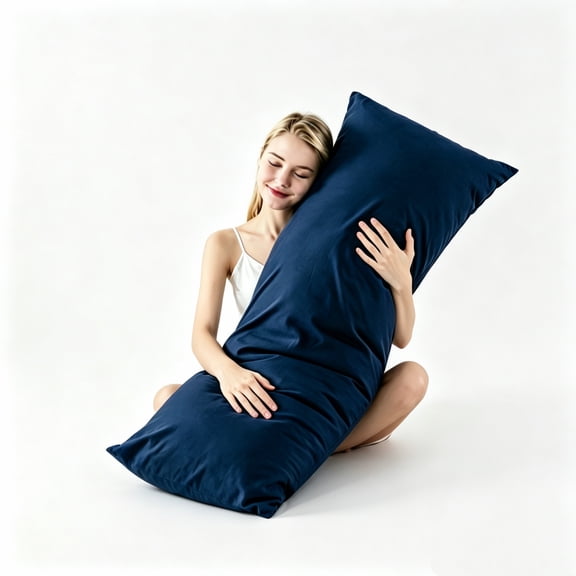


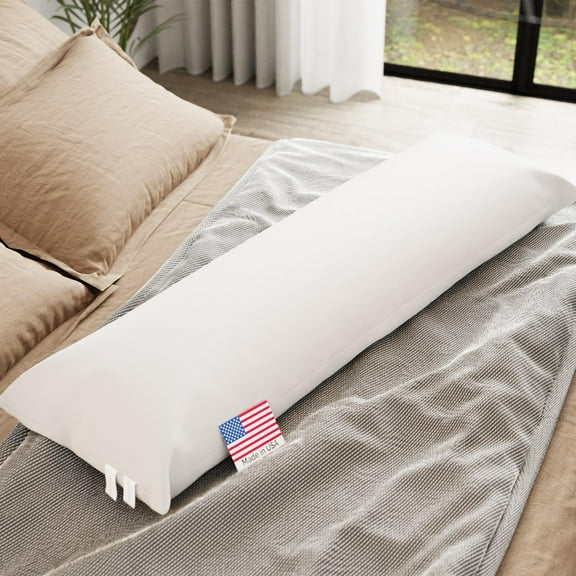


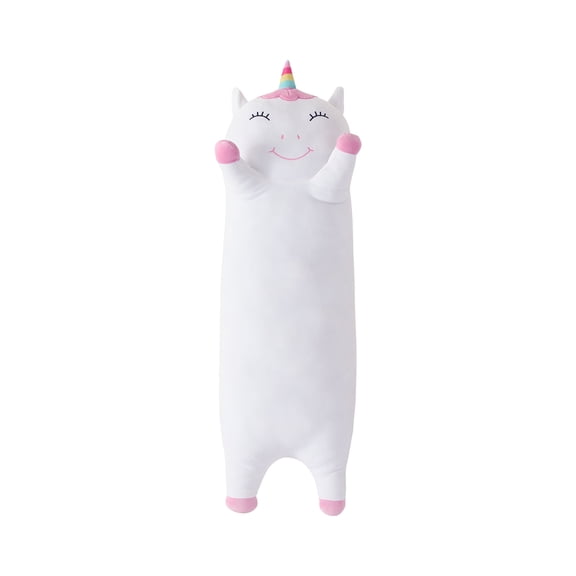













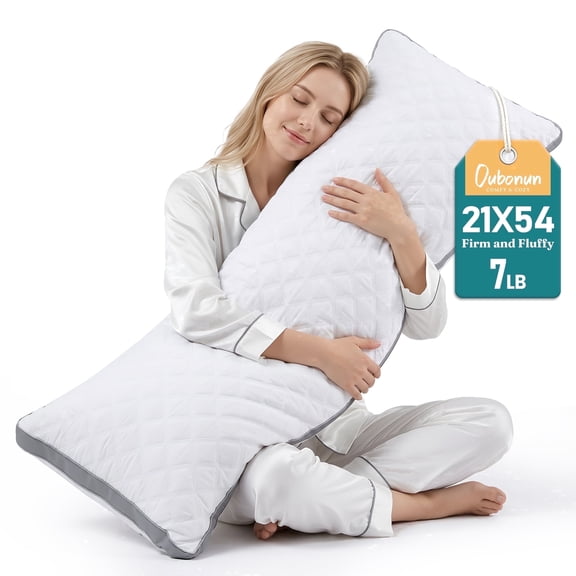


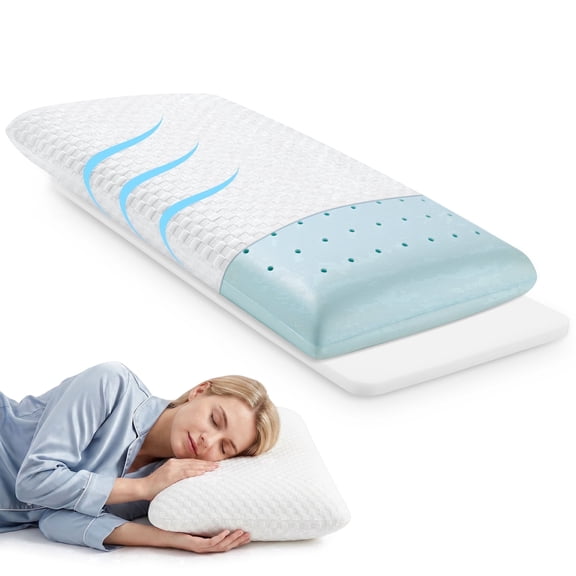





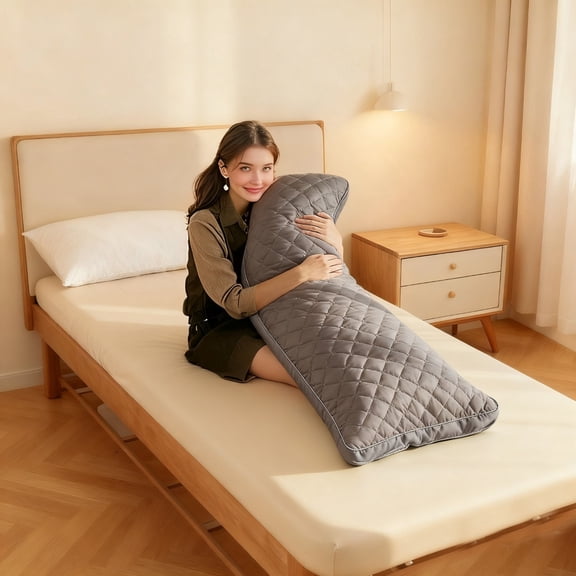


About Body Pillows in Bed Pillows - Walmart.com
Bed pillows for injury recovery help you compare support shapes, loft levels, and materials for steadier overnight comfort. You can use this guide to choose options that match your sleeping position and recovery routine.
How to choose bed pillows for support and recovery
You should start with the support goal that matters highly to your rest setup. You may need spinal alignment, elevated positioning, or a shape that keeps your neck and shoulders evenly placed.
When you compare therapeutic options, you’ll notice that shape creates a significant difference in how your head and upper back rest. You can use that change to narrow choices quickly and avoid a pillow that feels too flat or too high.
You can use this quick guide to focus on the details that matter highly. You’ll make comparisons simpler when you match each feature to your usual sleep habits.
- You can choose contour designs when your neck-to-shoulder angle needs structured support.
- You can consider wedge pillows when your routine calls for upper-body elevation in bed.
- You can compare cervical roll styles when you want targeted support under your neck.
- You can select traditional shapes when you want familiar comfort with recovery-focused fill options.
- You can check material types to balance cushioning, cooling feel, and steady support.
Choosing between orthopedic pillows and wedge pillows
You’ll want to compare pillow shape before you focus on cover style or size. You can usually feel a significant difference from contour, wedge, cervical roll, and traditional designs.
Contour orthopedic pillows can support the curve between your head, neck, and shoulders. You may prefer this shape when you want a defined cradle instead of a flat sleep surface.
Wedge pillows lift your upper body at an angle, which changes how you recline in bed. You can use that incline for reading, resting, or post surgery elevation support during downtime.
Cervical support pillows and cervical roll designs place support directly under your neck area. You may look for these styles when your pillow choice depends on cervical alignment and a steadier head position.
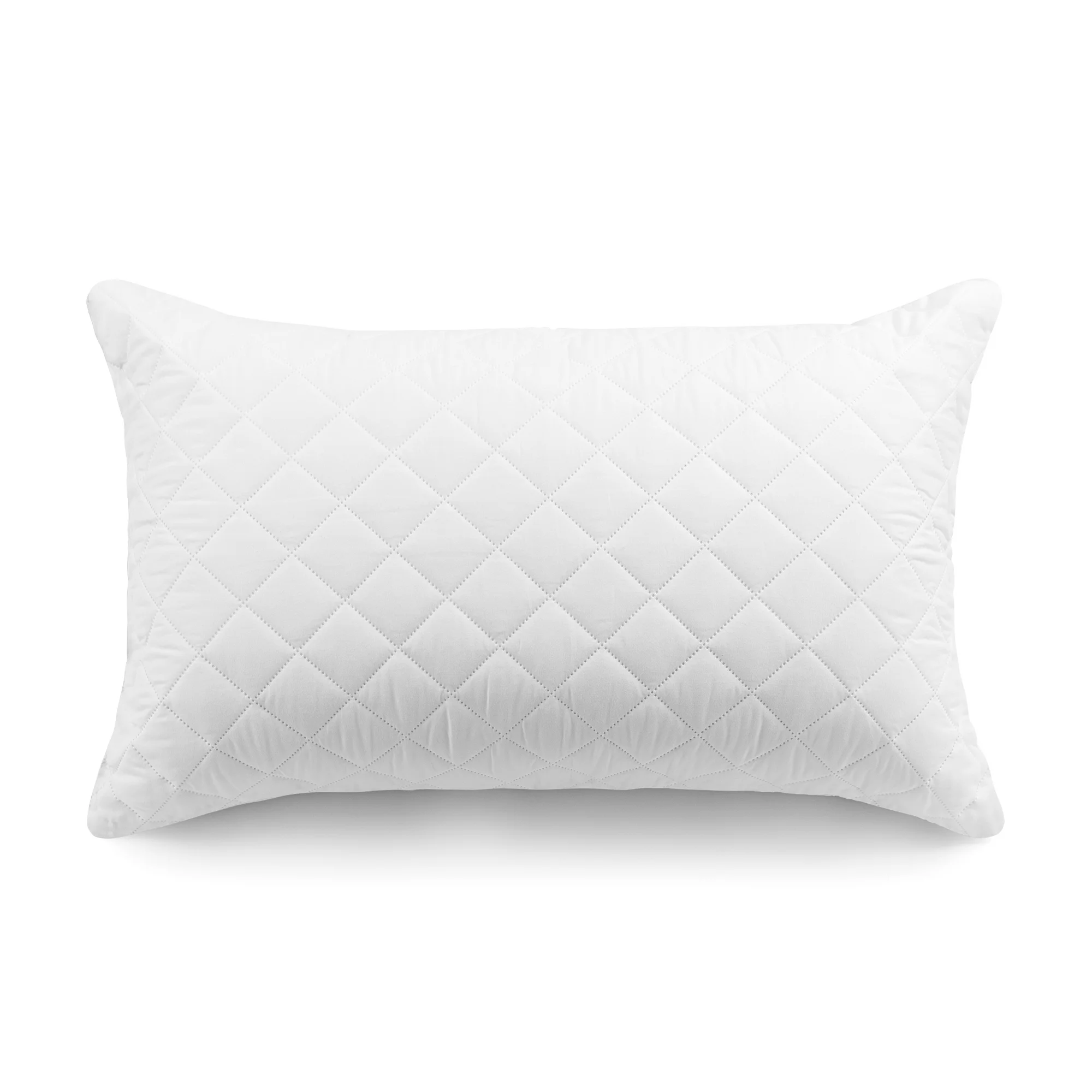
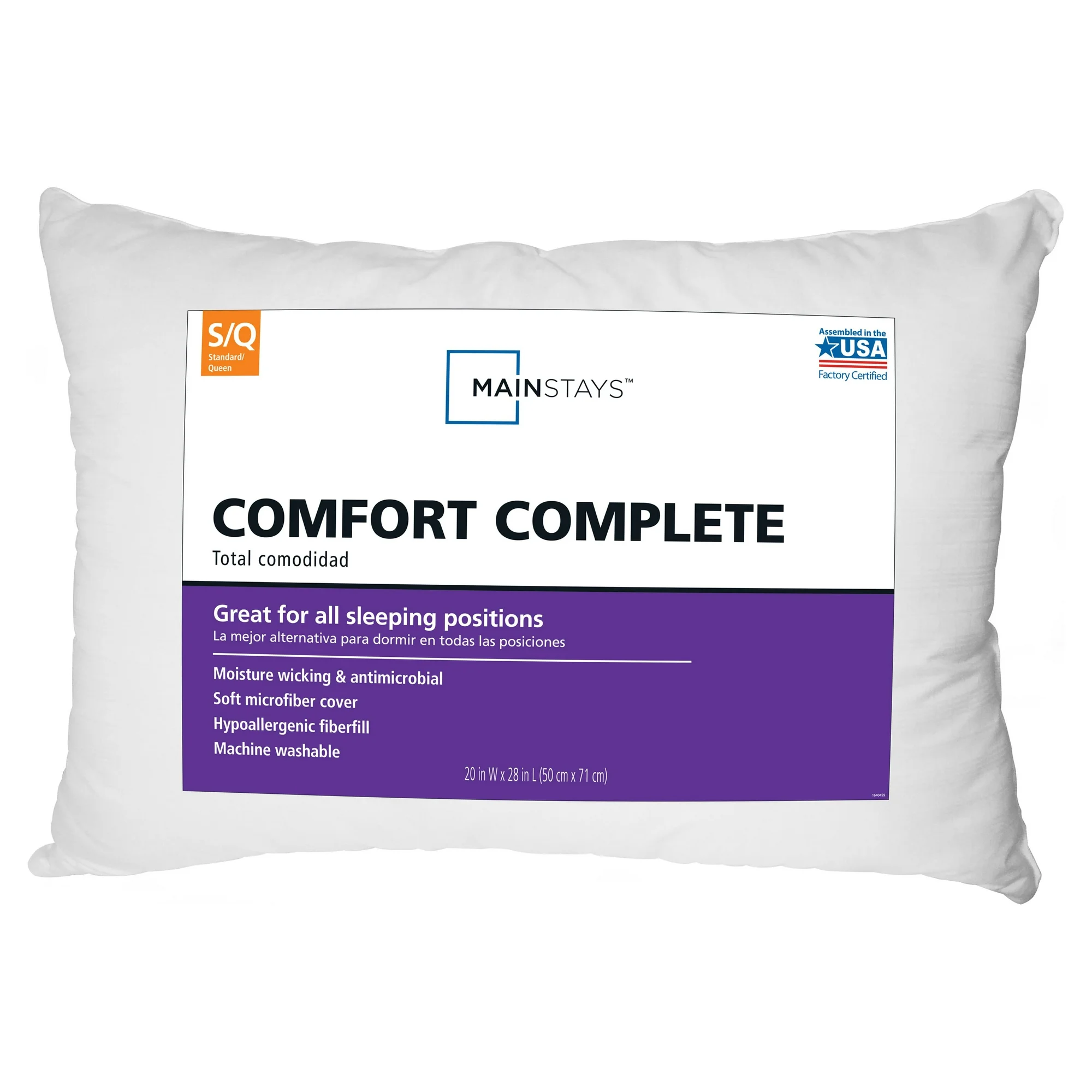
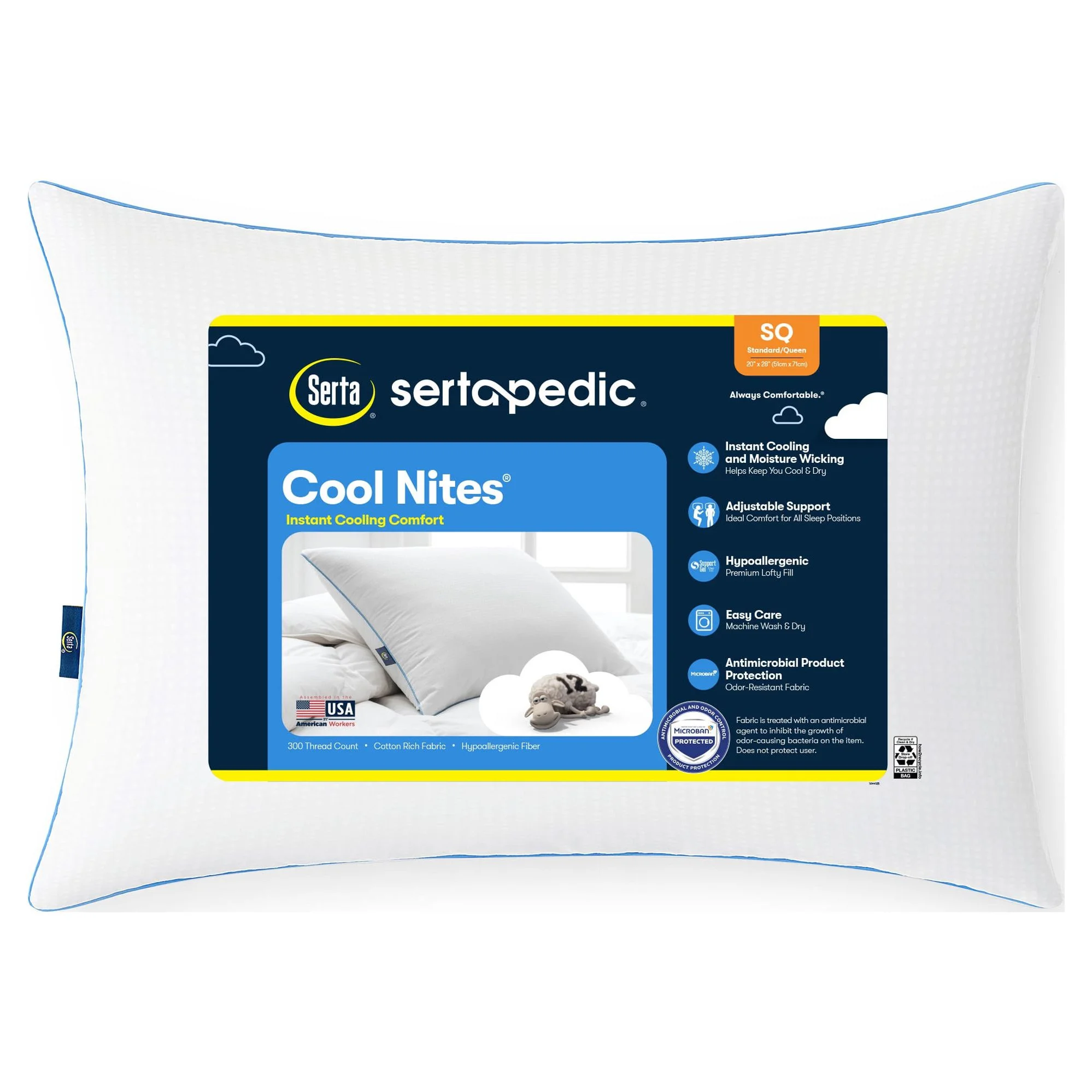
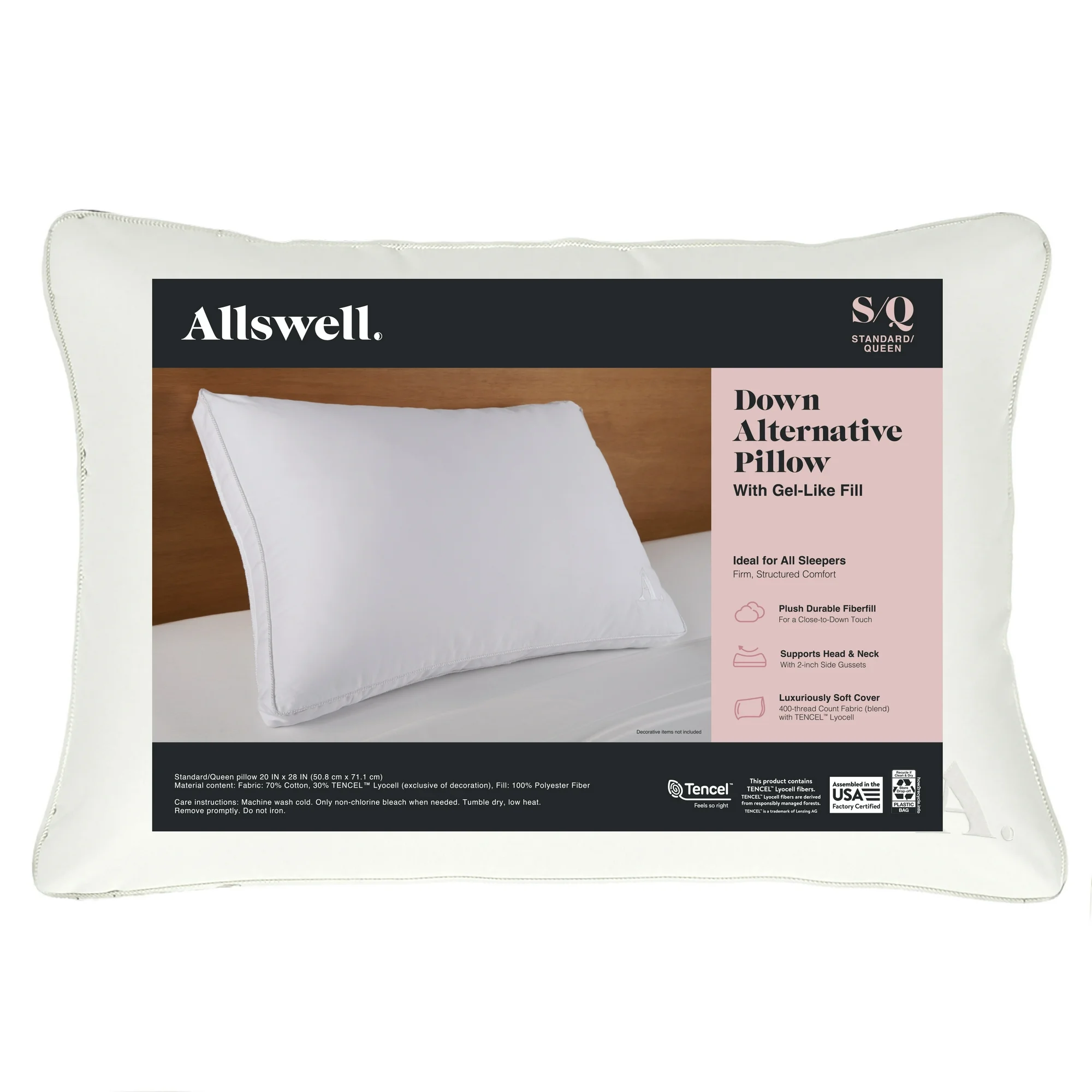
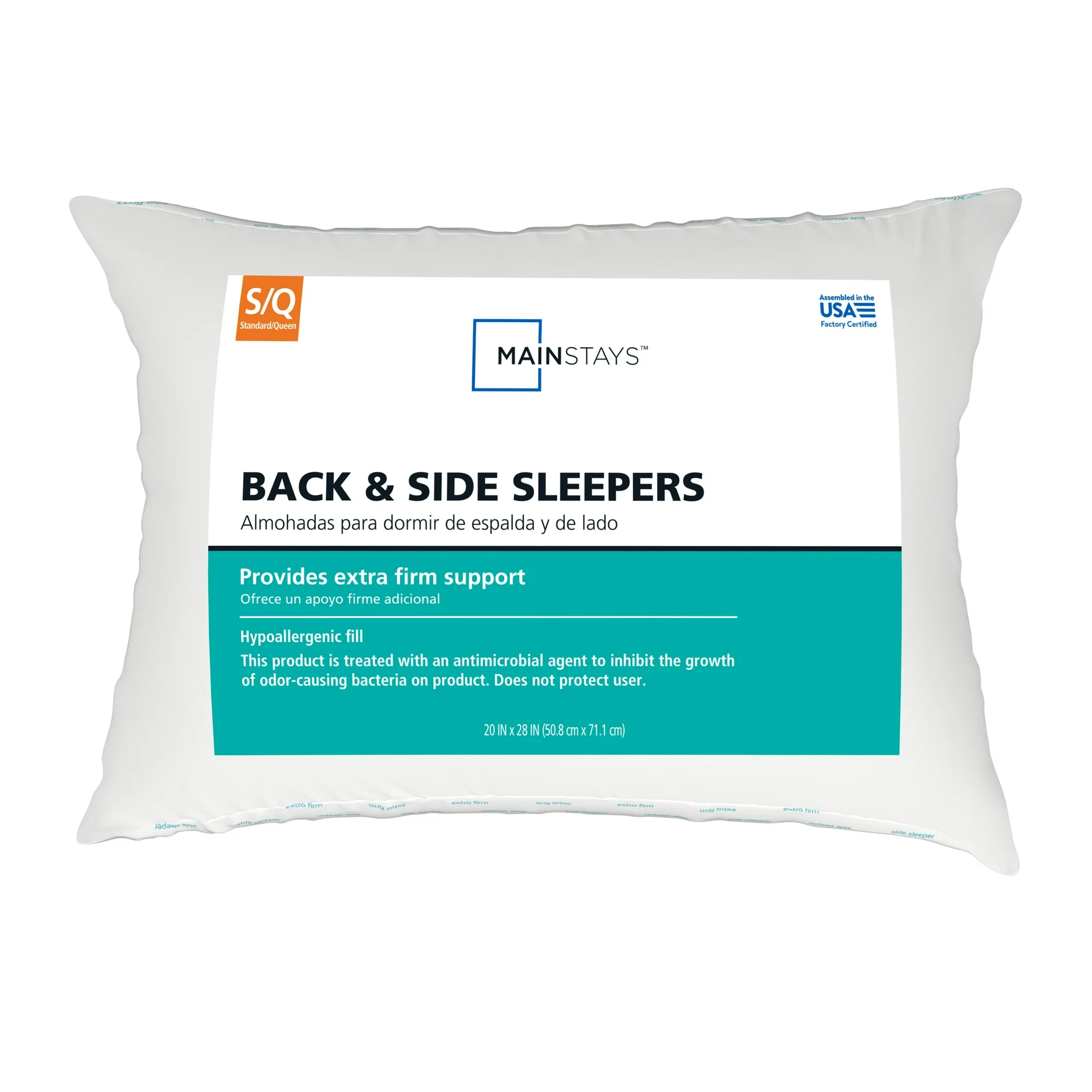
Traditional bed pillows give you a familiar shape with therapeutic fill options and varied loft. You can compare them easily if you want recovery support without switching to a highly structured form.
What to look for in memory foam bed pillows
You should next compare the core material because it affects feel, responsiveness, and heat management. You’ll often see memory foam bed pillows, gel-infused foam, latex, and fiberfill across this category.
Memory foam can contour around your head and neck for a close, steady feel. You may like that response when you want the pillow to hold its shape through the night.
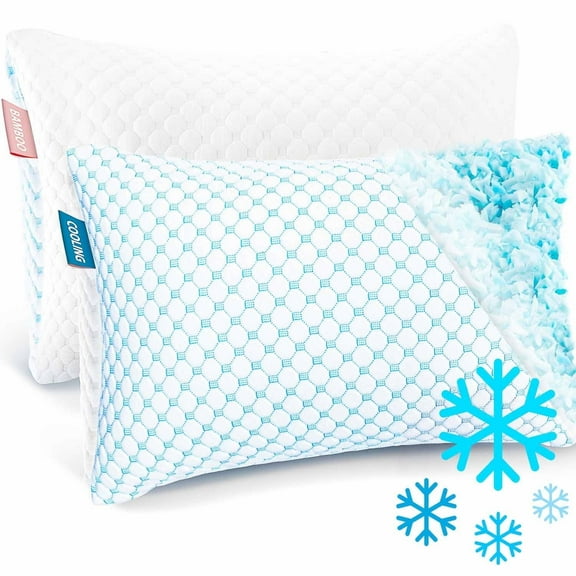
Gel-infused foam gives you similar contouring with a cooler touch for many sleepers. You can consider it when your room feels warm or your bedding setup traps heat.
Latex has a springier feel that provides a supportive rebound as you shift positions. You might choose it when you want support with quicker rebound during overnight movement.
Fiberfill feels lighter and more familiar, and you can often fluff it easily. You may prefer it when you want a softer surface with less molded structure around your neck.
Matching neck pain relief pillows to your sleeping position
You should match pillow loft and shape to the way you usually fall asleep. You’ll often get a closer fit when the pillow supports your neck-to-shoulder angle without forcing your head too high.
Side sleeper pillows usually need more height to fill the space between your shoulder and head. You can look for contour edges or firmer cores that help keep your head from tipping.
Back sleepers often prefer a medium loft that supports the natural curve under the neck. You may find neck pain relief pillows and cervical support pillows useful when you want steadier alignment.
Stomach sleepers often need a lower profile to avoid an overly raised head position. You can compare softer traditional shapes when you want a flatter feel and smoother movement.
If your sleep position changes overnight, you should consider medium-height options with responsive fill. You’ll often notice that adaptable materials help you stay comfortable through those shifts.
Comparing therapeutic focus for your routine
You can also choose by therapeutic focus when your rest routine has a specific goal. You may compare options built around neck pain relief, acid reflux support, post-surgery elevation, or spinal alignment.
Neck pain relief pillows often focus on keeping your neck supported without excessive tilt. You can look for contour shaping or cervical support zones that maintain a steadier sleeping posture.
Acid reflux pillows usually use a wedge profile that raises your upper body. You may choose that design when you want elevated positioning instead of stacking standard pillows.
Post-surgery elevation pillows can help you maintain a more upright resting angle in bed. You can compare height and slope carefully so your setup feels simple to use during recovery downtime.
For spinal alignment, you should check whether the shape supports your head without collapsing quickly. You’ll also want a material that keeps a consistent surface from bedtime to morning.
Using bed pillows in real recovery setups
You may use these bed pillows in several practical ways around your bedroom routine. You can pair shape, material, and sleeping position guidance to narrow the right option quickly.
If you sleep on your side and want a structured feel, you can compare contour memory foam designs. You’ll often get more support at the neck and shoulder edge with that combination.
If you rest on your back and want elevation, you can consider wedge pillows with gradual incline angles. You may use them for bedtime reading, lounging, or overnight upper-body support.
If you need a familiar shape with moderate support, you can look at traditional fiberfill or latex options. You’ll keep a classic pillow profile while still focusing on recovery-minded comfort.
When your routine centers on cervical alignment, you should compare cervical roll and contour styles first. You can then refine your choice by loft, feel, and how often you switch positions.
You’ll compare bed pillows with more clarity when you review shape, material, therapeutic focus, and sleeping position together. You can build a sleep setup that feels more supportive, stable, and simpler to use each night.