


Find auto parts that fit
Let’s search for parts that fit your vehicle.Body Mounts & Truck Body Mount Replacement Kits
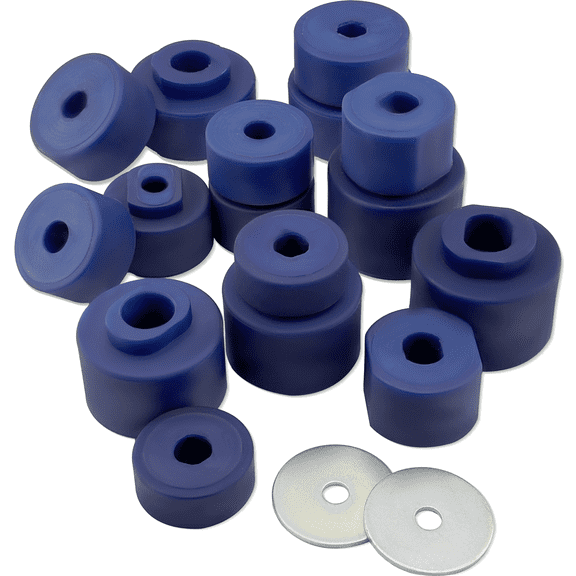
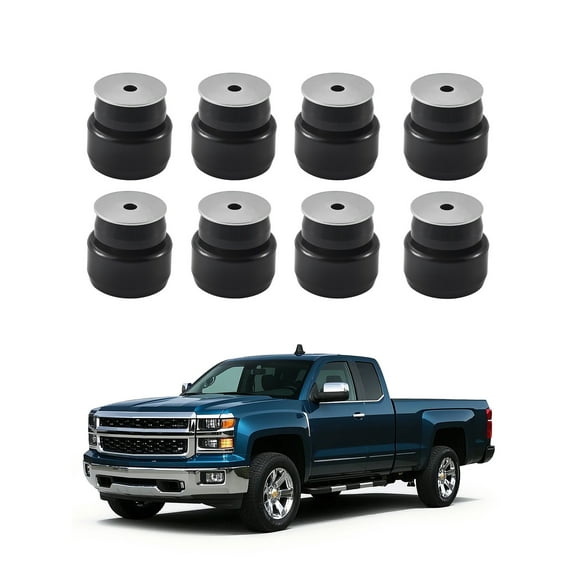


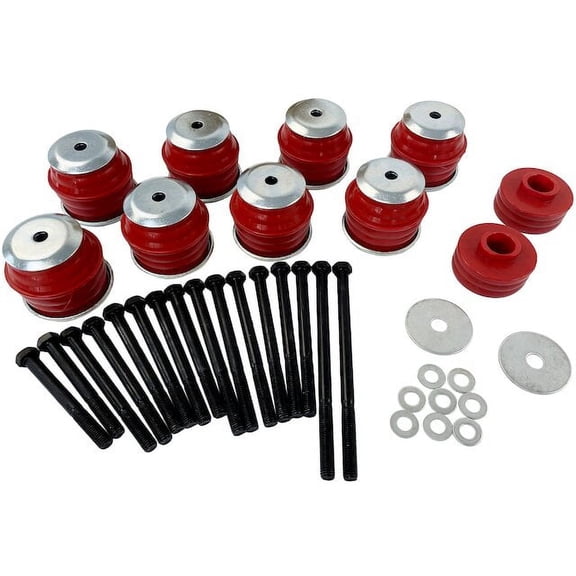


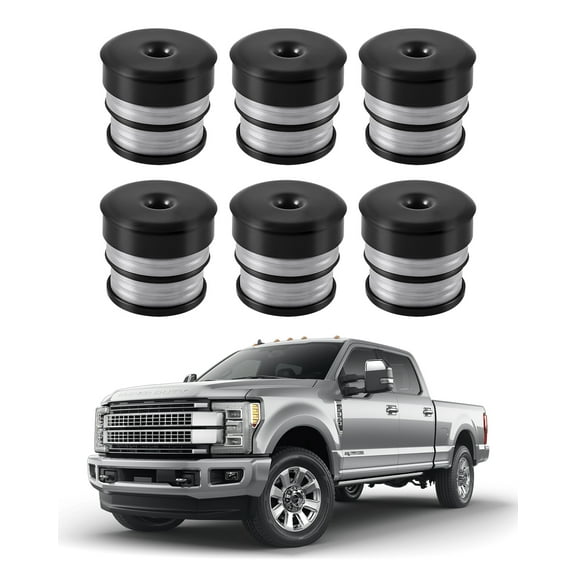




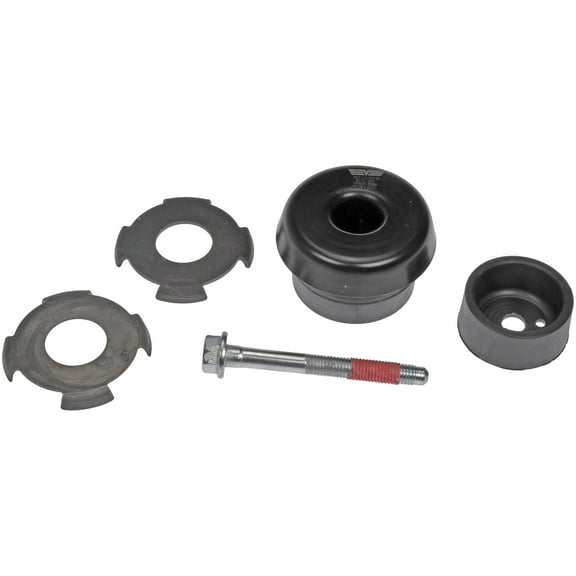
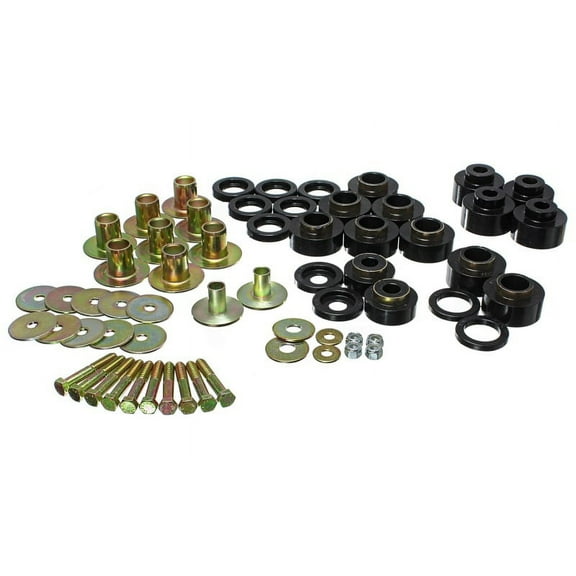
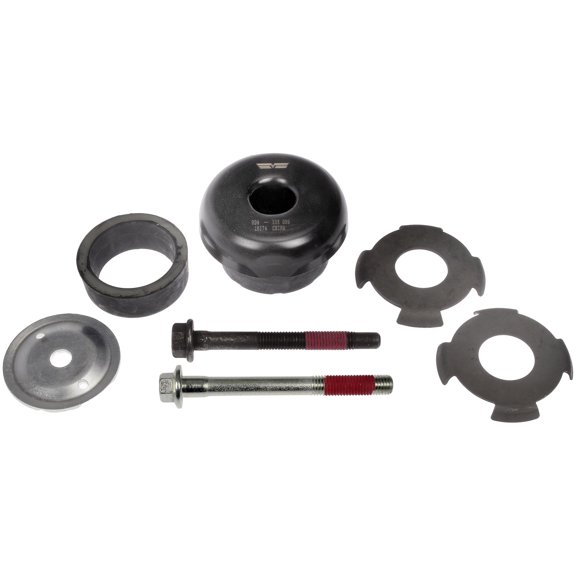

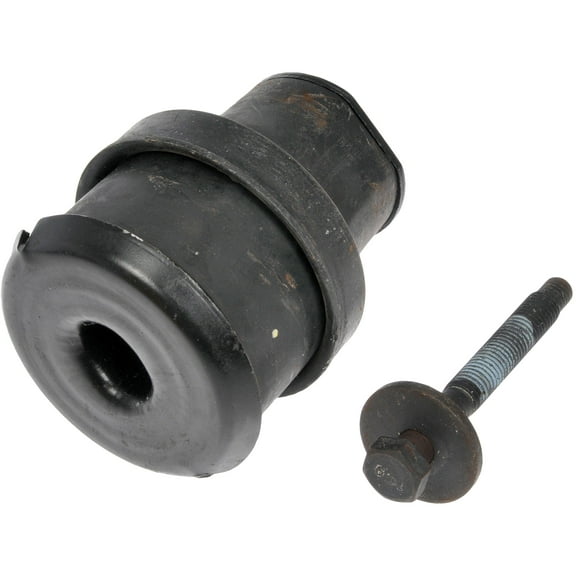
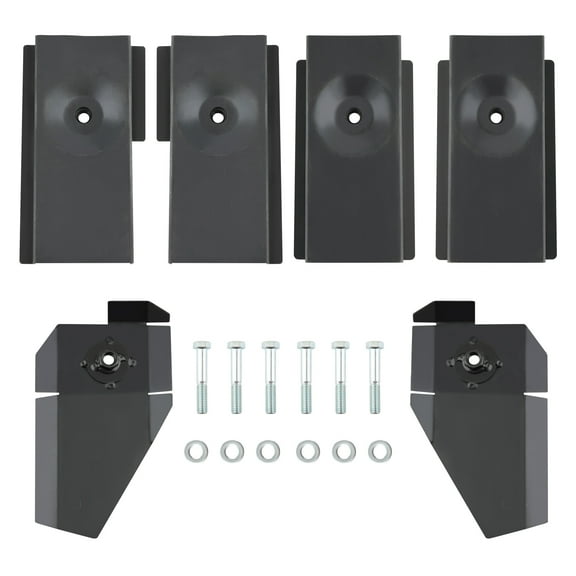


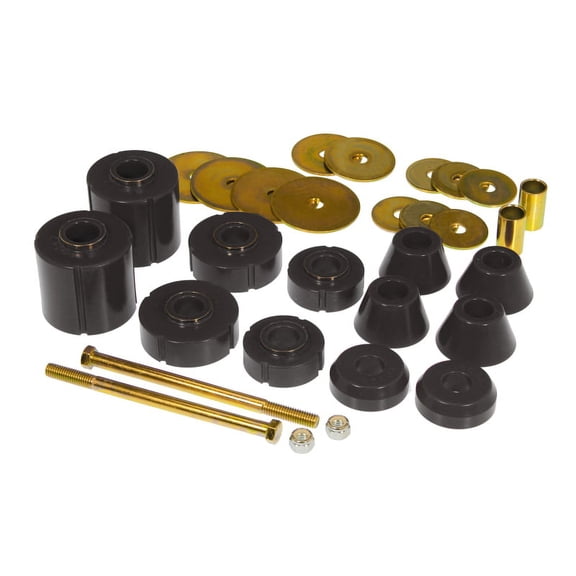
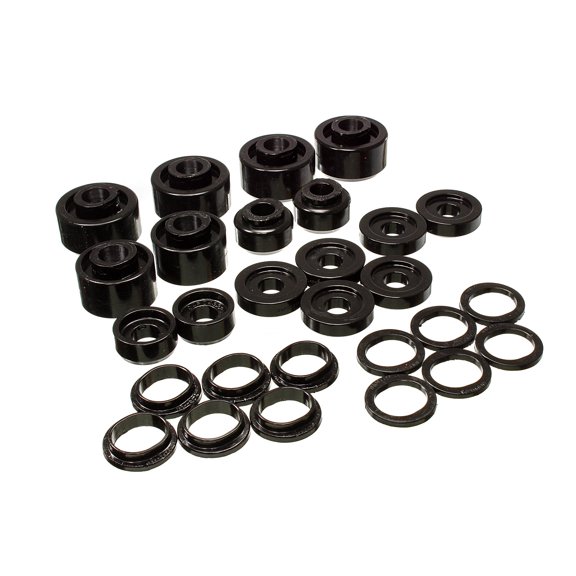
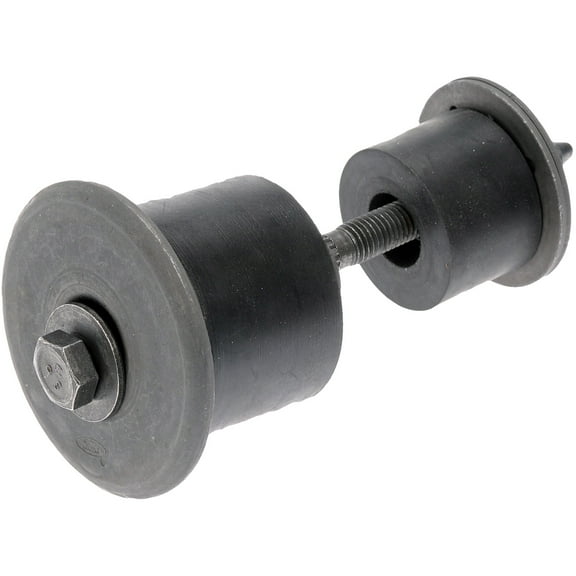


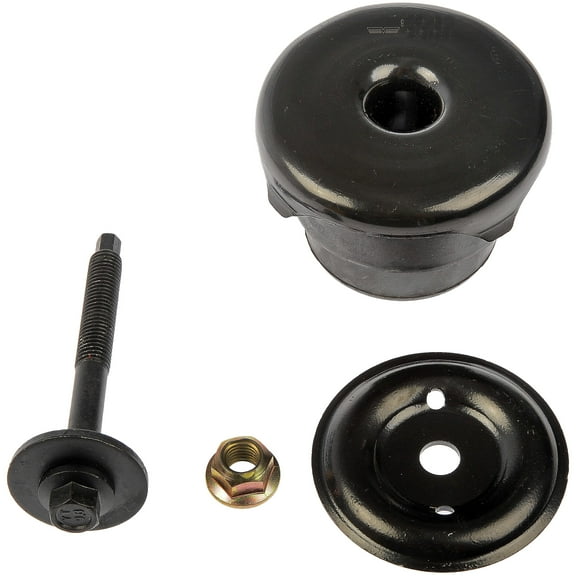
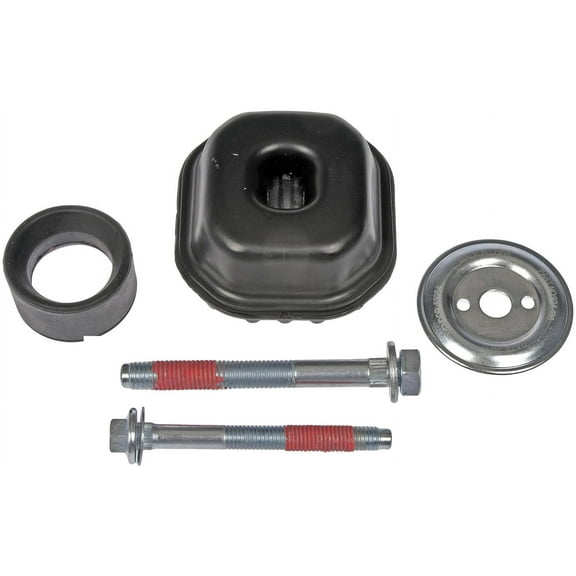
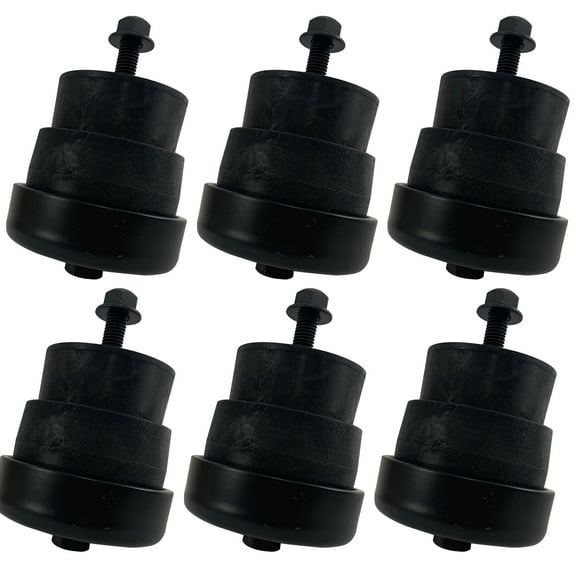


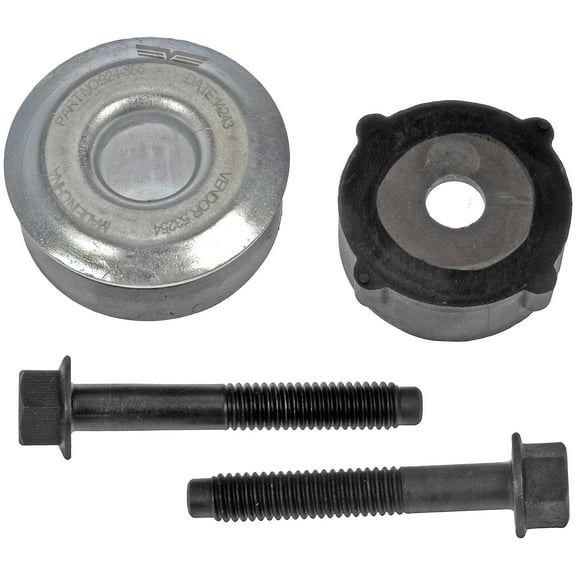
About Body Mounts & Truck Body Mount Replacement Kits - Walmart.com
You can restore fit and feel with body mounts that match your vehicle, material needs, and install plan. You’ll find options for trucks, SUVs, and classic cars, including bushings, hardware, and full kits.
How to choose body mounts for your vehicle
Start with vehicle fitment because your make, model, year, and cab configuration guide every other choice. You should also check placement points, since cab mounts, radiator mounts, and core support mounts serve different areas.
When you compare listings, look for notes about bolt count, sleeve size, and mount position. You’ll avoid guesswork when your replacement parts match your frame and body layout.
You may also decide between a full body mount kit, individual bushings, or hardware only. Your choice depends on whether you’re replacing every mount point or refreshing a single worn location.
Why the right body mount bushings matter
Your body mount bushings help separate the body from the frame at key contact points. You’ll notice that the right set can support alignment, door fit, and a more settled feel over rough pavement.
- You can replace compressed or aging pieces to support body-to-frame spacing.
- You can choose the material that matches your preferred ride feel and response.
- You can simplify your project by comparing full kits, bushing sets, and hardware packs.
- You can match specific mount positions, including cab mounts and core support locations.
If you drive a truck, you may focus on cab stability and proper bed-to-cab alignment. If you maintain a classic car, you may look for mounts that help preserve body position during restoration work.
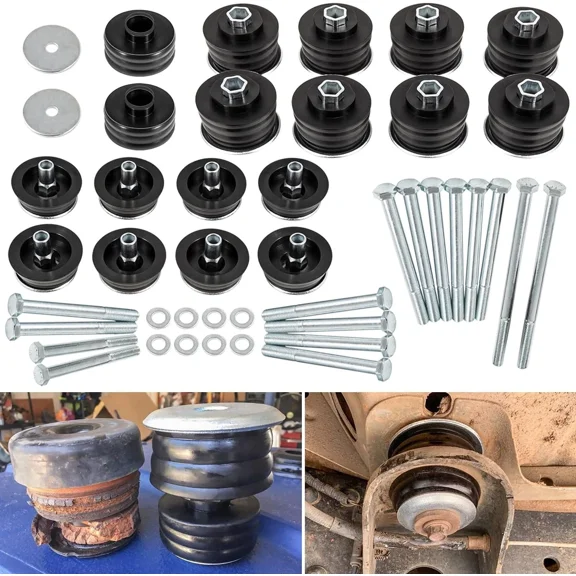
For SUV projects, you may want replacement parts that fit factory mounting points with fewer surprises. You’ll also want to compare included washers, sleeves, and bolts before you start.
Comparing materials and kit types
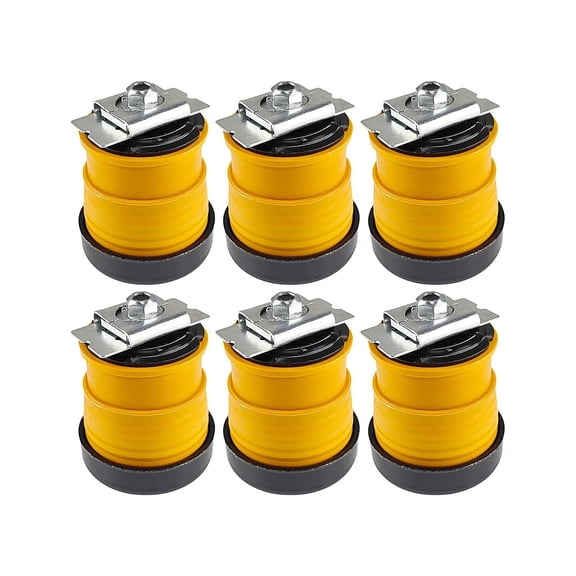
Material is a major decision because it changes how your vehicle feels and how the mounts respond over time. You can compare polyurethane body mounts, rubber options, and silicone designs based on use and preference.
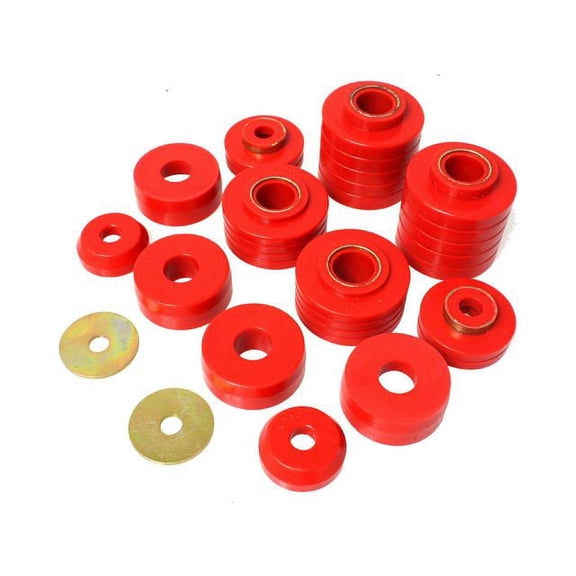
If you choose polyurethane body mounts, you’ll usually get a firmer connection and a more direct feel. If you choose rubber, you’ll often keep a softer, quieter ride that feels closer to factory setup.
If you consider silicone, you may want it for applications that need flexibility across changing temperatures. You should still confirm exact fitment, since shape and dimensions matter as much as material.
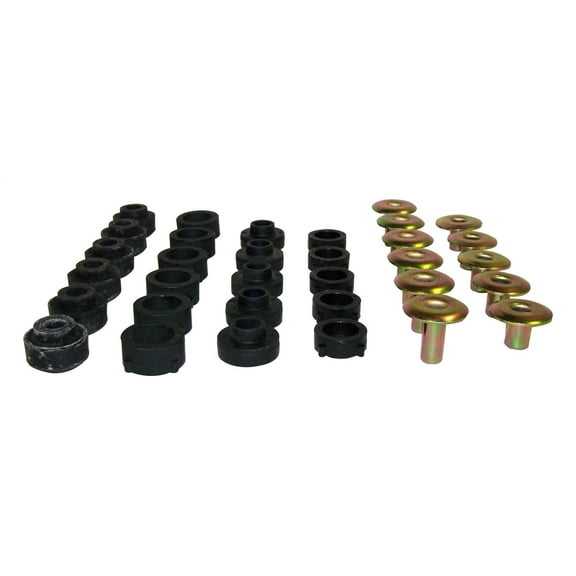
Kit type also shapes your project. You can choose a body mount kit when you want multiple positions covered, or pick individual bushings when you’re replacing one area.
Hardware only sets can help when your bushings remain usable but your bolts, sleeves, or washers need attention. You should check whether your selected parts include all fasteners needed for your install.
Choosing cab mounts and placement-specific parts
Placement matters because each mount location supports a different section of your vehicle. You’ll want to compare cab mounts, radiator mounts, and core support mounts based on where movement or wear appears.
Cab mounts are common on trucks, where the cab sits on the frame at several points. You can use cab mounts to match your cab configuration, including regular, extended, or crew cab layouts.
Radiator mounts and core support mounts help position front-end components around the support structure. You should verify front-end placement carefully, because those parts often differ from center or rear body positions.
When you’re reviewing diagrams or fit notes, count the mount locations your vehicle uses. You’ll make a cleaner parts decision when each position matches the correct bushing shape and hardware size.
What to look for before installation
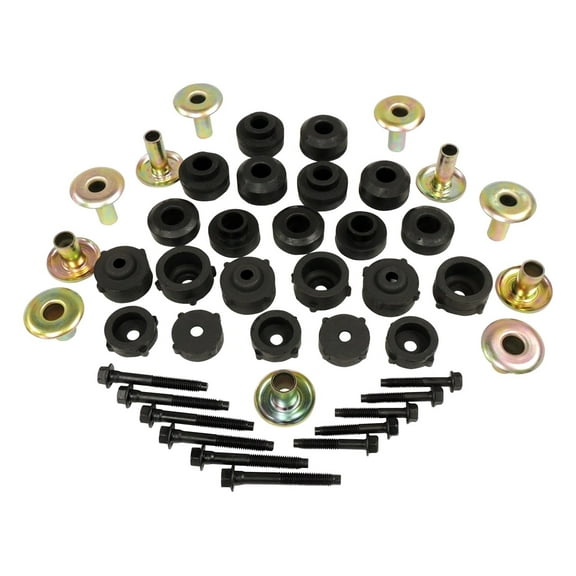
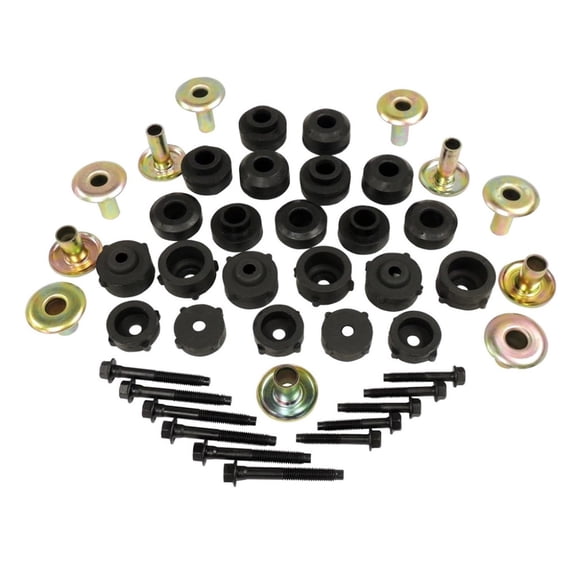
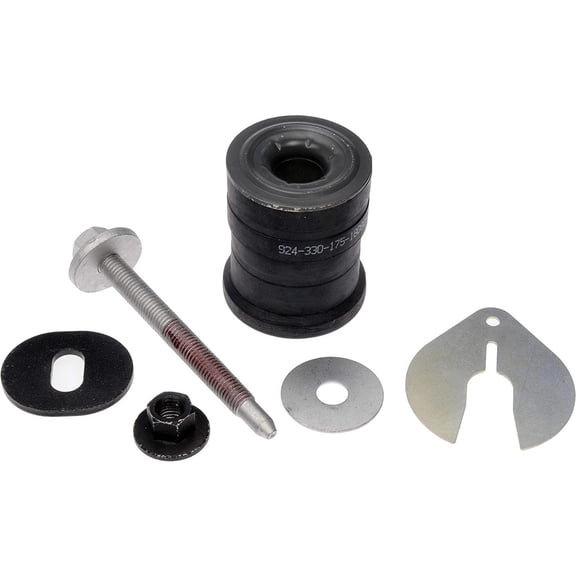
You should check whether your order includes bushings only or a complete set of bolts, sleeves, and washers. You’ll save time during installation when your kit contents match the job you plan to complete.
Installation complexity can vary by vehicle age, rust level, and mount location. You may need lifting support, common hand tools, and careful spacing checks as you remove and replace each mount.
If you’re tackling a full replacement, you should compare one side at a time and confirm mount order. You’ll also want to review fitment notes for classic cars, where previous repairs may affect alignment.
For weekend DIY work, individual bushings may suit a small repair with fewer removed parts. For larger refresh projects, a complete body mount replacement kit can help you keep hardware and positions organized.
Body mounts for common vehicle projects
You can choose truck body mounts when you’re correcting cab movement, rebuilding an older pickup, or replacing weathered factory pieces. You’ll often compare rubber for a softer feel or polyurethane for firmer response.
If you’re working on an SUV, you may want placement-specific parts that match the front support area or center body positions. You should confirm trim and drivetrain details when fitment notes call them out.
Classic car projects often need a careful match for model year and chassis layout. You can use full kits during restoration work, or choose hardware only when existing bushings remain in place.
With the right fitment details, material choice, and kit contents, you can narrow the search quickly. You’ll end up with body mounts that support a cleaner install and a more confident repair plan.