

Blue Tape & Painters Tape











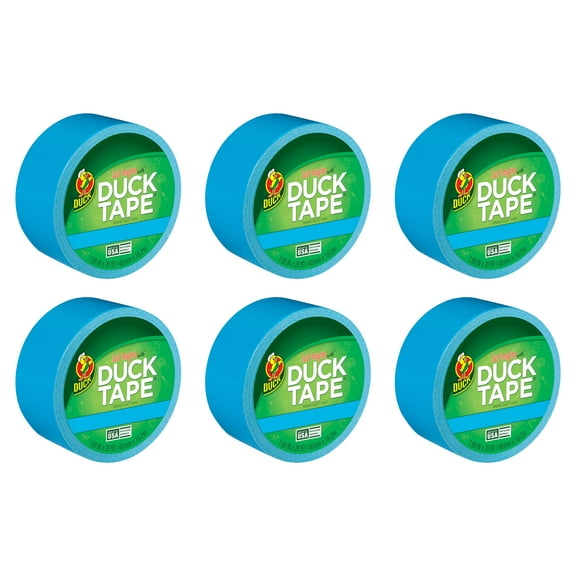
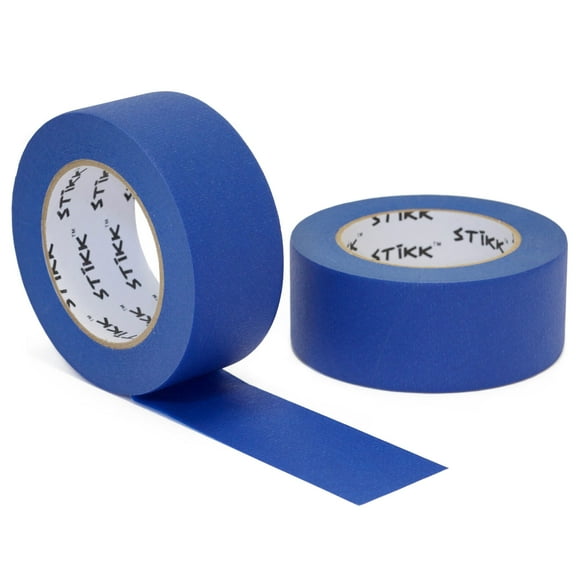






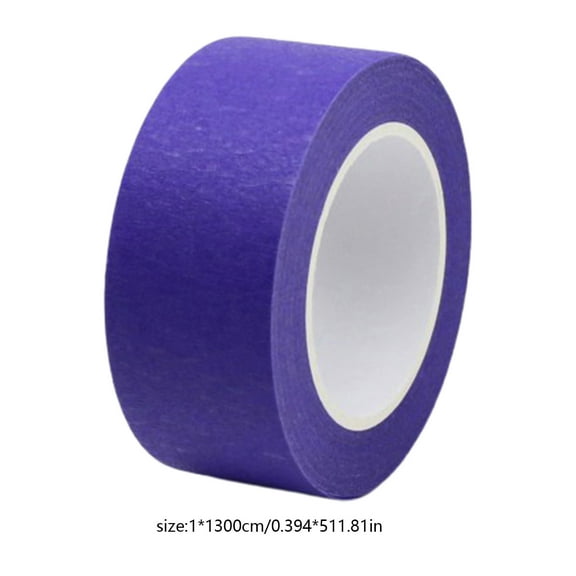


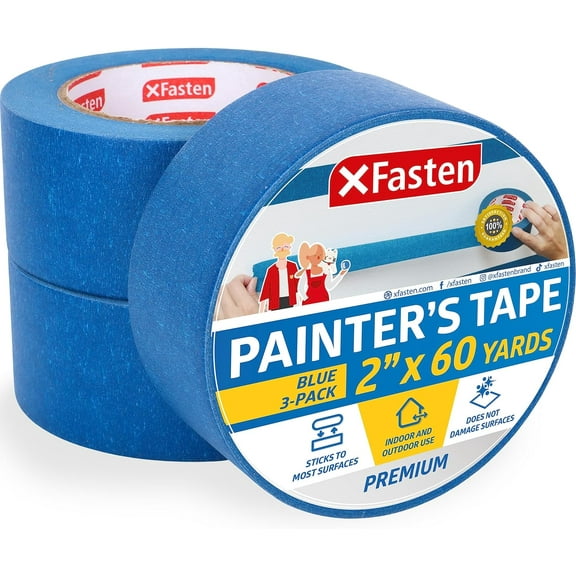















About Blue Tape & Painters Tape - Walmart.com
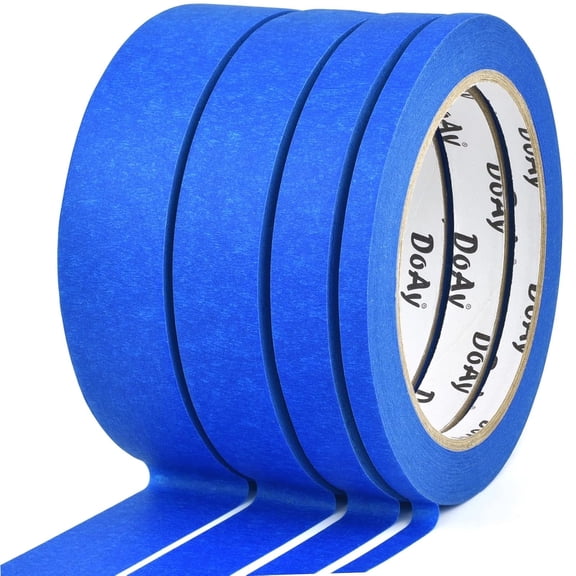
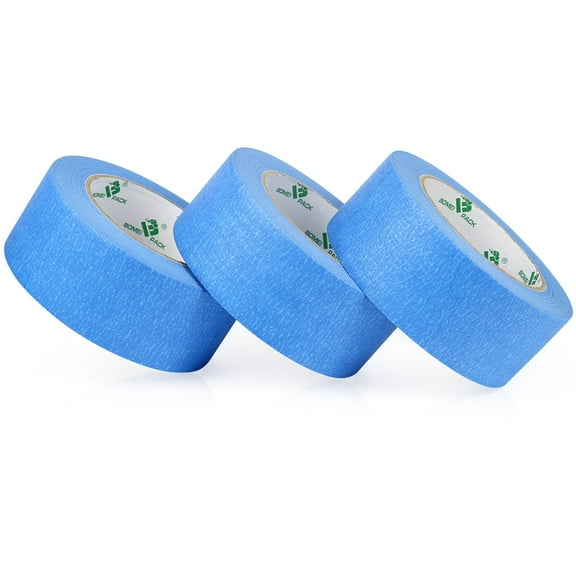
Blue tape helps you mask edges, protect trim, and keep paint lines cleaner during room updates. You can compare width, surface rating, and removal time before you start taping.
If you're painting walls, refreshing baseboards, or outlining molding, you need tape that fits your exact project. You can use this guide to compare blue painters tape options for drywall, delicate walls, textured surfaces, and wider trim.
How to choose blue tape for your project
You should start by comparing the surface you're taping, because adhesion changes across smooth walls, rough texture, and finished trim. You should also compare removal windows, since your schedule may span one day or several weekends.
When you compare tape blue options, you usually see labels for delicate surfaces, multi-surface projects, textured walls, and drywall. You can also check width early, because narrow rolls suit detail lines and wider rolls cover broader edges.
You may want painters tape for several practical reasons during indoor touch-ups or full-room repainting. You can focus on the benefits that matter for your project before you choose a roll.
- You can create sharper paint lines along trim, corners, and molding when your tape edge seals evenly.
- You can match the adhesive to drywall, finished walls, or textured surfaces without guessing at compatibility.
- You can plan your project around a 14-day, 21-day, or 60-day clean removal window.
- You can cover baseboards and window frames faster with wide blue tape during room prep.
Because you're working around rollers, brushes, and cut-in lines, edge control matters as much as adhesion. You may notice some blue painters tape uses polymer barrier or edge-lock technology to help reduce seepage.
That detail matters when you're painting ceiling lines, stripes, or color-blocked walls with contrasting shades. You can get neater separation when paint stays on the intended side of the tape edge.
Choosing the right width with wide blue tape
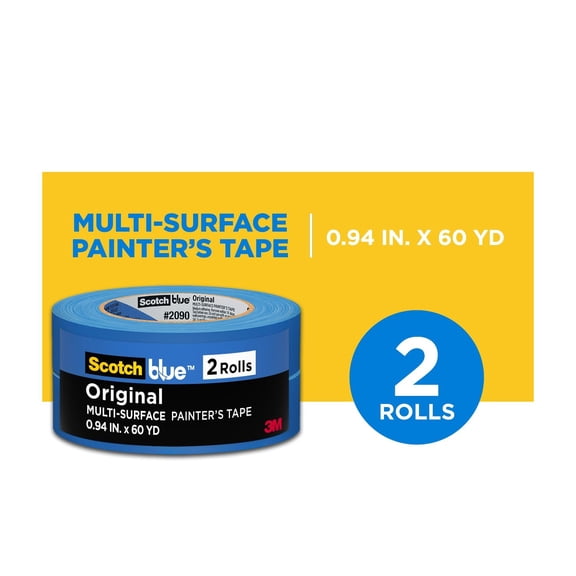
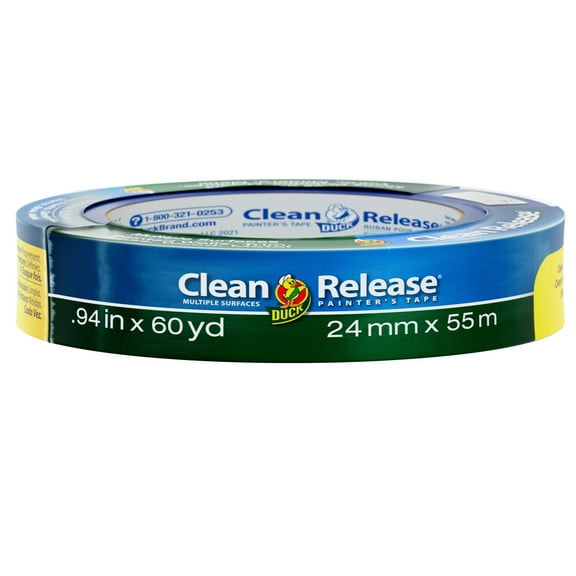
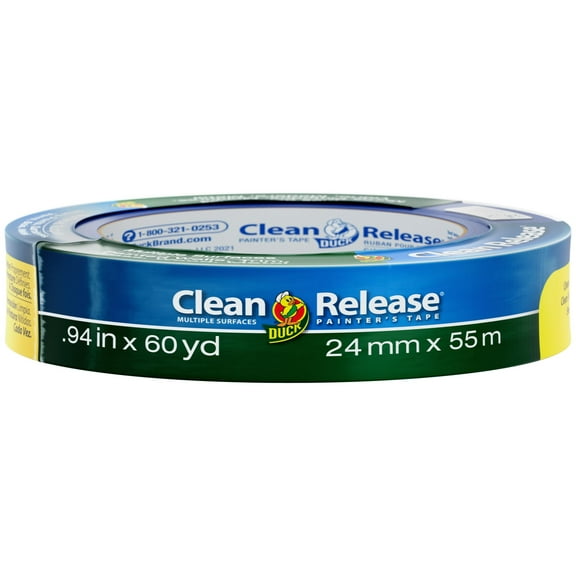
You should choose width based on the edge you're covering and the precision you need. A 0.94 in roll helps you mask tight corners, narrow trim, stencils, and smaller craft lines.
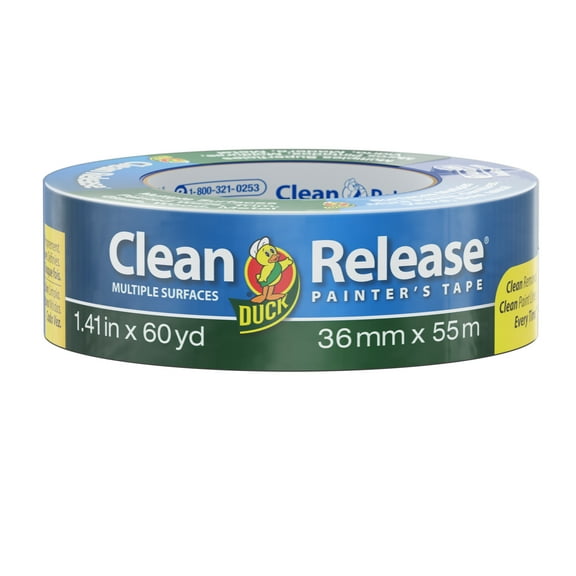
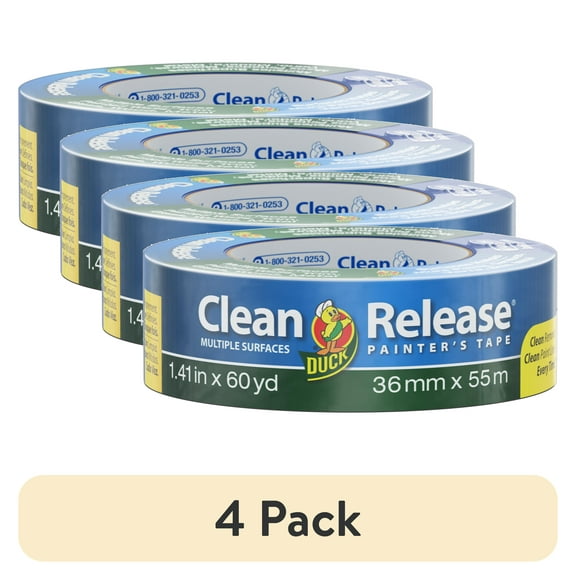
If you're taping standard baseboards or window trim, 1.41 in and 1.88 in widths give you balanced coverage. You can place those sizes quickly while still following corners, curves, and common molding shapes.
When you need broader coverage, 2 in and other wide blue tape options help you protect larger trim faces. You can also pair wider rolls with paper or plastic when you're covering wider sections during prep.
Width affects speed as well as control, so you should compare it before you open the paint can. You may finish long masking runs faster with wider tape, while narrow widths help you manage small design details.
Comparing blue wall tape by surface compatibility
You should always check whether you choose tape rated for delicate surfaces, multi-surface jobs, textured walls, or drywall. You can avoid mismatched adhesion by matching the surface rating to your painted walls or unfinished areas.
If you're working in recently finished rooms, blue wall tape for delicate surfaces gives you a lighter hold. You can use that option when you're masking painted walls, wallpaper edges, or other more sensitive finishes.
For mixed projects, multi-surface tape gives you flexibility across trim, glass, metal, and standard painted walls. You can move from windows to baseboards without changing rolls at every step.
Textured surfaces need extra attention because bumps and grooves can create tiny paint paths under the edge. You should press tape firmly and compare options designed to conform across orange peel or lightly rough walls.
Drywall projects also benefit from clear labeling, especially when you're patching, priming, or repainting interior rooms. You can check the package for drywall compatibility before you mask seams, corners, and repaired sections.
What to look for in clean removal time and edge control
You should treat clean removal time as a planning tool for your project calendar. A 14-day window suits shorter updates, while 21-day and 60-day options fit longer painting timelines.
If you're painting one room over several evenings, a longer window gives you more flexibility between coats and touch-ups. You can leave tape in place longer without rushing each stage of the job.
You should also compare how the tape manages bleed at the paint edge. When you see polymer barrier or edge-lock wording, you should read it as added help against seepage.
That feature matters when you're painting cabinets, stripes, trim, or accent walls with contrasting colors. You can get a crisper border when the edge resists paint creep during brushing or rolling.
Removal timing still matters, even when longer windows appear on the package. You should peel at a steady angle after paint sets, so your lines stay crisp and your masking comes off cleaner.
Using blue painters tape around your home
You can use blue painters tape for accent walls, ceiling lines, baseboards, window trim, and door frames. If you're switching paint colors in one room, you can separate sections with clearer boundaries.
During furniture updates, you can mask hardware, glass inserts, and edges before brushing or spraying. If you're handling stencil work or crafts, narrower widths help you follow smaller shapes.
You may also use blue tape when you're marking temporary layout lines during a remodel or project setup. You can mark placement lines on walls, floors, and materials before you make permanent changes.
If you've searched for blue color tape or blue colour tape, you're often looking for painters tape for masking tasks. You can focus on width, surface rating, and removal days instead of color wording alone.
When you want to find where to buy blue painters tape, you can compare roll sizes, surface labels, and project-fit details in one place. You can choose the right tape for your room prep, paint method, and removal timeline with fewer surprises.
You can paint with more control when your tape matches your surface, width needs, and project schedule. With the right blue tape, you can get cleaner lines, smoother removal, and less touch-up work at the end.