

Black Lights in Novelty Lights



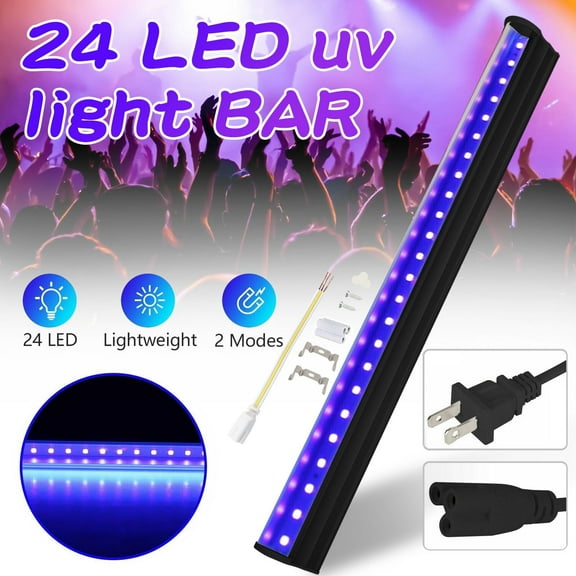

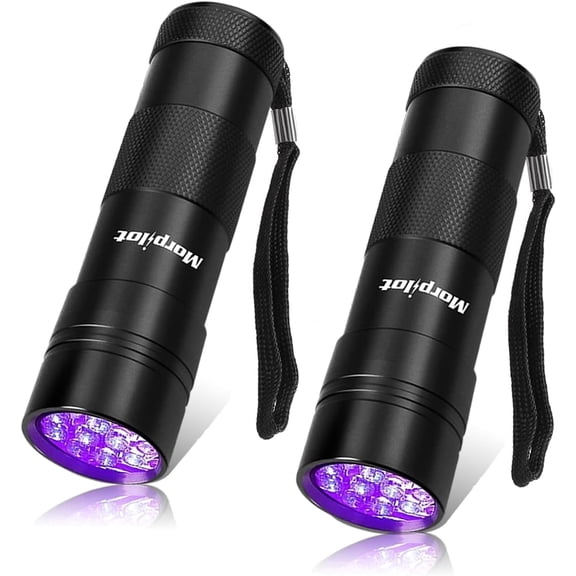


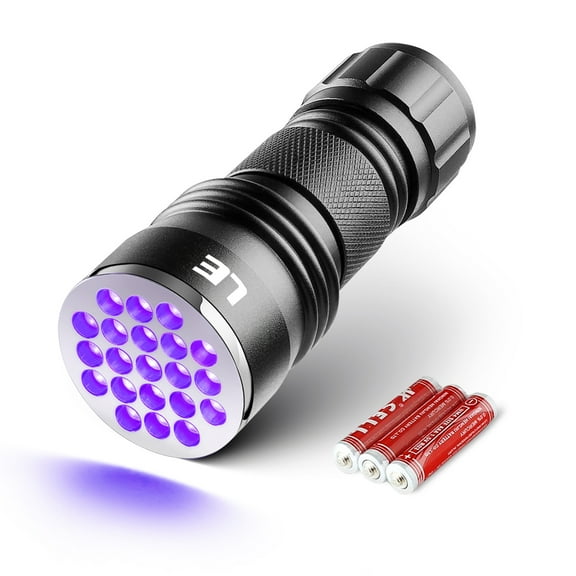

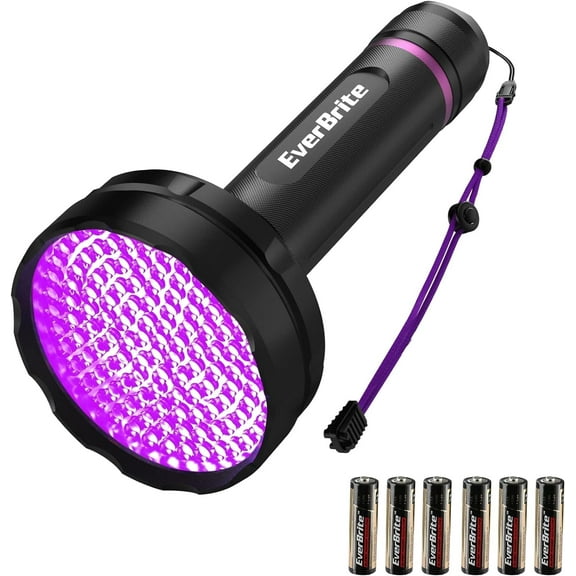


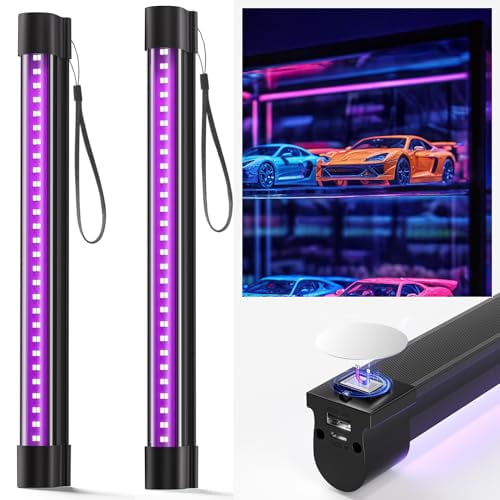
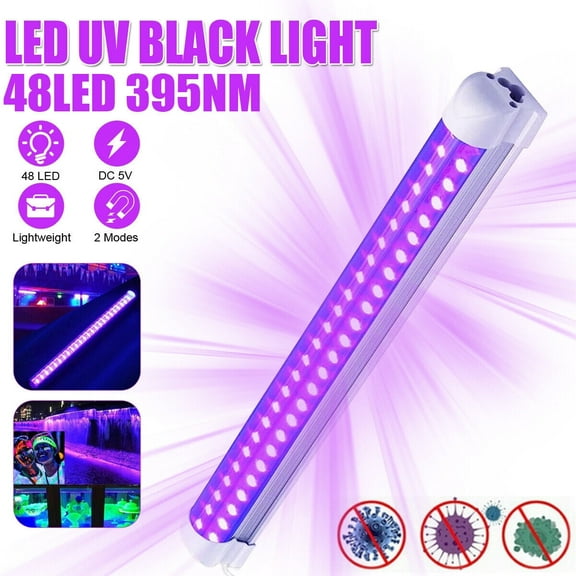







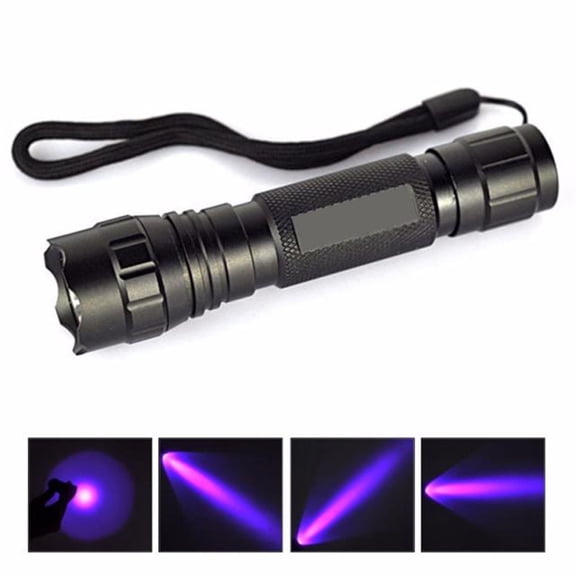

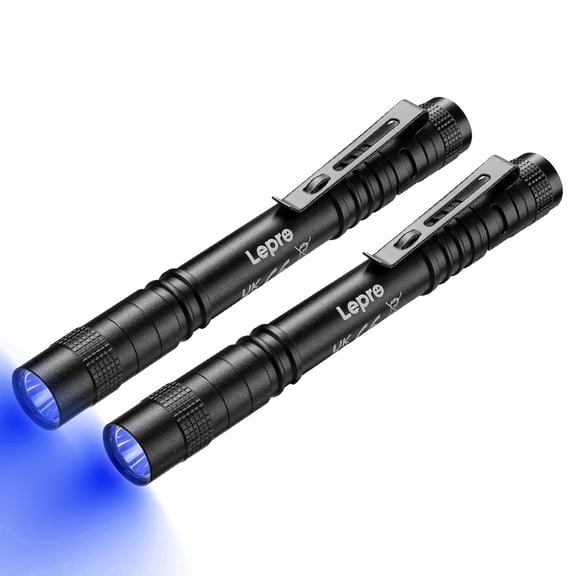


About Black Lights in Novelty Lights - Walmart.com
Black light bulbs help you create glowing party scenes, Halloween setups, and UV-reactive displays with familiar screw-in options and practical wavelength choices. You can compare bulb type, wavelength, base fit, and coverage before you choose the setup that matches your space.
Choosing black light bulbs for your space
When you shop black light bulbs, you’ll want to start with where and how you plan to use them. You may need a single bulb for a bedroom poster display or several bulbs for a larger party room.
Before you decide, you should check four key details that shape your results. You’ll usually compare bulb type, wavelength, base type, and the coverage a single bulb can provide.
- You can use LED options for longer run time and lower energy use.
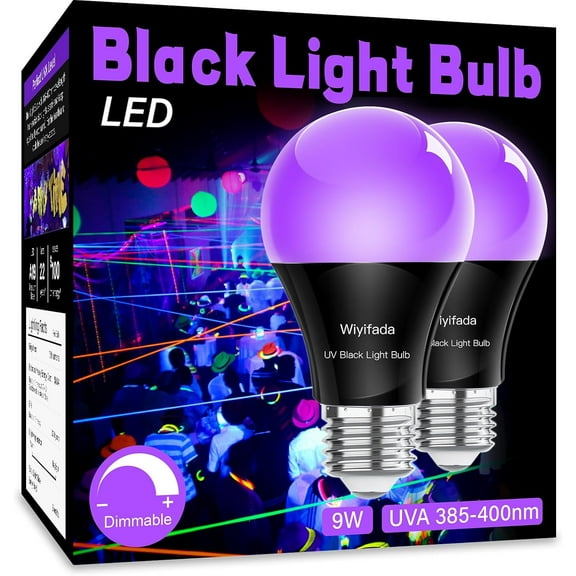
- You can choose 395nm bulbs when you want a highly visible purple glow effect.
- You can check for an E26 standard base when you need a household lamp fit.
- You can compare beam spread and wattage when you need broader room coverage.
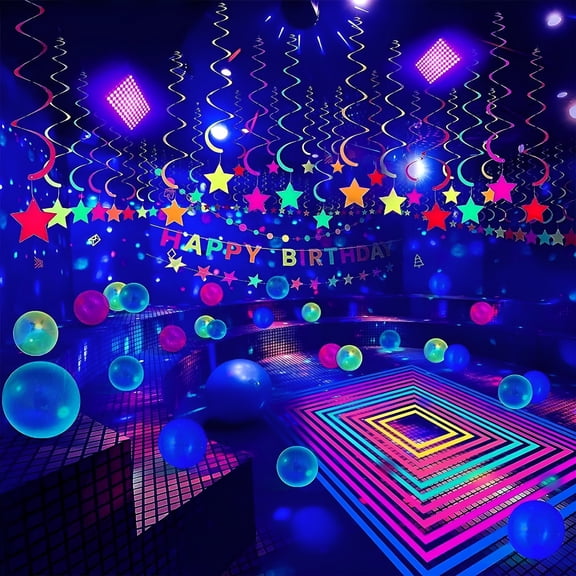
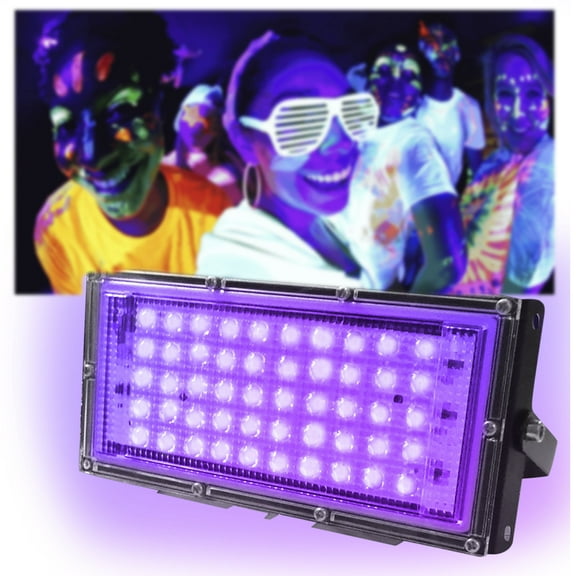
If you’re decorating for events, black light bulbs for party spaces can help posters, white fabrics, and neon accents stand out. You can also use them for seasonal rooms, game spaces, or glow-themed photo backdrops.
Comparing led black light bulbs and other bulb types
You’ll often see LED, incandescent, and fluorescent black light options in this category. You can think of each type as a different balance of brightness, runtime, heat, and fixture compatibility.
If you want a modern everyday setup, led black light bulbs are often a straightforward place to start. You’ll usually get lower heat output, and you can leave them on longer for parties or display areas.
When you compare incandescent styles, you may notice a familiar bulb shape and straightforward use in simple fixtures. You should also expect more heat and shorter lifespan than many LED options.
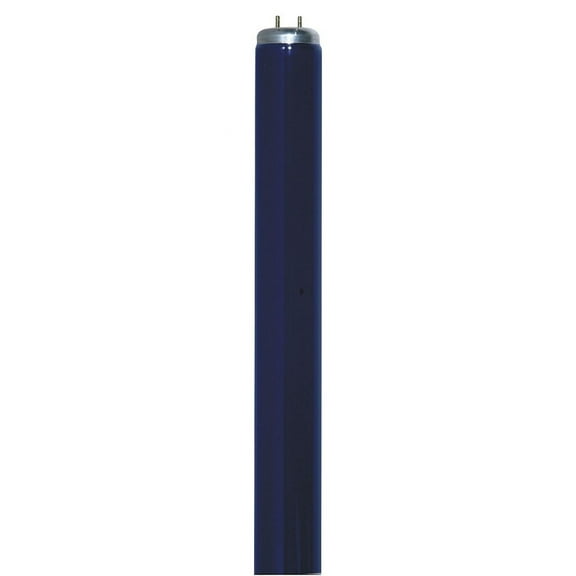
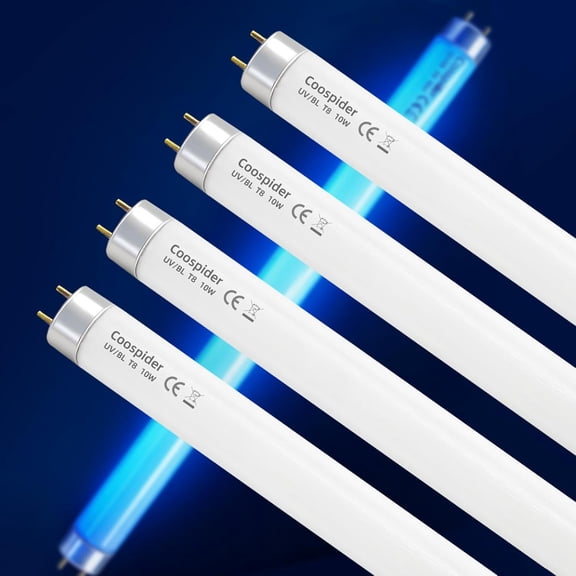
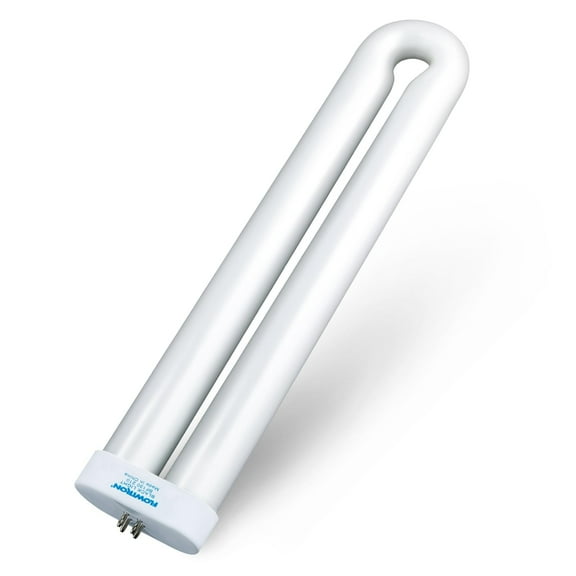
If you’re considering a fluorescent black light, you’ll often find tube-style or compact designs for specialty fixtures. You should confirm the socket style first, because these options don’t always fit standard lamps.
You may prefer LED when you need steady room lighting for decorations, hallways, or tabletop lamps. You might choose another style when your fixture already uses that format and you want to keep the same setup.
Understanding uv light bulbs and wavelength choices
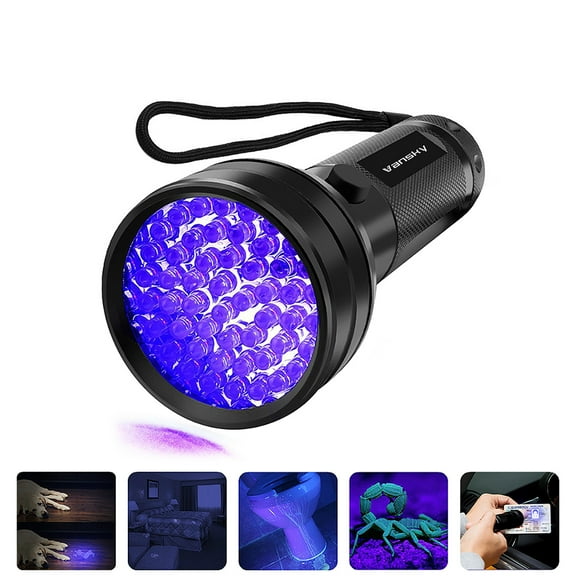
When you compare uv light bulbs, wavelength is one of the key decisions you’ll make. You’ll usually see 365nm, 395nm, or UV-A labeling in product details.
If you choose 395nm, you’ll often get a visible purple glow that works well for parties and Halloween rooms. You may like this option when you want both atmosphere and a noticeable black light look.
If you choose 365nm, you’ll often focus more on UV reactivity and less on visible purple color. You may choose this option for more specific fluorescent response needs.
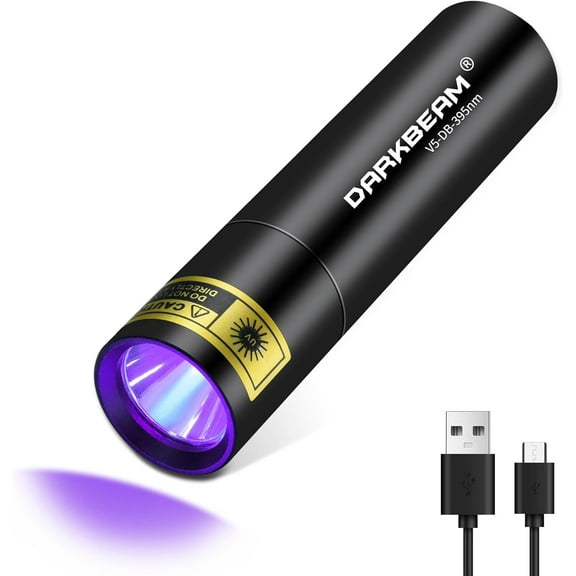
When you see UV-A, you can treat it as the common range used for many black light applications. You’ll want to match that range with your goal, whether you’re lighting posters, reactive paint, or display accents.
If you’re wondering whether a bulb will activate glow effects, you should look beyond color alone. You’ll get a clear answer by checking the listed wavelength and reading the intended use information.
Checking base type, fit, and coverage
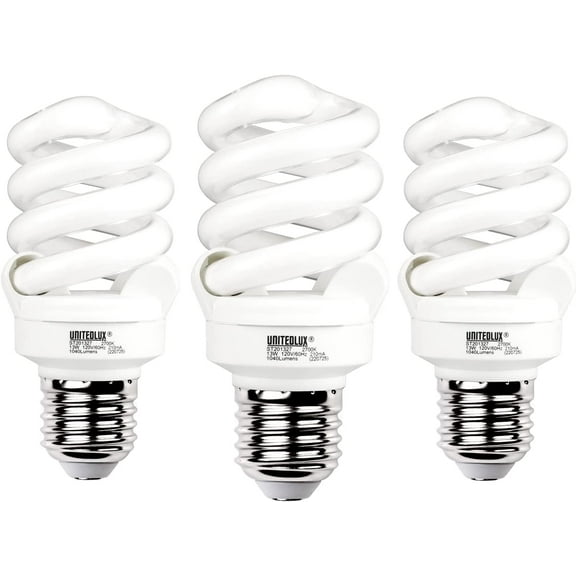
You should always confirm base compatibility before you choose a bulb. If you need a common household fit, a black light bulb e26 base is often the detail you’ll want.
An E26 standard base usually fits many table lamps, floor lamps, and simple ceiling fixtures. You can often install it like a regular screw-in bulb, which makes setup easier for temporary decorating.
If you’re using a specialty fixture, you may need a pin base or another socket style. You should compare the fixture label with the product details so your bulb matches the connection.
Coverage also matters when you want a strong effect across a room. You can compare wattage and beam angle to estimate whether one bulb covers a small corner or a wider wall.
If you’re lighting a poster area, you may only need focused output from one bulb nearby. If you’re lighting a party room, you’ll often want multiple bulbs spaced across the room for even glow.
Matching black light bulbs to party and Halloween use
You can use black light bulbs in ways that go far beyond a simple lamp swap. You might build a glow party setup, highlight fluorescent wall art, or create dramatic halloween black light bulbs effects indoors.
For party decor, you can pair bulbs with neon signs, reactive balloons, white table linens, and glow paint accents. You’ll usually get a strong visual payoff when the room has lower ambient light.
For Halloween spaces, you can use them around entry tables, window displays, costume corners, and backdrop walls. You can create a purple-lit atmosphere that helps reactive props and decorations stand out.
If you want poster glow in a bedroom or game room, you should think about bulb placement first. You’ll often get more focused results when the bulb points directly toward fluorescent artwork from a short distance.
For fluorescent curing or other specialty tasks, you should check wavelength, fixture fit, and output details carefully. You’ll want the bulb specifications to align with your equipment and intended application.
With the right bulb type, wavelength, and base, you can create the glow effect your setup needs without guesswork. You’ll feel more confident when you match your fixture, room size, and UV-reactive materials from the start.