









Notebook Paper in Paper























About Notebook Paper in Paper - Walmart.com
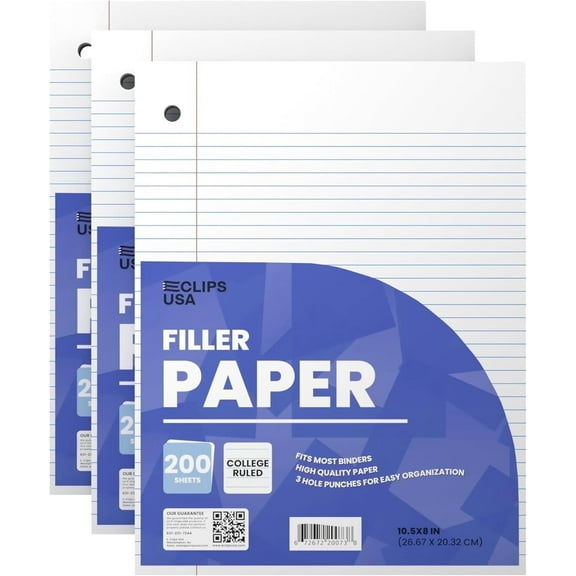
You can organize class notes and work pages with filler paper that matches your binder, ruling style, and daily writing needs. You’ll also find loose leaf paper options that fit school lists, office filing, and back to school filler paper planning.
When you compare ruling, size, hole punching, durability, and sheet count, you can choose pages that seem simple to use every day. You’ll notice these details matter when you write fast in class, sort subjects by binder, or restock shared supplies.
How to choose filler paper by ruling type
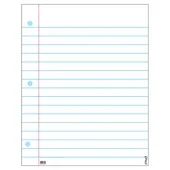
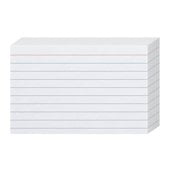
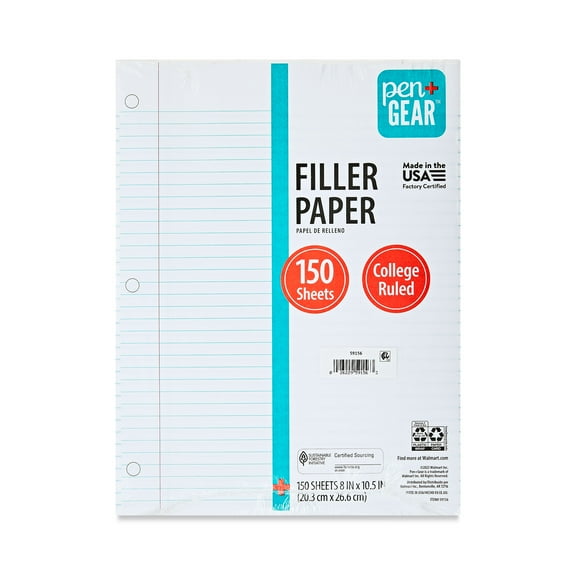
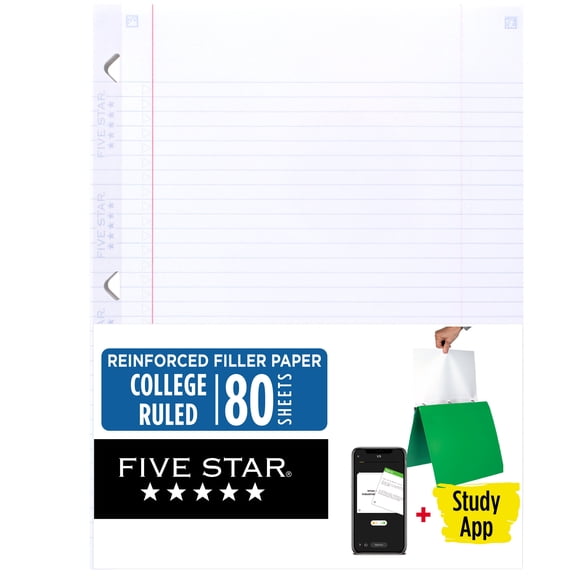
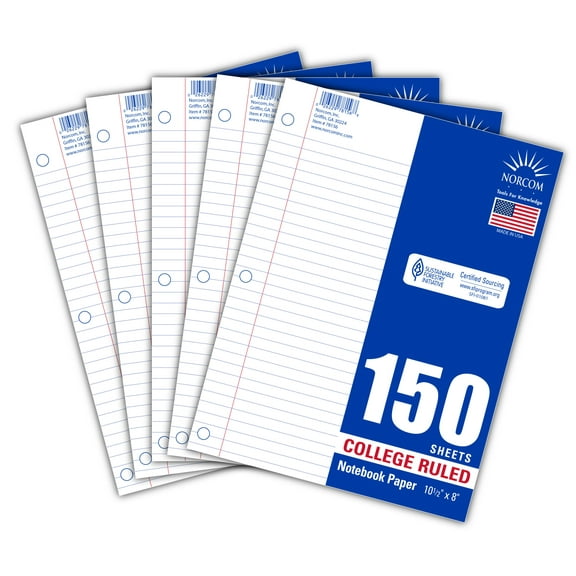
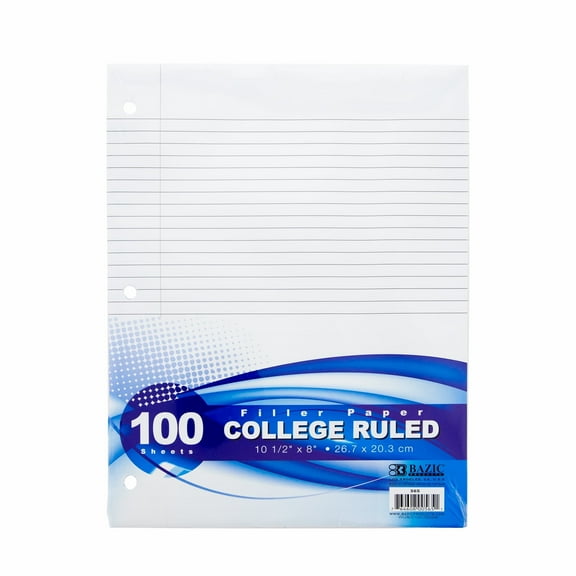
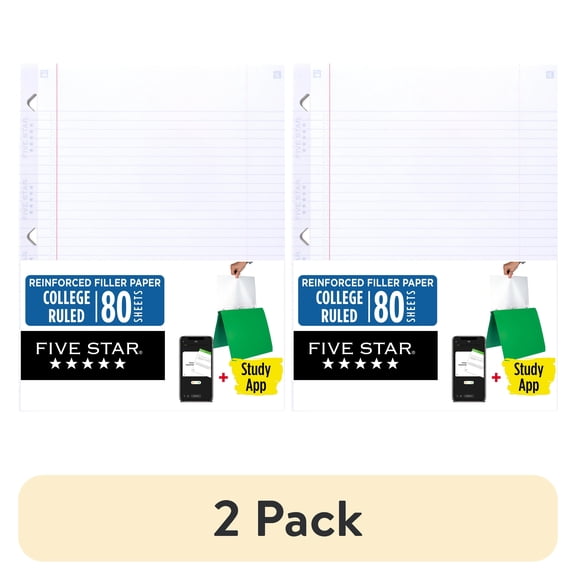
You should start with ruling type because line spacing changes how your notes look on the page. You’ll usually prefer college ruled filler paper when you want more lines for detailed notes.
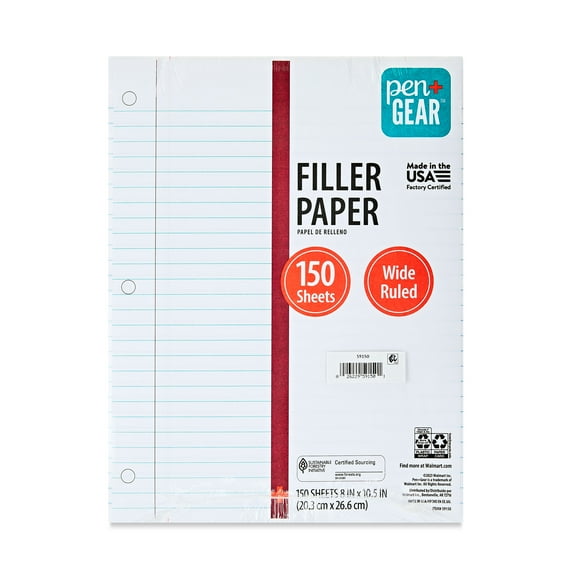
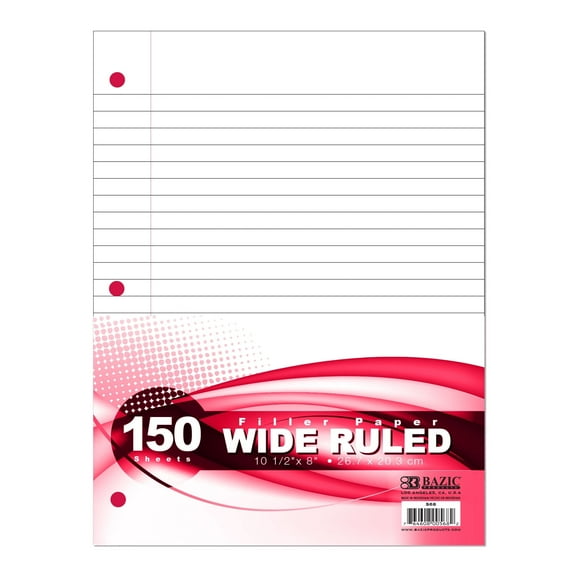
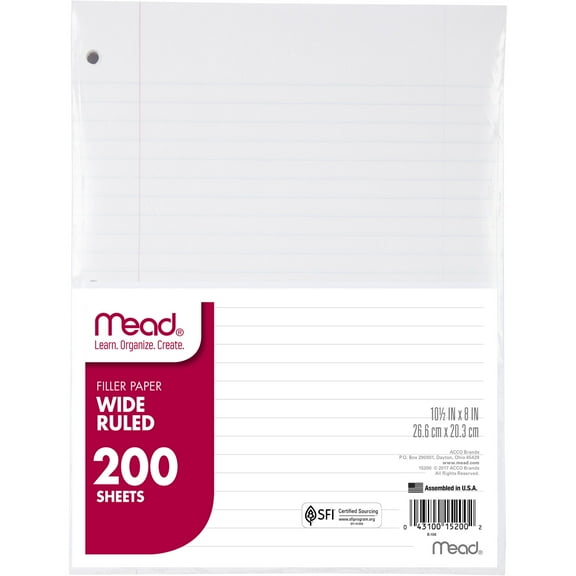
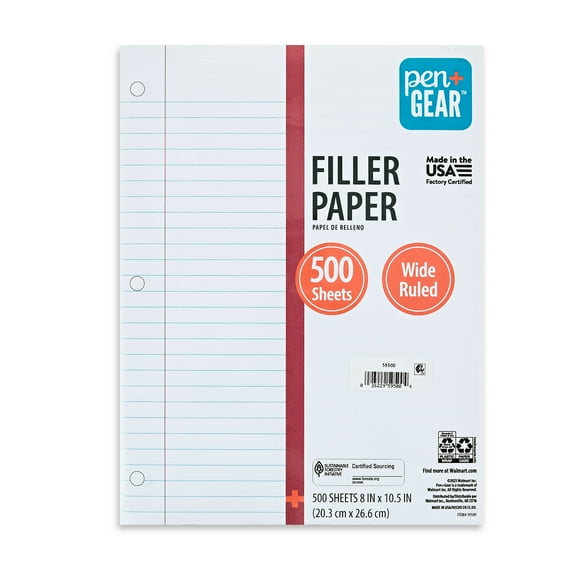
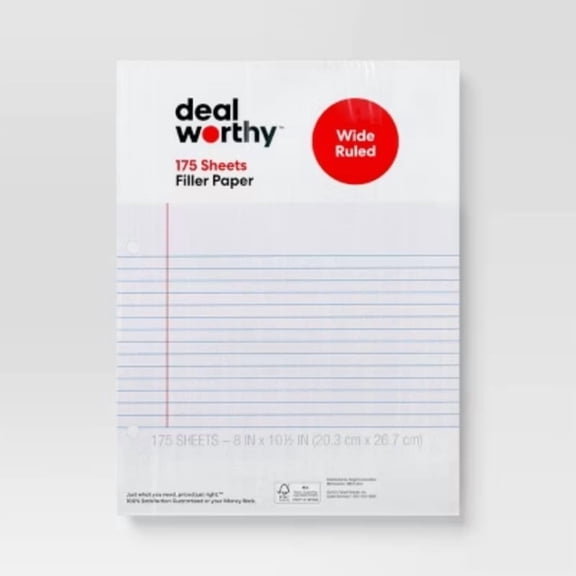
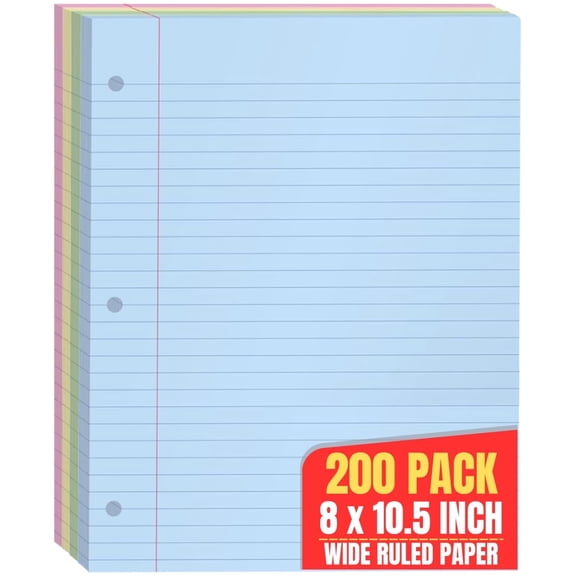
If you want wider spacing, you can choose wide ruled filler paper for larger handwriting and early school use. You may also compare narrow ruled or unruled sheets when your writing style or assignment format needs a different layout.
You can even use the spacing measurement as a practical guide. You’ll often see college ruled around 9/32 inch and wide ruled around 11/32 inch, which changes how many lines fit.
- You can pick college ruled pages when your classes require dense note taking.
- You can choose wide ruled pages when your handwriting needs more room.
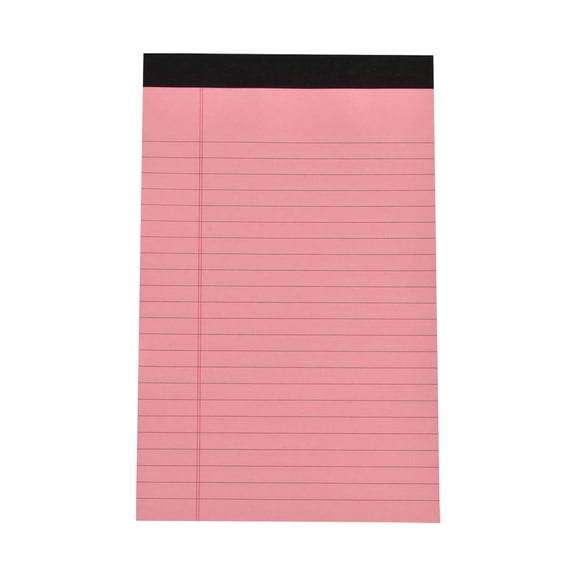
- You can use unruled sheets when your work includes sketches, diagrams, or flexible formatting.
- You can compare narrow ruled pages when you want tighter spacing for compact notes.
What to look for in loose leaf paper size and punch style
You should check paper size before you restock binders or classroom supplies. You’ll commonly see letter size at 8.5 x 11 inches, which fits many school and office binders.
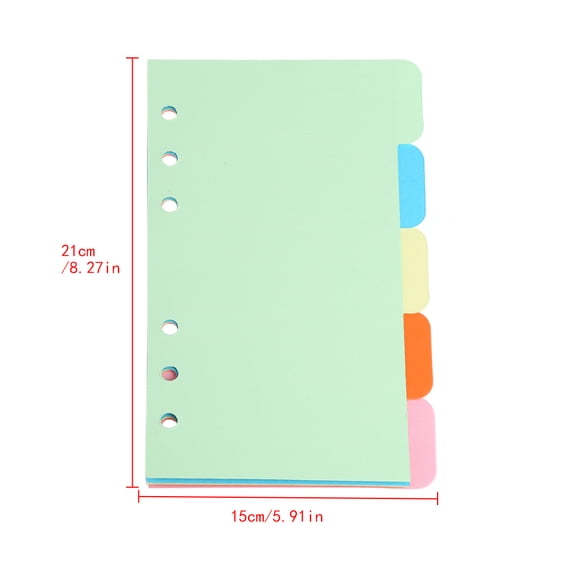
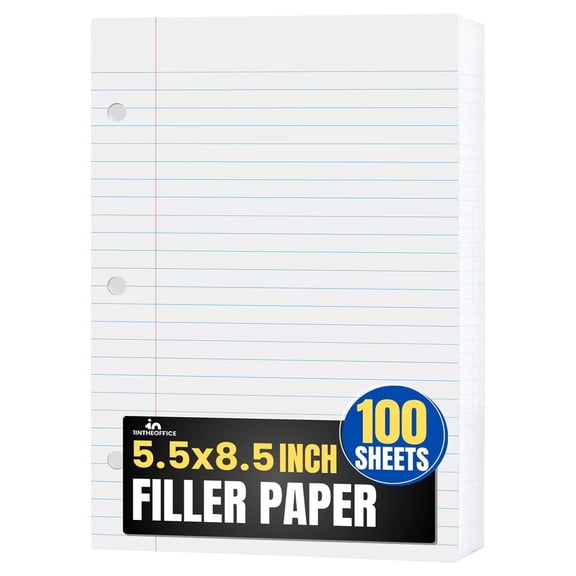
If your folder system uses a different format, you can compare legal, A4, or mini sheets. You’ll want the page size to match your binder pockets, dividers, and filing habits.
You also need the right hole pattern for smooth page turning. You’ll usually choose 3 ring binder paper with standard 3-hole punching for common binders used at school or work.
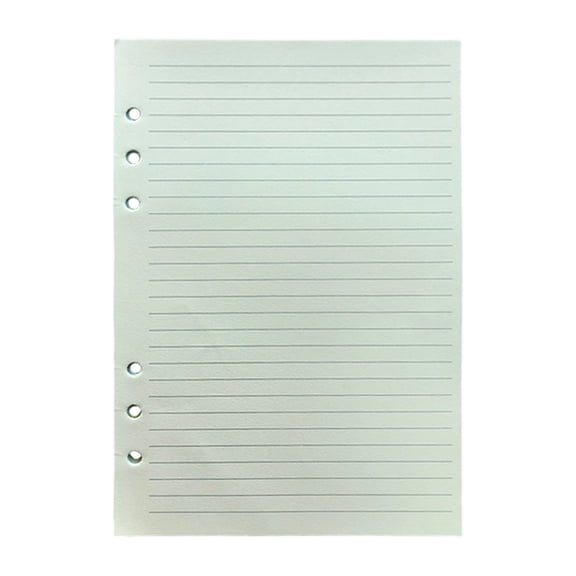
If your organizer uses a different layout, you can check for 7-hole punched or unpunched options. You’ll avoid wasted paper when the punch pattern matches your binder from the start.
Choosing reinforced filler paper and paper weight
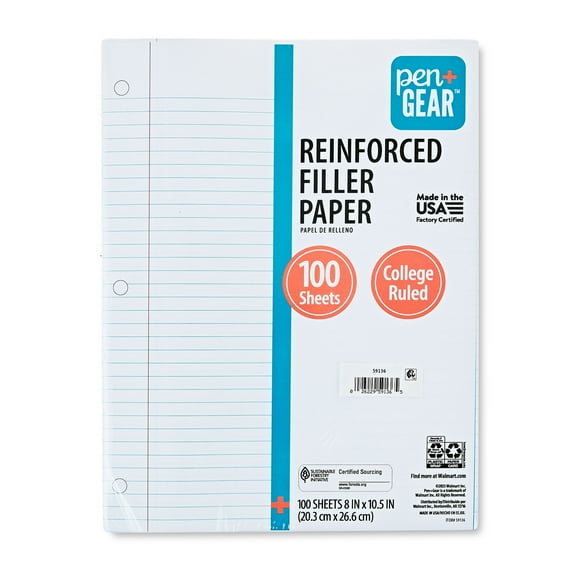
You should compare durability if your pages move in and out of binders all week. You’ll often prefer reinforced filler paper when you flip pages often or carry binders between classes.
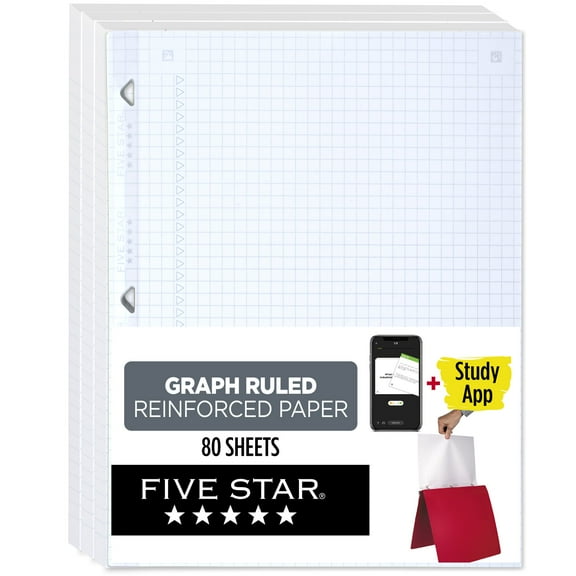
Reinforced holes add extra strength around the punched edge where pages get frequent handling. You’ll notice that feature matters during busy school weeks, shared office use, and long-term filing.
You can also compare standard and heavyweight sheets based on how you write. You may like standard paper for everyday notes, while heavyweight pages can seem sturdier for frequent reference.
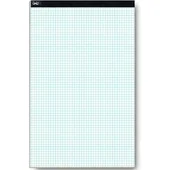
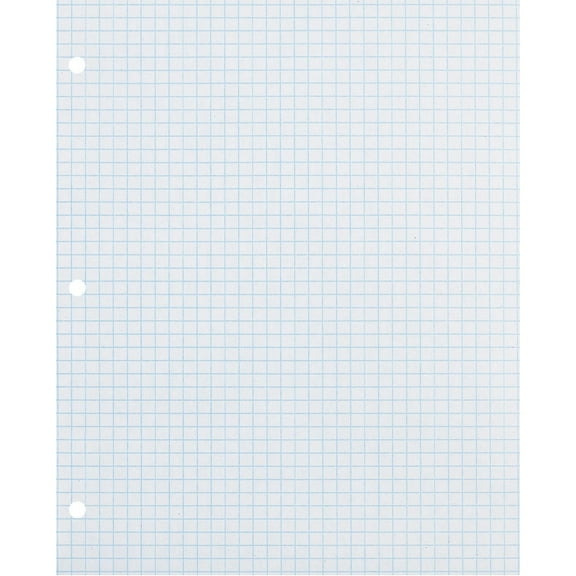
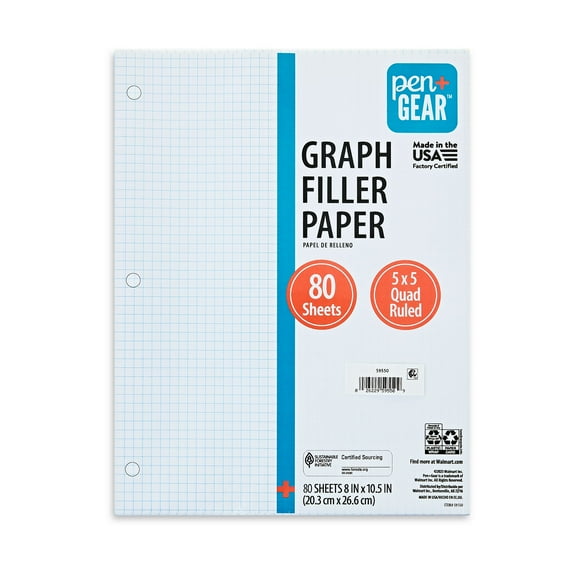
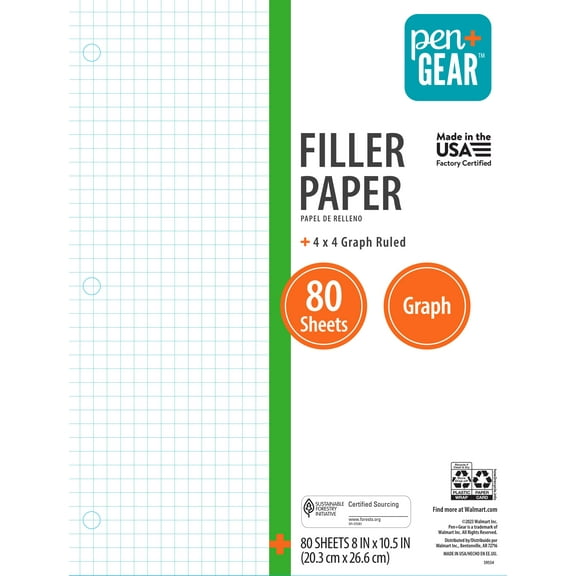
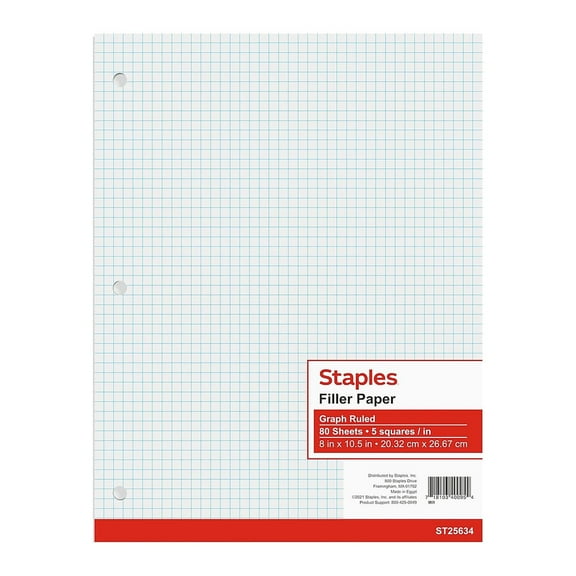
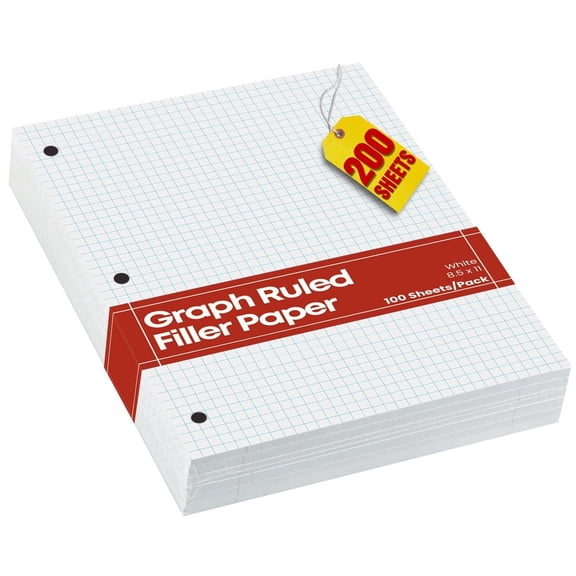
If your assignments include charts or math, you can also consider graph filler paper. You’ll get a grid layout that helps you line up numbers, draw boxes, and keep diagrams neat.
How sheet count and pack size fit your routine
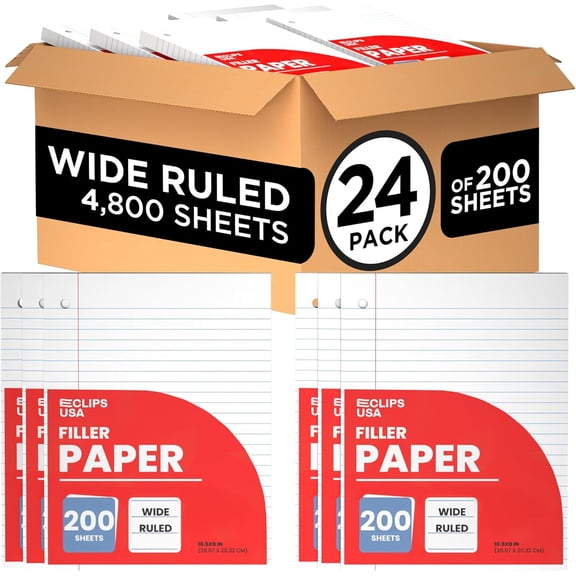
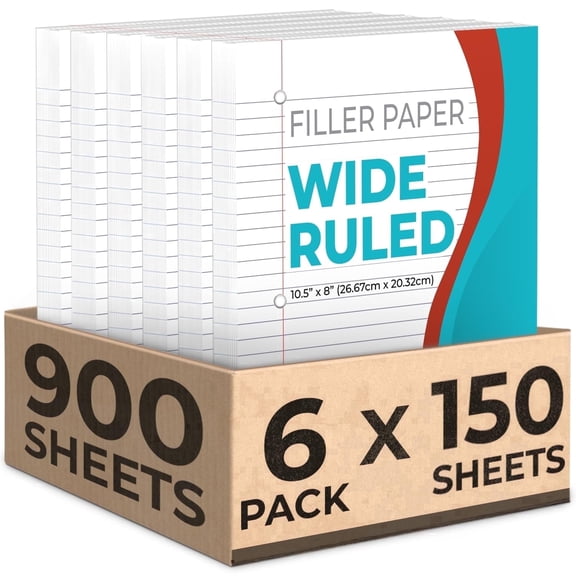
You should match sheet count to your class load, refill schedule, and storage space. You’ll often see packs with 100 sheets, 150 sheets, 200 sheets, or bulk pack options.
If you need paper for one subject, you can start with a smaller count for lighter use. You may want larger packs when you’re stocking several classes, a home study area, or a shared office cabinet.
You can think of pack size as a planning tool through the semester. You’ll usually need more pages when you separate notes by subject, rewrite homework, or keep extra sheets in multiple binders.
For back to school filler paper lists, you can simplify shopping by pairing larger counts with the right ruling and punch style. You’ll spend less time sorting mismatched supplies once school starts.
Using filler paper for school, office, and organized binders
You can use filler paper for lecture notes, homework drafts, meeting notes, and project planning. You’ll keep pages organized and simple to sort when your ruling, size, and binder format match from day one.
Students can choose college ruled sheets for detailed notes in science, history, or language classes. You can choose wide ruled pages for early writing practice, reading logs, or take-home assignments.
At work, you can use loose leaf paper for training binders, agendas, and handwritten records. You’ll appreciate reinforced edges when your pages move between desks, folders, and meeting rooms.
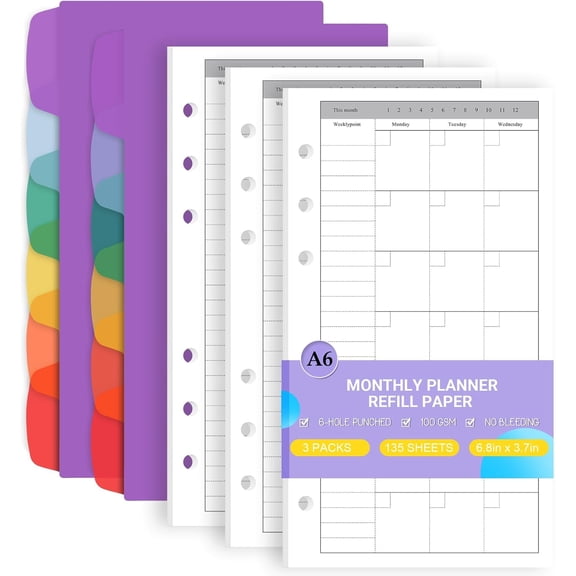
If you build custom systems, you can combine unpunched pages, mini sizes, or graph layouts with your preferred organizer. You’ll get a setup that suits note taking, planning, and filing without extra trimming.
You can also pair your paper choice with binders, dividers, notebooks, and pens for a smoother routine. You’ll keep supplies more consistent when each item fits the same writing and storage setup.
You’ll make an informed choice when you compare ruling, size, punch style, durability, and sheet count before you restock. Your finished setup can keep notes clean, pages turning smoothly, and binders simple to manage.