





Baby Bibs and Burp Cloths for Feeding






























About Baby Bibs and Burp Cloths for Feeding - Walmart.com
Bibs and burp cloths help you keep feedings cleaner, clothing drier, and quick changes simpler through newborn care and self-feeding stages. You can compare materials, closures, pack sizes, and coverage types, so your routine feels easier from early burping to weaning.
How to choose bibs and burp cloths for daily routines
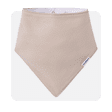
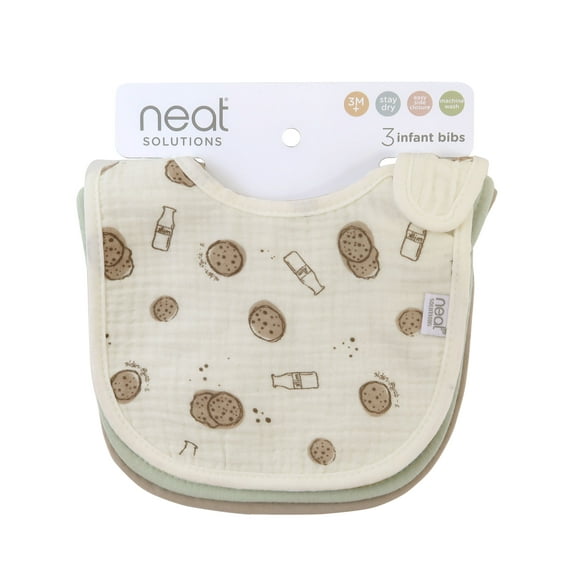
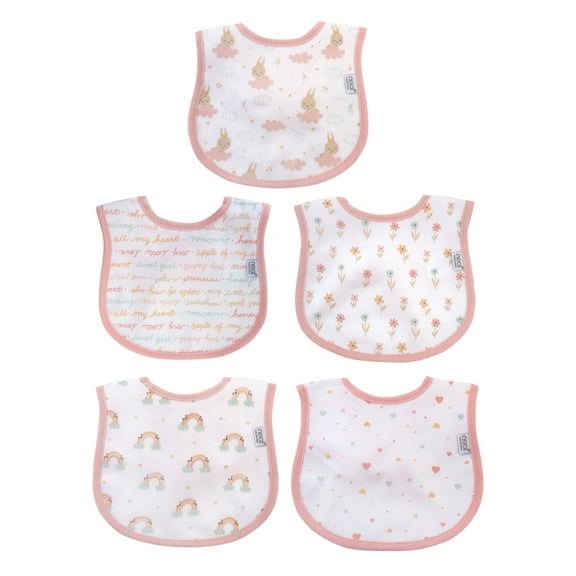
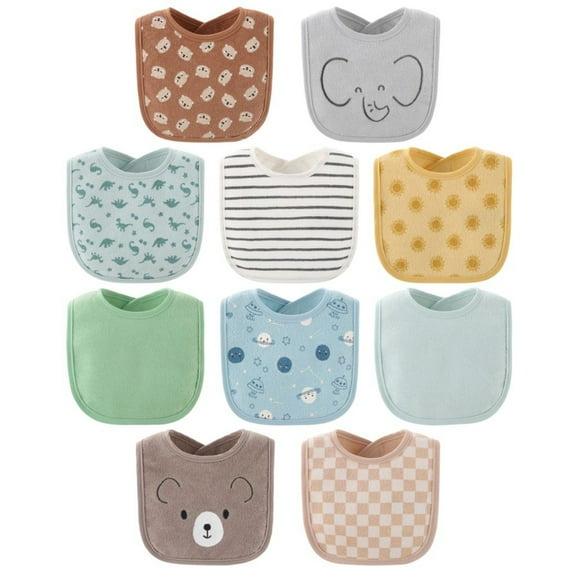
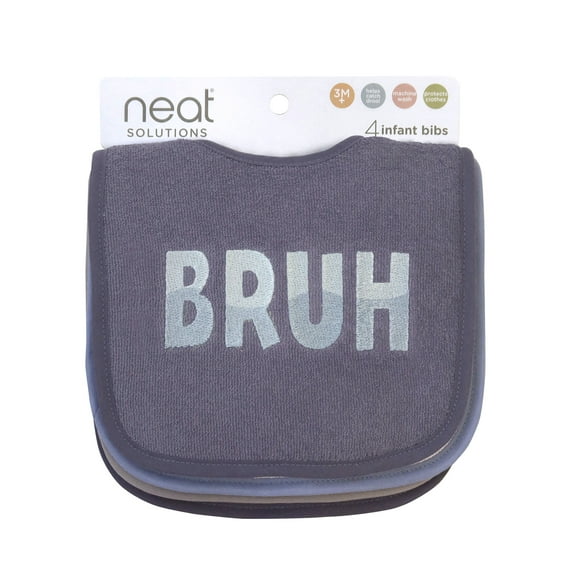
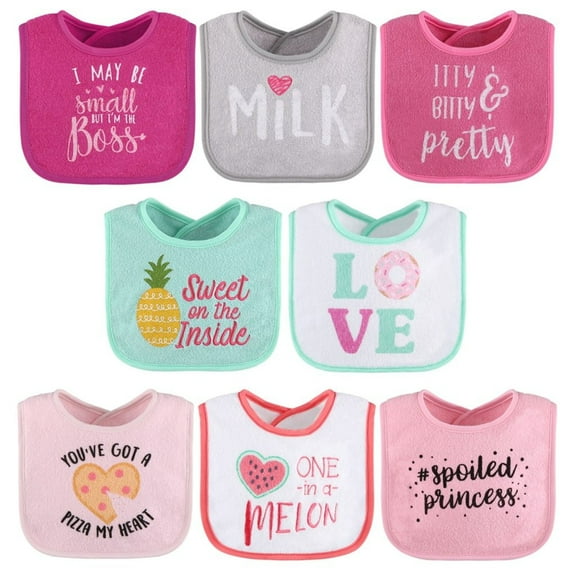
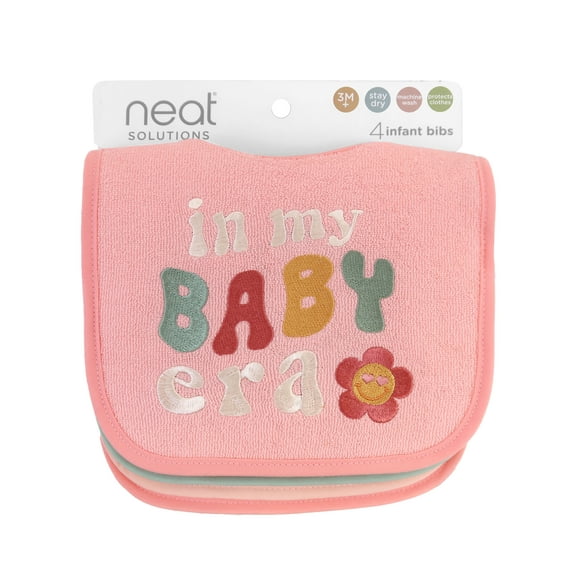
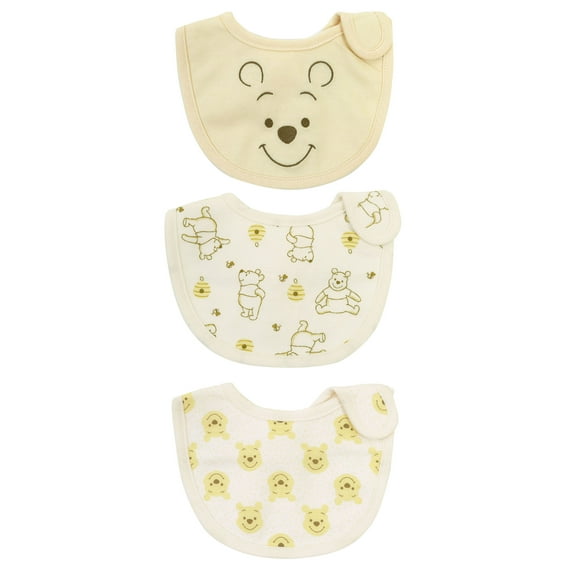
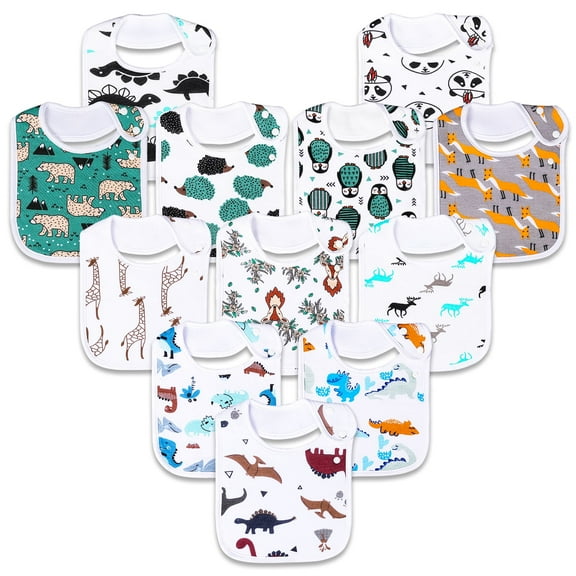
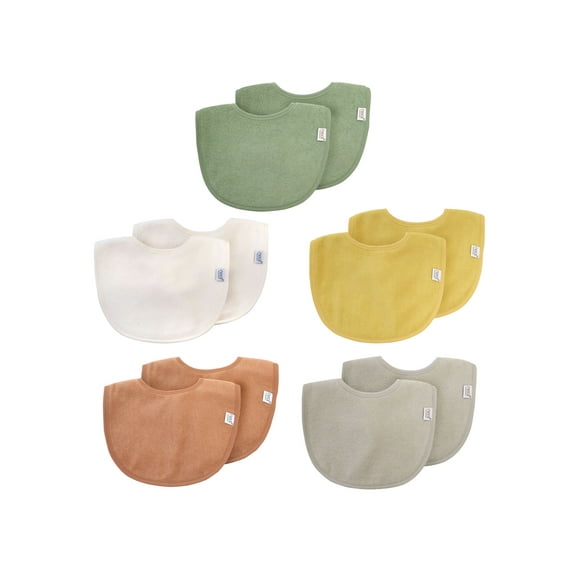
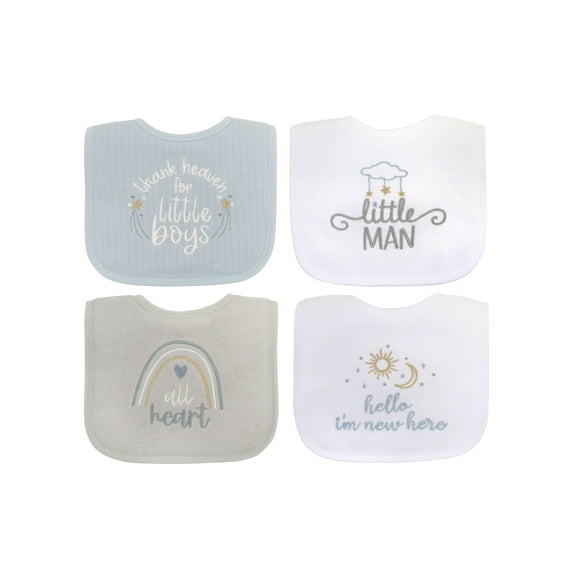
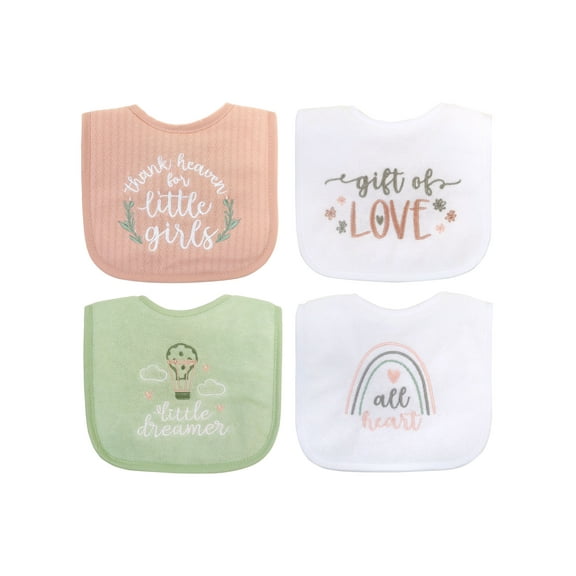
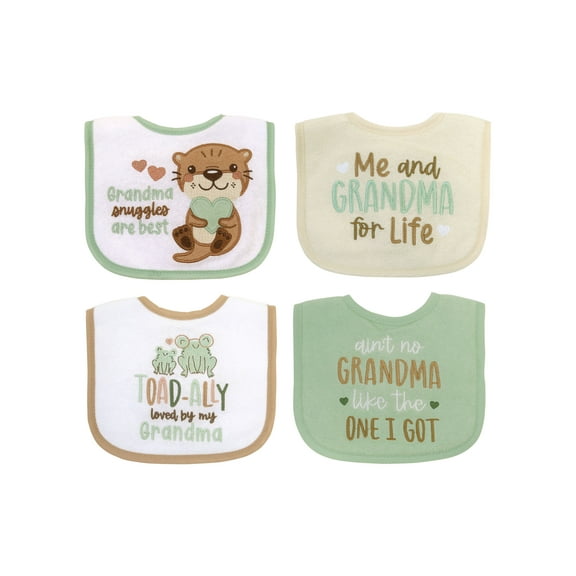
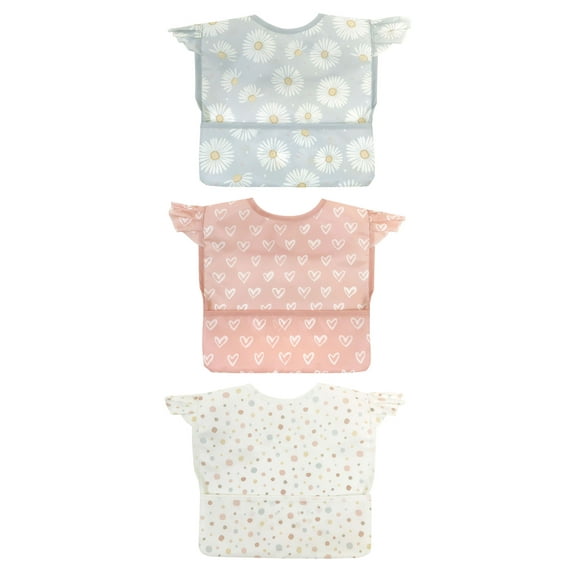
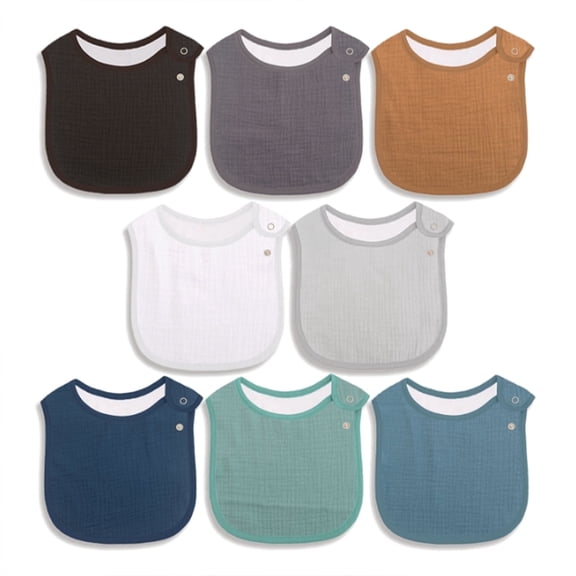
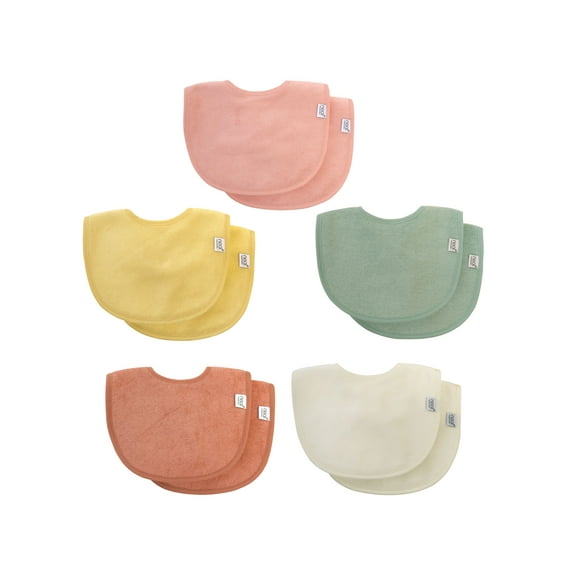
When you compare baby bibs, you should start with function, because drooling, feeding, teething, and weaning create different kinds of mess. You may want drool bibs for all-day wear, while you may prefer wider feeding styles for purees and finger foods.
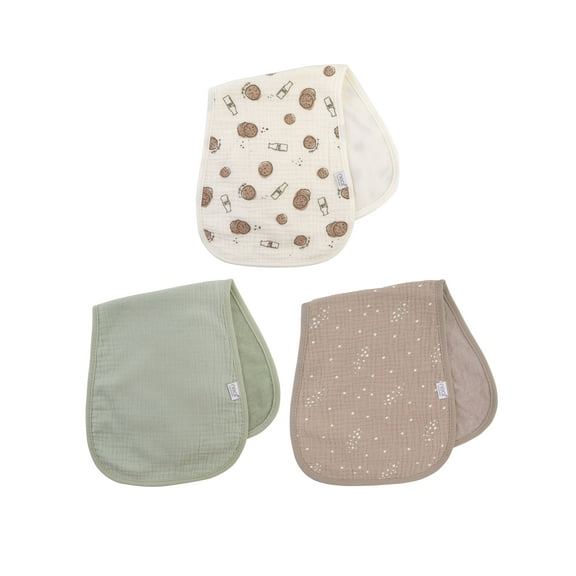
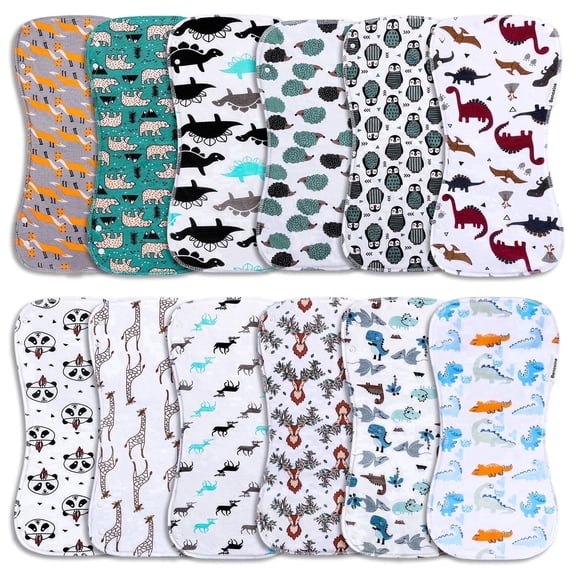
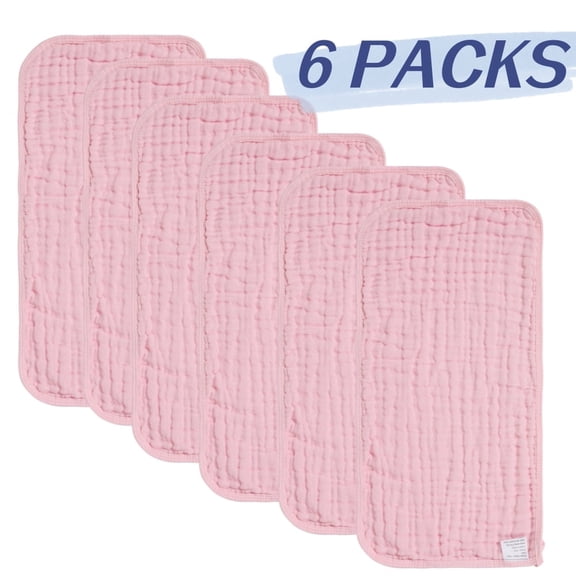
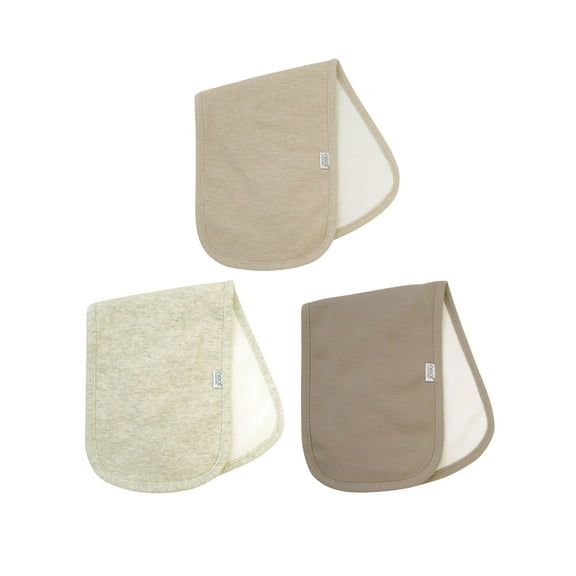
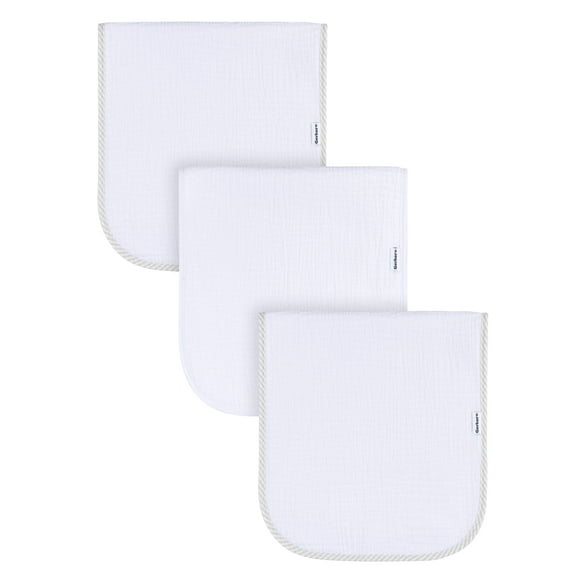
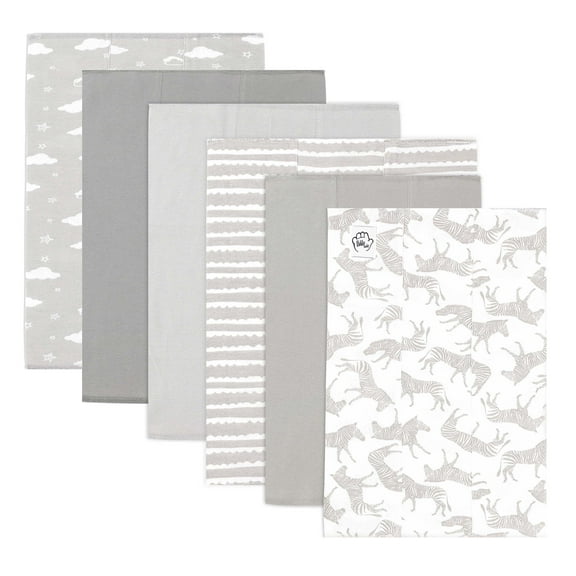
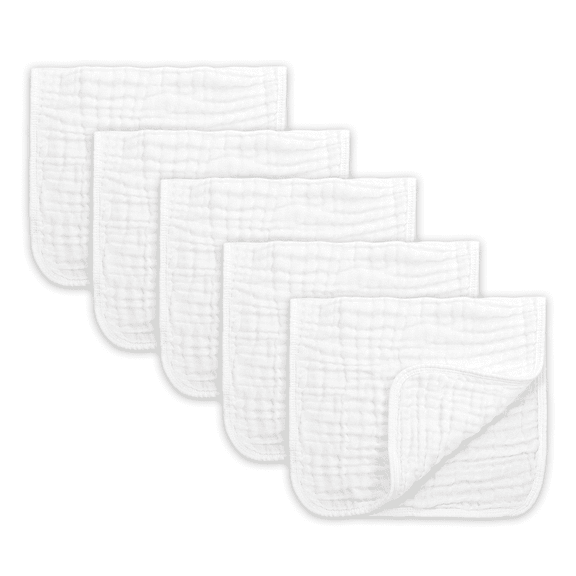
As you compare burp cloths, you should look at shoulder coverage and fabric layers, because those details affect how much mess stays off your shirt. You can use narrower cloths for quick burps, while you may choose larger shapes for longer nursing or bottle sessions.
If you want fewer outfit changes, you should match the product type to the moment instead of using one style for everything. You’ll usually want baby bibs for chest coverage and burp cloths for shoulder coverage during cuddles and burping.
Choosing materials for baby bibs and burp cloths
When you compare material options, you should decide whether you want easier wipe-clean care or softer absorbent layers against delicate skin. You may prefer silicone bibs for mealtime messes, while you may choose muslin burp cloths for frequent burping and snuggles.
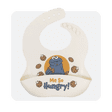
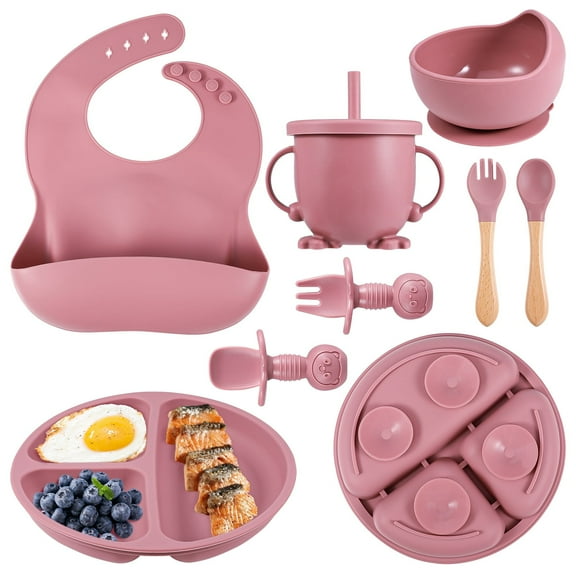
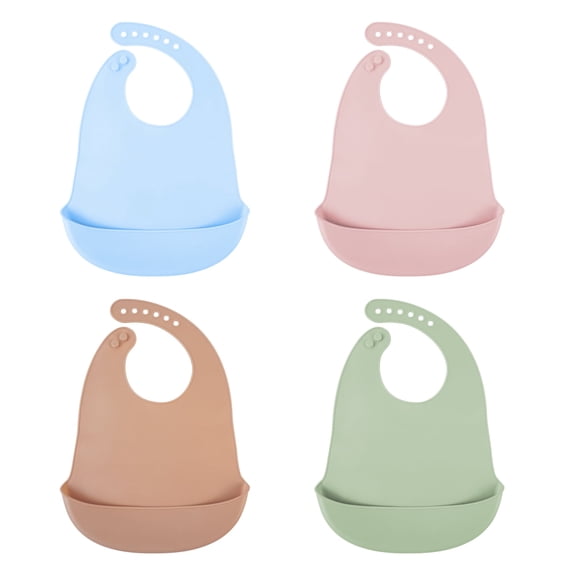
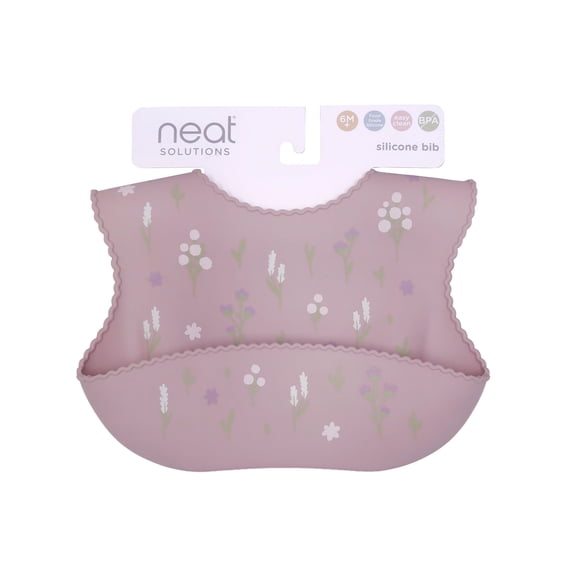
If you want simple cleanup, you should consider silicone bibs with a flexible shape and a catch pocket for falling crumbs or drips. You can rinse them quickly, and you may not need to swap them out as often during one meal.
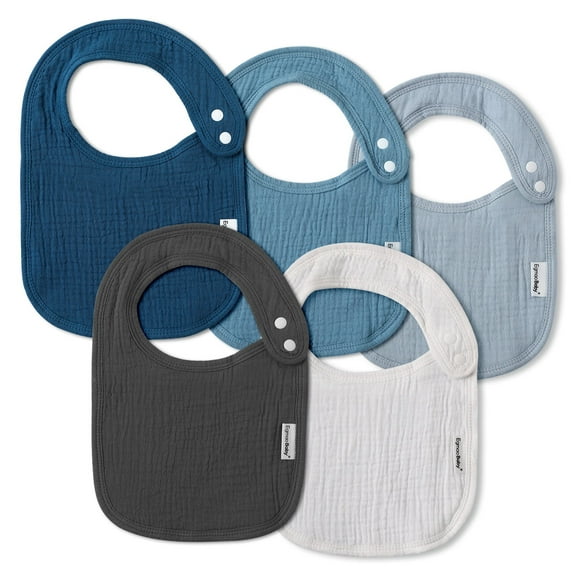
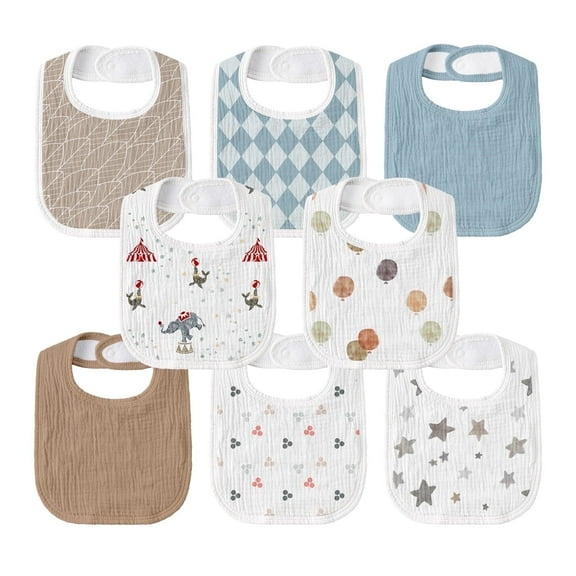
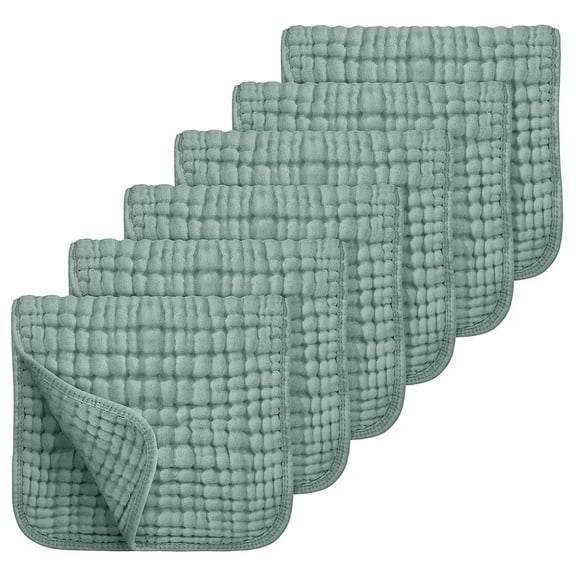
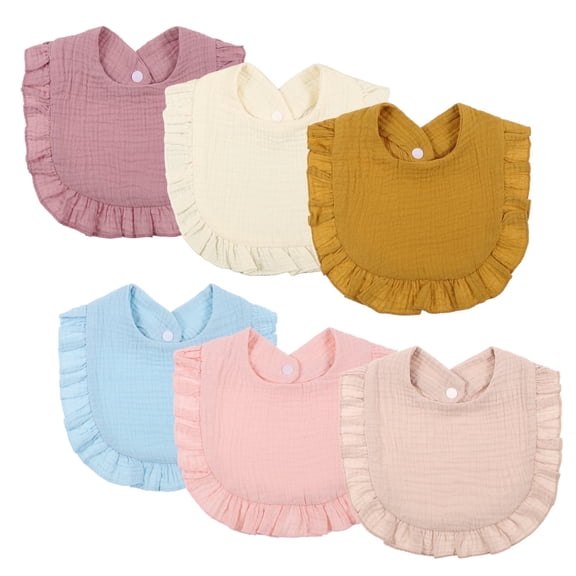
When you want softness and absorbency, you should compare muslin cotton, terry cloth, and organic cotton options. You’ll often notice muslin burp cloths feel light and breathable, while terry cloth gives you a thicker, towel-like feel.
If material details matter to you, you should check whether labels mention BPA-free silicone, OEKO-TEX, or GOTS certifications. You can use those details as buying signals when you want straightforward information about materials and manufacturing standards.
- You can choose silicone for quick wipe-clean feeding routines.
- You can choose muslin cotton when you want light, breathable baby burp cloths.
- You can choose terry cloth when you want thicker absorbent layers.
- You can choose organic cotton when you want fabric-focused material details.
Comparing closure types, coverage, and waterproofing
As you compare closure types, you should think about comfort at the neck and how often you’ll open and close the bib. You may like snap closures for a secure fit, while pullover styles can feel simple during quick changes.
If you’re considering hook-and-loop closures, you should check softness around the edges and overall placement near the neck. You’ll want a closure that feels easy to adjust without adding extra fuss during busy feedings.
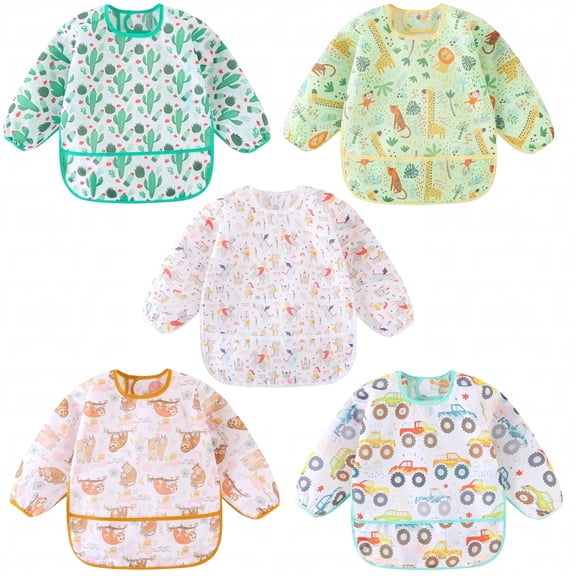
Coverage matters just as much as closure, so you should match shape and size to the mess you expect. You may want chest coverage for self-feeding, while you may choose longer shoulder coverage for frequent burping.
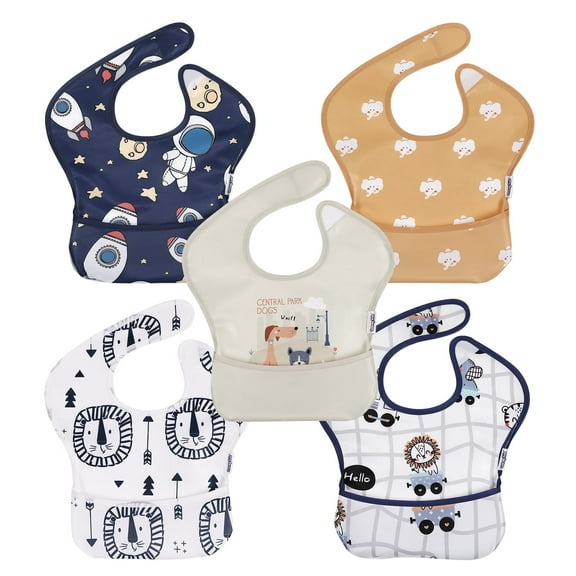
When you compare waterproof bibs, you should look for waterproof backing, absorbent layers, or a silicone pocket. You can use fabric layers with a TPU waterproof barrier for drips, while silicone pockets help catch falling bites.
If you want fewer mid-meal swaps, you should compare how each style handles moisture and crumbs. You’ll often find absorbent layers useful for drool, while wipe-clean surfaces suit purees, oatmeal, and first finger foods.
Picking the right pack size for newborns and growing babies
Pack size can shape your routine, so you should think about laundry frequency, daycare needs, and how many bib changes happen each day. You may want a single style for trial use, or you may prefer a baby burp cloths pack for steady rotation.
If you’re planning for a newborn, you should expect several changes across feeding, burping, and drooling windows. You can keep a three-pack in smaller spaces, while five-pack and 10-pack sets support fuller weekly routines.
When you build a registry or restock essentials, you should mix pack sizes by use rather than choosing one format only. You may keep feeding bibs in the kitchen, drool bibs in the diaper bag, and burp cloths near your usual feeding chair.
Matching bibs and burp cloths to real-life use cases
For newborn care, you should prioritize soft baby bibs and burp cloths with gentle textures and dependable absorbency. You can use muslin burp cloths after bottles or nursing, because they fold easily over your shoulder and stash neatly in a bag.
During teething months, you may want drool bibs with absorbent layers and a secure closure that stays comfortable through naps and play. You’ll appreciate having extra bibs nearby when moisture builds up across the day.
Once self-feeding begins, you should consider silicone bibs with a catch pocket and wider front coverage. You can rinse them after yogurt, puree, pasta, or fruit, which keeps cleanup moving during repeated practice meals.
If you travel often, you should compare foldability, drying time, and how fast each style wipes clean between stops. You may want fabric burp cloths for car rides and silicone bibs for restaurant meals or daycare pickup dinners.
When you want a balanced setup, you should combine baby bibs for feeding with burp cloths for shoulder coverage and quick wipeups. You’ll feel more prepared for bottles, snacks, stroller outings, and extra messy learning-to-eat moments.
What to look for before you decide
Before you choose, you should compare function, material, closure, coverage, waterproofing, and pack size together instead of focusing on one detail. You can narrow options faster when you match each feature to your feeding routine, laundry rhythm, and baby’s stage.
With the right bibs and burp cloths, you can keep daily messes more manageable and outfit changes more predictable. You’ll get practical coverage where you need it, from early burping sessions to independent bites at the table.