

Oil Rubbed Bronze Dummy Door Knobs & Dummy Knobs











































About Oil Rubbed Bronze Dummy Door Knobs & Dummy Knobs - Walmart.com
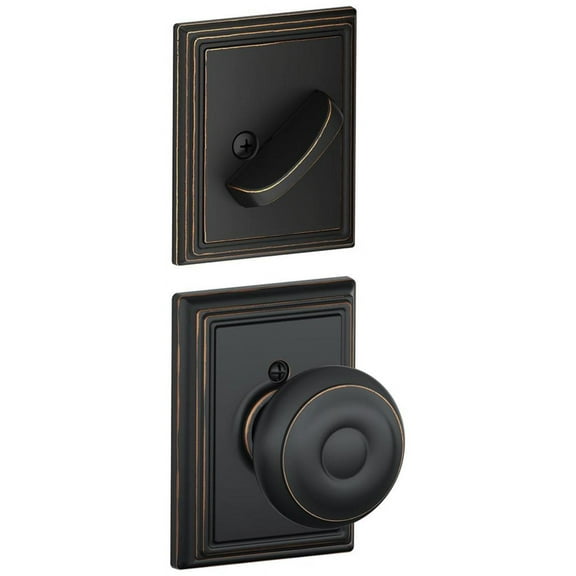
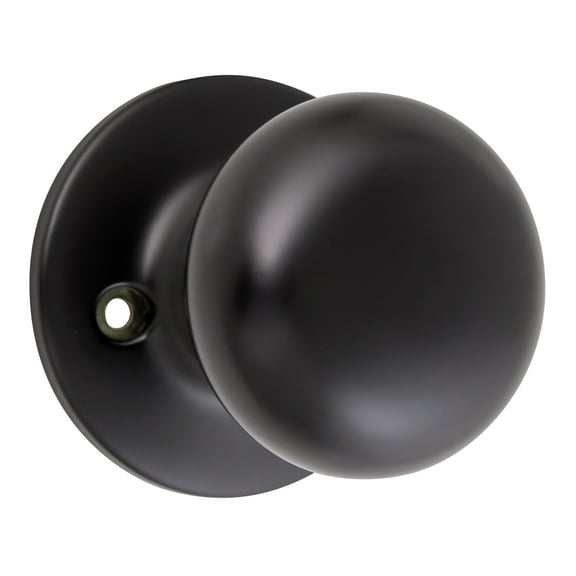
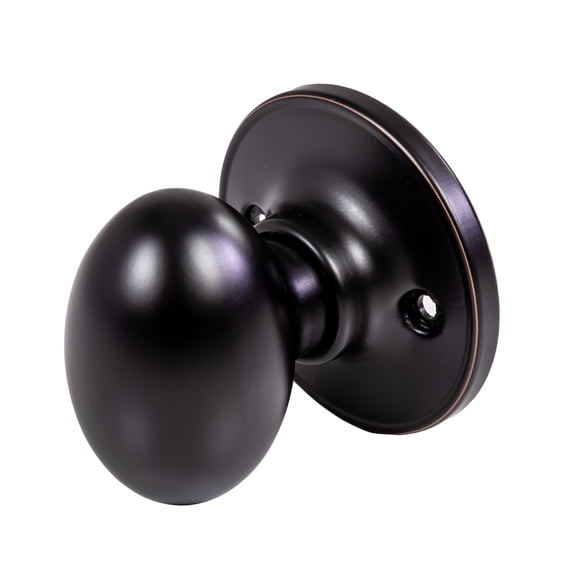
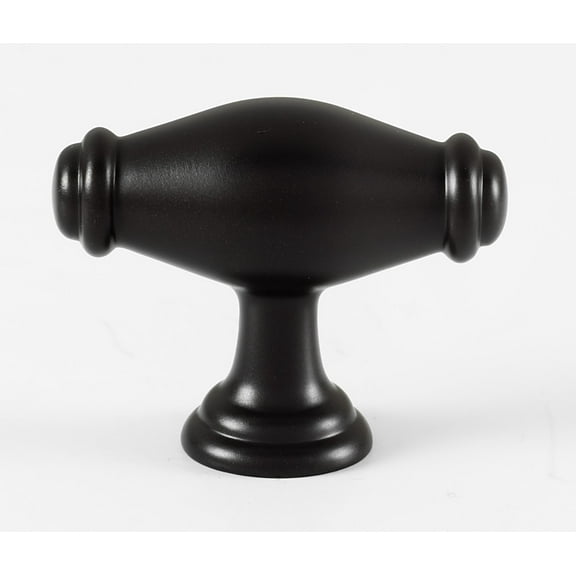
Your oil rubbed bronze dummy door knob can give closet, pantry, and French doors a finished look without a turning latch. You can use this hardware when your door only needs a pull point and a coordinated finish.
You may be comparing finishes, mounting types, and single or double setups before you choose. You can narrow the field faster when you know how dummy knobs differ from passage and privacy hardware.
How to choose an oil rubbed bronze dummy door knob
You should start by confirming that a dummy door knob does not turn and does not latch. You can use dummy knobs on inactive doors, ball-catch doors, or decorative panels that open with a pull.
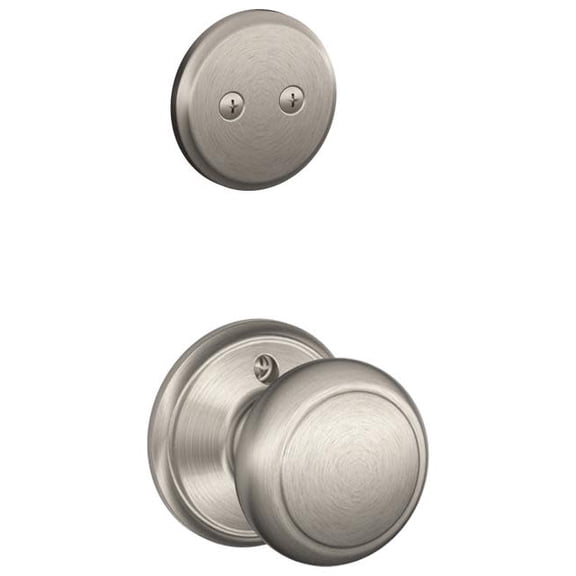
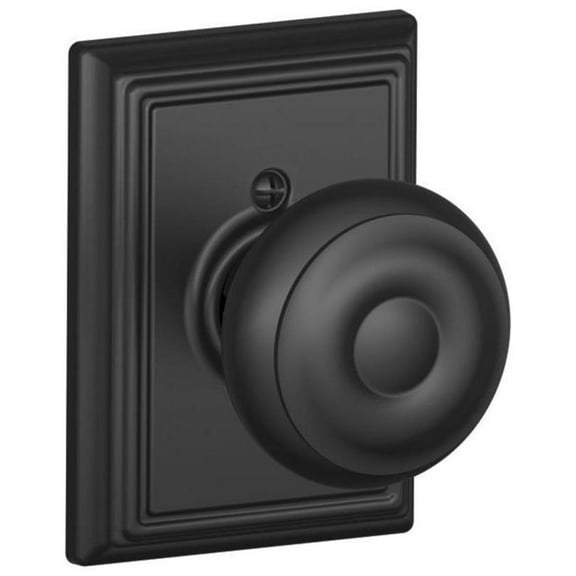
When you compare finishes, you should match your knob to nearby hinges, pulls, and light fixtures for a more unified look. You can choose oil rubbed bronze for warm contrast, satin nickel for a softer metallic tone, or matte black for a defined outline.
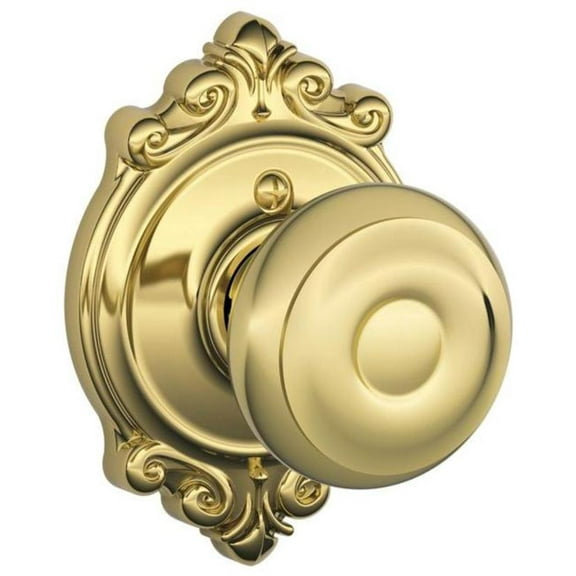
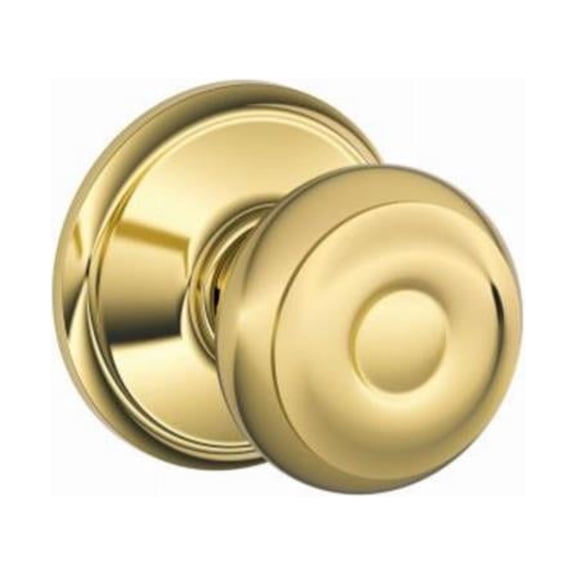
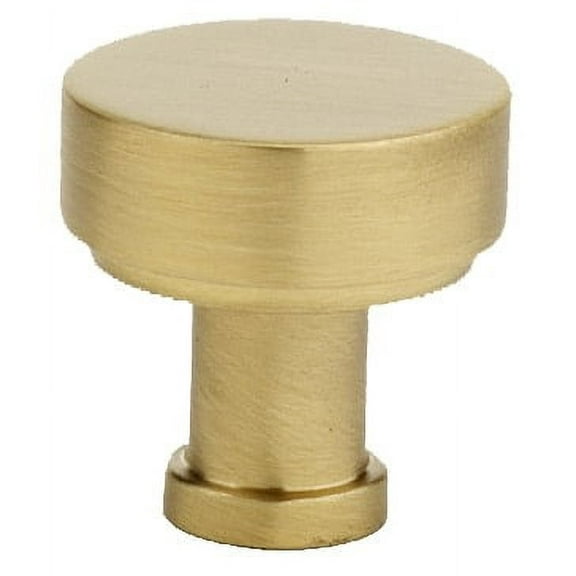
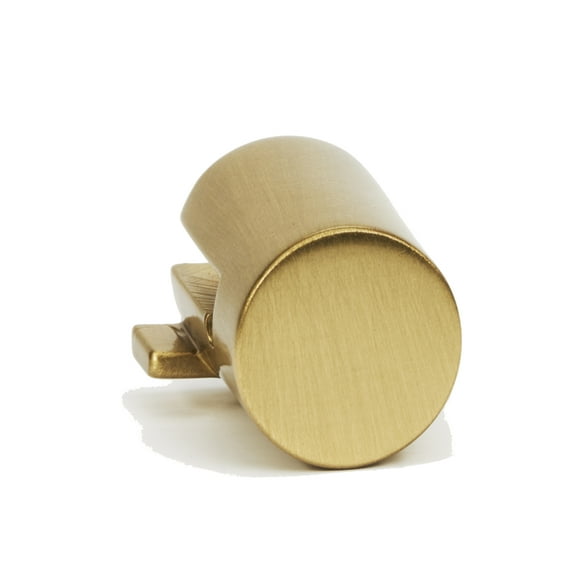
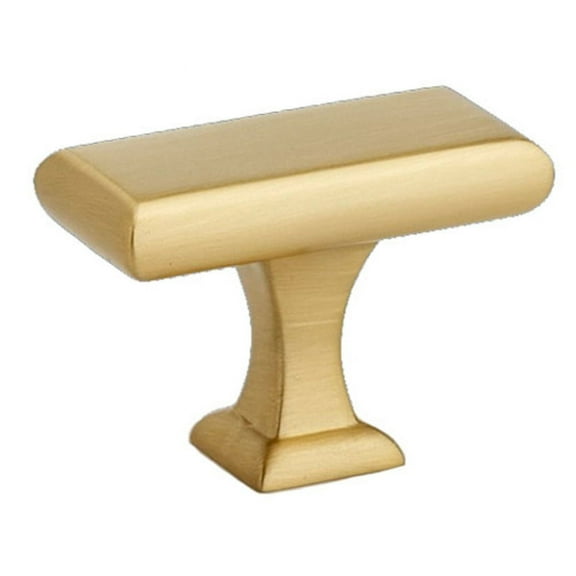
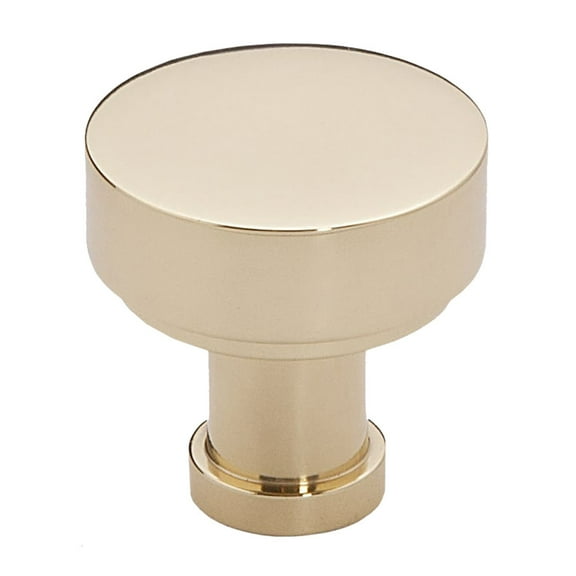
If your space uses brass accents, you may also compare gold-tone styles that echo cabinet hardware and trim. You can keep the room consistent by choosing one finish family across your pantry, closet, and adjacent doors.
Key benefits of dummy door knobs
You get the look of full door hardware without the turning parts used in passage or privacy sets. You can create a complete hardware layout on doors that need a pull point instead of a latch.
You'll also simplify your project when your door requires surface mounting instead of full latch prep. You can often use fake door knobs on doors where a simpler hardware setup fits your layout.
- You can give closet and pantry doors a finished appearance that matches nearby room hardware.
- You can choose a single dummy door knob for one-sided use or a pair for double-door symmetry.
- You can coordinate faux door knobs with hinges, pulls, and other decorative metal details.
- You can use dummy locks and knobs on inactive doors that need a grip point instead of a latch.
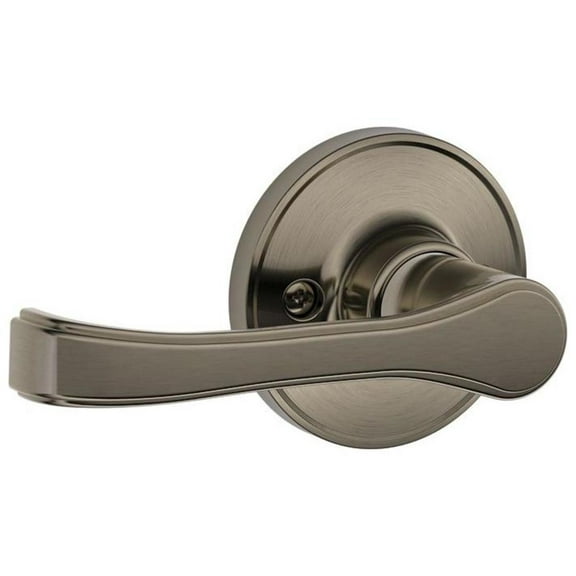
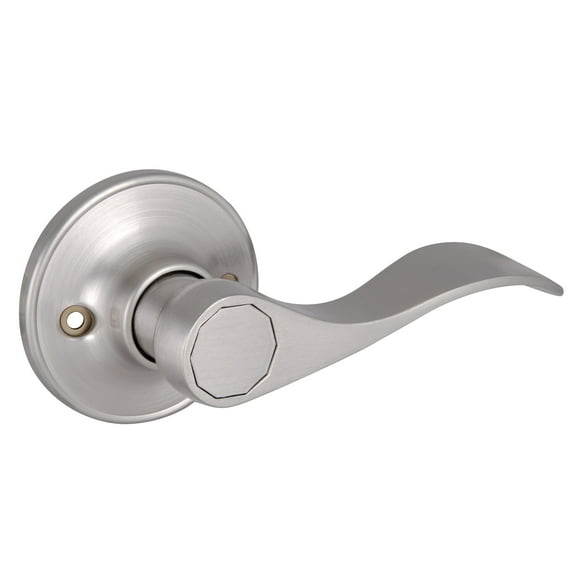
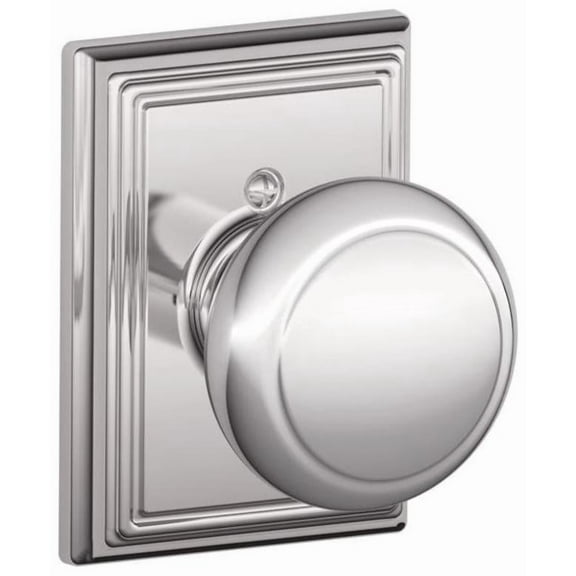
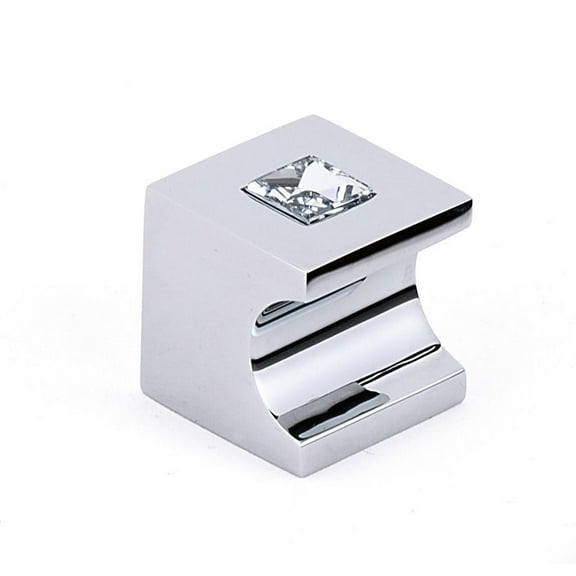
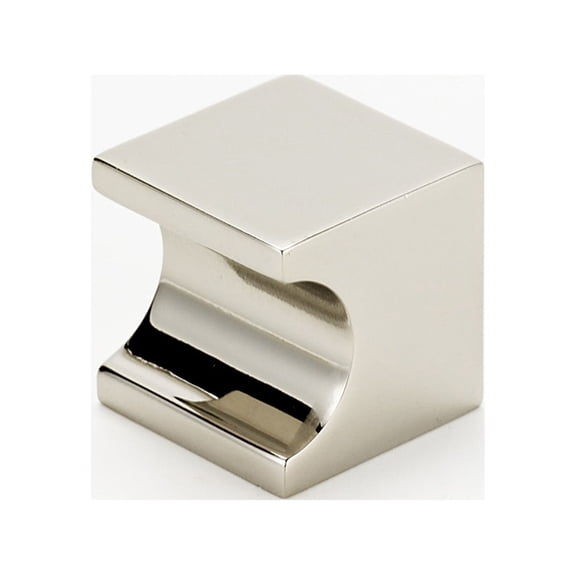
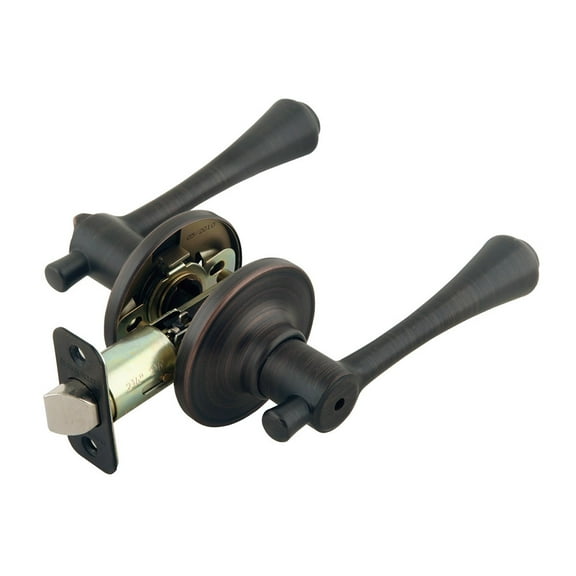
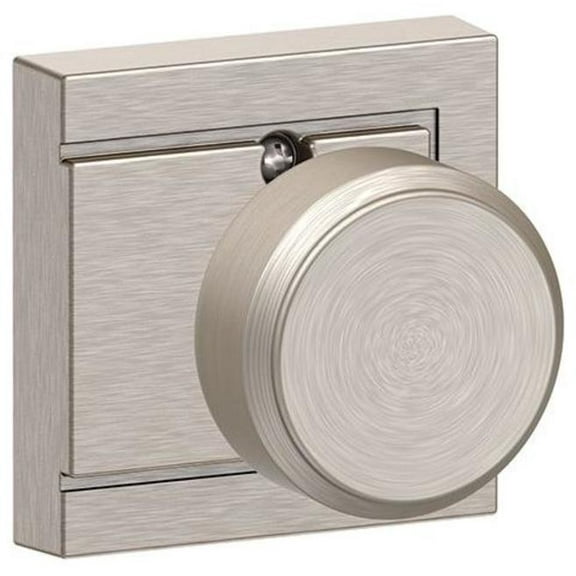
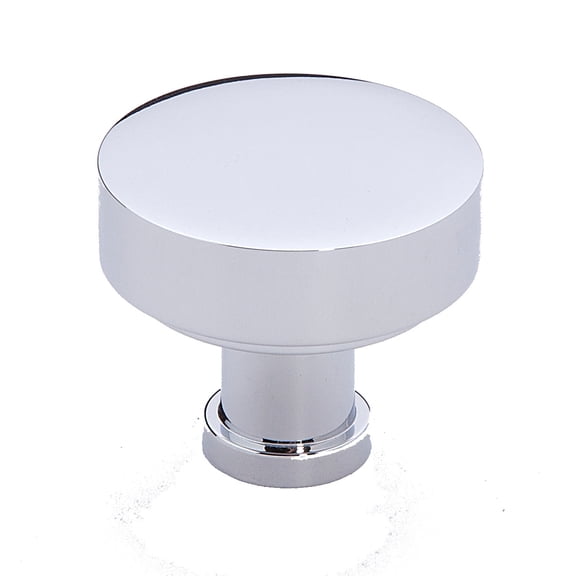
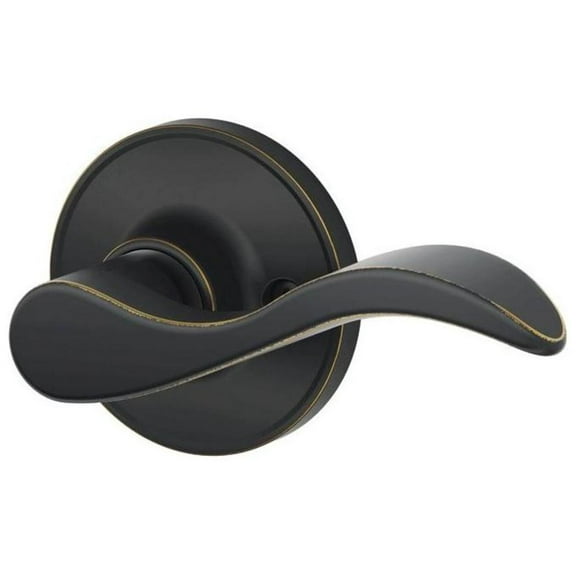
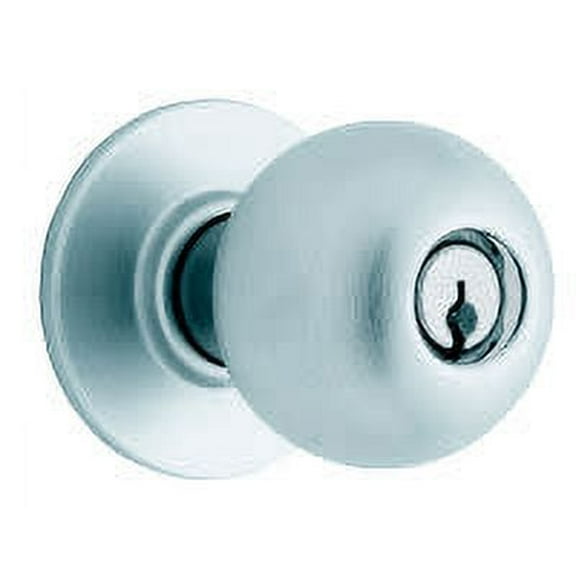
Because you have several shape options, you can also match your home's style without changing door function. You may prefer round knobs for classic rooms, egg shapes for traditional spaces, or lever styles for easier gripping.
Choosing configuration, mounting, and style
You should compare single-sided and double-sided options before you choose dummy door knob sets. You can use a single dummy door knob on one face of a pantry or closet door, while paired sets suit double doors.
For French doors, you should check which panel is active and which panel stays inactive most often. You can place dummy hardware on the inactive panel so both doors look balanced from across the room.
Mounting details matter, so you should check whether your door requires surface mount hardware or fits existing bore hole prep. You can avoid fit issues by measuring door thickness and reviewing the mounting method before you choose.
If you want a more traditional look, you may lean toward round or egg-shaped knobs with softer curves. If you want easier gripping, you can compare lever designs that feel simpler to hold during daily use.
What finish and design details mean for your room
You can use finish as a quick way to connect your knob with the rest of your home project. Oil rubbed bronze gives your room a darker accent, while chrome and satin nickel look brighter and cleaner.
When you compare rustic, modern, and traditional styles, you should think about door panels, trim profile, and nearby cabinet hardware. You can keep the visual flow cleaner when the knob shape echoes the lines already in your space.
You'll also want to check backplates, rosettes, and overall knob shape if you're replacing older hardware. You can cover previous marks more easily when the new trim size lines up with your existing door surface.
Gold-tone sliding door handles and related hardware choices
If you're coordinating several doors in one area, you may compare gold-tone sliding door handles with matching dummy hardware finishes. You can create a connected look when sliding doors, pantry doors, and French doors share similar metal tones.
You should also separate function by door type before you choose matching hardware across the room. You can use sliding handles where doors glide, and you can use dummy knobs where doors need a pull or decorative face.
For nearby rooms, you may also compare dummy door knob styles with passage door knobs, privacy door knobs, and door hinges. You can keep each door working as intended while maintaining a consistent hardware look from room to room.
Common use cases for dummy knobs
You can use dummy knobs on linen closets, pantry doors, and shallow storage doors that open with a simple pull. You may also use them on one side of a door where you do not need a turning mechanism.
On double doors, you can use dummy door knob sets to create symmetry even when only one leaf opens regularly. You can also pair them with ball catches when you want the doors to stay closed neatly.
For decorative updates, you can replace worn hardware with faux door knobs that better match your current finish palette. You'll notice this approach works well when you update hinges, hooks, and cabinet pulls in the same project.
When you choose the right finish, configuration, and mounting style, you can make inactive doors look intentional and easy to use. You get hardware that fits your space and gives your doors a polished finishing touch.