



Waterproof Backpacks in Hiking Backpacks







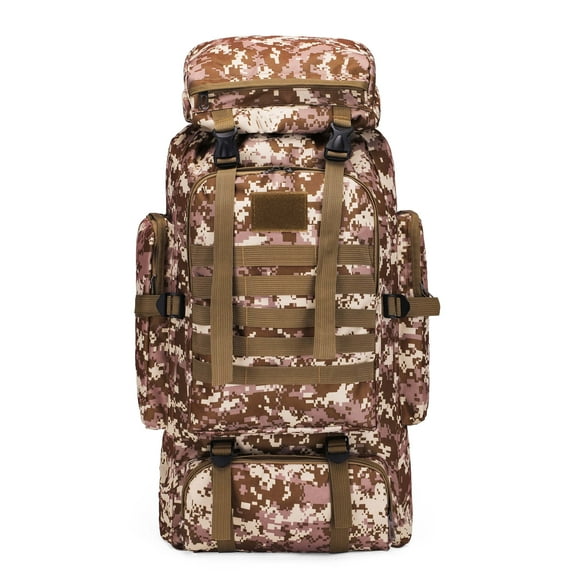


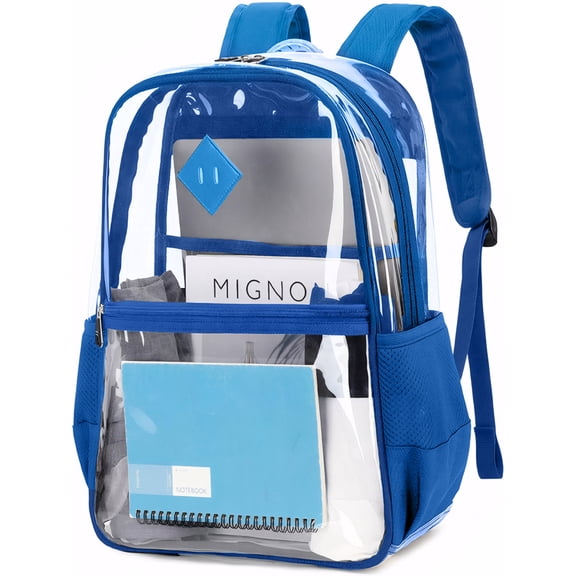


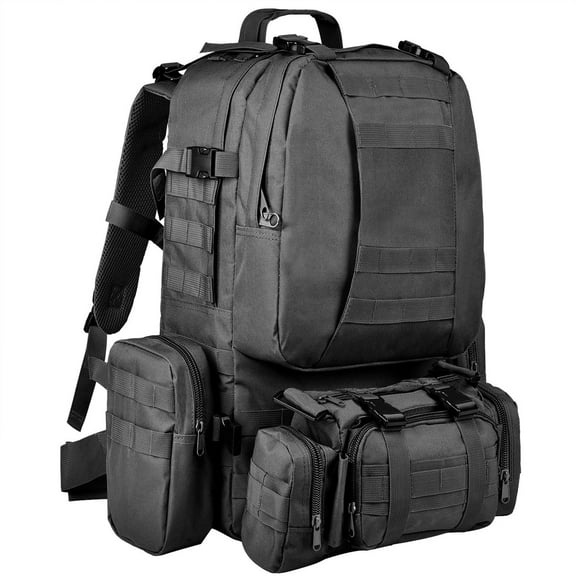


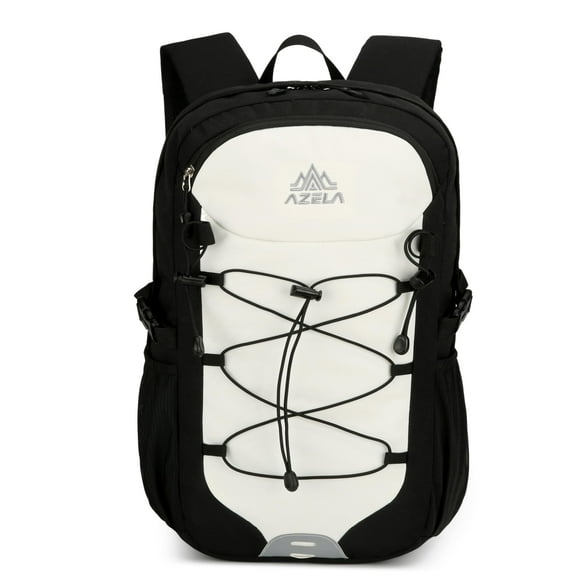













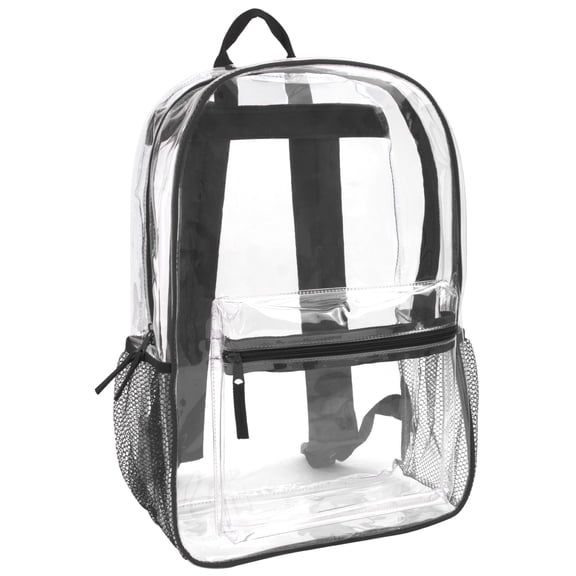


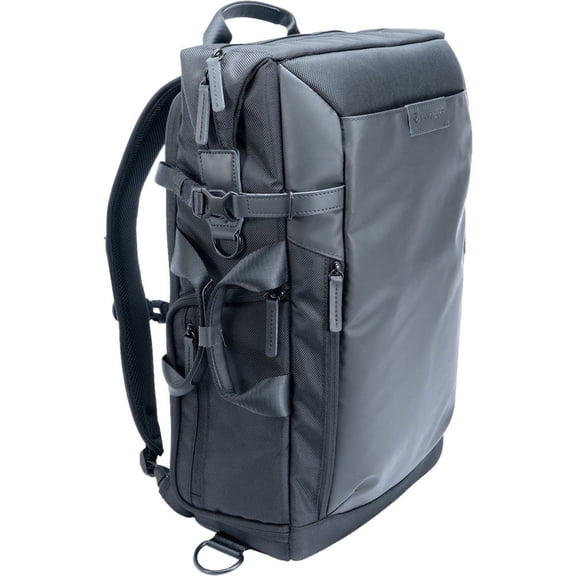
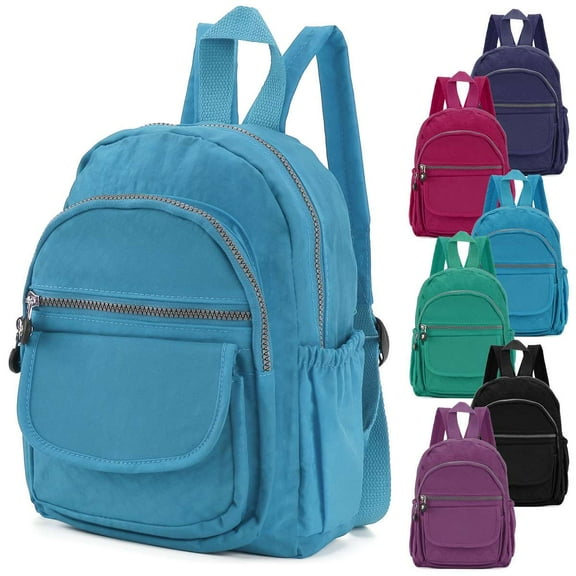


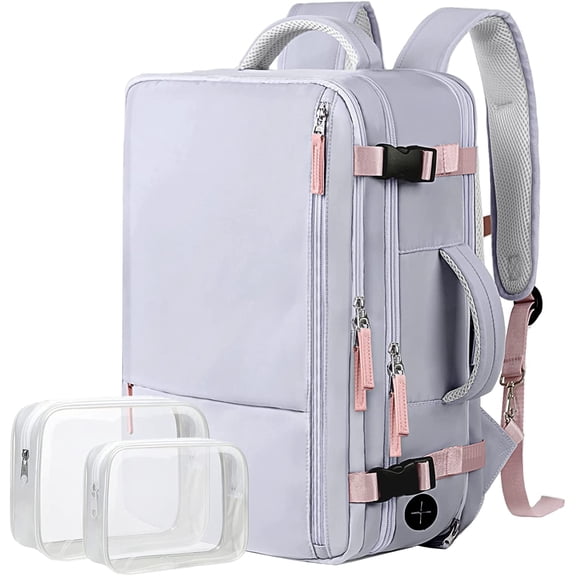


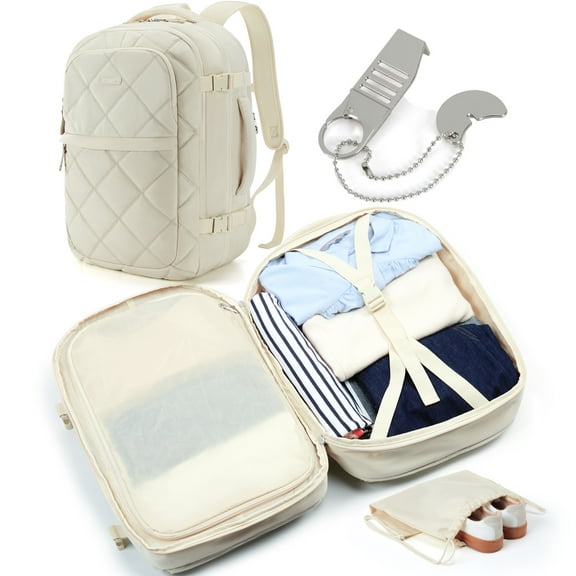
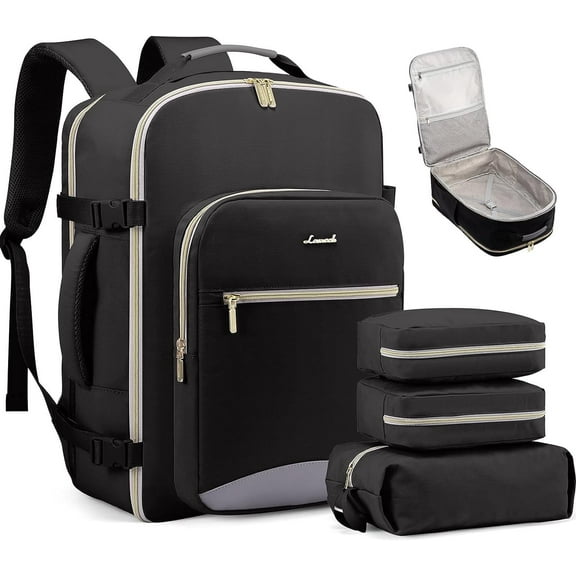


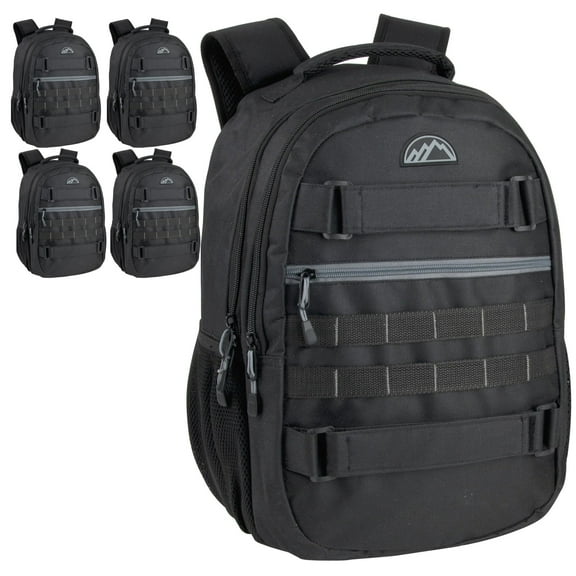
About Waterproof Backpacks in Hiking Backpacks - Walmart.com
Your waterproof backpack choice matters when rain, spray, and wet trails can soak extra layers, electronics, and trail essentials. You need clear guidance on waterproofing levels, capacity, and carry comfort, so you can match the right bag to hiking, kayaking, commuting, or travel.
Choosing the right waterproof backpack
Start by comparing how much water protection you need for your routine. You may want a water resistant bag for light rain, or you may need a fully submersible design for paddling trips.
Look for decision details that change daily use, not just product labels. You should compare IPX ratings, closure styles, capacity in liters, and strap design before you narrow your options.
- You can keep extra clothes, snacks, and maps dry during hikes and campground stops.
- You can protect your laptop, charger, and documents during wet commutes and travel days.
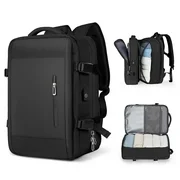
- You can choose a backpack with clothes compartment layouts that separate dry gear from damp items.
- You can find options available at your local Walmart when you want waterproof backpacks near you.
Choosing the right waterproofing level
Compare waterproofing terms carefully, because they signal different performance in real conditions. You may see water-resistant styles for drizzle, IPX6 waterproof designs for strong spray, and fully submersible bags for deeper water exposure.
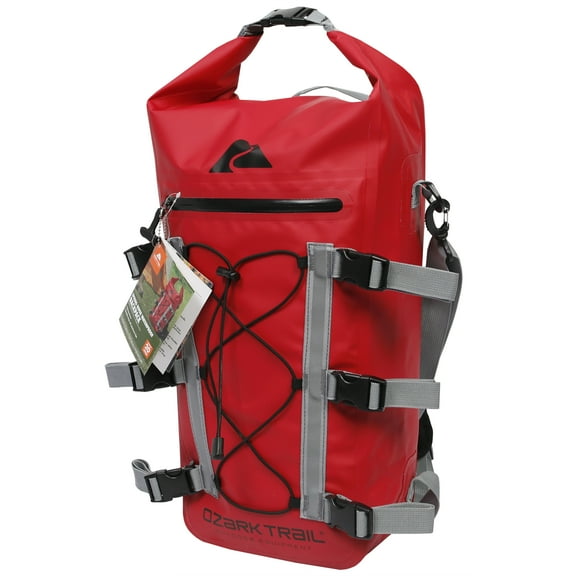
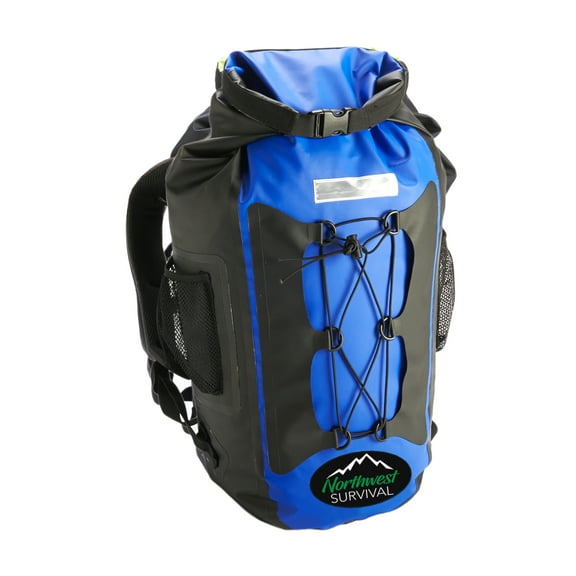
If you hike in rain or walk between classes and work, you may prefer a water resistant bag with covered zippers. If you paddle, you should look for roll-top closures, welded seams, and clear IPX ratings.
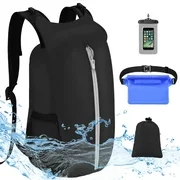
IPX6 waterproof designs usually help you handle heavy rain, boat spray, and rough weather on the move. Fully submersible options suit activities where you expect dunking, river crossings, or deck splash around your gear.
Choosing the right capacity and compartment layout
Capacity shapes how useful your bag feels once you start packing for real trips. You should match liters to your activity, your load, and how long you’ll be out.
A 20L bag can work for commuting, gym clothes, or short day hikes with water and snacks. A 30L bag gives you more room for layers, lunch, and a tablet or laptop sleeve.
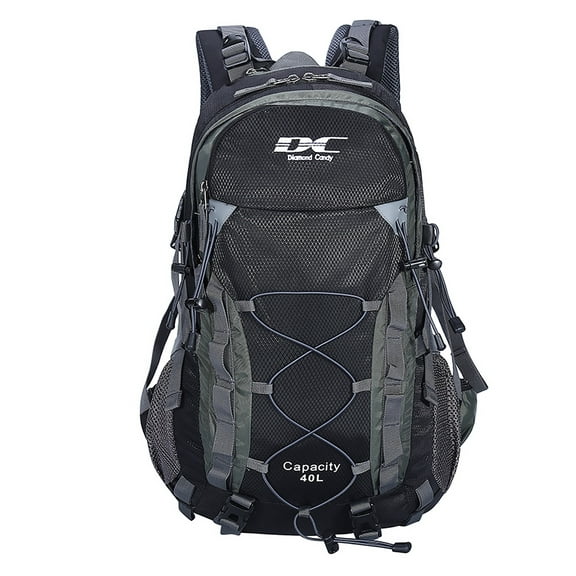
A 40L option often fits longer hikes, overnight gear, or bulkier cold-weather layers. If you travel or pack for extended outings, you may want 50L plus storage and more organization.
Check whether you want one large dry compartment or several divided sections. You may prefer a backpack with clothes compartment storage, a laptop sleeve, or quick-access pockets for maps and phones.
Choosing comfort features for hiking and daily carry
Comfort matters when you carry gear for hours on trails, docks, or city streets. You should compare padded shoulder straps, adjustable sternum straps, and back panels that help balance weight.
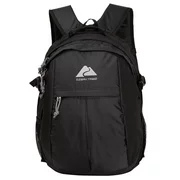
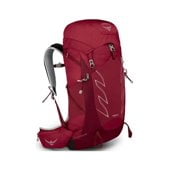
For a hiking backpack waterproof design, look for ergonomic shaping that keeps the load closer to your body. You may also want padded mesh panels that feel less bulky during long walks and warm-weather use.
If you commute often, you might prefer slimmer shapes that fit lockers, car floors, or crowded transit spaces. If you travel farther, you may want hip support, wider straps, and easier grab handles.
Matching activity and audience needs
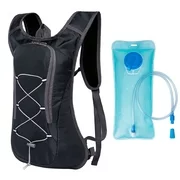
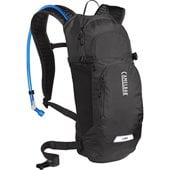
Your activity should guide which outdoor backpack waterproof style is ideal for your plans. You can use hiking-focused bags for trail layers and hydration, while kayaking styles often emphasize roll-top sealing and simpler dry storage.
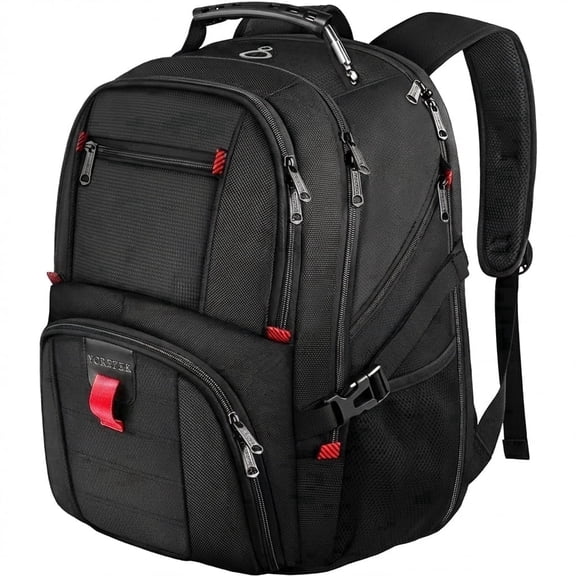
For commuting, you may want cleaner shapes with laptop protection and organizer pockets for chargers, notebooks, and keys. For travel, you may need larger openings, clothes storage, and carry-friendly dimensions.
Fit and shape also affect how the bag rides on your frame during movement. You may compare options labeled for women, men, or unisex carry when you want strap spacing and torso fit that feels right.
If you want a waterproof backpack for hiking women, you may focus on narrower shoulder spacing and lighter packed weight. If you share gear at home, you may prefer unisex designs with broad adjustability.
Using a waterproof backpack for real situations
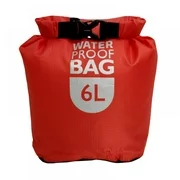
You can use a waterproof bag for kayaking when you need dry storage for towels, layers, and small essentials. You may also use the same category for ferry rides, beach days, and campsite setups during wet weather.
On the trail, you can pack a hiking backpack waterproof style with rain layers, snacks, and navigation tools. You’ll appreciate easier organization when your bag includes internal sleeves and separate compartments.
During daily commutes, you can keep electronics and spare clothing more organized through changing weather. You may want local pickup or store availability when you need a waterproof backpack near you without extra planning.
For weekend travel, you can choose larger liter sizes that handle shoes, folded outfits, and toiletry pouches. You’ll benefit from closure systems and compartments that help your gear stay sorted through transit.
Your right pick depends on how wet your trips get, how much you pack, and how long you carry it. When you compare waterproofing, liters, and comfort features carefully, you get a waterproof backpack that fits your routine with less guesswork.