

Bench Grinders in Grinders

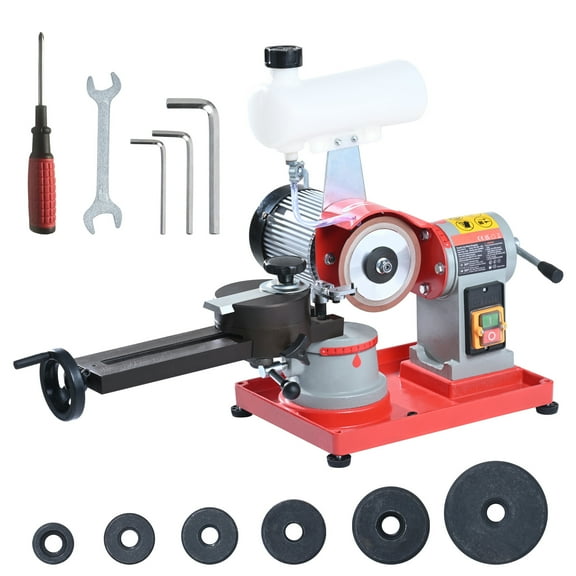
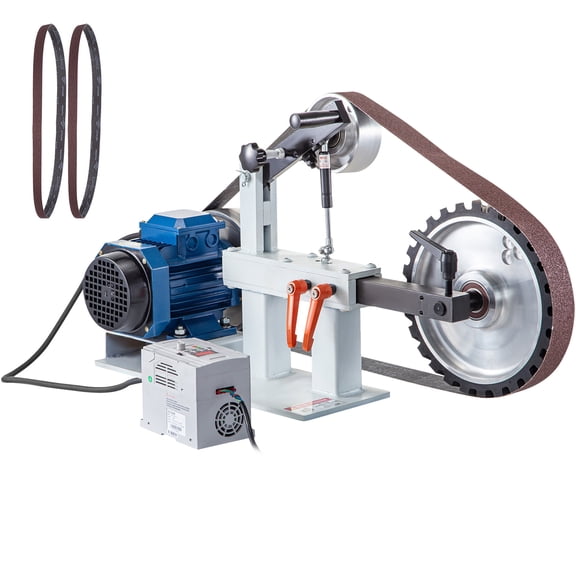
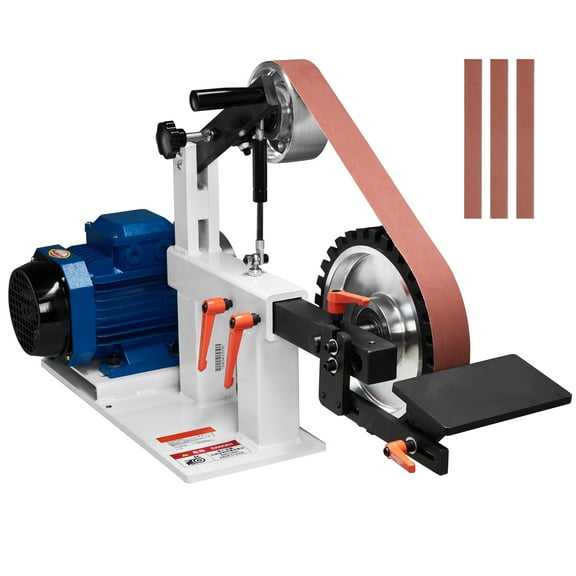
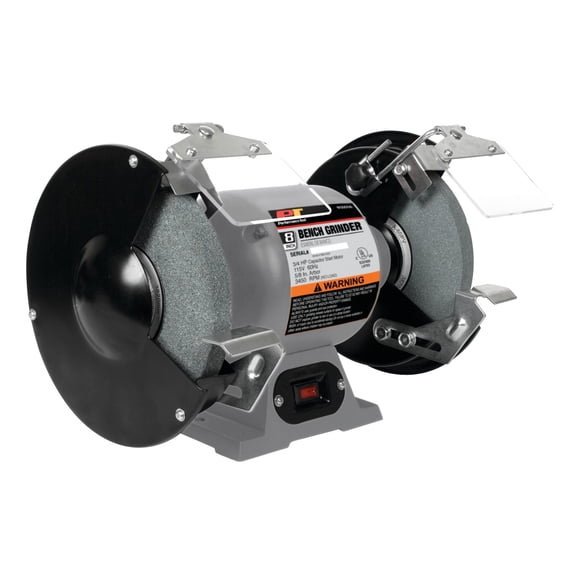


About Bench Grinders in Grinders - Walmart.com
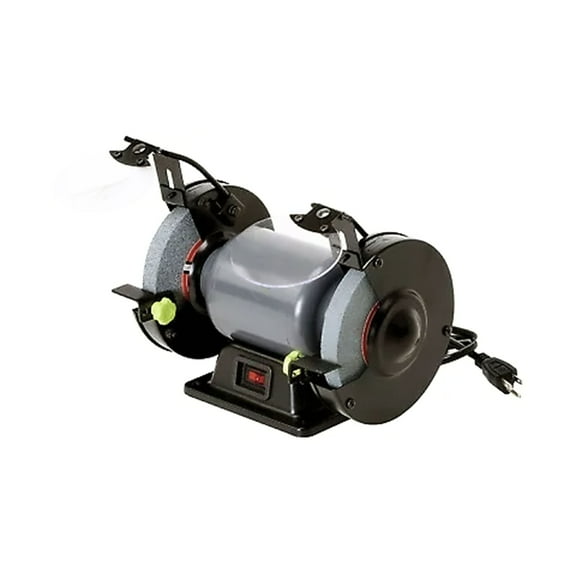
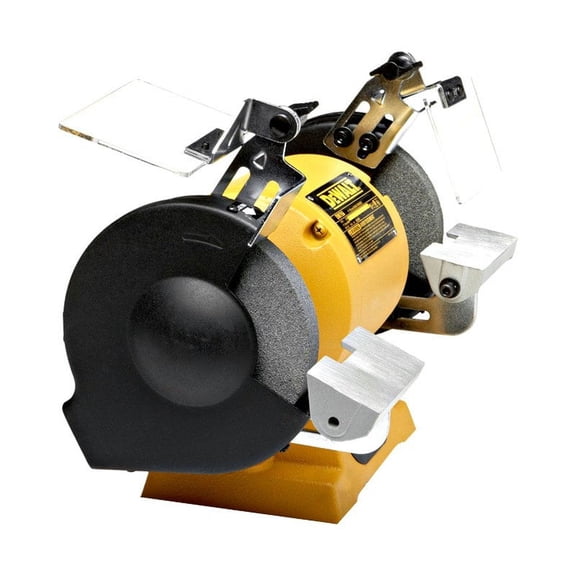
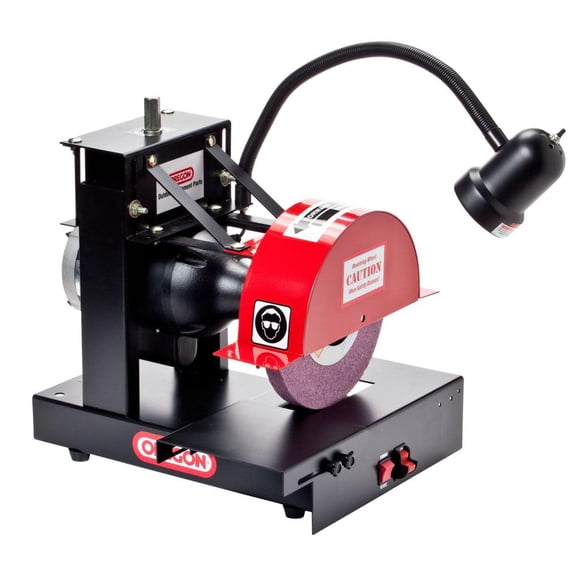
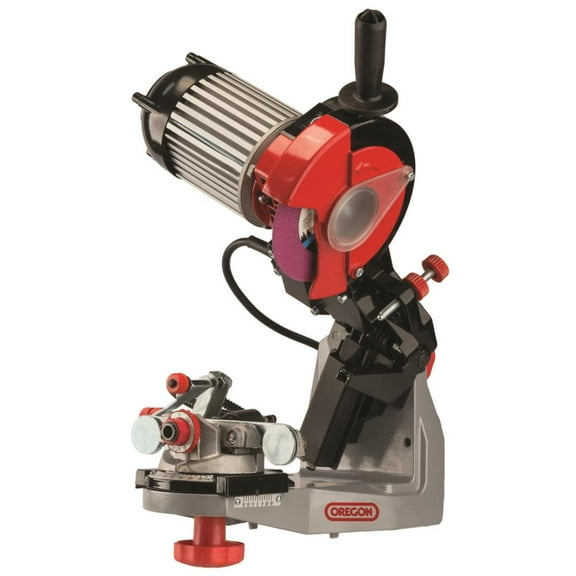
Your bench grinder setup gets more useful when you compare wheel size, speed, and grit for your workbench tasks. You can choose between six-inch and eight-inch options for sharpening, shaping, and cleaning metal edges.
Choosing the right bench grinder
When you choose a bench grinder, you should start with the tasks you handle frequently. You may want quicker touch-ups, steadier grinding, or extra room for larger metal pieces.
A bench grinder gives you a fixed station for repeatable edge work on chisels, mower blades, and shop tools. You can keep your workshop routine consistent because your machine stays mounted and ready.
If you’re deciding between options, you should focus on your main priorities first. You can usually narrow your options faster when you compare wheel size, power, and control.
- You can use coarse wheels for fast material removal on rusty or uneven metal surfaces.
- You can use medium grit wheels for balanced shaping and everyday sharpening tasks.
- You can use fine wheels when your edges need a smoother finish and lighter contact.
- You can look for adjustable tool rests when you want steadier support during repeated passes.
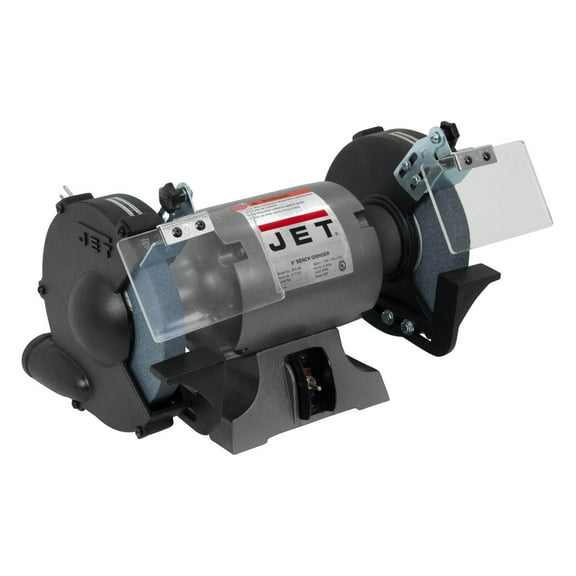
- You can check spark shields and eye shields when you want a clearer work area.
Choosing wheel size for your bench grinder bench
When you compare wheel diameter, you should think about your project scale and your available space. You may prefer a six-inch grinder when your bench grinder bench has a smaller footprint.
A six-inch wheel often fits lighter sharpening tasks and routine garage upkeep. You can use it for hand tools, knives, and quick touch-ups without taking too much bench space.
An eight-inch wheel gives you a larger grinding surface and often supports longer sessions. You may notice it feels more suitable when you work on mower blades, thicker steel, or shop tools.
If your workbench is tight, you should measure mounting space before choosing a larger unit. You can avoid crowding your setup when you account for guards, rests, and side clearance.
Comparing electric bench grinder machine power and speed
When you review an electric bench grinder machine, you should compare horsepower, amp rating, and speed control together. You can often match one-third, one-half, or three-quarter horsepower to your workload.
One-third horsepower can suit lighter sharpening and occasional cleanup tasks around your garage. You may prefer one-half horsepower when your projects include more regular metal shaping and edge maintenance.
Three-quarter horsepower usually makes sense when you expect longer sessions or tougher grinding tasks. You can keep momentum on harder materials when your motor has more strength behind the wheels.
Single-speed models give you a straightforward setup with consistent performance for common shop tasks. You may choose variable speed when you want more control across sharpening, deburring, and finish work.
Lower speed settings can help you work with a gentler touch on finer edges. You can switch to higher speed when you need faster stock removal on rougher surfaces.
What to look for in rests, shields, and grinder details
When you compare features, you should check whether your tool rests adjust easily and hold position well. You can guide blades and metal pieces more steadily when your rest stays aligned.
Eye shields and spark shields help you keep your grinding area easier to follow during use. You may find these adjustments especially useful when you work under bright shop lighting.
Some shoppers also look for compatibility with replacement wheels and common accessories. You can simplify upkeep when you check fit details before buying grinding wheels or bench grinder stands.
If you already maintain older shop equipment, you may also search for dayton bench grinder parts. You can also compare fit needs against other legacy searches, including drill master grinder replacement items.
Understanding wheel grit and real workshop use
Wheel grit changes how aggressively your grinder removes material from metal edges and surfaces. You should compare 36 grit coarse, 60 grit medium, and 120 grit fine for different results.
Coarse wheels remove material quickly when you reshape worn edges or clean heavy rust. You can use them when speed matters more than a smooth finish on the first pass.
Medium grit wheels handle general sharpening and shaping with a balanced feel. You may choose them when you want one setup for common garage tools and household blades.
Fine grit wheels help you refine an edge after rough shaping or prepare a smoother surface. You can use them when your chisels, drill bits, or cutting tools need a cleaner finish.
If you’re planning daily workshop tasks, you should match grit to the tool instead of forcing one wheel to do everything. You can get more predictable results from each pass.
How to buy bench grinder options for your projects
If you want to buy bench grinder models with confidence, you should match wheel diameter, horsepower, speed, and grit to your routine. You can narrow the field quickly once you know whether you sharpen, clean rust, or frequently reshape metal.
For compact garages, you may choose a six-inch unit with medium grit wheels and single-speed operation. For heavier shop work, you can step up to an eight-inch machine with stronger horsepower and variable speed.
When your setup includes related accessories, you can also compare grinding wheels, safety glasses, and bench grinder stands. You can end up with a more organized station that supports cleaner, steadier tool maintenance.
With the right bench grinder configuration, you can sharpen edges, clean metal, and handle repeat workshop tasks with more control. You may notice a smoother routine when your wheel size, motor strength, and grit all fit your work.