

Winter Bee Hive Wraps & Beehive Insulation | Walmart












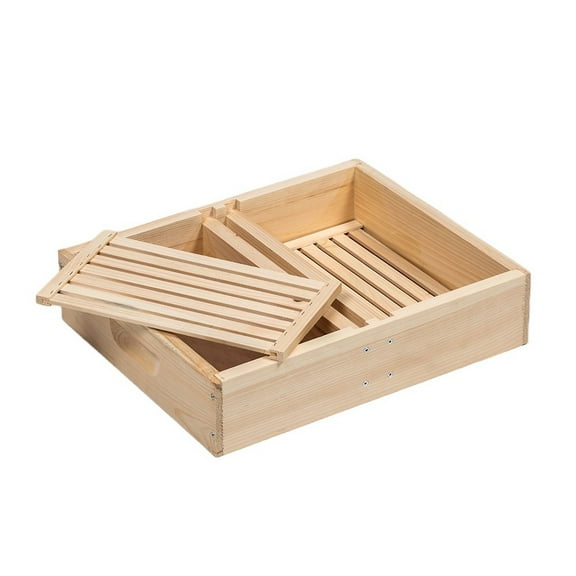
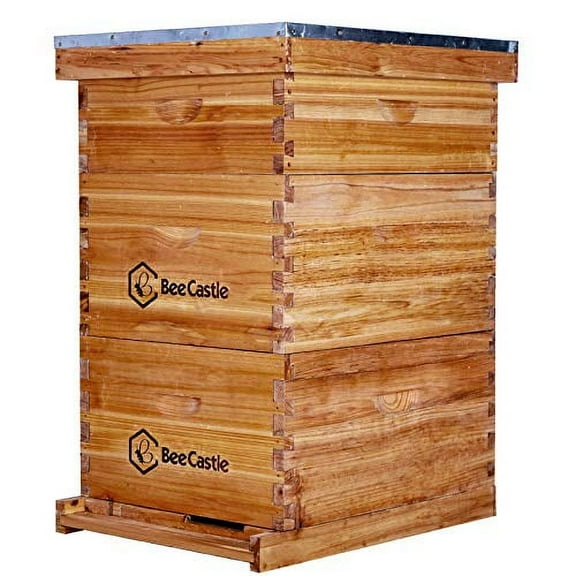


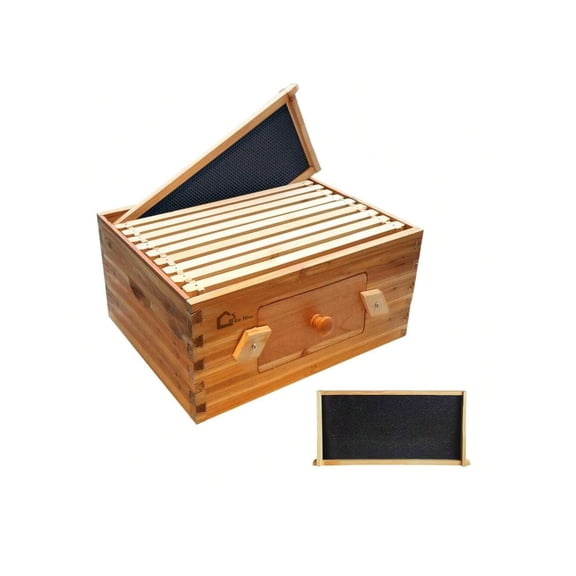
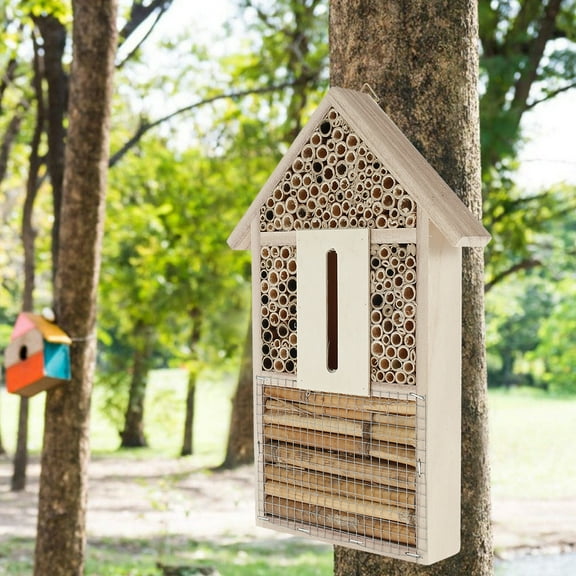



About Winter Bee Hive Wraps & Beehive Insulation | Walmart - Walmart.com
Beehives help you build a backyard setup that matches your colony size, your experience level, and your preferred hive management style. You can compare hive types, frame counts, materials, and assembly options, so your setup fits your space and routine.
How to choose beehives for your setup
When you shop beehives, you’ll want to start with the hive style that matches how you plan to inspect and expand your colony. You can also narrow your options by frame count, material, and whether you want a starter kit or separate components.
If you’re comparing bee hives for beginners, you may prefer a format with familiar parts, simple add-ons, and easier replacement options. You’ll also notice that many beekeeping hives share common pieces, like boxes, frames, inner covers, and outer covers.
- You can choose a hive style that matches your handling preference and inspection routine.
- You can compare eight-frame and 10 frame beehive options based on box weight and colony growth.
- You can select wood or plastic construction based on upkeep, climate exposure, and cleaning preferences.
- You can decide between unassembled, pre-assembled, and starter kit options based on your setup time.
Choosing between beekeeping hives by type
You’ll often see Langstroth, top bar, and Warre designs when you compare beekeeping hives. Each style gives you a different approach to inspections, adding space, and handling frames.
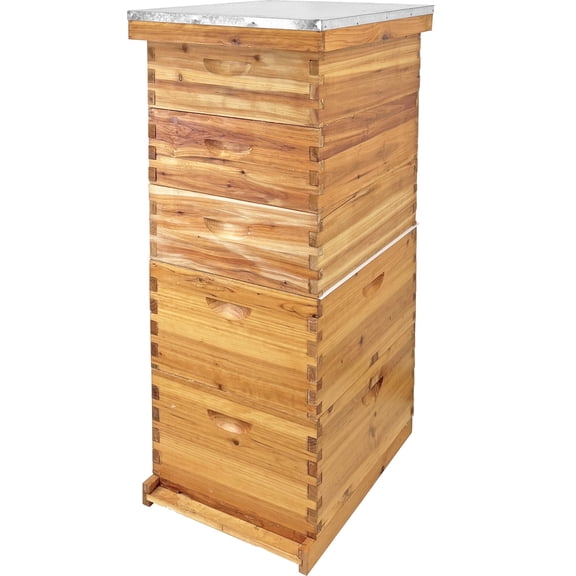
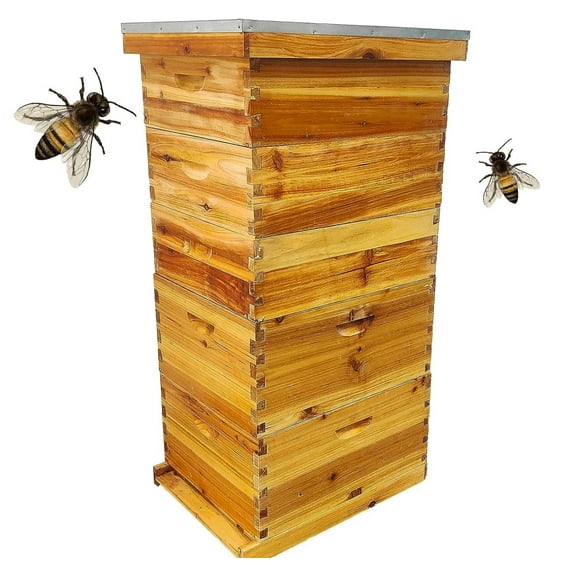
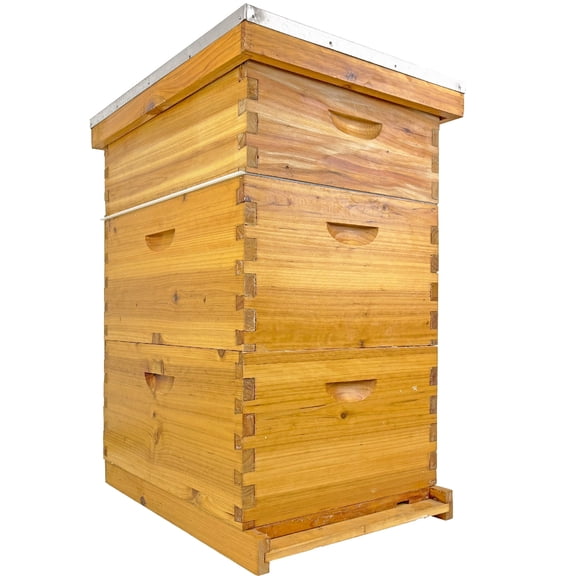
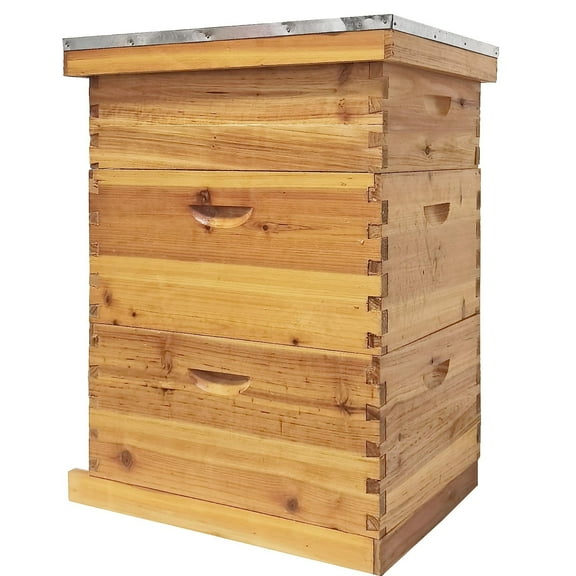
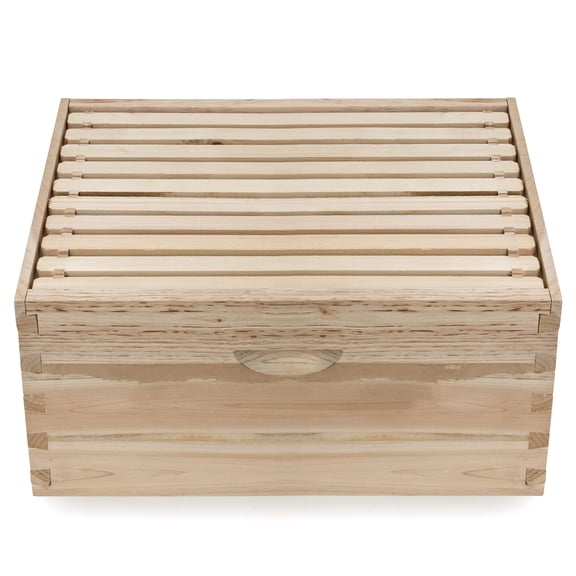
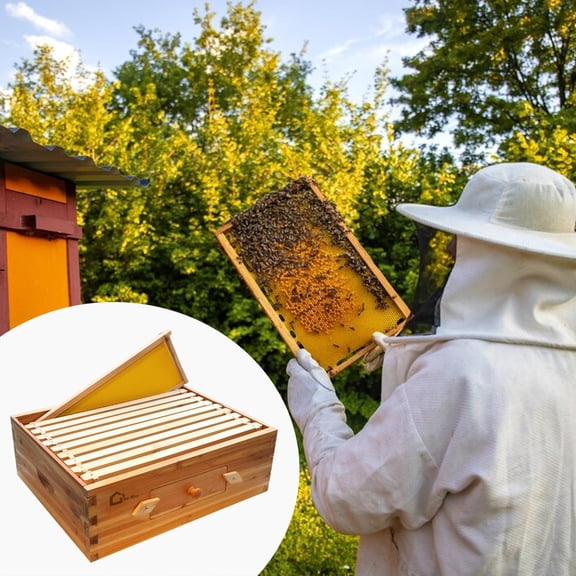
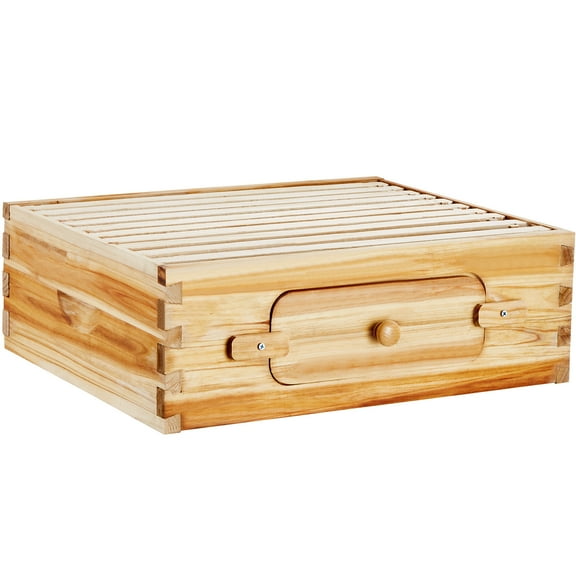
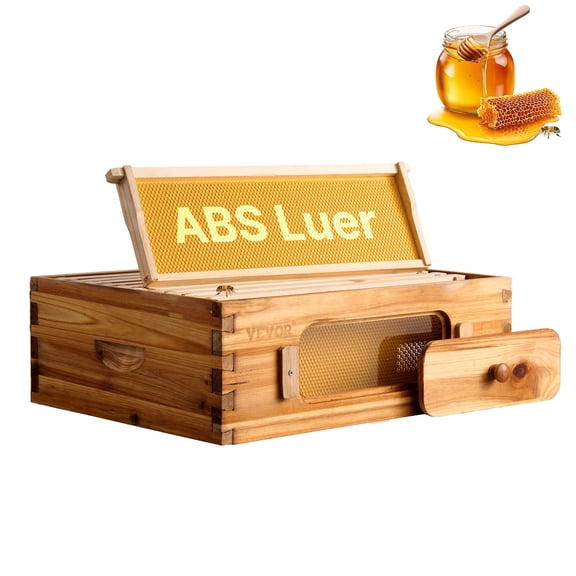
A langstroth beehive uses stacked boxes and removable frames, so you can inspect brood and honey sections with a familiar layout. You may prefer this style if you want broad compatibility with common beekeeping supplies and replacement parts.
Top bar hives hold comb along horizontal bars, so you can work from the side instead of lifting stacked boxes. You might choose this design if you want a different management style and a longer, lower hive shape.
Warre hives use stacked boxes with a simpler, compact format, which can appeal if you want a smaller footprint. You should compare how each style handles inspections, added boxes, and routine access before you choose.
Comparing frame count, material, and finish
Frame count affects both lifting weight and expansion room, so this choice matters early. You may find that an eight-frame setup feels easier to handle, while a 10 frame beehive gives you more space in each box.
If you’re planning for larger colonies or fewer added boxes, you may lean toward 10-frame equipment. If you want lighter honey supers and easier lifting during inspections, you may prefer eight-frame boxes.
Material also shapes your setup experience, especially when you compare fir wood, pine wood, and plastic bodies. You can look for wood beehive options when you want a traditional appearance and a surface you can paint or finish.
Pine and fir can differ in grain and feel, so you should check how each option fits your preferred maintenance routine. Plastic hive bodies can appeal if you want a different cleaning approach and a material that won’t warp like natural wood.
You may also check whether a hive comes painted, treated, or unfinished before you plan your setup. That detail affects how much prep you’ll handle before your hive is ready for outdoor placement.
Assembly levels and bee hives for beginners
Assembly level can make a big difference when you’re starting out or replacing equipment quickly. You can choose unassembled kits if you’re comfortable with DIY steps and want to build the hive yourself.
Pre-assembled options reduce setup work, so you can focus on placement and hive organization. Starter kits can also help if you want coordinated components instead of choosing each piece one at a time.
For bee hives for beginners, you should look for clear compatibility across boxes, frames, and covers. You’ll want to check whether the kit includes essentials like frames, foundation, bottom boards, and telescoping covers.
You can also compare how much expansion flexibility each setup gives you over time. That matters if you expect to add supers, swap damaged parts, or match your hive to other beekeeping supplies.
Matching beehives to real backyard needs
If you’re building your first backyard apiary, you may want a langstroth beehive starter kit with a common frame size. You’ll usually get a straightforward path for adding boxes and finding matching accessories later.
When you expect frequent inspections, you may prefer removable frames and standardized parts that simplify routine checks. You can make that process easier by choosing a frame count you’re comfortable lifting.
If your setup space is tighter, you might compare compact footprints and lower-profile hive styles before you commit. You should also measure where your hive will sit, since overall shape varies by design.
For seasonal expansion, you may choose a 10 frame beehive when you want more capacity within each box. You can also look for compatible supers and covers, so your system grows without guesswork.
If you’re refreshing old equipment, you may focus on material, finish, and assembly level before anything else. You’ll get a smoother replacement process when your new hive matches your preferred maintenance style.
With beehives that match your hive style, frame count, material, and assembly needs, you can start with a clearer plan. You’ll spend less time sorting through mismatched parts and more time building a setup that fits your beekeeping goals.