


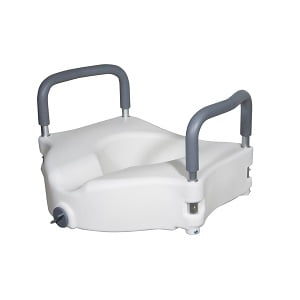
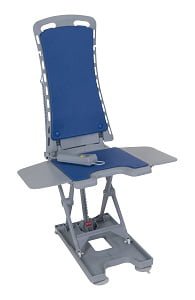
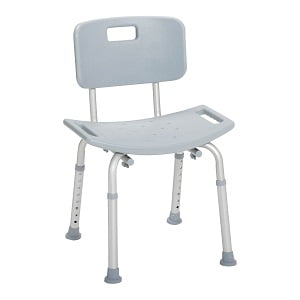



Adult bed safety handles rails





























About Adult bed safety handles rails - Walmart.com
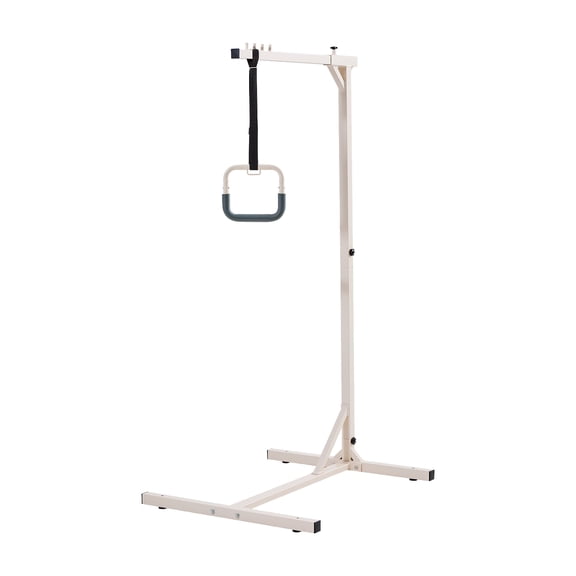
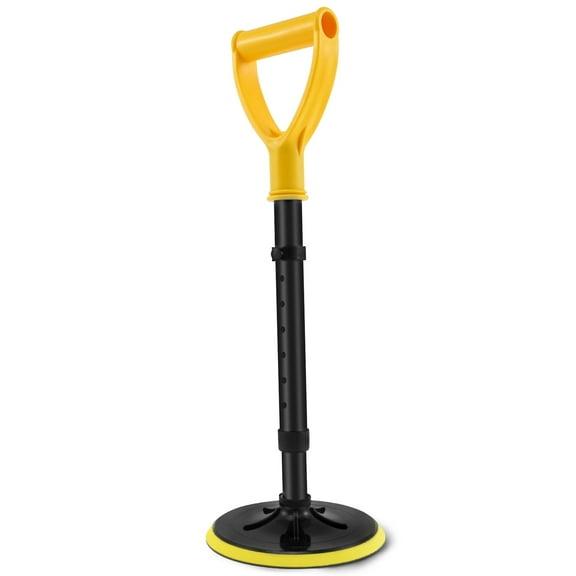
Bed assist rails help you add steady support for getting in and out of bed. You can compare fit, weight capacity, and rail style to match your bed and daily routine.
If you’re shopping for added bedroom support, you’ll want guidance that fits standard frames, adjustable bases, and hospital-style setups. You can also narrow choices by grip material, folding design, and storage details like attached pouches.
Choosing bed assist rails by rail type
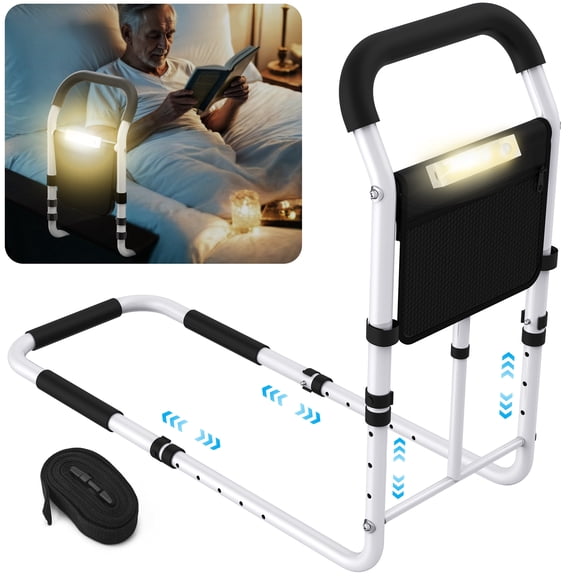
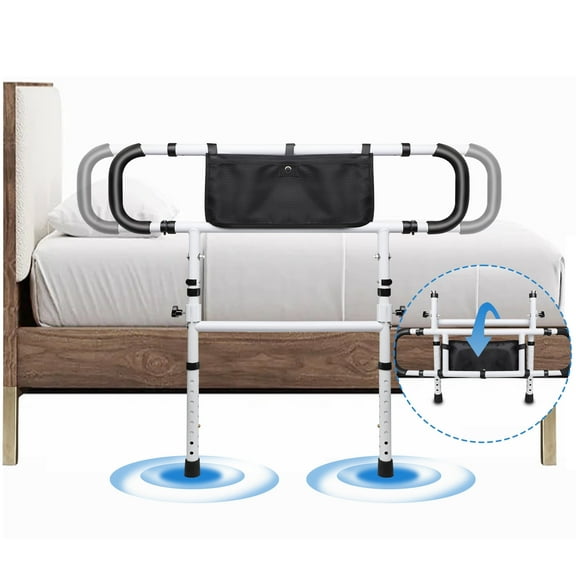
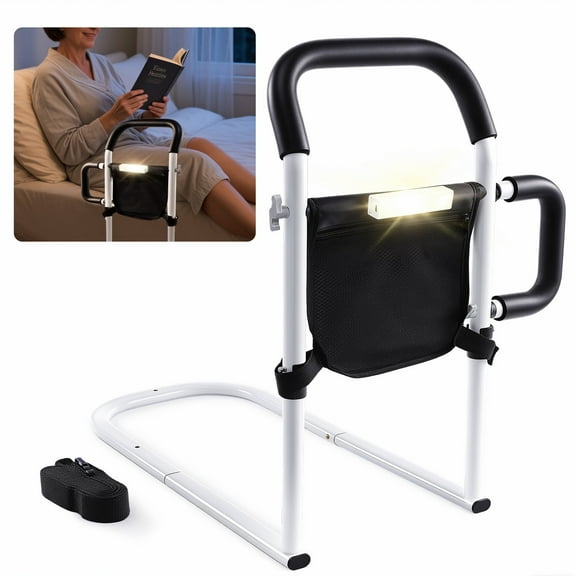
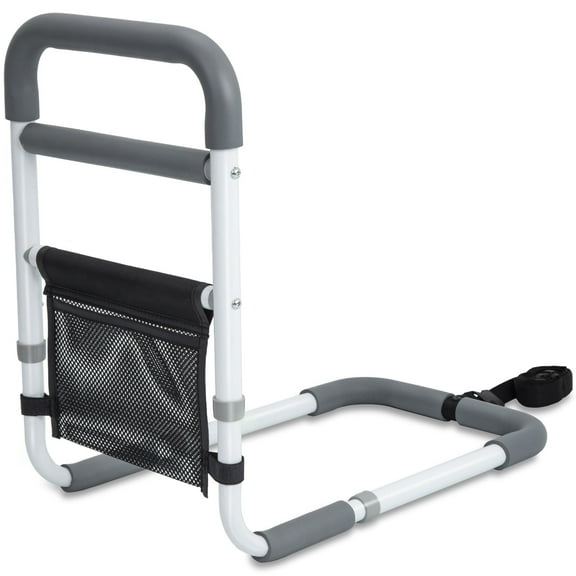
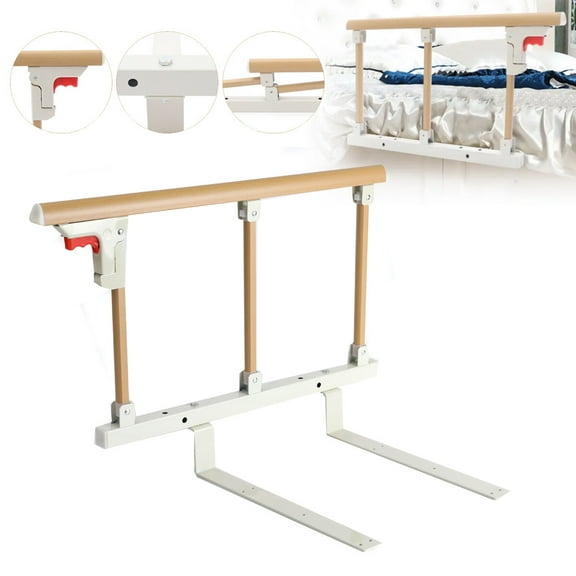
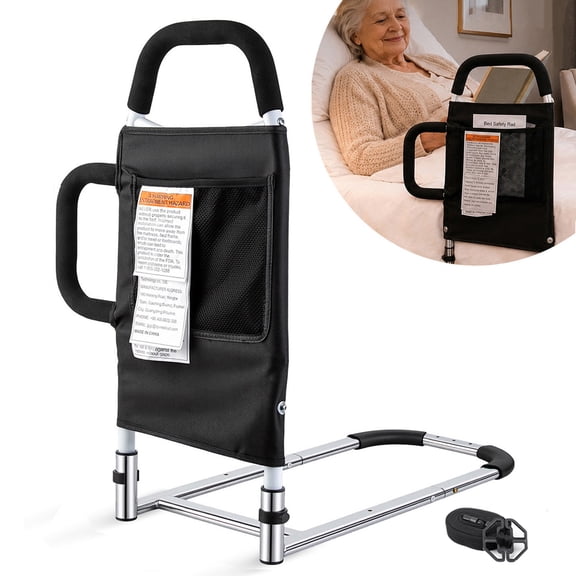
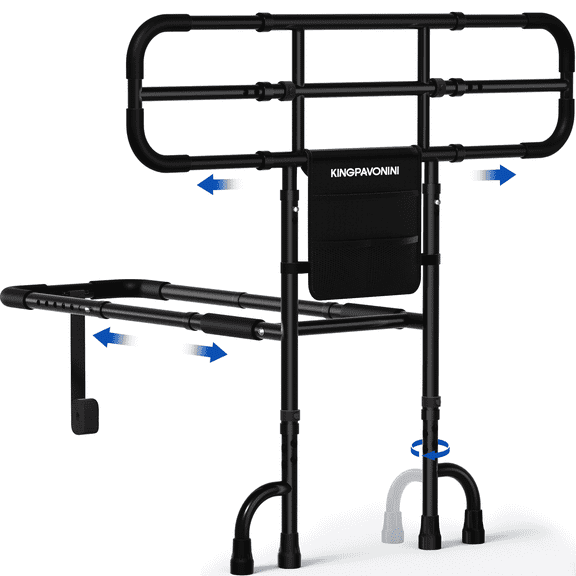
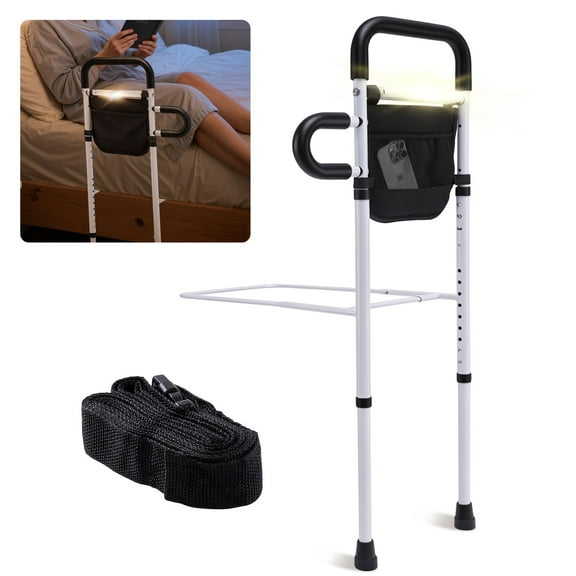
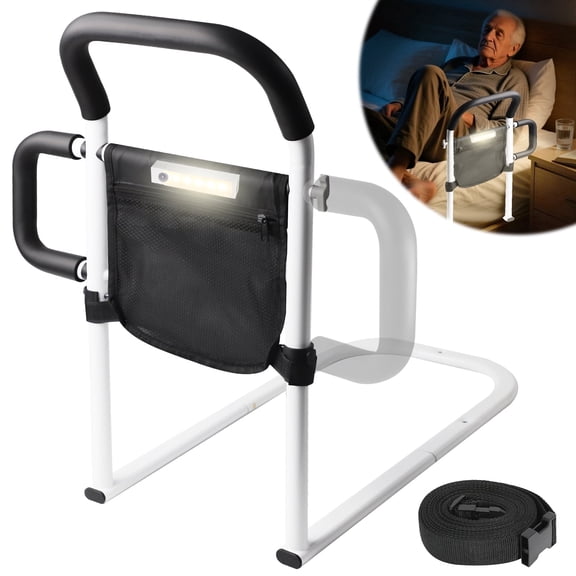
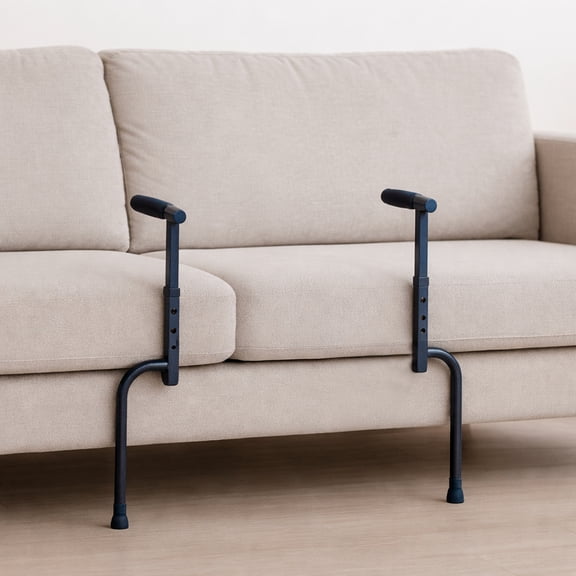
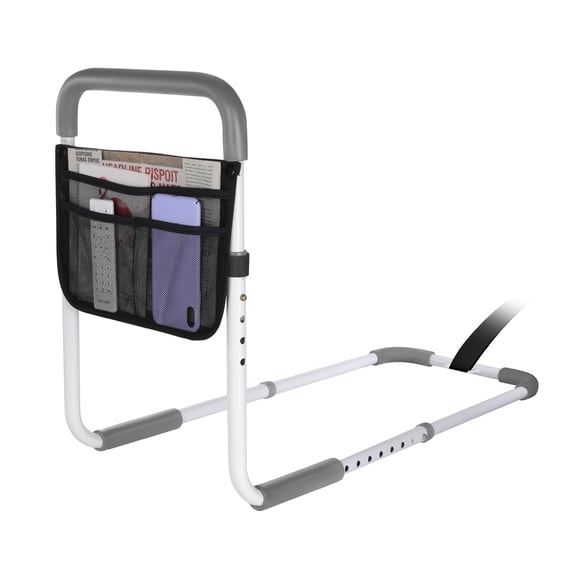
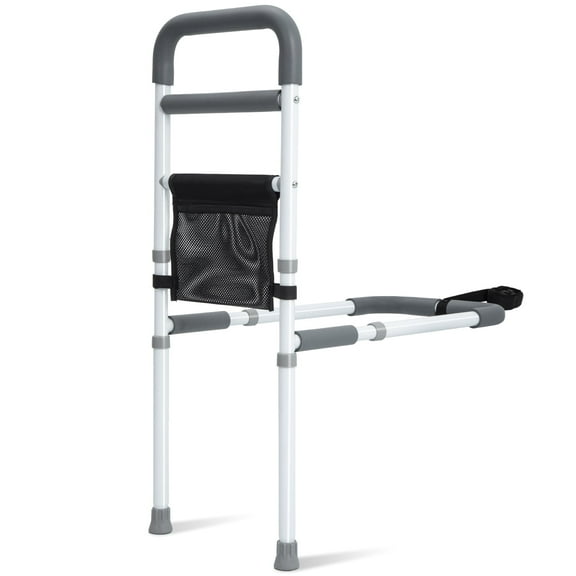
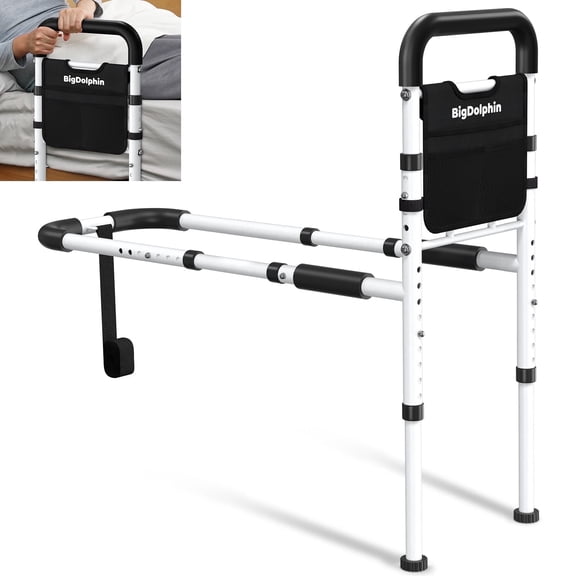
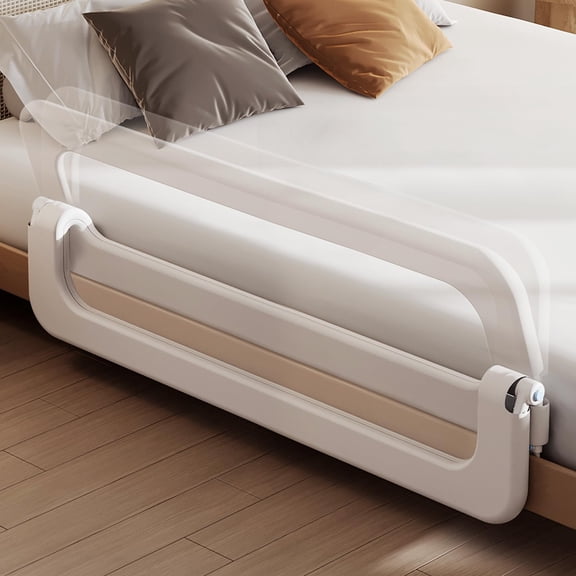
You’ll notice that rail type changes how you use support during transfers, repositioning, and nighttime reach. You can choose a bed assist bar, a bed rail with pouch, a dual bed rail, or a folding bed rail.
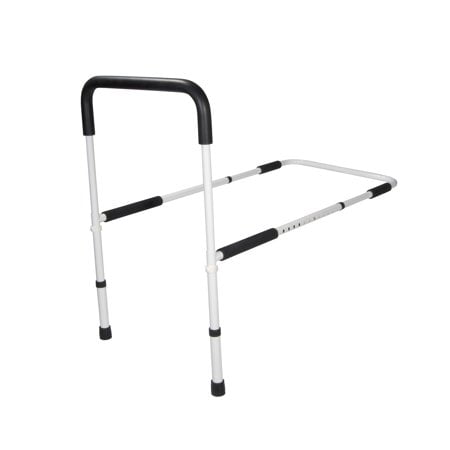
A single bed assist bar gives you one clear grab point beside the mattress. You may prefer that simple layout when you want open access on one side.
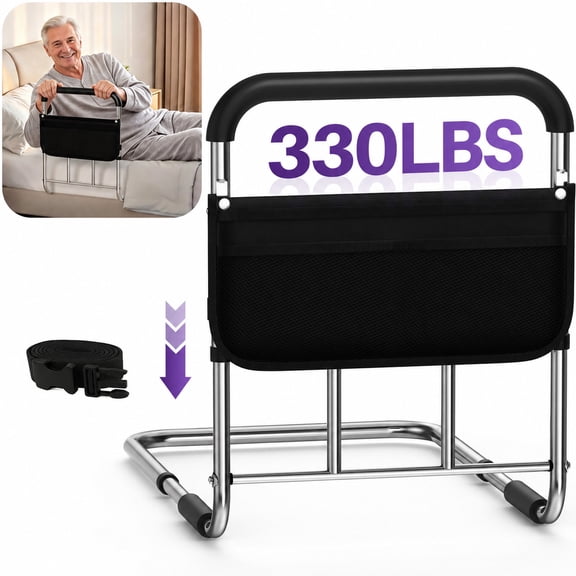
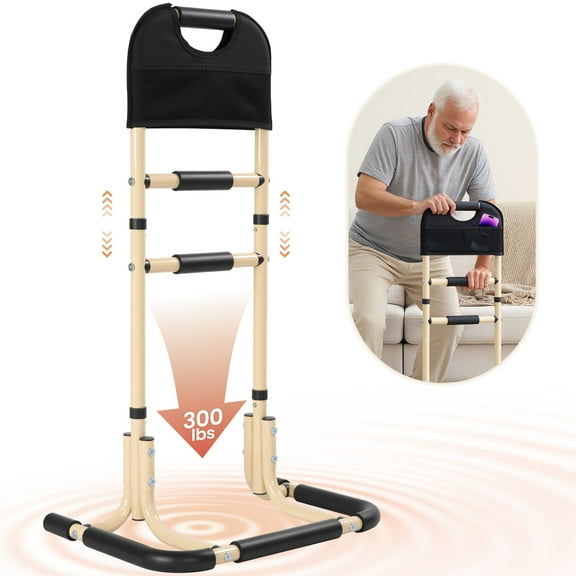
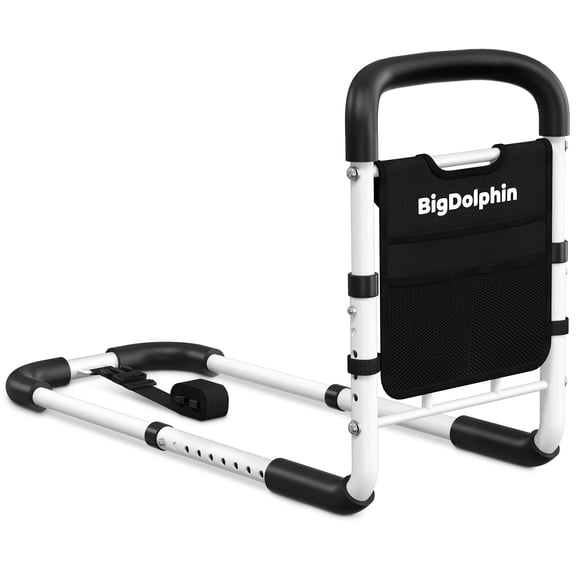
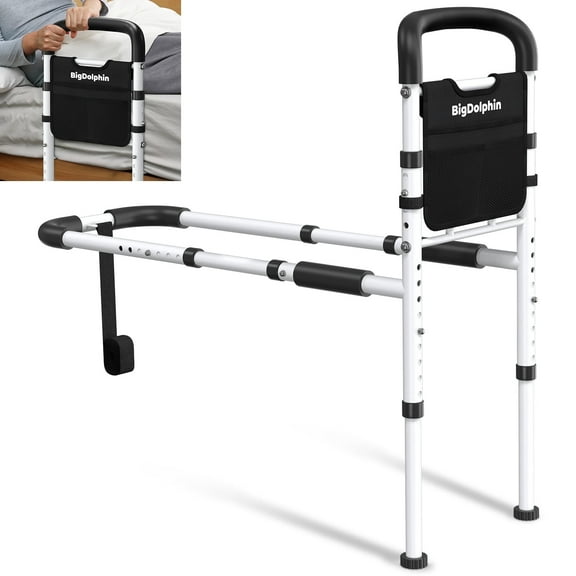
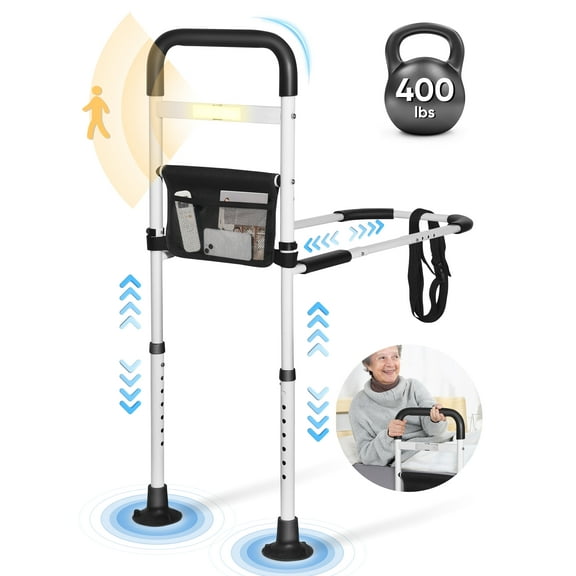
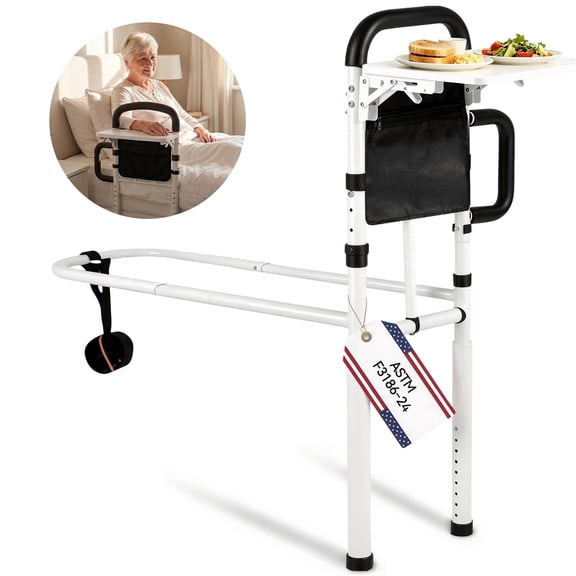
A bed rail with pouch adds space for glasses, a phone, or reading items within reach. You can keep essentials close without needing a nightstand stretch.
Dual bed rails give you support on both sides of the sleep surface. You may consider that layout when you want balanced access or shared bedroom flexibility.
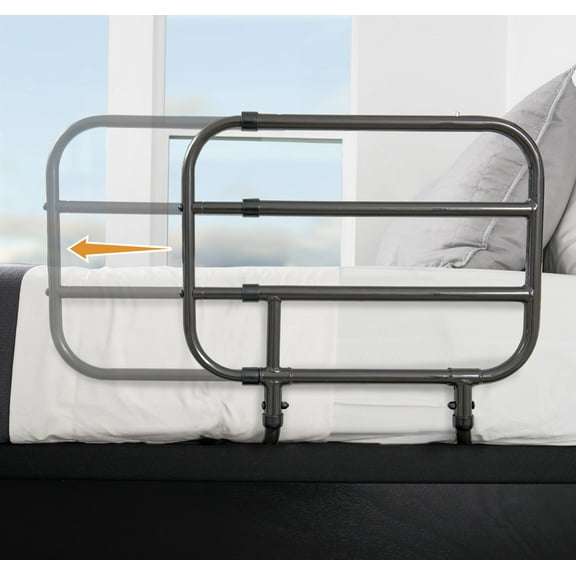
A folding bed rail can lower or pivot when you need easier bed entry or more open space. You’ll often find that style useful when room clearance matters.
Comparing adult bed rails by weight capacity
You should check the listed weight limit before you compare finishes or accessories. Your comfort often starts with a rail that matches the user’s support needs.
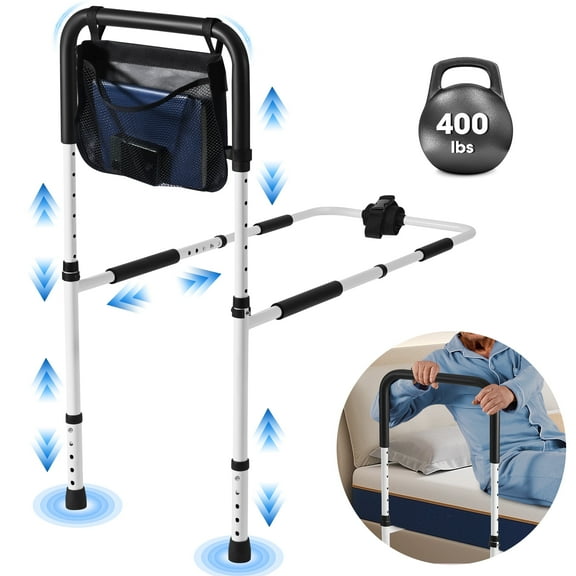
Standard models may support up to 250 lbs, while heavy duty options may support 300 lbs. You can also find bariatric designs rated for 400+ lbs.
- You should match the rail rating to the user and the intended level of support.
- You can look for wider bases when you want a more planted feel beside the mattress.
- You may prefer reinforced frames when you need a sturdier grip during standing transfers.
- You should check whether the rail is intended for light assistance or more frequent daily use.
Weight ratings matter because you’re relying on the rail during movement, not just at rest. You’ll want the listed capacity to align with the frame design and attachment method.
Checking bed assist rails for bed compatibility
You should confirm bed compatibility early because fit drives stability and installation. You can compare bed assist rails for adjustable beds, standard mattresses, hospital beds, and slat beds.
For adjustable bases, you’ll want to check whether the rail allows head and foot movement. You should also measure mattress height so the handle sits within comfortable reach.
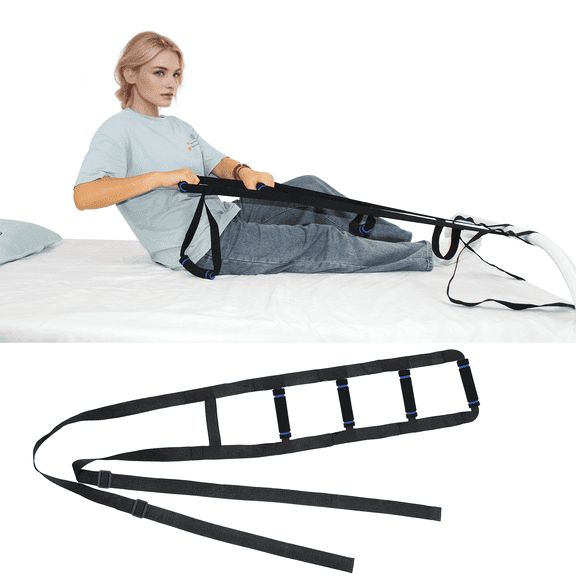
With standard mattresses, you’ll often see under-mattress rails that slide between the mattress and foundation. You can also find models that secure with straps for a steadier hold.
Hospital beds may need rails designed for specialized frames or deck styles. You should confirm the rail mounts correctly before you compare add-on features.
Slat beds can require extra attention to base shape and under-bed support points. You’ll want to measure clearance, frame width, and mattress depth before you decide.
Understanding materials, grips, and finish options
You can use material and grip details to judge everyday feel and upkeep. You’ll commonly see steel, aluminum, padded grip, and chrome finish options in this category.
Steel rails usually give you a solid feel and a substantial frame presence. You may like that choice when you want a more anchored handhold beside the bed.
Aluminum styles can feel lighter during setup or repositioning around the room. You might consider that option when you want easier handling for travel or temporary use.
Padded grips can feel more comfortable in the hand during repeated daily use. You’ll also find that a defined grip zone can make placement feel more intuitive.
Chrome finishes can give you a clean, polished look that blends with some bedroom furniture. You may prefer that appearance when visible hardware matters in your space.
Choosing adjustability and installation features
You should compare adjustability because handle height and rail length affect how naturally you reach. You can choose height adjustable, extendable length, or fixed height designs.
Height-adjustable rails help you align the grip with your mattress and arm position. You’ll want that flexibility when bed height changes with toppers or base settings.
Extendable rails give you more coverage along the bedside when you want extra guidance. You may prefer a fixed height model when you want a simpler setup.
Installation also shapes your decision, especially if you want a quick setup. You can look for tool-free assembly, under-mattress supports, strap-secured designs, or bolted frames.
Tool-free options can simplify occasional setup or room changes. Bolted styles may suit you when you want a more permanent placement on a compatible frame.
Matching bed safety rails to everyday use
You can match bed safety rails to the room, the user, and the support level you expect. You may choose folding styles for guest rooms, dual rails for shared access, or pouch designs for bedside organization.
If you’re setting up a home care space, you might focus on compatibility, stable support, and reachable handle height. You’ll also want enough clearance for bedding, side tables, and normal room movement.
For travel between rooms or temporary stays, you may prefer lighter frames and simpler assembly steps. You can check whether the design folds, disassembles, or stores easily when not in use.
When you compare bed assist bars with these decisions in mind, you’ll narrow choices faster. You can feel more confident once your rail fits your bed, your setup style, and your daily routine.