






Bedside Aids for Elderly & Bed Safety Rails | Walmart






































About Bedside Aids for Elderly & Bed Safety Rails | Walmart - Walmart.com
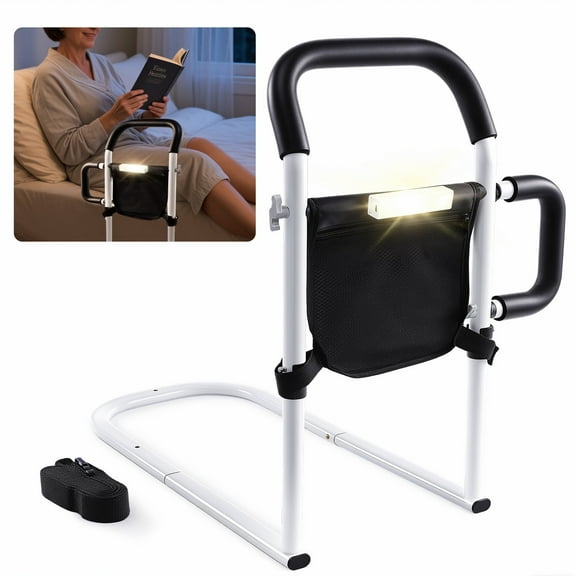
You can compare bedroom safety aids by fit, support, and setup, so your space stays easy to use every day. You'll find bed rails, assist bars, step stools, and bedside tables designed for bedroom routines and smoother movement around your bed.
How to choose bedroom safety aids for your room
You should start with the product type that matches your daily routine. If you need support getting in or out of bed, you may prefer bed assist rails or adult bed rails.
You can also compare assist bars for bedside leverage, step stools for bed access, and bedside tables for close storage. Your choice should reflect how you sit, stand, reach, and move around your sleeping area.
You may notice that bedroom safety equipment solves different needs within the same room. A rail helps with bed entry, while a step stool helps with height, and a bedside table keeps essentials within reach.
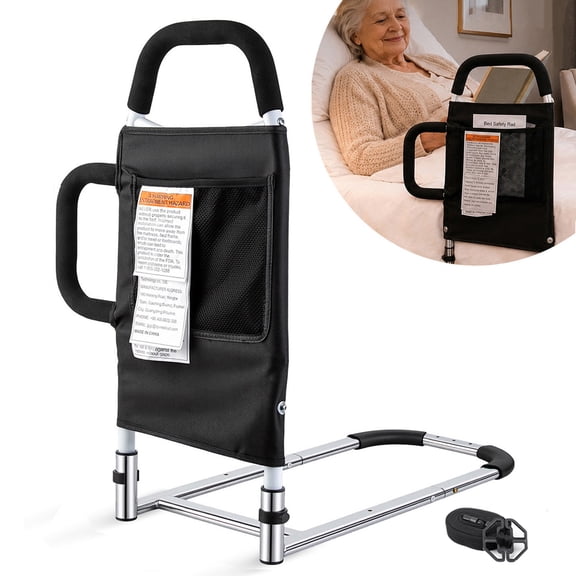
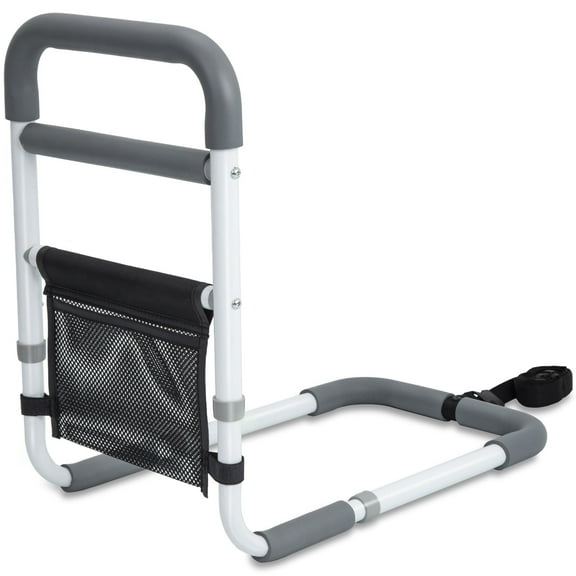
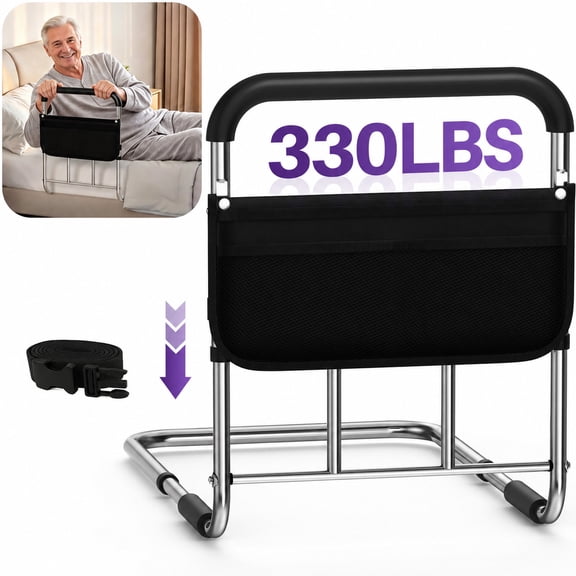
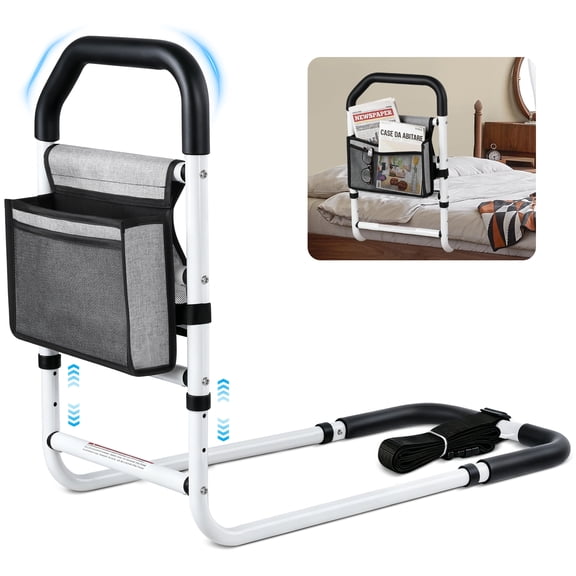
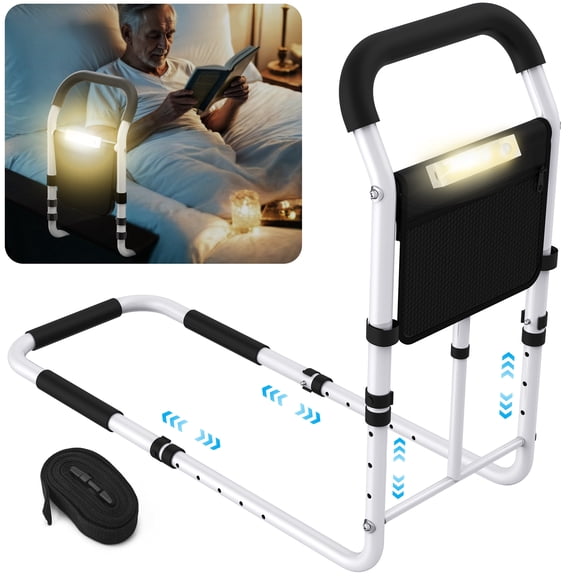
- You can use bed rails for elderly sleepers who want a steadier handhold beside the mattress.
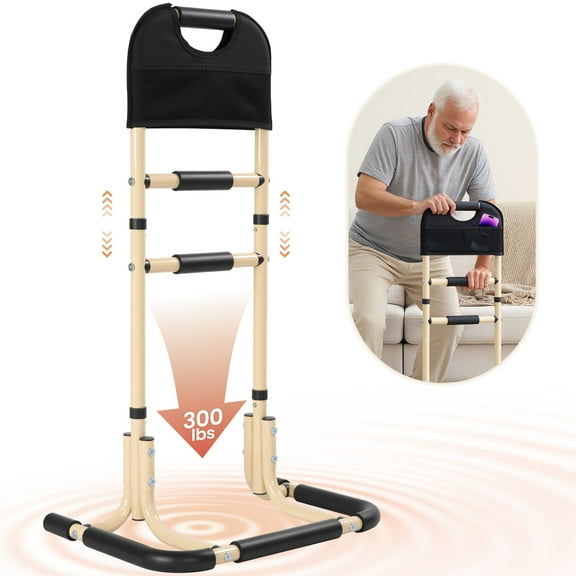
- You can choose assist bars when your routine calls for extra leverage during standing and repositioning.
- You can select step stools when your bed sits higher and your feet need a shorter step up.
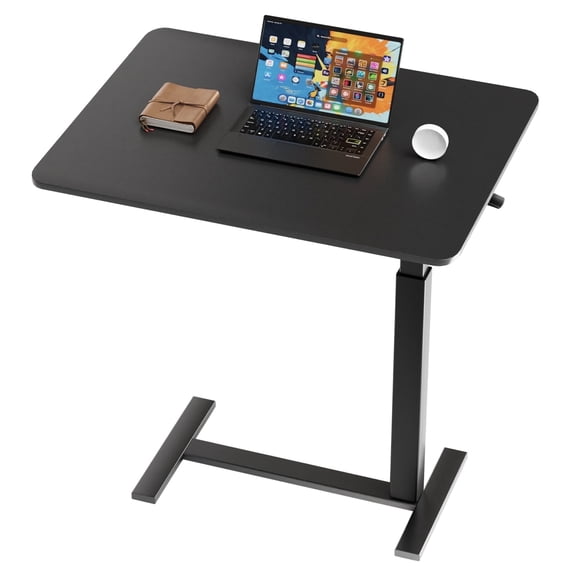
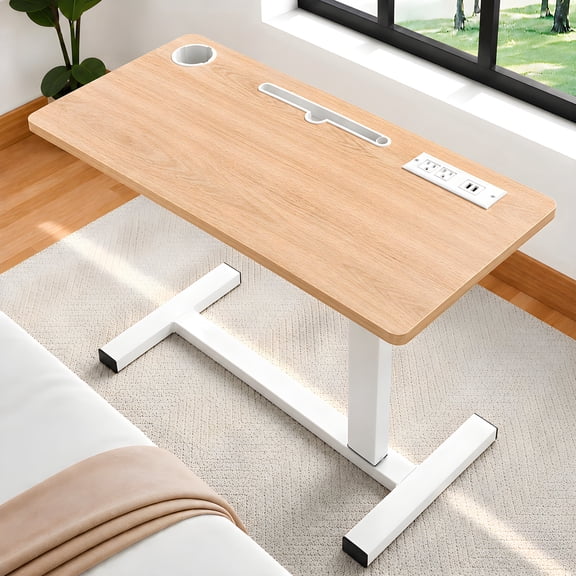
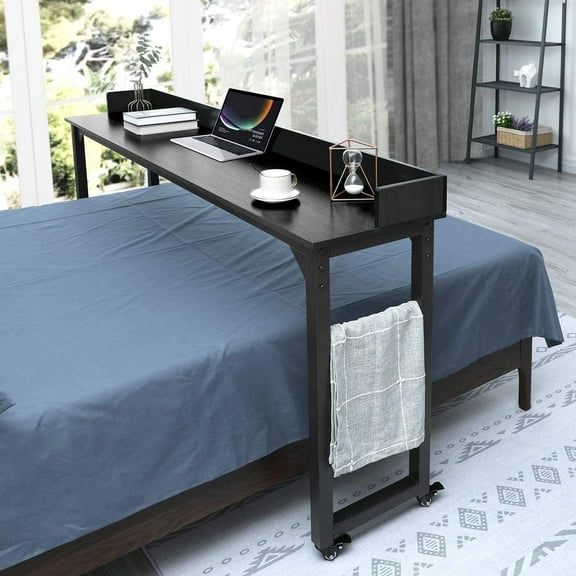
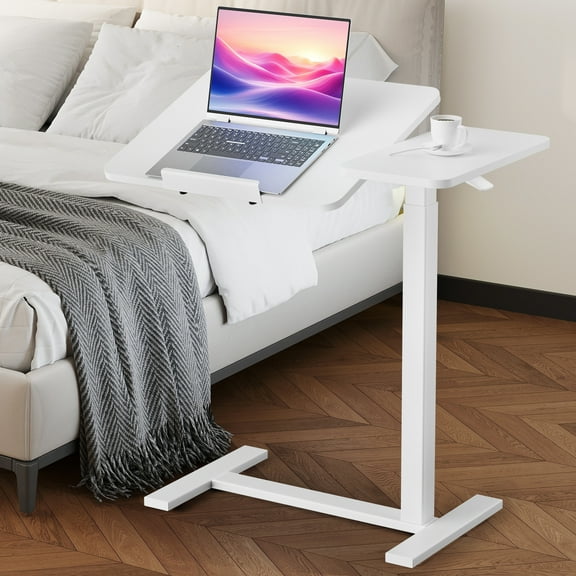
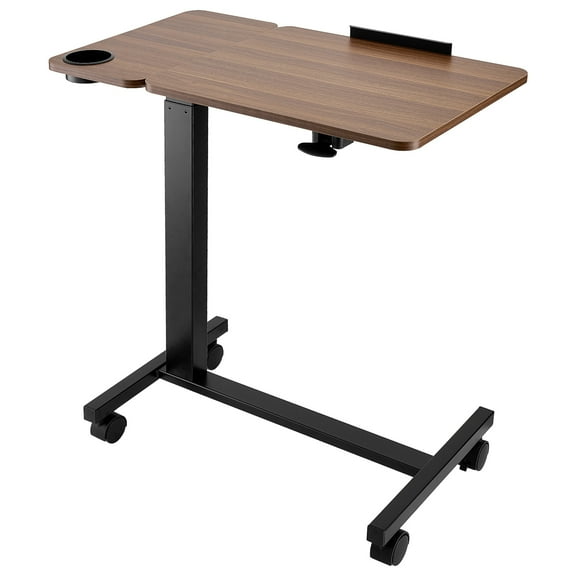
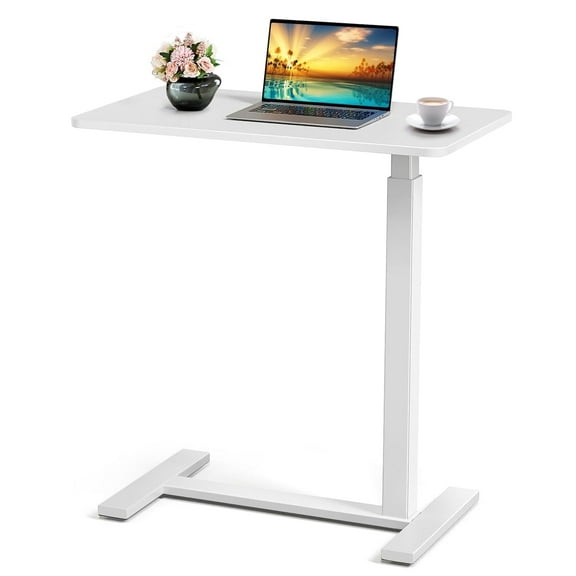
- You can add bedside tables when you want glasses, devices, or reading materials close to your bed.
Choosing the right fit and adjustability
You should check bed type, mattress thickness, and nearby frame space before you choose bed assist rails. Your setup may need height adjustment or under-mattress support for a secure fit.
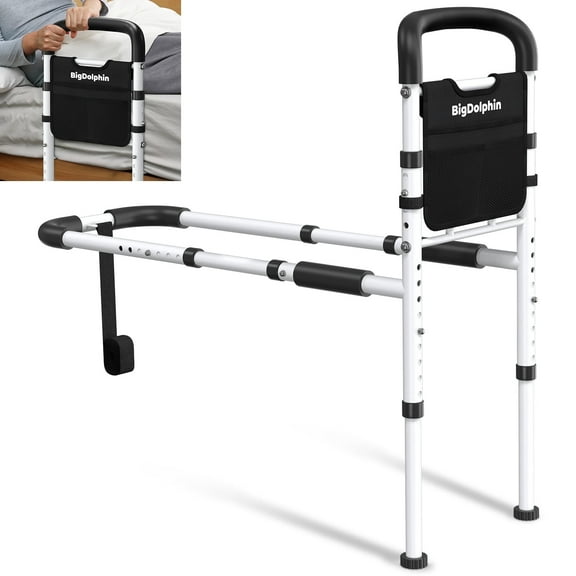
You can compare height adjustable designs when your mattress sits high or low from the floor. Extendable length can give your hand more support area during entry, exit, or turning.
You may also want folding or swing-down rails if your routine includes making the bed often. A pivoting rail can give you support when needed and a compact profile afterward.
You should look for compatibility details that explain whether your rail works with a box spring or platform base. Your bedroom setup matters because a close fit helps the rail feel stable during daily use.
Comparing weight capacity and frame materials
You can use weight capacity as a quick guide to how much support a frame is designed to handle. Standard options often support up to 250 pounds, while heavy duty models cover 250 to 400 pounds.
You may need bariatric designs if your household requires support above 400 pounds. Your decision should account for the user and the pressure placed on the frame during repeated transfers.
You should compare steel, aluminum, and padded foam contact points when reviewing bedroom safety aids. Steel often feels more substantial, aluminum can feel lightweight to move, and padded areas can feel soft in your hand.
You can also check strap systems and frame shape when stability is a priority. Your rail may use secure under-mattress straps or clamp-on points that help reduce shifting beside the bed.
Bed rails for elderly shoppers and easy installation
You may prefer tool-free assembly if your setup needs to happen quickly with fewer parts. Clear instructions, simple locking pieces, and quick-assembly steps can make installation feel more manageable.
You can compare tool-free, clamp-on, and under-mattress strap designs based on your bed frame. Clamp-on styles attach at the bed edge, while strap systems anchor support beneath the mattress.
You should think about who will install the rail and how often your room layout changes. If your furniture moves often, your routine may benefit from a design that removes easily.
You may also want adult bed rails with swing-down sections for convenient bed-making and open bedside access. That feature can help your room feel more uncluttered when support isn't in active use.
Matching product types to everyday use
You can match different bedroom safety aids to specific routines instead of choosing one solution for every task. Your morning transfers, nighttime reach, and linen changes may each call for different support.
If you need steady leverage for standing, you may compare bed assist rails with padded grips and adjustable height. If your bed is tall, you may pair that support with a step stool.
You can place a bedside table nearby when your routine includes medications, water, books, or devices before sleep. Your essentials stay close, so you don't need to stretch across the room.
You may choose a folding rail for shared spaces, guest rooms, or tighter bedroom layouts. Your room keeps a cleaner profile while still giving you a handhold during entry and exit.
You should compare bedroom safety equipment by fit, capacity, installation type, and adjustability before you decide. Your final choice can support smoother movement, steadier transfers, and a more organized bedside routine.