



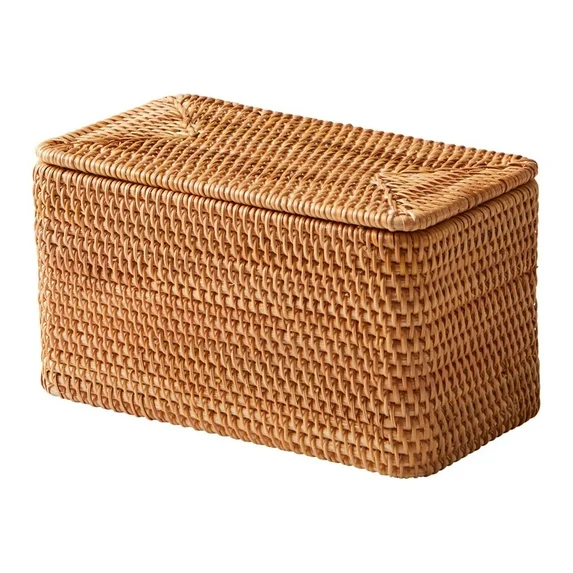
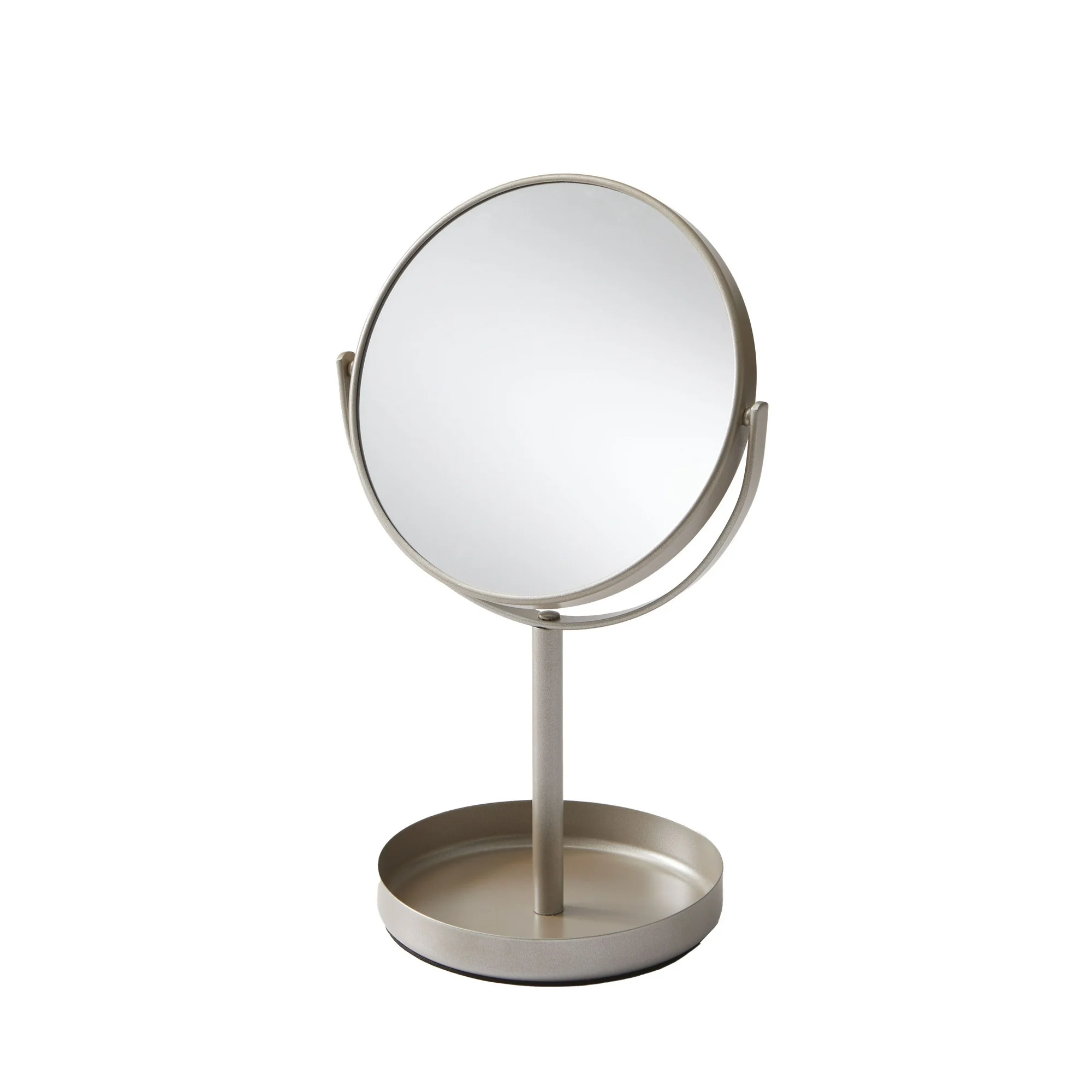
Medicine Cabinets & Wall Mounted Bathroom Cabinets


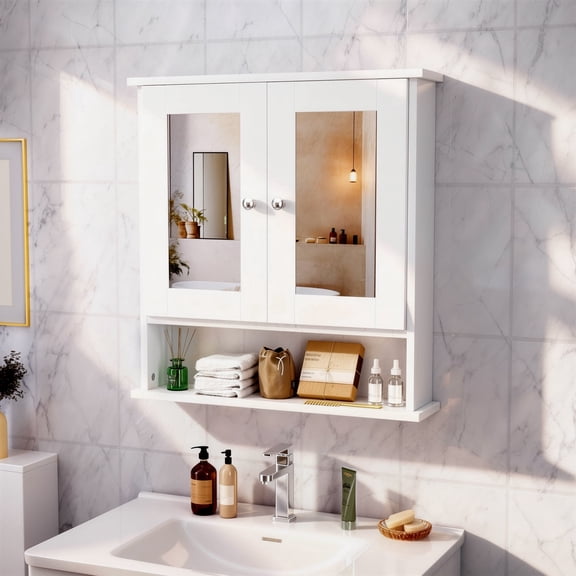
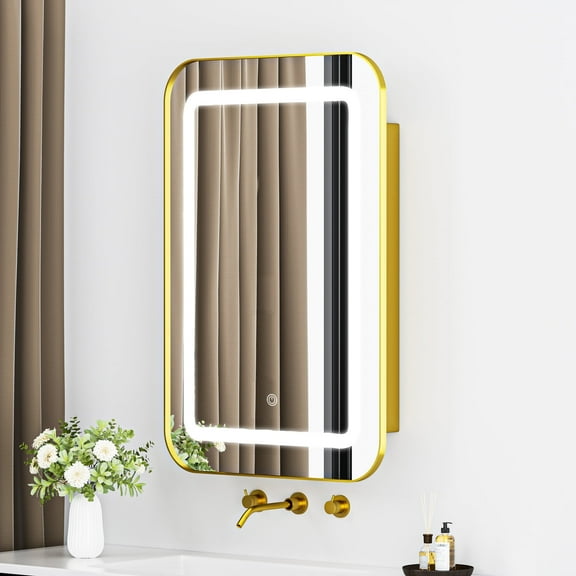

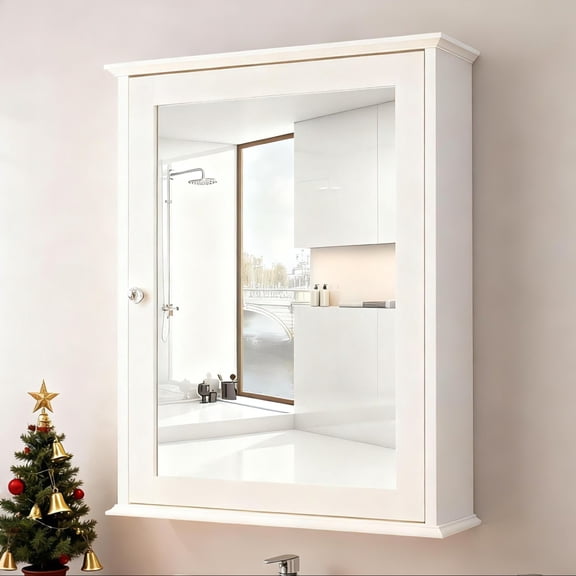


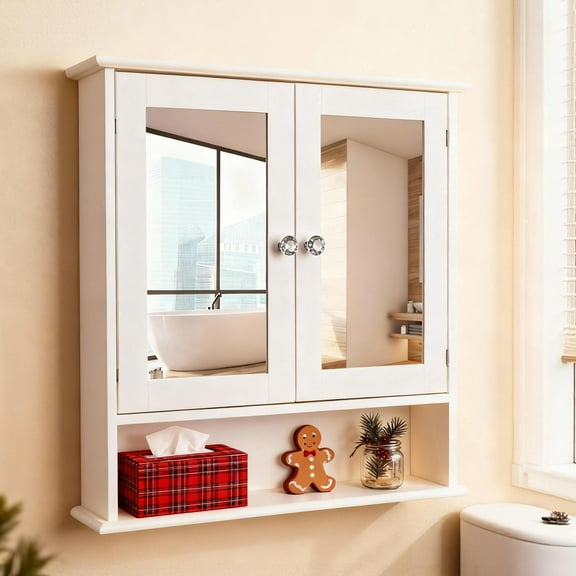


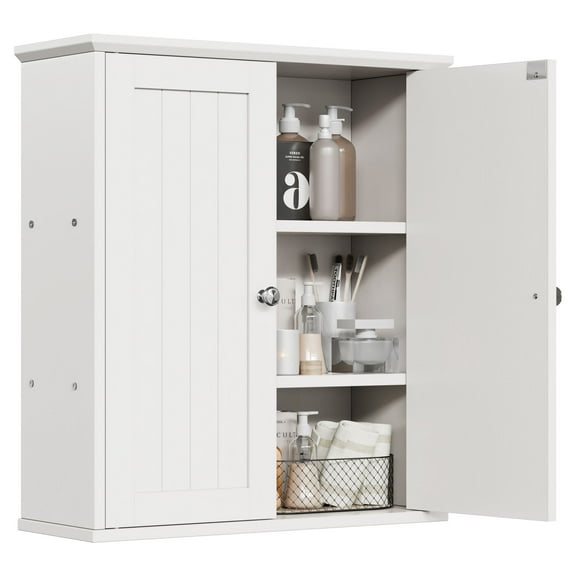
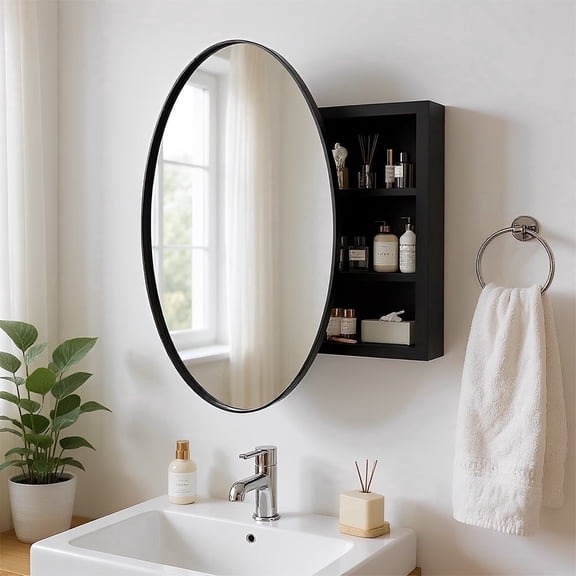










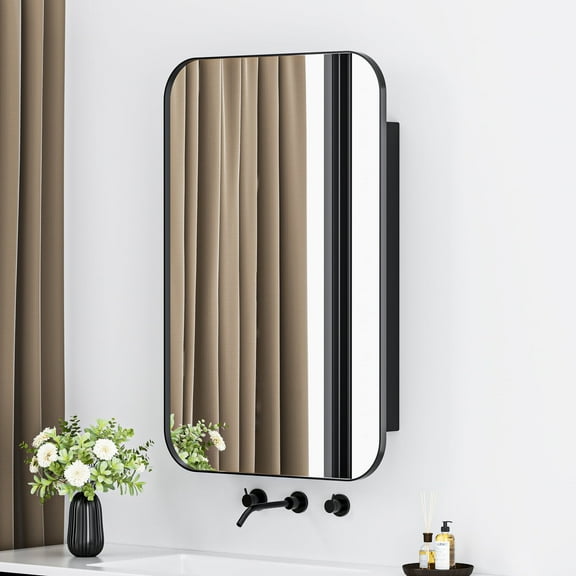


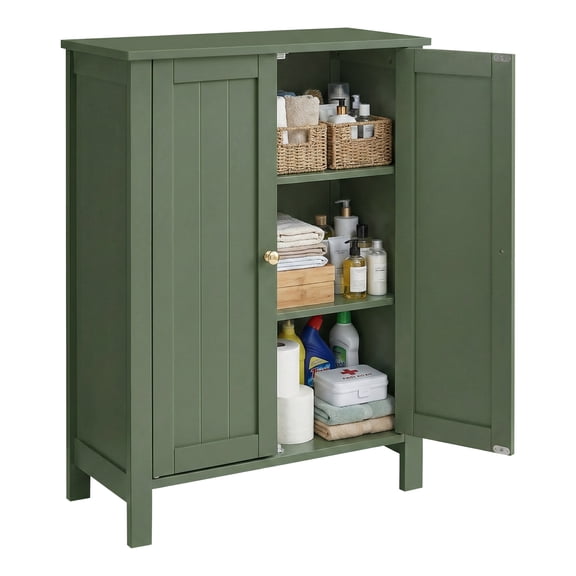


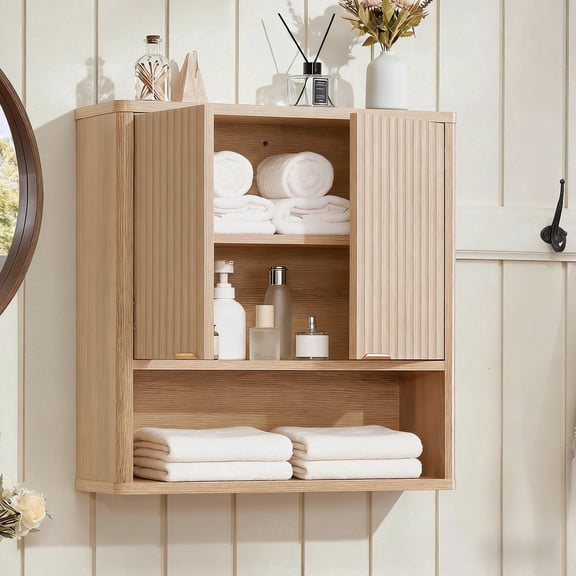
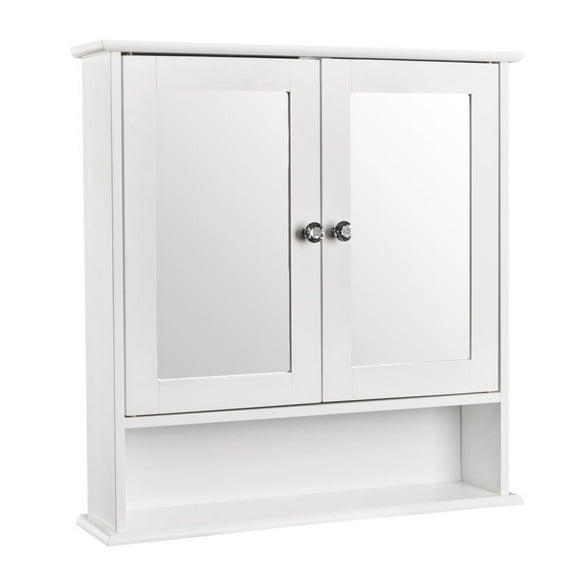
















About Medicine Cabinets & Wall Mounted Bathroom Cabinets - Walmart.com
Medicine cabinets help you organize bathroom essentials while keeping your counter clearer and your mirror within easy reach. Before you choose, you should compare mount type, mirror layout, lighting options, and finish.
Choosing the right medicine cabinets
You should start with installation, size, and daily storage needs before comparing finishes. Once you know your wall space and door clearance, your choices become easier to sort.
For many bathrooms, you may want storage behind a mirror instead of using trays on the vanity. That setup gives your toiletries a tucked-away spot and keeps your sink area looking calmer.
- You can create a cleaner vanity area by moving everyday items behind mirrored doors.
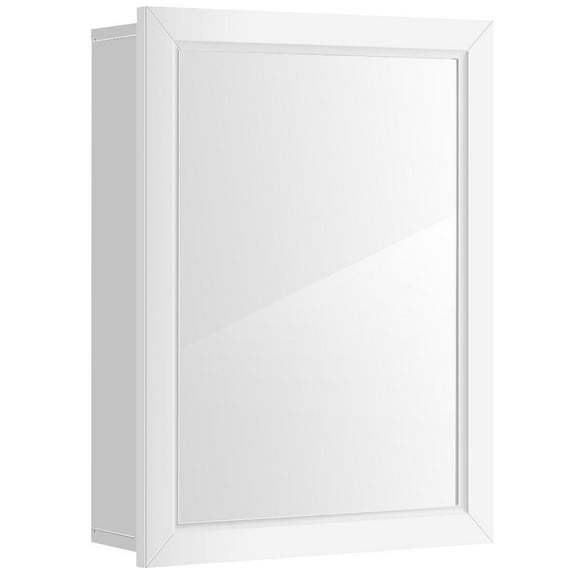
- You can choose recessed styles when your bathroom needs a built-in look close to the wall.
- You can pick surface mount options when your project calls for simpler wall installation and visible cabinet depth.
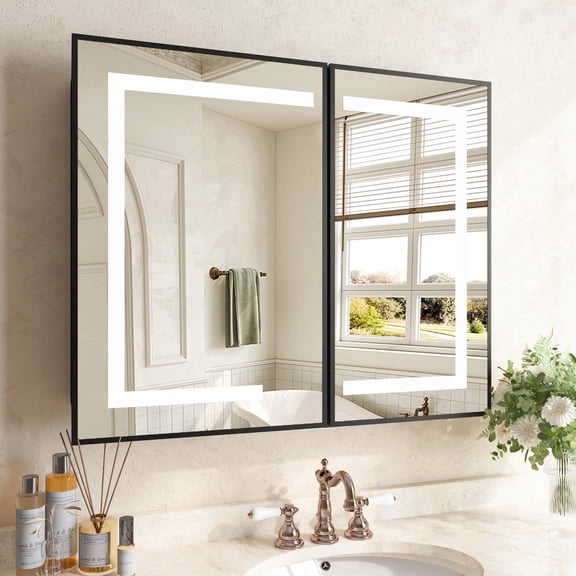
- You can select lighted designs when your mirror area needs lighting and storage in one place.
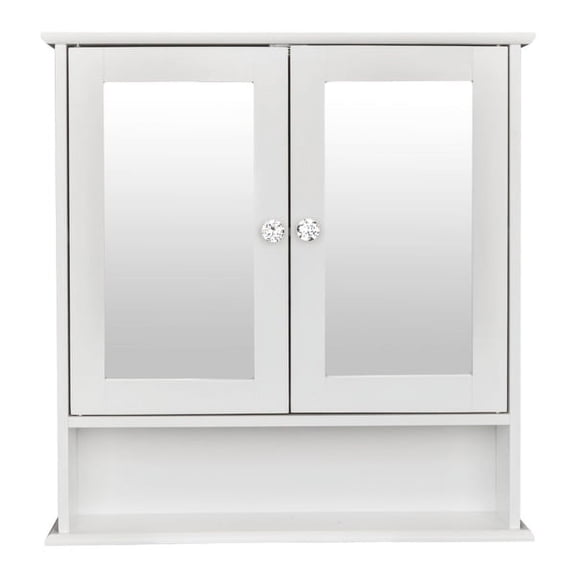
If you share a bathroom, you may prefer wider cabinets with double door or triple door layouts. That layout helps your household separate supplies by shelf and reduce sink-side clutter.
In compact bathrooms, you might consider a corner mount design that uses overlooked wall space. That choice adds storage without taking over the main wall above your vanity.
Comparing recessed medicine cabinets and surface mount medicine cabinet options
You should compare recessed and surface mount styles first because installation changes depth, appearance, and wall planning. Checking your wall construction early helps you avoid fit issues later.
With a recessed medicine cabinet, your cabinet box sits partly inside the wall for a built-in profile. You should measure rough-in dimensions carefully because your wall cutout must match them.
You also need to check stud spacing and wall depth before picking a recessed style. Those details matter because your cabinet must fit between framing and inside the wall cavity.
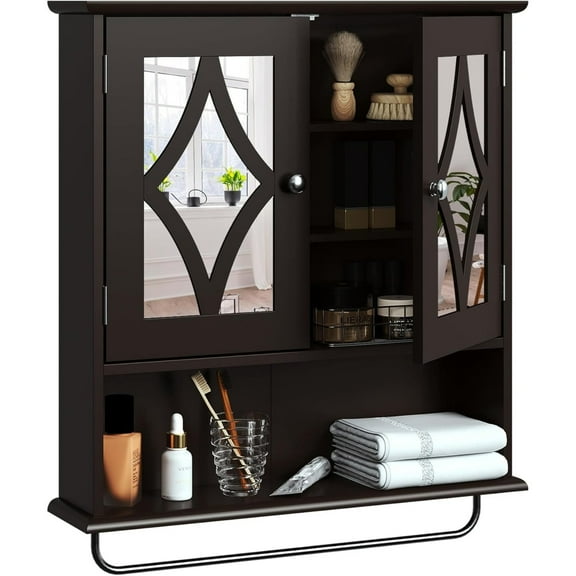
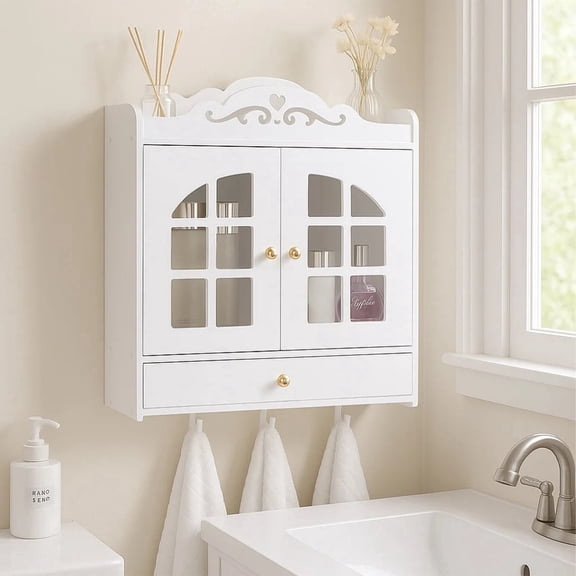
With a surface mount medicine cabinet, your cabinet hangs on the wall without a large opening. That setup may suit refresh projects, rentals, or bathrooms with limited wall depth.
A surface-mounted design gives your storage visible depth, which may fit taller bottles and grooming tools. If your layout feels unusual, your corner mount option can also use hard-to-fit wall space.
Choosing a bathroom medicine cabinet with mirror
You should treat mirror configuration as a daily-use decision instead of only a style detail. The right door layout can change how your vanity wall looks and how your routine flows.
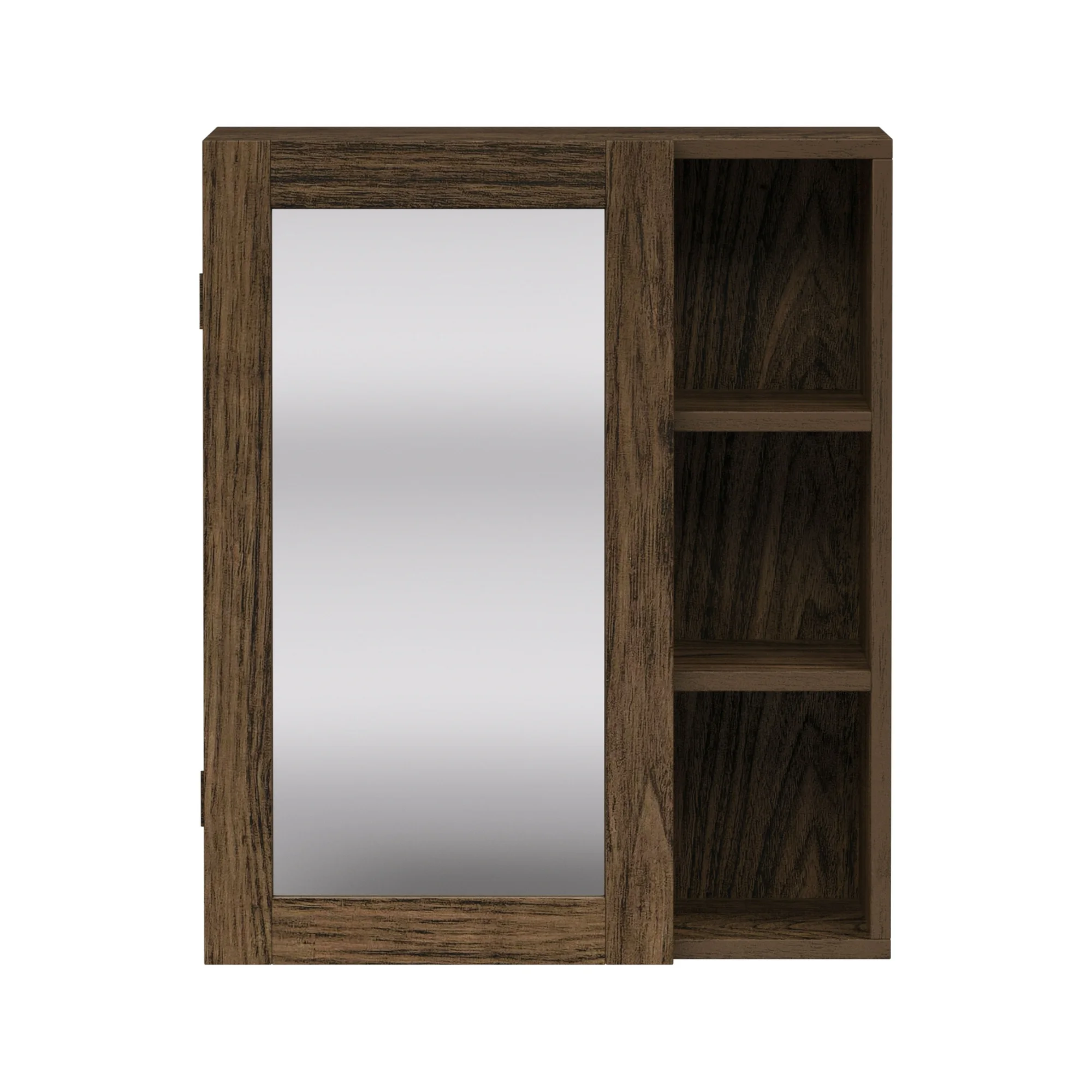
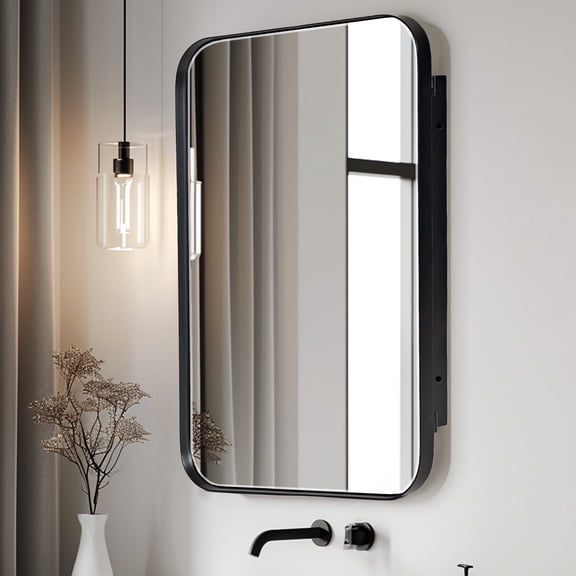
A medicine cabinet with mirror combines reflection and storage in one piece above your sink. That design simplifies your wall layout because your mirror and storage work together.
If your vanity is smaller, you may like a single door cabinet for straightforward access. If your household needs wider reach, your double door or triple door layout may feel more practical.
Frameless styles create a cleaner look that works with many bathroom designs. Beveled edges add visual definition, which may suit traditional spaces or polished hardware finishes.
Inside the cabinet, you should compare fixed shelves and adjustable glass shelves based on what you store. Adjustable shelves give your taller bottles, jars, and tools room as your routine changes.
You should also compare overall dimensions with usable shelf space before making your choice. That step helps your cabinet door style, shelf depth, and interior layout work together.
Choosing a lighted medicine cabinet and power features
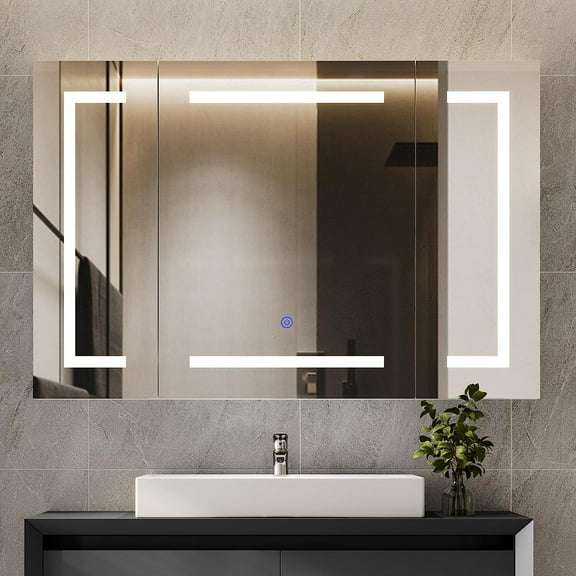
You may want a lighted medicine cabinet when your vanity area needs stronger mirror visibility. That format combines storage and task lighting without adding another fixture above the sink.
When you compare lighted models, you should check whether your unit is hardwired or plug-in. Knowing your electrical setup first makes installation planning much clearer.
You may also want to review lumens because they describe light output in practical terms. Higher lumen levels give your grooming area a brighter look, especially in bathrooms with limited overhead light.
Some cabinets include built-in outlets or USB ports for devices and grooming tools. That feature keeps your cords more organized because charging and storage stay in one place.
If your bathroom already has strong vanity lighting, you may prefer a non-lighted cabinet. That choice lets your focus stay on shelf space, mirror style, and installation needs.
Matching size, finish, and material to your bathroom medicine cabinet
You should compare finish and material after you confirm your mount type and size. Then your cabinet can coordinate with your faucet, vanity hardware, and wall color.
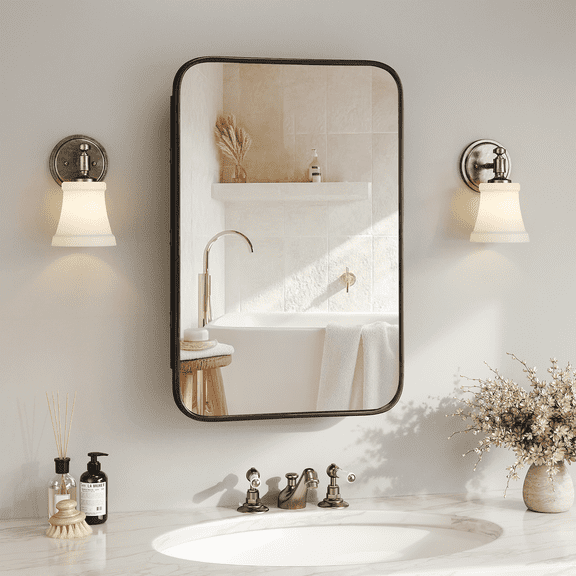
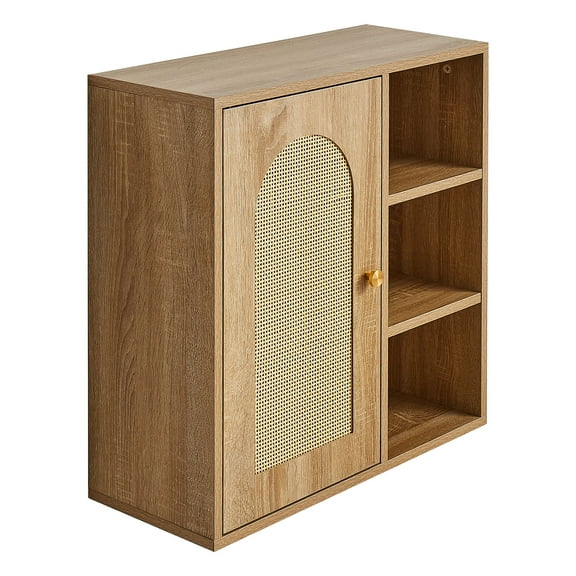
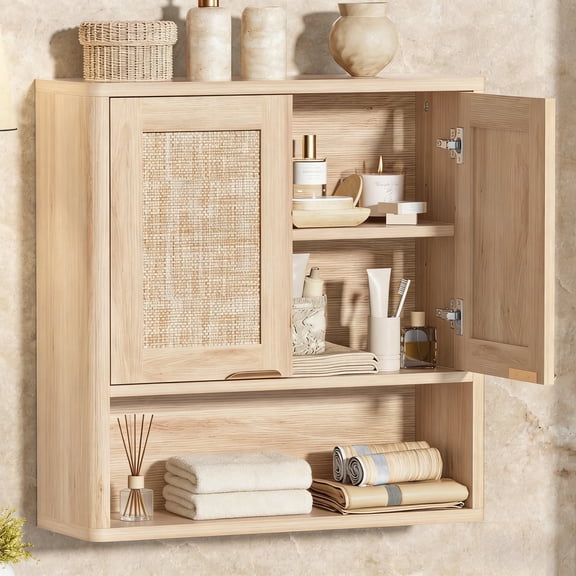
A black medicine cabinet adds contrast against lighter paint, tile, or stone. If your bathroom needs a warmer look, your wood medicine cabinet can bring natural texture above the sink.
Rust-free aluminum suits bathrooms where moisture is part of your daily routine. Satin nickel gives your hardware a softer metallic look that blends with many fixture styles.
Before you order, you should measure your cabinet width, height, and depth where it will hang. You also need to check door clearance around faucets, sconces, and nearby walls.
If you're replacing an older unit, you should compare the old opening with the new rough-in size. That step helps your new cabinet fit both the wall cutout and the outer frame area.
When your size, storage, lighting, and finish align, your bathroom feels easier to use every day. You end up with organized essentials, a practical mirror, and a cleaner vanity wall.