

Bathroom Sconces in Wall Sconces


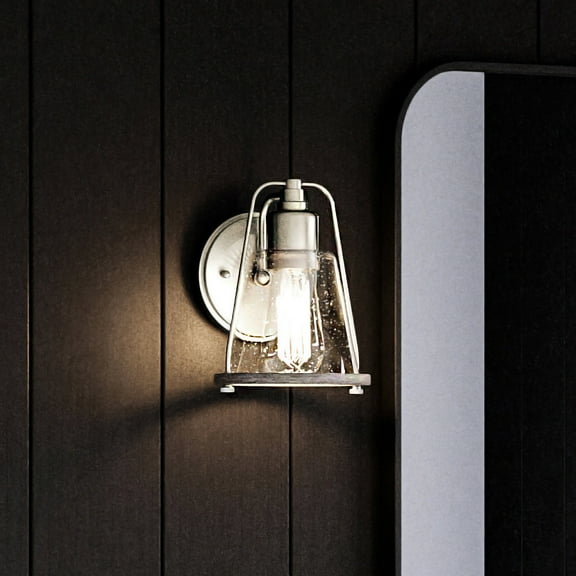


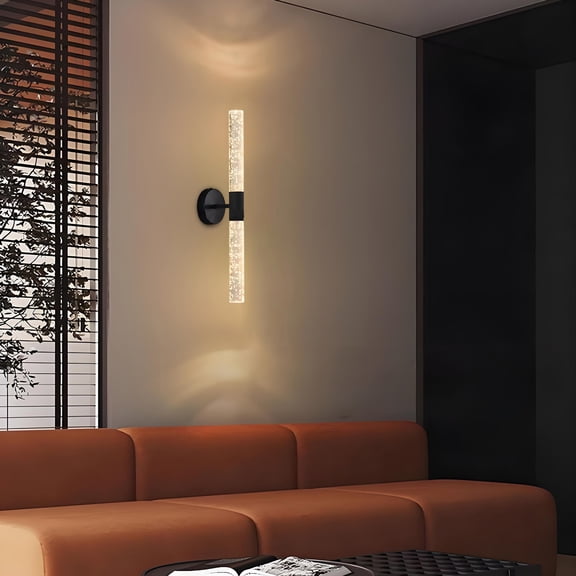


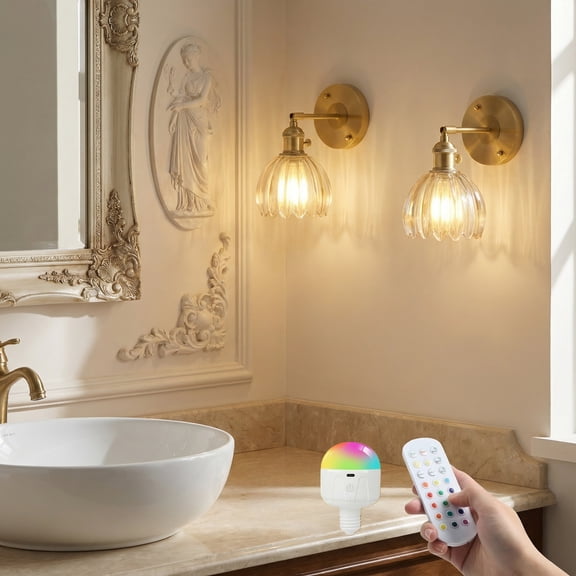

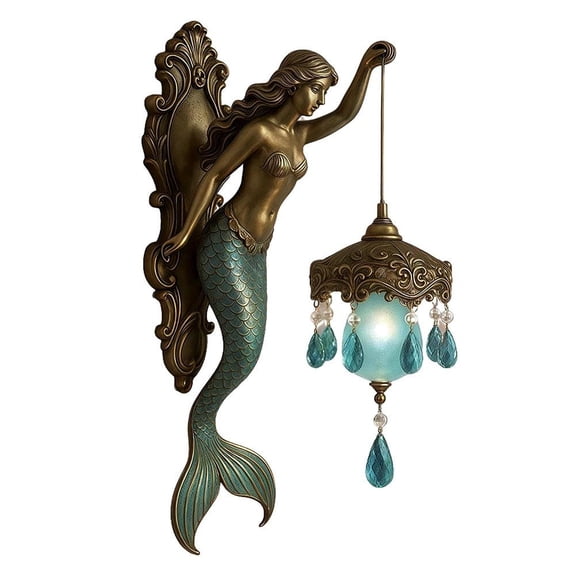






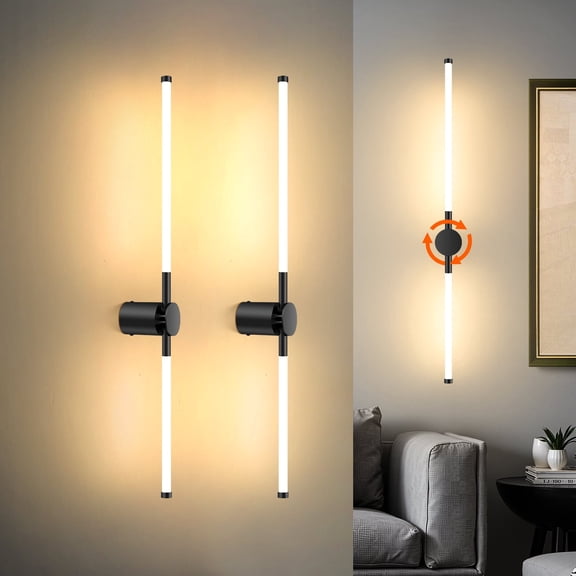
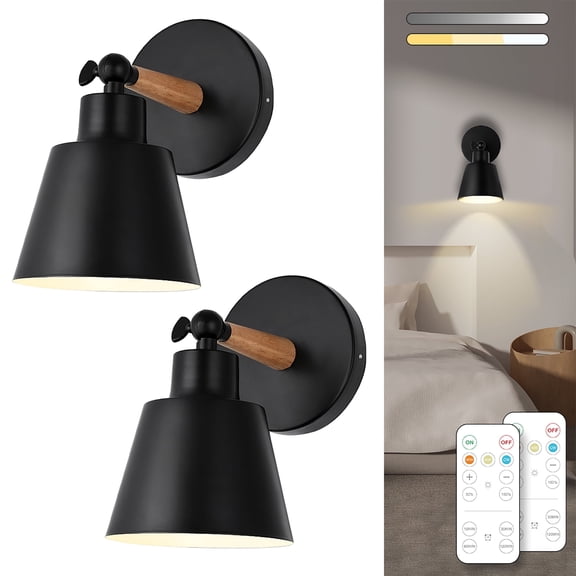
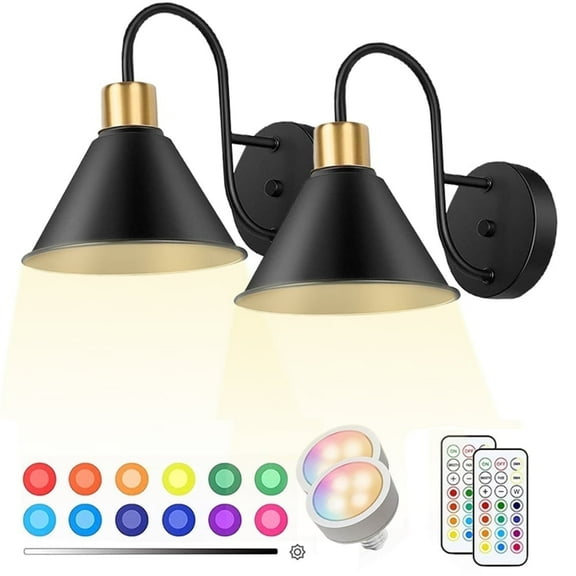
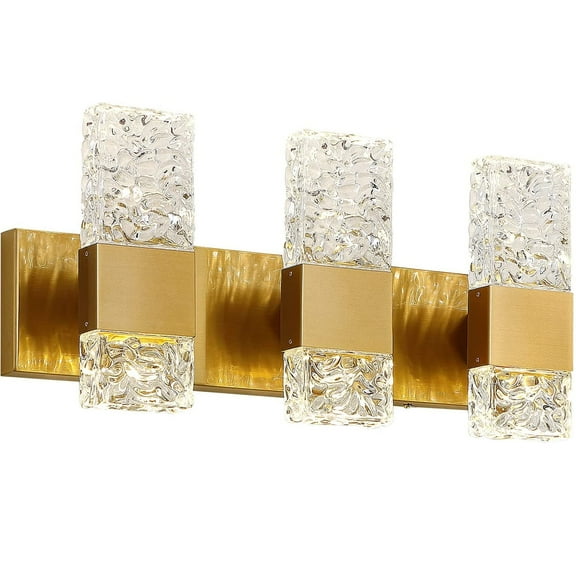









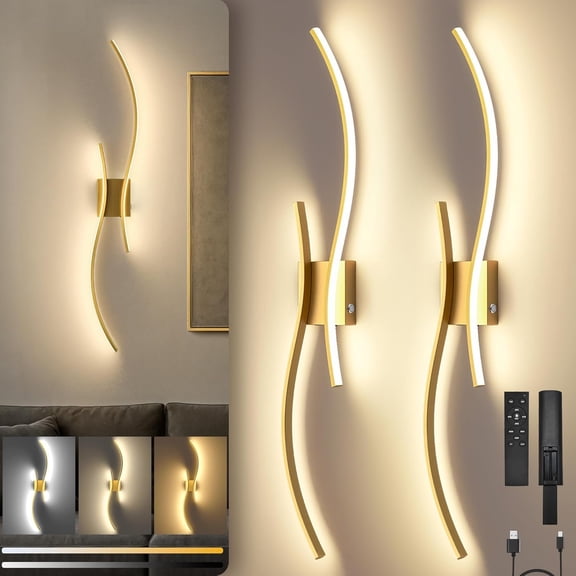
About Bathroom Sconces in Wall Sconces - Walmart.com
Bathroom sconces help you frame your mirror with focused light and a polished look. You can compare finishes, wiring options, and sizes that fit your vanity setup.
You may want lighting that works with morning routines and evening wind-down time. You can also use bathroom sconces to add style without taking up counter space.
Choosing bathroom sconces for your space
When you compare sconces for bathroom use, you should start with placement and scale. You’ll usually want fixtures that suit your mirror width and your wall space.
If your mirror is narrow, you may prefer small light fixtures for wall placement beside the glass. If your vanity is wider, you may compare one-light, two-light, or three-light designs.
- You can use side-mounted sconces to reduce shadows around your mirror.
- You can choose up or downlight designs based on your preferred glow.
- You can match fixture size to your mirror for a balanced look.
- You can coordinate finishes with faucets, drawer pulls, and towel bars.
You’ll notice wall mount lights change how your bathroom feels and functions. You can create a cleaner vanity view when your fixture size matches your mirror and hardware.
How to compare small light fixtures for wall mounting
When you shop small wall light fixtures, you should check the number of lights first. You can often use one-light designs in compact powder rooms or tight wall layouts.
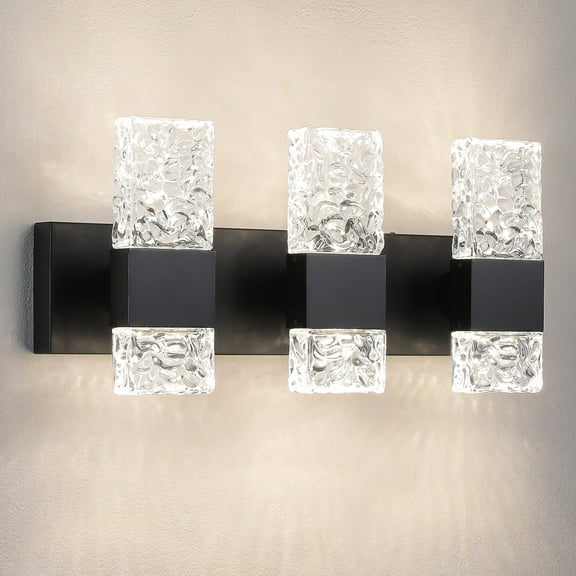
If you need broader light spread, you may compare two-light or three-light sconces light fixtures. You’ll often see those options work well near wider mirrors or double vanities.
You should also compare light direction before you choose a sconce light. You can pick uplight styles for a softer wash, downlight styles for focused brightness, or up and downlight designs.
For bathroom planning, you should measure the wall area beside or above your mirror. You can avoid an oversized look when your fixture height and width suit the mirror frame.
Choosing finishes and styles that match your bathroom
When you compare finish options, you should look at your faucet and cabinet hardware. You can create a more pulled-together room when your fixture tone echoes those metal details.
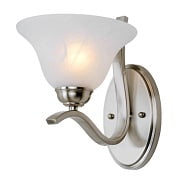
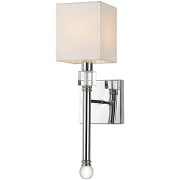
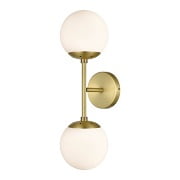
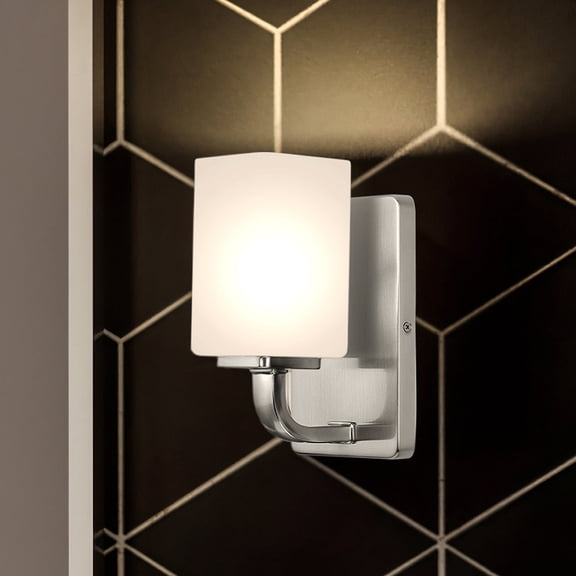
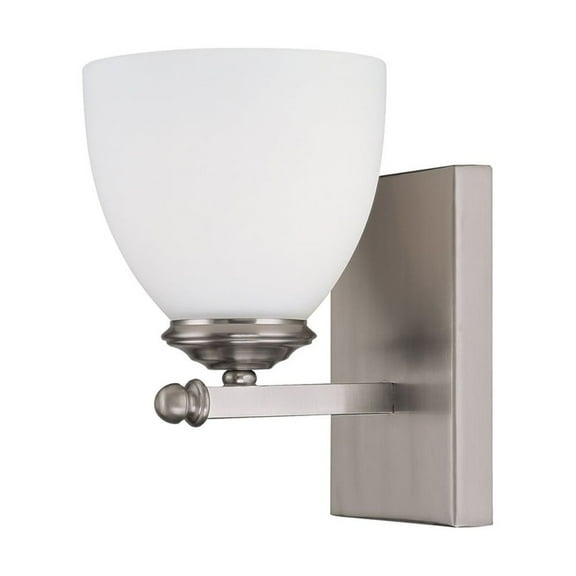
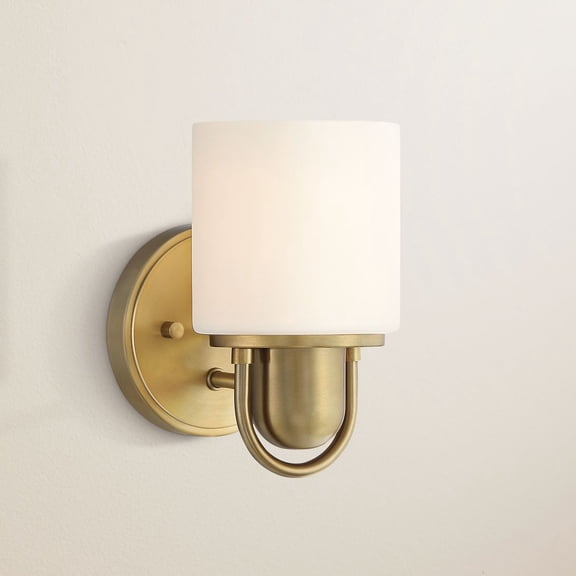
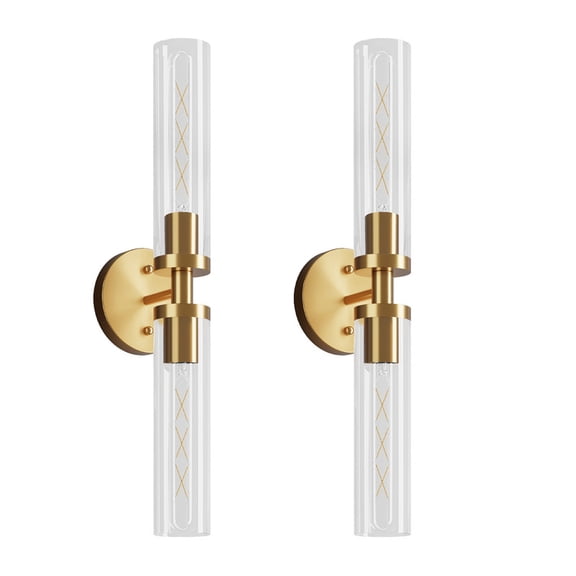
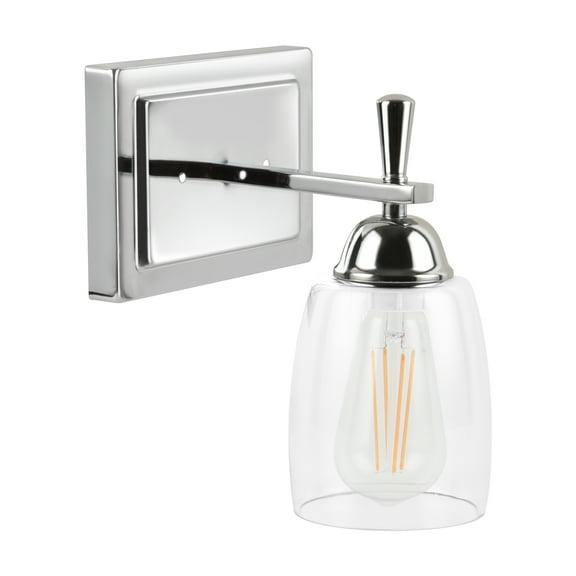
A brushed gold bathroom light can warm up white tile and softer paint colors. A chrome or brushed nickel finish can suit crisp mirrors, glass shelves, and polished hardware.
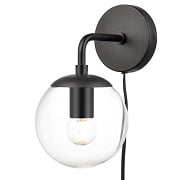
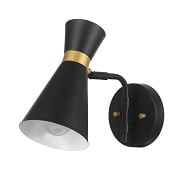
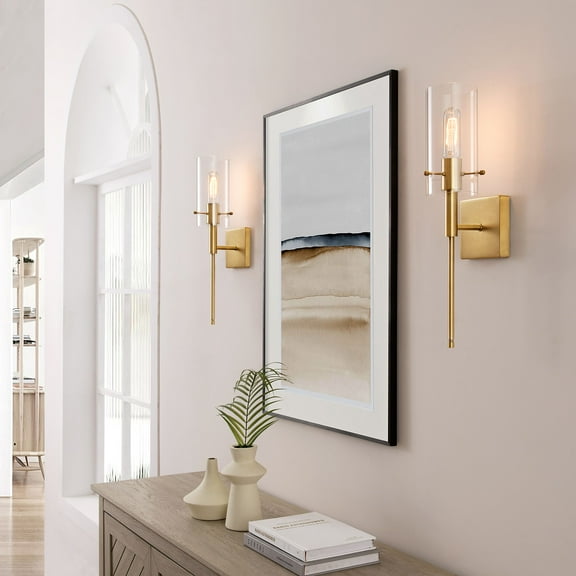
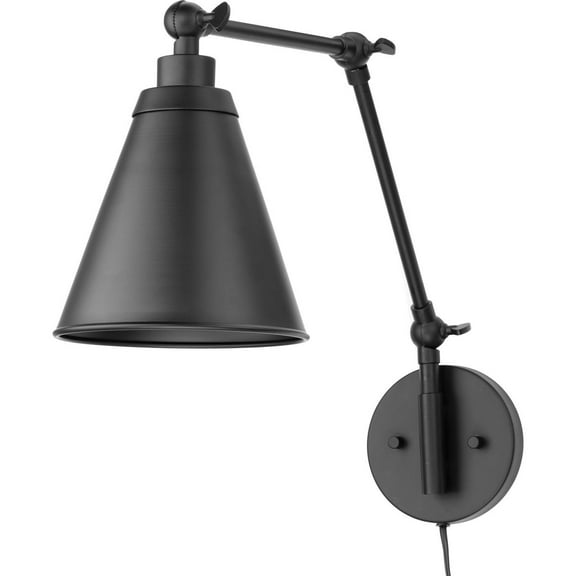
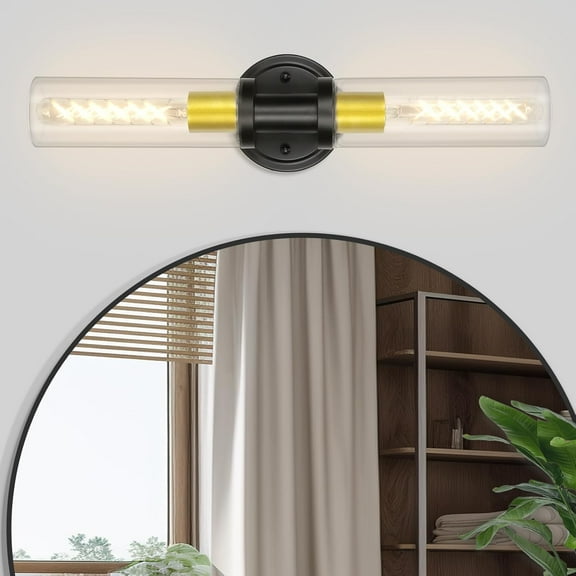
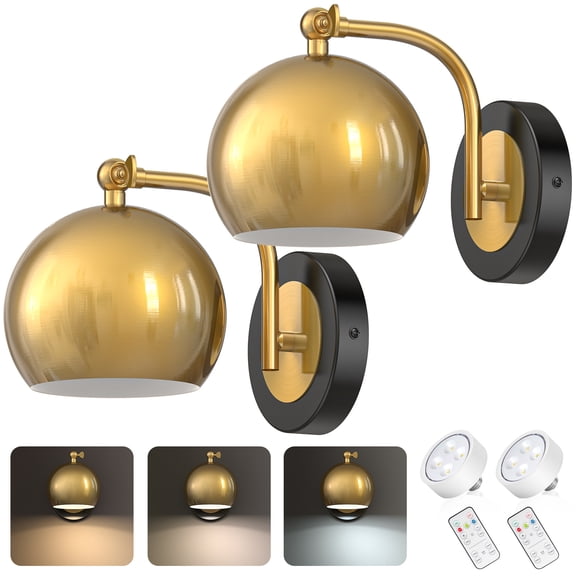
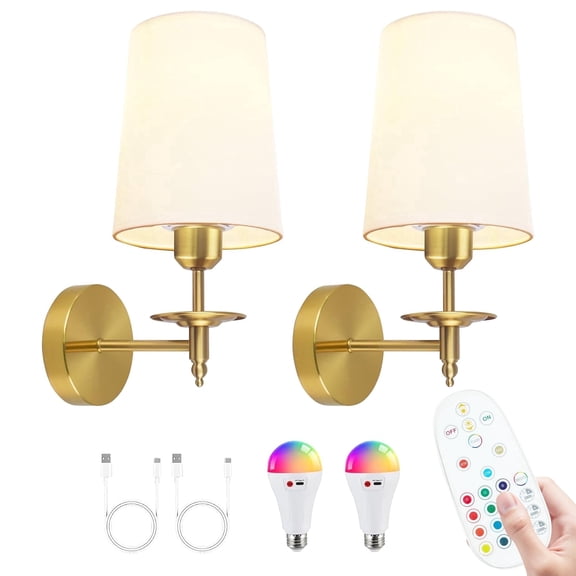
If your room has darker accents, you may consider matte black or gold light sconces. You can also compare a gold sconce with warmer brass-toned accessories for a consistent look.
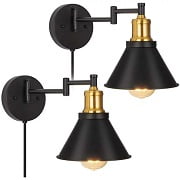
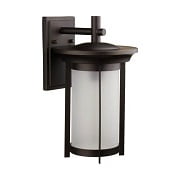
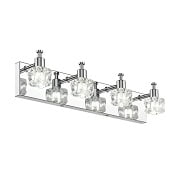
Style matters too, so you should compare modern, industrial, crystal, and mid-century modern designs. You can use a crystal bathroom light for sparkle or choose cleaner lines for a simpler vanity wall.
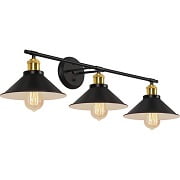
If you want decorative detail, brushed gold bathroom lighting can add warmth without overpowering the room. If you want sharper contrast, industrial silhouettes can define a mirror area clearly.
Hardwired, plug-in, and damp-rated decisions
Before you choose hard wired sconces, you should check your wall connection and junction box compatibility. You can use hardwired styles when your layout supports direct electrical wiring.
If you want simpler setup flexibility, you may compare plug-in options for select spaces. You should still confirm the placement works well with your mirror and nearby outlet access.
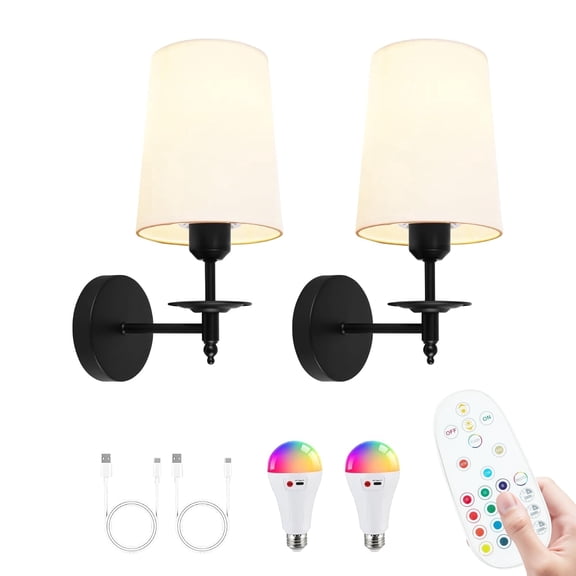
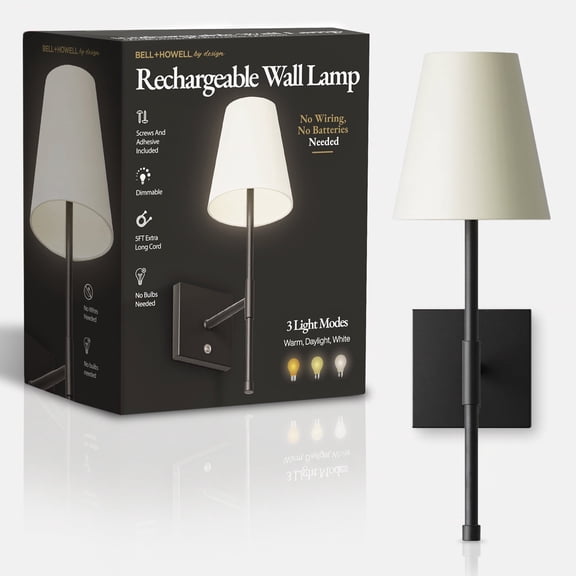
Battery operated styles can help when you want light in smaller spaces without fixed wiring. You can compare them for accent use, guest baths, or spots needing quick placement.
You should also check whether your bathroom sconces are rated for damp environments. You can look for UL or ETL damp rating details when your lighting will sit near sinks or steamy bathrooms.
That rating matters because you want fixtures intended for bathroom conditions. You can feel more confident when the fixture information matches the moisture level in your space.
Using bathroom sconces in real vanity layouts
For a single vanity, you can place sconces on each side of the mirror for even light. You may also use a centered fixture when the wall layout limits side placement.
For double vanities, you can compare pairs of matching sconces or larger multi-light options. You should keep spacing consistent so your mirror wall looks balanced from end to end.
In a powder room, you may prefer small wall light fixtures with a modern or mid-century modern profile. You can keep the room open visually while still adding shine and definition.
If your bathroom uses warm metal accents, a brushed gold bathroom light can tie the palette together. If your room leans sleek, chrome or matte black can sharpen the overall look.
When your mirror has a bold frame, you should compare simpler sconces for bathroom walls. When your mirror is plain, you can use crystal or industrial details to add visual interest.
You can also connect your lighting plan with bathroom vanity lights, wall sconces, or led bathroom mirrors. You’ll build a more cohesive bathroom setup when each light source supports the same style direction.
With the right bathroom sconces, you can improve mirror lighting, match your hardware, and fit your wall layout. You’ll get a bathroom lighting choice that feels considered every time you use the space.