


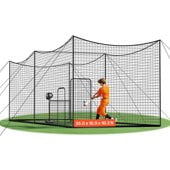
Training Baseballs for Pitching and Hitting Practice


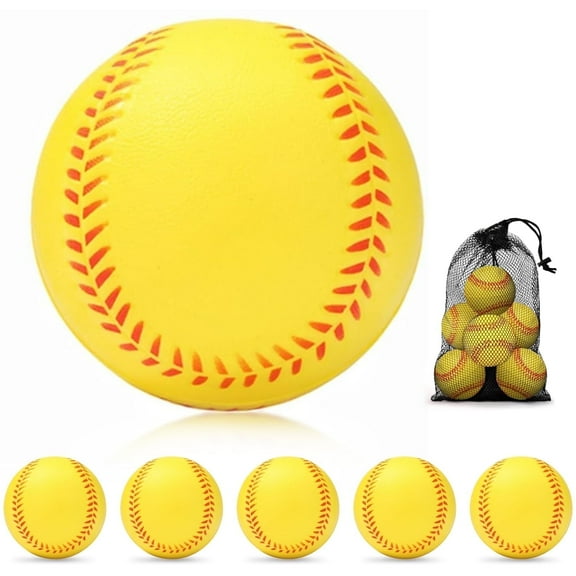
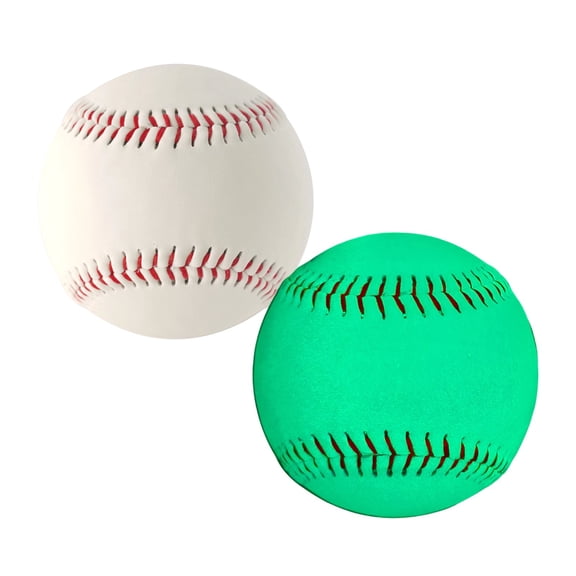
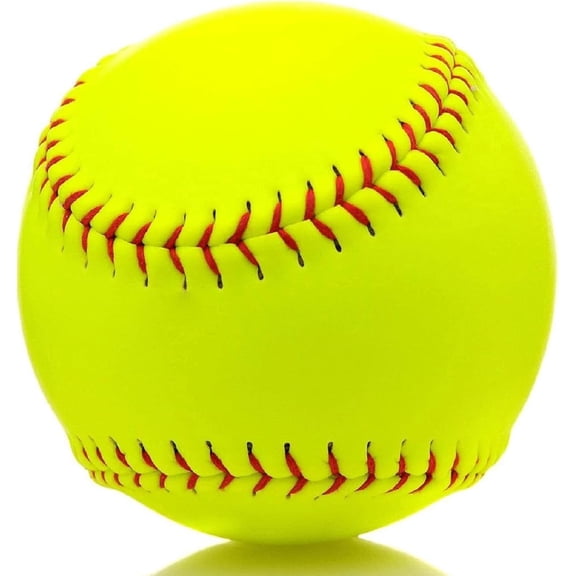












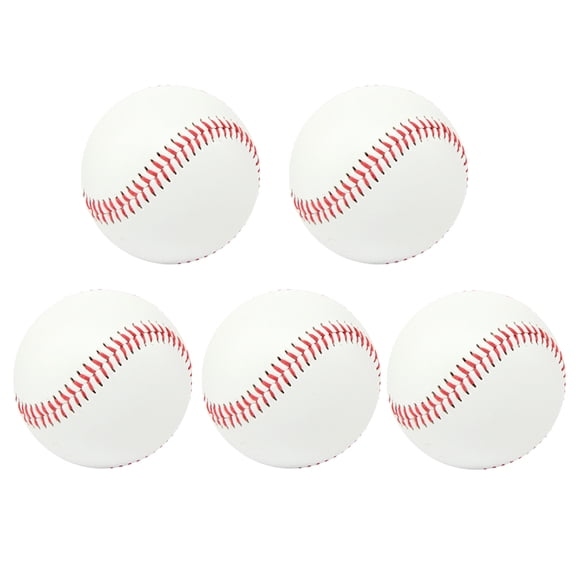
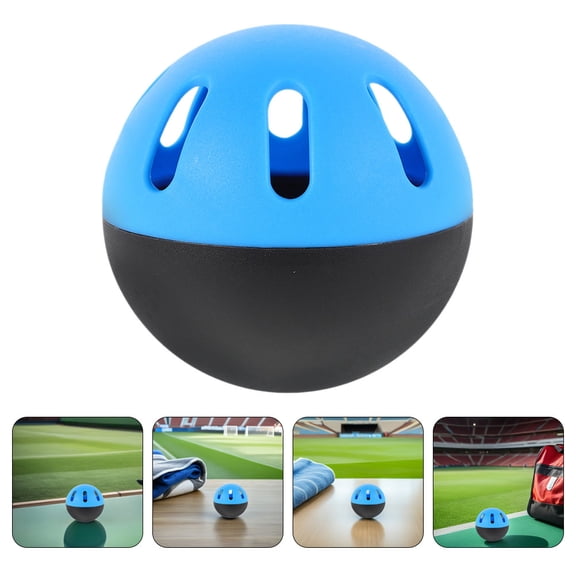

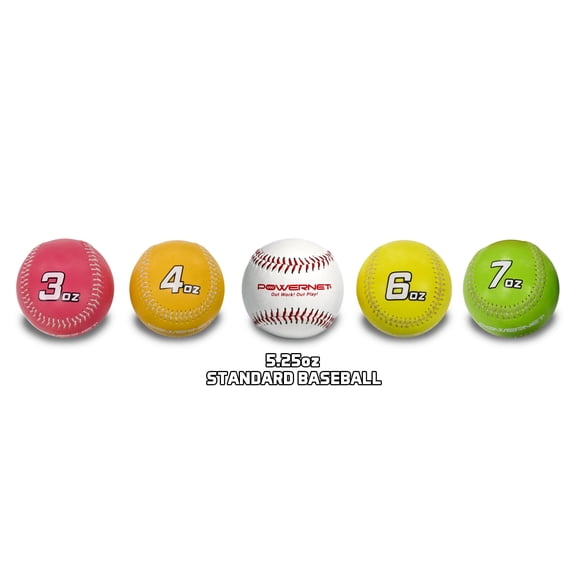
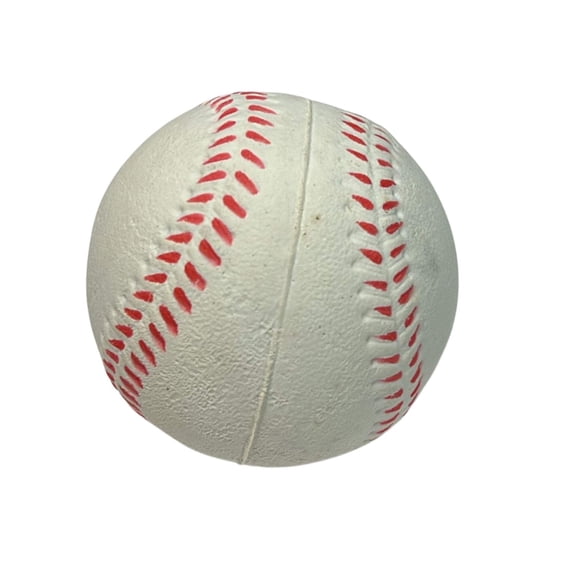

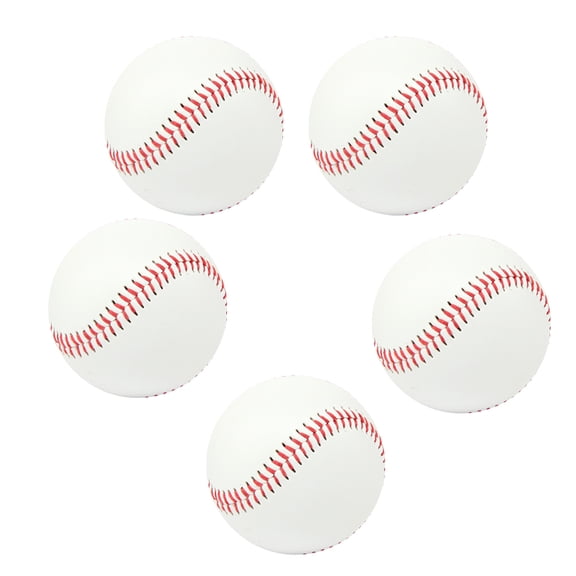
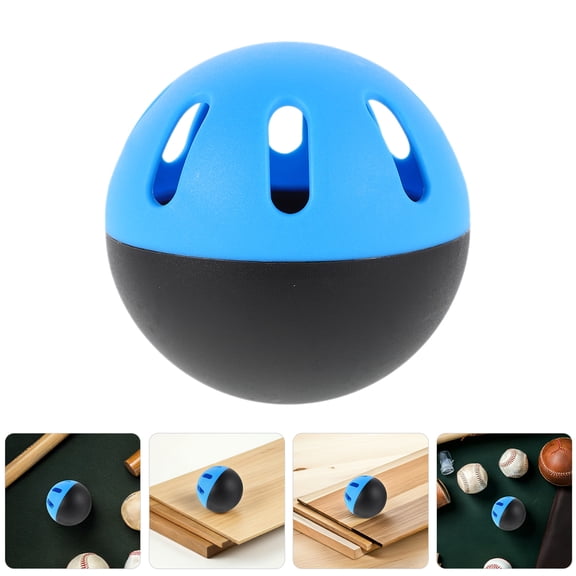
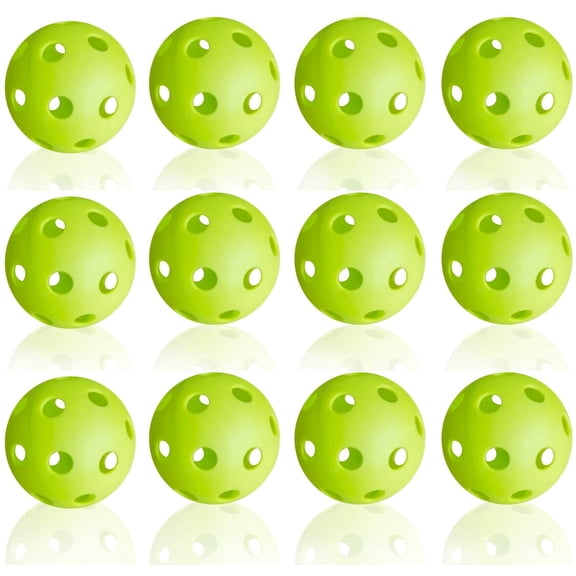

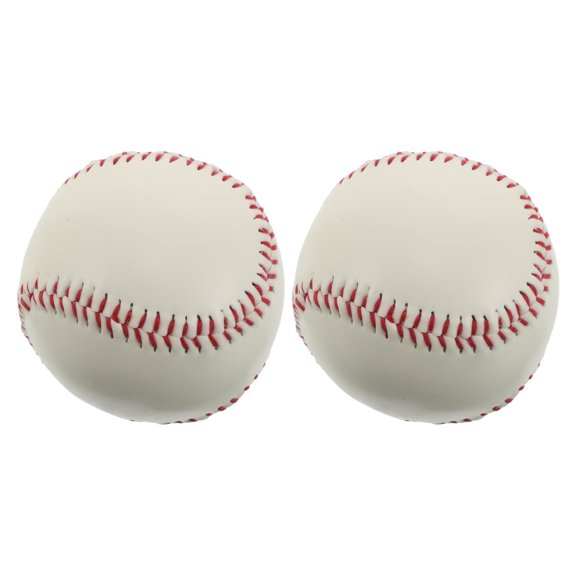


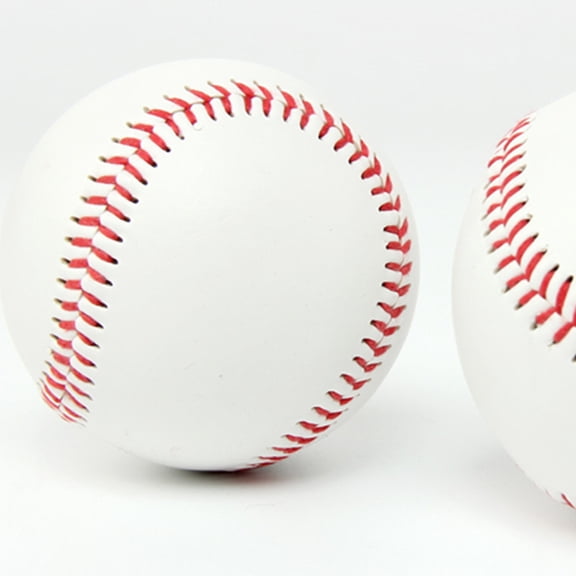
About Training Baseballs for Pitching and Hitting Practice - Walmart.com
Small training baseballs help you sharpen bat control in tight, repeatable drills. You can compare micro sizes, materials, and weights to match your swing path, contact goals, and practice space.
How to choose small training baseballs
You should start with ball size because size changes how quickly you track the ball. You’ll notice smaller balls create a tighter visual target during front toss and tee work.
When you compare small or micro options with standard 9-inch balls, you can focus on precise barrel contact. You may prefer oversized options when you want slower visual tracking for beginner drills.
Your choice should also reflect who’s using the ball and where practice happens. You can build a more useful setup when size matches your skill level and drill plan.
Choosing baseball training balls by material
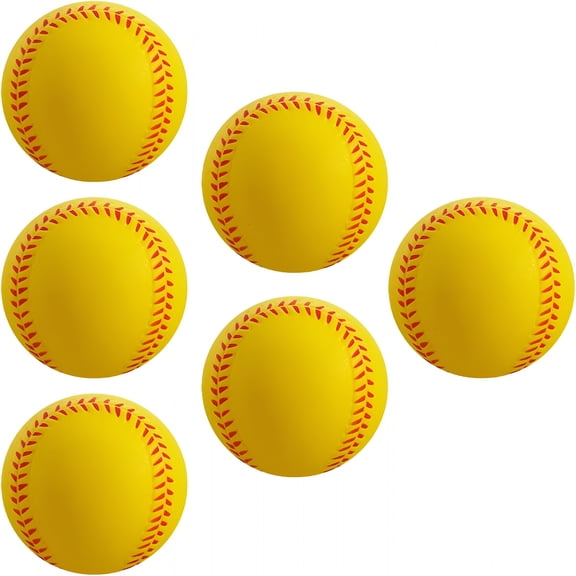
You should compare material next because feel and rebound change with each type. You can use foam for quieter indoor sessions and lighter contact drills.
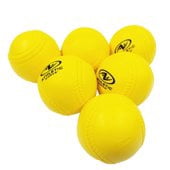
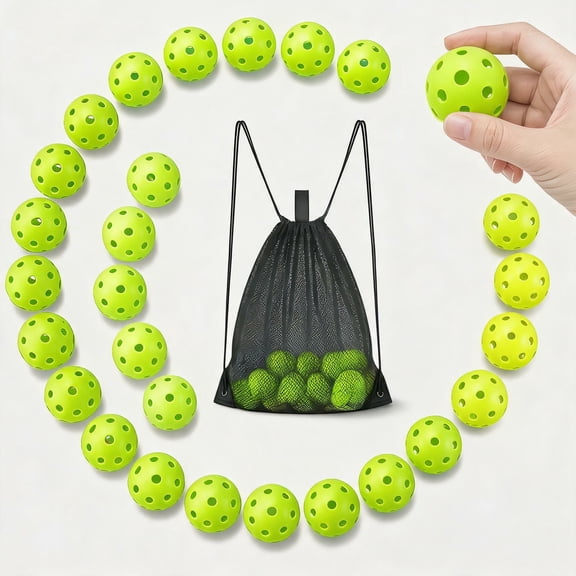
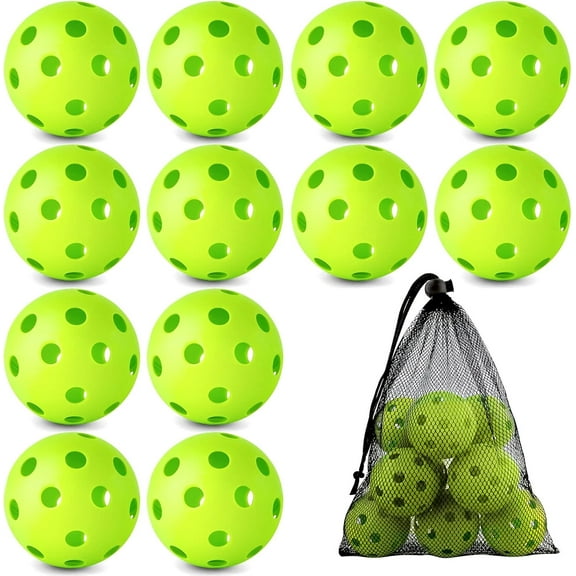
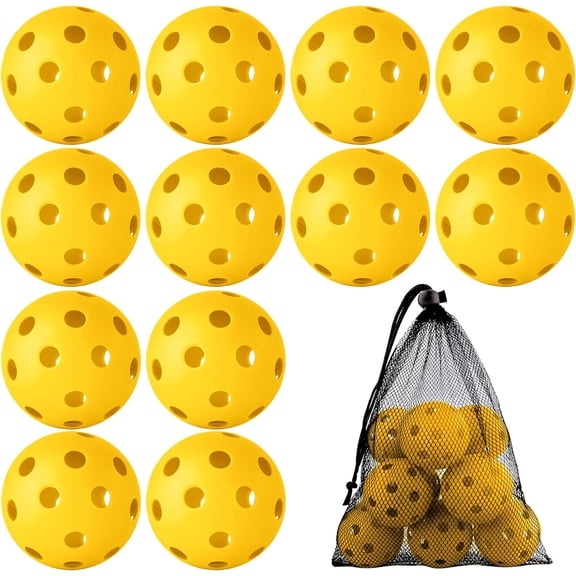
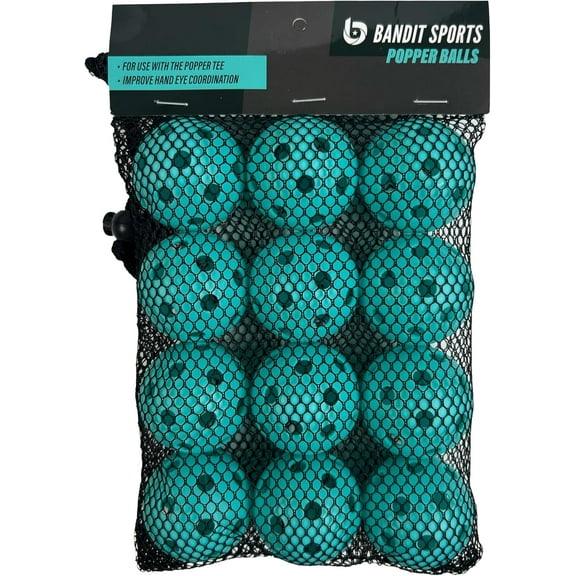
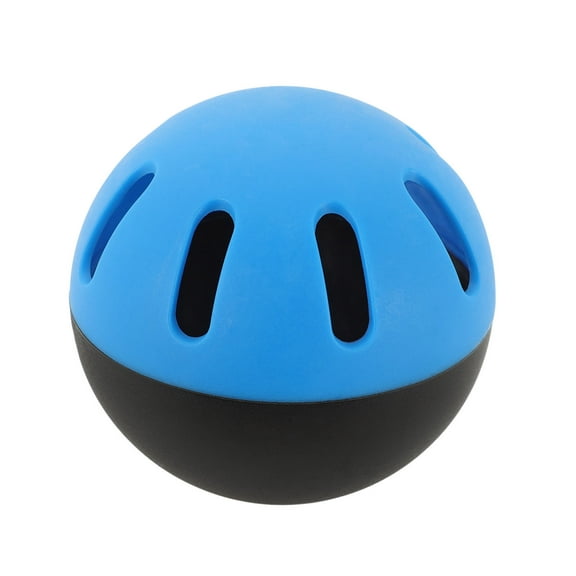
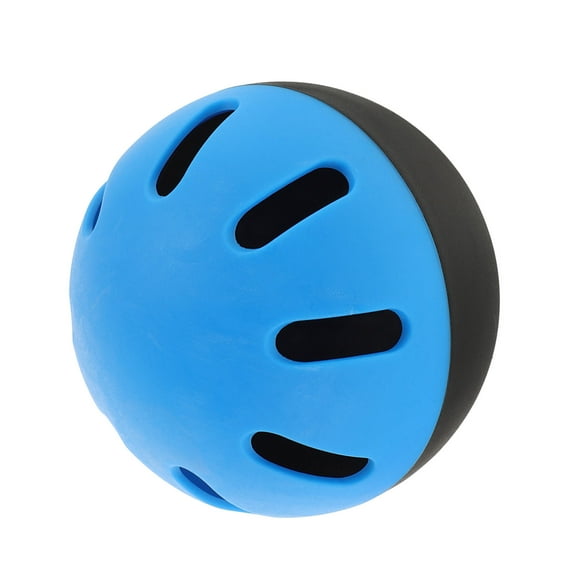
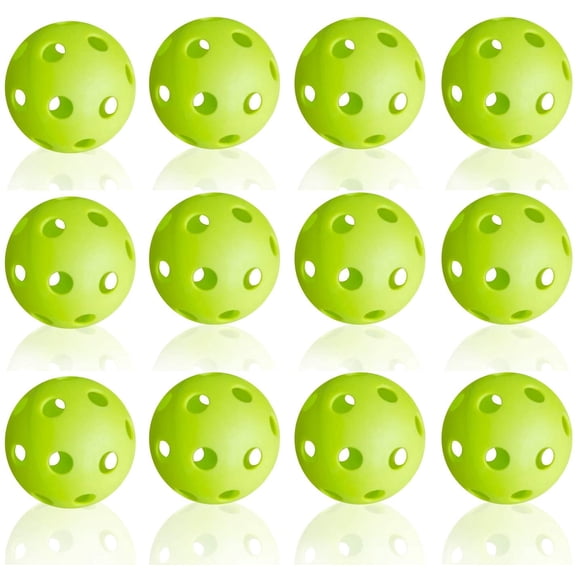
If you want visible flight and backyard-style repetition, you may choose plastic or wiffle designs. You’ll often get easy tracking, reduced carry, and simple pickup after soft toss rounds.
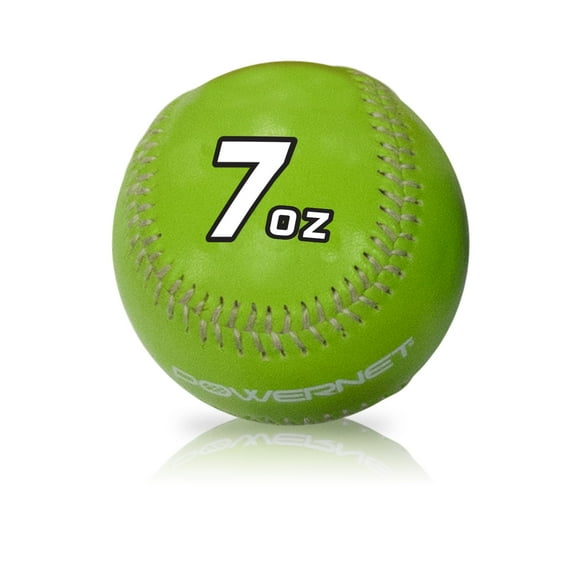
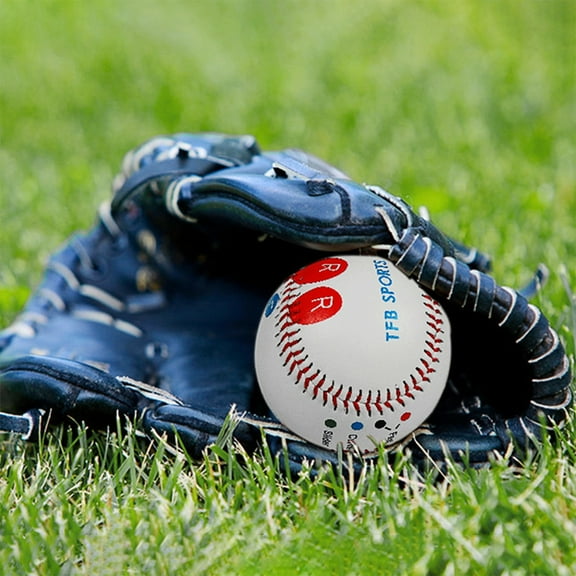
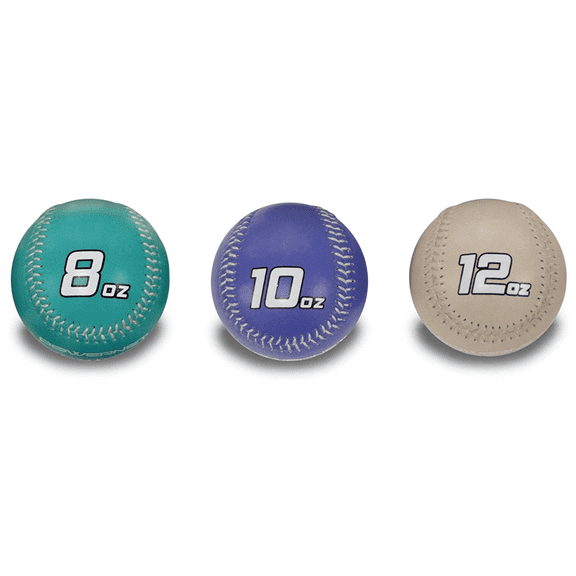
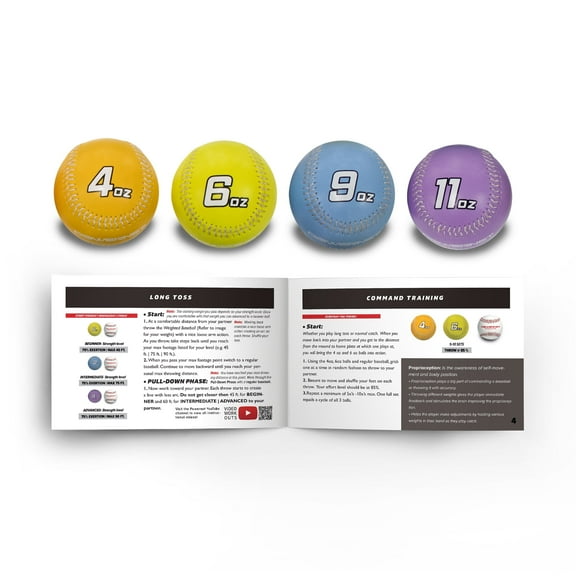
When you need heavier feedback, you can look at weighted rubber options for controlled drill work. You may choose leather styles when you want a more familiar baseball feel during advanced practice.
- You can use foam when your practice space is indoors or shared.
- You can choose plastic balls when you want easy flight tracking.
- You can compare weighted rubber for feedback during strength-focused drills.
- You can pick leather styles when you want a familiar hand feel.
What to look for in weight and training baseballs
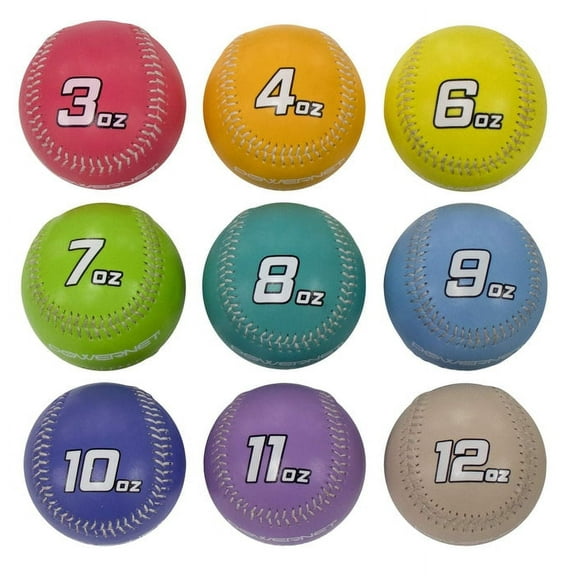
You should check weight carefully because it affects timing, feel, and drill purpose. You can use lightweight balls when you want fast repetition and easy recovery between swings.
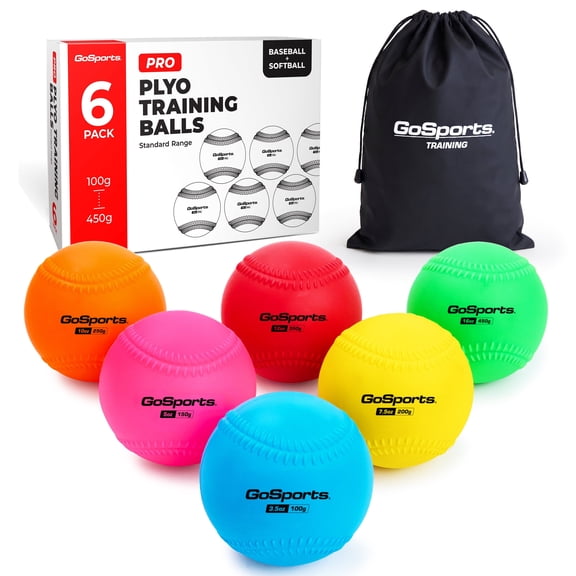
Regulation-weight options help you keep practice closer to game-like rhythm and contact feel. You may prefer weighted or heavy designs when your drill calls for controlled overload work.
Your training balls for baseball should match the drill instead of forcing one ball into every session. You can rotate weights to keep batting practice varied and easier to measure.
Checking pitching machine fit and ball diameter
You should confirm ball diameter before using any ball with a pitching machine. You can avoid feed issues by checking wheel clearance and the size range listed for your machine.
Small training baseballs may not work in every machine because some wheels need a narrower fit range. You should compare the ball’s diameter with your machine’s guidance before long practice sessions.
If you want machine-fed repetition, you may lean toward standard-size training balls with compatible construction. You can reserve micro balls for hand toss, soft toss, and tee drills when fit is uncertain.
Matching use cases to your practice plan
You should choose by use case because batting practice goals vary from session to session. You can build cleaner routines when each ball type supports one clear training outcome.
For hand-eye coordination, you may use smaller targets that demand sharper visual focus at contact. You’ll often notice that micro-target drills reward direct barrel accuracy instead of broad contact.
During batting balls training, you can use light foam or plastic balls for steady indoor reps. You may switch to regulation-weight or leather-feel options when you want outdoor timing work.
For pitching drills, you should compare grip feel, release consistency, and intended drill speed. You can use soft toss balls when you want quick resets and repeated swing paths without long chases.
Using small training baseballs indoors and outdoors
You should think about practice space before choosing material and weight. You can keep indoor sessions simpler with foam balls that feel lighter and create less rebound.
Hard plastic options can suit garages, cages, and backyards when you want visible spin and flight. You should leave full-contact, harder constructions for spaces that match their rebound and carry.
Outdoors, you may want more durable surfaces that hold up through repeated bat impacts. You can compare shell feel and compression to find training baseballs that stay useful through frequent reps.
How durability changes your drill results
You should check durability when you plan high-volume swings or faster bat speeds. You can get more consistent sessions when the ball keeps its shape and flight pattern longer.
Foam may suit contact-limited drills, while weighted rubber can support repeated impact in focused routines. You should compare cover wear, seam style, and surface texture when you practice often.
If you rotate ball types by drill, you can extend usable life across your setup. You’ll keep your reps more consistent when each ball handles the contact level it was built for.
Finding the right baseball training balls setup
You can build a smarter routine when you compare ball size, material, weight, and use case together. Your setup works harder when micro balls, standard options, and indoor-friendly choices each fill a specific role.
With the right baseball training balls, you can practice cleaner contact, steadier timing, and more useful repetition. Your drills stay focused when every ball matches the way you actually train.