

Softball Training Equipment in Softball Gear & Equipment











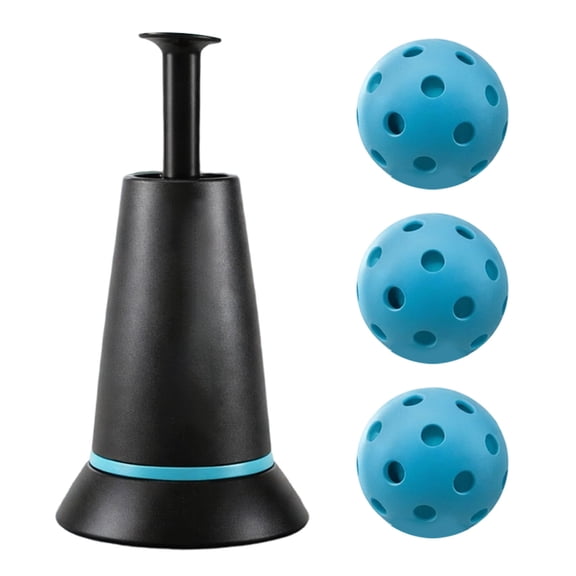
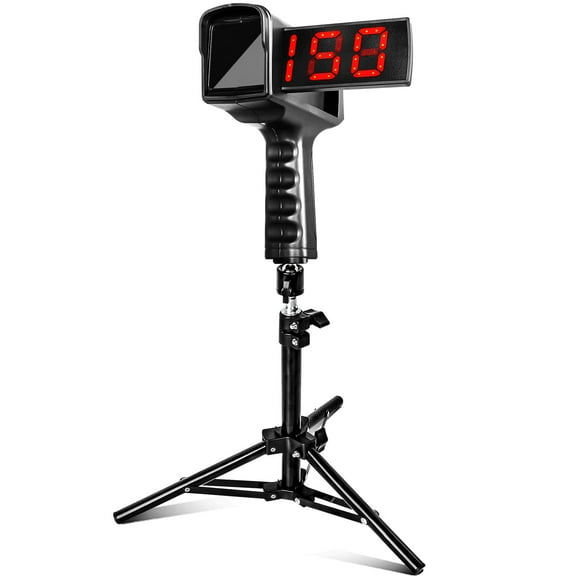












About Softball Training Equipment in Softball Gear & Equipment - Walmart.com
Softball training equipment helps you build repeatable skills at home, in the backyard, or during team practice. You can compare hitting, pitching, fielding, and portability options faster when the category guidance matches real softball drills.
If you're training for cleaner contact, quicker transfers, or more consistent release points, you need gear built for softball practice. You can use this page to compare softball hitting nets, tees, machines, and trainers by skill focus, setup, and player level.
How to choose softball training equipment
You should start with the skill you want to sharpen first. Your training plan gets clearer when you separate hitting work from pitching reps, fielding drills, catching practice, and speed sessions.
You'll also want to compare where you practice and how often you move your gear. Your backyard setup may call for collapsible frames, while team practice may fit heavier stationary pieces.
You can narrow your choices faster when you match the equipment type to your routine. Your options may include softball batting tees, softball hitting nets, softball pitching machines, fielding trainers, and weighted balls.
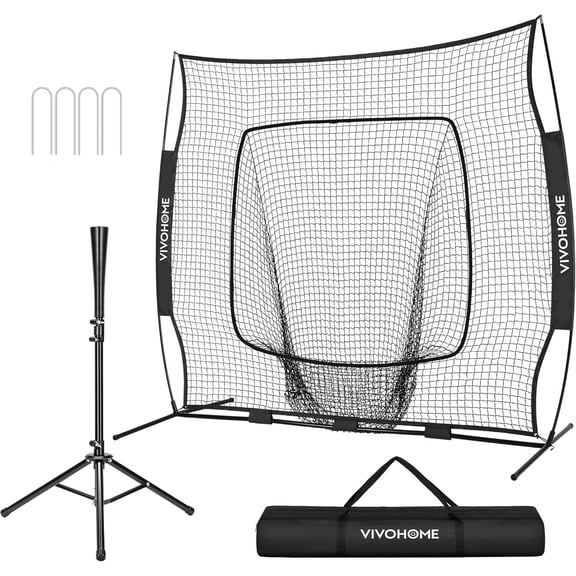
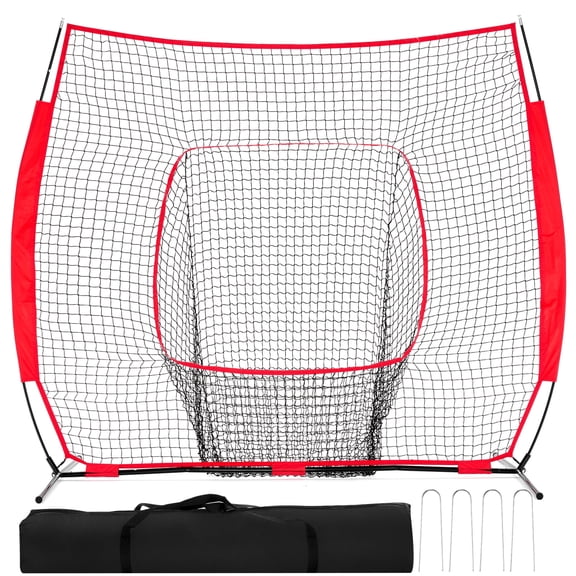
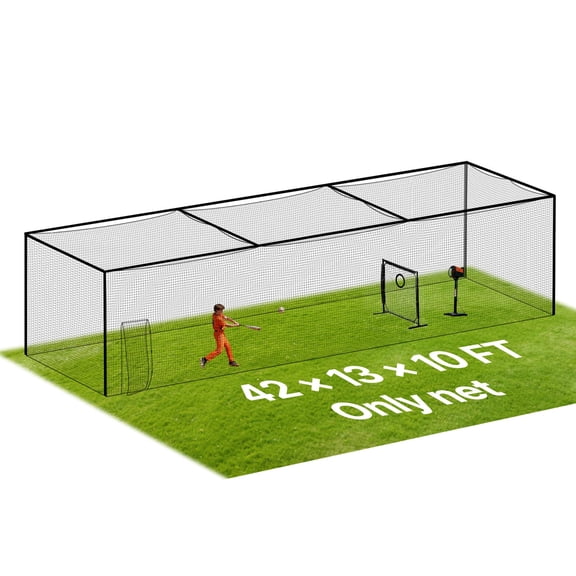
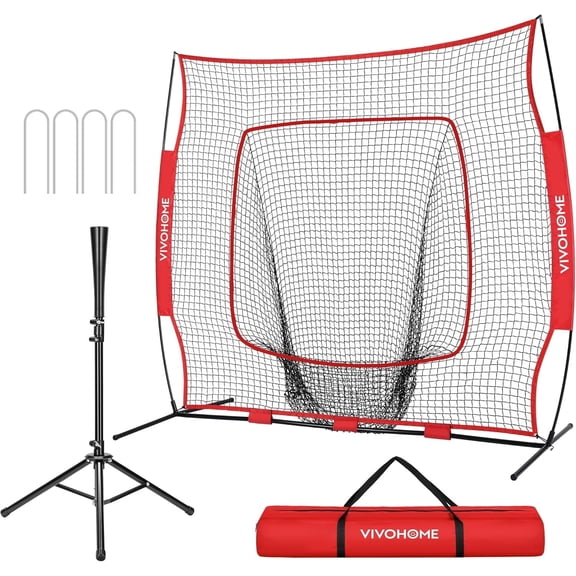
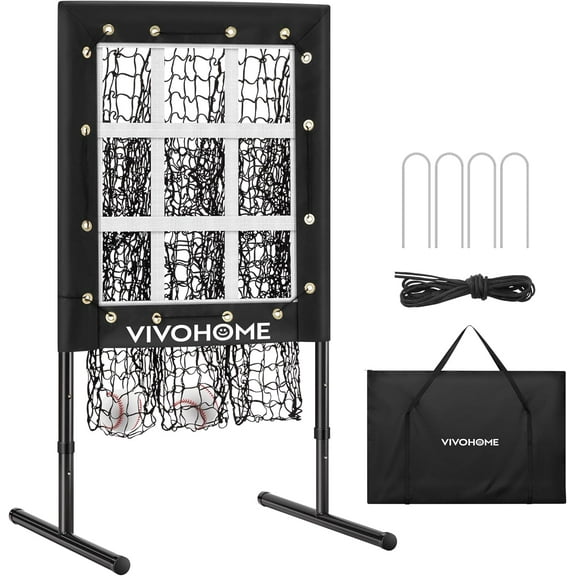
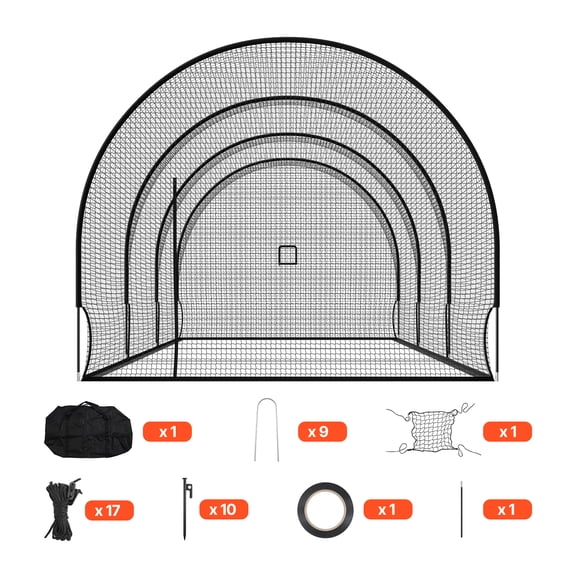
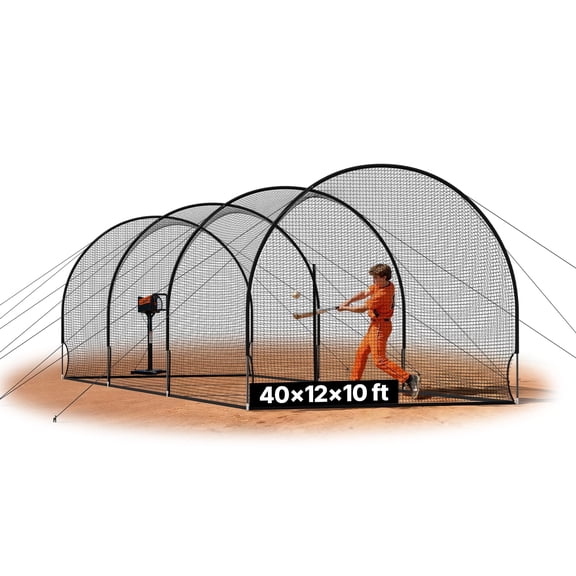
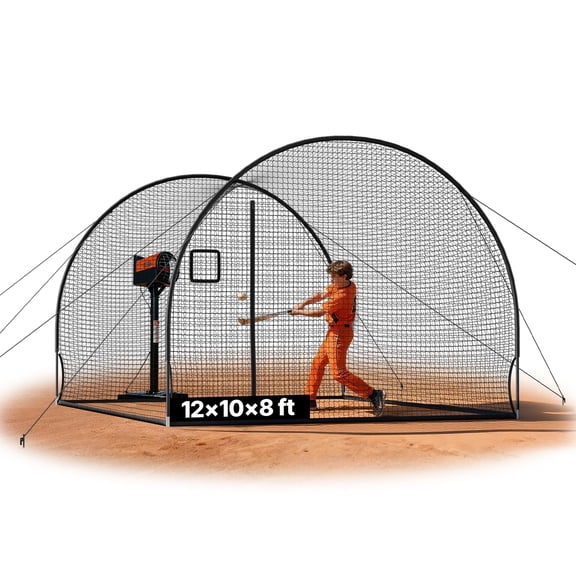
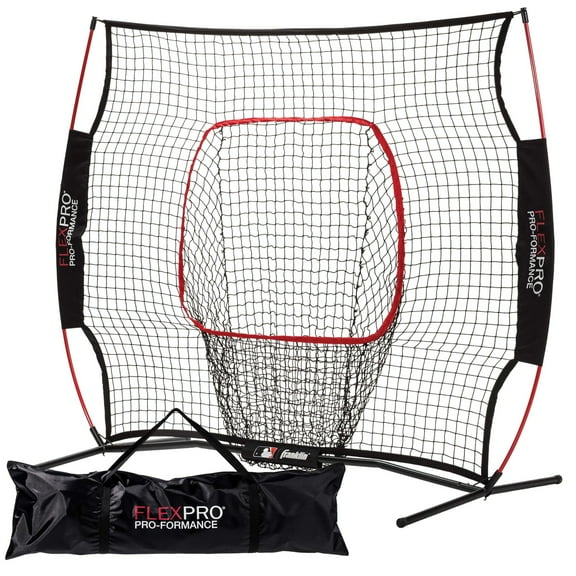
- You can use hitting nets to repeat swings without chasing balls across the field.
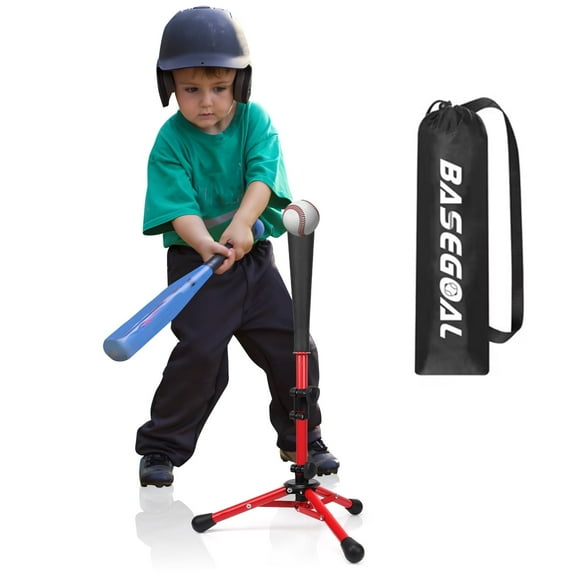
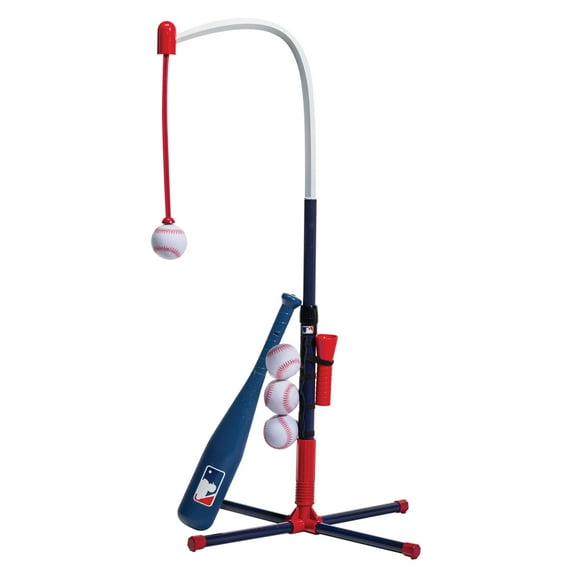
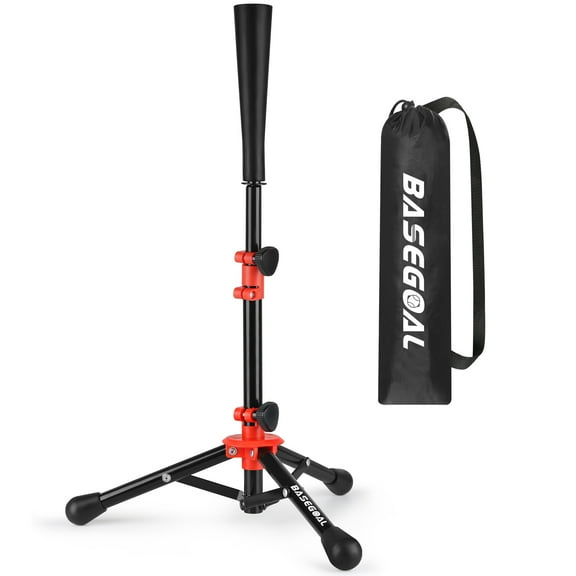
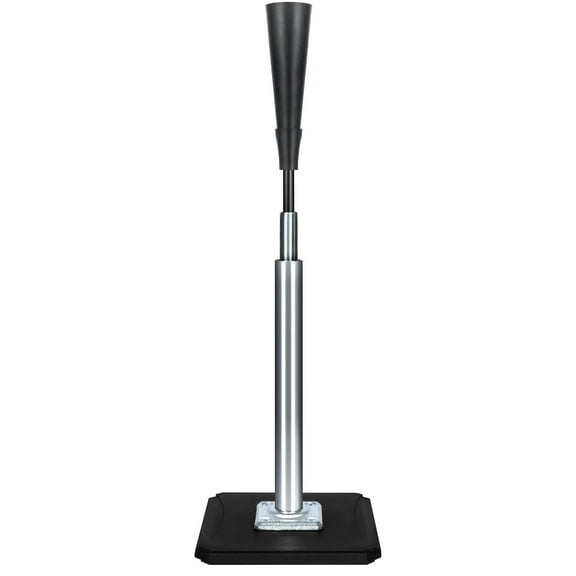
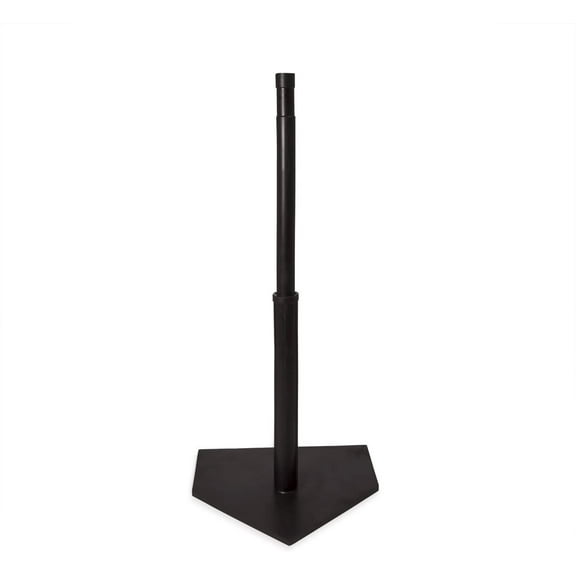
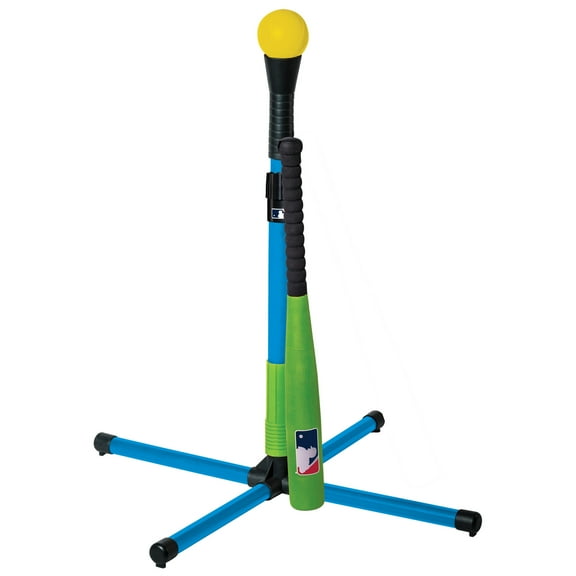
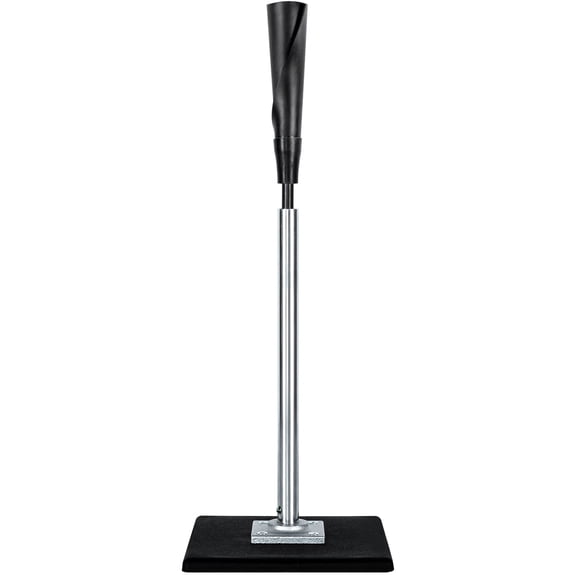
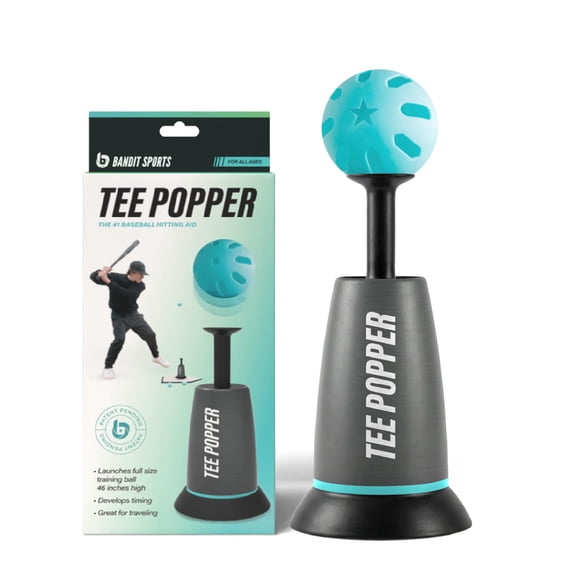
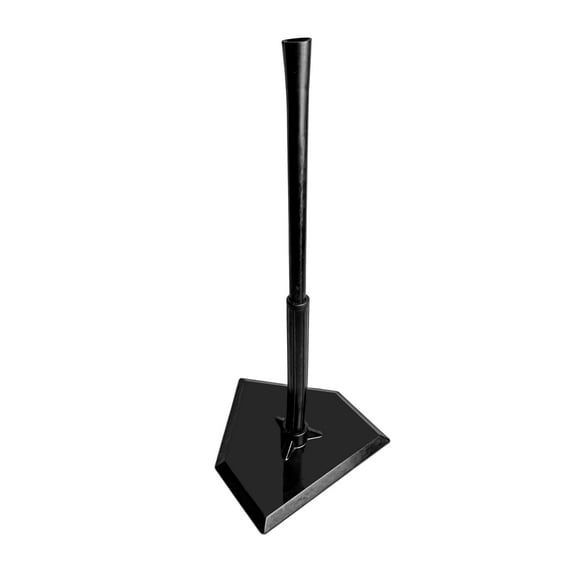
- You can use batting tees to work on stance, contact point, and swing path.
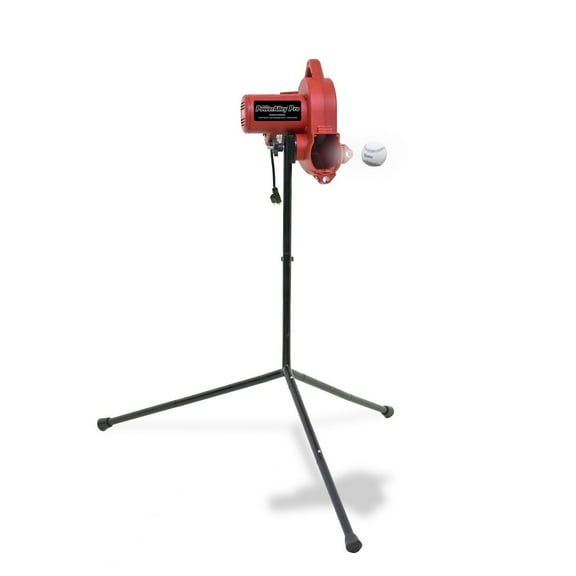
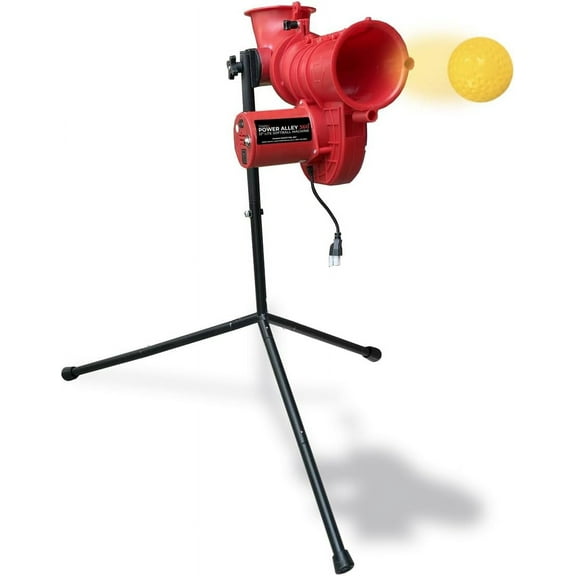
- You can use pitching machines to add steady timing work during solo or coach-led sessions.
- You can use fielding trainers to sharpen glove work, short hops, and reaction drills.
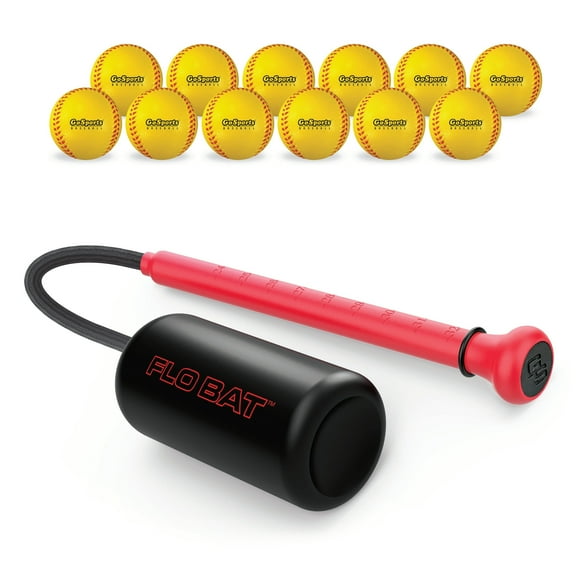
- You can use weighted softballs for structured throwing and handling practice.
Choosing equipment type by skill focus
If your goal is cleaner contact, you should look first at softball hitting nets and softball batting tees. Your hitting sessions become more repeatable when you can isolate hand path, launch angle, and plate coverage.
When you want steady pitch timing, you may compare softball pitching machines with tee and front-toss routines. Your reps stay consistent because the delivery point and pace remain more predictable.
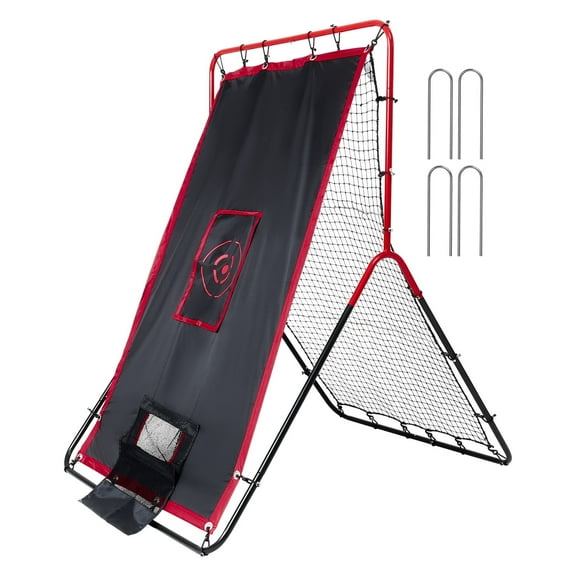
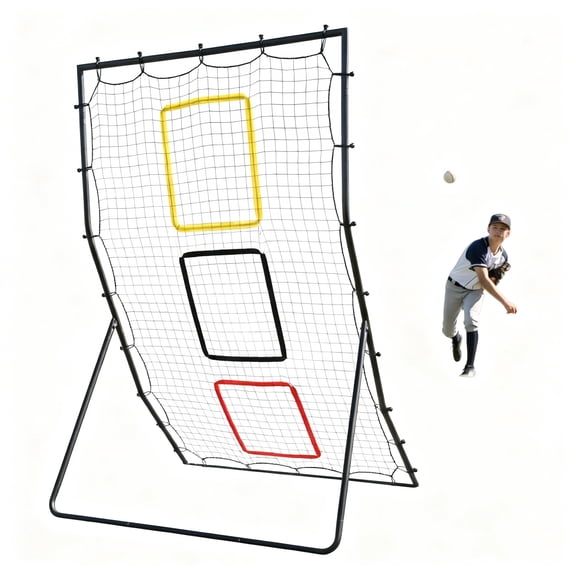
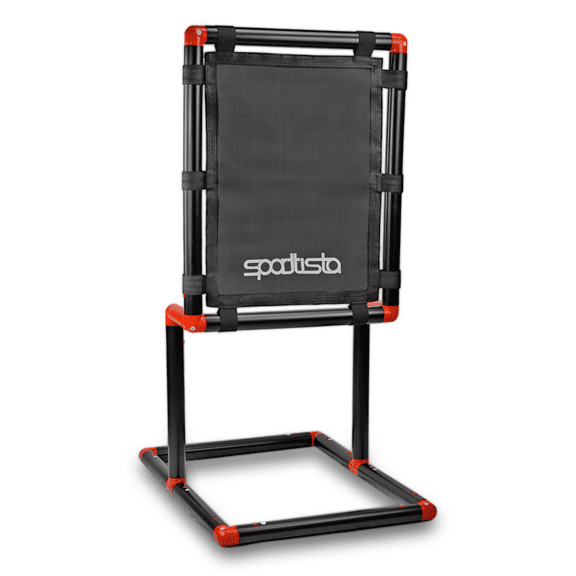
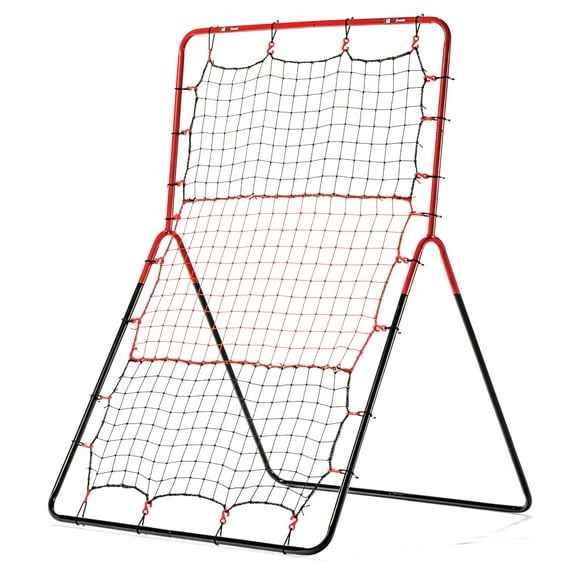
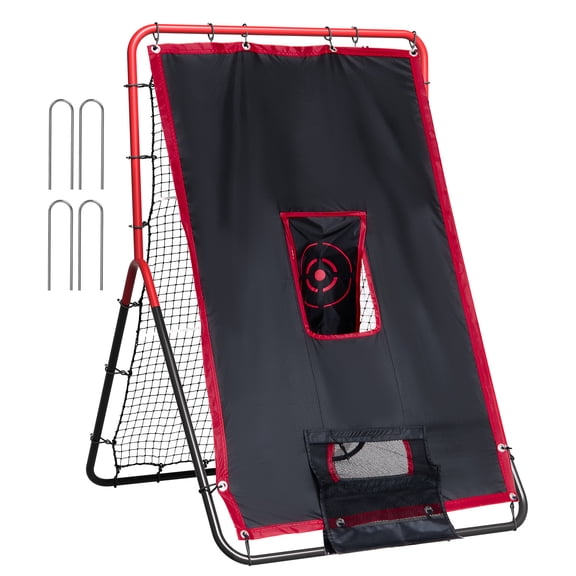
For defensive work, you should compare a softball fielding trainer with rebound-style practice tools. Your infield and outfield drills can focus on hops, exchange speed, and first-step reads.
If you're building all-around practice stations, you can combine several softball training aids in one area. Your routine may include tee work, net work, fielding reps, and agility drills without resetting the whole space.
Comparing portability, setup, and practice space
You should think about where the gear will live between practices. Your portable or collapsible setup works well when you move from the garage to the yard or to team fields.
If you train in one dedicated space, you may prefer heavy-duty stationary frames. Your net or tee often feels steadier during high-volume reps when the base stays planted.
You can also compare wheeled equipment when coaches need quick transitions between stations. Your setup moves more easily from batting work to pitching lanes without carrying every piece by hand.
Setup time matters when you practice in short windows after school or before games. Your pop-up net or simple tee can get you into drills quickly, while larger frames may take more assembly.
Checking size, age group, and player level
You should match your gear to the player who will use it most. Your youth practice needs may differ from adult sessions in height, ball size, and drill pace.
When you compare softball sizes, you should check whether your drills use 11-inch or 12-inch softballs. Your youth players often train with 11-inch balls, while many older players use 12-inch balls.
You can also compare beginner and advanced setups by adjustment range and drill intensity. Your newer player may need simple contact drills, while your advanced player may want faster feeds and sharper reactions.
If you coach multiple ages, you should look for flexible training stations. Your adjustable tee height, movable targets, and multi-use nets can support mixed practice groups more smoothly.
What to look for in softball hitting nets and batting tees
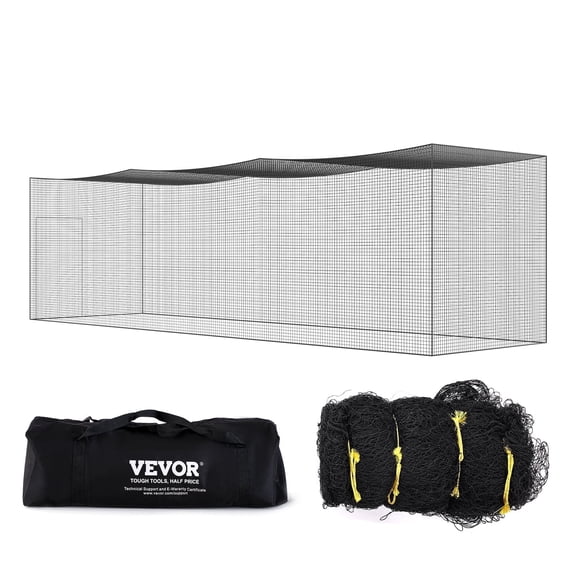
You should check frame stability, net depth, and target areas when you compare softball hitting nets. Your practice space stays more organized when the net contains hard-hit balls and returns them predictably.
For softball batting tees, you should look at height adjustment and base design. Your swing work feels more consistent when the tee stays upright through repeated contact.
You may also want a setup that handles solo work and coach-led sessions. Your tee-and-net combination can support soft toss, front toss, and contact-point drills in the same area.
If you train several times each week, you should compare materials that hold shape through repeated use. Your sessions run smoother when the frame, stem, and netting stay dependable through regular reps.
Using softball pitching machines and fielding trainers
You should consider softball pitching machines when you want repeatable timing practice. Your hitters can track pace and location more consistently than they can during uneven live feeds.
For defensive sessions, you can use a softball fielding trainer to create quick, focused reps. Your players can practice hands, footwork, and transfers without needing a full team on the field.
You may also add weighted softballs to skill stations when your routine calls for varied throwing drills. Your practice plan becomes more structured when each station targets one movement pattern at a time.
If you coach a group, you can rotate athletes through hitting, pitching, and fielding stations. Your practice stays organized because each tool supports a specific softball skill instead of a generic workout.
Why this category works for real softball practice
You can build a more useful practice setup when you compare equipment type, skill focus, portability, and player level together. Your softball training equipment should fit your drills, your space, and your game-day goals.
With the right mix of nets, tees, machines, and trainers, you can turn limited practice time into more focused softball reps. Your routine feels clearer when every piece supports a specific softball skill.