



Baseball Scorebooks & Score Sheets | Walmart



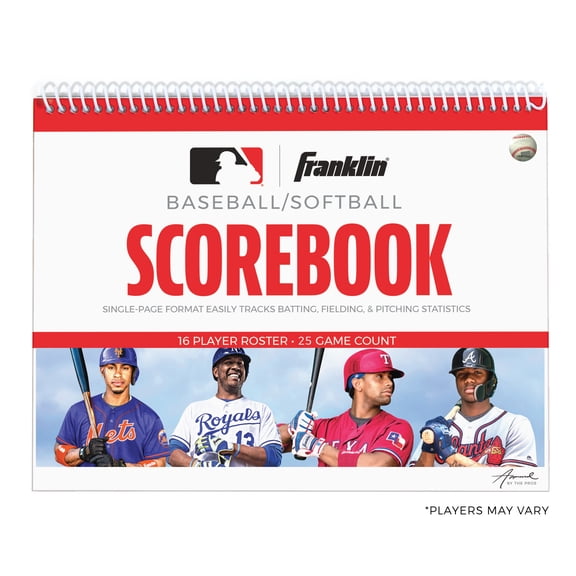

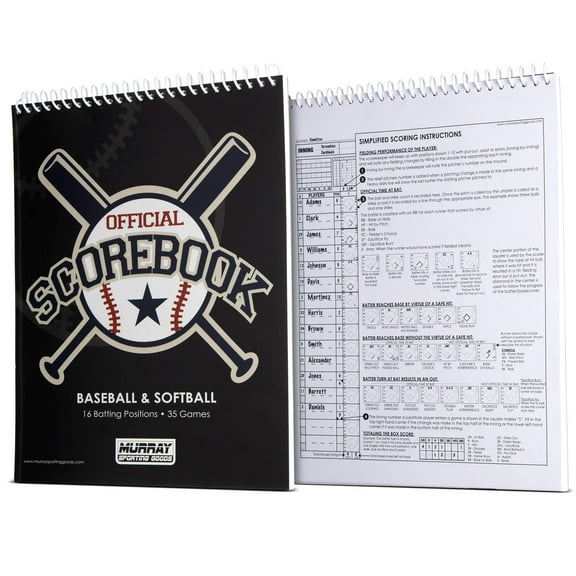

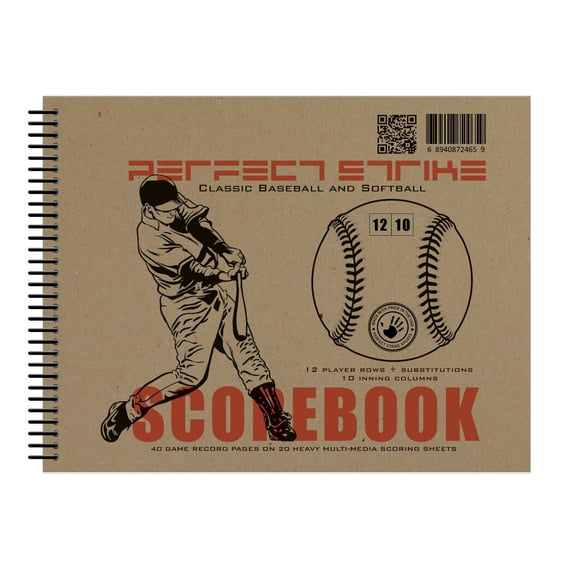







About Baseball Scorebooks & Score Sheets | Walmart - Walmart.com
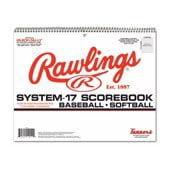
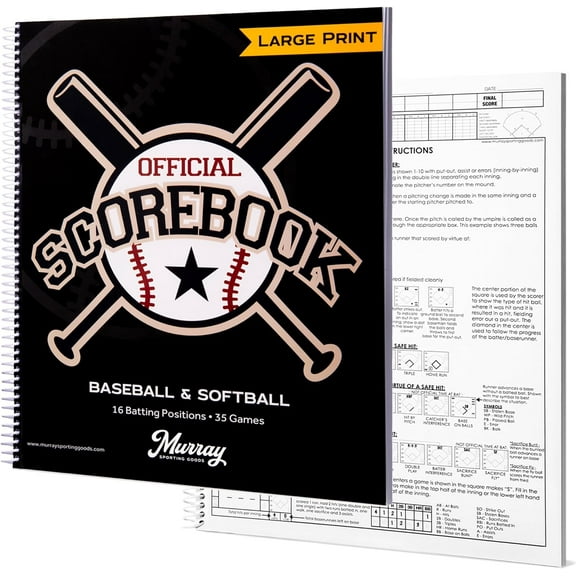
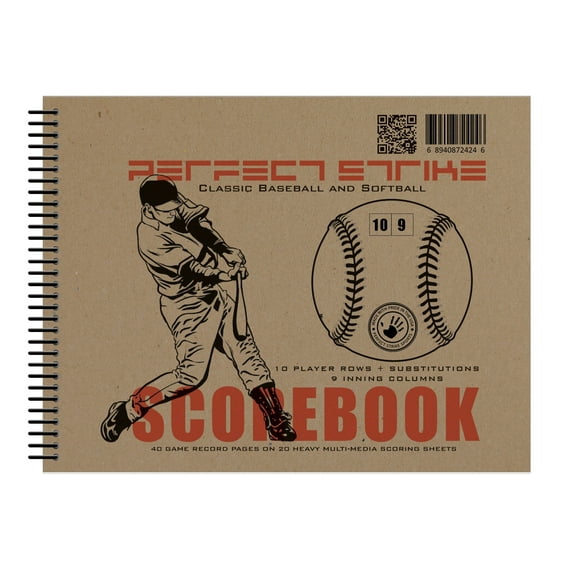
You can track every inning with a baseball scorebook that matches your league, scoring style, and season length. You’ll find options built for dugout use, clear pitch-by-pitch notation, and organized lineup tracking.
When you’re coaching, keeping league records, or scoring from the stands, you need pages that stay readable through extra innings. You’ll also want formats that support standard ABR or linear scoring without forcing cramped notes.
Choosing the right baseball scorebook
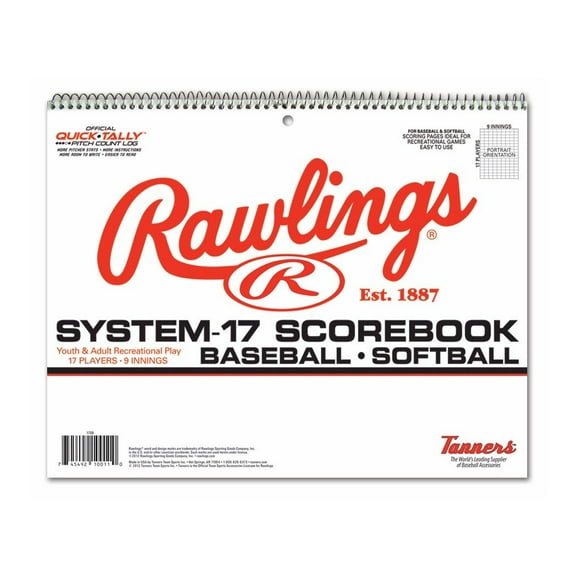
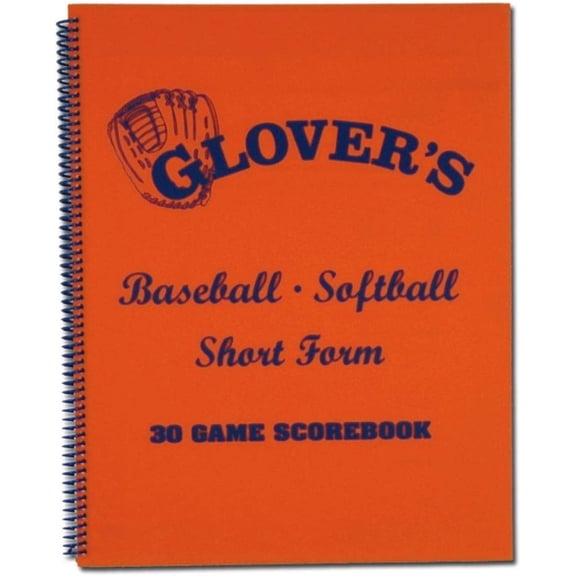
You should start with sheet capacity, because it affects how long one book lasts through your schedule. You can choose 30-game, 50-game, or 100-game formats based on tournament play, school seasons, or long league calendars.
If you score weekend tournaments, you may prefer a larger game count that reduces midseason replacements. If you cover a short youth schedule, you may want fewer sheets and a lighter book.
You should also compare layout style before you commit to a book. You may prefer traditional formats for detailed notation, simplified pages for faster entry, or youth league layouts with larger writing boxes.
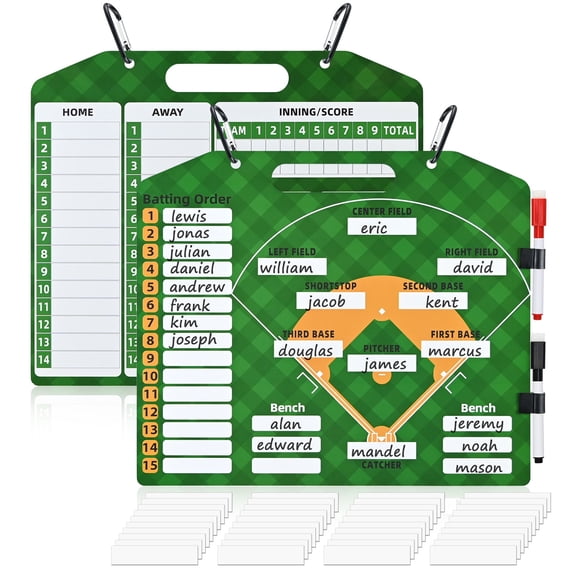
- You can keep batting order, substitutions, and inning totals together on one page.
- You’ll get cleaner handwriting space when you choose larger boxes and simpler layouts.
- You can match your scorekeeping method with books that support ABR, linear scoring, or custom notes.
- You’ll carry books more easily when you choose the right size, cover, and binding style.
Another key benefit is consistency across games and teams. You can compare stats, lineups, and fielding notes more easily when your baseball scorebook sheet uses the same structure each game.
How to compare baseball scorebook features
You should check binding type early, because it changes how the book handles on a bench or clipboard. You can choose spiral bound, wirebound, or loose leaf formats depending on how you score.
If you write with the book folded back, you may like spiral bound or wirebound designs. If you file pages separately, you may prefer loose leaf sheets that fit your binder system.
You should compare cover material if you score outdoors in changing weather. You may choose hardcover support for firm writing, softcover flexibility for lighter carry, or waterproof plastic for field use.
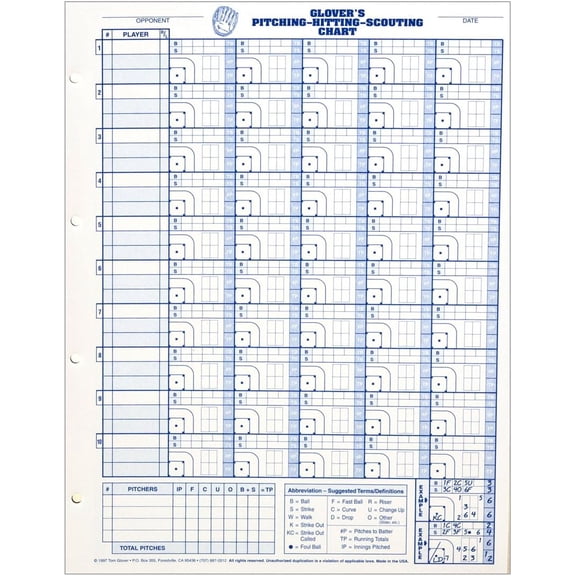
Page readability matters just as much as durability when innings move fast. You should look for inning columns, roster areas, and scoring diamonds that leave enough room for clear symbols.
If you use ABR or linear scoring, you need boxes that support standard marks without crowding. You may also want room for pitch counts, defensive changes, and notes on a baseball bookkeeping sheet.
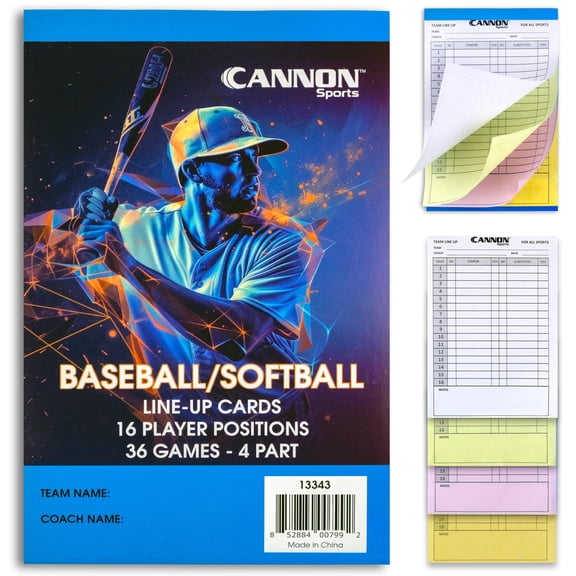
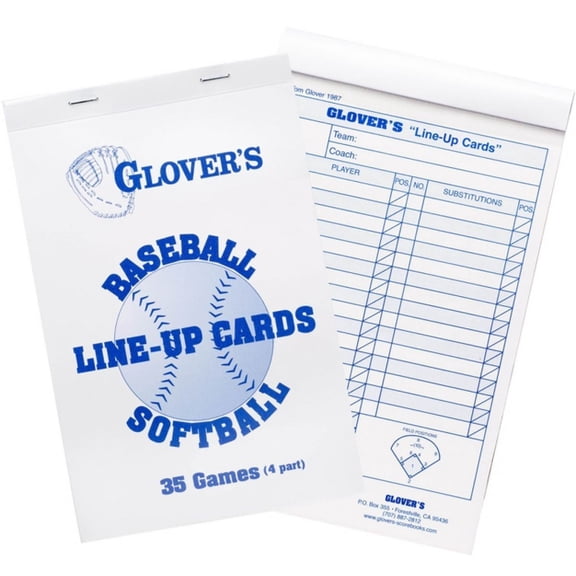
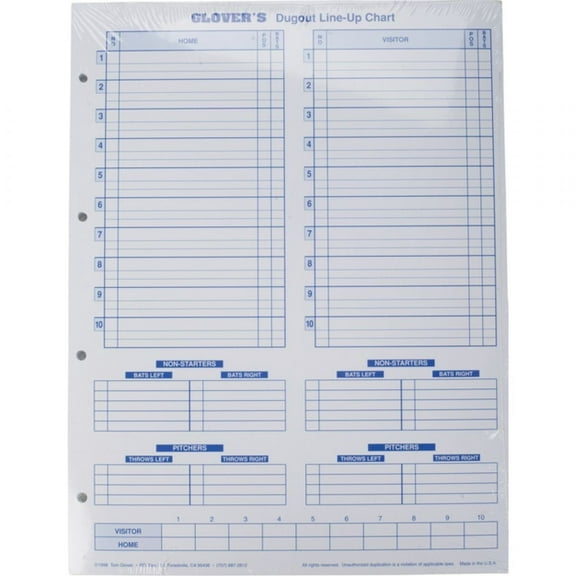
A baseball scorebook sheet can also differ by how much game detail it captures. You should compare whether pages include lineup cards, team summary sections, season records, or individual player spaces.
Matching baseball scorebooks to real game situations
You may want a traditional layout when you score varsity games or adult league matchups. You’ll have space for detailed batting results, runner movement, and inning-by-inning defensive notes.
If you’re helping with youth league games, you may prefer a simplified or youth league format. You’ll usually write faster with bigger boxes, clearer labels, and a cleaner baseball play sheet.
You might need a 30-game book for one season or one tournament cycle. You may choose 50-game or 100-game formats when you score multiple teams, school seasons, or travel ball schedules.
When you score from bleachers, you may want a lighter softcover book that fits a tote easily. When you score in a dugout, you may prefer a firmer cover that supports writing without a table.
If your league keeps archived records, you may want loose leaf pages for filing by date or opponent. If you need everything together, you may lean toward bound baseball scorebooks that stay organized.
You can also use these books for tryouts, scrimmages, and practice games when you want repeatable notation. You’ll be able to compare lineups, substitutions, and trends with less guesswork after each game.
What to look for in baseball scorebook sheets
You should look closely at page design before choosing any baseball scorebook or score book format. You’ll notice that clear columns, large diamonds, and logical stat areas make long games easier to score.
If you want flexible tracking, you may choose books that leave room for custom symbols and notes. If you want speed, you may choose a baseball scorebook sheet with a simpler structure and fewer extra fields.
You should also consider how often you transport your book between fields, tournaments, and practices. You’ll appreciate durable binding, protective covers, and pages that turn cleanly during late innings.
At Walmart, you can find a baseball scorebook that fits your scoring system, season length, and writing style. You’ll keep cleaner records and clearer game history from first pitch through the final out.