


Catchers Helmets in Catcher’s Gear

















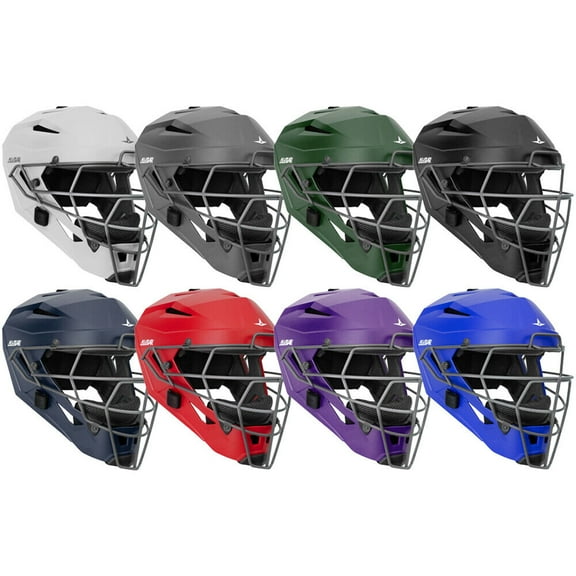

About Catchers Helmets in Catcher’s Gear - Walmart.com
With catchers helmets, you can focus on receiving, blocking, and calling pitches with coverage built for baseball and softball demands. You’ll also find key choices like helmet style, size range, and NOCSAE certification that shape your fit and on-field comfort.
If you’re comparing gear for practice, games, or a full season, you need details that match your position. You can use this guide to compare hockey-style builds, traditional masks, youth sizing, and sport-specific fit.
How to choose catchers helmets
When you compare catchers helmets, you should start with coverage, visibility, and the way the helmet sits through nine innings. You’ll want a design that feels secure when you squat, throw, and track foul tips.
You should also check whether the model is NOCSAE certified, because that standard matters for many leagues and school play. You can then narrow your options by age group, helmet style, and the sport you play.
- You can look for NOCSAE certified options when your league requires current safety standards.
- You can compare hockey-style and traditional two-piece designs based on coverage and visibility preferences.
- You can measure head circumference or match hat size to choose youth, intermediate, or adult sizing.
- You can check sport compatibility when you need gear for baseball, fastpitch softball, or slowpitch softball.
Choosing helmet style: hockey style catchers helmet or two-piece
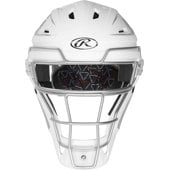
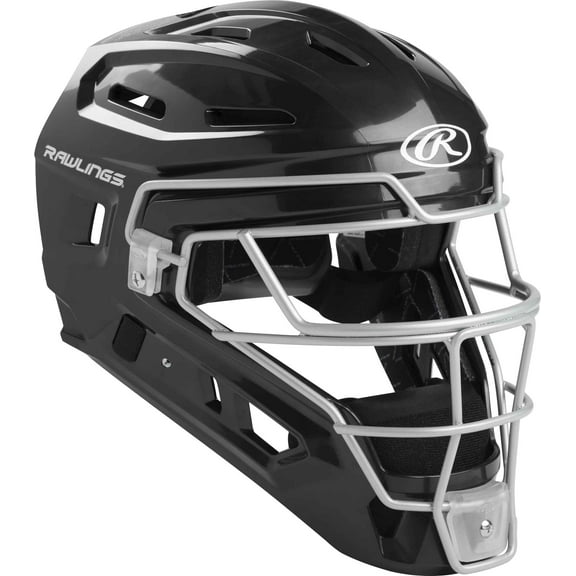
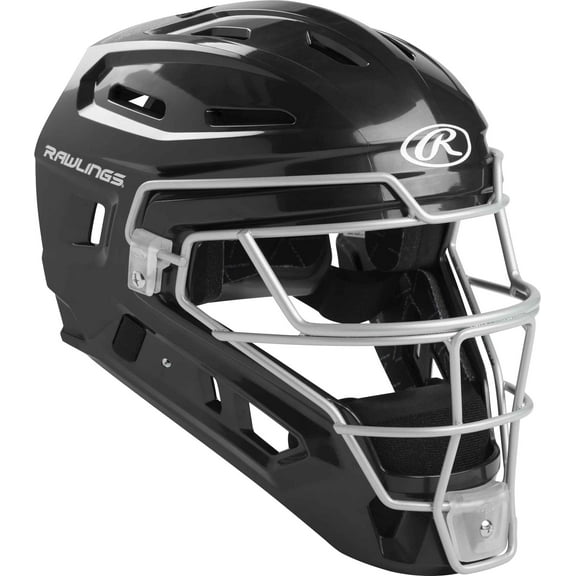
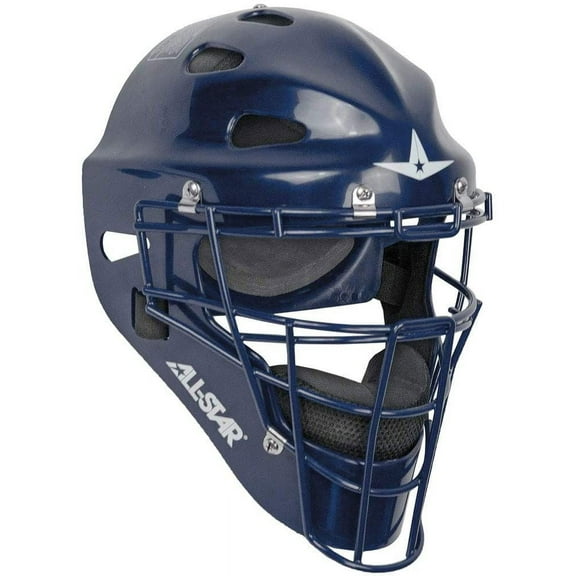
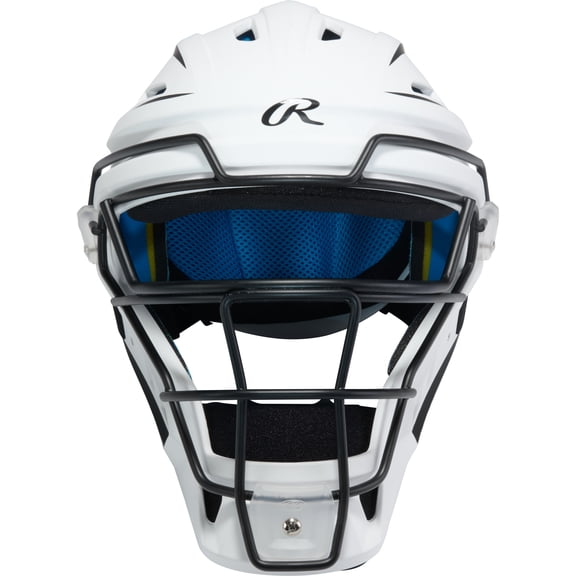
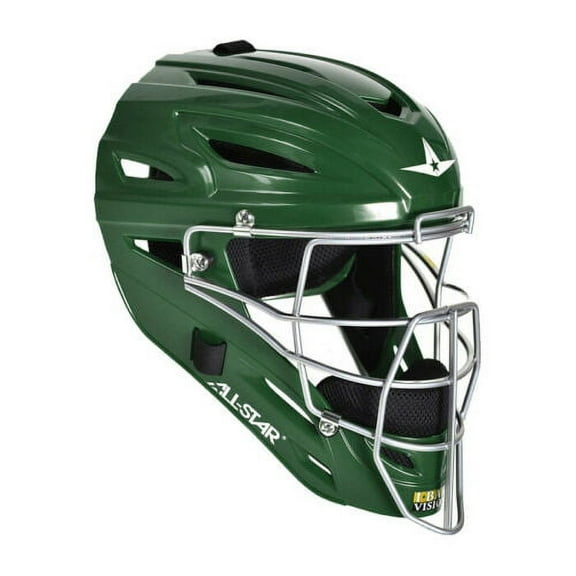
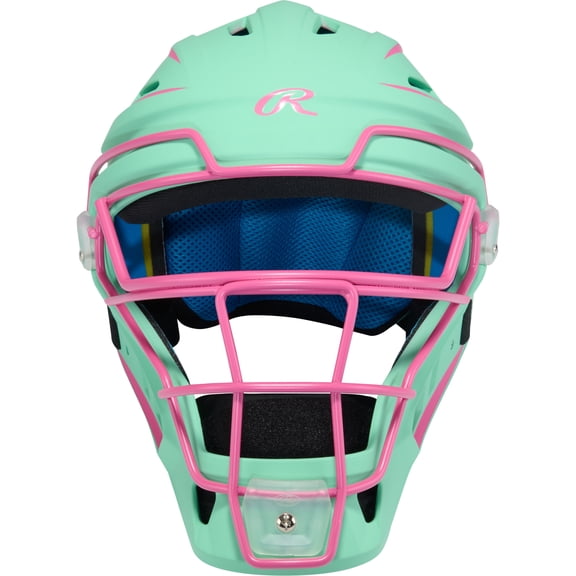
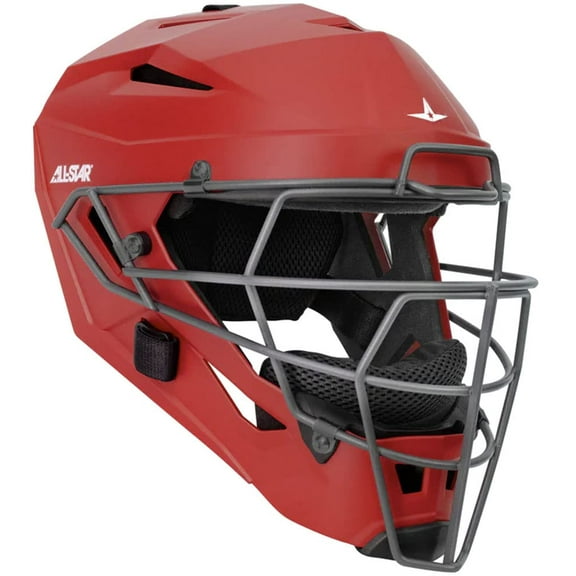
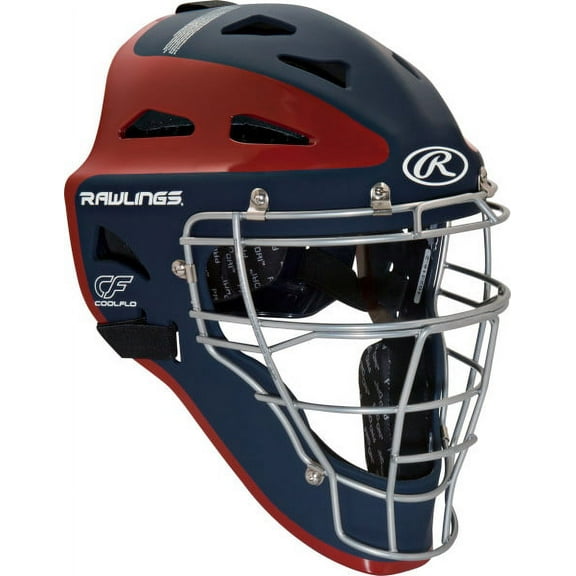
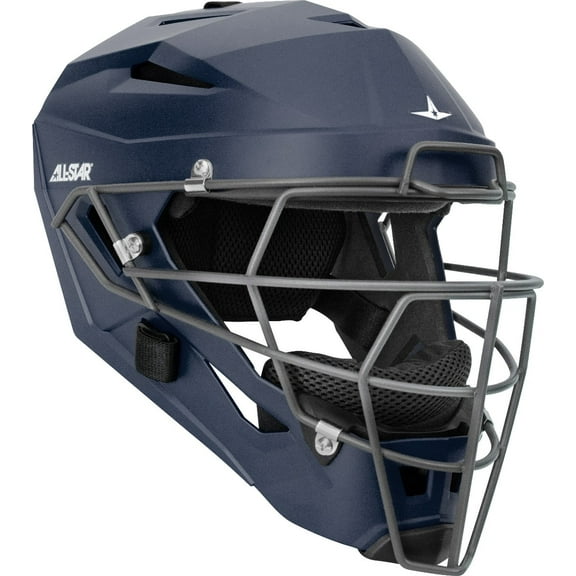
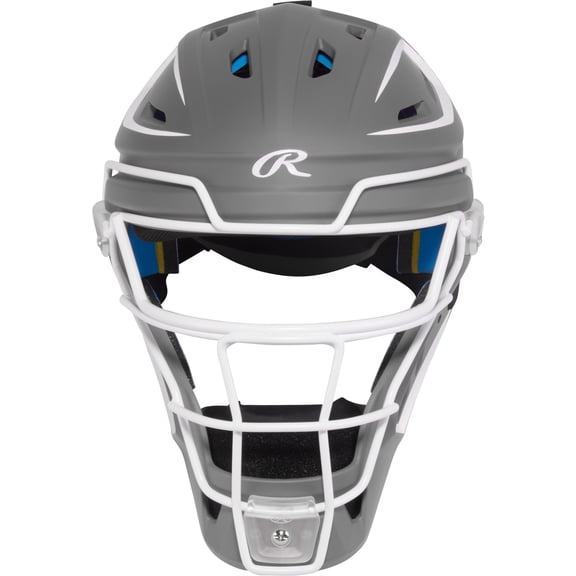
If you want full-head coverage in one piece, you may prefer a hockey style catchers helmet. You’ll usually get an integrated shell and cage that stays together during quick inning changes.
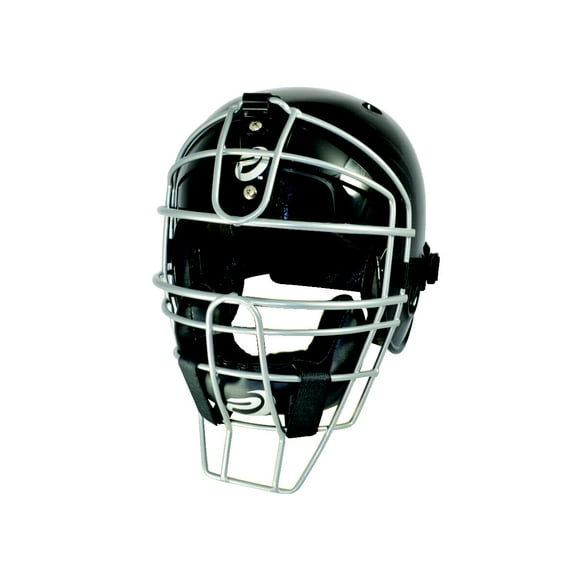
If you like a separate mask and skull cap setup, you may lean toward a traditional two-piece design. You can remove the mask quickly, which some players prefer for pop-ups and throws.
When you compare these styles, you should think about your fielding habits and your comfort behind the plate. You may notice that cage shape, chin padding, and overall profile affect your sightlines.
If you’re building out baseball catchers gear for a developing player, you may want a style that feels easy to wear from the first bullpen. You can also compare strap adjustment, liner feel, and ventilation openings for longer games.
Choosing the right size range
When you select size, you should measure your head circumference in inches and compare it with the listed fit chart. You can also use hat size as a quick guide when the product details include that reference.
If you’re shopping for a youth catchers helmet, you should check growth room without choosing a loose fit. You want the helmet to sit stable at the forehead and stay aligned during movement.
If you’re between youth and adult sizing, you may find intermediate options especially useful. You can get a more precise fit when standard youth feels tight and adult feels too roomy.
For an adult catchers mask or helmet, you should look for adjustment points that hold position without frequent readjustment. You’ll appreciate that steady fit during crouches, blocks, and quick throws to second.
Checking NOCSAE certification and key features
If your league has equipment rules, you should check for NOCSAE certified labeling before you compare colors or style details. You can use that certification as an early filter while narrowing your options.
You should also review impact-tested construction, because that term helps explain how the helmet is built for repeated game use. You’ll want plain-language details like padding placement, shell design, and cage coverage.
When you compare features, you can look for moisture-wicking liners that help manage sweat during warm innings. You may also prefer adjustable straps that let your fit stay consistent through practice and competition.
Ventilation matters when you catch doubleheaders or train in warmer weather. You’ll notice that vent placement and liner design can affect how comfortable the helmet feels over time.
If you’re considering a catchers skull cap with a separate mask, you should confirm the pairing works with your preferred setup. You can compare cage compatibility and attachment details before you commit to a style.
Matching your helmet to baseball or softball
If you catch baseball, you should look at cage spacing and overall profile for that game’s ball size and pace. You can compare product details to see whether the helmet is built for baseball-specific use.
If you need a fastpitch catchers helmet, you should check whether the design is labeled for softball play. You may want guard spacing and fit details that align with fastpitch demands behind the plate.
For slowpitch softball, you can still benefit from secure coverage, stable fit, and clear forward visibility. You should review the listed sport use so your helmet matches league requirements and playing style.
If you play across multiple formats, you should compare multi-sport labeling before you choose one setup for every game. You can avoid guesswork by checking whether baseball and softball compatibility appears in the specs.
Using your buying guide for complete catcher setup decisions
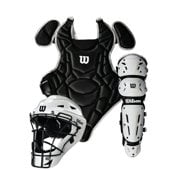
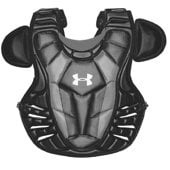
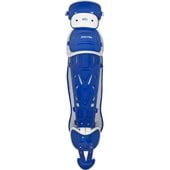
If you’re selecting gear for a new season, you should compare your helmet with chest protectors, leg guards, and mitt sizing. You can create a more coordinated catcher setup when each piece matches your level and sport.
You may also want a helmet that works for team practices, bullpen sessions, and tournament weekends without constant adjustment. You’ll benefit from fit details that stay consistent as your schedule gets busier.
When you use these decision points, you can narrow your choice with more confidence and fewer mismatches. You’ll end up with coverage, fit, and certification details that support smoother innings behind the plate.