

Base Ten Blocks & Place Value Manipulatives | Walmart









About Base Ten Blocks & Place Value Manipulatives | Walmart - Walmart.com
Base ten blocks give you a clear way to teach place value with hands-on practice. You can compare units, rods, flats, and cubes to make number ideas clear to see.
If you teach in a classroom or guide lessons at home, you can use these math manipulatives during daily practice. You can compare materials, set sizes, components, and lesson goals for a closer fit.
How to choose base ten blocks for math
When you compare base ten blocks for math, you should start with the material and the set size. You should also check storage details and whether pieces interlock or stack freely.
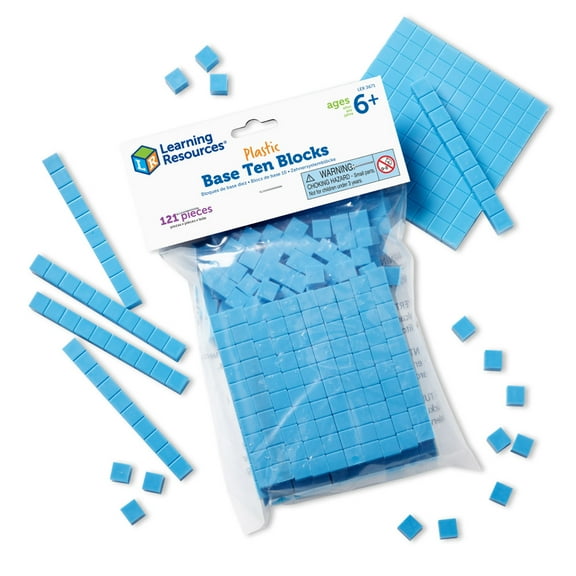
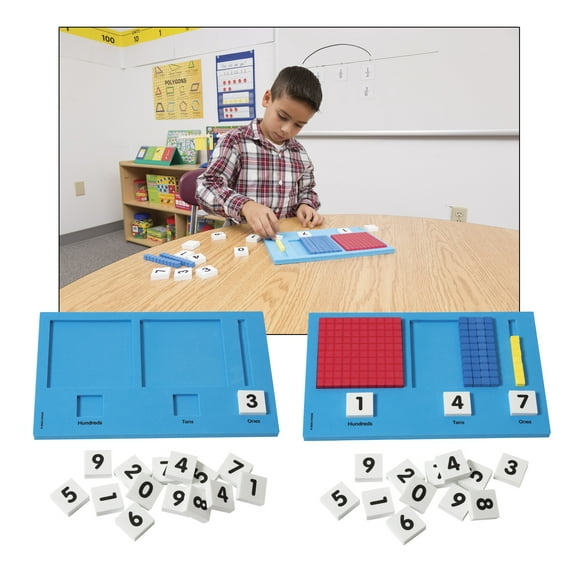
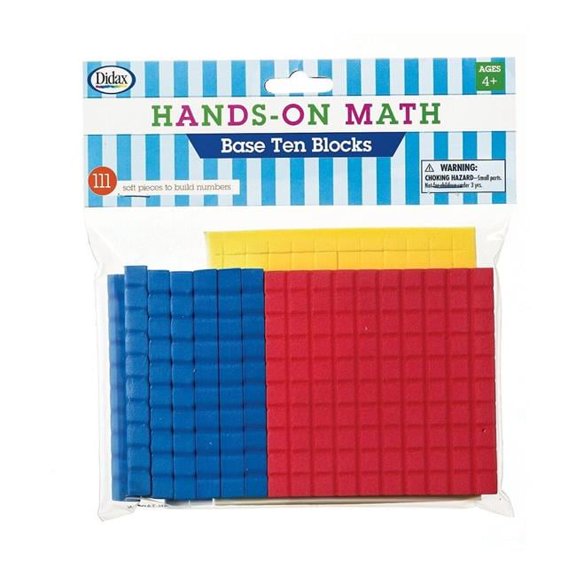
Plastic base ten blocks usually give you a durable, washable option for frequent lessons. Foam pieces can feel quieter on desks, while wood can give your lessons a classic look.
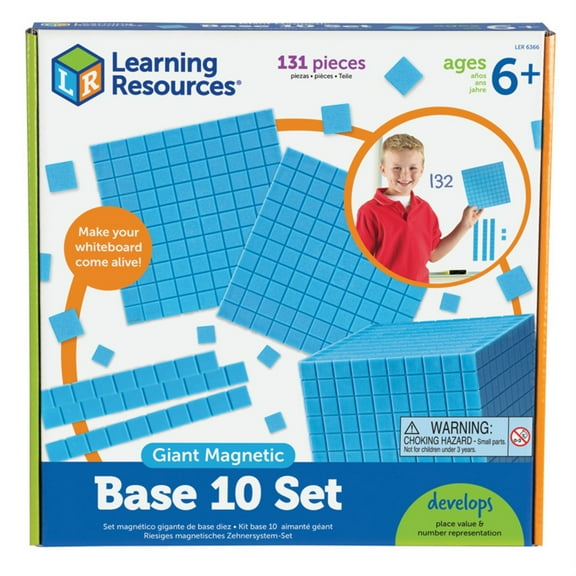
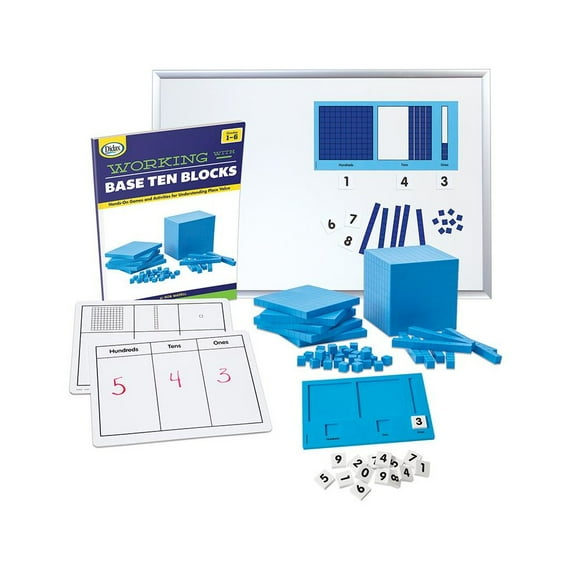
Magnetic base ten blocks can support whiteboard demos and small group instruction. You can place pieces where everyone sees regrouping, number building, and decimal models more clearly.
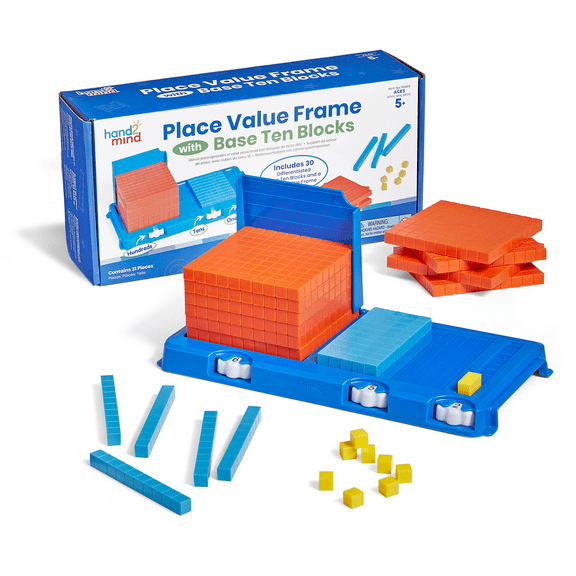
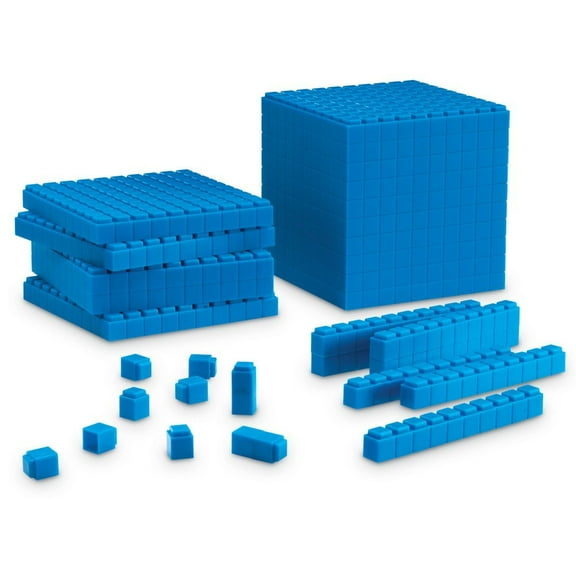
- You can use units, rods, flats, and cubes to model ones, tens, hundreds, and thousands.
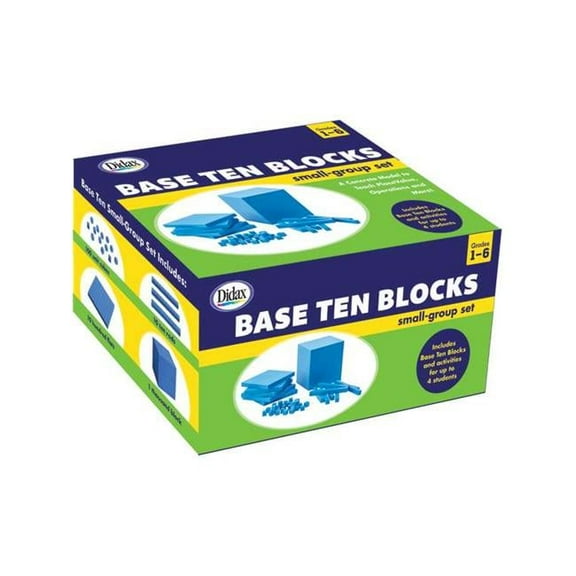
- You can compare an individual student set, a small group set, and a classroom bulk set by participation needs.
- You can look for bins or cases when you want faster cleanup and simpler shelf storage.
- You can check interlocking designs if you want stable models during counting and regrouping practice.
Choosing materials and base ten blocks set sizes
Material affects sound, feel, and cleanup during each lesson. You may prefer washable ABS plastic when your blocks rotate between many students.
If you want quieter table work, you may prefer foam pieces for centers or home learning. If you teach with a board, you may want magnetic base ten blocks for visible demonstrations.
Set size matters because you need enough pieces for the number of learners you teach. An individual student set can fit independent work, while a classroom bulk set supports shared activities.
You should also count how many rods, flats, and cubes your lesson needs. Regrouping and larger numbers often require more pieces than simple place value practice.
You may also want a storage bin that keeps pieces sorted between lessons. You can speed up setup when your units and rods stay organized after cleanup.
What to look for in place value blocks
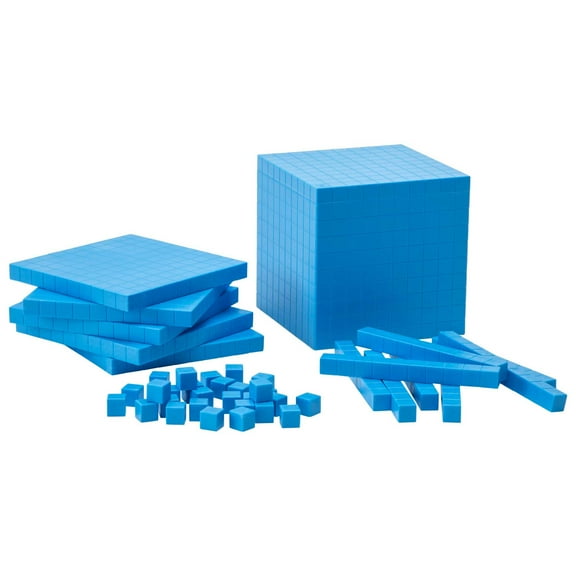
Components shape how you teach number relationships. You should look for base ten units and rods first, then confirm whether the set includes flats and thousand cubes.
Units let you show ones with a single piece that students can count easily. Rods group 10 units together, so you can show tens without losing the visual connection.
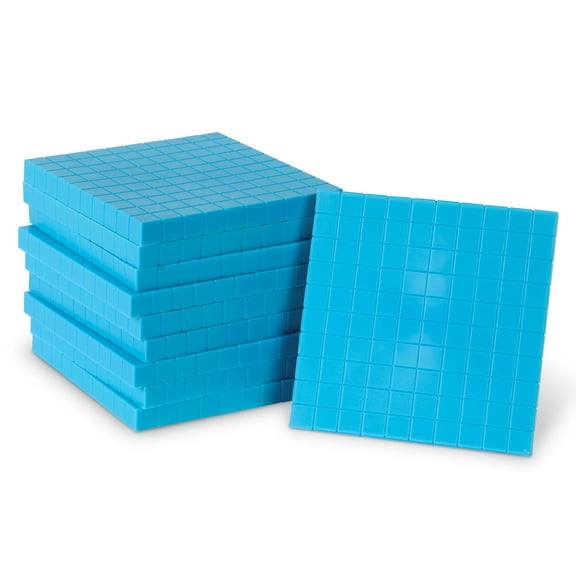
Flats help you model hundreds in a larger square layout. Cubes help you present thousands, which can make expanded form and larger number sense more concrete.
You may also want to compare interlocking and non-interlocking pieces. Interlocking blocks can stay aligned during modeling, while loose pieces can speed up quick counting activities.
Matching educational focus to your lessons
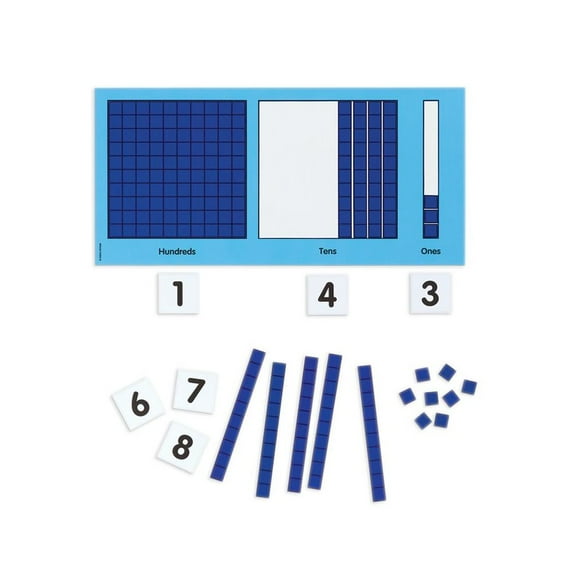
Place value blocks work well when you want students to see how to build numbers. You can model 243 with two flats, four rods, and three units in a way worksheets can't match.
For addition and subtraction, you can combine or remove pieces to show each step. You can make regrouping visible when 10 units trade for one rod or 10 rods trade for one flat.
Decimals are simple to demonstrate when your lesson assigns new values to each piece. You can let a flat represent one whole, then use rods as tenths and units as hundredths.
If you teach in centers, you may want smaller sets for repeated partner tasks. If you lead whole-group instruction, you may want magnetic or larger demonstration pieces for visibility.
During back to school math supplies planning, you can match set types to your pace and class format. Classroom math manipulatives should fit your group size, storage space, and lesson routine.
Using base ten blocks at home or in class
At home, you can use base ten blocks to reinforce homework with hands-on examples. You can rebuild textbook problems with real pieces when written numbers feel too abstract.
In a classroom, you can use place value blocks for warm-ups, centers, and guided practice. You can separate sets by table group, then store them quickly between lessons.
For intervention work, you can choose quieter foam or simple plastic sets that keep attention on number structure. You can also use magnetic pieces when you want students to follow every step on the board.
When you choose the right material, components, and set size, your lessons become simple to organize. You get a clear visual tool that supports place value, regrouping, and decimal understanding.