


Find auto parts that fit
Let’s search for parts that fit your vehicle.Headlight Ballasts in Headlights


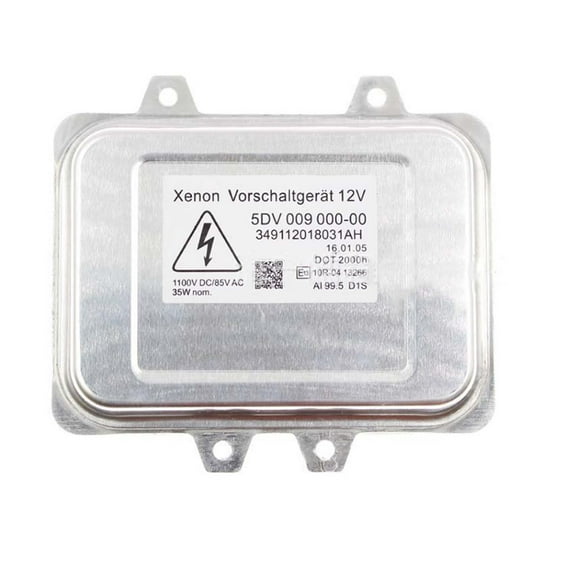
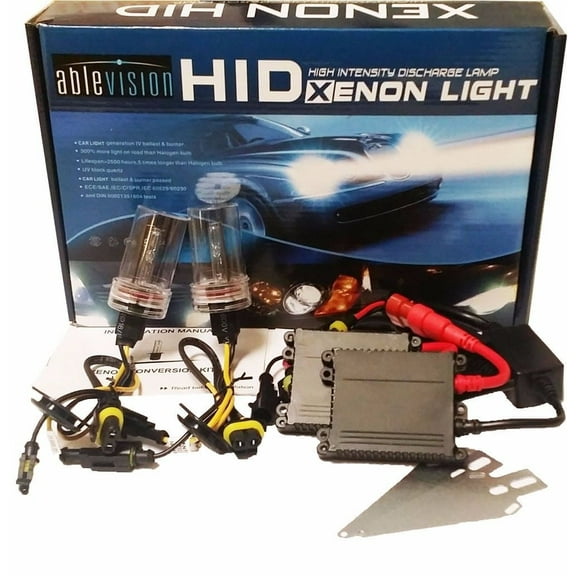


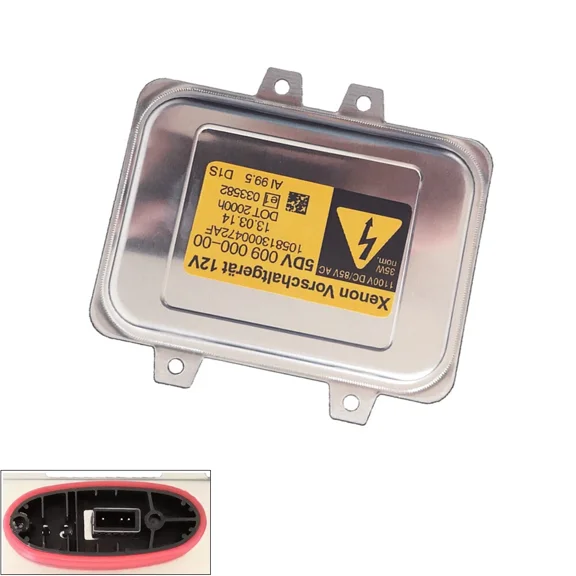

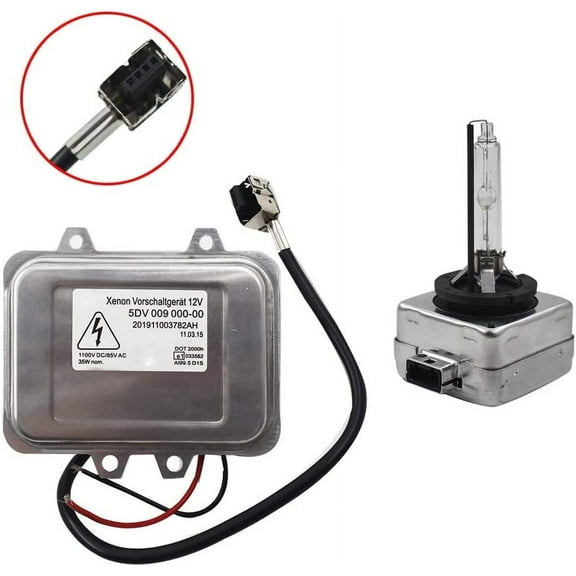





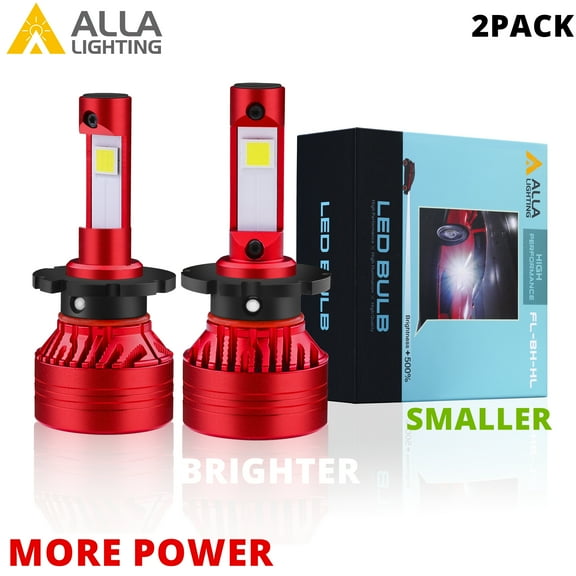
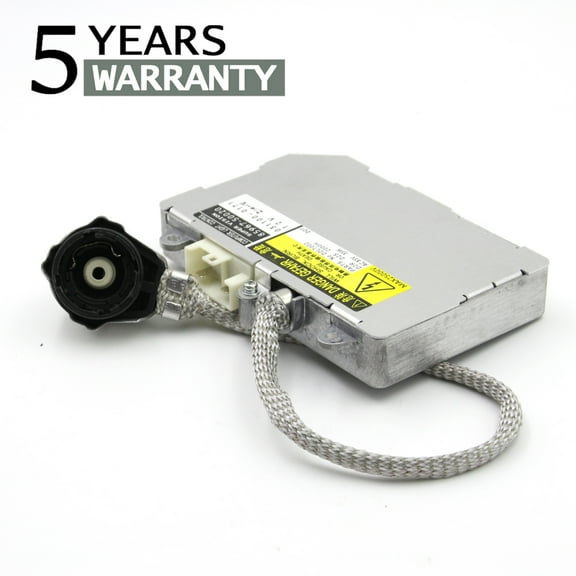
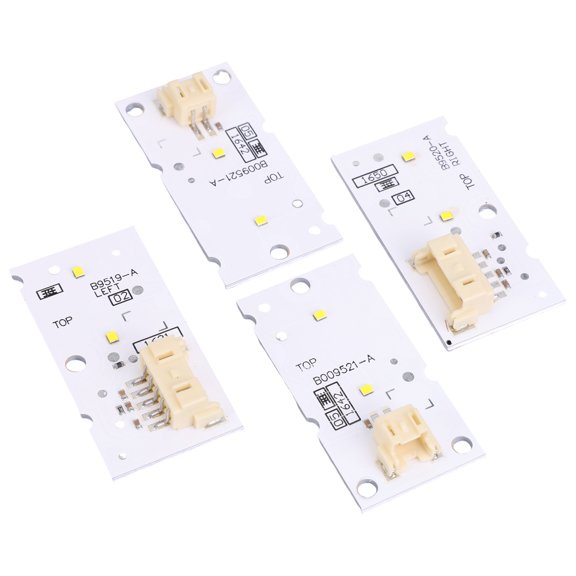


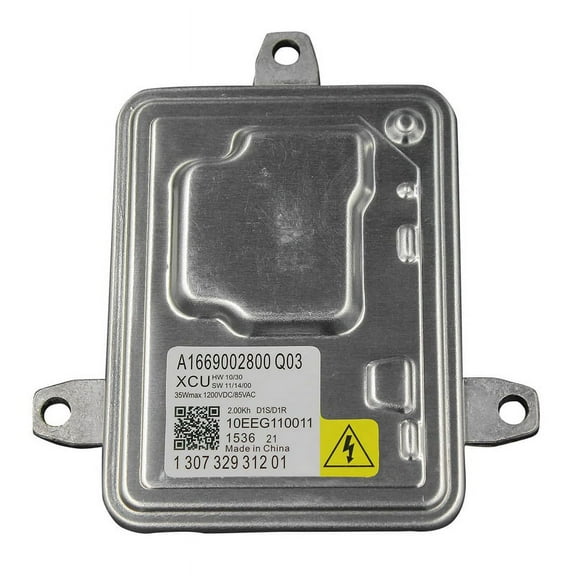

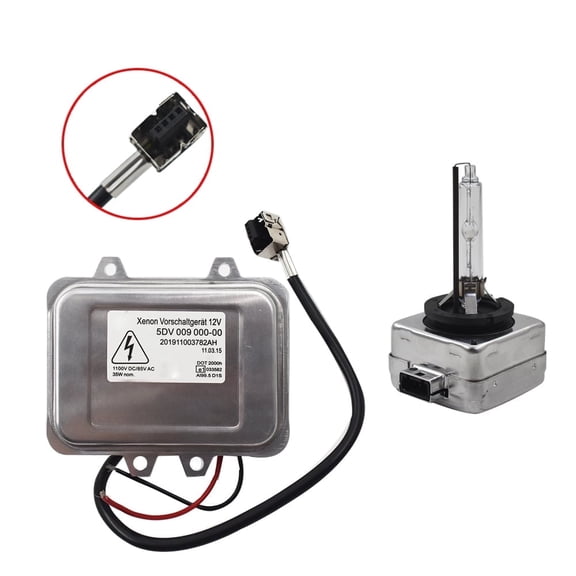
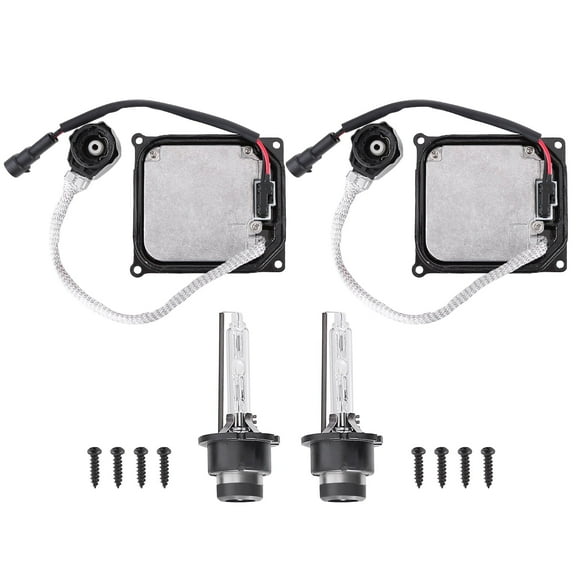

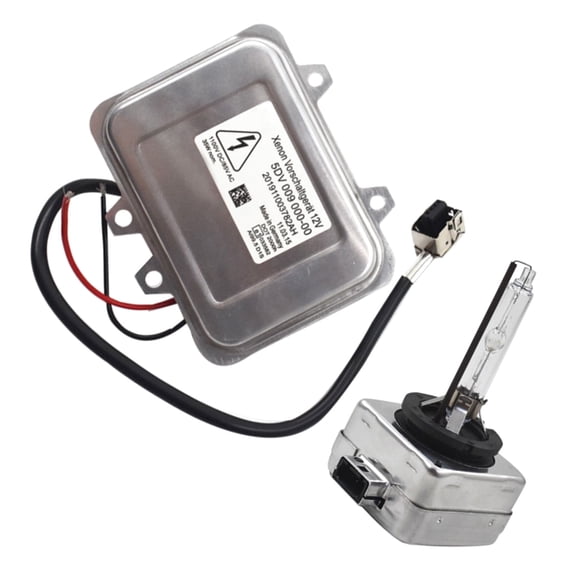
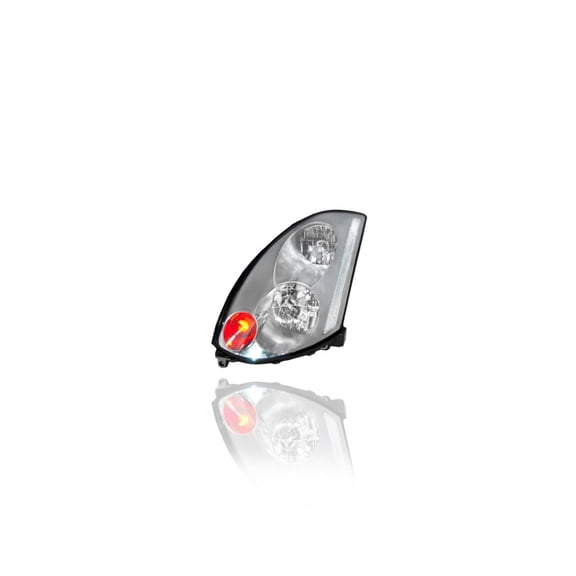
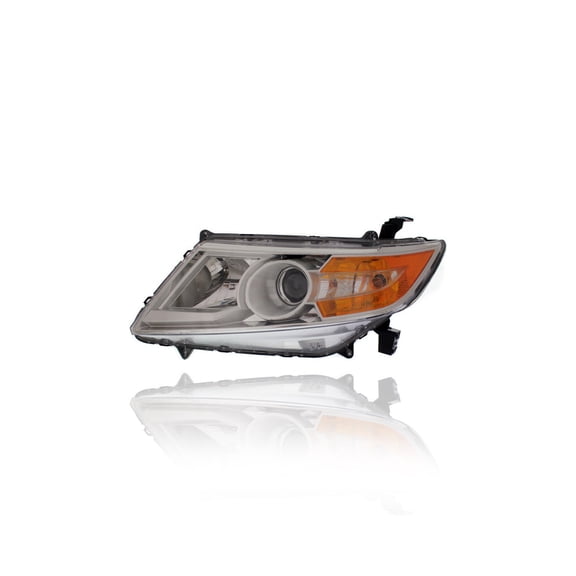

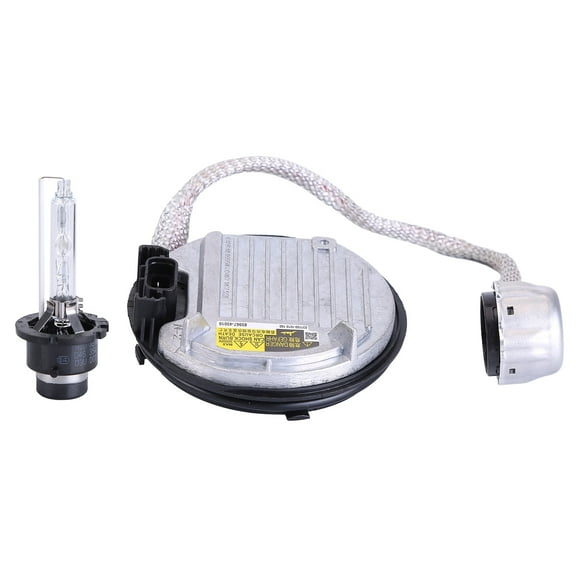
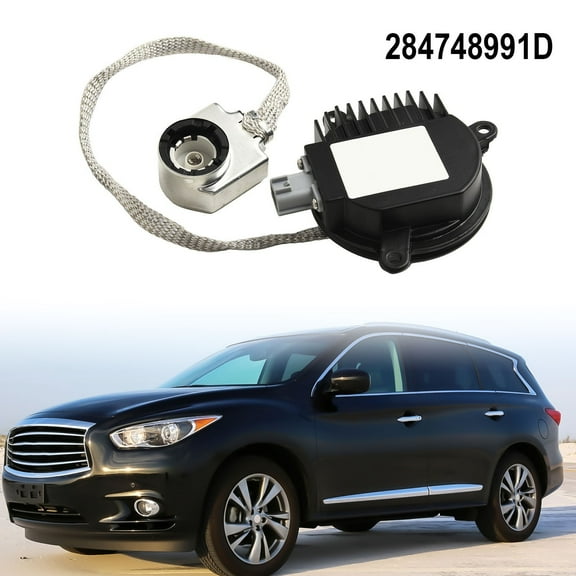


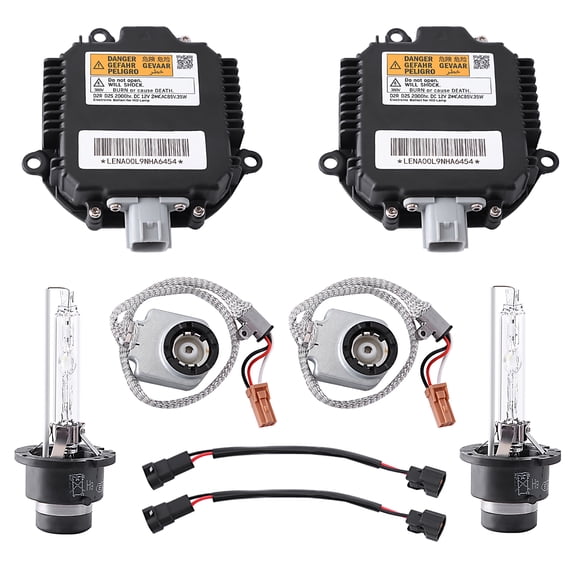
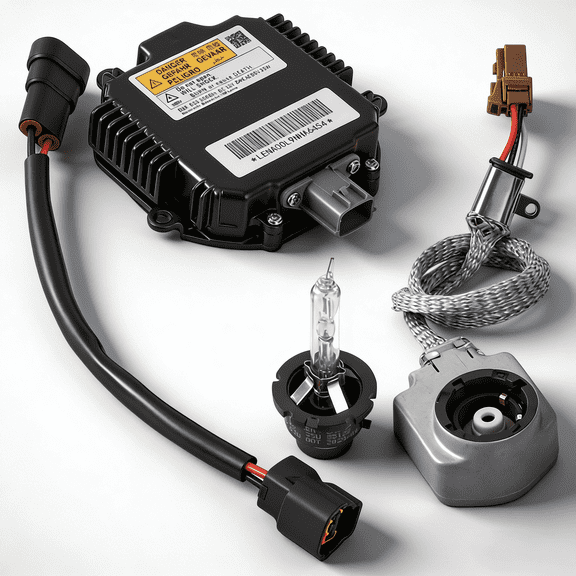
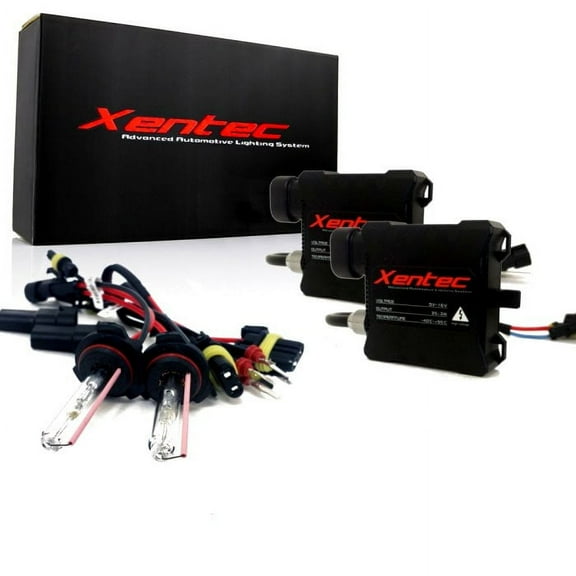

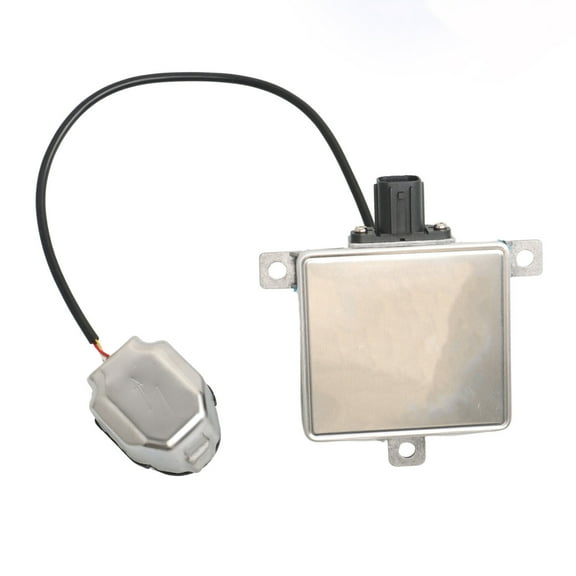
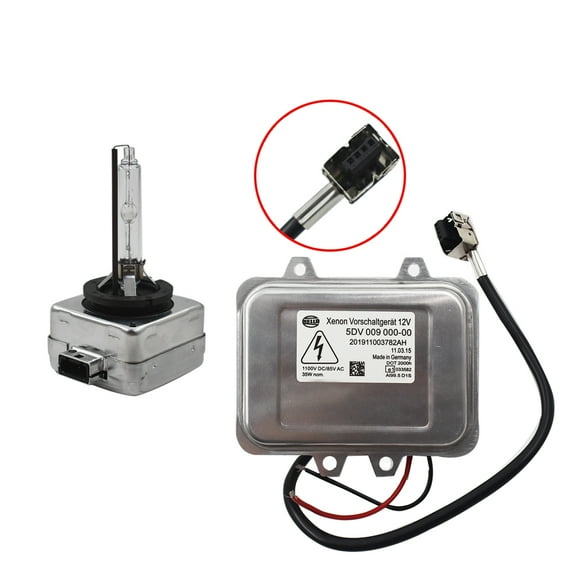

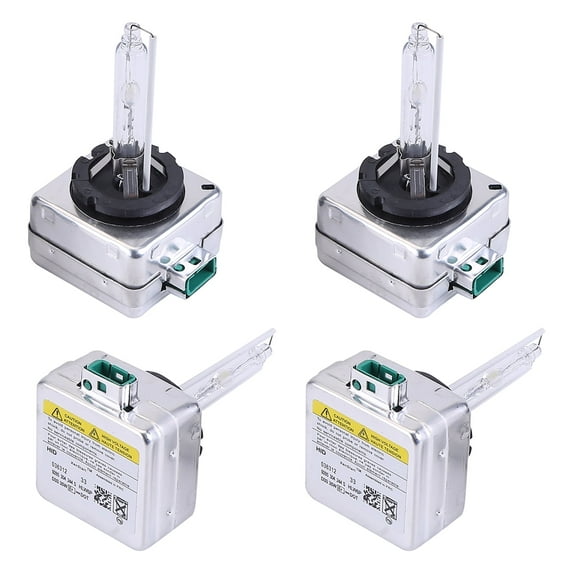
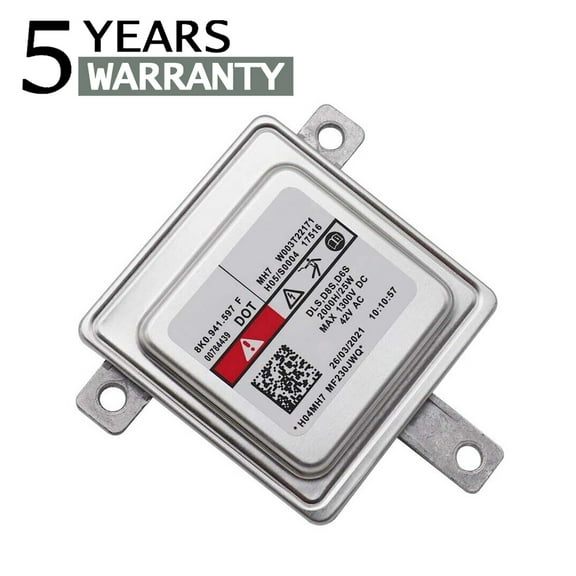
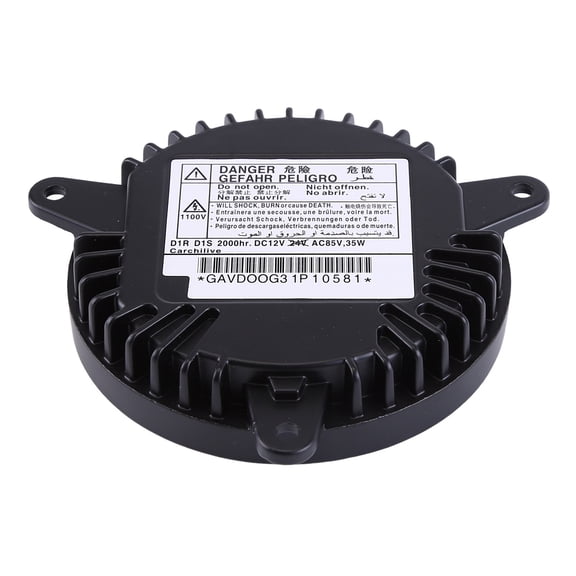
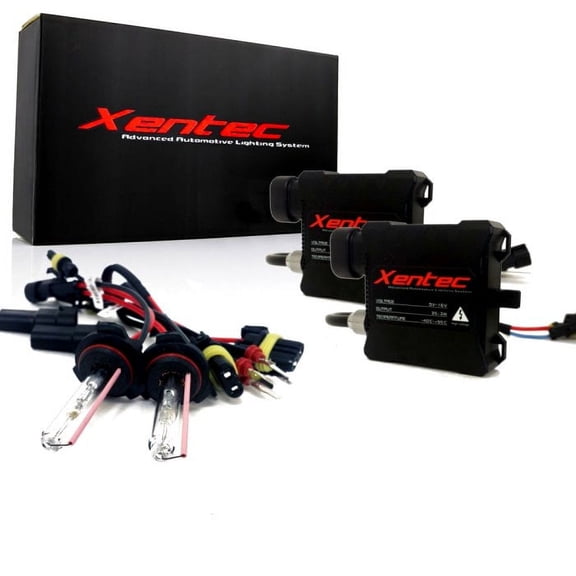
About Headlight Ballasts in Headlights - Walmart.com
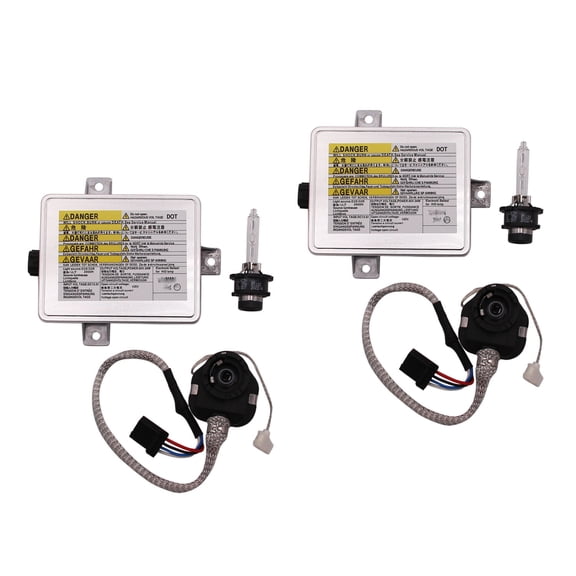
Headlight ballasts help you restore steady HID lighting when your factory unit stops firing consistently. You can use this guide to compare fitment, voltage, bulb compatibility, and installation needs before you choose a replacement.
If you're replacing flickering or dim HID lights, headlight ballasts are often the control unit you need to match carefully. You should compare your vehicle details, OE part number, and bulb socket before you move forward.
How to choose headlight ballasts for your vehicle
Vehicle fitment is your first decision because your ballast must match your existing system connections and mounting points. You should check your year, make, model, and OE part number before you compare any listing.
Bulb compatibility matters just as much because your system may use D1S, D2S, D3S, or D4S bulbs. You should match the socket type exactly so your replacement headlight ballast works with your current setup.
You'll also want to confirm whether your vehicle uses a direct OE replacement or a universal fit design. If you prefer straightforward installation, you may want a direct-fit unit with matching plugs.
- You can narrow your choices directly by matching your OE part number first.
- You can avoid extra wiring by checking whether your setup uses direct replacement connections.
- You can reduce fitment confusion by confirming your bulb type, housing style, and mounting location.
- You can compare 12V and 24V systems before you choose a car headlight ballast.
Understanding HID headlight ballasts and xenon systems
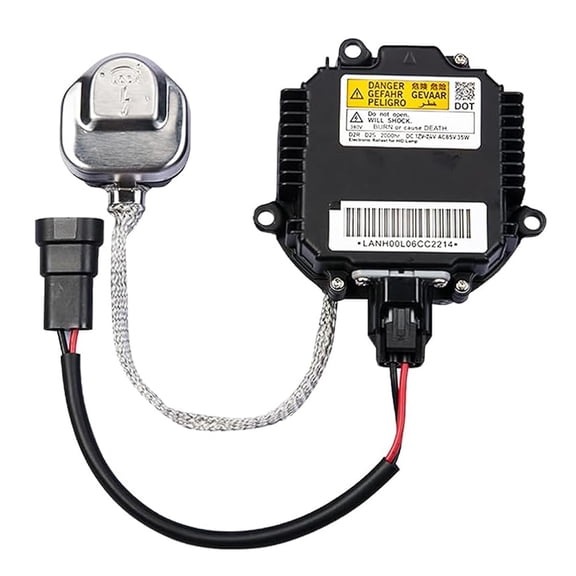
HID headlight ballasts control the electrical startup and operation of HID or xenon bulbs. You should know that xenon headlight ballast is often another way shoppers describe the same lighting control component.
If your vehicle uses HID lighting, you need a ballast that matches the technology already installed. You shouldn't assume an LED lighting setup uses the same control unit or connector style.
Input voltage is another key check because many passenger vehicles use a 12V headlight ballast system. If you shop for commercial or specialty applications, you may also need to compare 24V options.
Wattage should match your existing setup because your ballast and bulb are designed to work together. You should verify whether your system uses 35W or 55W before you choose a replacement.
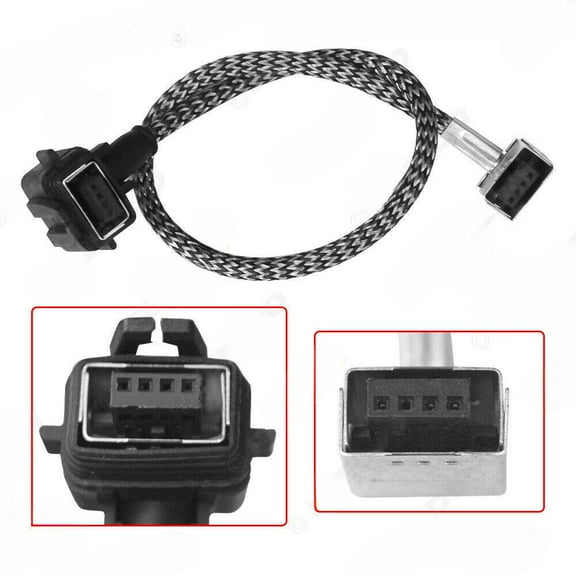
A headlight control unit may also include housing shapes and connectors that vary by vehicle platform. You can avoid trial and error by comparing the plug layout and case design in the product details.
Key features to compare before headlight ballast replacement
When you plan a headlight ballast replacement, you should focus on the details that affect fit and installation. You can start with OE number matching, connector style, and mounting bracket alignment.
Direct OE replacement units are useful when you want the closest match to your original component. You may spend minimal time adapting wires or repositioning hardware when the design mirrors factory specifications.
Universal fit options can help when you need broader compatibility across different setups. You should confirm whether your application requires additional wiring changes, adapters, or alternate mounting methods.
You'll also want to compare weather-sealed housings, plug orientation, and harness length where listed. These details help you judge how easily the ballast may fit inside your existing headlight area.
If you're choosing between multiple replacement headlight ballast options, you should compare bulb compatibility and wattage side by side. That approach helps you keep your system consistent from startup through normal operation.
When a replacement headlight ballast makes sense
You may start looking for a replacement when your HID lamp flickers, takes longer to ignite, or shuts off intermittently. You can use those signs to compare whether the control unit may be the part needing attention.
If one side stays dark while the bulb itself appears unchanged, you may want to review the ballast fitment details. You should still match the original specifications carefully before replacing any component.
You may need a car headlight ballast for daily commuting, nighttime highway travel, or seasonal low-light conditions. You can benefit from a properly matched unit because your lights can start more consistently in regular driving.
If you maintain an older vehicle with factory HID lamps, an OEM headlight ballast style match may simplify your search. You can use OE references and bulb type details to find a compatible replacement path.
For custom projects or mixed applications, you may compare universal fit models with standard mounting information. You should measure space, verify connectors, and check voltage before choosing that route.
What to look for in installation and compatibility
Installation effort depends on whether your replacement uses plug-and-play connections or requires wiring changes. You should review listing notes closely so your setup matches your comfort level and tools.
If you want a straightforward project, you may prefer parts described as direct replacement for your exact application. You can often complete the installation efficiently when connectors, brackets, and bulb compatibility already align.
Before installing headlight ballasts, you should compare the ballast location in your vehicle and the available mounting space. You can also check whether your housing uses external or integrated control units.
You'll get a precise match when you combine vehicle fitment, OE number, socket type, voltage, and wattage. That careful process helps you choose a unit that fits your lighting system with fewer surprises.
With headlight ballasts, you can make a confident choice when you verify fitment and system details first. You end up with a replacement focused on compatible startup, steady output, and a seamless installation process.