

Trailer Hitch Ball Covers Nearby & In Store | Walmart














About Trailer Hitch Ball Covers Nearby & In Store | Walmart - Walmart.com
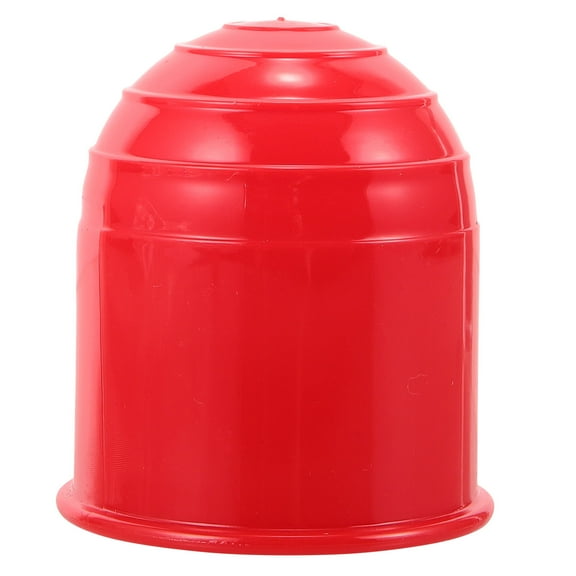
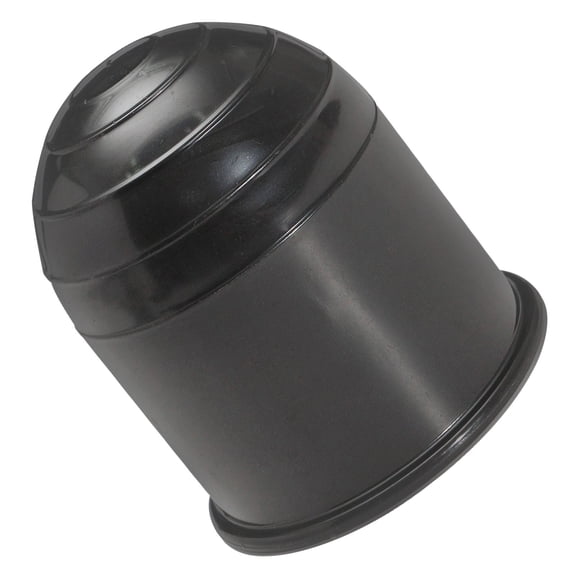
You can protect your towing setup with a hitch ball cover that fits the right ball size and stays put in changing weather. You’ll also keep grease contained more cleanly, which helps your coupler area stay ready between trips.
If you’re comparing covers for daily towing, storage, or occasional hauling, you’ll want category details that actually guide your choice. You’ll find that size, material, attachment style, and design all affect how your cover fits and performs.
How to choose a hitch ball cover
You should start with ball size compatibility, because a loose cover won’t seal well and a tight cover may be hard to remove. You’ll usually compare 1-7/8 inch, 2 inch, and 2-5/16 inch sizes when you match your setup.
Before you choose, you should measure your hitch ball diameter or check your current towing hardware. You’ll get a cleaner fit when your trailer hitch ball covers match the exact ball size.
You may also compare a cover based on what it helps you manage between drives. You’ll often want protection from rain, dust, road grime, and leftover grease on the ball surface.
- You can keep grease contained more neatly during storage.
- You can help shield the hitch ball from rain and road debris.
- You can keep your towing gear looking cleaner between trips.
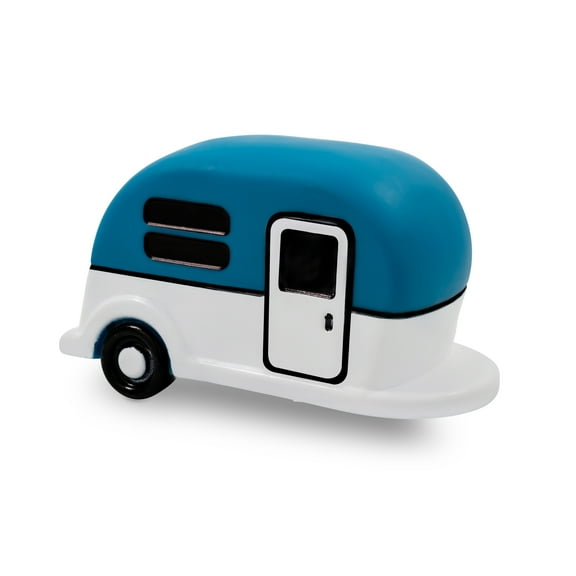
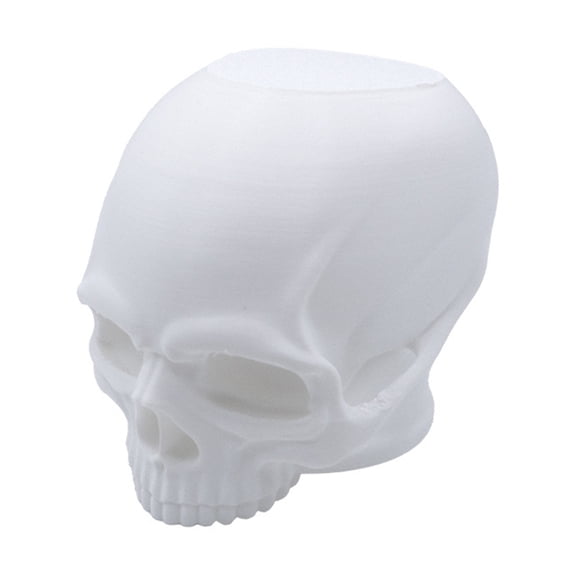
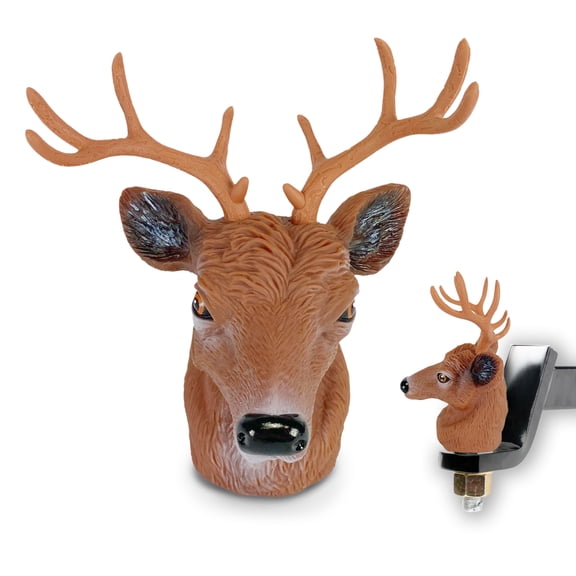
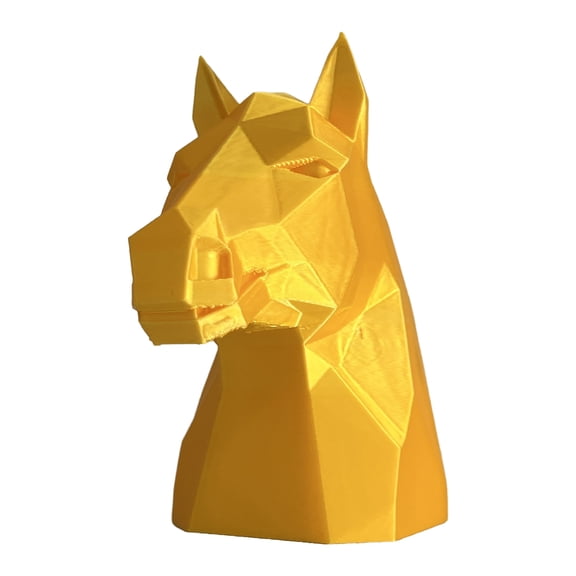
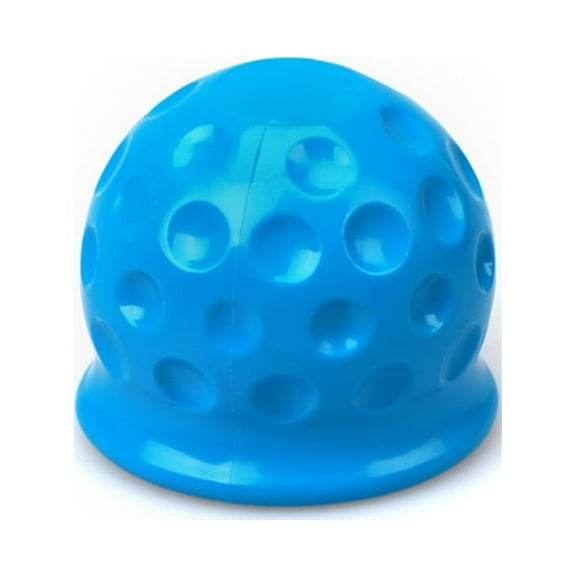
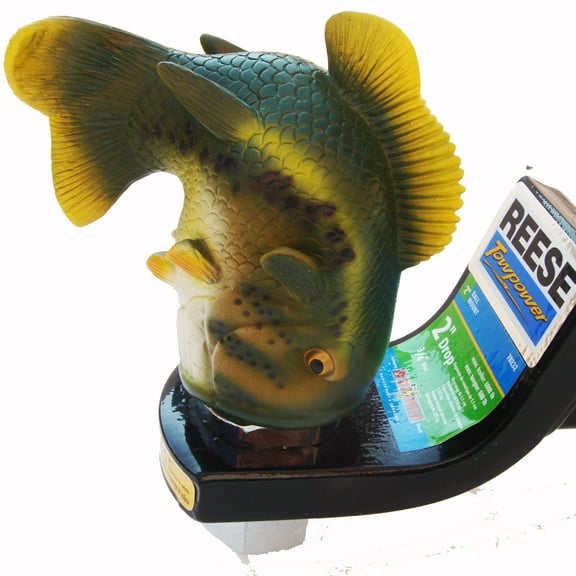
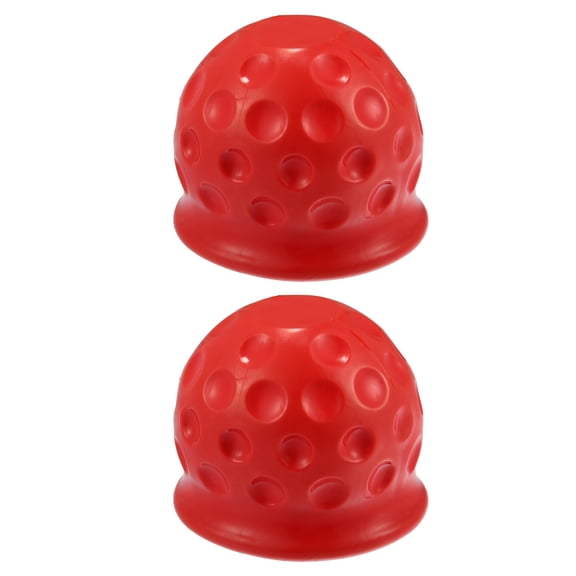
- You can choose a simple cap or a novelty style for a personalized look.
Choosing ball size compatibility and fit
You should treat ball diameter sizing as the first decision, because it affects coverage and removal. You’ll usually see fit options built for 1-7/8 inch, 2 inch, or 2-5/16 inch hitch balls.
If your cover is sized correctly, you’ll notice it seats more evenly around the ball. You’ll also have an easier time removing it when you’re ready to hook up a trailer.
You may want a trailer ball cover with a snug opening if you store your vehicle outdoors often. You’ll often prefer a slightly more flexible material when you remove the cover frequently.
Comparing materials for weather and grease control
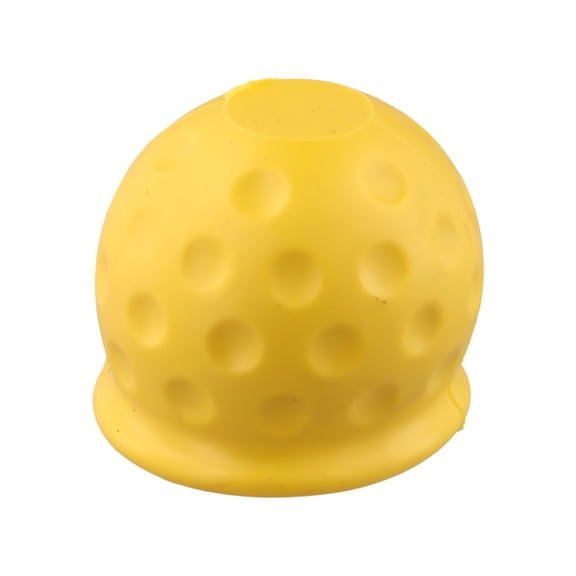
You should compare rubber, chrome, molded plastic, and silicone based on how you use your towing gear. You’ll notice each material handles weather exposure, flexibility, and cleanup a little differently.
If you want a softer feel, you may consider rubber or silicone for easier on-and-off use. You’ll often like those materials when you want the cover to stretch over the ball securely.
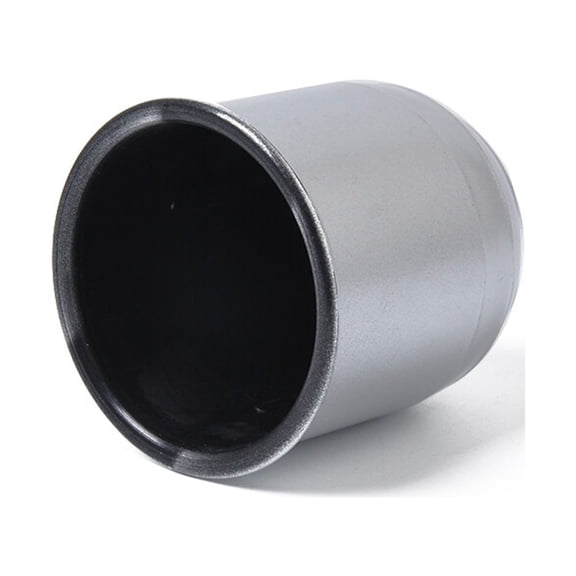
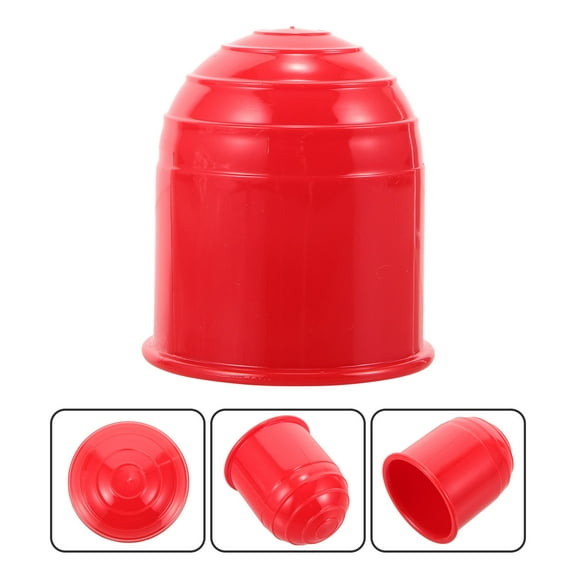
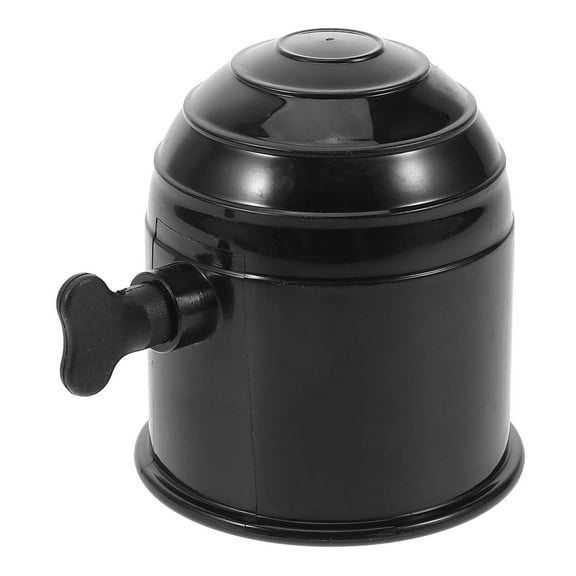
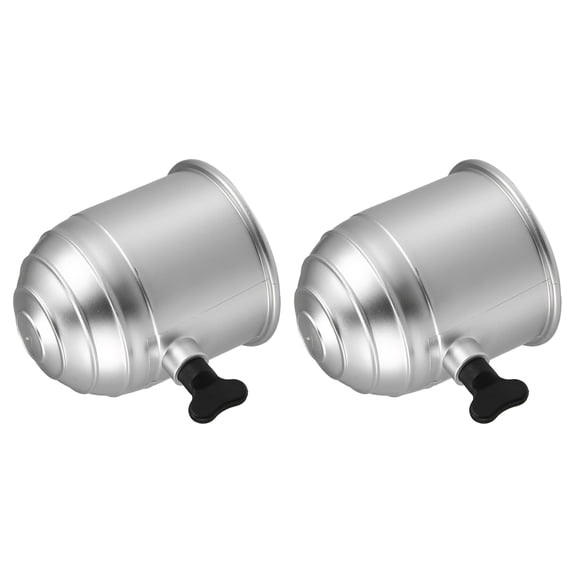
If you want a rigid shell, you may compare molded plastic styles that keep their shape in storage. You’ll often choose chrome-look options when your hitch stays visible and appearance matters.
You should also think about moisture sealing and grease containment when you compare materials. You’ll usually want edges that sit closely around the ball so residue stays more contained.
Checking attachment style before you buy
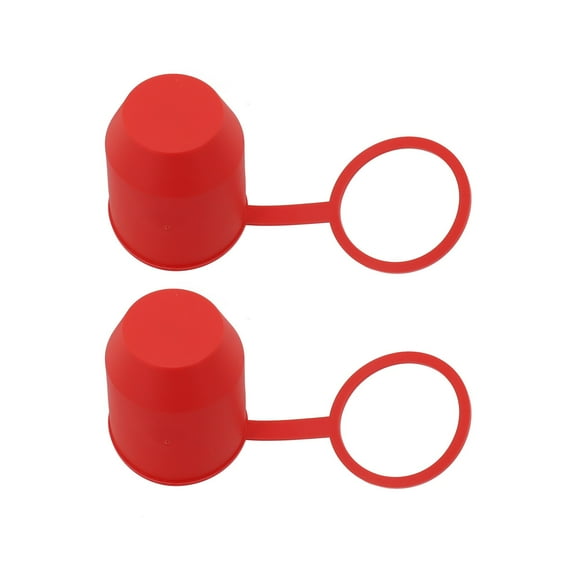
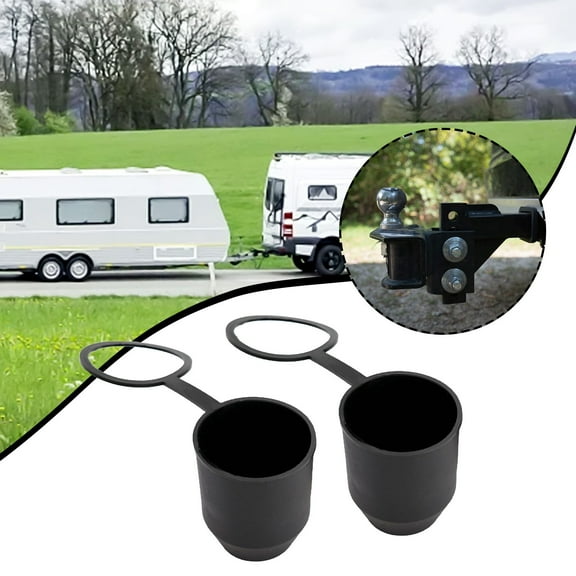
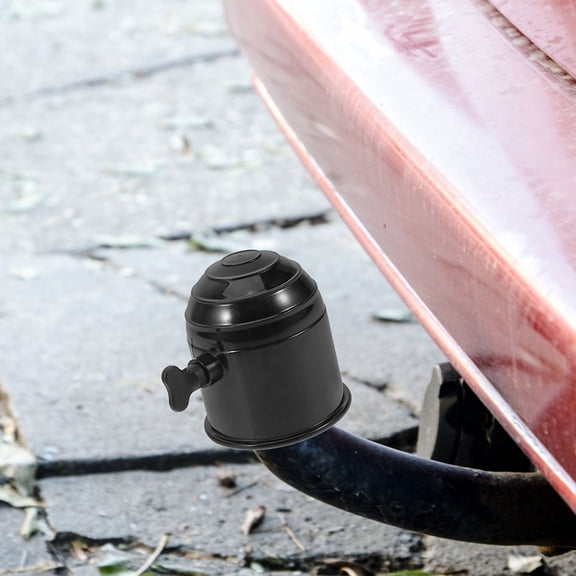
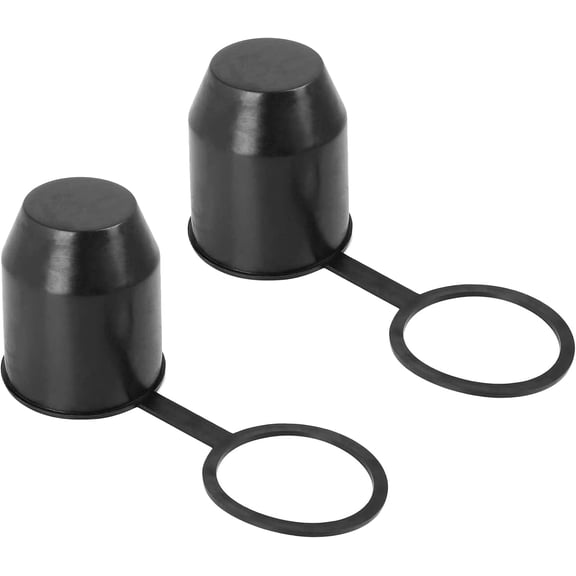
You should compare friction fit, tethered strap, and screw-on designs before you choose a hitch ball cover. You’ll find that each style changes how securely the cover stays attached during everyday use.
If you want quick removal, you may lean toward a friction-fit cover that presses on easily. You’ll often like that style when you hook up and unhook trailers on a regular schedule.
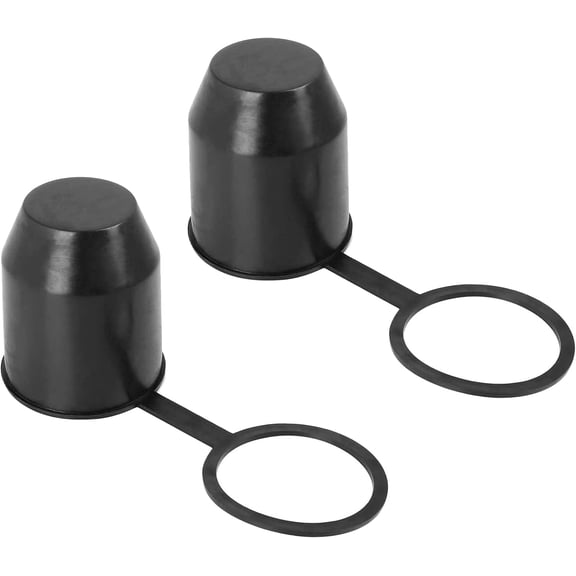
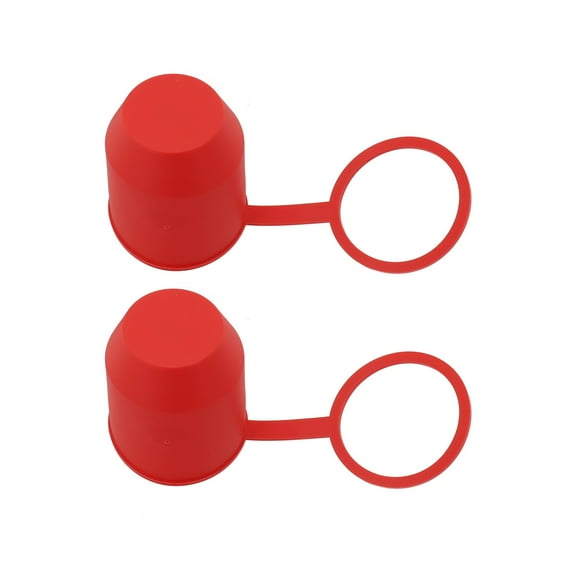
If you don’t want to misplace the cover, you may consider a tethered strap design. You’ll keep the cover connected to your hitch area, which can feel simpler during repeated stops.
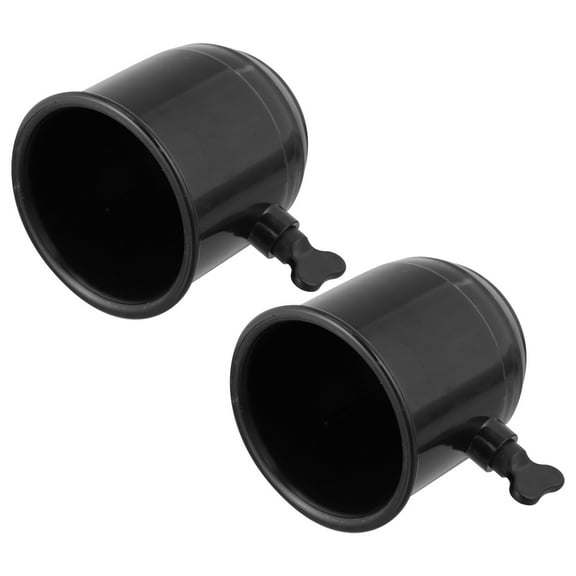
If you want a more fixed hold, you may compare screw-on styles for a steadier attachment. You’ll want to check the product details closely so the design matches your ball size.
Picking the right design for your towing setup
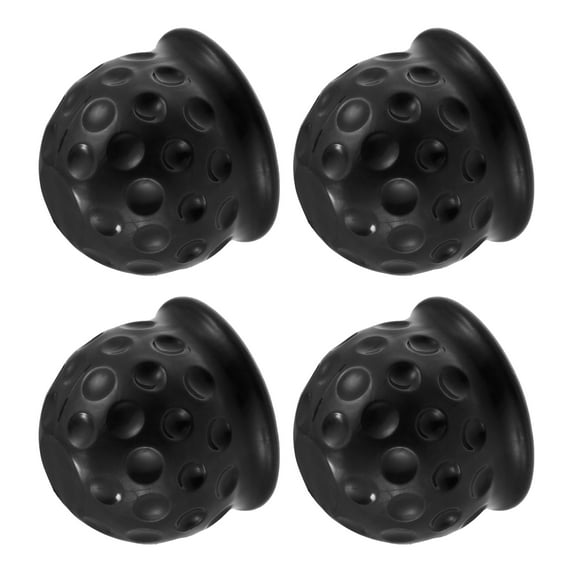
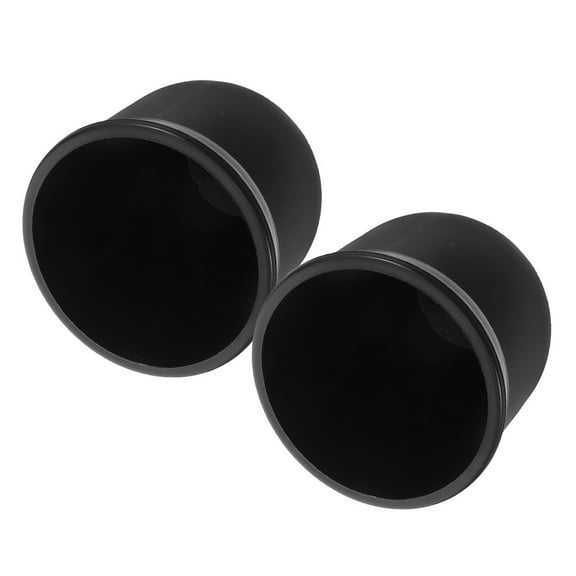
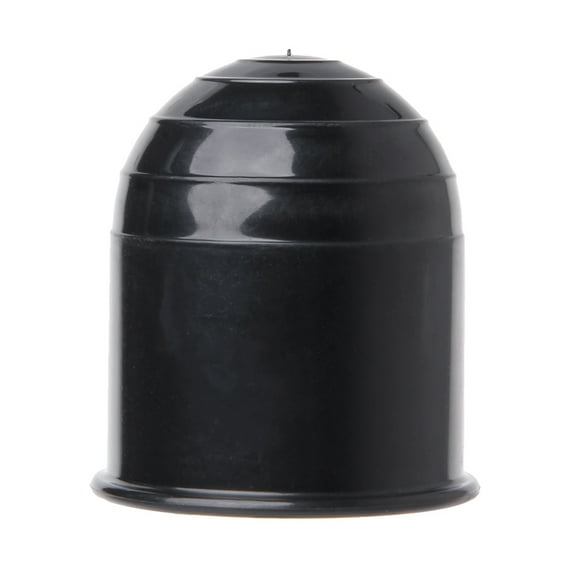
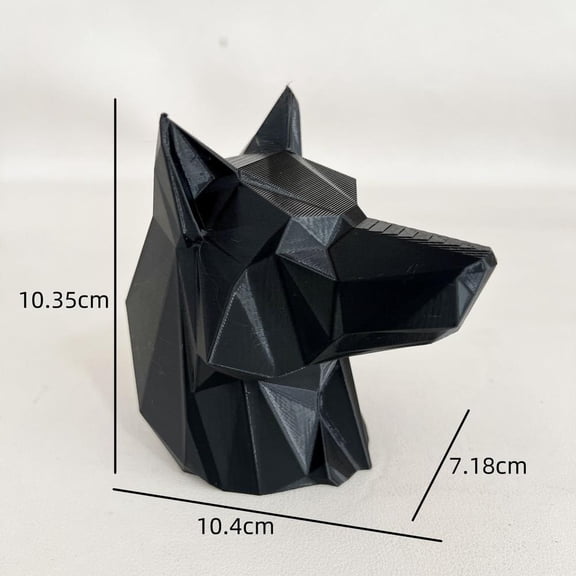
You can choose standard black, chrome finish, or novelty looks based on how visible your hitch stays. You’ll often prefer a simple style for utility use or a funny tow ball cover for personality.
If your vehicle has bright trim, you may want a chrome finish that blends with the rear setup. You’ll often choose standard black when you want a straightforward look that suits many vehicles.
If you’re replacing an older cap, you may look for a tow bar ball cover replacement with the same fit style. You’ll make the swap easier when the new cover matches your size and attachment preference.
Matching trailer hitch ball covers to real use cases
If you tow a camper on weekends, you may want flexible material and a snug size match. You’ll likely appreciate easy removal when you connect and disconnect often.
If your truck stays parked outside, you may focus on weather resistance and close-fitting edges. You’ll want a cover that helps keep moisture and grime off the hitch ball between uses.
If you use a work trailer, you may prefer a tethered or quick-fit option for repeated stops. You’ll spend less time searching for a loose cap when the cover stays with the hitch.
If your vehicle is part of a show build or a personalized rig, you may compare finish and design first. You’ll find that funny tow ball covers and chrome styles can change the look of the rear setup.
You should also consider nearby pickup and delivery options when timing matters for a replacement. You’ll keep your towing setup more complete with a cover that fits correctly and removes cleanly.
When you choose the right hitch ball cover, you’ll get a cleaner fit, easier storage, and more dependable protection for your towing hardware. You’ll feel more confident knowing your hitch ball stays covered, contained, and ready for the next hookup.