


Balance Boards In-Store & Online | Wobble Boards




















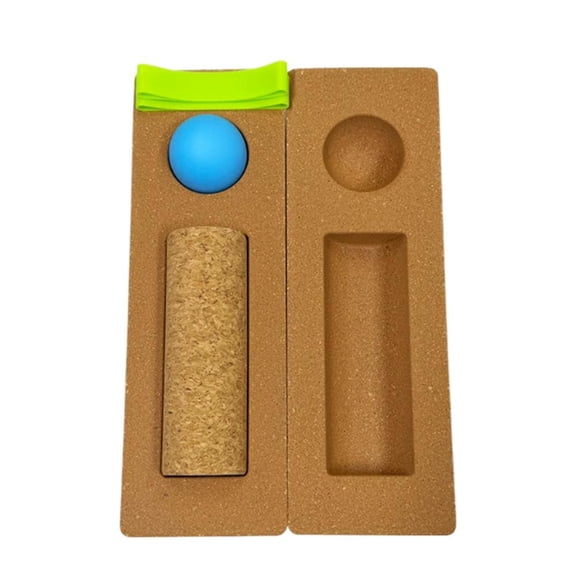


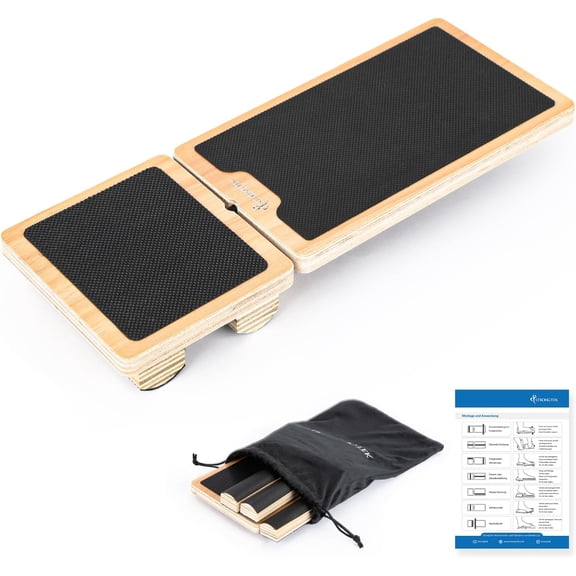


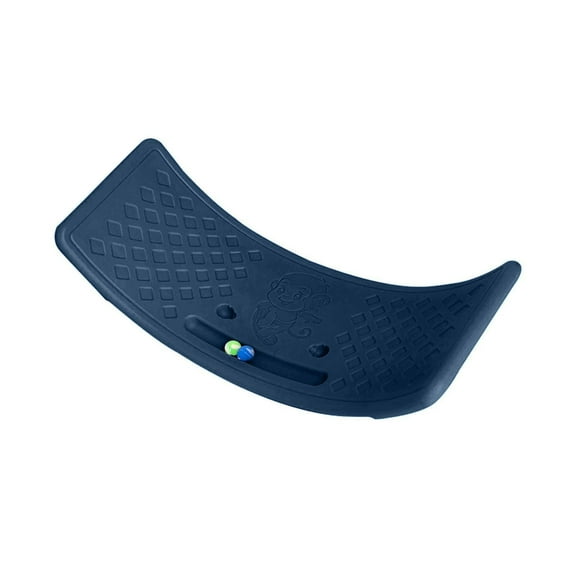


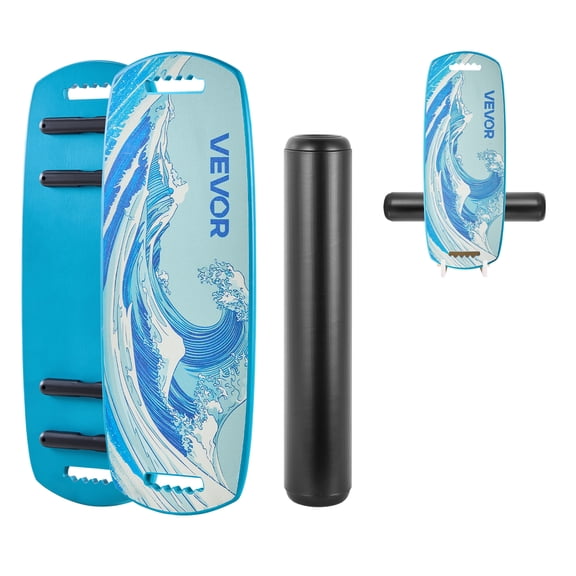





About Balance Boards In-Store & Online | Wobble Boards - Walmart.com
Balance boards help you build steadier movement at home, in your gym, or beside your desk. You can compare shapes, materials, and use cases quickly when you know how each board moves.
If you're choosing for exercise, recovery routines, or active workdays, you need details that match your routine. You can narrow your options by board shape, surface grip, weight capacity, and floor compatibility.
Choosing the right balance boards for exercise
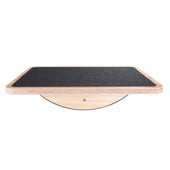
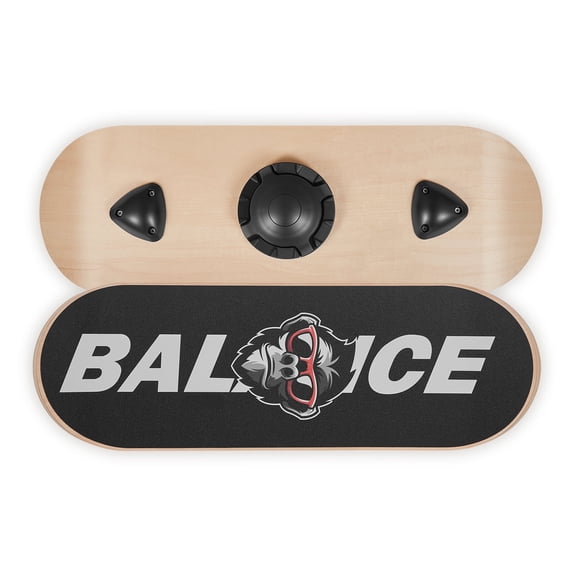
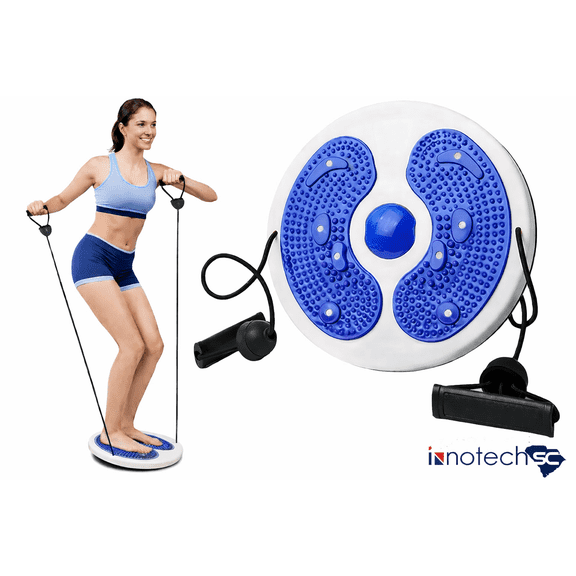
When you compare board shapes, you should start with how much motion you want under your feet. You can use a wobble board for multi-direction movement that challenges side-to-side and front-to-back control.
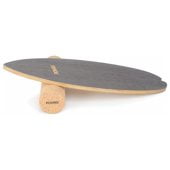
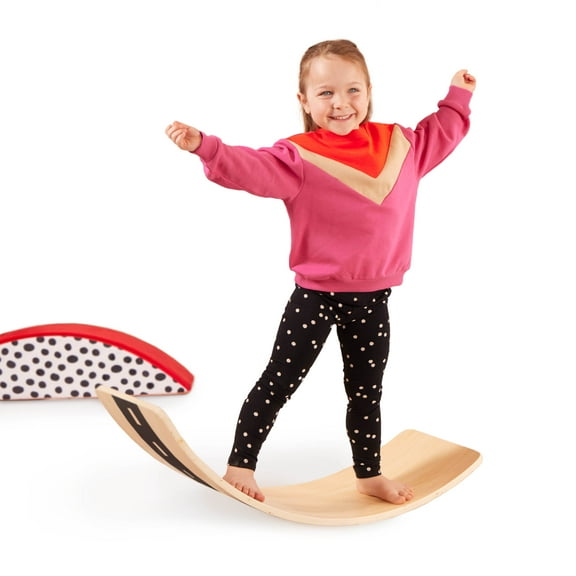
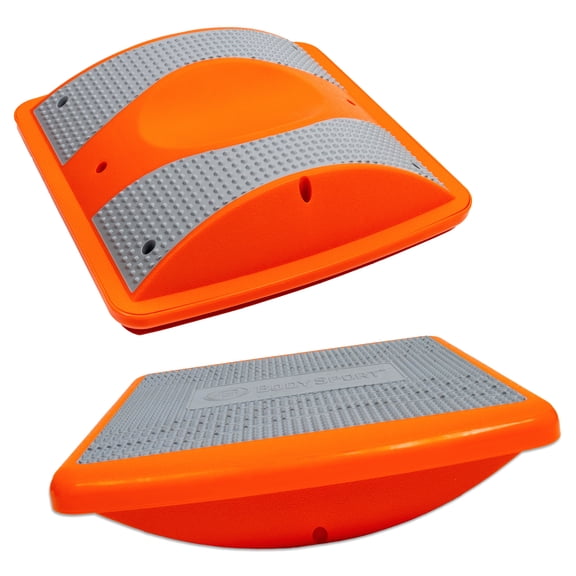
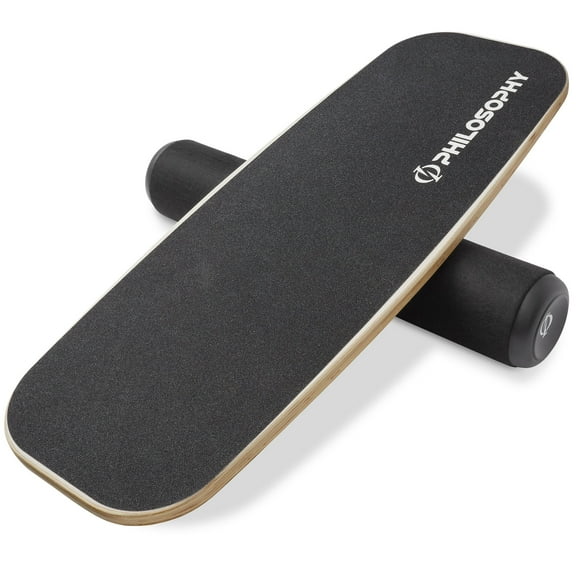
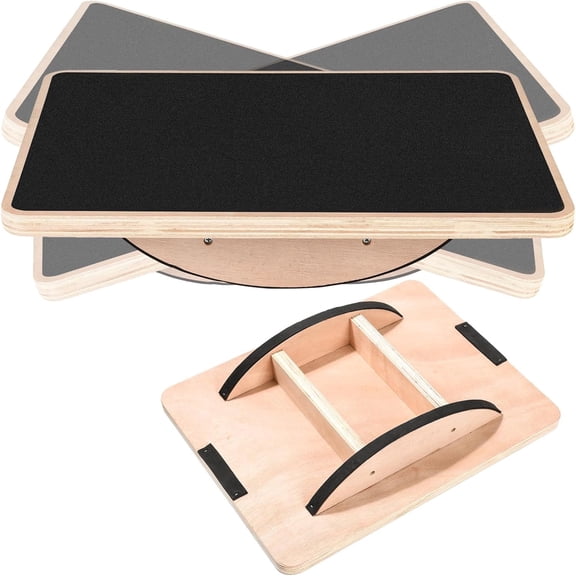
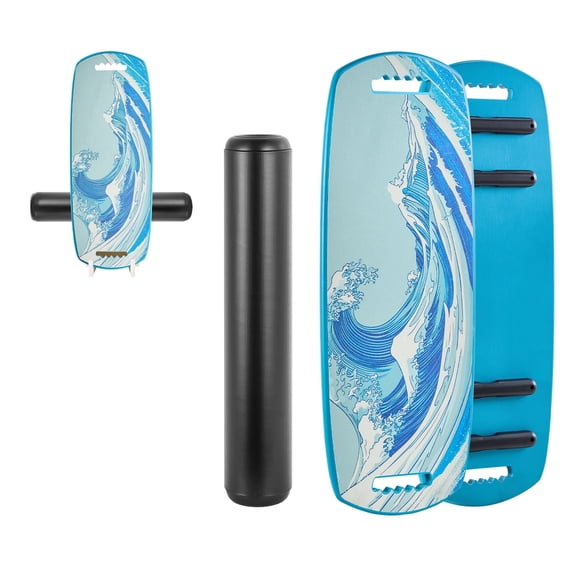
A rocker style gives you motion on one axis, so you can focus on simpler shifts. You may prefer a roller style when you want a larger challenge that rewards careful foot placement.
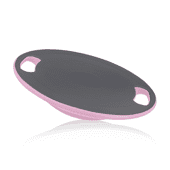
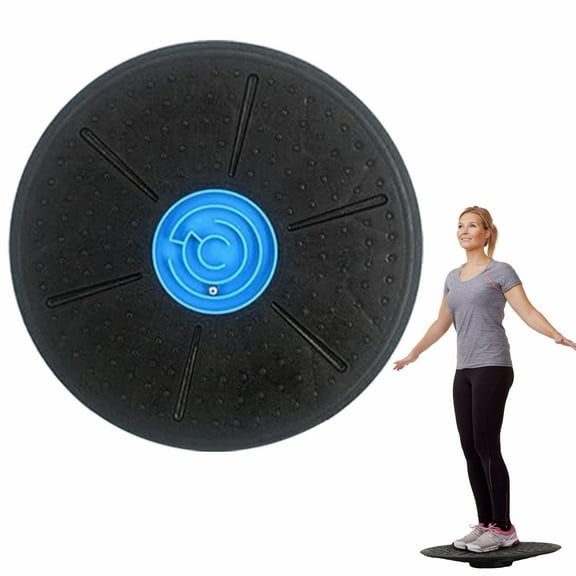
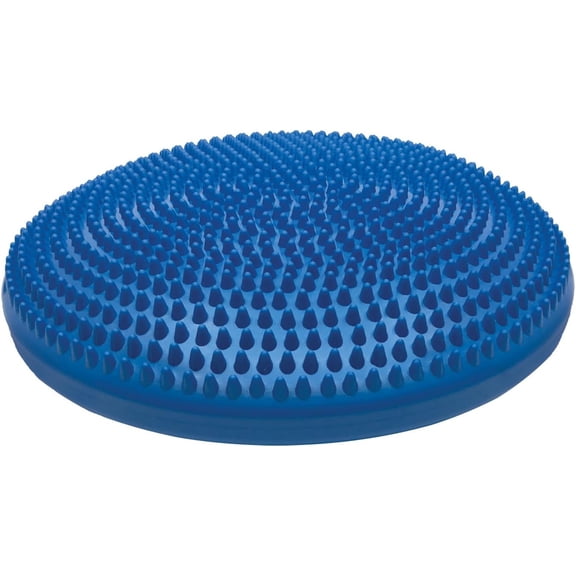
A disc design keeps a compact profile that fits smaller workout spaces and quick sessions. You can choose a balance board for exercise based on whether you want gentle practice or more dynamic movement.
- You can use a wobble board when you want all-around balance training in a small footprint.
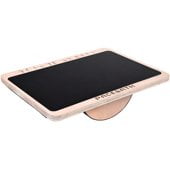
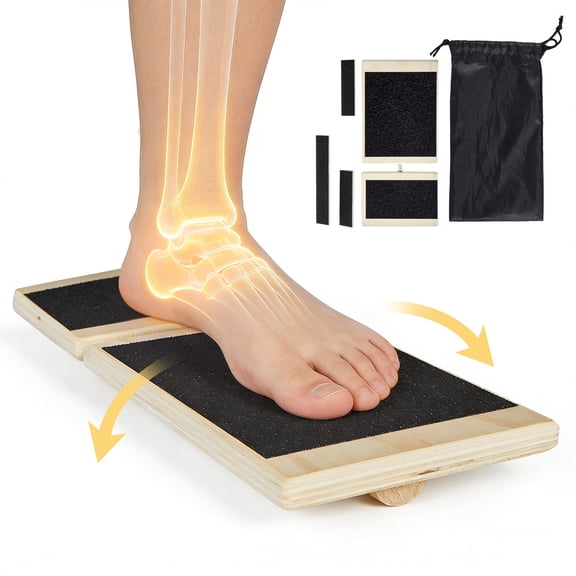
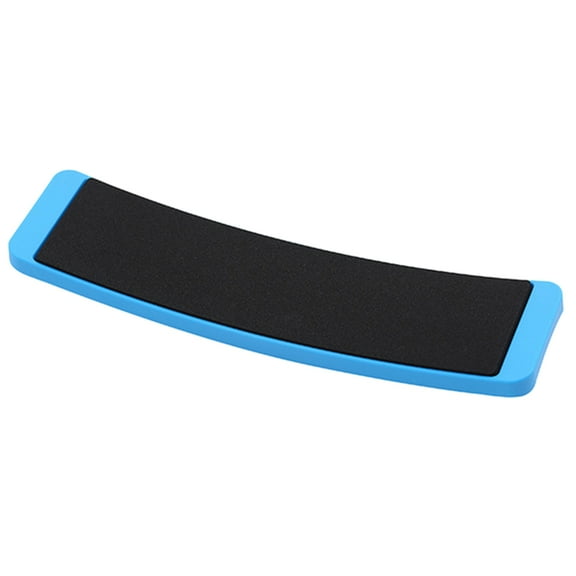
- You can choose a rocker board when you want more predictable motion for early practice.
- You can pick a roller model when you want advanced coordination and board control.
- You can keep a disc style nearby when you want short sessions during work breaks.
What to look for in a wobble board and board material
Material changes how your board feels, how much it weighs, and where you may use it. You can compare wood, plastic, and foam options by stability, surface feel, and daily wear.
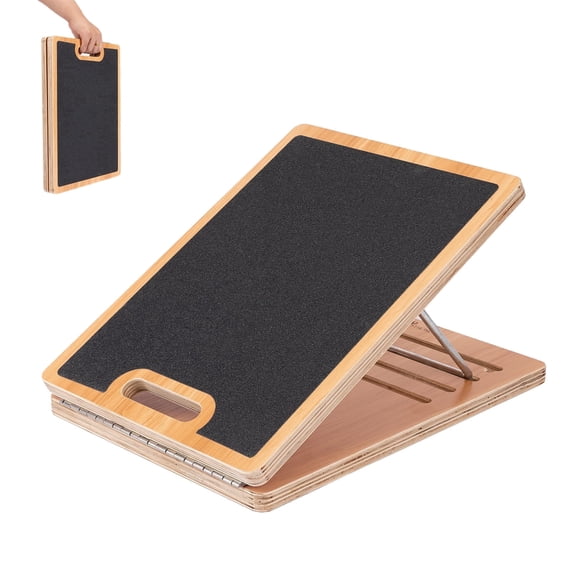
A wooden balance board often feels firm and grounded underfoot, which many shoppers like for repeat training. You should check the wood ply rating and weight capacity, because those specs help you match the board to your routine.
Plastic boards can feel lighter and easier to move between rooms during quick sessions. You may like foam options when you want a softer contact point and a quieter feel on hard floors.
Weight capacity matters because you need a board that supports your body size and movement style. You should also check the deck width, since a wider platform can feel more approachable for beginners.
Comparing grip, floor contact, and home setup
Surface grip changes how secure your stance feels during each shift and hold. You should look for textured tops, traction pads, or non-slip zones that help your shoes stay planted.
Floor contact matters too, especially if you exercise on wood, tile, or laminate. You can check the base design and edge finish to help protect floors and reduce unwanted sliding.
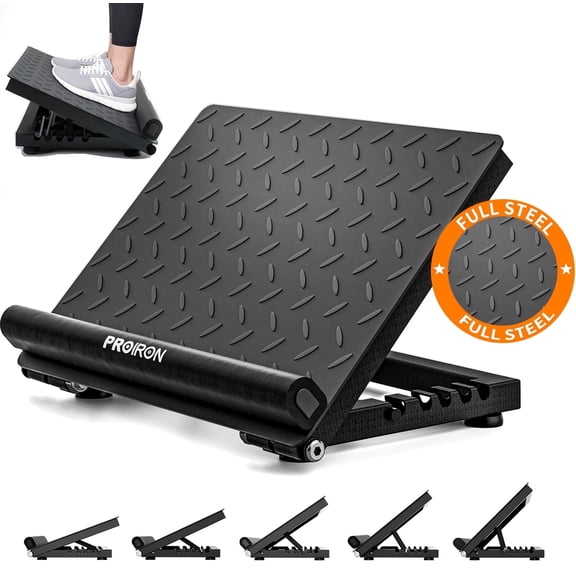
If you're using a fitness balance board near a standing desk, you may want a lower-profile shape. You can step on and off more easily when the board sits closer to the floor.
Storage can also affect your choice if you share space with other equipment. You may prefer a lighter board when you move it between yoga mats, resistance bands, and stability balls.
Matching board type to your routine and user needs
Your main use case should guide your choice before color or style does. You can match fitness, physical therapy, standing desk, and athletic training needs to different board designs.
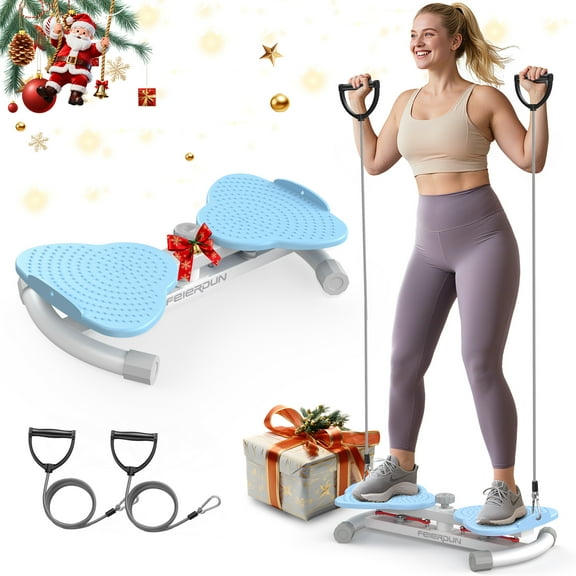
For fitness sessions, you may want a core balance board that adds movement to squats, planks, or standing drills. You can use that extra instability to make short workouts feel more focused.
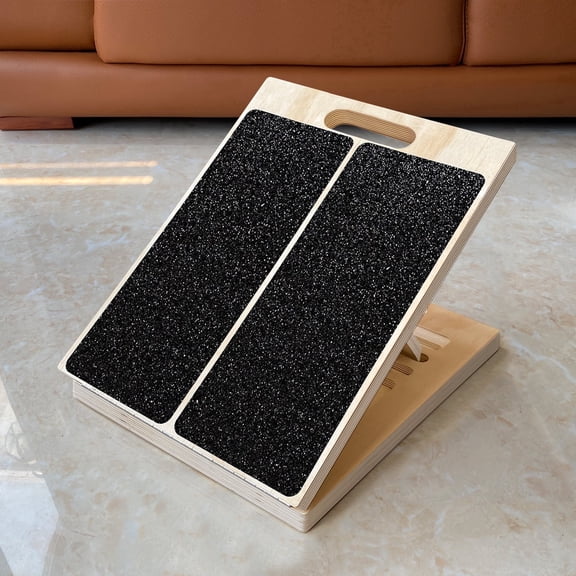
For physical therapy routines, you may prefer simpler motion and a stable platform shape. You can start with a rocker or wobble board that supports controlled, repeatable movement patterns.
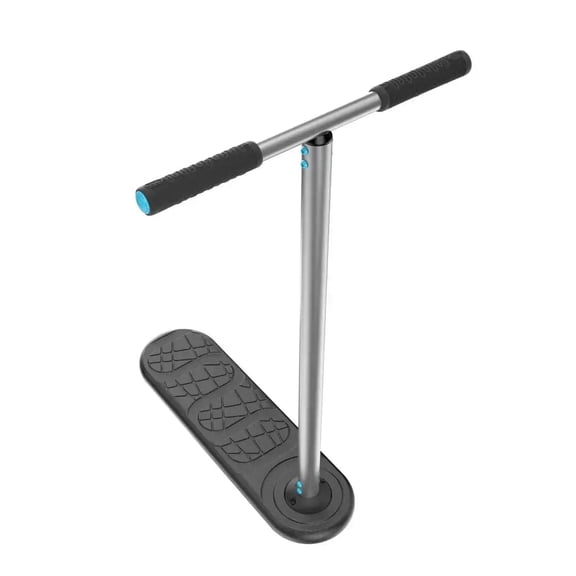
For standing desk use, you may want a compact balance trainer that fits your workspace without taking over the floor. You can keep your feet active during emails, calls, and long computer sessions.
Athletic training often calls for faster response and stronger board control during drills. You can choose shapes with more movement when you want to practice coordination and foot awareness.
How to choose for beginners, kids, adults, and seniors
Target user matters because confidence and comfort shape how often you use your board. You should compare deck size, movement range, and grip texture for the person using it.
Beginners often want gentler motion and a wider platform that feels easier to trust. You can start with a rocker shape or a lower-height wobble board for calmer sessions.
Adults may want more variety for workouts, desk use, or athletic drills throughout the week. You can choose a model that balances challenge with easy storage and floor-friendly contact points.
Seniors and kids may benefit from simple shapes and clear foot placement areas during supervised use. You should measure your available space so the board fits comfortably into your daily routine.
When you compare balance boards with these details in mind, your decision becomes much clearer. You can choose a board that matches your movement goals, your space, and your preferred level of challenge.