









Lumbar Support in Back and Abdominal Support


















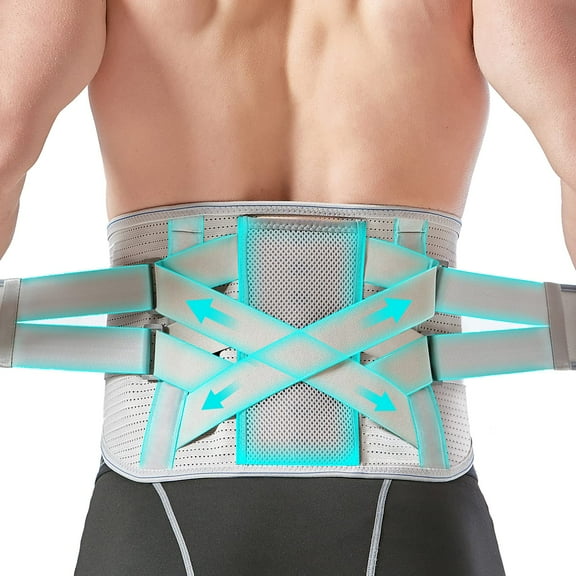
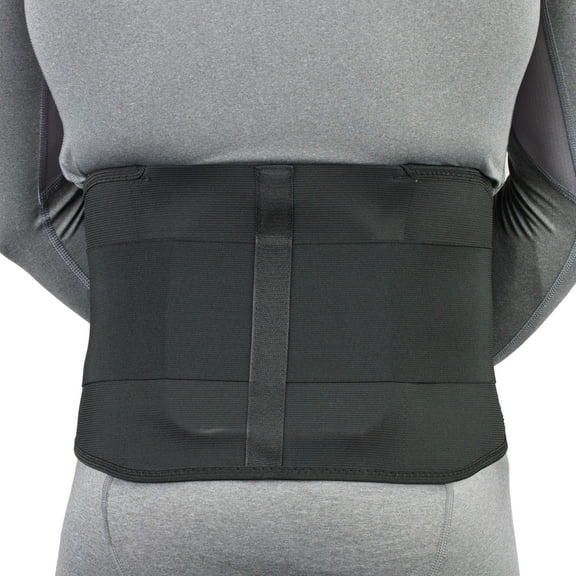


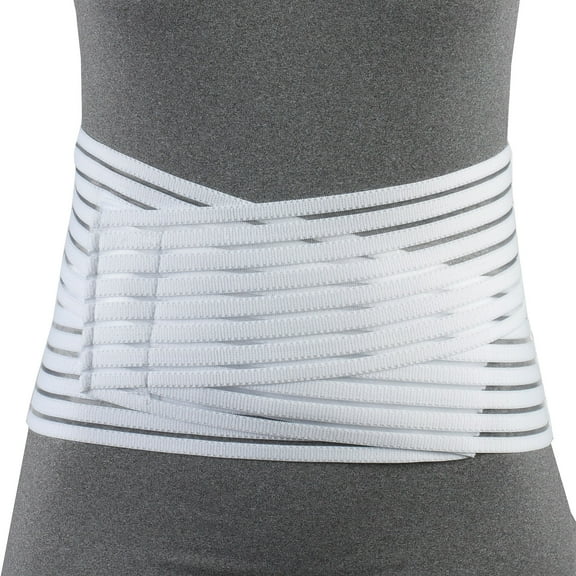
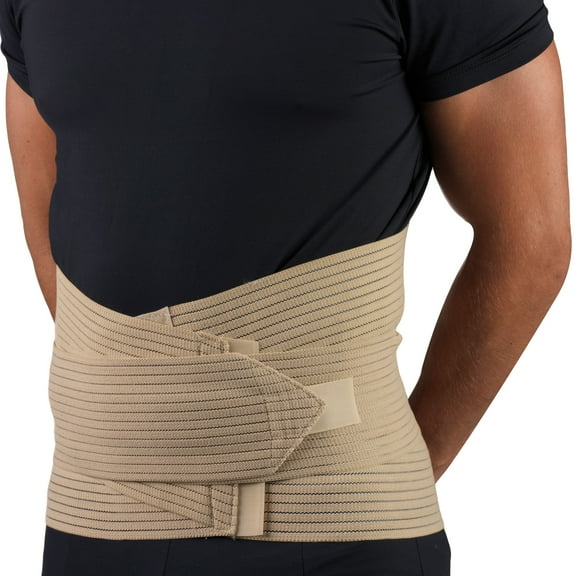




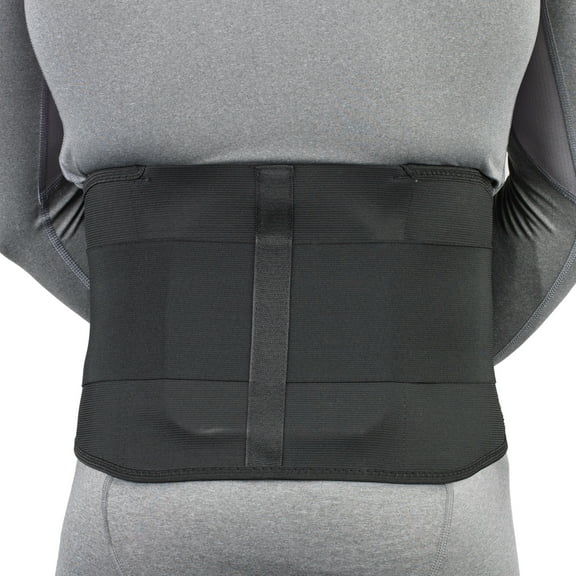


About Lumbar Support in Back and Abdominal Support - Walmart.com
Your lumbar support belt choice can shape how comfortably you sit, move, and work through the day. You can compare wearable belts, chair supports, and lumbar bands here, so your setup fits your routine.
How to choose a lumbar support belt
You should start by deciding where your support belongs. You may need a wearable belt for movement, or you may prefer a back support belt for chair use.
If your day includes desk time, you can look for support shaped for an office chair or car seat. If your day includes errands or light activity, you can compare belts, bands, braces, and straps.
You can also narrow your choice by target area. You may want back lumbar support focused on your lower back, or you may want coverage that reaches your abdominal area.
What support type means for your routine
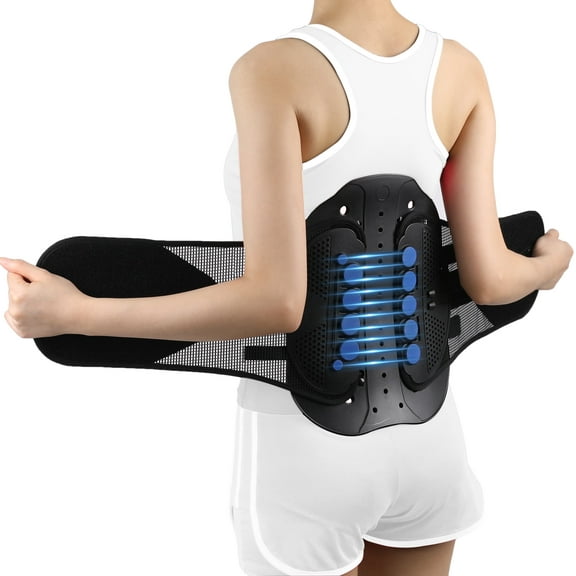
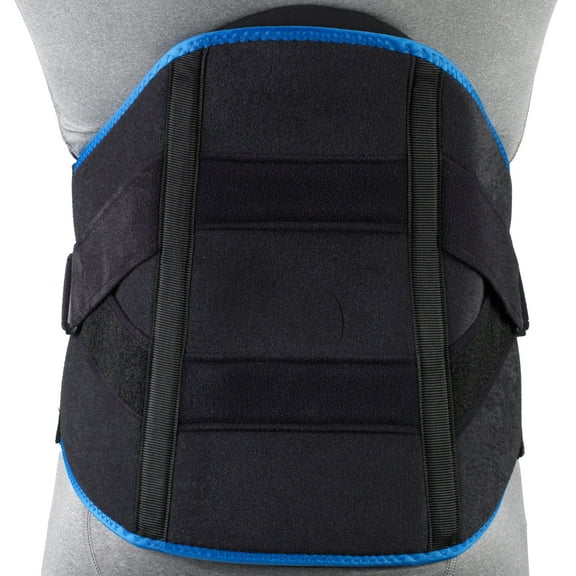
You’ll usually see four common support types in this category. You can choose a belt for wraparound coverage, a band for flexible compression, a brace for structured hold, or a strap for lighter positioning.
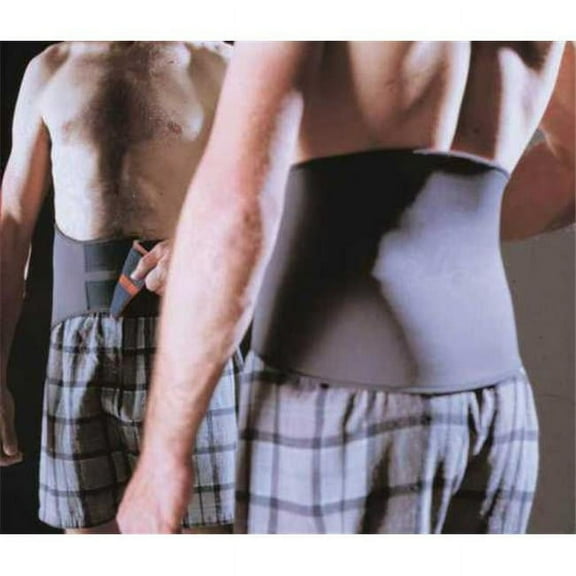
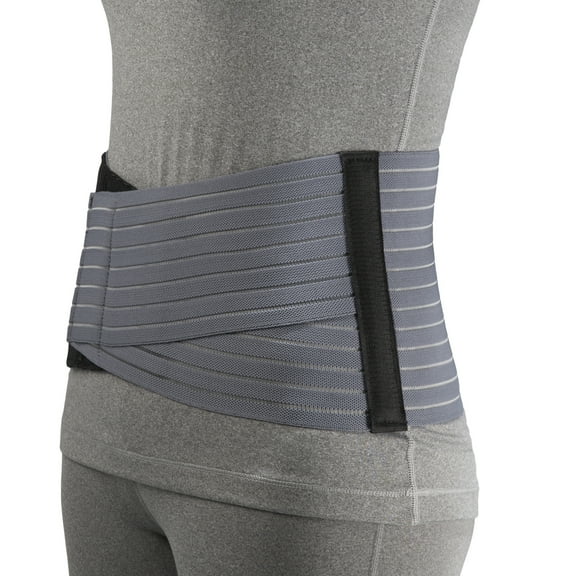
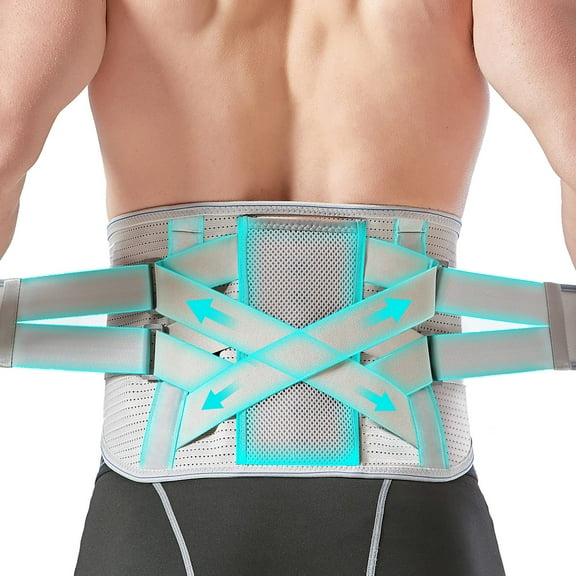
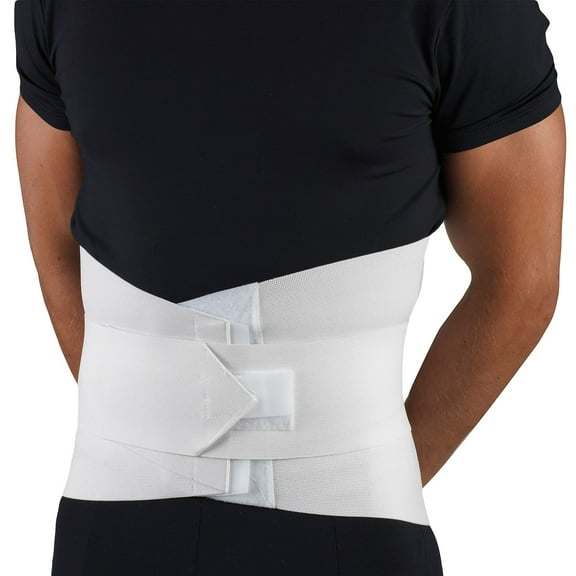
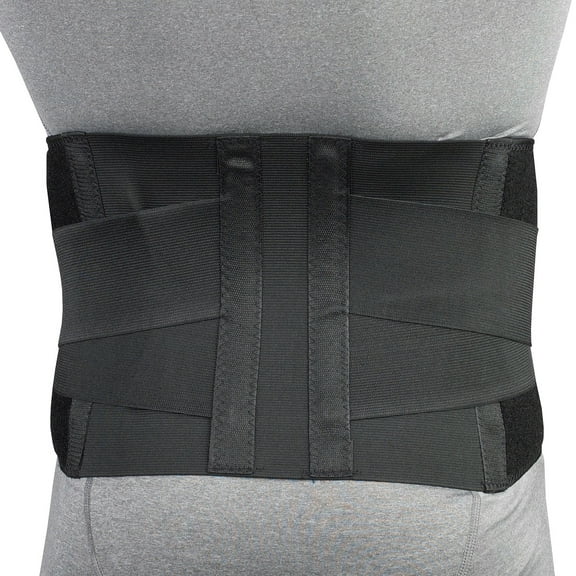
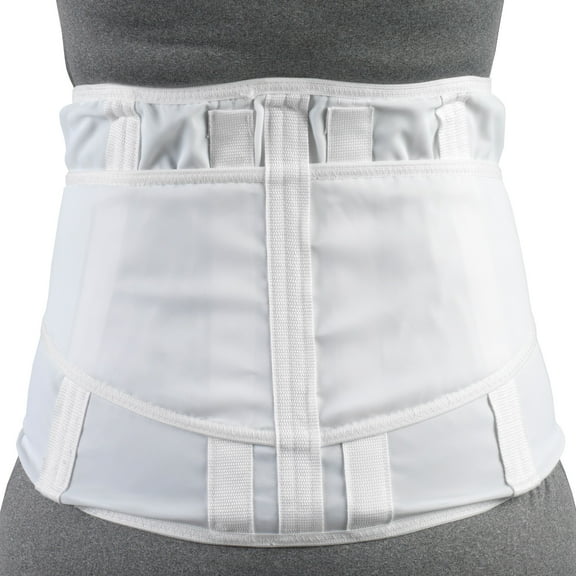
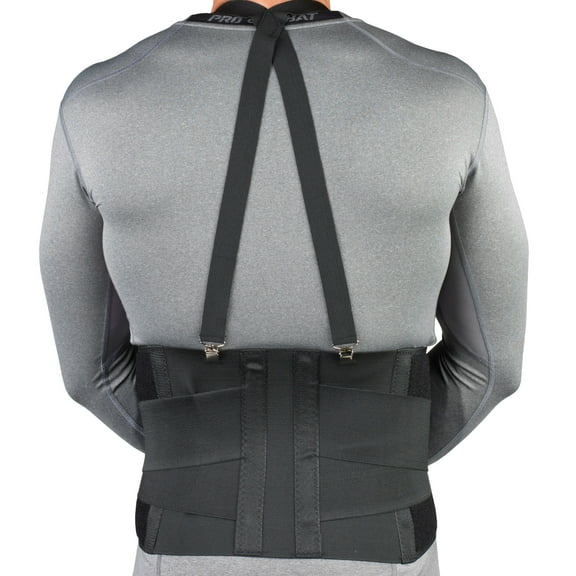
- You can use a belt when you want a wider fit around your waist and lower back.
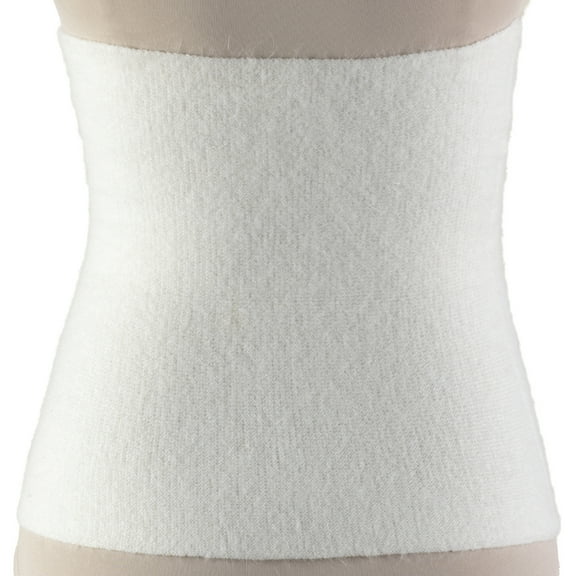
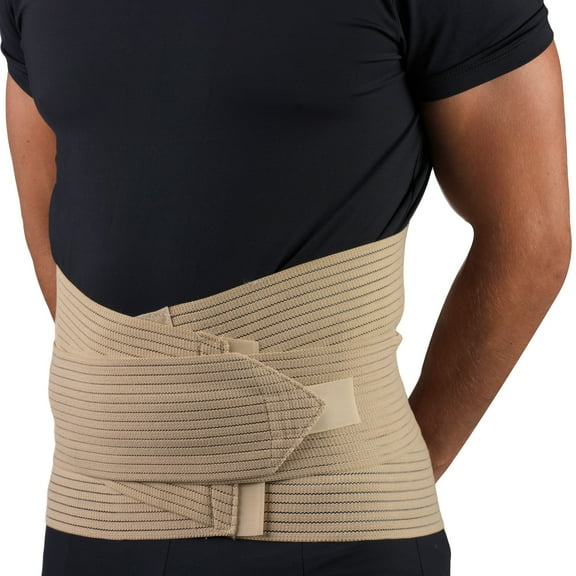
- You can choose a band when you want stretch that moves with your clothing and daily tasks.
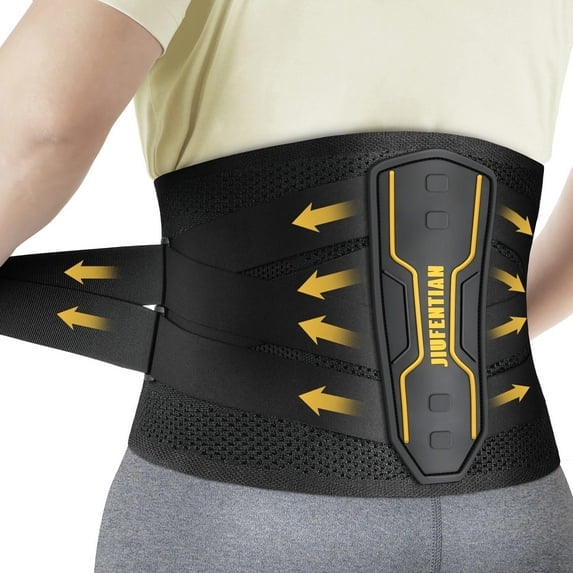
- You can pick a brace when you want firmer structure during longer seated periods.
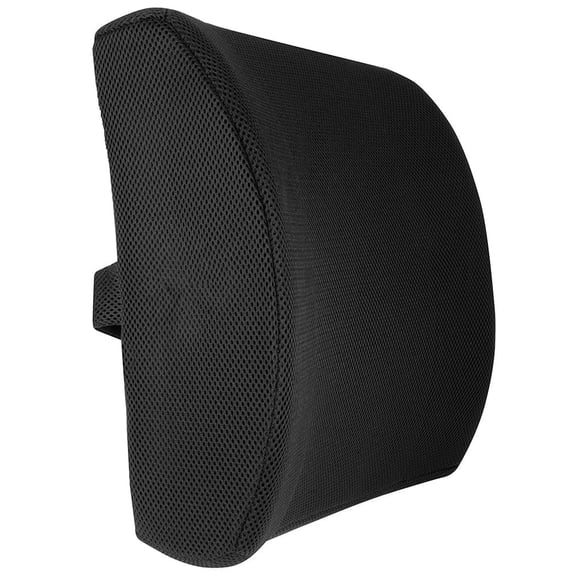
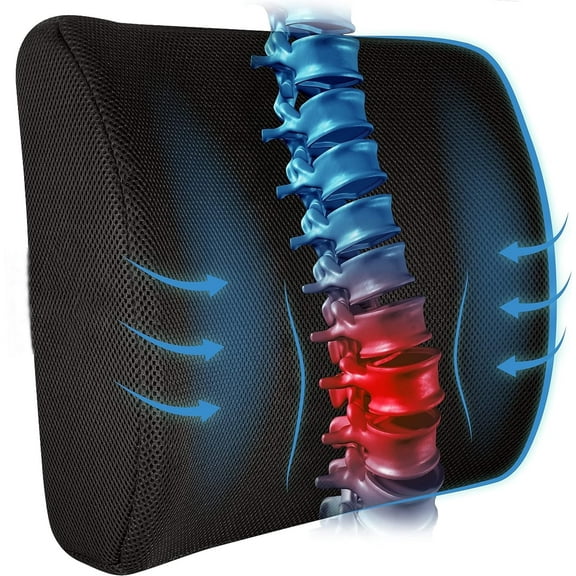
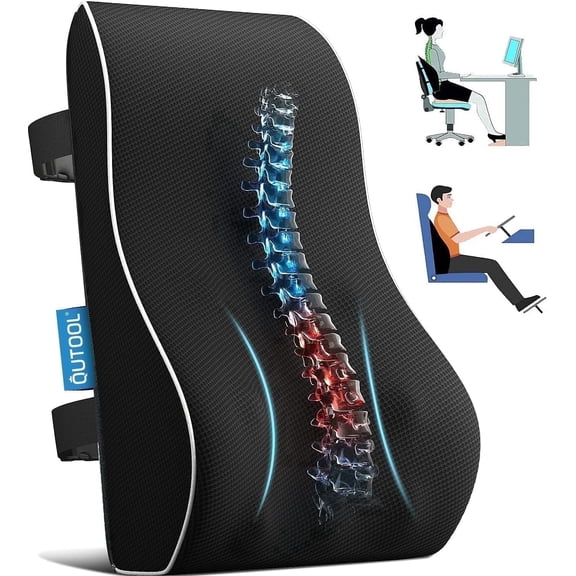
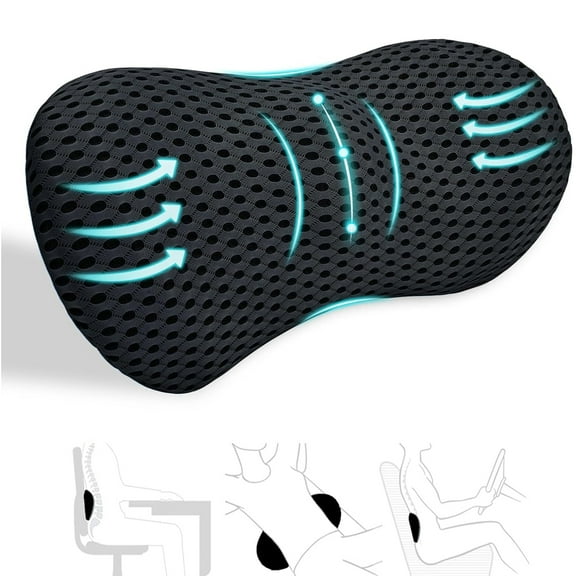
- You can select a strap when you want targeted placement on a chair or seat.
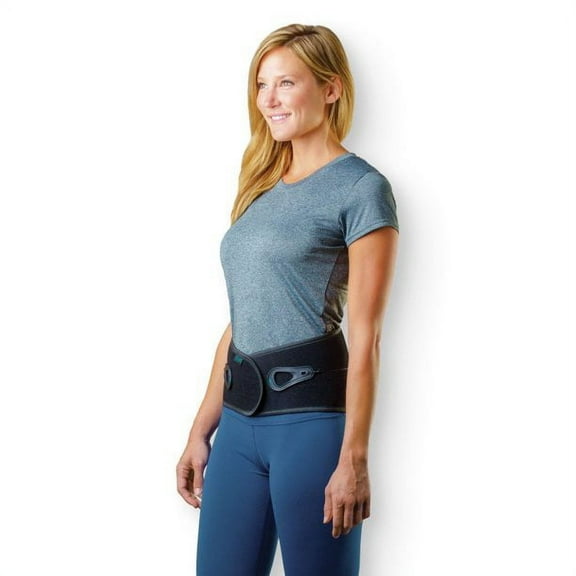
You may also notice wearable and chair-mounted options serve different needs. You can wear a lumbar support band under or over clothing, while chair supports stay in place on your seat.
When you compare these styles, you can think about how often you switch locations. If you move between home, work, and your car, you may want support that travels easily.
Choosing application and placement
You can get more from back lumbar support when you match it to your main setting. You should consider whether you spend more time at a desk, behind the wheel, in bed, or on your feet.
For office chairs, you can look for shapes that sit against your lower back without shifting. For car seats, you may prefer a slimmer profile that fits against built-in contours.
For wearable use, you can check how the closure adjusts through the day. For bed use, you may want softer materials and a shape that feels comfortable while reclining.
You can also compare how each option attaches or wraps. You may find hook-and-loop closures useful for quick fit changes, especially when your clothing layers change.
Comparing materials and breathability
You can often choose from elastic, mesh, neoprene, or memory foam materials. You should match the material to how long you plan to wear it and where you plan to use it.
Elastic can give you stretch that feels flexible during movement. Mesh can feel lighter when you sit for long hours and want more airflow around your back.
Neoprene can offer a close, secure feel that works well for wearable designs. Memory foam can contour to your shape on a chair, so your seat feels more consistent.
If breathability is your main priority, you can compare thinner panels, vented sections, and lighter fabric blends. If a snug fit is your main priority, you can look for wider wrap panels and secure closures.
Checking sizing and adjustability
You can make an informed pick when you measure first. You should check your waist for wearable styles, and you should measure your chair back for mounted supports.
Adjustability matters because your fit can change with clothing, posture, and seating position. You can look for wide fastening zones, dual straps, or flexible panels that let you fine-tune tension.
If you share a chair, you may want a support with easy repositioning. If you plan all-day wear, you may prefer a lumbar support belt with a fit that feels stable without constant readjustment.
You can also think about how visible or discreet you want your support to be. You may prefer a slim lumbar band under clothing, or you may want a wider belt with more coverage.
Matching lumbar support to everyday use
You can tailor your choice to the way your day actually looks. If you alternate between meetings and commuting, you may want one wearable option and one chair support.
For long desk sessions, you can pair a back support belt for chair use with an ergonomic setup. For frequent driving, you may want lumbar back support that stays aligned against your seat.
If you move around often, you can choose a lightweight belt or band that fits under everyday clothing. If you rest in bed with reading or screen time, you may prefer a softer cushion-like design.
You may also search for soporte lumbar when you want the same category of lower back support. You can use that term while comparing belts, bands, and chair-mounted options across your routine.
What to look for before you decide
You can simplify your decision by comparing support type, application, material, and target area together. You’ll feel more confident when your lumbar support belt matches your seat, your clothing, and your daily schedule.
You can use these decision points to narrow choices faster and avoid mismatched fit. You’ll end with back support that feels easier to wear, position, and keep in place.