

Car Window Tint in Car Window Parts & Accessories




























About Car Window Tint in Car Window Parts & Accessories - Walmart.com
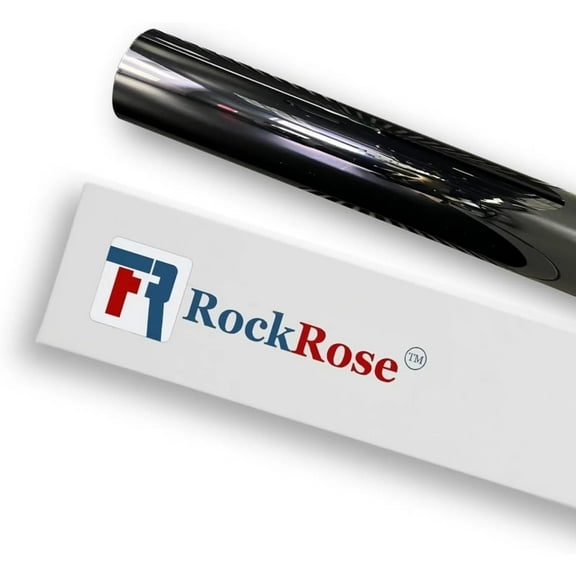
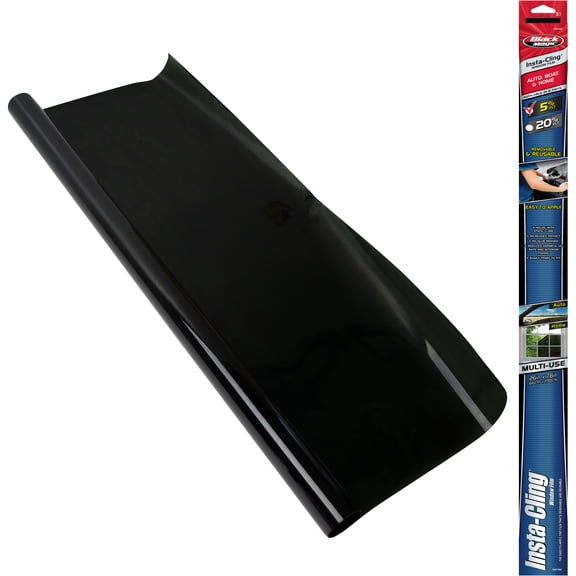
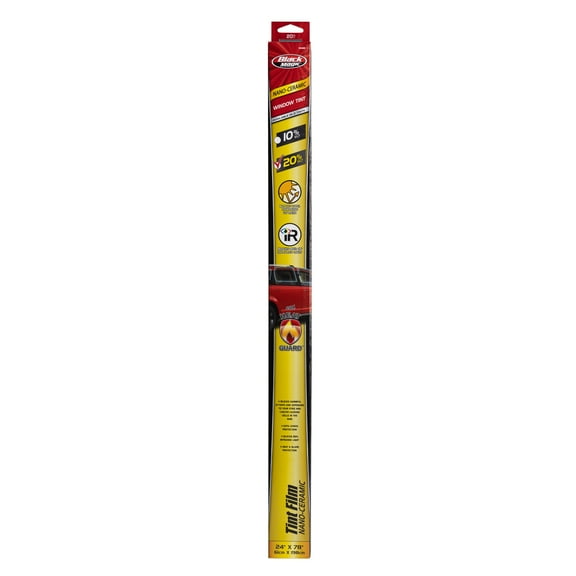
You can compare car window tint by VLT, material, and placement, so your vehicle gets the coverage and look you want. You can also narrow options for DIY installs, full vehicle kits, and specific glass areas.
How to choose car window tint
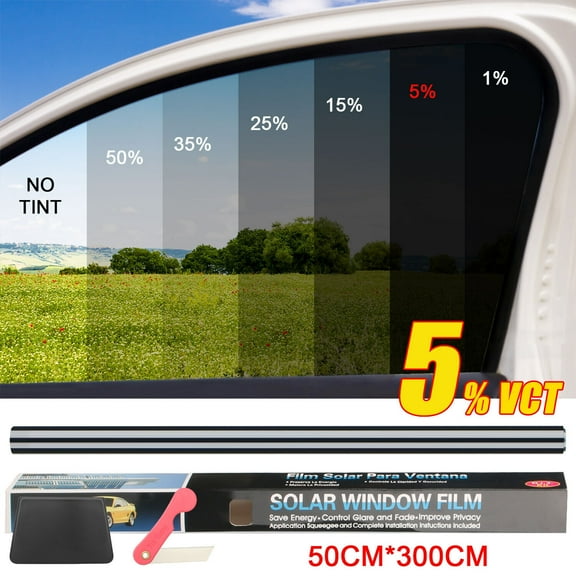
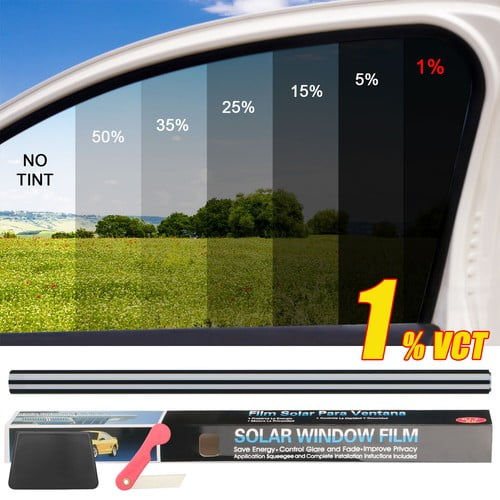
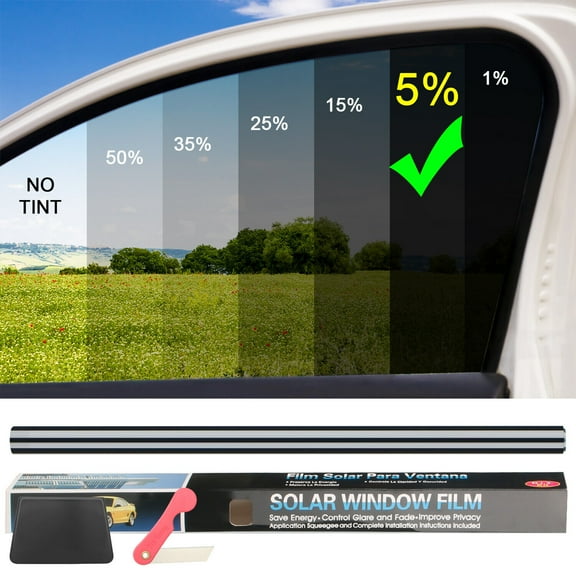
When you choose tint, you should start with visible light transmission, or VLT. You can use VLT to compare how dark your film looks once you apply it.
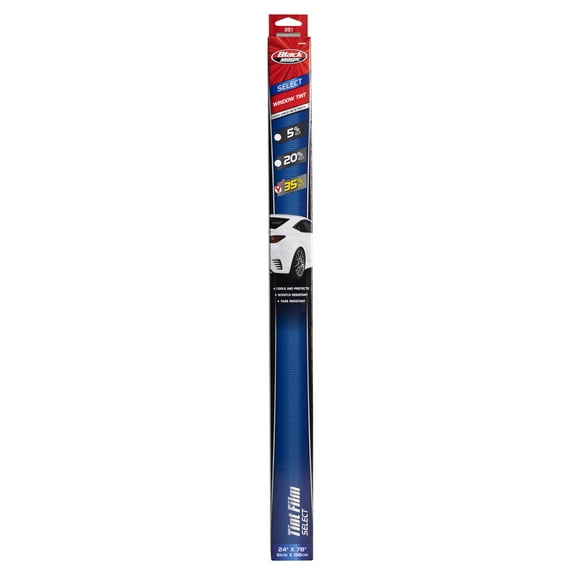
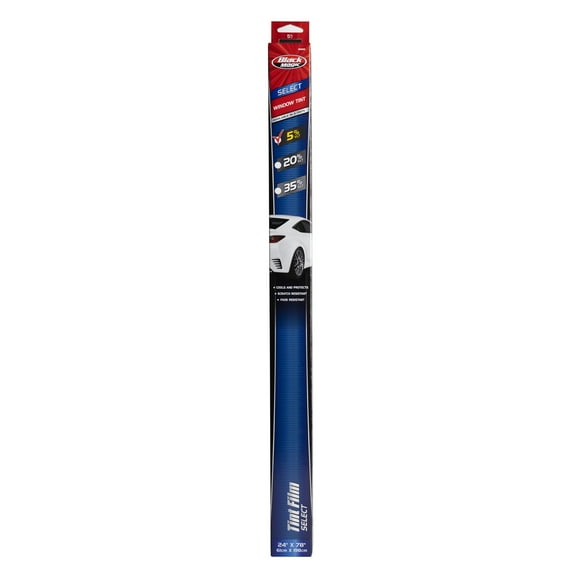
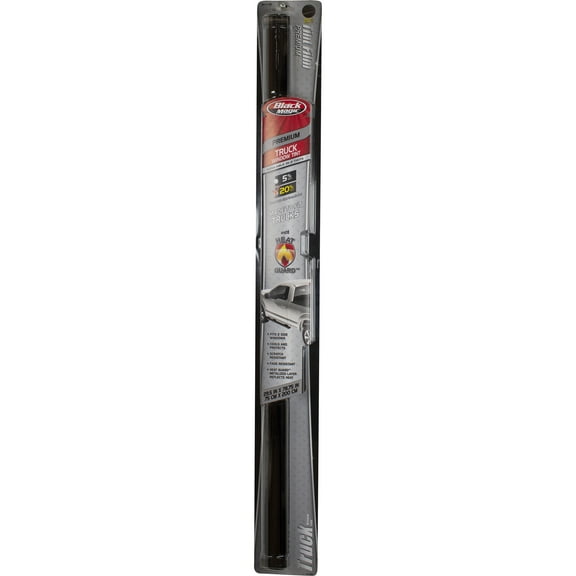
If you prefer a darker appearance, you may consider five percent or 20 percent film. If you want a lighter look, you may compare 35 percent or 50 percent options.
You should check your state rules before you install film on front side windows or a rear windshield. You can use the listed VLT percentage to narrow choices that fit your vehicle setup.
What to look for in car window film
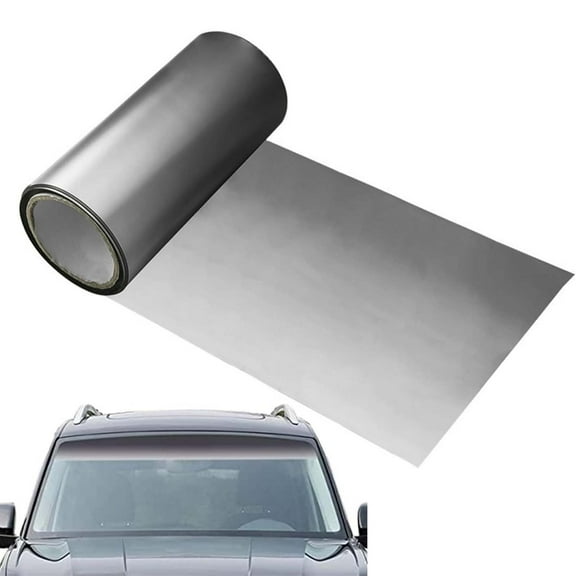
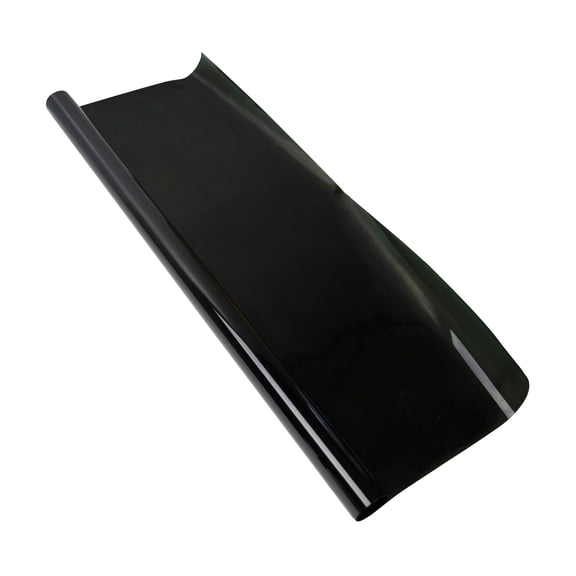
You can compare car window film by glare control, heat rejection, and long-term color stability. You should also check whether you need a roll, precut window tint, or a windshield tint strip.
- You can use lower VLT levels for a shaded cabin appearance.
- You can choose ceramic layers when you want stronger infrared heat rejection.
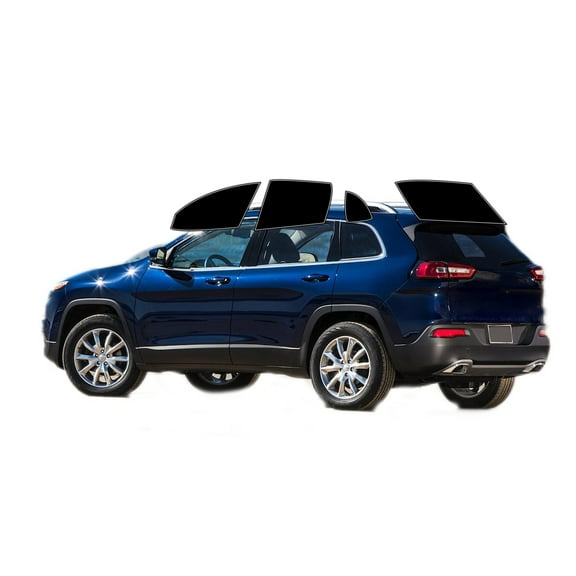
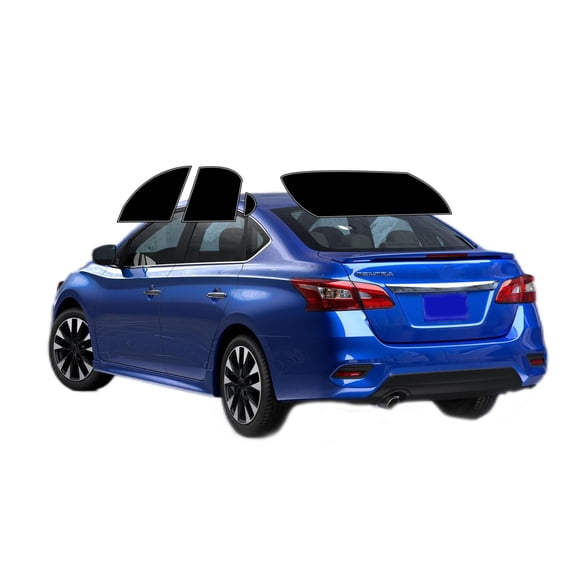
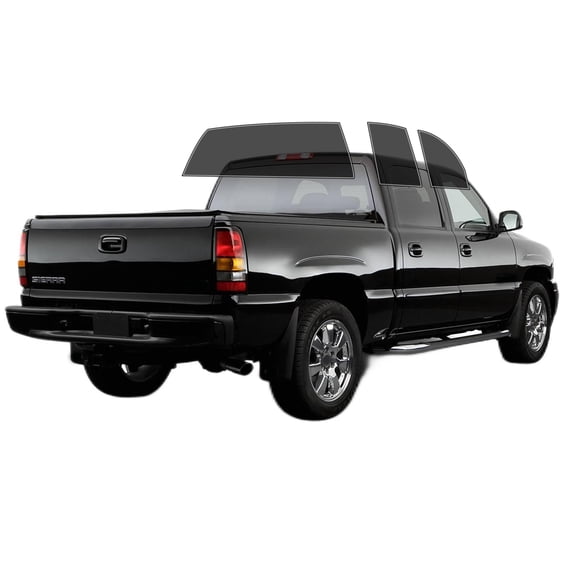
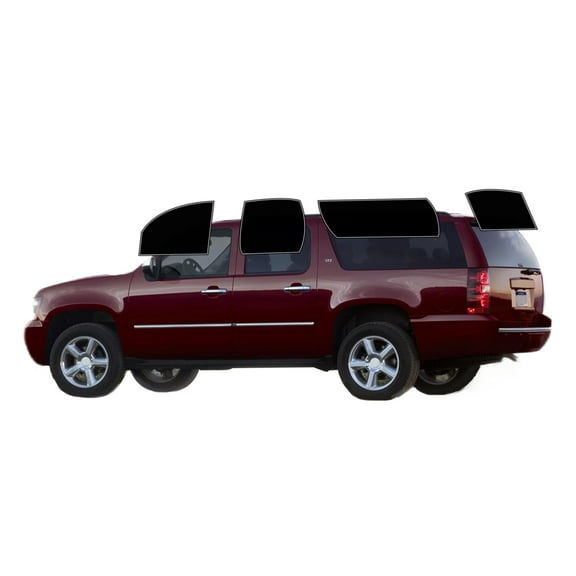
- You can pick precut window tint when you want easier alignment on specific windows.
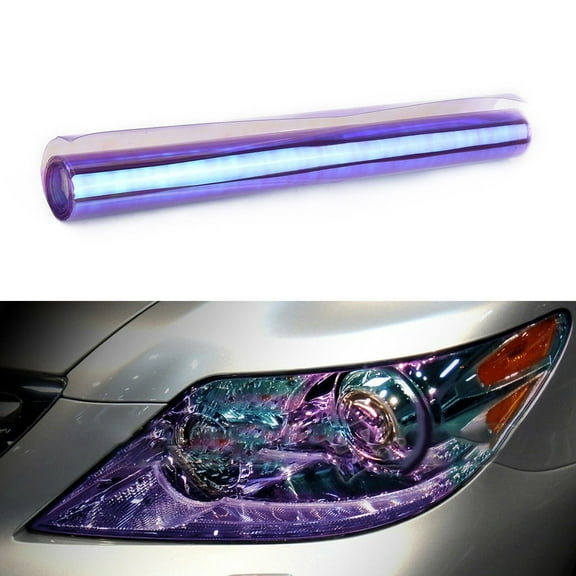
- You can select a sun strip when you want added shading across the upper windshield.
For daily driving, you may want film that keeps its color consistent over time. You can compare materials designed to resist fading, peeling, or a purple look.
If you’re tinting one section only, you can filter by placement before you choose. You may select front side windows, a rear windshield piece, or a full vehicle kit.
Choosing between ceramic window tint and other materials
You can compare material types by how they balance appearance, heat control, and install preference. Ceramic window tint is a common material shoppers check when cabin comfort matters.
If you want heat blocking window tint, you can look for high infrared rejection ratings. You’ll usually see ceramic constructions paired with high IRR numbers and clear outward visibility.
Carbon film may appeal to you when you want a darker finish without a shiny look. Dyed metalized options can work when you’re comparing appearance, signal considerations, and basic glare reduction.
Crystalline styles may suit you when you want a lighter appearance with added thermal control. You should compare product details closely, because light VLT and heat rejection can vary by construction.
Understanding VLT percentages and placement options
You can use VLT percentages as a simple way to judge how much light passes through the film. Lower numbers mean less visible light, while higher numbers mean a lighter result on the glass.
If you’re considering five percent window tint, you’re choosing a very dark look that shoppers often call limo tint. If you want a moderate appearance, you may lean toward 35 percent window tint.
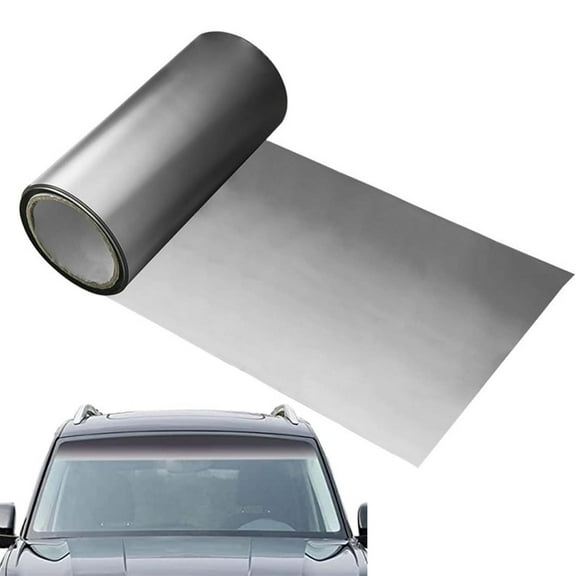
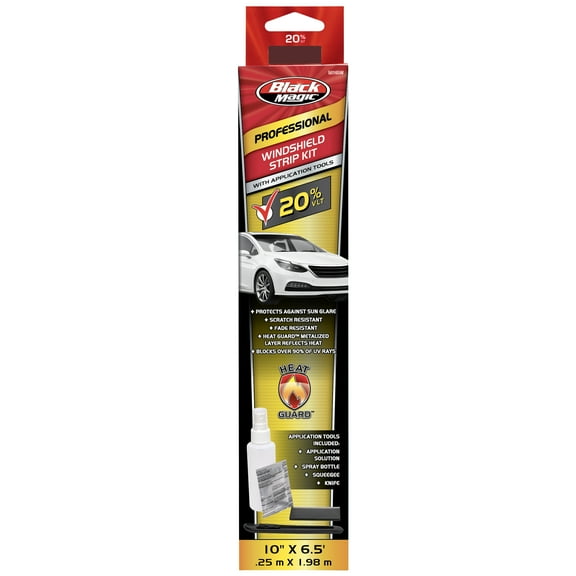
Placement also changes what you need to buy and how you’ll install it. You can choose a windshield tint strip for the top edge, or select pieces sized for side and rear glass.
When you want broader coverage, you can compare full vehicle kits with single-roll film. You should measure each window area carefully if you’re planning to cut film from a roll.
How to compare installation formats and tools
You can simplify installation by matching the film format to your experience level. Precut window tint can help you line up edges quickly, while rolls give you added flexibility for custom sizing.
If you’re working on multiple vehicles, you may prefer rolls that let you cut each panel as needed. If you want a quicker project, you may look for vehicle-specific kits.
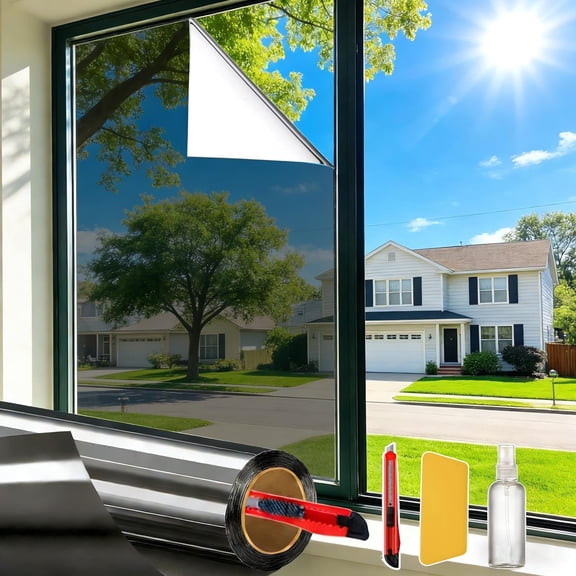
You’ll usually need a few tint tools to get a smooth finish on the glass. You can check for a squeegee, application solution, and a heat gun when the film requires heat forming.
On curved rear glass, you may need added shaping and shrinking during installation. You should compare product notes carefully if your rear windshield has a steep curve or defroster lines.
Matching car window tint choices to your driving needs
If you drive in strong sun, you may focus on ceramic film and high infrared rejection. You can use that combination when you want a clearer cabin feel without choosing a very dark look.
If you want a classic dark appearance, you may compare 20 percent tint with carbon film. You can use that route when style and glare reduction guide your choice.
For a quick update on one area, you may install a windshield tint strip first. You can add upper-windshield shading without replacing film on every window.
If you’re starting your first DIY tint project, you may prefer precut window tint kits. You can spend less time trimming edges and additional time smoothing the film into place.
You can narrow the right option by checking VLT, material, placement, and heat rejection together. When you compare those details carefully, your tint choice fits your vehicle and your driving routine.