


Find auto parts that fit
Let’s search for parts that fit your vehicle.Results for "automotive paint"


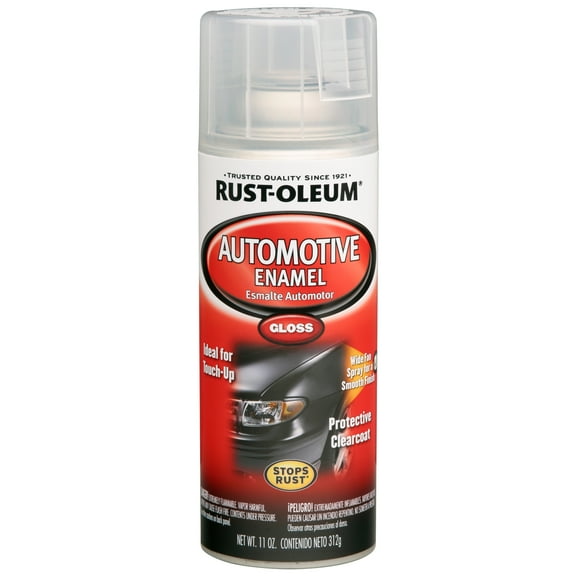
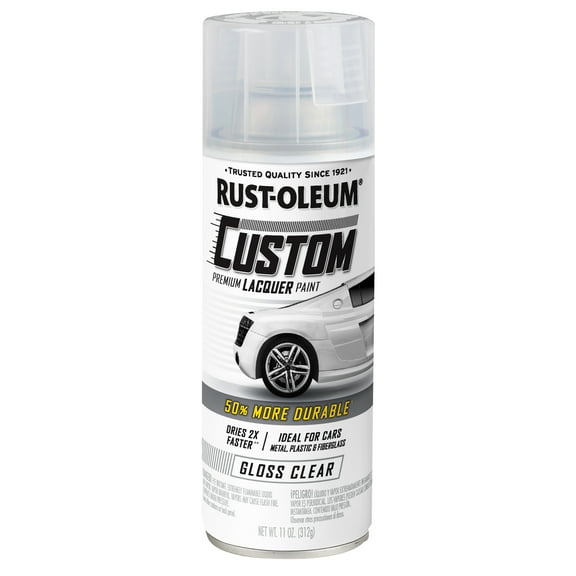
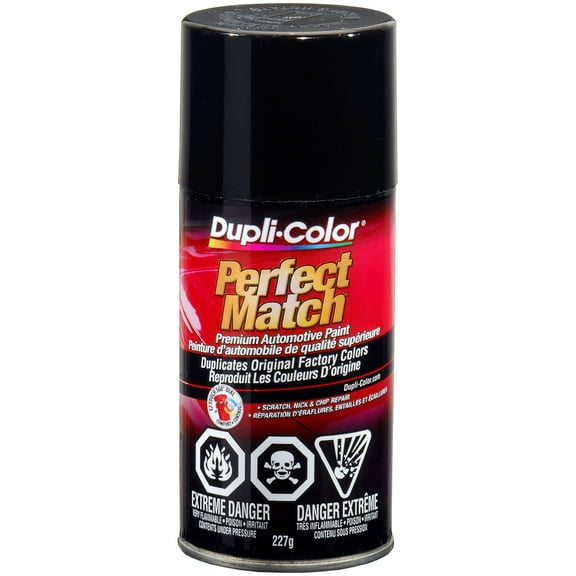










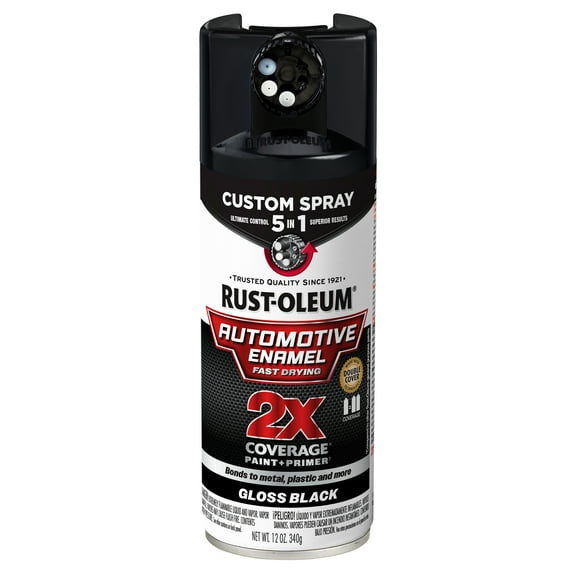


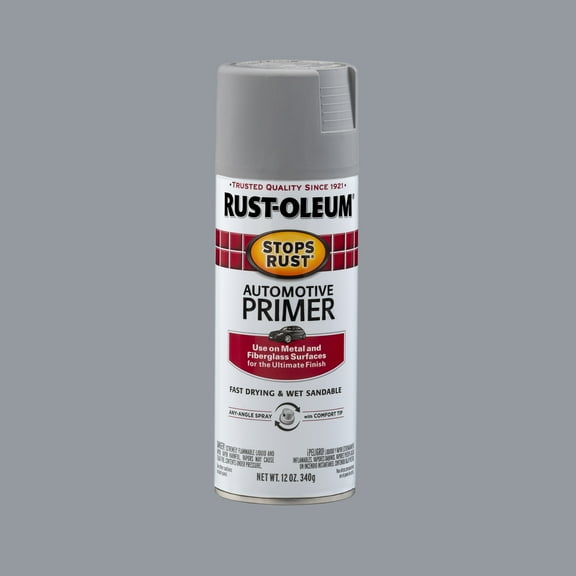





About
Automotive paint helps you restore faded panels, cover chips, and refresh your vehicle's finish with options built for color matching and surface prep. You'll find formats for small scratches, full panels, and multi-step refinishing, so your project can match your repair goals.
How to choose automotive paint
When you compare automotive paint, you should start with paint type, finish, and vehicle compatibility. You'll make quick choices when you match each option to the size of your repair.
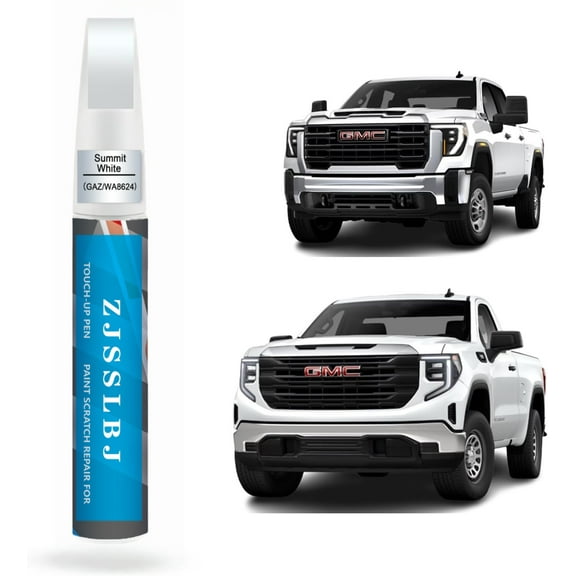
Spray paint works well when you want broad coverage across doors, fenders, or bumpers. A touch-up pen gives you more control when your scratches, chips, or edge wear need precise application.
Liquid paint can suit detail work when you prefer using separate tools for coverage and blending. Aerosol options can help you coat curved surfaces evenly when you want a ready-to-use format.
- You can use car spray paint for larger exterior sections that need even coverage.
- You can choose a touch-up pen when your repair area is narrow or highly visible.
- You can compare gloss, matte, satin, metallic, and flat finishes to match your vehicle's look.
- You can check universal, OEM color matched, and make-specific options before you start.
Choosing between car spray paint and touch-up formats
You should consider repair size first because application method affects control, coverage, and blending. Car spray paint usually fits larger panels, while car touch up paint fits chips around handles, mirrors, and hood edges.
If you're covering a bumper corner or door section, you may want wider spray coverage. If you're filling a small rock chip, you'll likely want a pen or bottle that keeps paint exactly where you place it.
You should also compare drying and curing expectations before starting your project. You'll want to check label directions so your paint has time to set before washing or waxing.
Understanding finish and color match decisions
You should match finish as carefully as color because gloss level changes how your repair looks in daylight. You'll often see gloss, satin, matte, metallic, and flat options that reflect light differently.
For exact color matching, you should look for your vehicle's OEM paint code before you buy. You'll usually find that code on your vehicle label, and it helps you narrow choices with more confidence.
If your vehicle uses a metallic shade, you should compare the listed finish and compatibility notes closely. You'll get a more consistent result when your finish type matches the surrounding factory paint.
How automotive primer and clear coat fit your project
You should think about the painting step before choosing color because not every repair starts the same way. Automotive primer helps you prepare bare spots, while color coats and top layers complete the visible finish.
If you're working on exposed material or sanded areas, you may need automotive primer first. You'll create a more even base when your color coat goes onto a properly prepared surface.
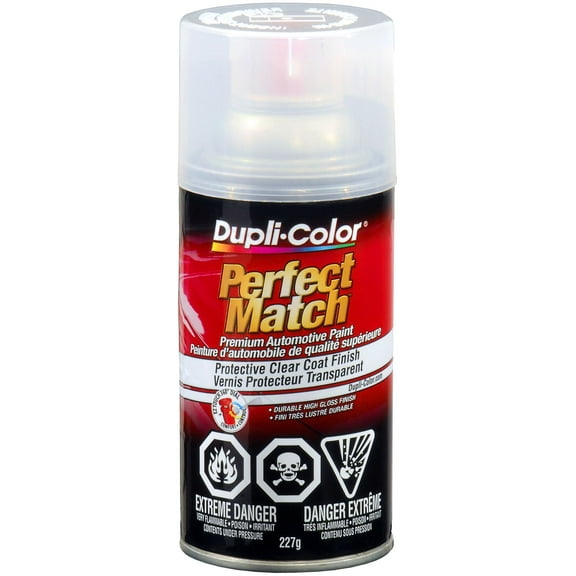
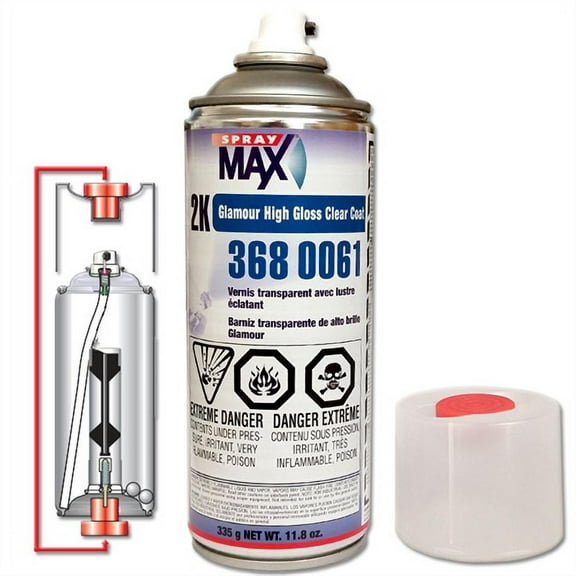
Clear coat spray paint can add the final outer layer when your paint system uses separate steps. You'll usually want that layer when your repair needs added gloss and a finish that matches surrounding coated panels.
Single-stage options can simplify smaller jobs because color and finish may come together in one product. You'll want to read the product format carefully so you know whether your project needs one step or several.
Checking vehicle compatibility before you apply
You should review compatibility details before opening any paint because universal and make-specific options serve different needs. You'll often see choices for broad use, OEM color matched use, or specific makes and models.
Universal paint can help when you need a common black, white, or utility coating for general parts. OEM color matched options can make more sense when your visible exterior panel needs a closer factory-style appearance.
If you're repairing a specific vehicle color, you should compare the listed code, finish, and model fit. You'll reduce guesswork when all three details line up before application.
Using automotive paint for common repair jobs
You can use scratch repair paint when door edges, trunk lips, or bumper corners show small marks. You'll often prefer a compact applicator when the damaged area is tight and easy to overfill.
For larger cosmetic updates, you can use car spray paint on mirrors, trim pieces, or replacement panels. You'll appreciate broader spray patterns when you need smoother coverage across a wider section.
If you're refreshing an older finish, you may pair automotive primer, color match paint, and clear coat spray paint. You'll get a more organized process when you treat prep, color, and top layer as separate decisions.
You should also gather masking tape, sandpaper, and prep supplies before you begin. You'll work neatly when your surface is clean, your edges are covered, and your paint type matches the repair size.
What to look for before you finish
You should confirm paint type, finish, application step, and compatibility before starting your repair. You'll feel more confident when your automotive paint matches your vehicle code, your project size, and your final finish goals.