

ATV Tie Down Straps in ATV Transport & Storage




















About ATV Tie Down Straps in ATV Transport & Storage - Walmart.com
ATV tie down straps help you secure your machine for transport with controlled tension and trailer-ready hardware. When you compare strap type, load rating, hook style, and length, you can choose a setup that fits your hauling routine.
If you haul to trails, tracks, ranch land, or hunting property, you need tie-downs that stay easy to tension and easy to check. You’ll also want options that work with handlebars, frame points, racks, or wheel chocks without extra guesswork.
How to choose ATV tie down straps
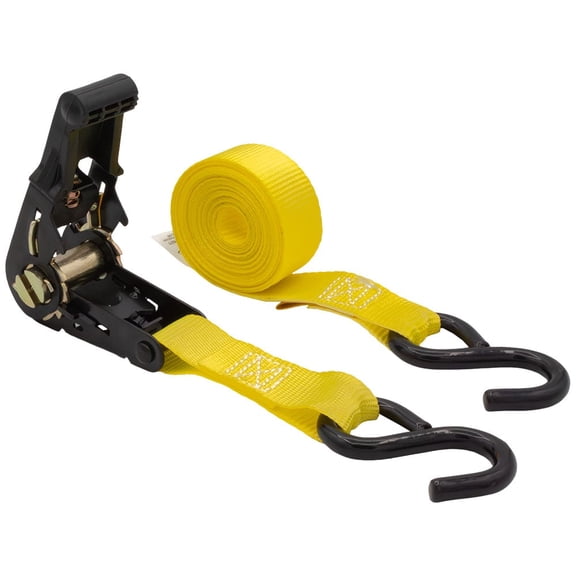
You should start with strap type because each design changes how you tighten and position your load. Ratchet straps let you add firmer tension, while cam buckle straps give you quicker adjustments with fewer handle turns.
You should also compare your vehicle type before you choose a set. ATV setups often differ from UTV tie down straps because side-by-sides may need different reach, anchor angles, and strap counts.
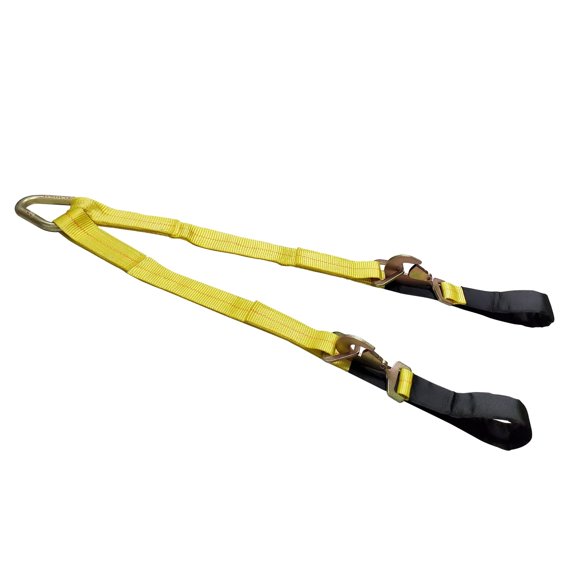
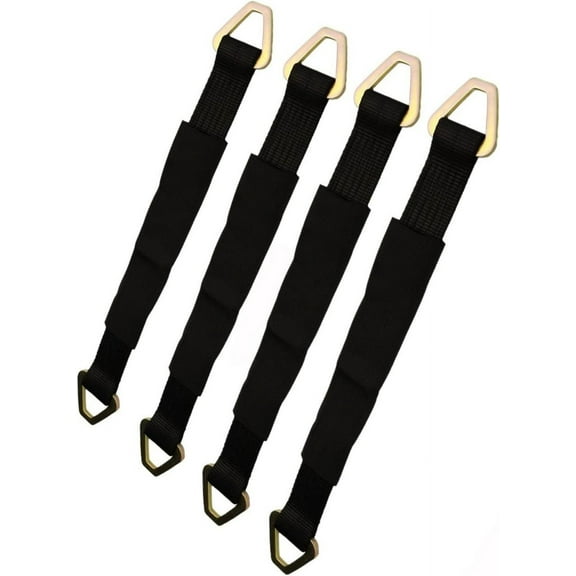
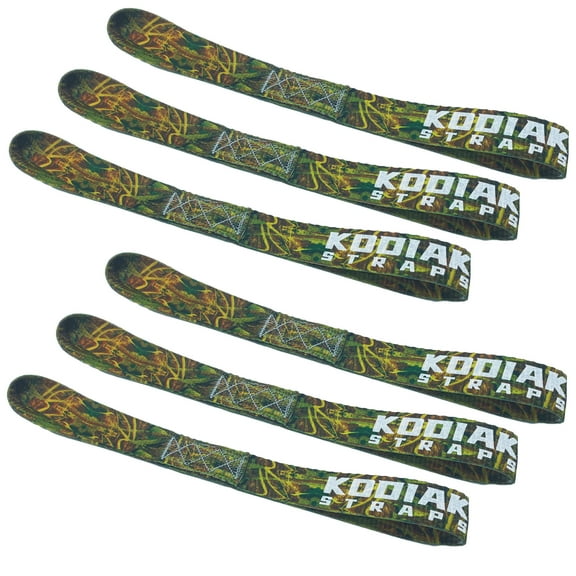
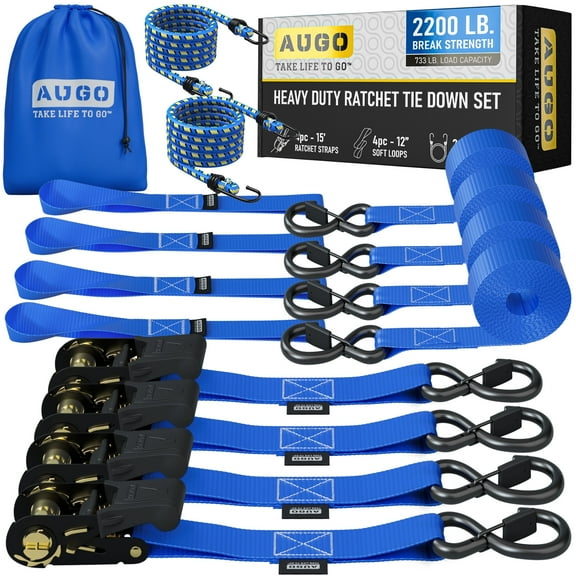
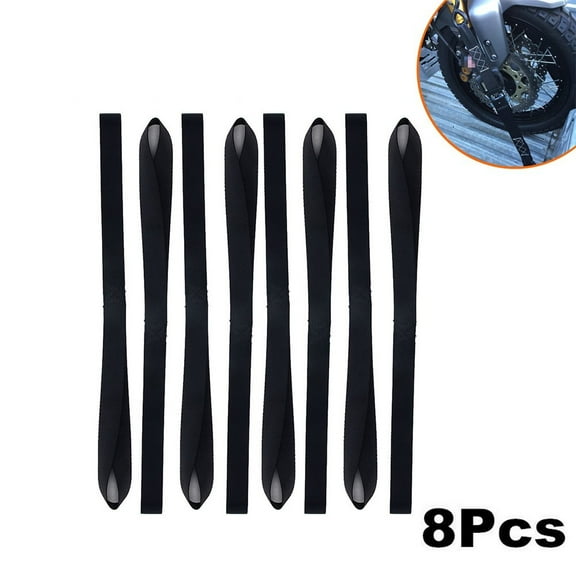
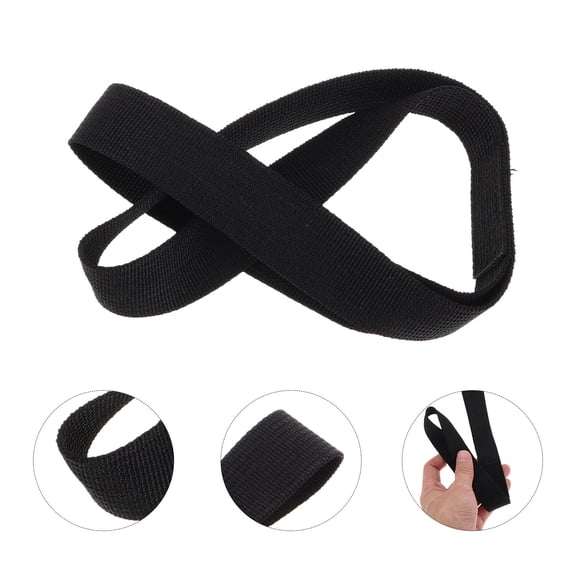
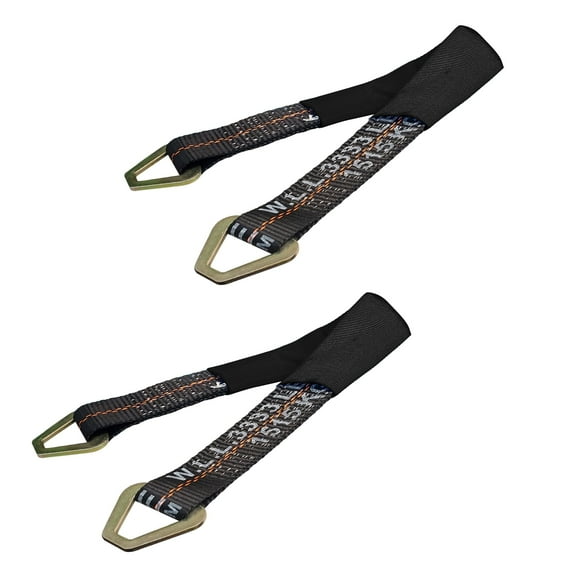
Soft loop tie downs matter when you want a connection point without placing a metal hook against painted or plated surfaces. You can wrap a soft loop around bars or frame sections, then attach your main strap to that loop.
Choosing between ATV ratchet straps and cam buckle straps
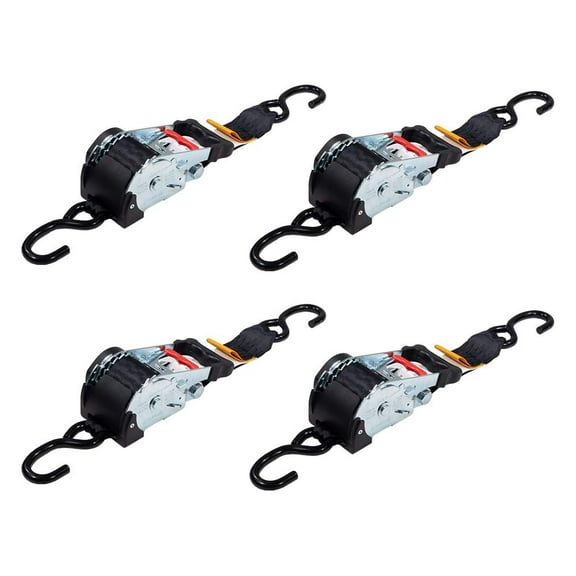
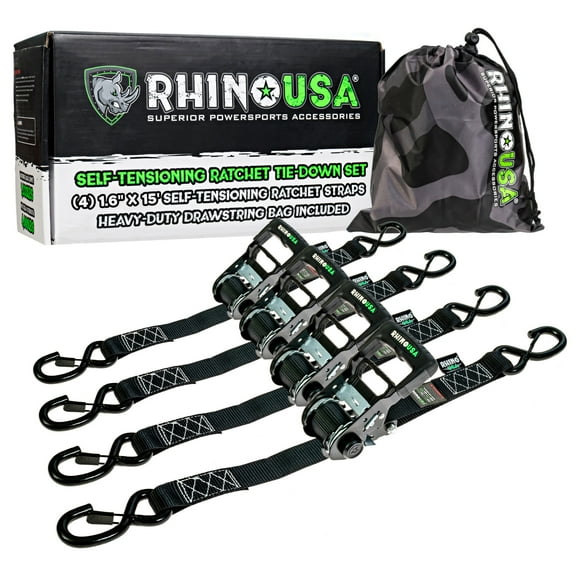
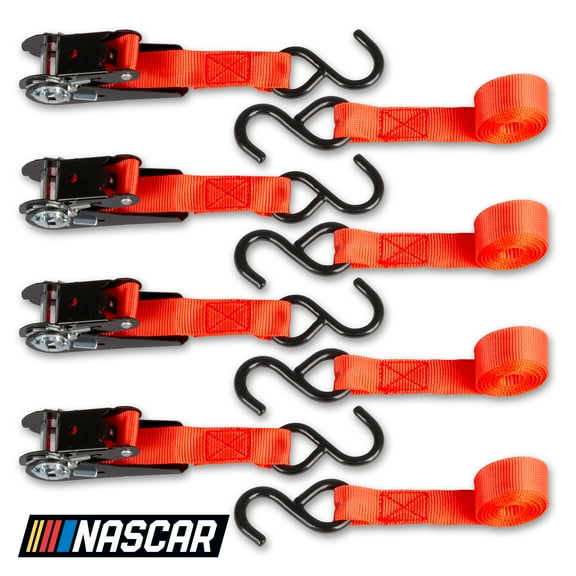
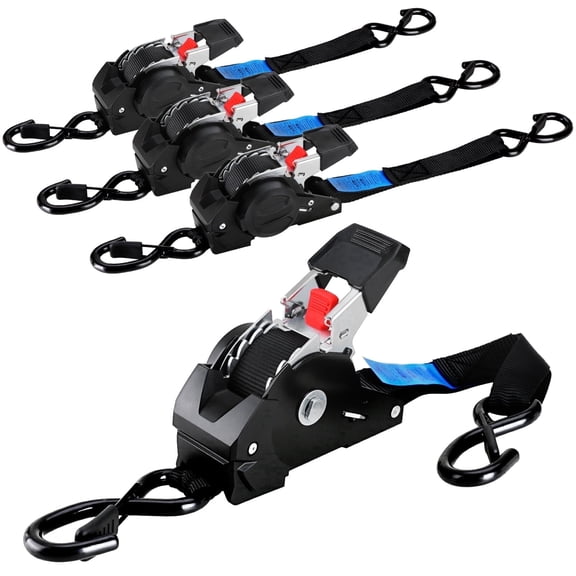
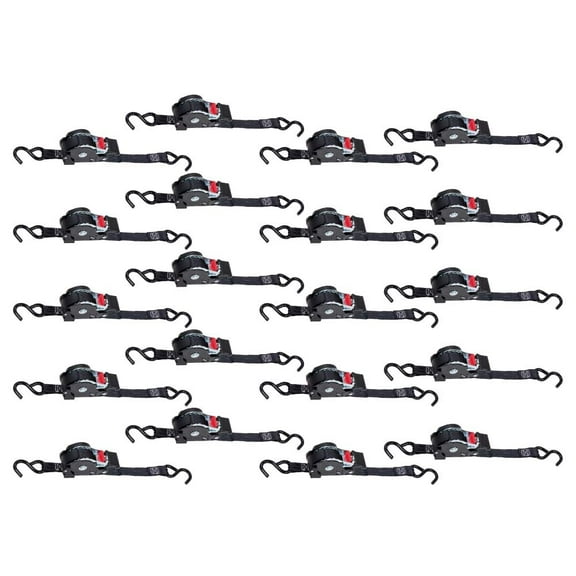
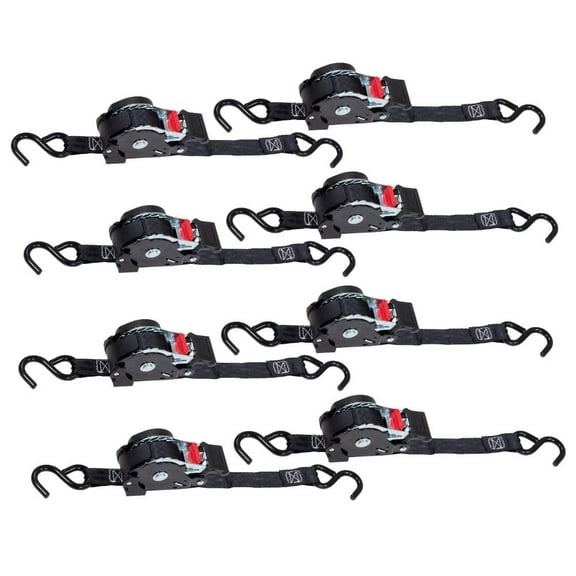
ATV ratchet straps work well when you want controlled tightening for longer highway trips or uneven trailer movement. You can turn the ratchet in small steps, which helps you fine-tune tension across front and rear tie-down points.
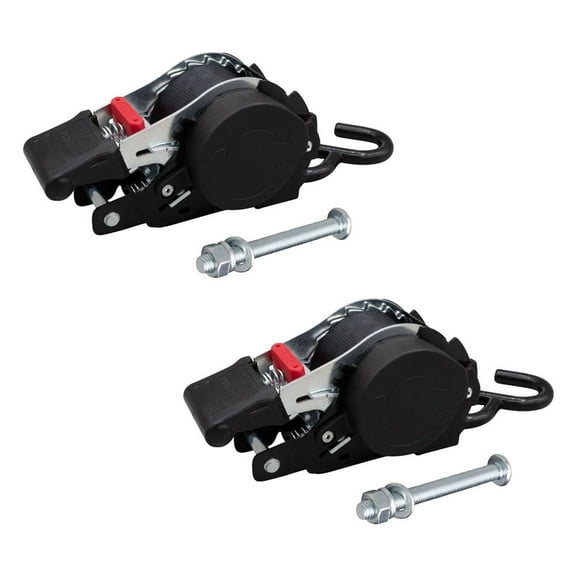
Cam buckle straps can suit lighter securing jobs when you want faster loading and unloading. You pull the webbing through the buckle by hand, so you can make quick changes without using a ratcheting handle.
You should compare how often you haul and how much adjustment you like during loading. If you recheck tension often, you may prefer a mechanism that lets you make small changes without restarting your setup.
- You can use ratchet styles when you want firmer, more precise tightening.
- You can choose cam buckle styles when you want quicker adjustments during loading.
- You can add soft loop tie downs when you want less metal contact on painted parts.
- You can compare kits with multiple straps when your trailer has wider anchor spacing.
Choosing load ratings and heavy duty tie down straps
You should check Working Load Limit, or WLL, before you compare colors, handles, or hook shapes. That number tells you how much load the strap handles during regular transport.
You should also check break strength because that rating shows the point where the assembly may fail under force. You should treat that number as a ceiling, not as your everyday hauling target.
Heavy duty tie down straps can make sense when you haul larger machines or use longer trailers. You may see ratings such as 1000 lbs or 3000 lbs, and you should match those numbers to your vehicle and trailer setup.
You’ll also want to compare front and rear restraint needs instead of thinking about one strap alone. A balanced setup helps you secure your machine from multiple directions when your trailer turns or bounces.
Choosing hooks, soft loops, and strap length
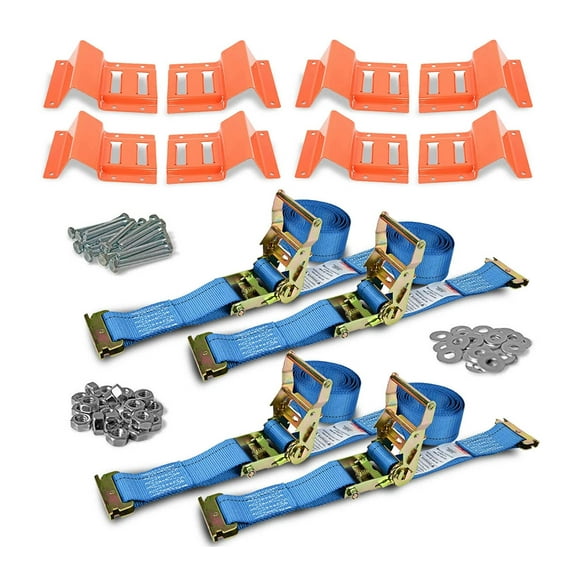
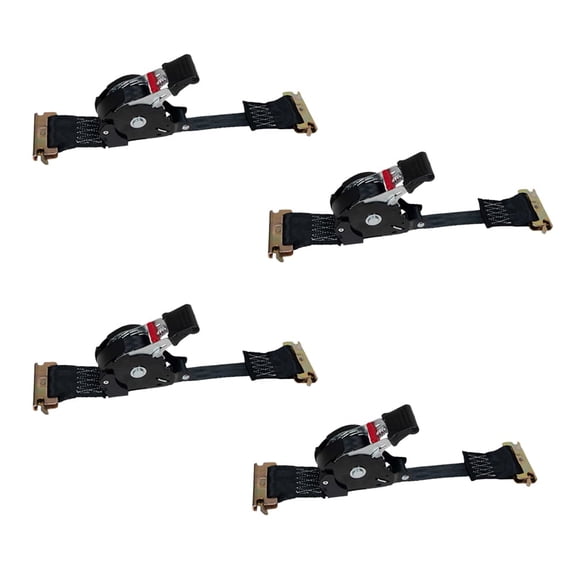
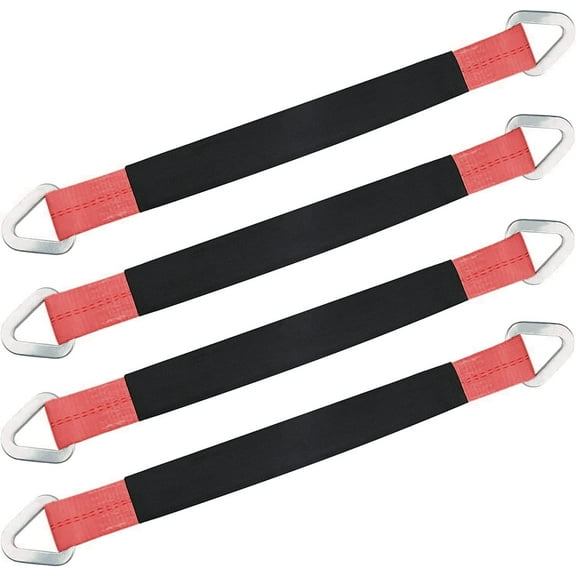
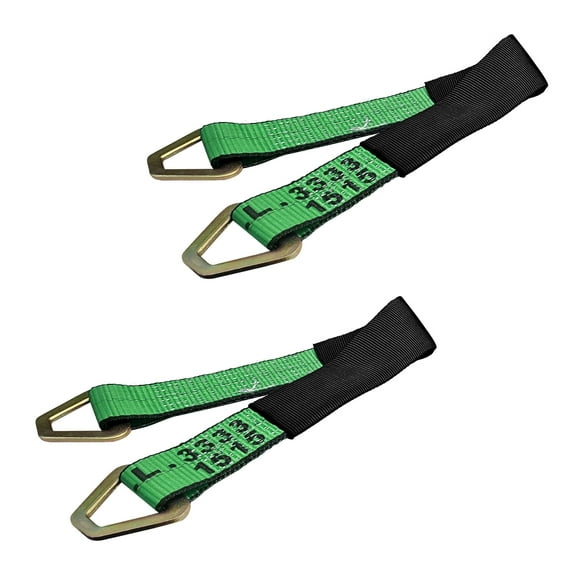
You should look at end fittings next because hook shape affects how easily you connect to anchor points. S-hooks, double J-hooks, and flat hooks each fit different rails, rings, and trailer edges.
Rubber-coated S-hooks can help you reduce direct contact where finish marks matter. Flat hooks can spread contact across a wider edge, while double J-hooks can fit some enclosed or recessed anchors.
You can use soft loop tie downs when your machine has bars, frame sections, or tight spaces that don’t suit direct hook contact. That setup gives you a fabric connection point, which can simplify routing around painted parts or chrome pieces.
Strap length matters because you need enough reach for your trailer layout without leaving excess webbing in the way. For many setups, you may compare lengths around six to eight feet for common tie-down paths.
Matching ATV tie down straps to your hauling setup
You can use shorter routes and ratchet styles when your ATV sits centered over open trailer anchor points. That combination can help you create a tidy path from the frame or bars to the trailer corners.
If you haul a wider side-by-side, you may compare UTV tie down straps with longer reach and hardware that fits broader anchor spacing. You’ll want to check whether your trailer needs flatter hook contact or longer webbing paths.
You might prefer soft loops and coated hooks when your motorcycle or dirt bike has finish-sensitive contact areas. That approach can help you route straps around bars or frame sections with less metal contact.
For repeated weekend hauling, you should look for webbing that stays easy to thread and release after road dust and weather exposure. You’ll appreciate clearly labeled ratings when you need to recheck your setup before the next trip.
When you compare strap type, load rating, end fitting, and length together, you can build a transport setup that feels organized and easy to repeat. The right ATV tie down straps help you secure your machine with a cleaner fit and more confident trailer loading.