

ATV Back Rests & Four Wheeler Back Seats | Walmart




























About ATV Back Rests & Four Wheeler Back Seats | Walmart - Walmart.com
ATV back rests help you add passenger support, ride comfort, and fitment confidence for trail days, ranch work, and longer outings. You can compare universal and model-specific options, plus mounting styles, materials, and storage designs that match your ATV setup.
How to choose ATV back rests
You’ll want to start with compatibility, because fitment shapes how securely your backrest mounts and how cleanly it sits on your machine. You should check your year, make, and model before choosing a universal or model-specific design.
If you ride a Polaris, Can-Am, or Honda ATV, you may prefer a model-specific option with hardware shaped for that platform. If you want broader flexibility, you can consider universal styles that fit many rear racks.
You can narrow your options faster when you compare the key decisions that affect daily use and installation. You may focus on these details before you choose your final setup.
- You can use model-specific fitment for a more tailored mount on select ATV platforms.
- You can choose universal designs when you want wider compatibility across different machines.
- You can compare rack-mounted, bolt-on, and quick-detach styles based on your preferred install method.
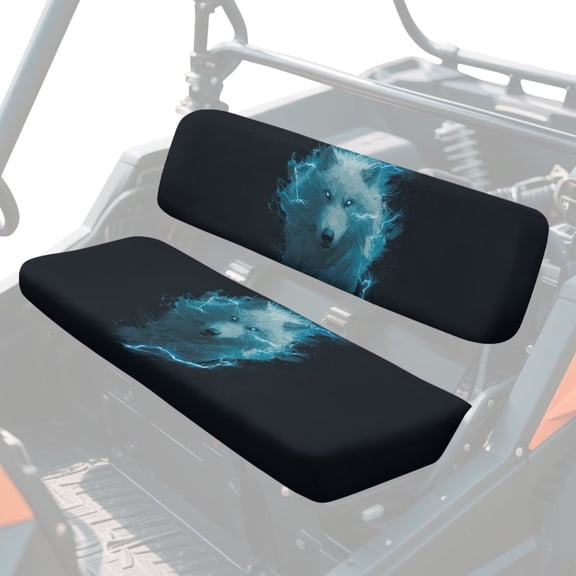
- You can look for waterproof vinyl, heavy-duty steel, and high-density foam for outdoor riding conditions.
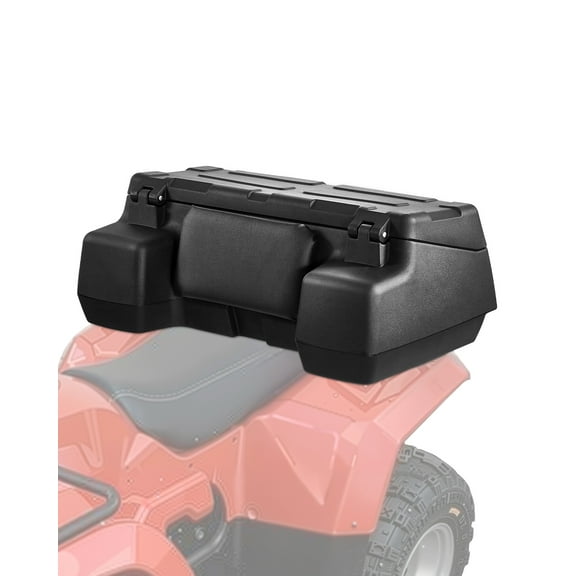
- You can select standalone units or an atv rear seat with backrest and storage integration.
Choosing the right ATV passenger backrest
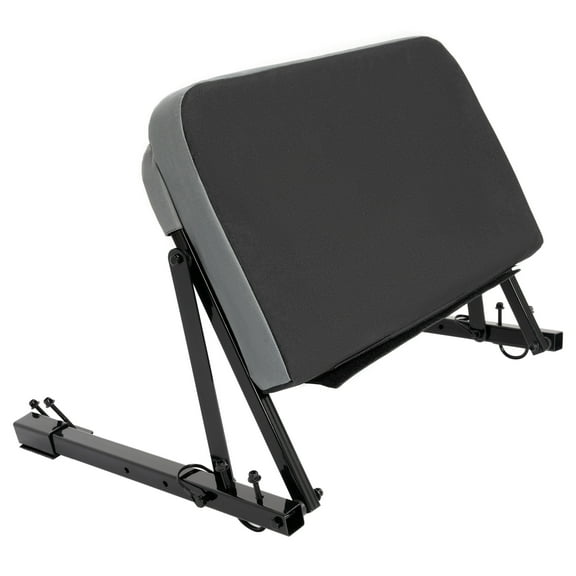
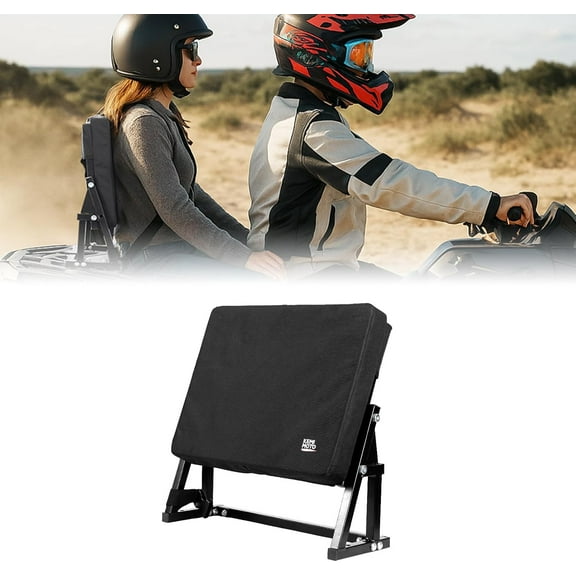
An atv passenger backrest can help you create a steadier seating position for a second rider on rougher ground. You may notice that padded support feels especially useful during longer trail loops and uneven terrain.
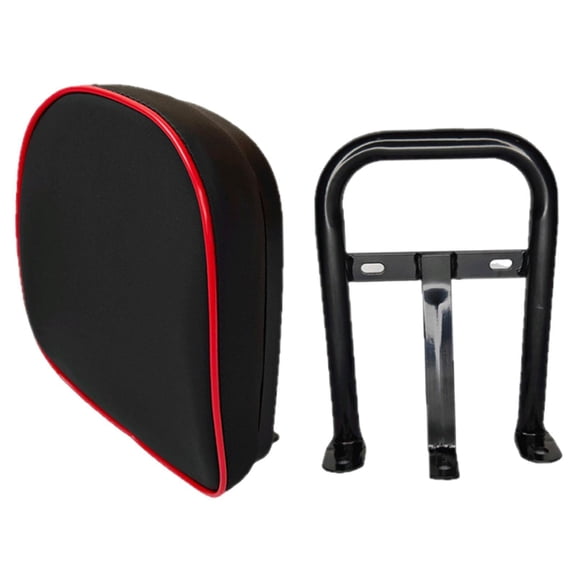
You should compare mounting type next, because installation methods affect convenience and rack access. Rack-mounted units usually attach to existing rear racks, while bolt-on styles may use dedicated brackets.
If you remove accessories often, you can consider quick-detach designs that let you change your setup with less downtime. If you want a more fixed arrangement, you may prefer hardware that stays mounted between rides.
You should also check whether you need to drill or whether the backrest uses existing attachment points. That detail matters when you want a cleaner install process and easier compatibility planning.
What to look for in materials and support
You can use materials as a shortcut for durability and comfort, especially when your ATV sees mud, sun, and changing weather. Waterproof vinyl can help your seating surface shed moisture, while heavy-duty steel supports the frame structure.
High-density foam matters when you want support that feels firm without flattening quickly under repeated use. You may also prefer ergonomic contouring when you want your quad backrest support to feel more stable over bumps.
You should look at hardware finishes and bracket construction when you compare outdoor durability. Rust-resistant hardware and coated metal parts can help your setup stay presentable through repeated trail exposure.
You’ll also want to consider seat shape and pad thickness, because those details affect how naturally your passenger sits. A wider cushion can feel roomier, while a more compact pad can preserve rack space.
Comparing ATV rear seat with backrest options
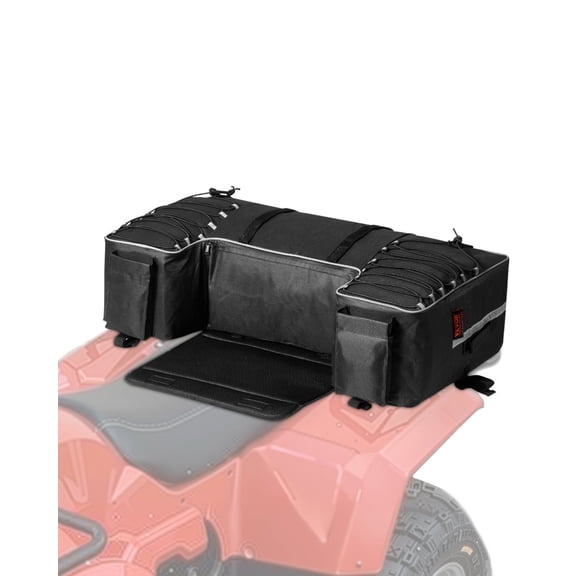
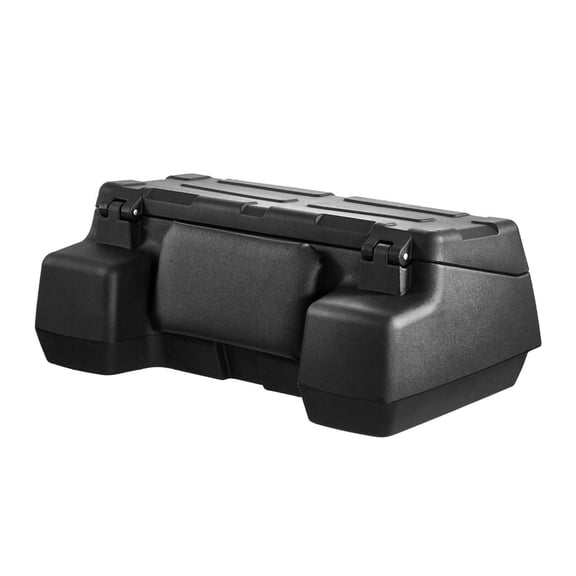
An atv rear seat with backrest can give you passenger support and added utility in one setup. You can choose standalone designs, integrated cargo boxes, or storage pouches based on how you carry gear.
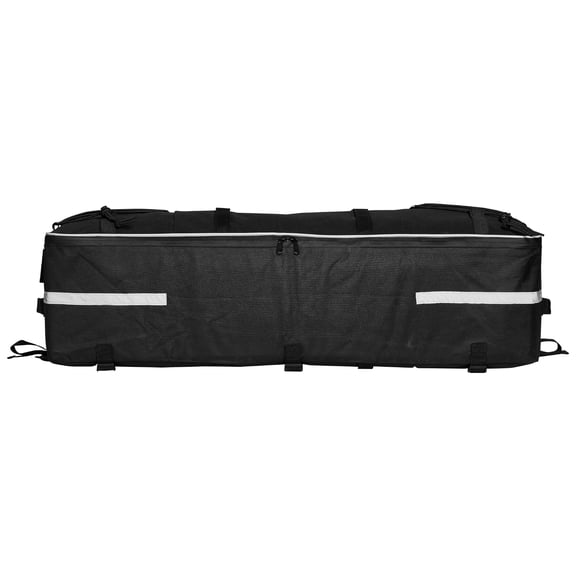
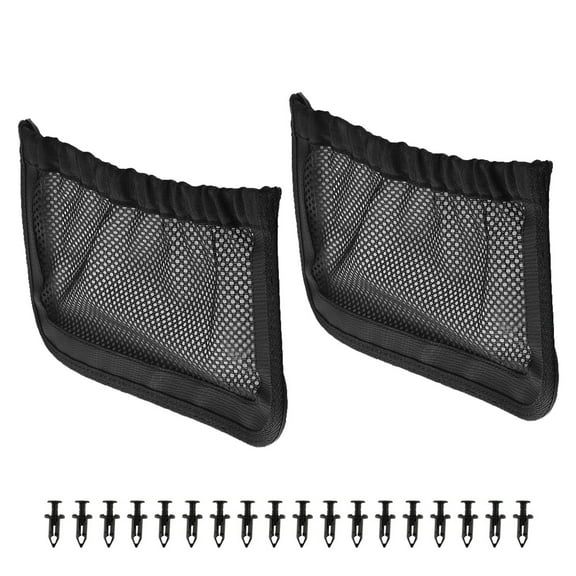
If you bring tools, gloves, or small trail essentials, you may like a backrest with a storage pouch. If you carry bulkier items, you can compare integrated cargo box styles that combine seating support with rear storage.
You should measure your rack area before choosing a larger combination unit, especially if you already use cargo accessories. That step helps you confirm that your seat and storage layout works with your ATV’s rear platform.
You can also think about how often you ride solo versus with a passenger. A compact standalone backrest may suit simpler setups, while a larger combo unit may fit utility-focused rides.
Using fitment and features for real riding needs
You may want universal ATV back rests for mixed fleets, shared property use, or older machines with fewer dedicated accessories. You can use fitment charts to confirm rack size, mounting points, and overall compatibility before you choose.
If you ride one platform consistently, you may prefer a model-specific backrest shaped for your exact machine. That route can make year, make, and model fitment easier to evaluate during your search.
You can choose bolt-on support when you want a more fixed rear setup for regular passenger use. You can choose quick-detach hardware when you switch between hauling cargo and carrying a second rider.
For trail riding, you may focus on padding, contouring, and weather-ready coverings that handle repeated outdoor use. For work around land or property, you may prioritize steel framing, secure brackets, and storage integration.
When you compare these dimensions together, you can match compatibility, mounting style, comfort, and storage to your actual riding routine. You end up with support that fits your ATV and keeps your passenger area more usable.