


Find auto parts that fit
Let’s search for parts that fit your vehicle.ATV Axles in ATV Drivetrain













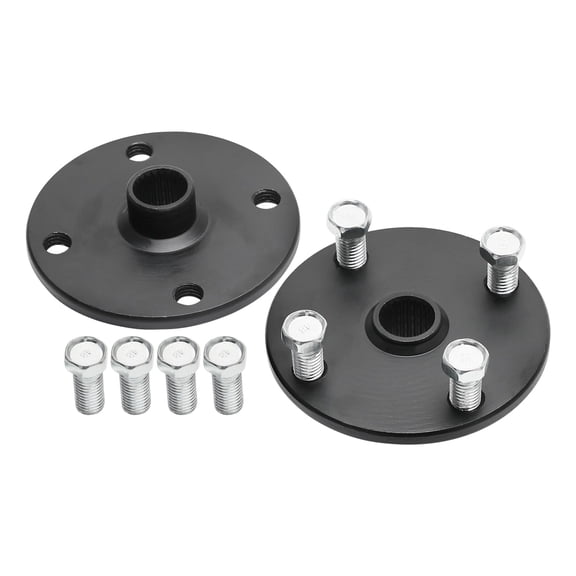


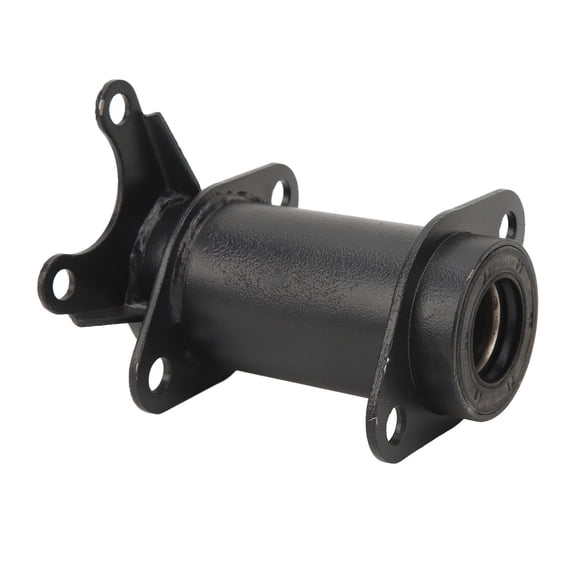
About ATV Axles in ATV Drivetrain - Walmart.com
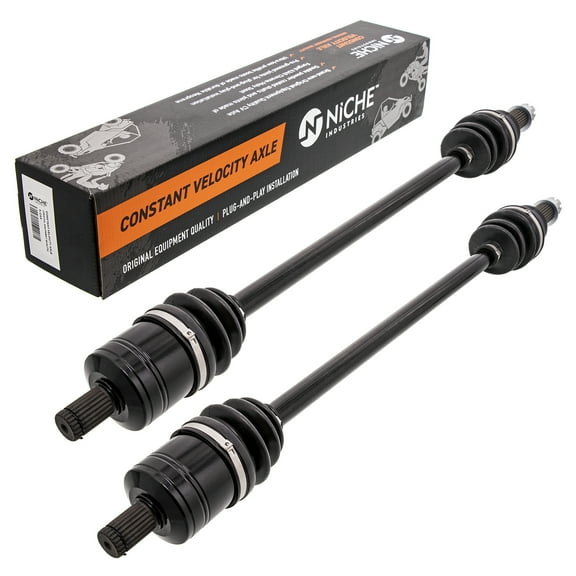
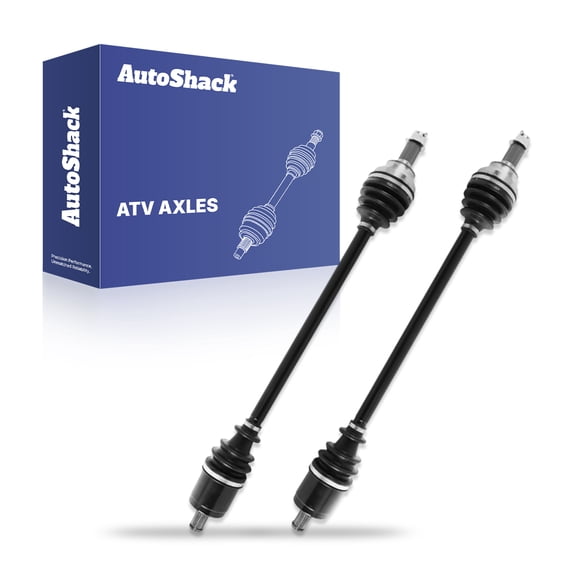
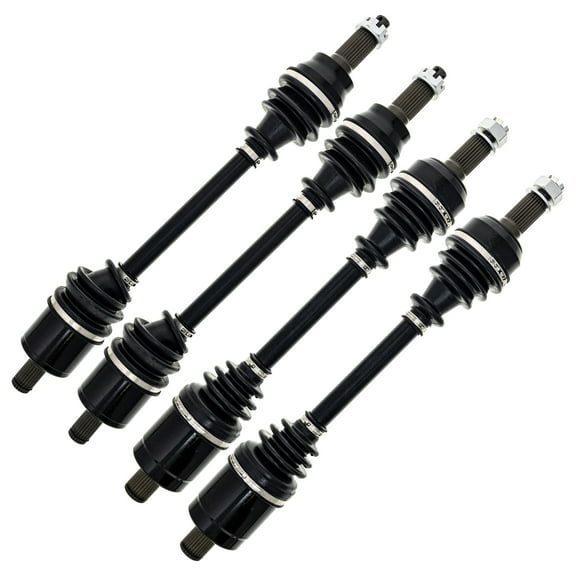
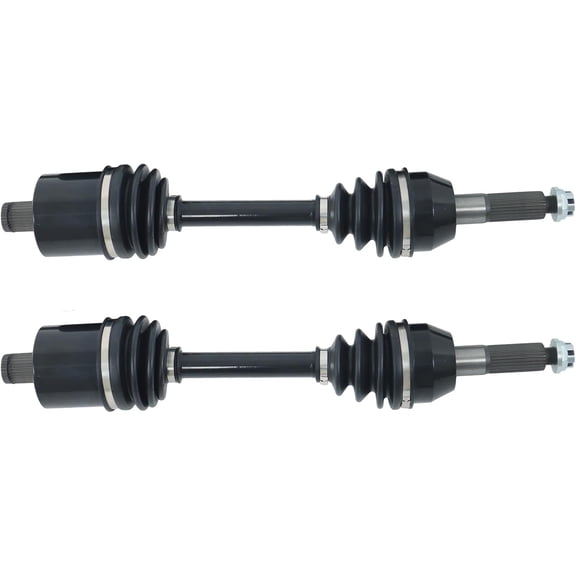
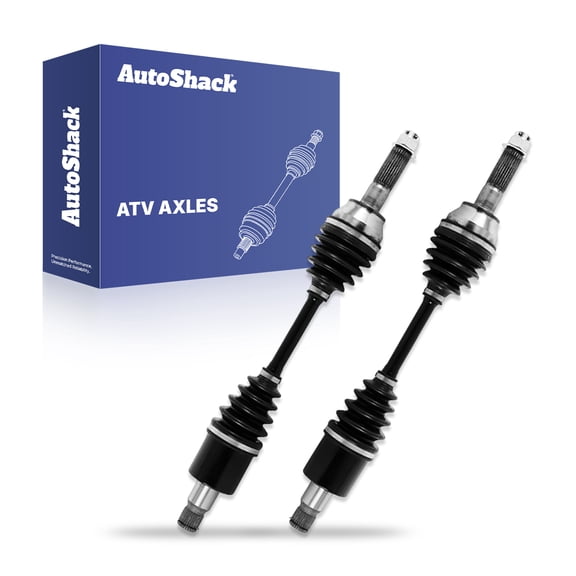
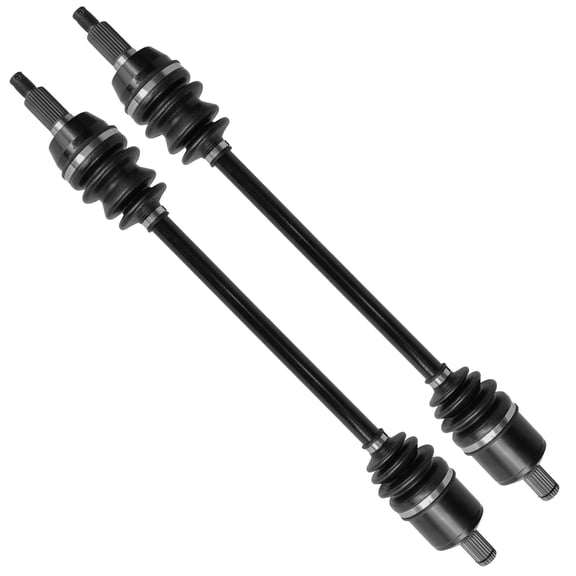
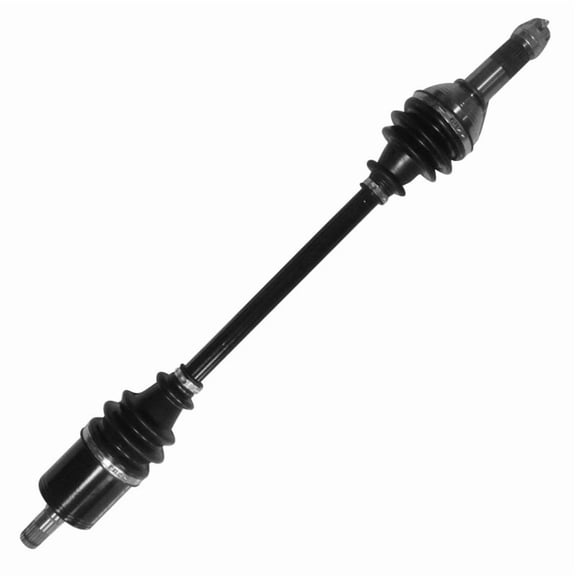
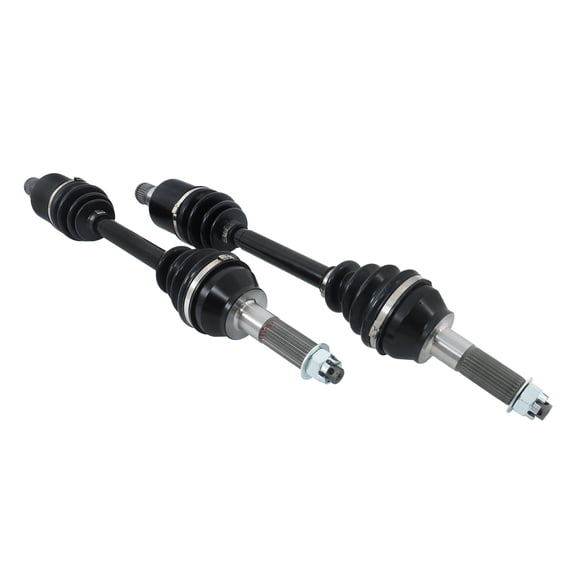
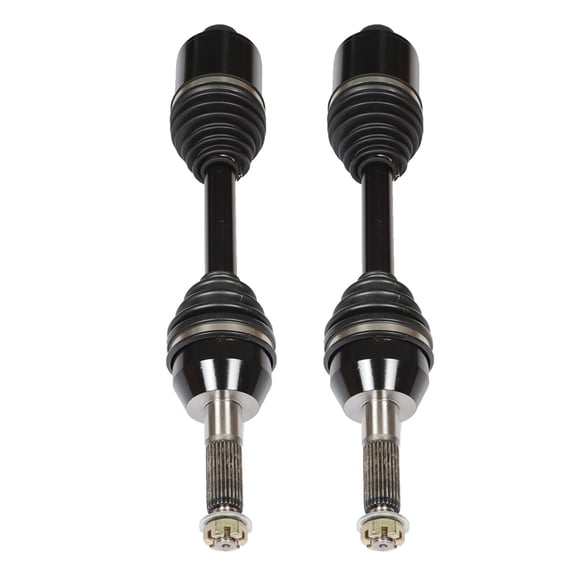
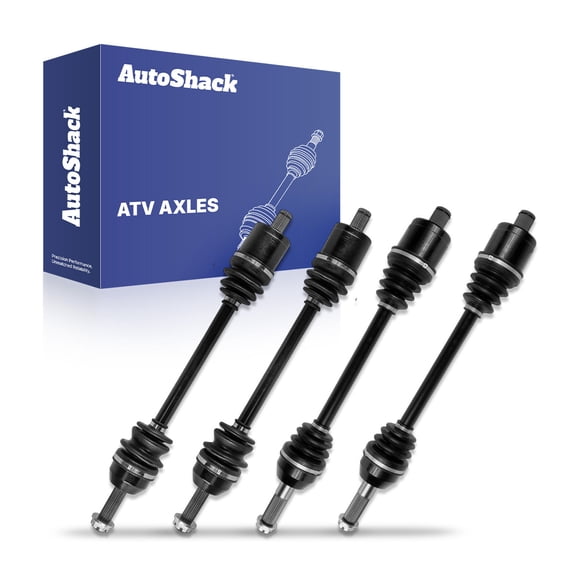
With atv axles, you can restore smooth power delivery and match your machine to the right front, rear, left, or right setup. You can also compare fitment details that matter, including spline count, compressed length, and OEM-style replacement options.
If you ride trails, work around property lines, or rebuild a project machine, you need axle parts that match your vehicle exactly. You can compare complete assemblies, axle kits, CV joints, and boot kits without guessing which setup fits your off-road build.
How to choose atv axles by placement
You should start with placement because front and rear axle designs often differ in length, joint style, and connection points. You’ll also want to confirm whether your machine needs a left or right side replacement.
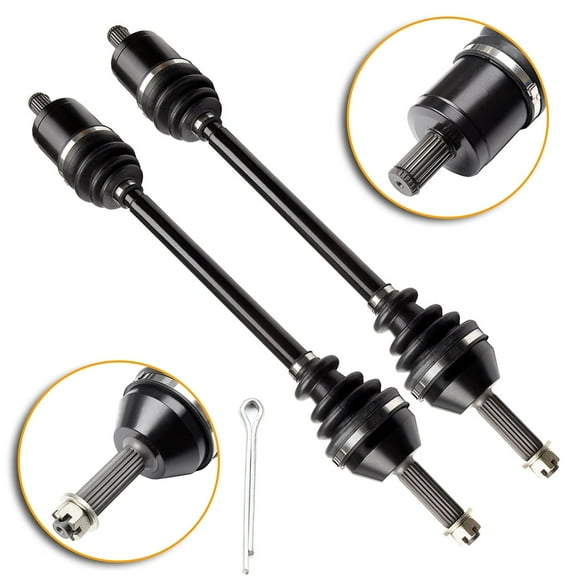
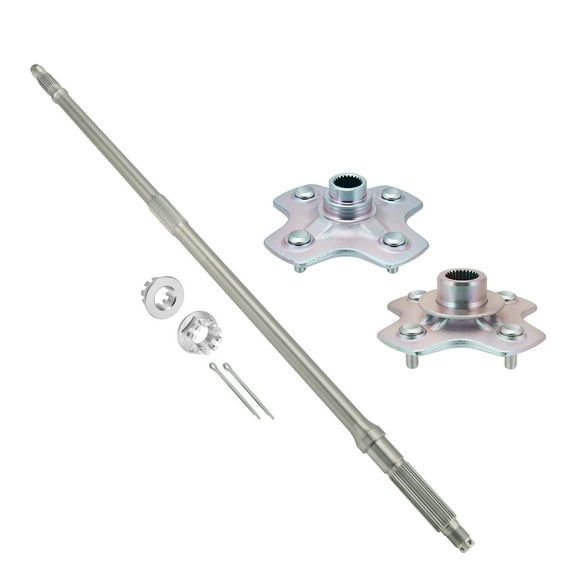
When you compare atv front axles, you should check steering-side movement and suspension travel compatibility. When you review atv rear axles, you should focus on hub connection, axle shaft length, and drivetrain match.
If your four wheeler axle sits on an independent suspension setup, you should compare compressed length carefully. If your machine uses a solid rear arrangement, you should verify hub and bearing compatibility first.
- You can narrow your options quickly by checking front versus rear placement first.
- You can avoid mismatched parts by confirming left or right side orientation.
- You can improve installation planning by comparing axle type and included hardware.
- You can keep your rebuild organized by matching placement before reviewing other specs.
What to look for in fitment and compatibility
You should treat fitment as the main decision because a close match still may not install correctly. You’ll want to compare OEM part numbers, spline count, and compressed length before choosing any replacement.
If you know your OEM part number, you can quickly narrow compatible options for your ATV or four wheeler. If you don’t, you can still compare axle length, outer splines, and inner splines with confidence.
You should also check whether your machine uses an OEM replacement, a heavy duty upgrade, or an aftermarket configuration. You’ll notice these options support different riding styles, loads, and terrain demands.
For casual trail use, you may prefer an OEM-style part that matches original dimensions and installation points. For hauling gear or riding rough ground, you may prefer heavier shaft construction and reinforced joint areas.
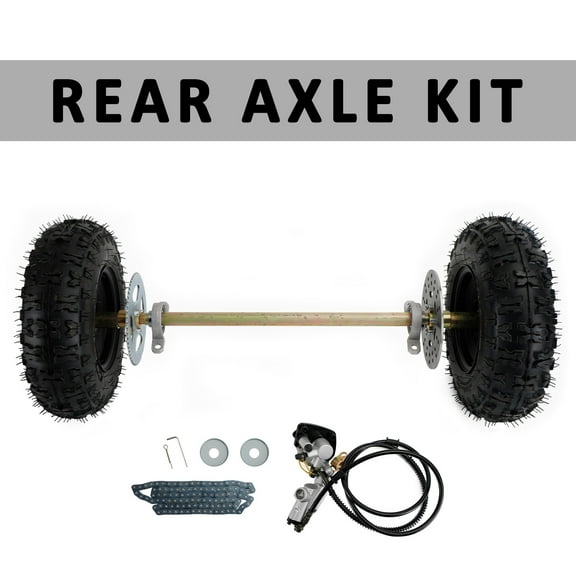
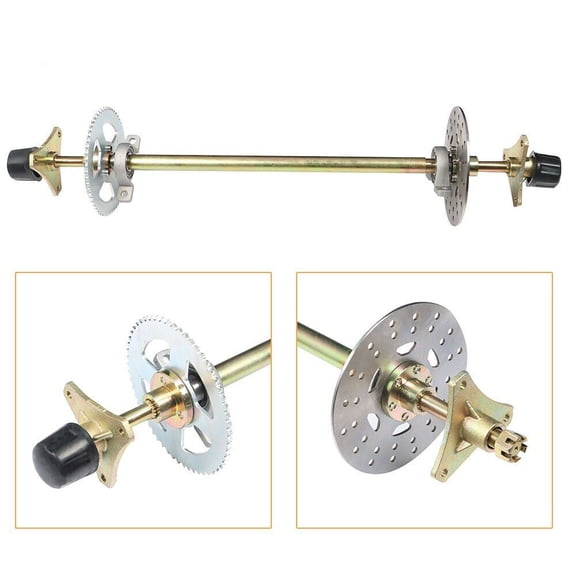
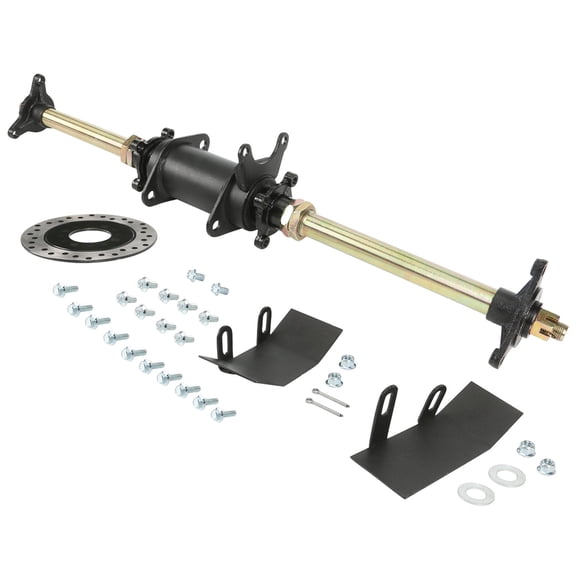
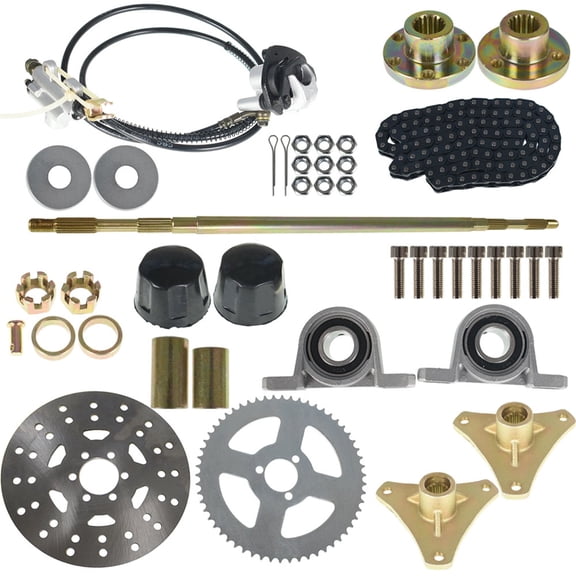
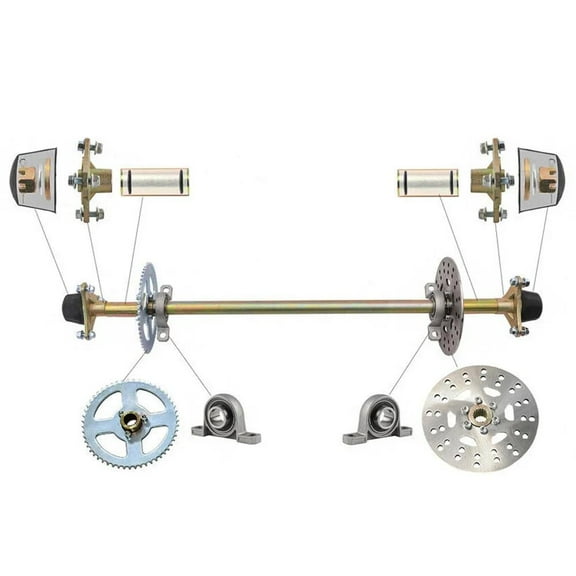
If you’re shopping for a mini quad rear axle or mini bike rear axle kit, you should measure carefully before ordering. You’ll want to compare axle diameter, overall length, and mounting points with your current setup.
Choosing complete assemblies, axle kits, and components
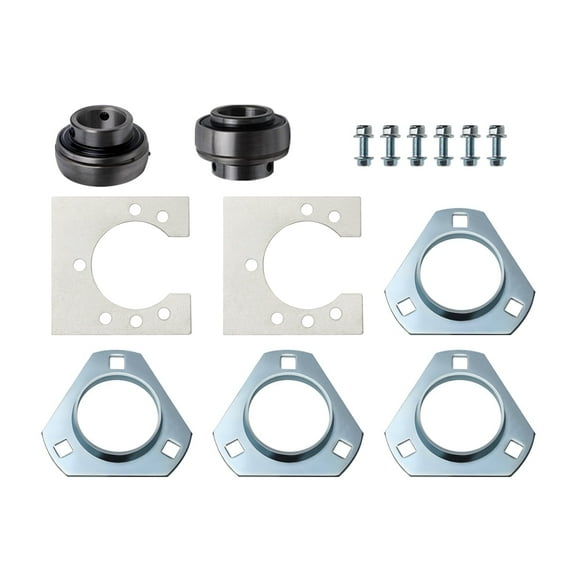
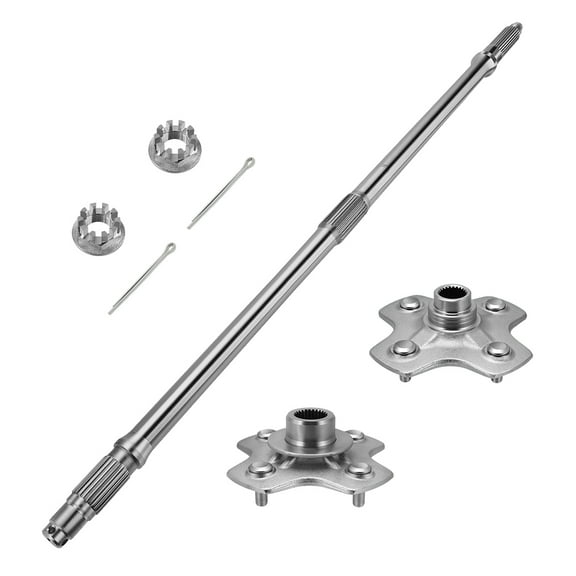
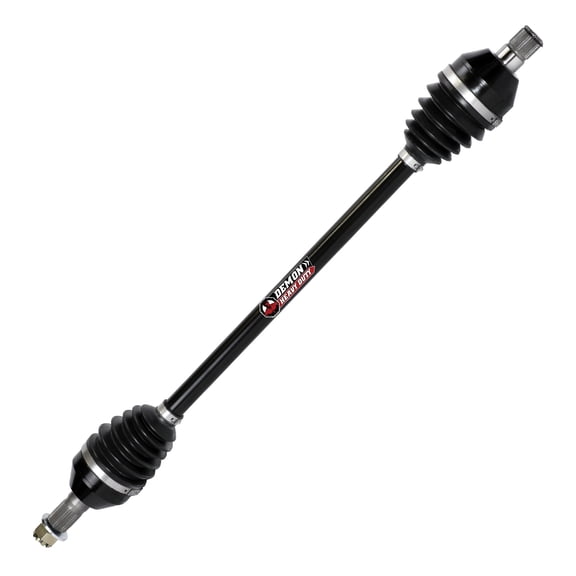
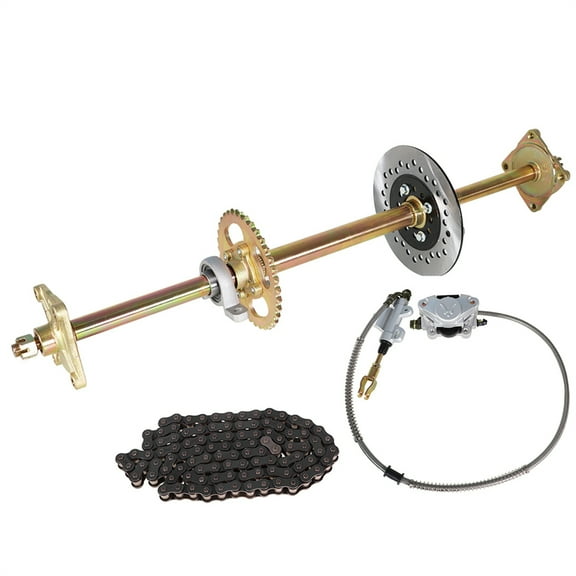
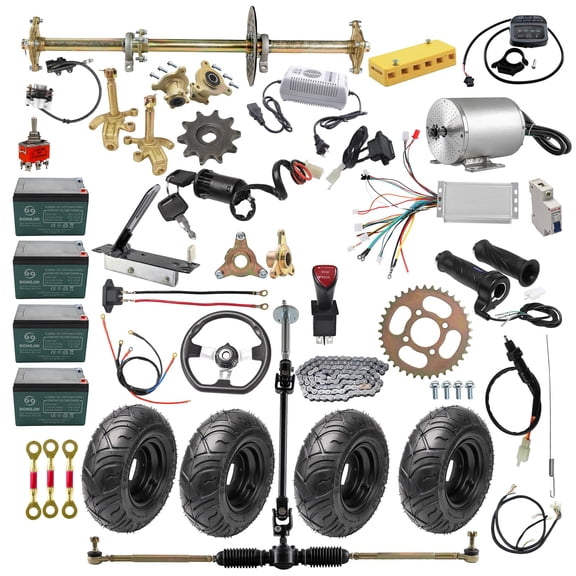
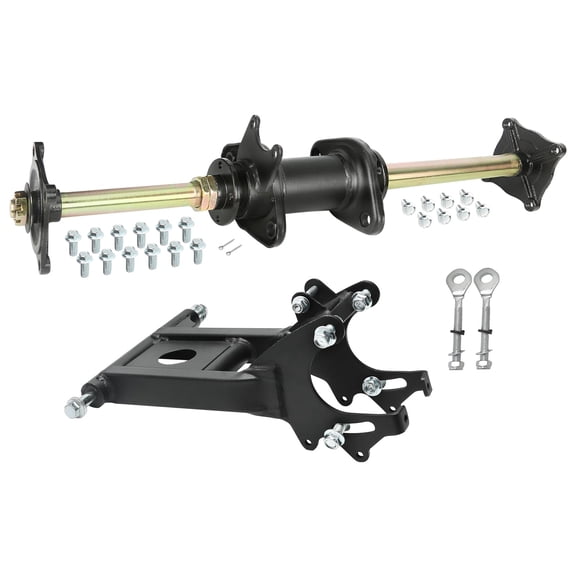
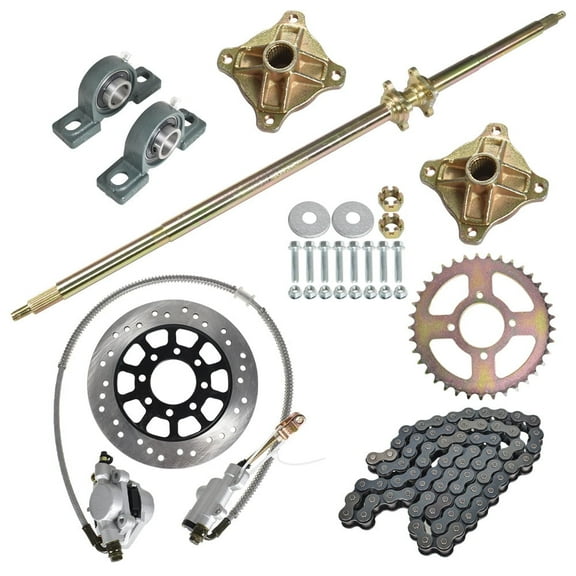
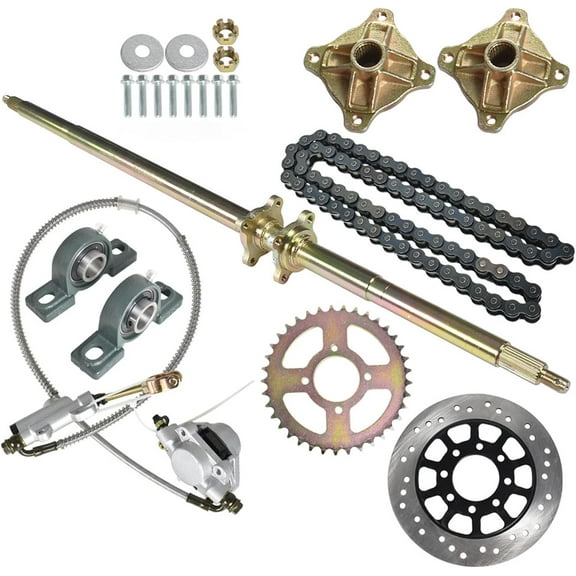
You should decide whether you need a complete axle assembly or a smaller repair component before you compare listings. You can often choose from full shaft assemblies, an atv rear axle kit, CV joints, or boot kits.
If you want a straightforward replacement path, you may choose a complete assembly with major parts already paired. If you only need targeted service, you may choose separate joints or a boot kit.
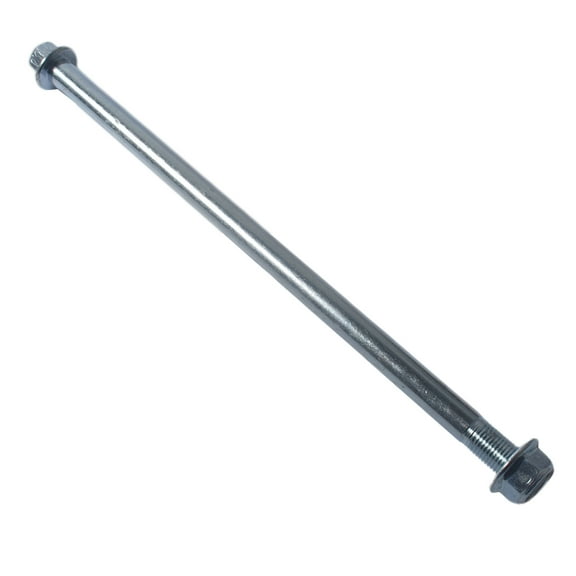
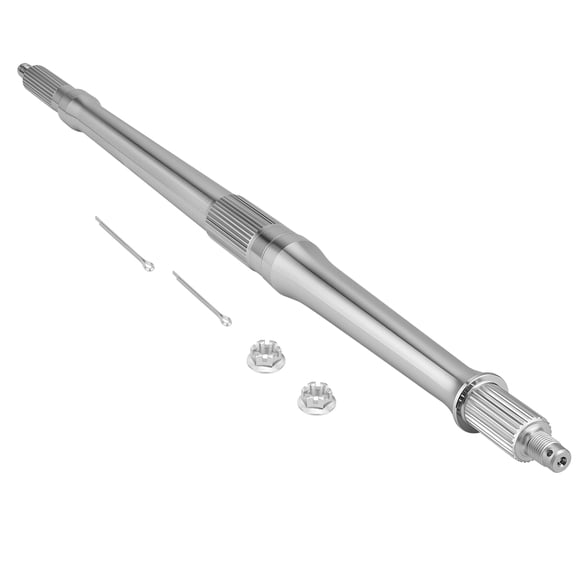
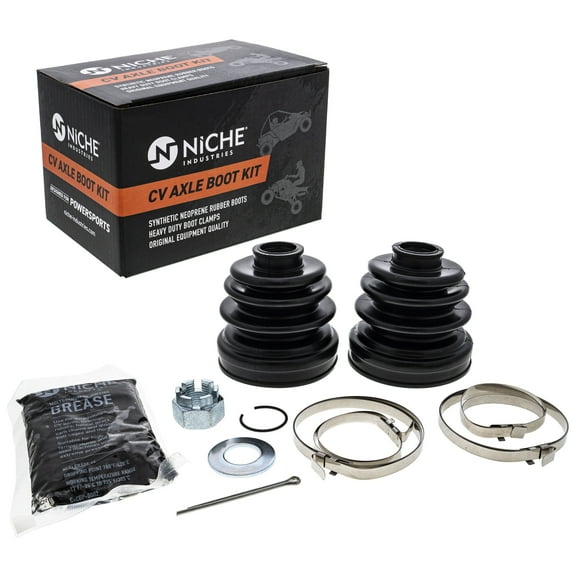
You should check what each kit includes because contents can vary across vehicle types and applications. You may find axle nuts, clips, joints, or boots included, while other options focus on one replacement point.
When you compare go kart axel parts or trike parts alongside ATV items, you should review dimensions very carefully. You can’t assume those parts share the same shaft length, hub design, or spline pattern.
How heavy duty and aftermarket options fit your riding
You should compare standard replacement and heavy duty construction based on how you actually ride. You may want stronger materials and reinforced joints if your routes include mud, ruts, towing, or repeated hard acceleration.
If you use your machine for property work, you may appreciate parts built for regular load carrying and uneven ground. If you ride recreationally on smoother paths, you may prefer a direct replacement that matches factory feel.
You should also consider aftermarket options when you need a specific combination of durability and fitment. You can compare these choices by stated compatibility, shaft measurements, and intended vehicle type.
For a four wheeler axle replacement, you should balance durability with exact match details instead of guessing by appearance. You’ll get a precise fit by checking technical specs before choosing a heavy-duty upgrade.
Using vehicle type and riding scenario to narrow choices
You can narrow your search quickly when you match axle parts to the machine you’re rebuilding or maintaining. You should compare ATV, four wheeler, mini bike, and go kart applications as separate fitment groups.
If you ride an ATV on trails, you may focus on front articulation, CV joint movement, and replacement ease. If you maintain a utility four wheeler, you may focus on rear strength and cargo-ready durability.
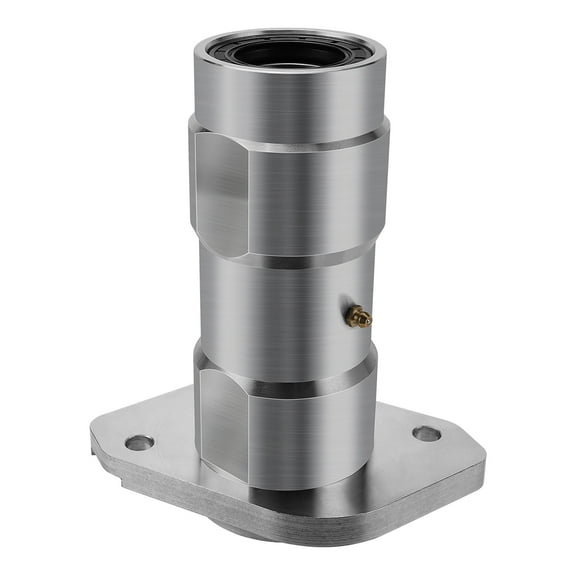
When you rebuild a mini bike rear axle kit setup, you should check wheel spacing and hardware inclusion. When you work on a compact off-road project, you should confirm whether bearings, hubs, and spacers match.
If you need replacement parts quickly, you can use Walmart’s shipping and pickup options where available. You’ll keep your repair moving by comparing fitment details before choosing the axle style you need.
You’ll feel confident choosing ATV axle parts when you compare placement, vehicle type, components, and fitment details together. You can land on a precise match that supports smooth installation and reliable off-road performance.